The Weight of Evolution: How One Entrepreneur Navigated Business Collapse, Legal Battles, and Personal Grief to Find Clarity


The modern digital landscape often presents a meticulously curated illusion of effortless success, where health, career stability, financial security, and personal happiness appear perpetually balanced. However, beneath the polished surface of social media curation lies a more complex reality characterized by burnout, systemic pressures, and profound personal transition. This dichotomy between public perception and private resilience has become a defining narrative for contemporary professionals navigating the post-pandemic economic and psychological landscape.

The Cumulative Toll of Pandemic-Era Crises and Burnout
The past several years have exerted an unprecedented psychological toll on individuals worldwide, testing the limits of personal and professional endurance. Following the initial disruptions of the COVID-19 pandemic, many individuals returned immediately to high-pressure operational environments without adequately processing cumulative trauma. Societal expectations demanded an immediate return to pre-pandemic productivity levels, ignoring the psychological aftermath of isolation, economic uncertainty, and systemic instability.

Psychological research underscores the physical manifestation of prolonged stress. According to Bessel van der Kolk’s seminal work on trauma, The Body Keeps Score, physical self-awareness is a critical first step in addressing unresolved stress. When individuals transition from chronic "fight-or-flight" states to periods of safety, physiological systems frequently register delayed exhaustion. Symptoms such as chronic fatigue, cognitive fog, and acute sleep disturbances are common indicators that the nervous system is finally processing accumulated stress. For many entrepreneurs and creatives, this delayed reaction coincides with the dismantling of unsustainable lifestyles, forcing a necessary reckoning with mental health.

The Demise of NODE: A Case Study in Retail Vulnerability
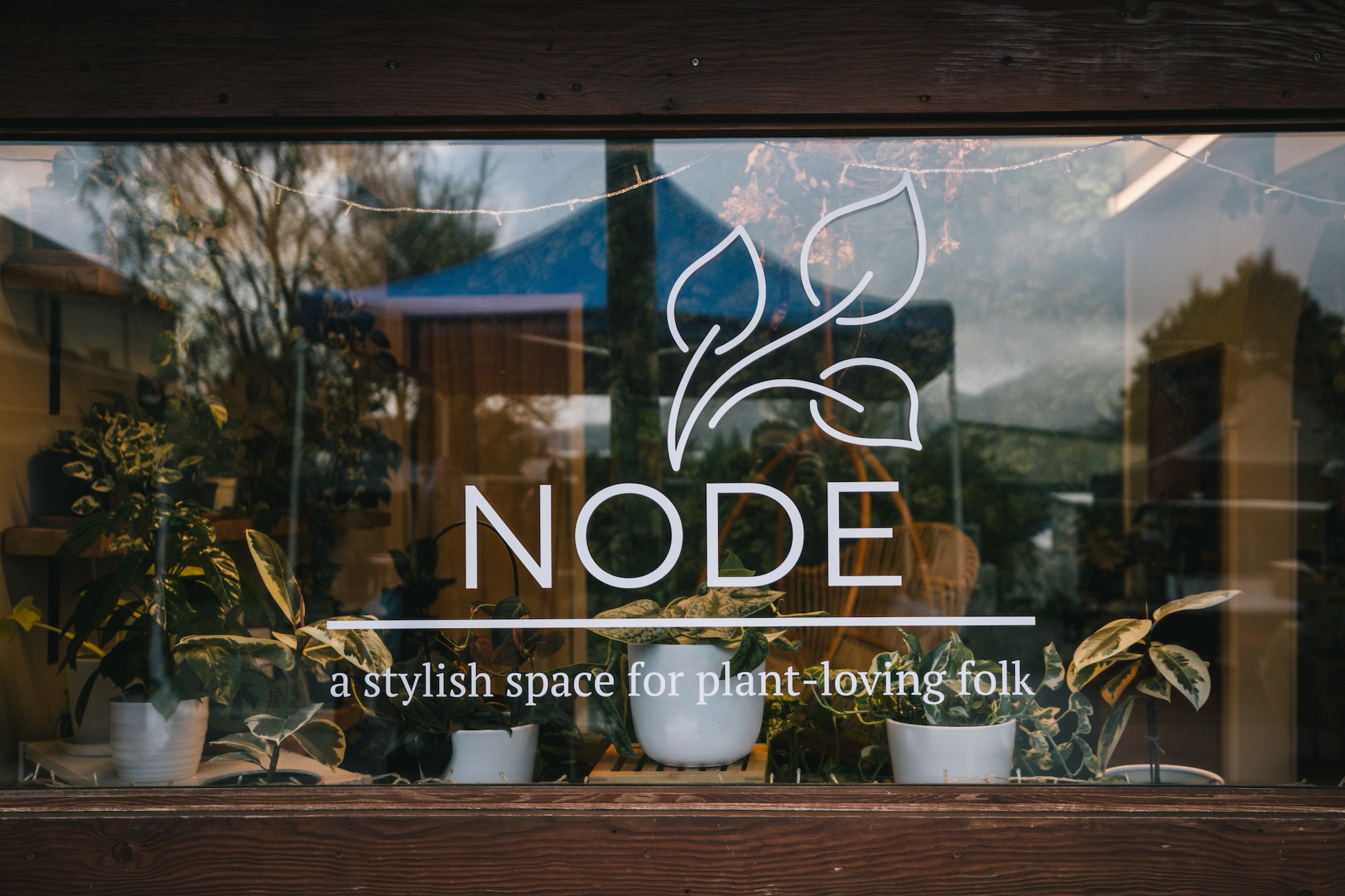
At the epicenter of these personal and professional shifts was the trajectory of NODE, a specialized designer houseplant enterprise launched in Lyttelton, New Zealand, during the height of the COVID-19 pandemic. Established in response to shifting travel restrictions and a burgeoning domestic demand for rare indoor flora, the business initially flourished, capitalizing on a significant market surge for botanical aesthetics that eventually secured its founder a publishing contract.

However, the enterprise was inextricably linked to personal foundations that proved volatile. Following the dissolution of a domestic partnership and the subsequent separation of living and working spaces, maintaining a brick-and-mortar storefront became increasingly untenable. The physical demands of managing a retail establishment required a continuous local presence, creating logistical friction as the founder attempted to balance operations across a five-hour geographic divide between Wānaka and Christchurch.

The decision to close the physical premises of NODE and pivot exclusively to an online retail model marked a significant turning point, albeit one delayed by logistical inertia and emotional investment. Retail sector analysts note that pandemic-born businesses frequently face structural vulnerabilities as consumer habits normalize and supply chain costs fluctuate. The eventual closure of NODE’s physical storefront, preceded by compounding logistical setbacks including vehicular damage and property loss, illustrates the precarious nature of small business ownership during periods of macroeconomic volatility.

Legal Vulnerabilities and the Employment Grievance System
Compounding the operational challenges of retail management, the enterprise encountered significant friction within the framework of New Zealand’s employment relations system. Engaging casual labor to manage fluctuating e-commerce packaging demands exposed systemic vulnerabilities in contract implementation.

Two years prior to the business’s closure, a casual employee engaged for intermittent packaging tasks filed an official employment grievance through a no-win-no-fee legal representative. The claimant alleged unjustified dismissal and sought reclassification as a part-time employee with associated statutory benefits, ultimately demanding tens of thousands of dollars in damages, lost wages, and financial penalties—despite having earned approximately $1,000 during a brief period of casual employment.

The ensuing legal proceedings extended over nearly a year, necessitating formal mediation, extensive documentation, and significant legal expenditures. Although the claim was ultimately abandoned by the claimant shortly before a scheduled Employment Relations Authority hearing—a resolution that precluded the recovery of legal costs—the psychological and financial burden on the employer was substantial.

Legal experts and business advocates in New Zealand have frequently highlighted the challenges small business owners face within employment dispute frameworks, where the cost of legal defense can disproportionately impact micro-enterprises. This case study underscores the broader implications of regulatory vulnerabilities for independent retailers, often accelerating decisions to downsize or dissolve physical operations to mitigate ongoing risk.

Evolution of the Digital Creator Economy
Parallel to physical retail challenges, the broader creator economy has undergone a significant structural evolution. Emerging as an early adopter of digital storytelling and lifestyle blogging in 2010, the enterprise scaled alongside the commercialization of platforms such as Instagram. Throughout the 2010s, early digital creators played a foundational role in establishing influencer marketing as a viable commercial sector, developing professional conferences and standardizing brand collaborations.

However, the contemporary social media ecosystem has faced growing criticism from long-term creators regarding superficial metrics, algorithm-driven content trends, and a shift toward commercial saturation. Industry analysts point to audience fatigue with transactional endorsements and high-frequency advertising, prompting a return to long-form journalism, substantive storytelling, and specialized niche communities. This environment has forced established digital professionals to reevaluate their public identities, moving away from generalized consumer promotion toward aligned partnerships within conservation, sustainability, and expedition sectors.
Transition to Polar Exploration and Guided Expedition
Freed from the operational constraints of traditional retail and legacy digital expectations, professional reorientation frequently involves pivoting toward long-held aspirations. Following years of participation as media documentation personnel aboard expedition vessels, the transition toward professional polar guiding represents a strategic realignment with field-based expertise and environmental education.

The polar tourism sector has experienced renewed interest post-pandemic, driven by demand for remote, educational travel experiences. Expedition guiding requires rigorous logistical competence, safety management in extreme environments, and effective public communication—skills directly transferable from years of independent enterprise management and complex storytelling. This career pivot illustrates the potential for professional reinvention when individuals successfully navigate major life disruptions, trading legacy operational models for direct, experiential engagement with environmental science and wilderness education.

Broader Implications and Long-Term Outlook
The convergence of business dissolution, legal disputes, career re-evaluation, and personal bereavement highlights the multi-layered challenges facing modern professionals. The processing of grief—whether stemming from the loss of a close personal relationship, the dissolution of an enterprise, or the terminal illness of a lifelong friend—requires a systemic recalibration of personal resilience.

Sociological analyses of post-crisis adaptation suggest that significant life disruptions, while economically and psychologically costly, frequently catalyze necessary structural changes. By releasing unsustainable business models, navigating adversarial legal frameworks, and stepping away from saturated digital paradigms, individuals can reallocate cognitive and emotional capital toward sustainable, high-impact pursuits. The resulting trajectory emphasizes that personal evolution is rarely linear, requiring the systematic dismantling of outdated identities to accommodate future growth.