The Art of Endurance: How Matt Suess Redefines Landscape Photography by Mastering the Full-Day Commitment

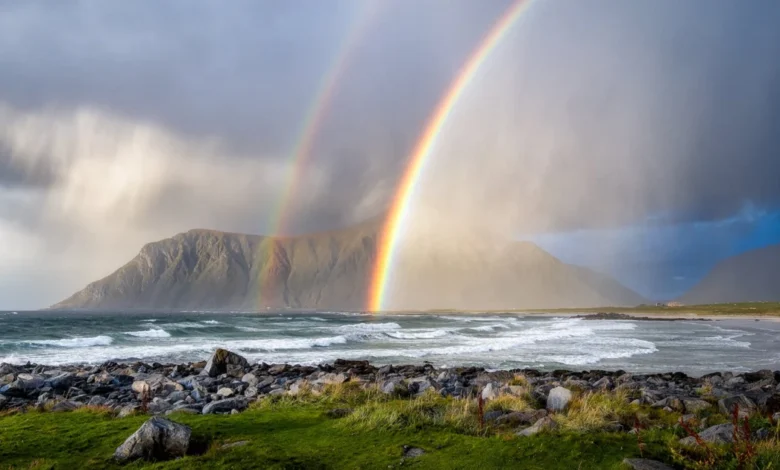
The standard approach to landscape photography has long been dictated by the narrow windows of golden hour. At Grand Teton National Park, the ritual is familiar: photographers congregate at designated viewpoints before sunrise, wait for the first light to crest the peaks, and depart almost immediately after the sun slips below the horizon. However, OM SYSTEM Ambassador Matt Suess argues that this race-to-the-finish-line mentality results in a profound loss of creative opportunity. By committing to a single location from dawn until long after the stars appear, Suess is challenging the industry’s reliance on peak light, advocating for a methodology that prioritizes patience, environmental engagement, and technical mastery over the convenience of a quick shoot.
The Psychology of the Long-Form Shoot
For Suess, a former newspaper photographer with 17 years of experience in the high-pressure environment of editorial news, the landscape is not merely a subject to be captured, but a narrative to be constructed. His philosophy—spending an entire day in one location—mirrors the editorial workflow of a photojournalist tasked with telling a complete story.
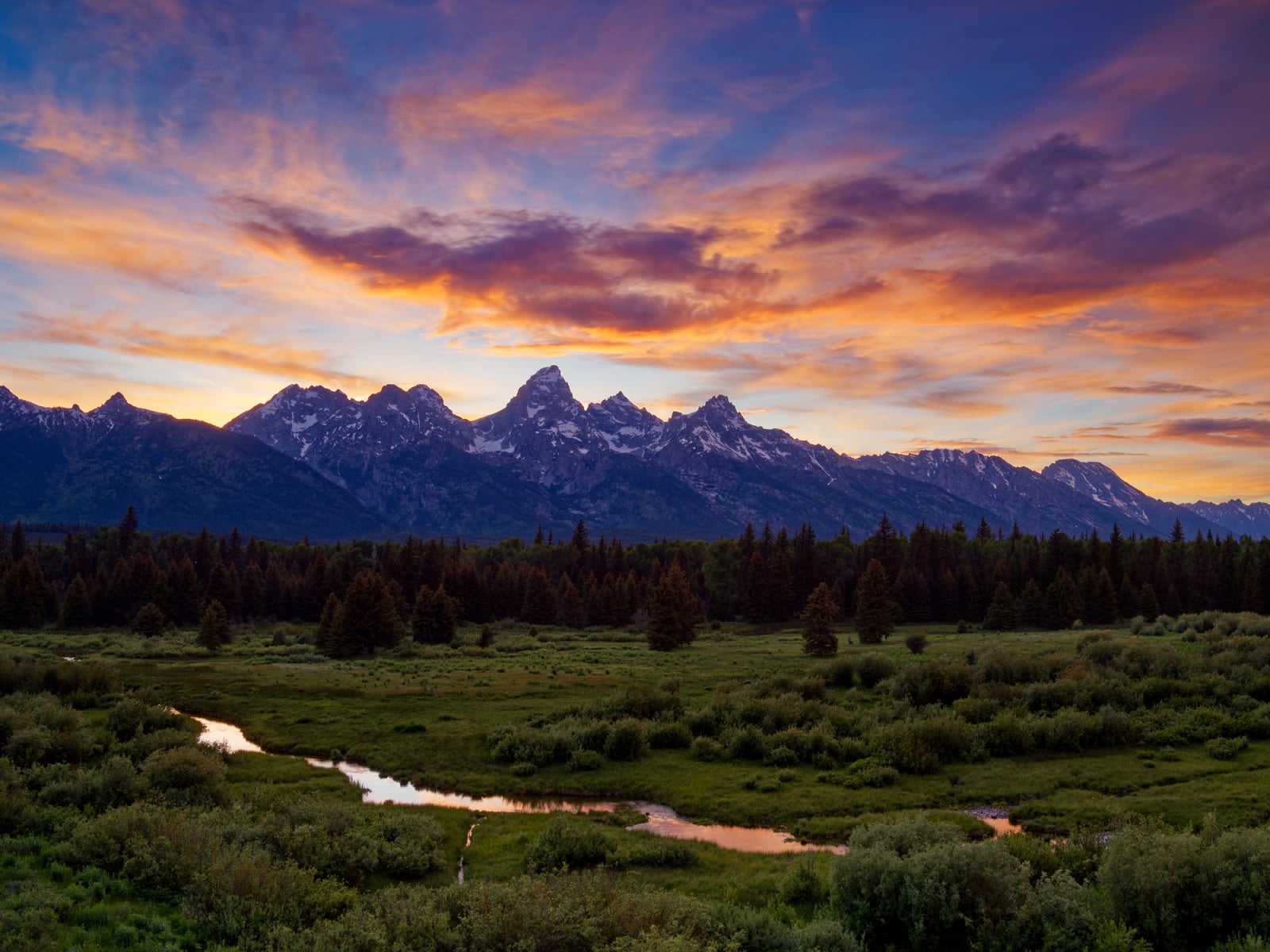
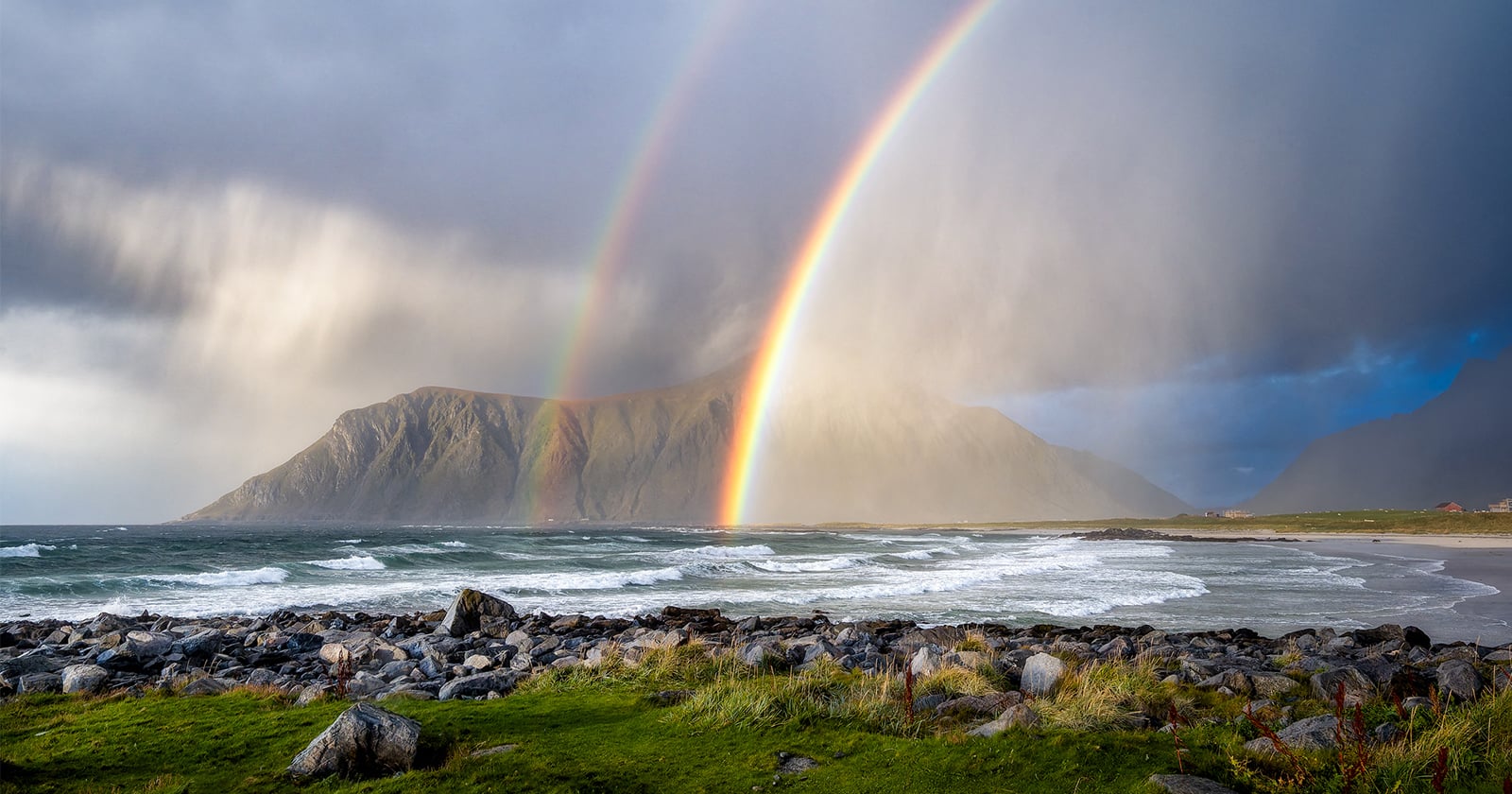
"Most landscape photographers plan their days around sunrise and sunset," Suess observes. "The rest of the day is treated as transit, scouting, or sleep. But blue hour is consistently ignored, and even the harsh midday light offers specific textures and contrasts that most photographers miss because they are back indoors."
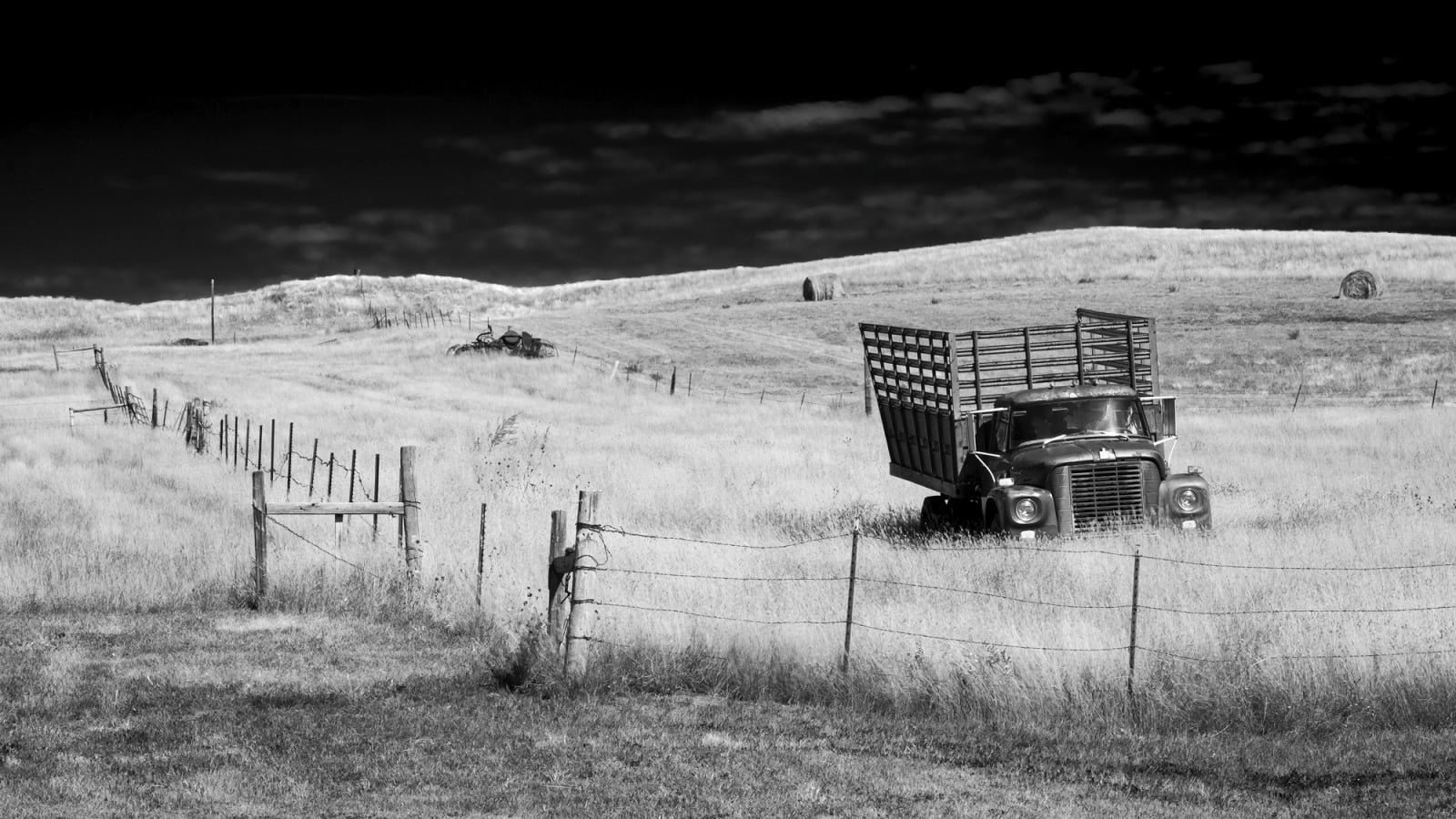
This commitment to endurance serves a dual purpose: it forces the photographer to move past the "easy" shots and demands a deeper connection with the topography. By staying, a photographer shifts from a passive observer to an active participant in the changing environmental conditions.
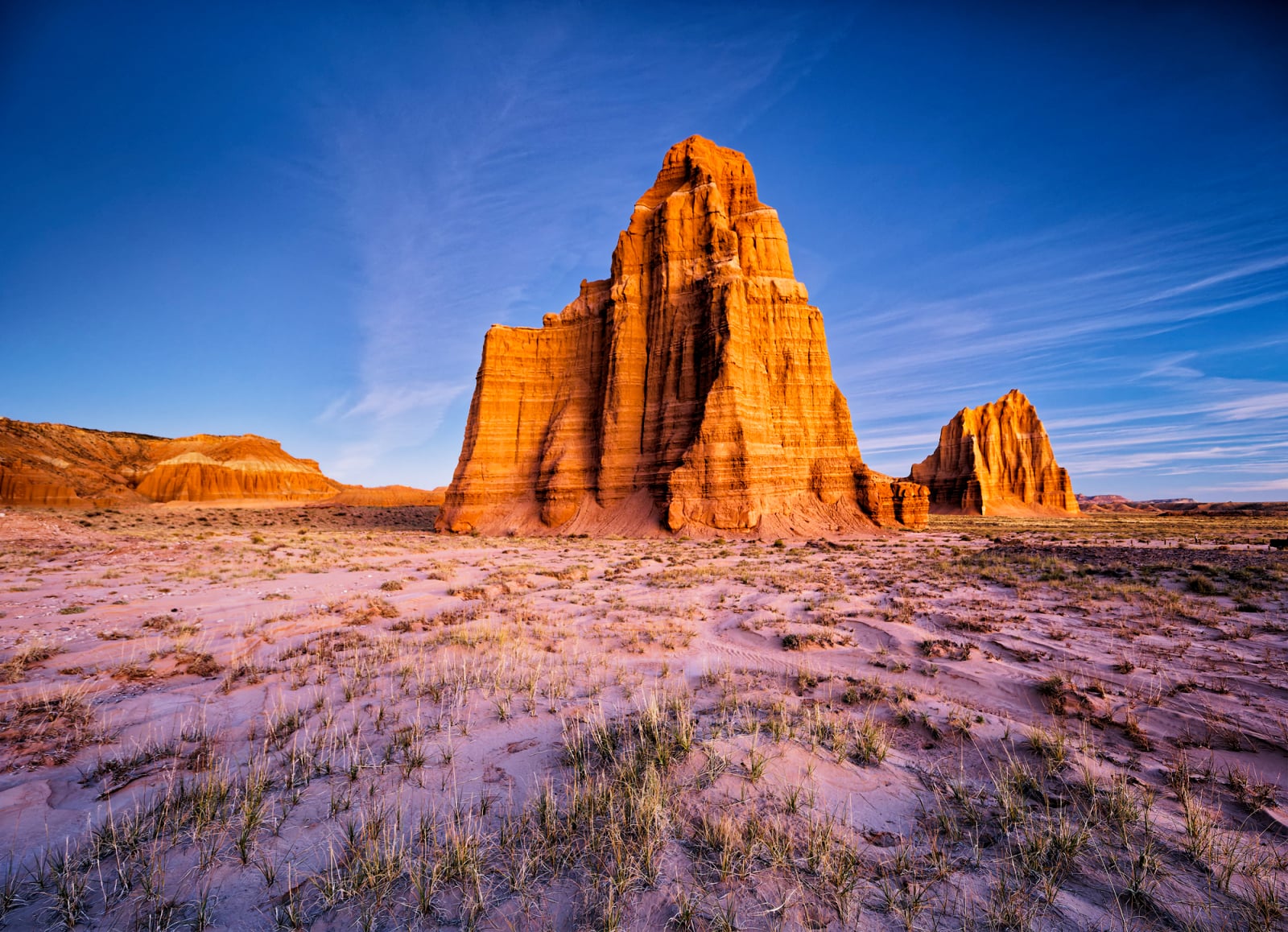
A Chronology of Light: From Dawn to Deep Night
Suess’s process begins well before the sun rises, utilizing specialized planning tools such as PhotoPills to map out the sun’s trajectory and celestial movements. The chronology of his day is broken into distinct phases, each requiring a different technical and creative approach:
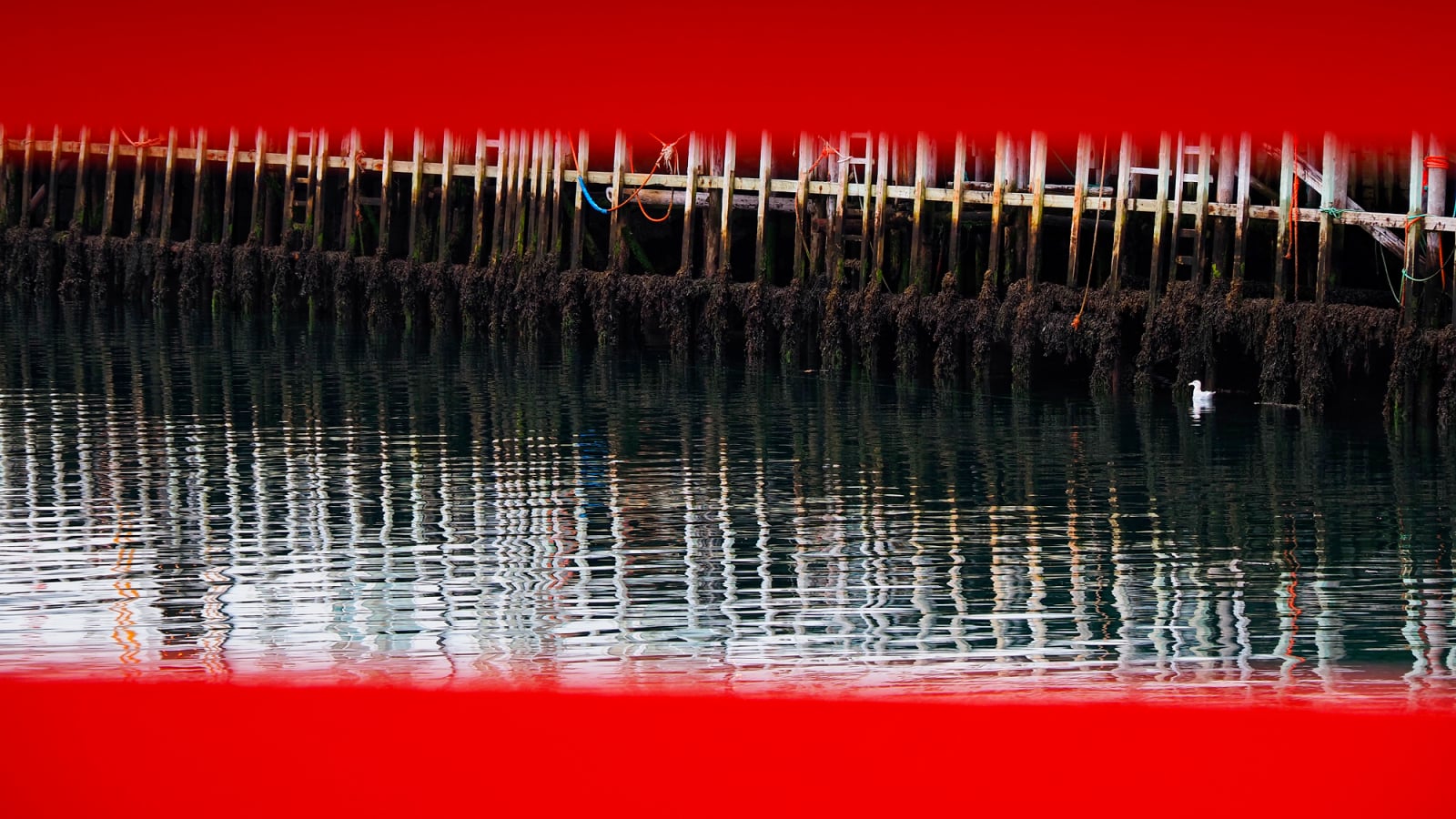
- Pre-Sunrise (Blue Hour): In this low-contrast, monochromatic phase, the absence of dramatic highlights and shadows places the burden of success on composition. Suess emphasizes that without color to guide the eye, the photographer must rely on tone, texture, and leading lines.
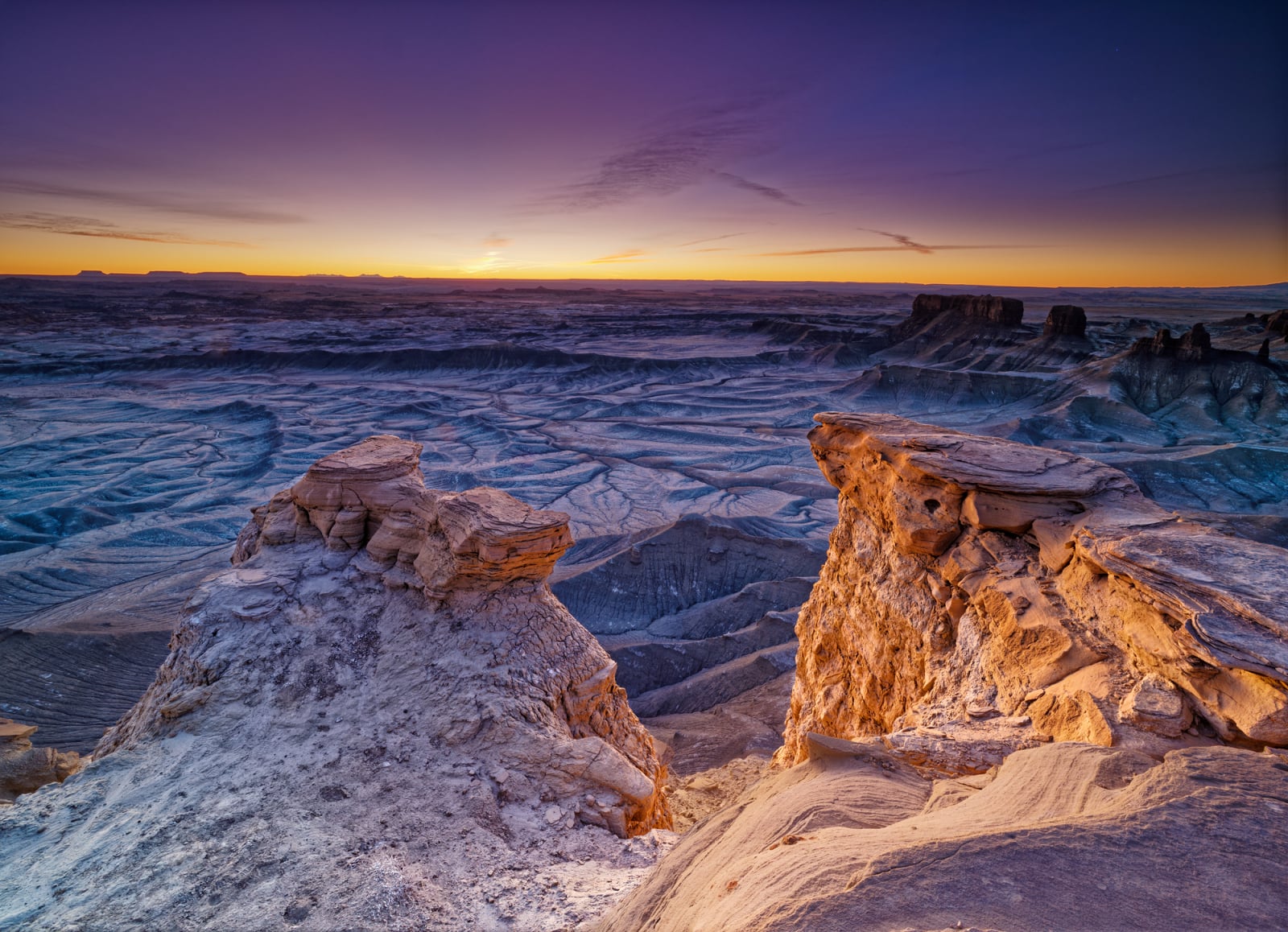
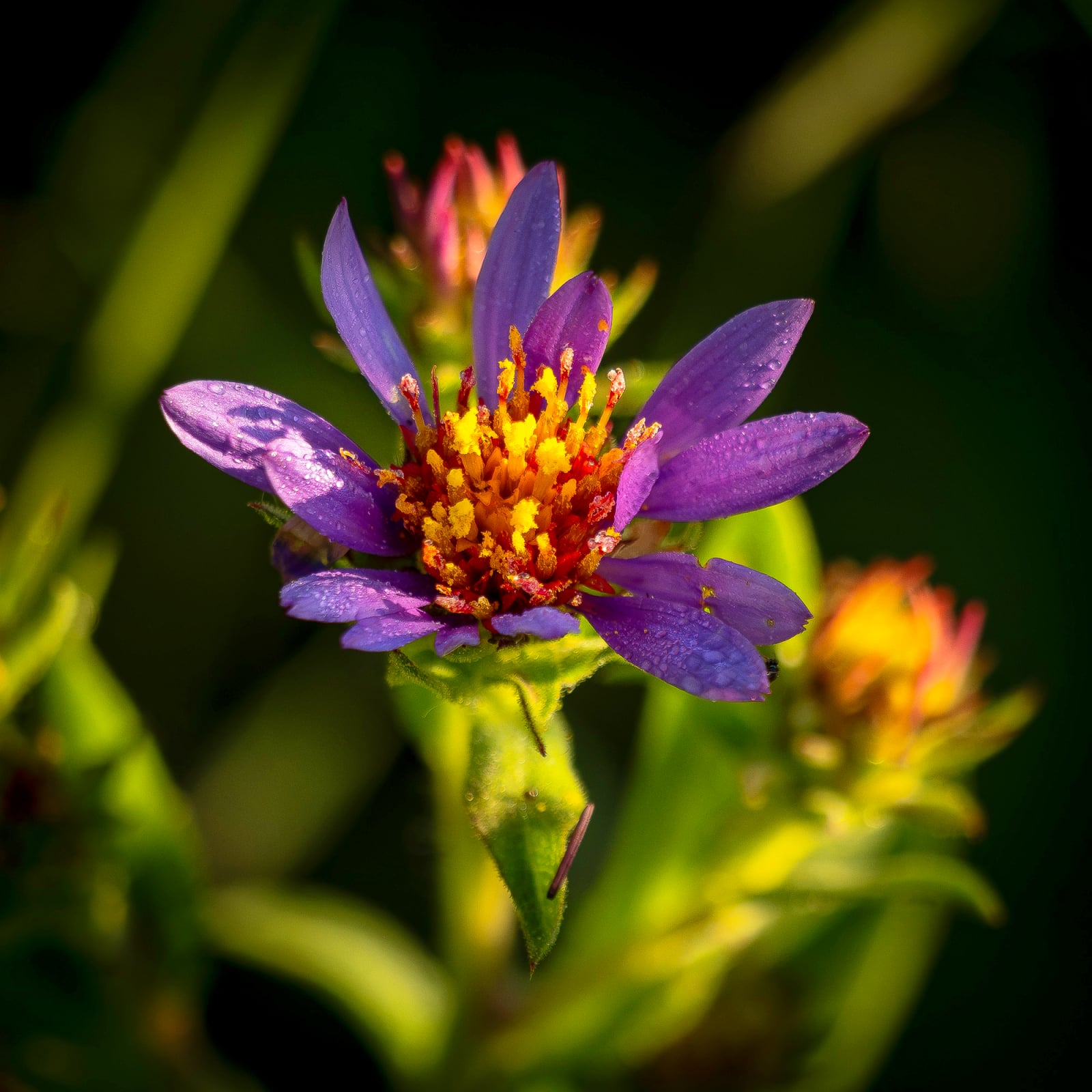
- Sunrise: The transition period is treated as a "three-shot story." Drawing from his newsroom background, Suess utilizes a wide-to-tight layering technique. He starts with a wide-angle landscape to establish the scene, moves to a medium shot to capture context, and finishes with a telephoto lens to isolate details. This rapid-fire approach ensures the essence of the morning is captured before the light shifts.
- Midday: Often dismissed as the "dead zone," midday is where Suess finds his most challenging material. By seeking out pockets of shade, dappled light through forest canopies, or patterns in parched earth, he demonstrates that harsh, vertical light can be harnessed to create high-contrast, graphic imagery.
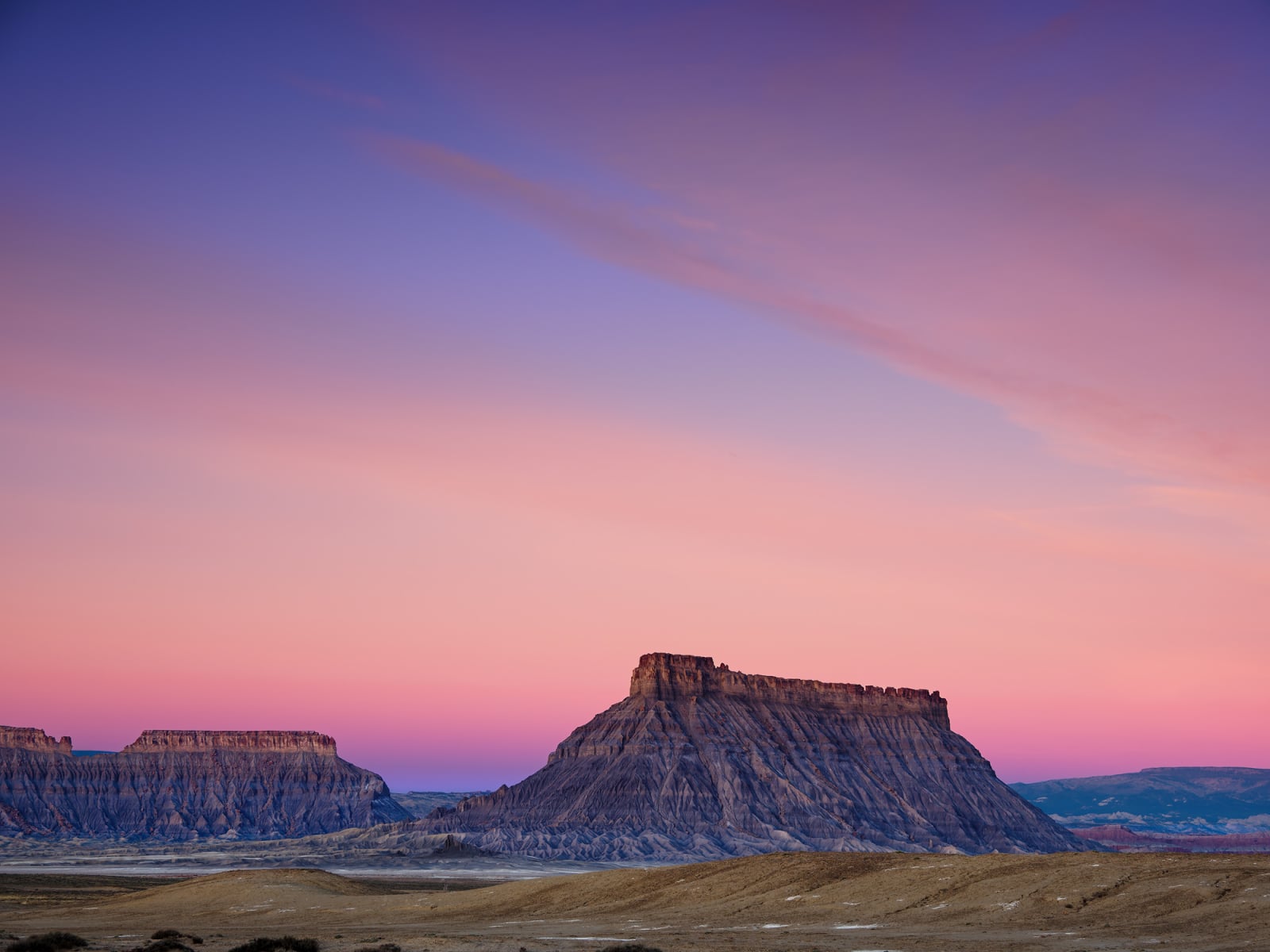
- Sunset and Evening Blue Hour: As the day reverses, Suess notes that the earth, having been warmed for hours, often provides a cleaner, sharper atmosphere than the morning. He notes that the most vibrant color frequently appears up to 30 minutes after the sun has officially set—a time when most parking lots are already empty.
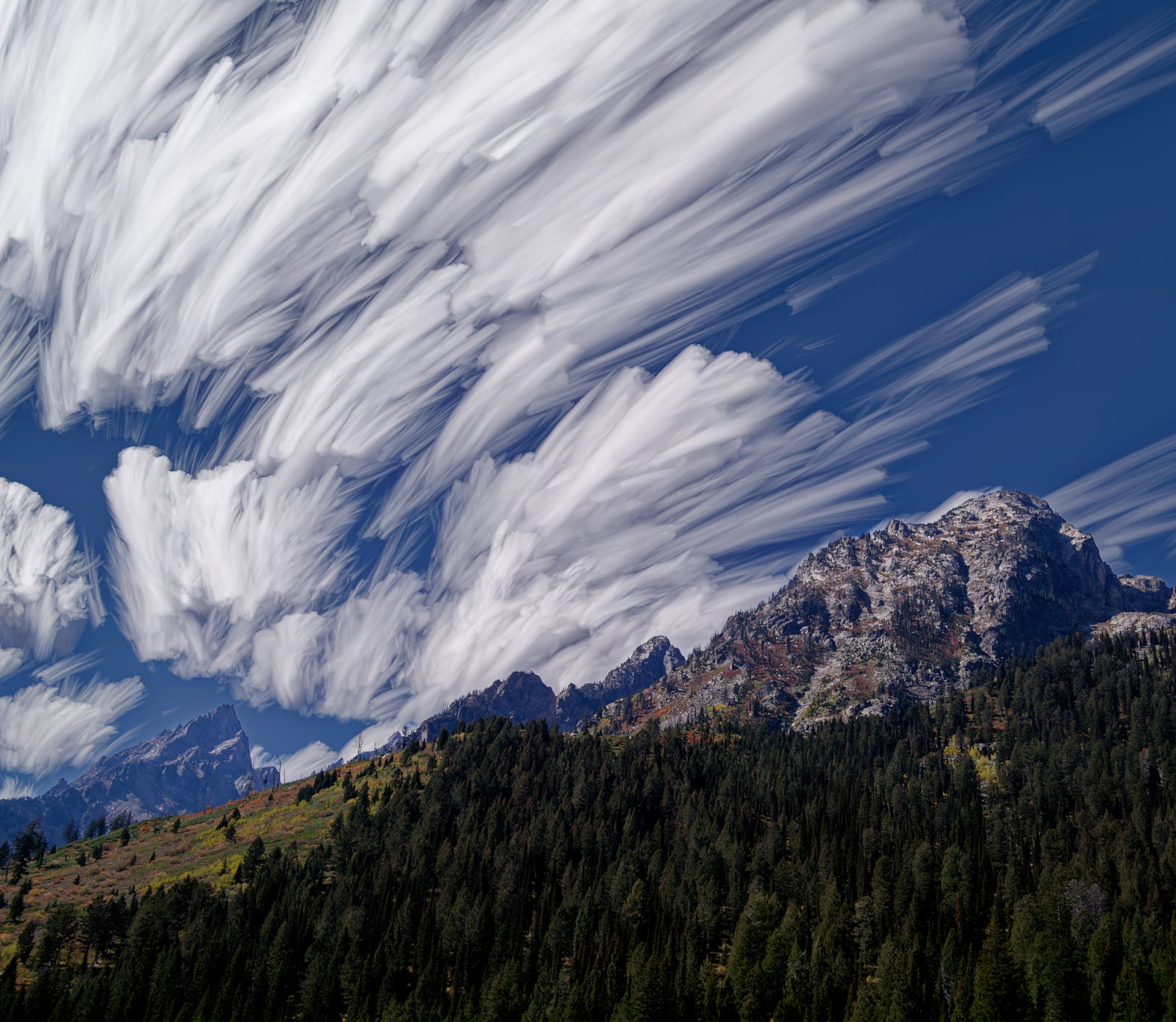
- Night and Astrophotography: The final stage involves the use of long-exposure techniques. Rather than viewing a moonlit or cloudy night as a failure, Suess uses it to create surrealist, low-light imagery that challenges the viewer’s perception of time and space.
Technical Mastery and the One-Lens Challenge
A core component of Suess’s strategy is the use of a streamlined kit, typically anchored by the OM-5 Mark II and the M.Zuiko Digital ED 12-100mm F4.0 IS PRO lens. The reliance on a versatile zoom lens, rather than a heavy bag of primes, is an intentional choice designed to prioritize mobility and safety.
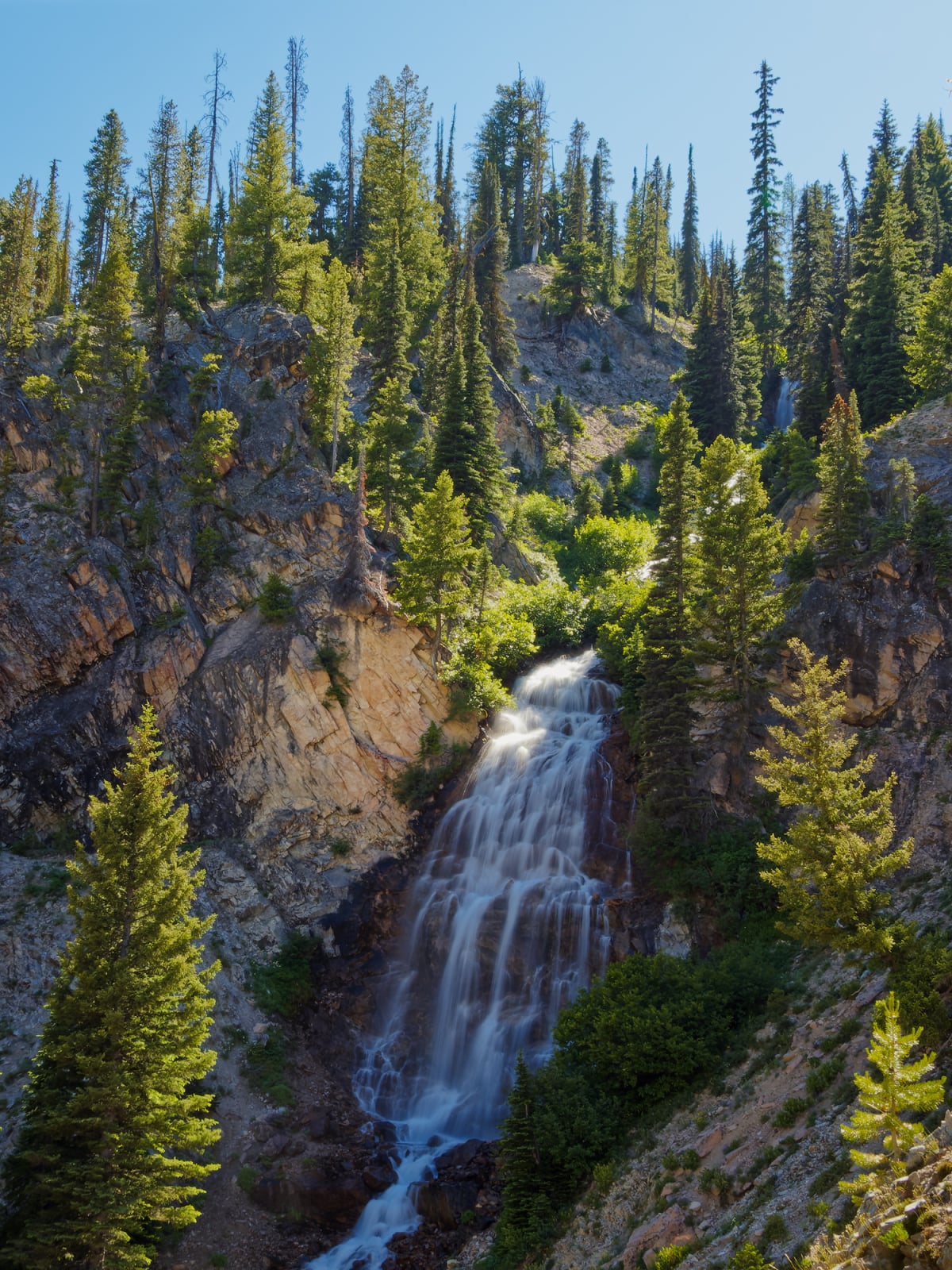
"I would rather carry extra clothing and safety gear than another lens," Suess notes. "Safety is the first thing I think about before I head into nature."
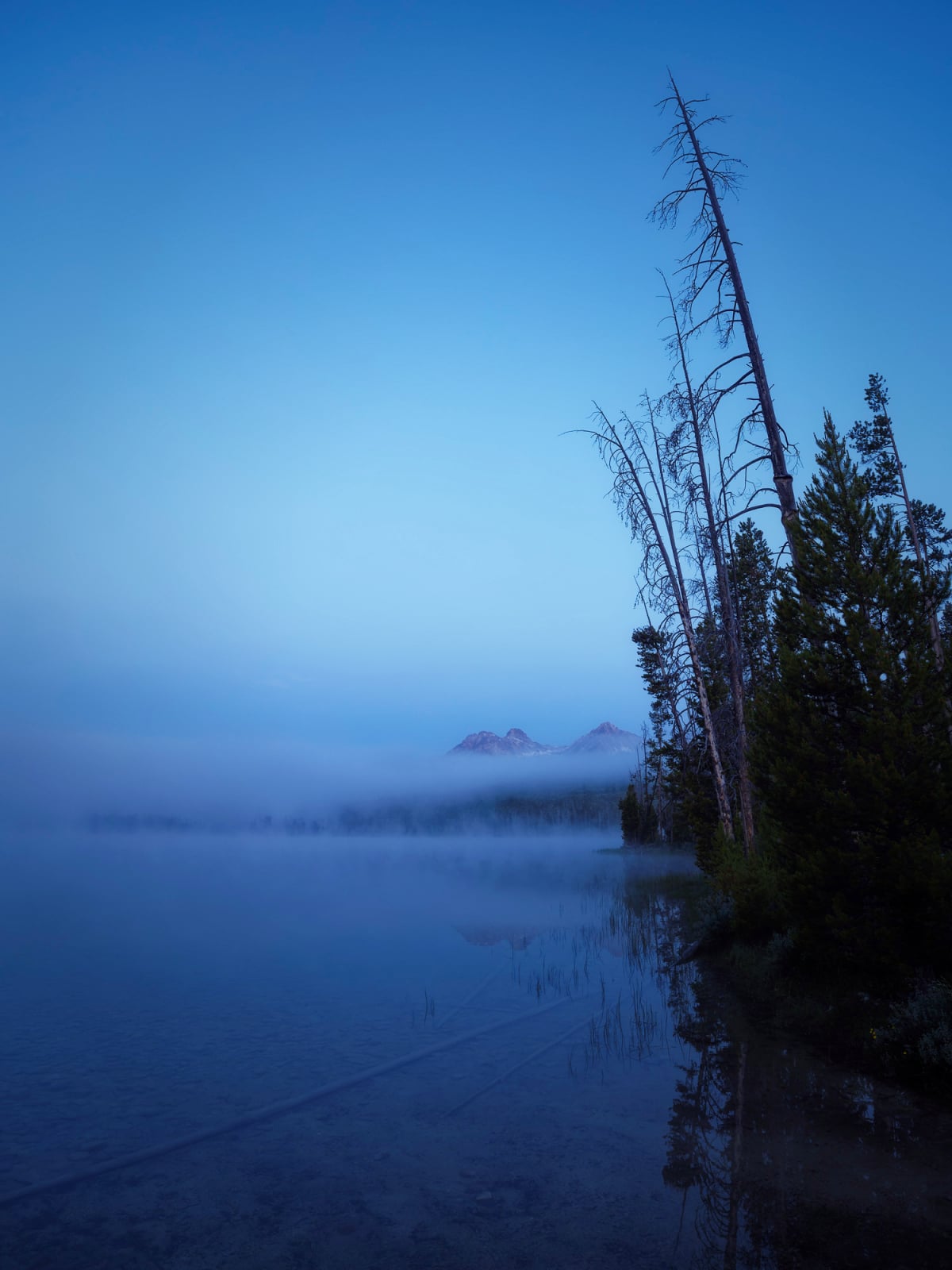
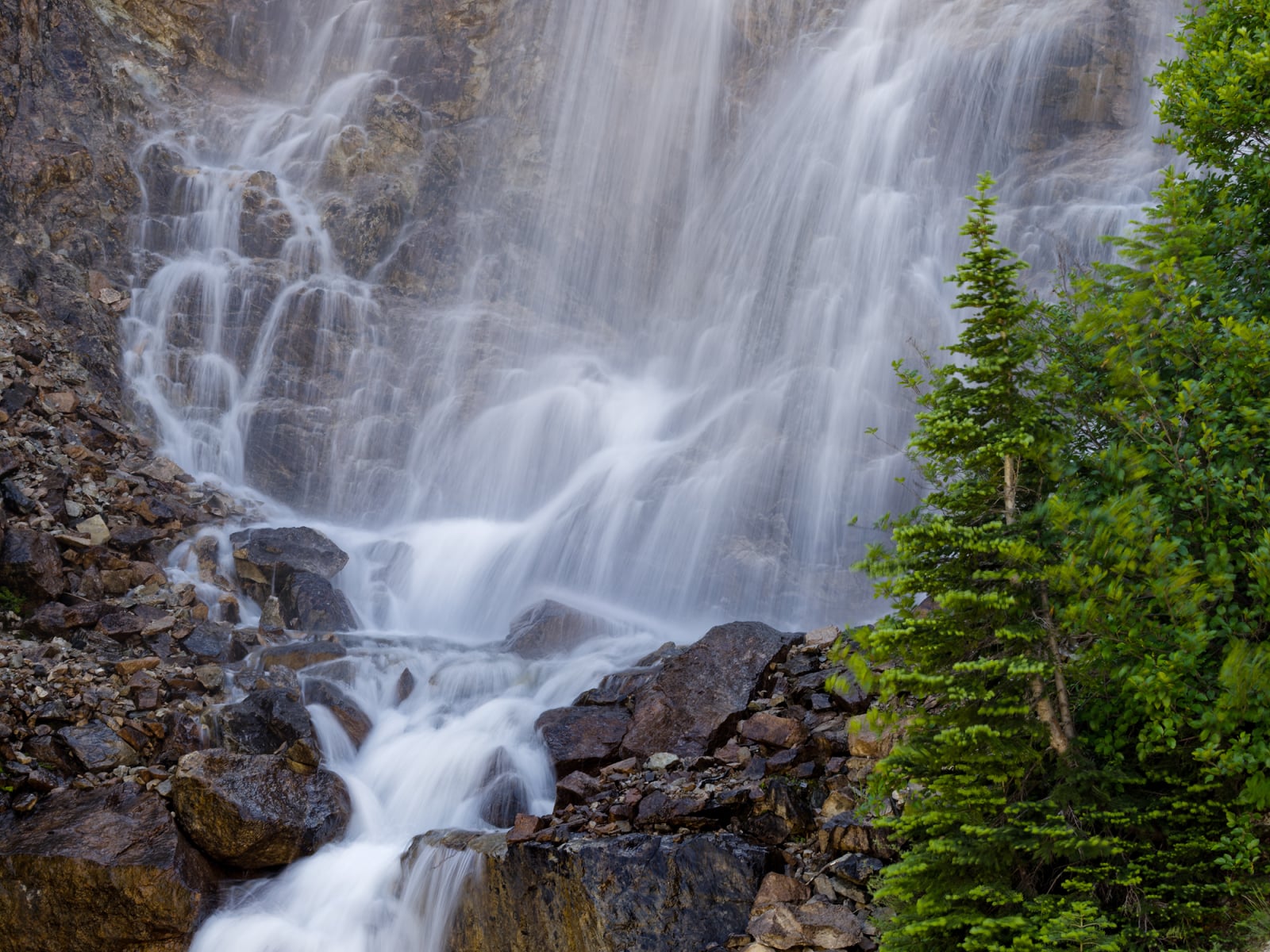
The technical capability of the OM-5 Mark II is vital to this workflow. The camera’s in-body image stabilization (up to 6.5 stops) allows for handheld, long-exposure photography in conditions where a tripod would be cumbersome or impossible to deploy. Furthermore, features like "Live Composite" and "High Res Shot" allow the photographer to perform advanced computational tasks in-camera.
For example, when the midday light proves too flat, Suess utilizes the camera’s built-in Art Filters—such as Bleach Bypass or Black & White—to explore new visual directions. By shooting in RAW and JPEG simultaneously, he retains the original data while having an instantly usable creative file.
Implications for the Landscape Genre
The trend of "commuter photography"—where enthusiasts drive to a location, shoot for 20 minutes, and leave—has implications for both the quality of the work and the environment itself. By advocating for the "one-day, one-spot" rule, Suess is implicitly promoting a more sustainable form of travel. Spending 12 hours in one square mile of forest or desert reduces the carbon footprint associated with multiple trips and encourages a deeper stewardship of that specific patch of land.
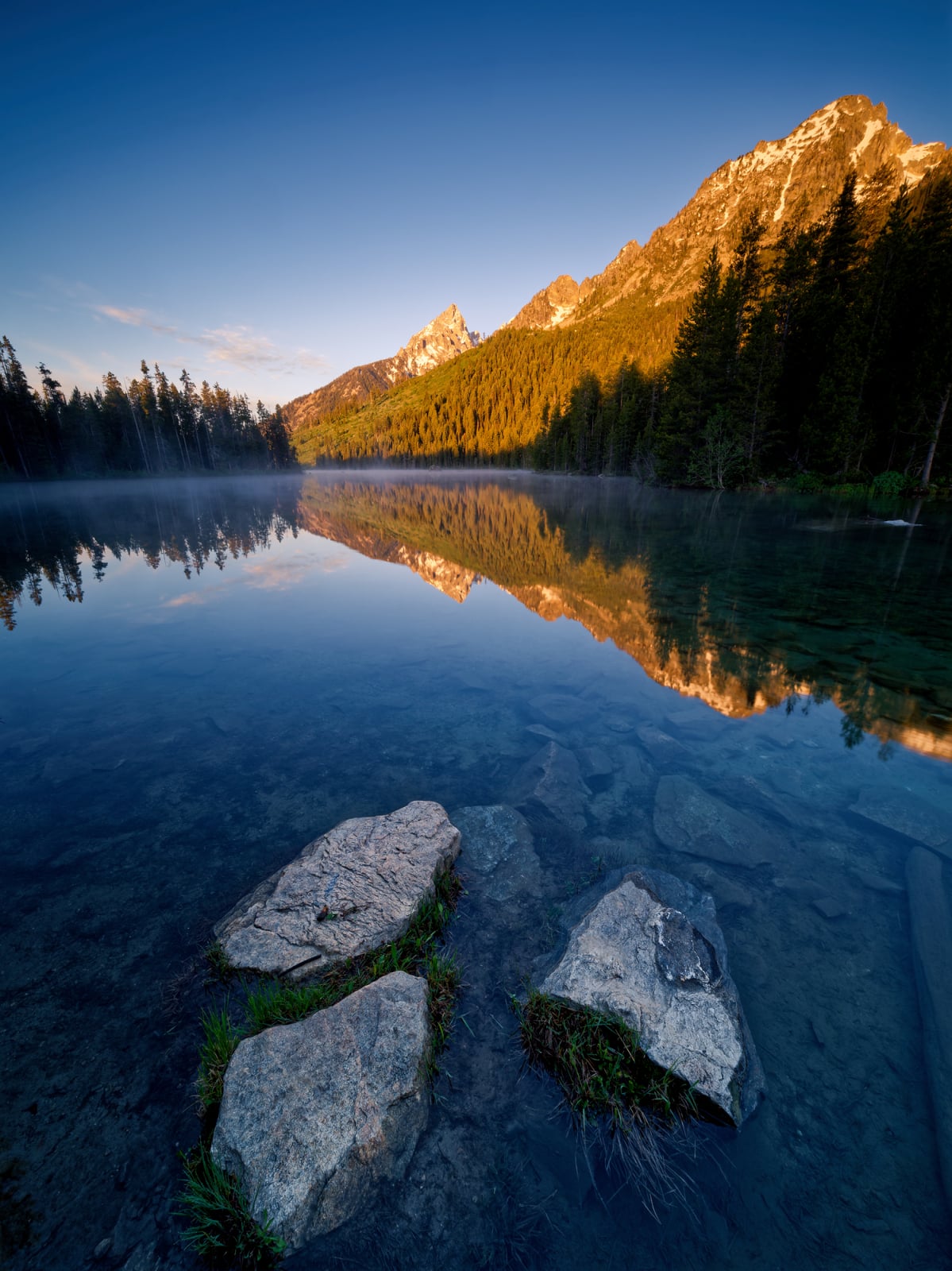
Furthermore, his methodology serves as an antidote to the homogenization of landscape photography. When photographers rely on the same three sunrise minutes, they often produce identical images. By staying for the duration, Suess creates a unique visual record of a place that accounts for the changing weather, the shifting shadows, and the subtle transitions of the atmosphere.
Data and Safety: The Professional Standard
Suess’s reliance on meteorological data—including RadarScope, Windy, and WeatherMate—highlights the necessity of being informed in wilderness environments. His advice to participants in his landscape and night-sky workshops is rooted in the reality of the backcountry:
- Communication: Always inform a contact at home of the specific location and expected return time.
- Preparedness: Essential gear includes satellite communicators, battery banks, bear spray, high-protein snacks, and appropriate clothing for temperature swings.
- Resilience: If the weather turns, the work does not stop; it simply changes. Stormy, variable weather is often preferred by Suess over "perfect" clear skies because clouds provide more dynamic light to work with throughout the day.
Conclusion: The Return on Investment
For Matt Suess, the ultimate success of a day is not measured solely by the number of high-quality images stored on an SD card, but by the expansion of his own visual intelligence. "Coming home without a portfolio image still teaches me something," he admits. "I can look back and ask if I failed to see the shot or if the conditions simply didn’t provide it."

By treating the landscape as a subject worthy of a full day’s attention, photographers can cultivate a more intimate relationship with their environment. Whether it is the quiet, monochromatic tone of an early morning or the technical challenge of light-painting a structure at midnight, the "long-form" approach to photography forces a necessary slowing down. As Suess concludes, the true value of the exercise is the time spent in the field, engaged with the natural world—a pursuit that, for him, is worth every hour of the day.
This commitment to the process, rather than the result, represents a significant shift in contemporary photography, encouraging practitioners to move beyond the superficial and embrace the complexities of light, time, and environment. For those willing to put in the hours that everyone else skips, the rewards are not just in the final image, but in the deepened understanding of the world through the lens.