Cultivating Resilience: How a Collective of Young Farmers on the Outskirts of Rome Transformed Abandoned Land into a Sustainable Agricultural Hub

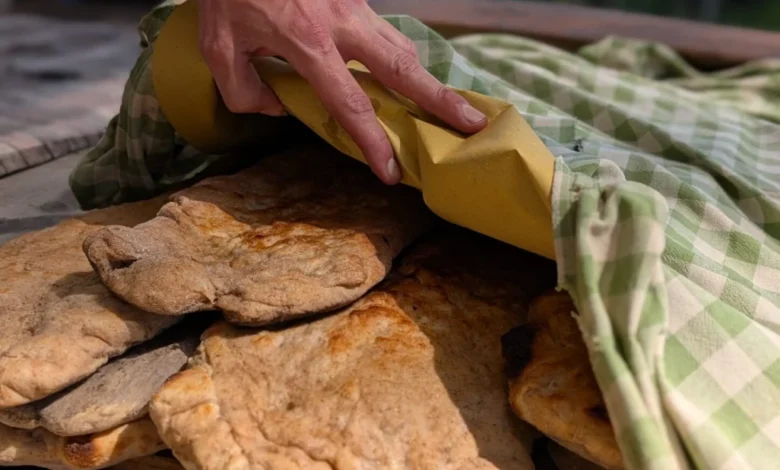
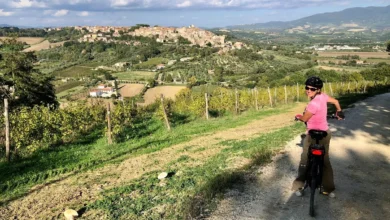
On the sun-drenched outskirts of Rome, a dedicated collective of young agriculturalists is redefining the boundaries of urban farming, land reform, and sustainable tourism. Operating at the 22-hectare Borghetto San Carlo Agricultural Estate, Cooperativa Coraggio has transformed what was once a derelict plot slated for commercial development into a thriving, organic agricultural enterprise. Through a combination of legal perseverance, innovative climate adaptation strategies, and a unique partnership with global adventure travel company Intrepid Travel and its philanthropic arm, the Intrepid Foundation, the co-op has established a replicable model for modern agroecology.
The initiative not only provides the Italian capital with zero-kilometer organic produce but also challenges systemic barriers that have historically restricted youth access to arable land. As climate change accelerates and traditional food supply chains face mounting ecological pressures, the success of Cooperativa Coraggio offers critical insights into the viability of localized, community-driven farming models.
From Grassroots Vision to Legal Precedent
The genesis of Cooperativa Coraggio dates back to 2011, when co-founder Giacomo Lepri and a group of seventeen peers—comprising agricultural workers, chefs, and hospitality professionals—began examining the socio-environmental impacts of conventional, long-distance food supply chains. Recognizing the ecological degradation tied to industrial agriculture, the collective resolved to build an alternative framework centered on transparency, biodiversity, and local distribution.
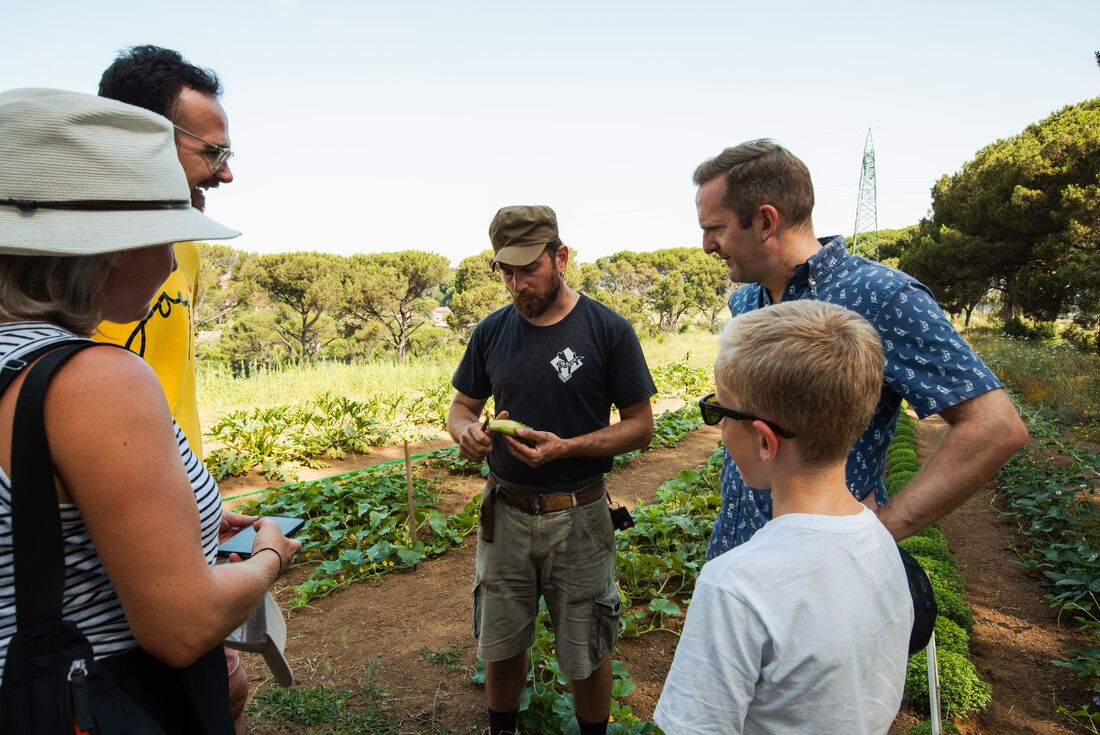
Securing a permanent home for their vision, however, required a protracted legal battle. The Borghetto San Carlo Estate, situated within the Roman countryside, had originally been designated for a housing development and shopping mall. Prior to construction, archaeological remains were uncovered on the site, triggering Italian legal provisions that mandate the transfer of archaeologically significant land to public ownership.
Typically, such publicly owned parcels remain neglected, rendering them vulnerable to vandalism, illegal dumping, and urban decay. Rather than allowing the estate to sit barren, Giacomo Lepri and his colleagues challenged the municipality’s stewardship in court, petitioning for the right to rehabilitate the land into a functioning agricultural cooperative.
When the collective prevailed in their legal challenge, they established a vital judicial and administrative precedent. Their victory compelled local authorities to institute a public tender process designed to award land management rights to reliable applicants with credible, sustainable proposals. This policy shift effectively democratized access to public land, allowing young and economically disadvantaged individuals to enter the farming sector without requiring substantial private capital.
National Implications and Agricultural Expansion
The legal framework secured by Cooperativa Coraggio catalyzed a broader regional and national movement regarding land access in Italy. Following the precedent set at Borghetto San Carlo, municipal authorities across the Lazio region and beyond began adopting similar agrarian reform policies.

In subsequent public tender rounds, young agricultural entrepreneurs capitalized on these administrative changes. Notably, 21-year-old Daniel Burrai was awarded 33 hectares within Rome’s Marcigliana Nature Reserve, where he currently operates an organic farm and community garden allotments. Concurrently, a young family assumed management of 70 hectares north of Rome, implementing regenerative grazing practices for cattle, sheep, and poultry.
According to national agricultural advocates, the institutional momentum generated by Borghetto San Carlo directly informed the structuring of subsequent national land-access initiatives. These programs have since been replicated across approximately 900 municipalities throughout Italy, demonstrating the profound systemic impact of a localized grassroots campaign.
Economic Integration and Community Impact
Since officially taking over the Borghetto San Carlo estate in 2015, Cooperativa Coraggio has diversified its agricultural output while embedding itself within the local economy. The estate currently yields seasonal vegetables, ancient grains, legumes, olives, and orchard fruits. Rather than relying on large-scale commercial distributors, the co-op supplies high-grade organic produce directly to four high-profile Roman establishments—including pizzerias operated by internationally renowned chef Gabriel Bonci and a restaurant owned by one of his former apprentices—alongside five independent neighborhood shops.
Beyond commercial food production, the cooperative functions as an inclusive social enterprise. The permanent staff comprises six local farmers alongside four structured internship positions. Furthermore, the organization actively facilitates agricultural therapy and vocational skills programs for individuals with intellectual disabilities.
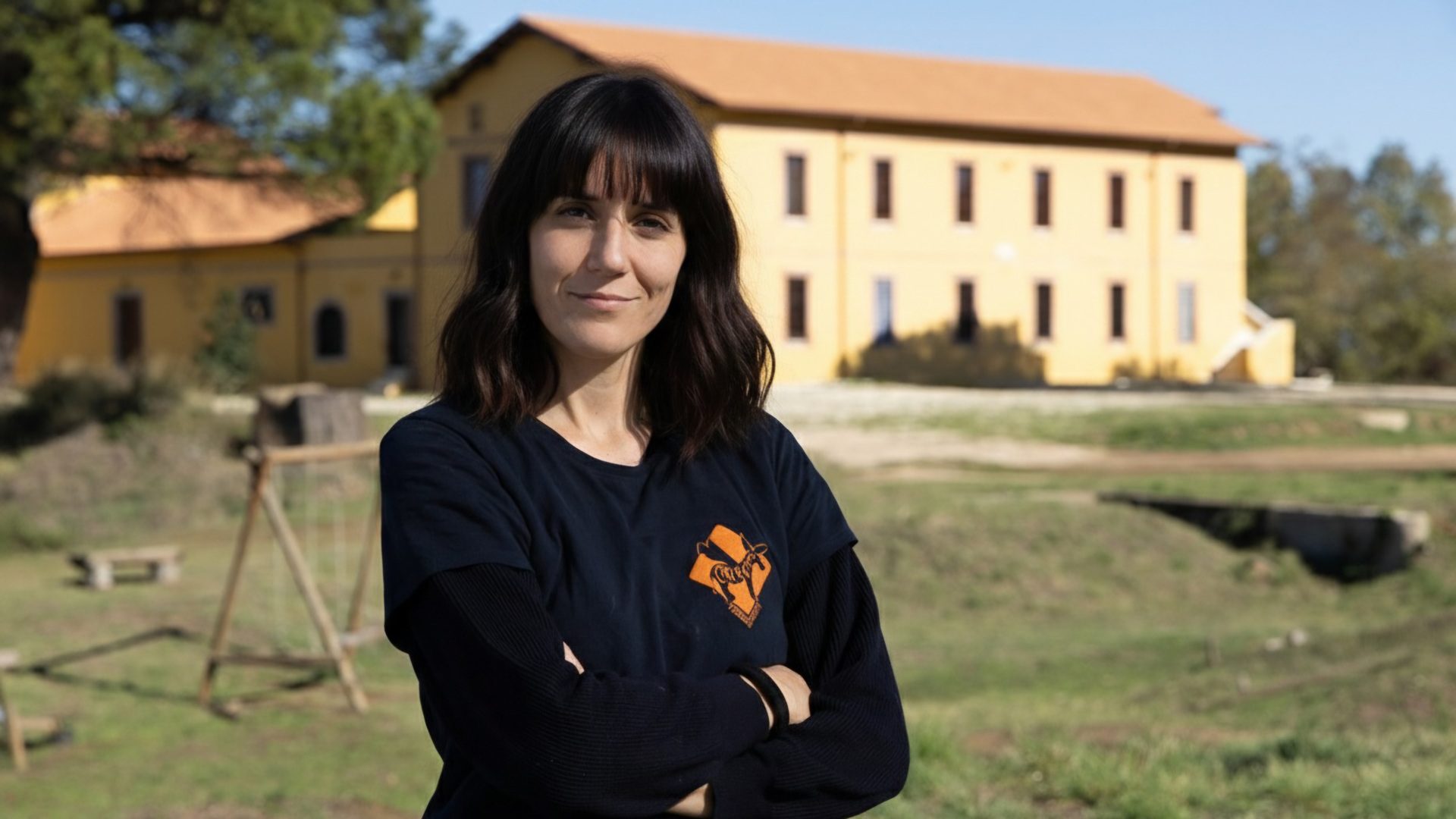
Alessia Mazzu, an environmental studies graduate who initially arrived at the co-op for a brief two-week university placement, highlights the practical application of agroecological principles. Now a central figure in managing the farm’s educational and community outreach programs, Mazzu emphasizes a philosophy of ecological stewardship over resource extraction. The co-op prioritizes biological diversity and soil regeneration, aligning farming practices with natural rhythms rather than attempting to artificially manipulate the environment.
Adapting to Climate Change: The Innovation of Dry Farming
A primary operational challenge confronting Cooperativa Coraggio is the absence of an independent well on the Borghetto San Carlo property—a critical handicap in a Mediterranean agricultural landscape heavily dependent on irrigation. Rather than pursuing ecologically intrusive drilling operations, the cooperative elected to adapt its crop selection to align with regional climatic shifts and intensifying drought conditions.
Through botanical research, the team identified drought-resistant heirloom varieties capable of thriving in arid environments with minimal water inputs. A primary example is the siccagno tomato, an ancient Sicilian cultivar traditionally grown in the dry, mountainous terrain of southern Italy. By cultivating these plants in rainwater-harvesting systems and restricting irrigation to approximately one glass of water per plant per week—a stark contrast to the high water demands of conventional greenhouse tomatoes—the farm maintains high yields while conserving precious water resources. The cooperative is also exploring atmospheric moisture capture through experimental fog-net installations.
This resilient ethos is mirrored in the cooperative’s corporate insignia: a winged donkey. Rooted in the Italian idiom equivalent to the English phrase "when pigs fly," the symbol commemorates the skepticism the founders faced in 2011, when industry observers doubted that a collective of young, undercapitalized individuals could successfully revitalize abandoned public land.
The Role of Sustainable Tourism and International Philanthropy
In recent years, Cooperativa Coraggio has integrated agritourism and educational outreach into its operational model to diversify revenue streams and foster cross-cultural dialogue regarding sustainable food systems. In 2023, the cooperative formalized a partnership with the Intrepid Foundation, the non-profit philanthropic arm of Intrepid Travel.
The collaboration brings international travelers—specifically those participating in Intrepid’s Paris to Rome by Rail itineraries—directly to the Borghetto San Carlo estate for guided farm tours and communal, farm-to-table culinary workshops. Travelers engage directly with farmers like Alessia Mazzu, harvesting seasonal ingredients such as tomatoes and basil to prepare traditional dishes like panzanella, thereby gaining firsthand insight into zero-kilometer food networks.
The economic and infrastructural impacts of this tourism partnership are substantial. Intrepid Travel remains the exclusive tour operator actively visiting the site, though the estate also hosts academic cohorts from international universities. Furthermore, travelers worldwide—including those on non-visiting itineraries—are encouraged to contribute to the co-op through the Intrepid Foundation, which matches all public donations. To date, these fundraising efforts have channeled more than AUD 194,000 to the cooperative.
Infrastructural Development and Future Outlook

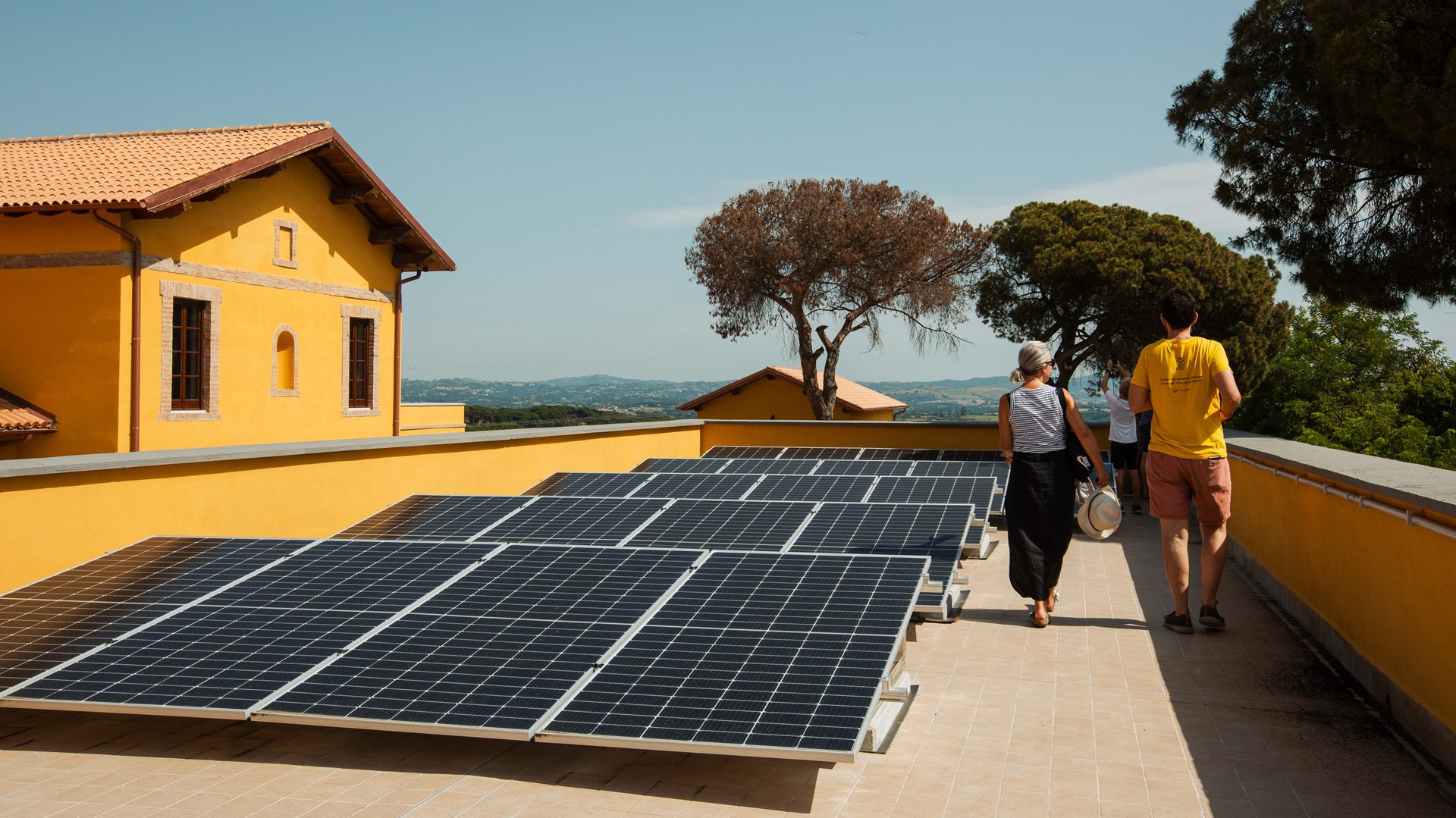
Capitalizing on international philanthropic support, Cooperativa Coraggio received a AUD 50,000 impact grant from the Intrepid Foundation to finance the installation of solar-powered water heating systems. These installations service a newly constructed on-site hostel, housed within a restored estate farmhouse, designed to accommodate international volunteers, researchers, and interns.
Looking forward, the leadership of Cooperativa Coraggio aims to expand the estate’s footprint into a comprehensive agroecological hub. Plans include scaling up educational programming, establishing centralized food processing facilities, and developing an on-site dining space to serve as a permanent civic gathering point for the Roman community.
As global agricultural sectors grapple with the dual crises of land scarcity and climate volatility, the trajectory of Cooperativa Coraggio illustrates the potential of youth-led land reform and regenerative agriculture. By bridging grassroots activism, administrative policy reform, and conscious tourism, the collective has transformed a forgotten urban fringe into a enduring blueprint for sustainable food sovereignty.