Culinary Heritage in Belo Horizonte: Inside Bar Do Careca and the Art of Feijão Tropeiro

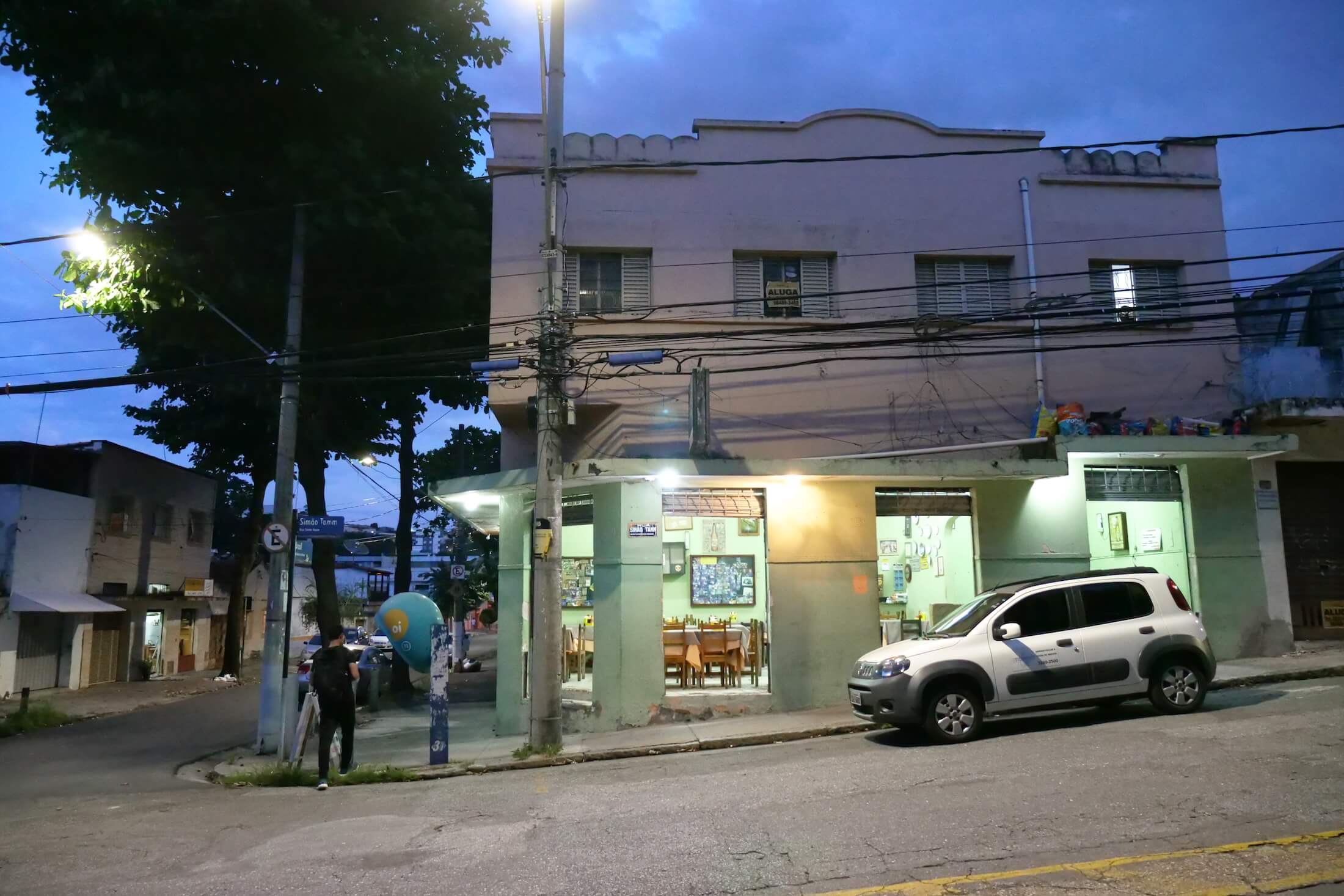
The culinary landscape of Brazil is vast and regionally diverse, but few dishes encapsulate the rustic history of South-Central Brazil quite like feijão tropeiro. In the heart of Belo Horizonte, the capital of Minas Gerais state, local gastronomy thrives in neighborhood establishments that have preserved traditional recipes for decades. Among these culinary landmarks, Bar Do Careca stands out as an institution of authentic Minas Gerais comfort food. Operated by veteran restaurateur Mr. Orcino and his wife alongside a dedicated kitchen team, the unassuming neighborhood eatery has spent thirty years perfecting the art of traditional Brazilian comfort dishes, drawing both local patrons and international culinary travelers.

Main Facts and Culinary Offerings at Bar Do Careca
Bar Do Careca operates in a quiet residential neighborhood of Belo Horizonte, belying the intense culinary activity within its kitchen. The restaurant specializes in foundational Brazilian comfort foods characterized by robust combinations of beans, various cuts of meat, and indigenous starches such as cassava and potatoes.
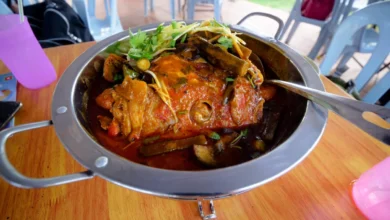
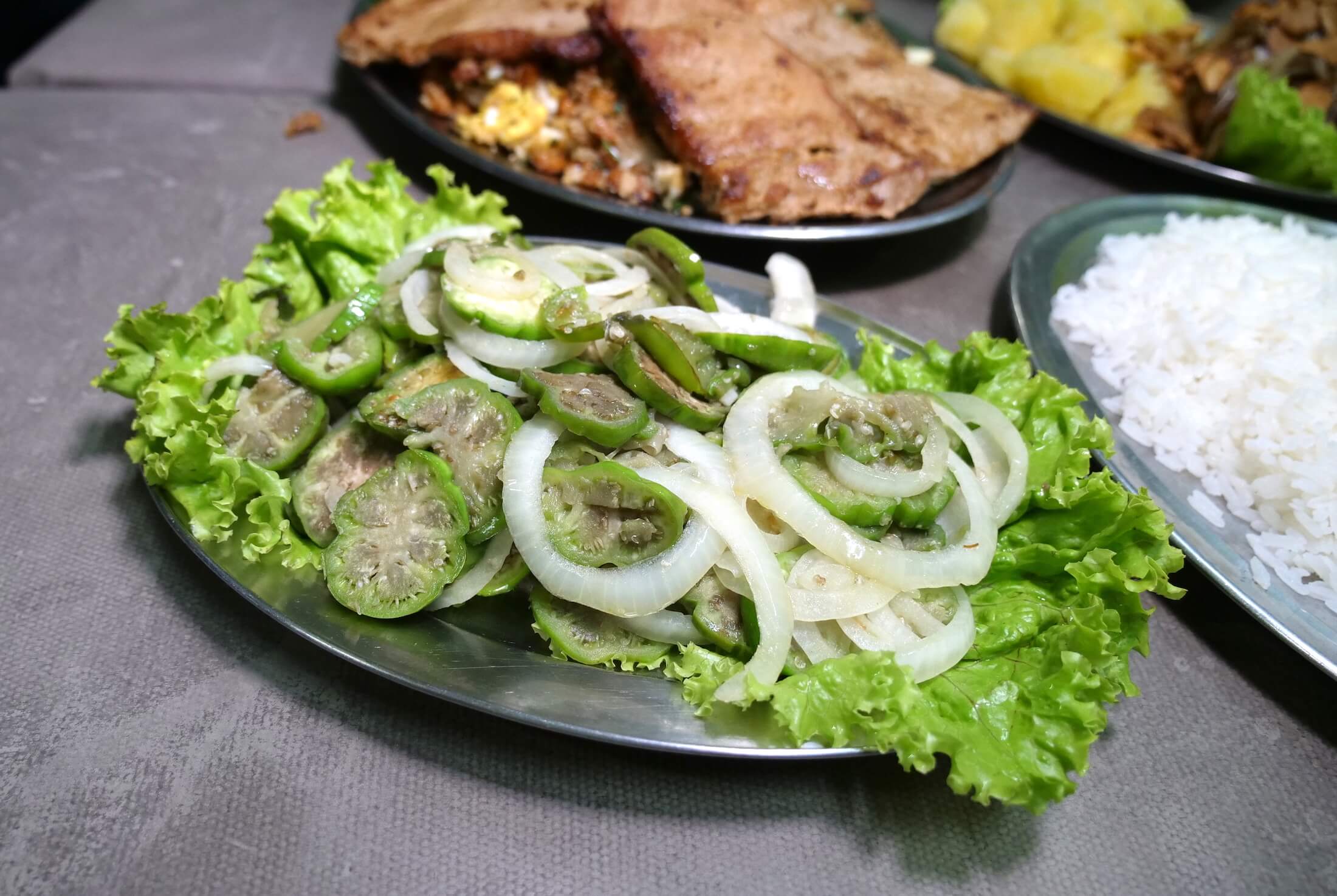
Among the menu’s primary offerings is jiló, commonly known in English as scarlet eggplant. Contrary to expectations of a soft or mushy texture resulting from prolonged pan-cooking, the vegetable retains a firm bite. Prepared simply with olive oil, garlic, and onions—and frequently paired with beef liver—scarlet eggplant offers a complex, uniquely bitter flavor profile that serves as an essential component of regional dining.
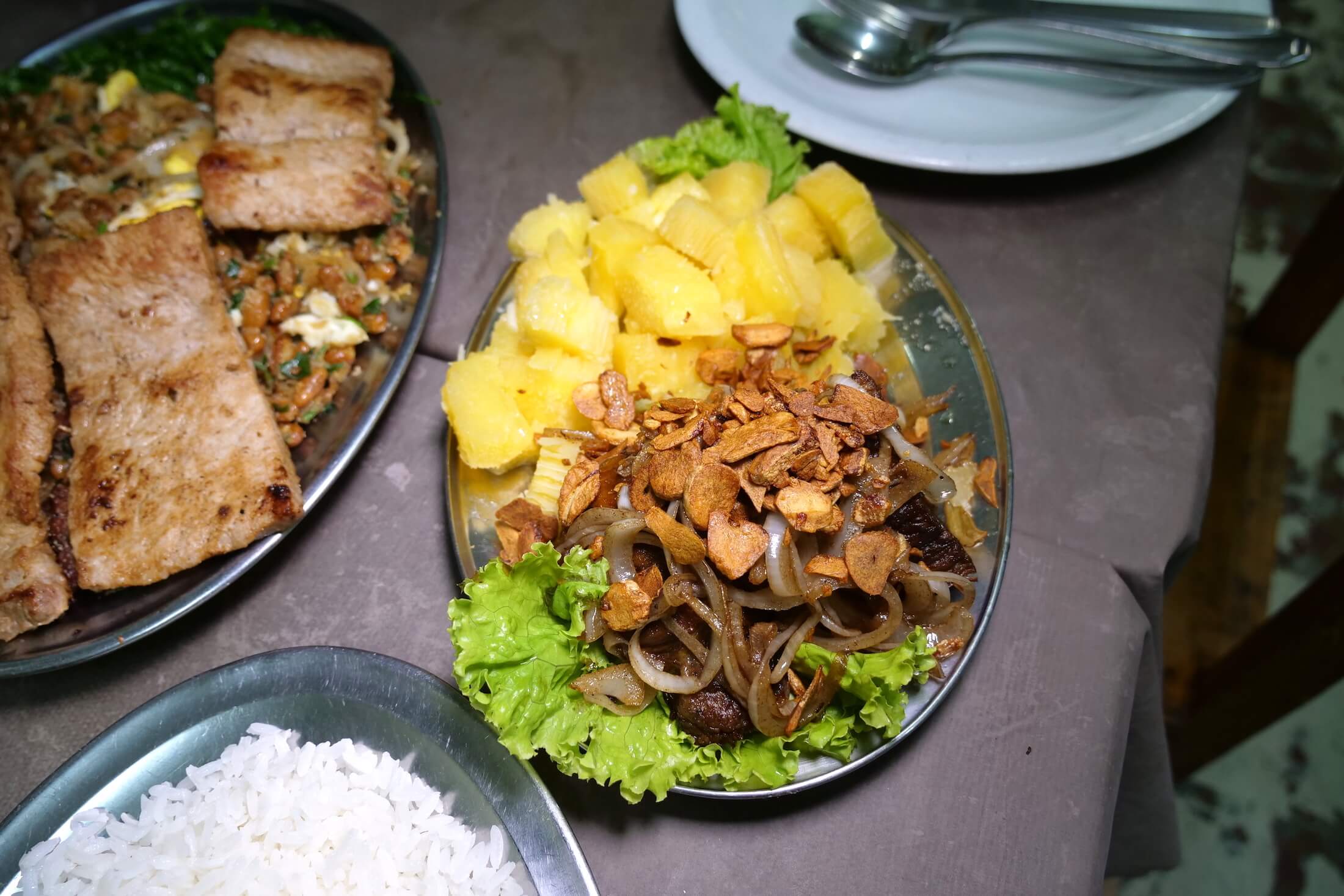
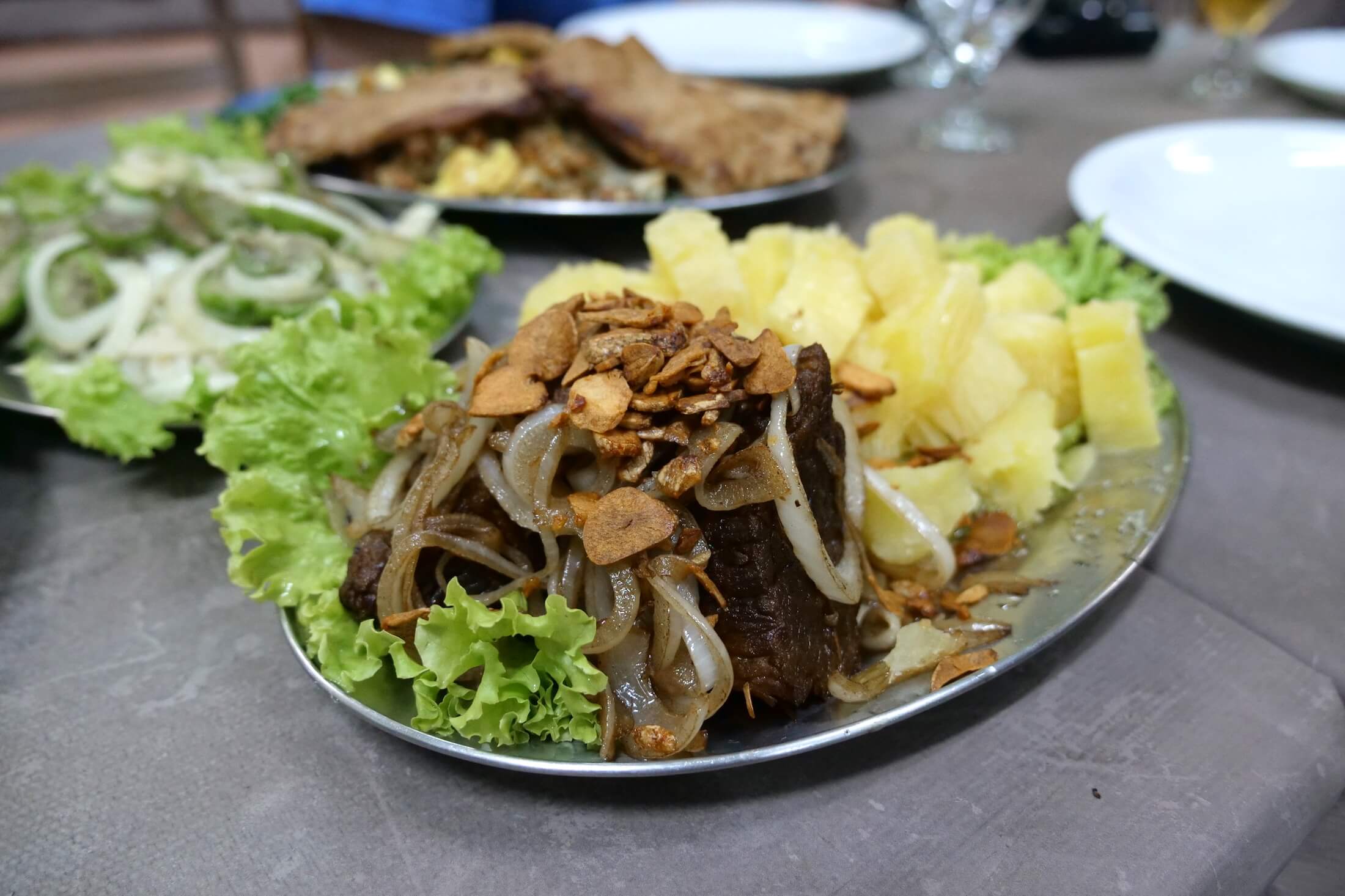
Another staple is the bife de panela (pan-cooked beef). Served alongside steamed potatoes or cassava, the dish features slow-cooked beef smothered in a dense layer of onions and a secondary application of deep-fried garlic cloves. The generous use of aromatics is a hallmark of the kitchen’s methodology, balanced by neutral starches that serve as a palate cleanser against the heavy savory profiles.
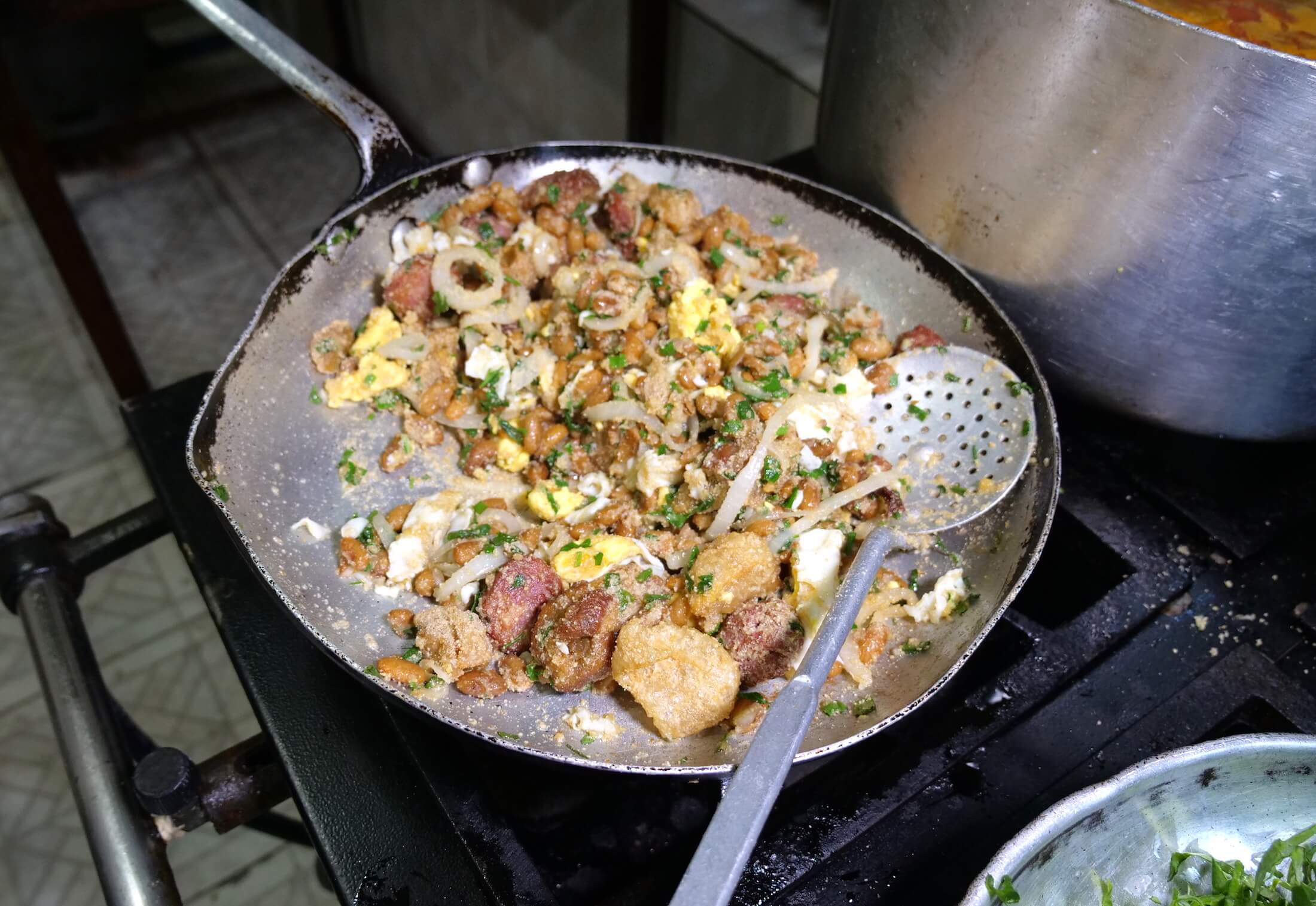
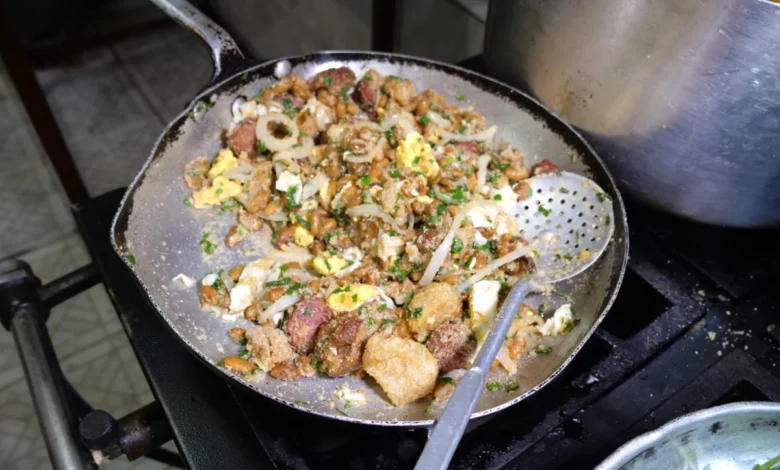
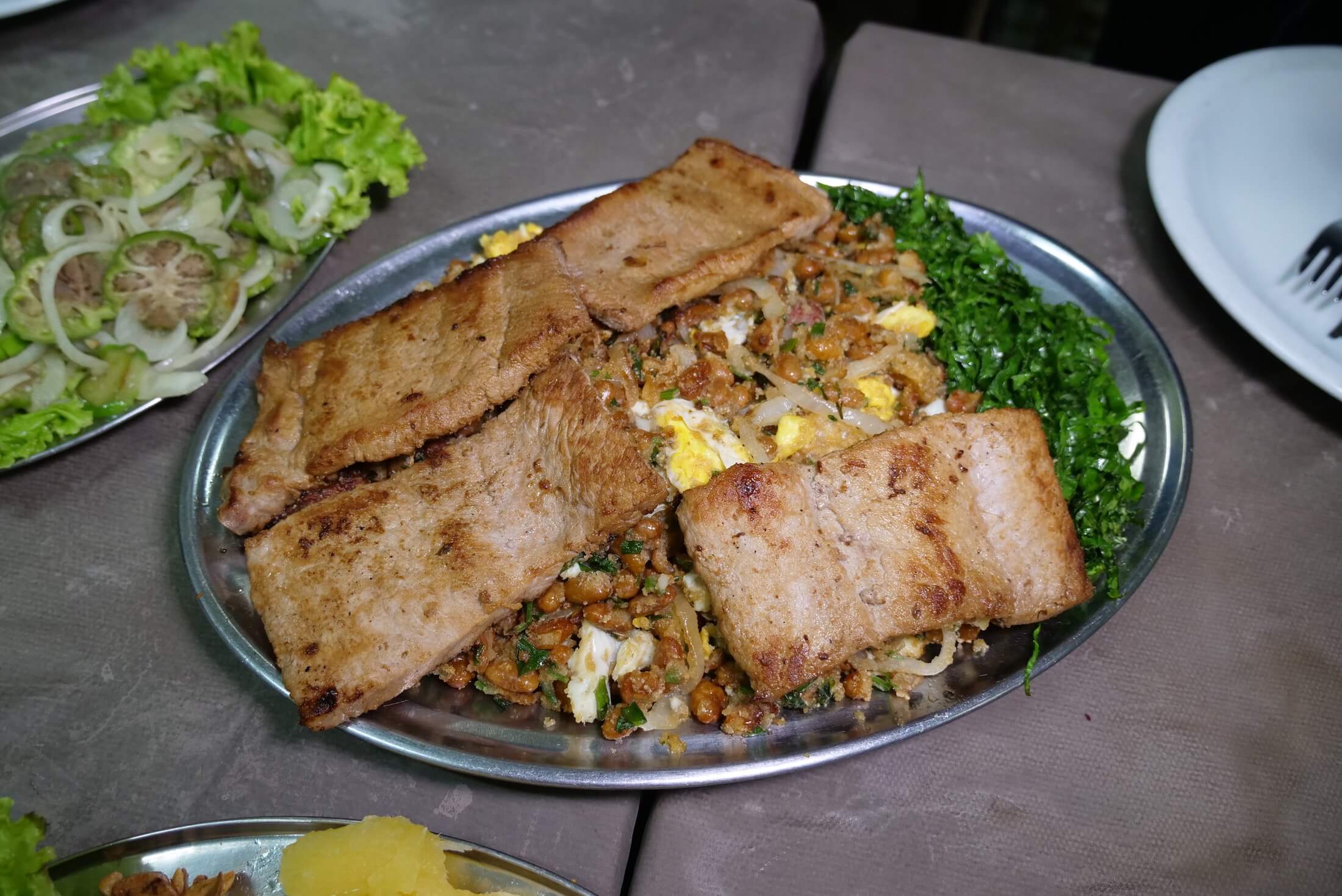
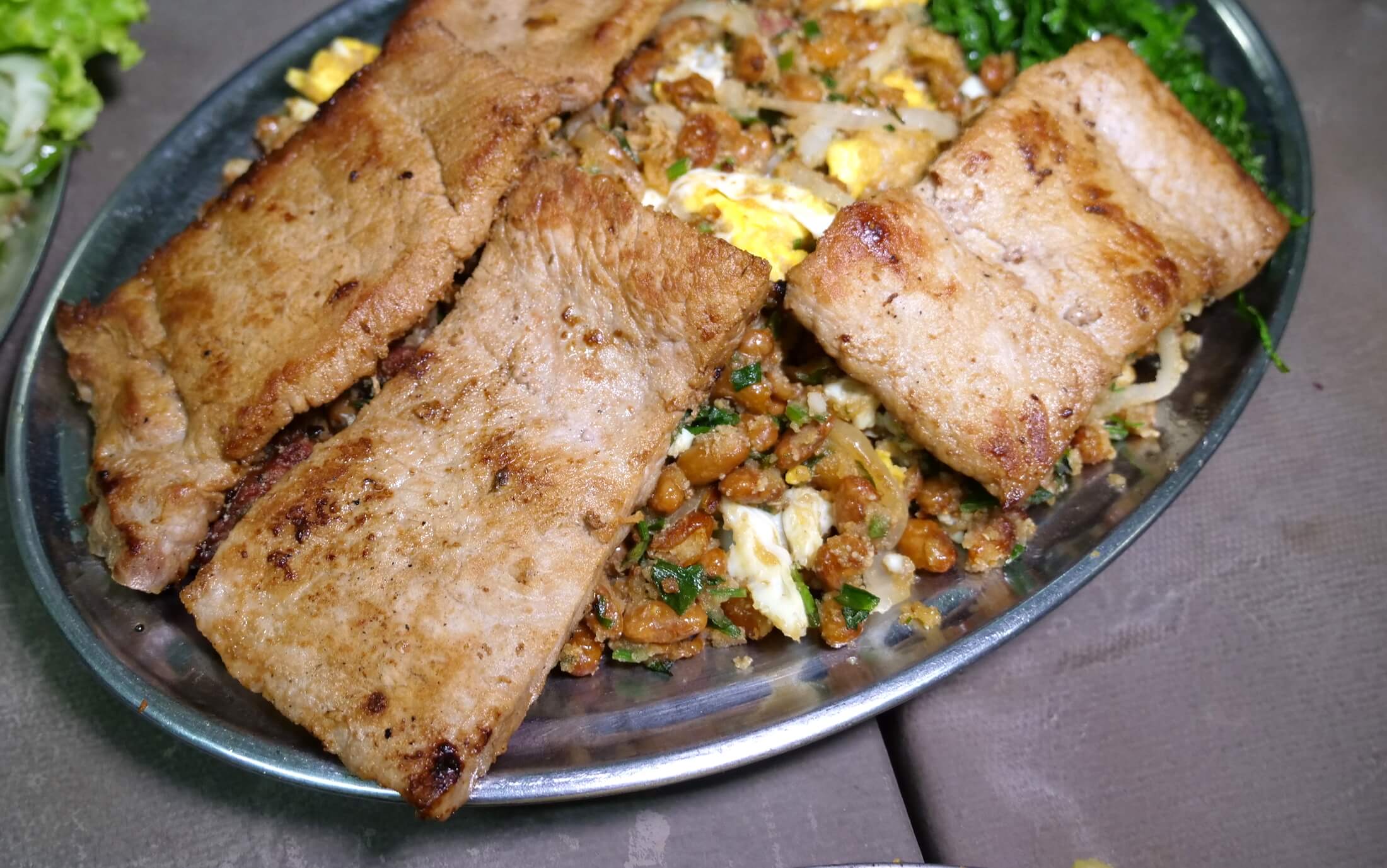
However, the definitive centerpiece of the establishment is feijão tropeiro, a high-calorie, highly complex dish traditionally served on large metallic platters designed for shared dining. The recipe integrates multiple layers of ingredients, including black or brown beans, various preparations of pork (such as sausage, skin, and thick cracklings), olive oil, fried garlic and onions, deep-fried eggs, cilantro, green onions, coarse cassava flour (farinha), and finely sliced kale. The dish is frequently finalized with long strips of freshly fried pork chops used as a garnish.
Chronology and Kitchen Methodology
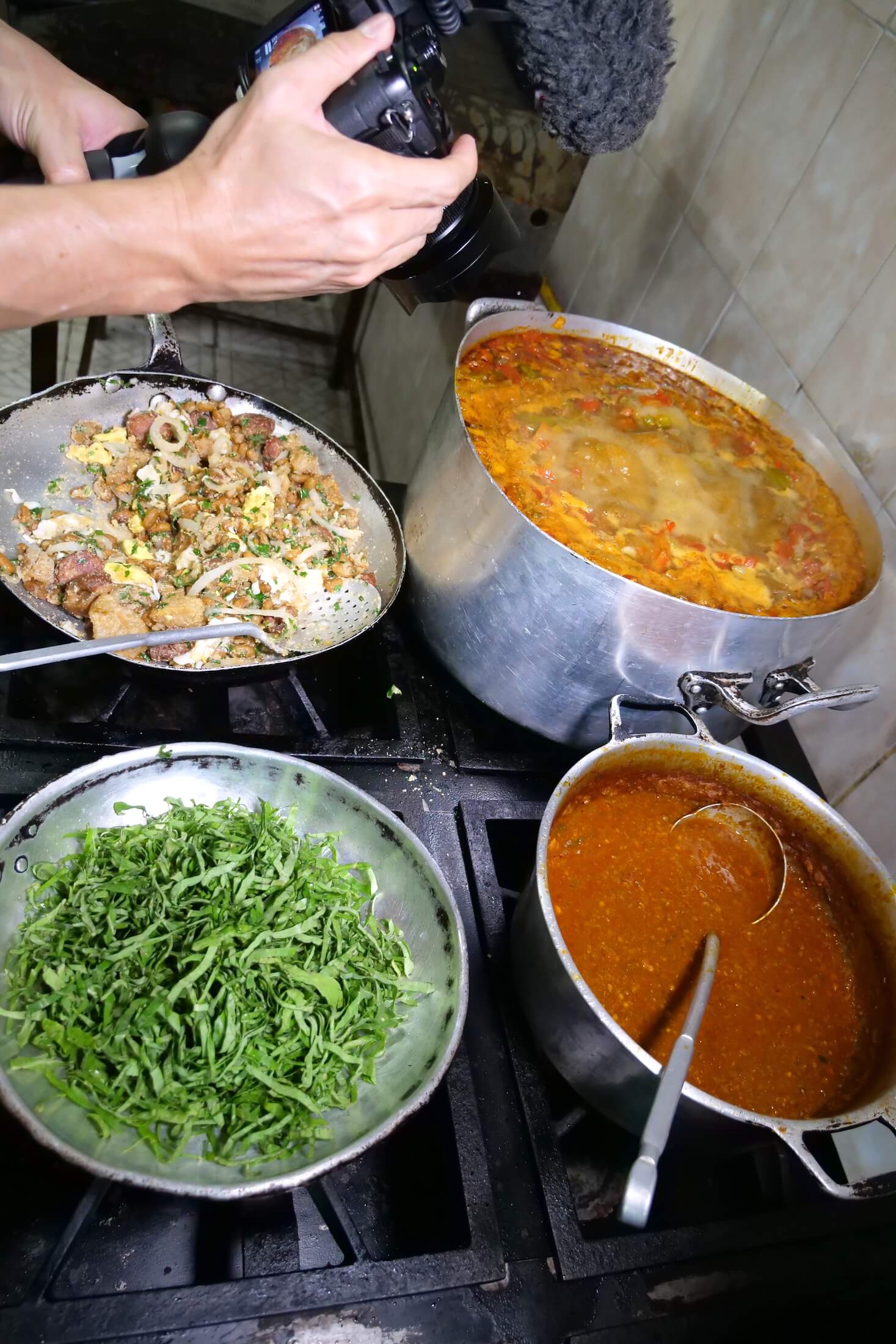
The preparation of feijão tropeiro at Bar Do Careca follows a rigorous, multi-stage chronology that highlights the expertise of the kitchen staff. The process begins with foundational frying steps involving large volumes of onions and beans in primary vessels, while secondary pans prepare auxiliary batches of garlic and olive oil to be integrated near the end of the cooking process.
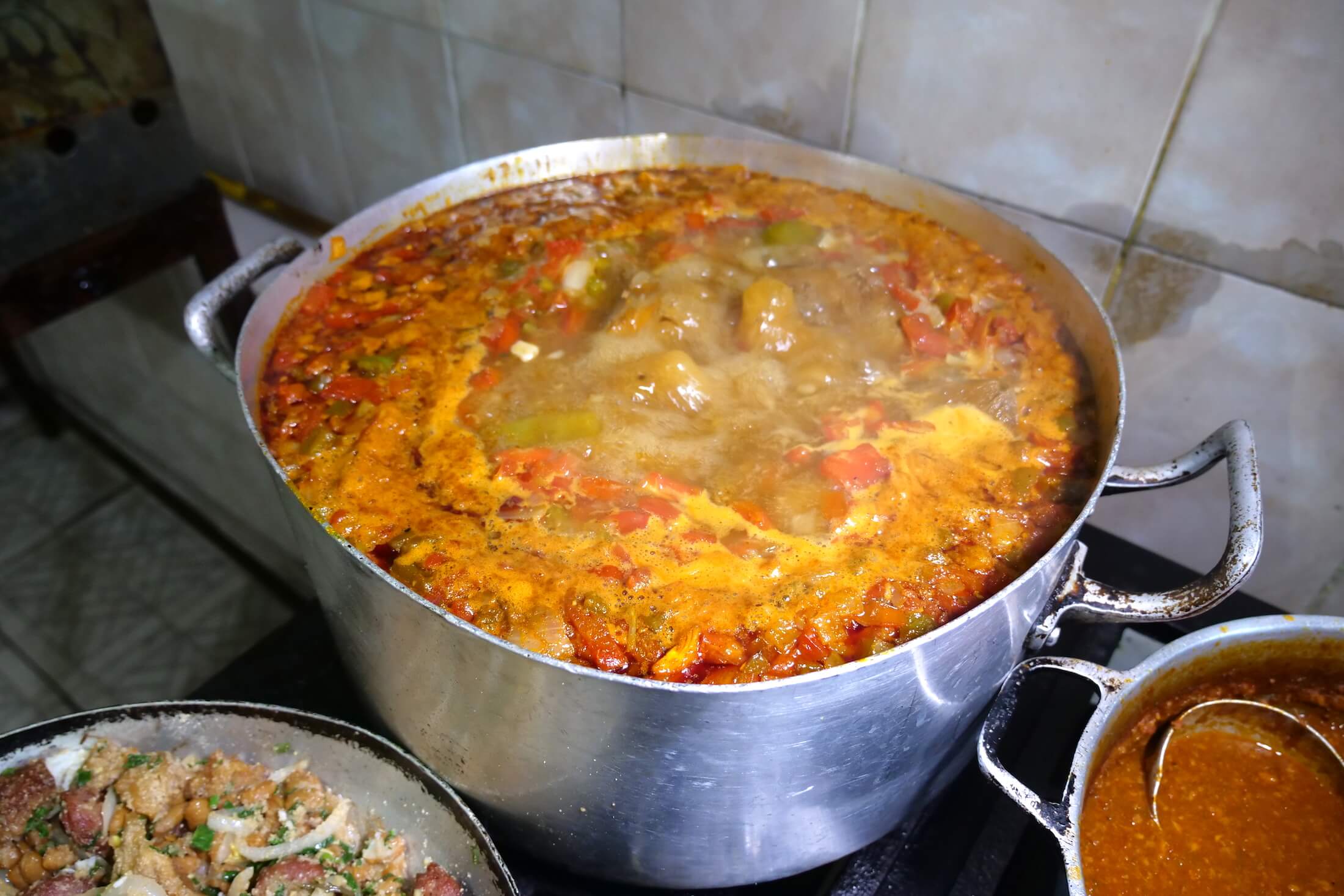
A critical element of the preparation is the incorporation of heavy pork components, including thick pork cracklings derived from double-deep-fried cuts rather than thin, airy pork rinds. This is supplemented by the continuous addition of vegetable and bean stock sourced from a centralized "mother pot" prepared earlier in the day, which simmers red beans, tomatoes, garlic, onions, and peppers. This broth prevents the mixture from drying out while ensuring flavor infusion throughout the various stages of cooking.
Following the integration of deep-fried eggs, cassava flour, and a rapid, minute-long flash-fry of fine kale strips to preserve color and structural integrity, the dish is assembled on a serving tray. The sequence concludes with the placement of freshly prepared pork chops across the top of the mountain-sized portion.
Historical Context and Etymology
The nomenclature of feijão tropeiro carries historical significance tied to the colonial era of Brazil. The term tropeiros refers to the historic cattle drovers and traders who traversed vast distances across the interior of the country. Because these travelers required sustenance that was lightweight, durable, and easily transportable over long overland journeys, they relied heavily on non-perishable staples such as dried meats, nuts, flour, and dried beans.
Over time, these ingredients were combined into single-pan meals that maximized caloric density and utilized minimal cooking equipment. While sharing conceptual similarities with feijoada—Brazil’s nationally recognized bean and meat stew—feijão tropeiro relies on pan-frying techniques rather than long-simmering broths, creating a distinct texture that bridges the gap between dry starches and moist stews.
Background and Operational Legacy
Bar Do Careca represents a lifelong dedication to the restaurant industry by its proprietors. Mr. Orcino brings six decades of experience in the food service sector, thirty of which have been spent operating Bar Do Careca alongside his wife. The establishment maintains a lean operational structure, relying on the owners to manage front-of-house hospitality, customer relations, and general administration, while a specialized team of long-term kitchen staff oversees the preparation of the broths and primary dishes.
Mr. Orcino has noted that the kitchen staff members have maintained a consistent working relationship spanning three decades, during which time he has imparted traditional cooking methods and recipes. This institutional knowledge has contributed to the restaurant’s sustained local reputation and its recognition within broader culinary tourism circuits. The establishment’s historical significance is further underscored by documentation of visits from prominent international food figures, including late chef and journalist Anthony Bourdain.
Operational Data and Economic Impact
Located in Belo Horizonte, the capital of Minas Gerais—a state widely recognized within Brazil for its culinary traditions—Bar Do Careca operates on a distinct weekly schedule to accommodate food preparation demands. The restaurant is open Tuesday through Friday from 6:00 PM to midnight, Saturdays from 11:00 AM to midnight, and Sundays from 11:00 AM to 6:00 PM, remaining closed on Mondays.
Priced accessibly within the local economy, a substantial meal capable of serving multiple patrons, including drinks, averages approximately R$156 (equivalent to roughly $40 USD), reflecting the traditional role of neighborhood bars (botecos) as affordable community dining spaces.
Broader Implications for Culinary Tourism
Establishments like Bar Do Careca illustrate the growing global trend of experiential food tourism, wherein travelers prioritize authentic, hyper-local culinary traditions over standardized dining options. The reliance on generational knowledge, traditional preparation methods, and communal dining formats highlights the cultural preservation role played by family-owned small businesses. By maintaining traditional preparation techniques for dishes like feijão tropeiro and jiló, these venues function as living archives of regional Brazilian history, reinforcing the economic and cultural value of intangible heritage in modern gastronomy.
Related posts: