The Ethics of Indigenous Tourism in the Age of Social Media: A Global Dilemma

The rapid expansion of global travel, paired with the omnipresence of high-resolution smartphones and viral content creation platforms, has fundamentally transformed how human cultures interact. What was once the domain of specialized academic fieldwork or arduous, slow-paced exploration has now become instantaneous, highly accessible, and visually driven. For Indigenous populations worldwide, this digital shift presents a profound paradox. While global visibility can foster cross-cultural appreciation, economic opportunities, and platforms for advocacy, it simultaneously exposes vulnerable communities to exploitation, exoticization, and the commodification of their daily lives for online engagement.
Cultural anthropologist Anniina Sandberg, founder and CEO of the ethical tourism organization Visit Natives, has spent more than two decades examining this delicate intersection. Her recent encounters—most notably after sharing experiences from a visit with the Hadzabe hunter-gatherers in Tanzania—highlight a growing anxiety among cultural preservationists: where precisely does the boundary lie between meaningful intercultural exchange and the reduction of human beings to digital content? As social media algorithms increasingly reward shock value, novelty, and aesthetic exoticism, the pressure to package complex ancestral traditions into digestible, click-driven soundbites has created acute ethical challenges for the tourism industry at large.
The Evolution of Indigenous Tourism: From Fieldwork to Feeds
To understand the current crisis in ethical tourism, one must examine the historical trajectory of how travelers encounter remote and Indigenous communities. For decades, anthropological excursions and niche adventure travel operated under strict, albeit informal, codes of academic and human respect. Visits were typically prolonged, requiring months or years of immersion, language acquisition, and gradual integration into a community’s social fabric.
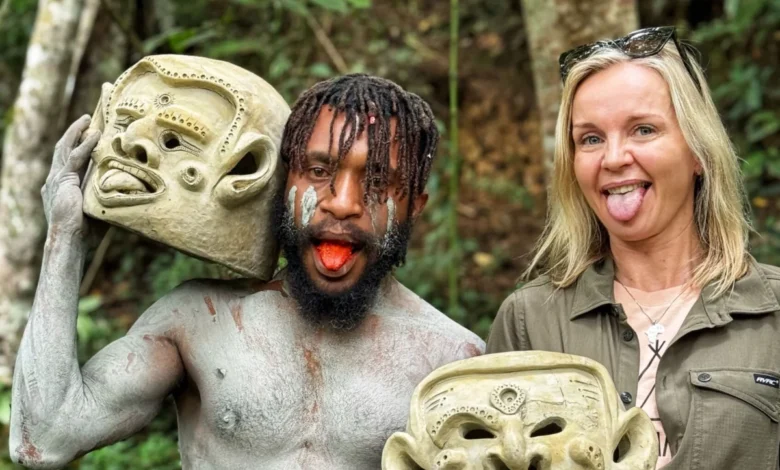
However, the democratization of air travel in the late 20th and early 21st centuries, combined with the rise of user-generated travel blogs, Instagram, and TikTok, collapsed these temporal barriers. Modern tourism frequently prioritizes efficiency and aesthetic output. Travelers often seek high-impact, short-duration experiences—such as afternoon drop-ins at a Maasai boma or a brief photo opportunity with the Asaro Mudmen in the Papua New Guinea Highlands—designed to fit neatly into a digital content calendar.
This transactional model forces Indigenous cultural practices out of their natural temporal rhythms and adapts them to foreign itineraries. Instead of participating in the ordinary, unscripted flow of daily existence, communities are sometimes pressured to stage traditional dances, wear ceremonial attire out of context, or perform rituals solely for visiting audiences. When these encounters are subsequently digitized and uploaded to global platforms, the reduction of living cultures into static tropes accelerates.

The Mechanics of Digital Commodification
In the digital landscape, cultural context is frequently stripped away in favor of visual engagement. Short-form video platforms and image-centric social networks reward content that is immediately striking, unusual, or emotionally evocative to an outside observer. For Indigenous groups whose traditional lifestyles diverge sharply from industrialized urban norms, this creates a market for voyeurism.
Sandberg’s observations following her time with the Hadzabe—an indigenous hunter-gatherer ethnic group living in northern Tanzania around Lake Eyasi—crystallize this phenomenon. When she published reflections on her visit, a portion of the online commentary bypassed the community’s sophisticated ecological knowledge, social structures, and historical resilience, focusing instead on portraying them through an amused, patronizing, or overly exoticized lens.
This digital framing carries severe sociological implications. When complex societies are flattened into simplistic, entertaining caricatures, it reinforces neo-colonial stereotypes. Audiences sitting thousands of miles away consume these portrayals without understanding the systemic socioeconomic pressures these communities face, such as land encroachment, climate change, and marginalization by national governments. Consequently, online content creation can inadvertently strip Indigenous people of their contemporary reality, casting them as relics of the past rather than living, self-determining citizens of the modern world.
Redefining Cultural Exchange: The Visit Natives Model
In response to the pitfalls of mass-market, superficial tourism, advocacy groups and alternative travel organizations are attempting to establish new paradigms for engagement. The core philosophy driving organizations like Visit Natives rests on a simple premise: true cultural exchange should mirror the hospitality shown when inviting an individual into one’s private home.
This model rejects the day-trip excursion in favor of extended, multi-day or multi-week stays where travelers live alongside host families. There are no rigid, minute-by-minute itineraries dictating the flow of the day. Instead, activities unfold organically—sharing meals, participating in daily chores, listening to oral histories, and navigating the quiet moments of everyday life. By shifting the traveler’s status from an observational spectator to an active, humble participant in a shared human experience, the dynamic of power shifts.

This approach aligns with broader shifts in sustainable tourism theory, which has historically focused heavily on ecological footprints and economic leakage while neglecting the social and psychological impacts of cultural tourism. By anchoring travel in reciprocity, organizations hope to restore dignity to cross-border encounters.
The Complexities of Consent in the Digital Age
One of the most contentious battlegrounds in modern Indigenous tourism is the issue of consent, particularly regarding photography and digital dissemination. In conventional tourism etiquette, asking permission before capturing a portrait is often treated as a binary transaction: a nod or a verbal "yes" is interpreted as blanket authorization.
However, Sandberg and other cultural advocates argue that informed consent is far more complex when interacting across vast cultural and technological divides. Many members of remote Indigenous communities possess little to no frame of reference for how social media algorithms operate, how rapidly digital images can be replicated and distributed, or the sheer scale of a global audience spanning billions of internet users.
When a community member grants permission for a photograph to be taken by a visitor, they are rarely consenting to their likeness being broadcast across monetization-driven platforms to millions of unknown viewers. True informed consent requires complete transparency regarding how media will be stored, shared, and utilized. It necessitates that Indigenous populations retain full agency over their representation, ensuring they understand the long-term digital footprint of the images captured within their homes and territories.
Industry Responsibility and the Need for Regulatory Frameworks
While individual travelers bear personal responsibility for their conduct, experts emphasize that the burden of ethical oversight cannot rest on tourists alone. The broader tourism industry—comprising tour operators, booking platforms, and national tourism boards—must establish and enforce rigorous codes of conduct.

Many Indigenous communities face severe economic precarity, driven by the loss of traditional lands, climate pressures, and systemic marginalization. This vulnerability can compel local leaders to accept poorly regulated tourism ventures simply to secure vital cash inflows, even when those ventures fail to serve their long-term community interests. Responsible tourism providers have an ethical obligation to bridge this gap by refusing to exploit these power imbalances. This includes vetting itineraries, educating clients on respectful engagement, ensuring fair economic compensation filters directly to the host families, and setting clear boundaries regarding digital documentation.
Broader Impacts and Implications for the Future of Travel
The debate over social media and Indigenous tourism touches upon fundamental questions concerning globalization, cultural preservation, and human dignity. As internet connectivity expands into even the most remote corners of the globe, the tension between hyper-visibility and cultural preservation will only intensify.
Unregulated digital extraction threatens to turn cultural heritage into a non-renewable resource, depleting the social fabric of communities for the sake of temporary online validation. Conversely, when approached with humility, strict consent protocols, and a commitment to mutual respect, tourism can serve as a bridge for genuine cross-cultural understanding and economic self-determination.
Ultimately, industry experts suggest that the future of ethical travel relies on a collective shift in mindset. The objective is not to bar travelers from visiting Indigenous communities or sharing their journeys, but to ensure that every interaction is grounded in reciprocity, structural fairness, and the recognition of shared humanity. As Anniina Sandberg notes, the most enduring and valuable aspects of travel are found not in luxury accommodations or perfectly curated digital aesthetics, but in the unscripted, quiet moments of human beings simply spending time together.