The resurgence of rail travel as a cornerstone of European transit has placed a renewed focus on the logistics of navigating the continent’s vast and intricate railway networks. For international travelers and domestic commuters alike, the European rail system remains a marvel of engineering, efficiency, and cultural connectivity. However, transitioning from a localized transit mindset to mastering the complex, multi-tiered infrastructure of European rail requires careful planning, strategic ticket purchasing, and an understanding of operational nuances that vary significantly by region.
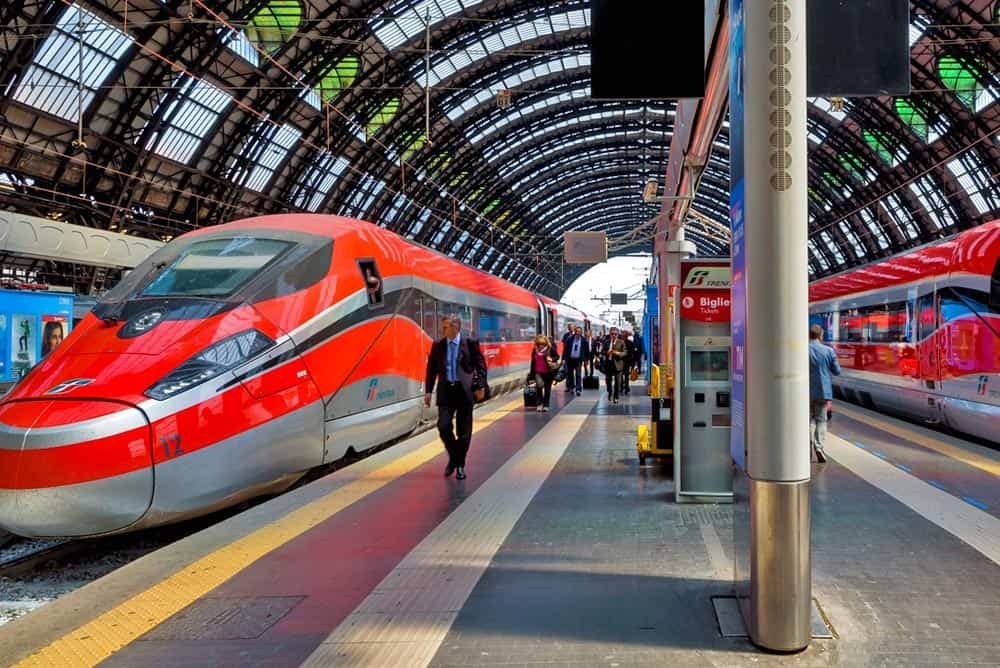
Recent data from European transport authorities highlights a steady increase in cross-border rail demand, driven heavily by climate-conscious tourism and the expansion of high-speed corridors. Yet, despite the inherent romance and efficiency of gliding past Alpine vistas or countryside vineyards, navigating the system involves overcoming hurdles such as dynamic pricing structures, variable validation rules, and congested central terminals.
The Evolution and Structure of European Rail Networks
Historically, European railways developed as sovereign, state-run monopolies, resulting in distinct national rail cultures and technical standards. While the European Union has made strides toward liberalizing the rail market to encourage cross-border competition, travelers still primarily interact with a patchwork of national operators—such as Deutsche Bahn in Germany, SNCF in France, and Trenitalia in Italy—alongside private high-speed ventures.
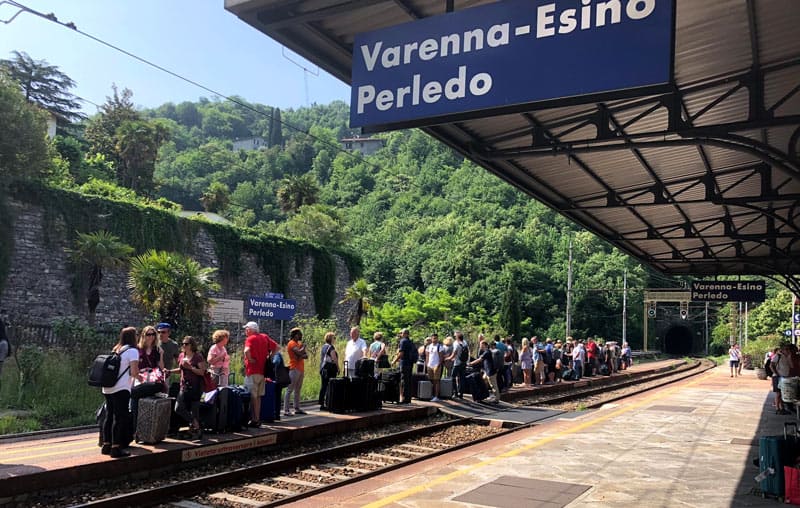
This decentralized evolution explains why purchasing a ticket is rarely a one-size-fits-all endeavor. The modern European rail ecosystem is generally bifurcated into two operational models: regional, slower-paced local trains, and high-speed intercity corridors. Understanding the operational differences between these services is critical for both budgeting and scheduling.
Regional trains typically operate on fixed-price models where fares remain static regardless of the booking date, tied strictly to distance. Conversely, high-speed networks—such as France’s TGV, Spain’s AVE, and Eurotunnel services—utilize dynamic, variable-price algorithms. Similar to the airline industry, ticket prices on these routes fluctuate based on demand, seasonal peaks, and proximity to the departure date, often resulting in steep premiums for last-minute purchasers.
Strategic Planning: Tools and Technology
Effective navigation of European rail begins long before a traveler steps onto a platform. The sheer volume of schedules can overwhelm even seasoned globetrotters, making digital planning tools indispensable.
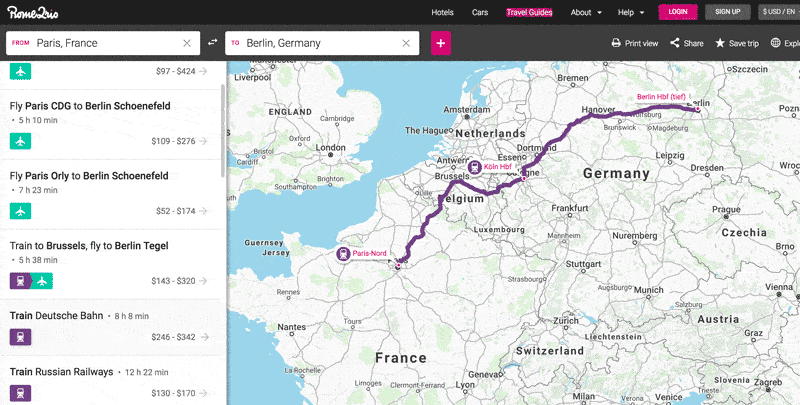
Comprehensive journey-planning platforms such as Rome2Rio offer broad overviews by comparing trains against buses, flights, and rental cars, factoring in estimated costs and travel times. For pure rail enthusiasts and complex itinerary builders, the German Railways schedule platform (Bahn.de) remains the gold standard, indexing virtually every train schedule in Europe, including those requiring mandatory seat reservations. However, because booking capabilities on national sites are often restricted to domestic or specific regional routes, travelers frequently turn to third-party aggregators like Omio and Trainline for centralized ticketing.
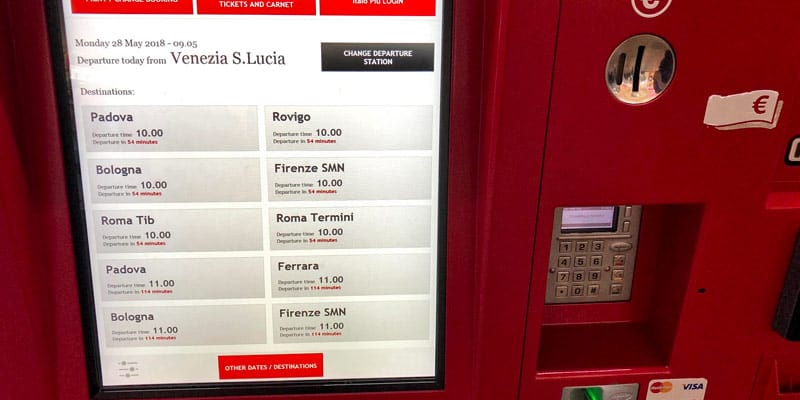
Industry experts recommend securing high-speed tickets anywhere from 60 to 90 days in advance to capture the lowest promotional fares. Last-minute purchases on major corridors can easily double or triple travel costs. Conversely, travelers prioritizing spontaneity often opt for a Eurail Pass, a modular product allowing unlimited or flexible travel days across participating national networks, though certain high-speed and international routes still mandate separate reservation fees.
Navigating the Terminal: Infrastructure and Security
Upon arrival at a European train station, travelers encounter the vibrant, often chaotic heartbeat of urban transit. Major hubs—such as Gare du Nord in Paris or Termini in Rome—handle hundreds of thousands of passengers daily, functioning more like subterranean airports than simple waiting rooms.
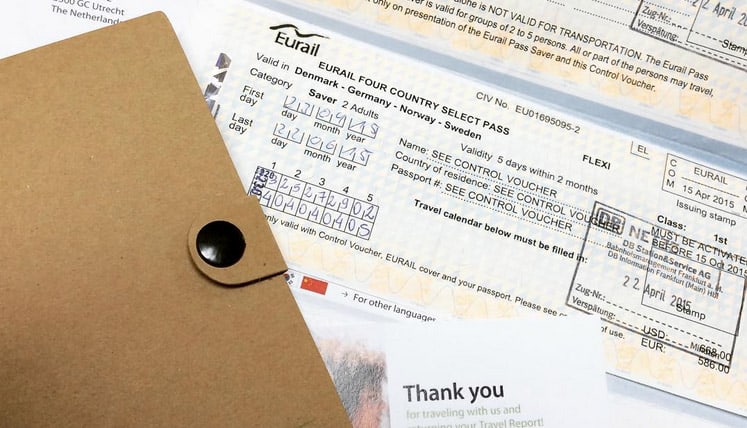
A primary challenge for the uninitiated is station identification. Major metropolitan areas frequently feature multiple distinct terminals, meaning a ticket to "Brussels" or "Berlin" requires knowing whether the train terminates at a central station or an outlying hub.
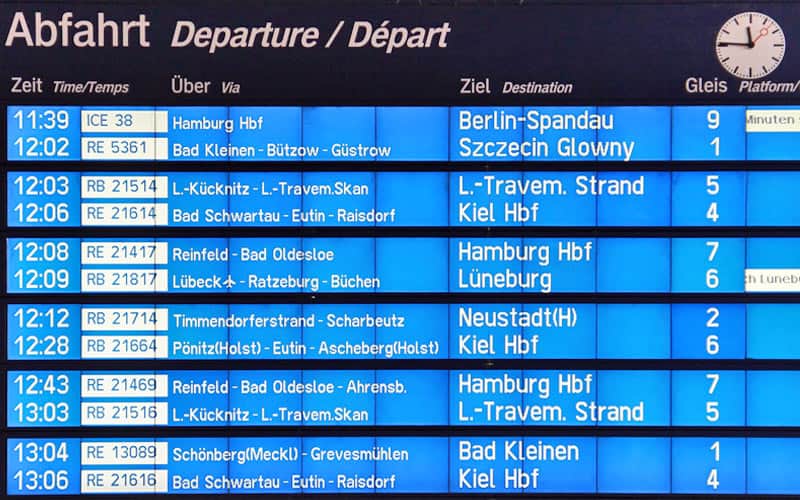
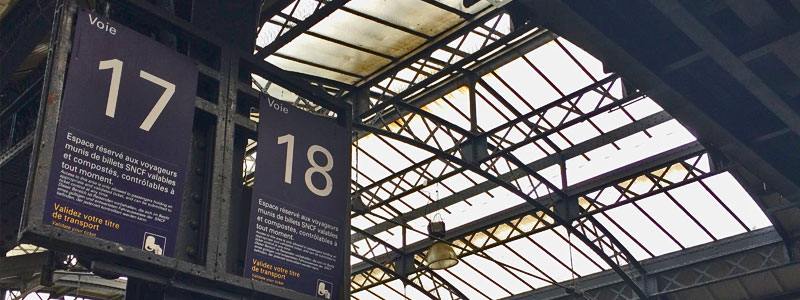
Once inside, passengers must quickly locate the primary departure boards. Crucially, European rail operators frequently withhold platform assignments until 10 to 15 minutes before departure to manage platform congestion. This dynamic requires travelers to remain vigilant, monitoring digital displays for the train number, scheduled departure time, and designated track.
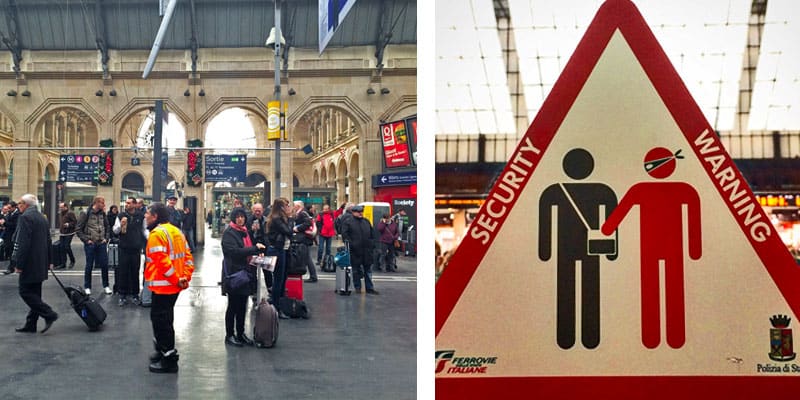
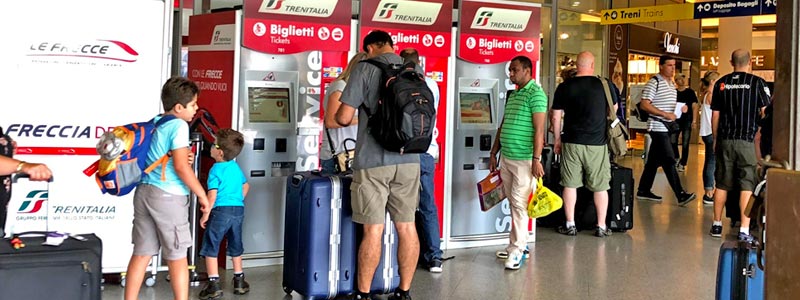
Security and passenger safety represent another vital consideration. Unlike commercial aviation, European train stations generally lack centralized security checkpoints, allowing open public access to platforms. While this promotes efficiency and ease of boarding, it also attracts opportunistic pickpockets and scammers. Transport authorities consistently advise travelers to remain wary of unsolicited assistance with automated ticket kiosks or luggage handling.
On-Board Protocols and Etiquette
Successfully boarding the correct train car is only the first step of the journey. High-speed trains enforce strict seat assignments, requiring passengers to locate their specific coach and seat numbers, which are typically displayed on digital reservation strips above seats or on the exterior of the carriage doors. Regional trains, by contrast, generally operate on open seating policies, rewarding early arrivals with preferred placement.
Validation rules present a frequent pitfall for international visitors. While modern electronic tickets tied to smartphones require no physical intervention, many traditional paper tickets must be mechanically stamped in validation boxes located near station platforms before boarding. Failure to validate can result in severe on-board fines, as conductors operate under the strict assumption that unvalidated tickets could be reused.
Once the journey is underway, ticket inspection typically occurs within the first 15 to 20 minutes. Conductors scan digital barcodes or inspect paper passes, after which passengers are free to utilize on-board amenities, visit dining cars, or enjoy the landscape.
Economic and Environmental Implications
The ongoing push toward rail travel aligns directly with broader European environmental mandates. As the European Union designates rail as a key vector for reducing carbon emissions relative to short-haul aviation, infrastructure investments continue to modernize cross-border connections. Night train networks are experiencing a notable renaissance, championed by operators like Austria’s ÖBB, reviving sleeper routes between major capitals.
However, challenges remain. Labor strikes, aging infrastructure in specific member states, and interoperability hurdles between different national signaling systems continue to cause occasional delays. Analysts emphasize that while Europe’s rail network is arguably the most advanced in the world, maintaining its competitive edge requires sustained capital expenditure and harmonized digital ticketing standards.
For the modern traveler, mastering European train travel is an exercise in preparation and adaptability. By understanding ticketing tiers, utilizing advanced planning aggregators, and respecting the operational rhythms of historic rail terminals, visitors can unlock a seamless, efficient, and deeply rewarding method of traversing the continent.