Disney on Ice 2026 Comprehensive Guide to Touring Productions Character Lineups and Family Attendance Strategies

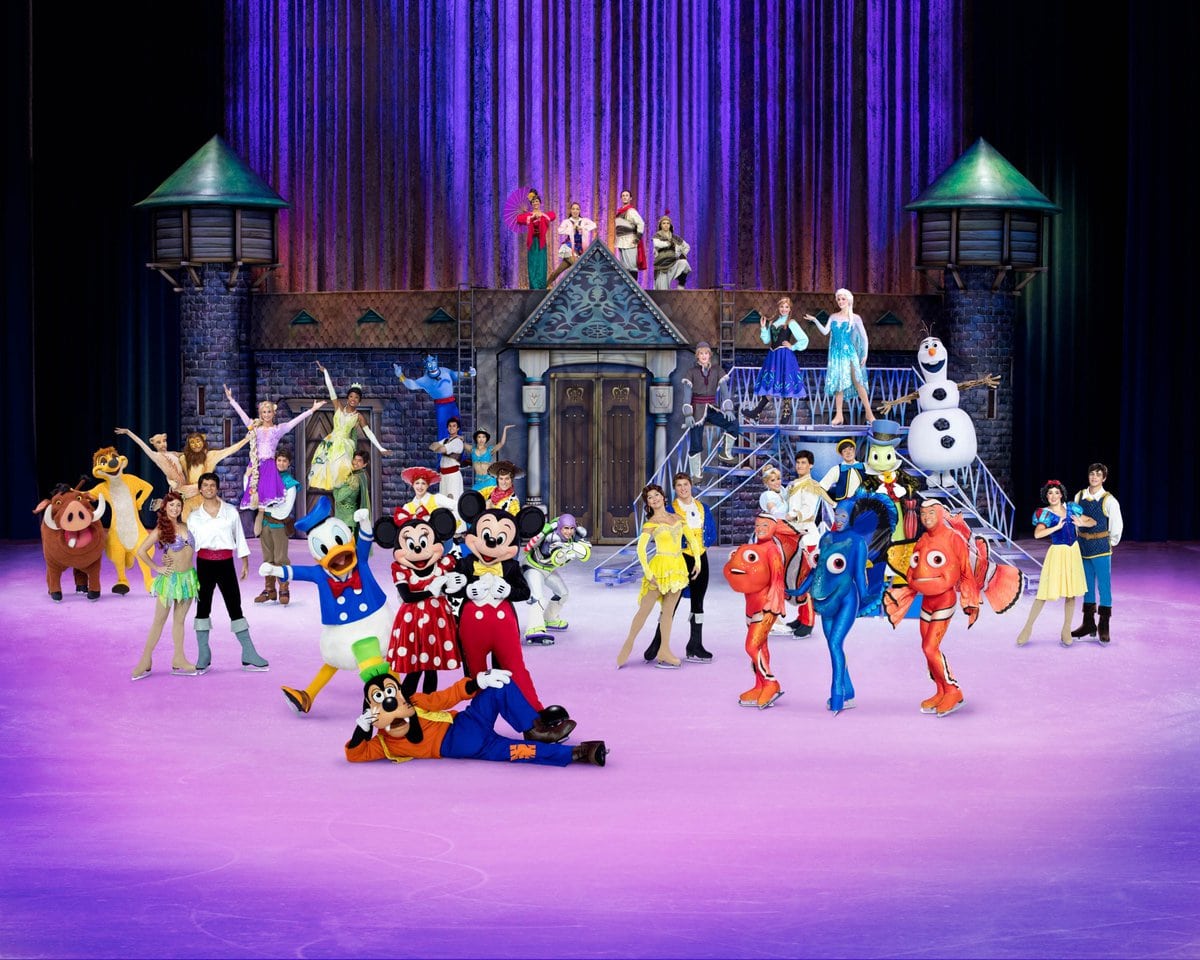
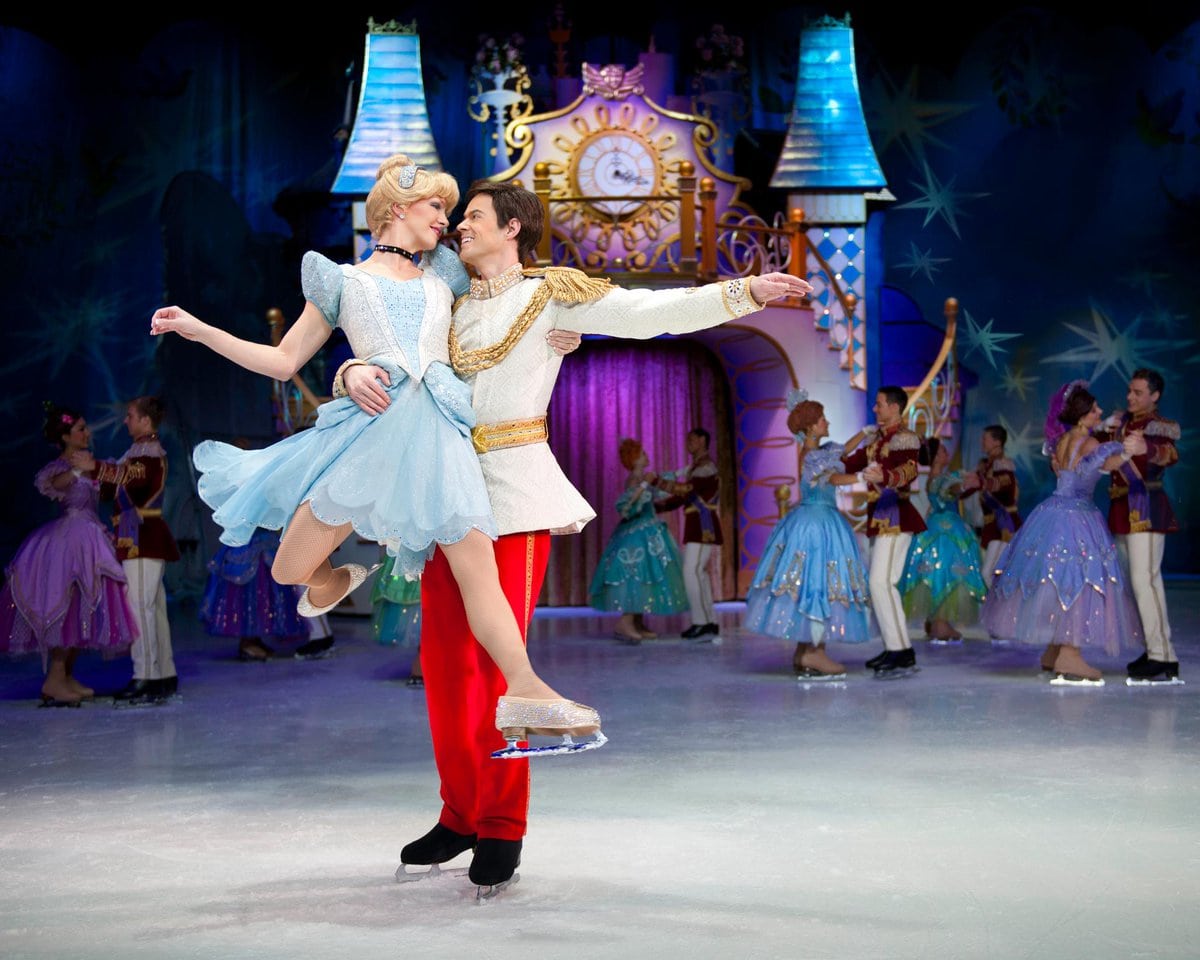
The 2026 season of Disney on Ice, produced by Feld Entertainment in agreement with Disney Experiences, represents a significant pillar of the global touring live entertainment industry, offering an accessible alternative to the company’s domestic theme parks. As the production enters its 45th year of operation since its inception in 1981, the 2026 tour features five distinct thematic productions designed to maximize brand reach across diverse geographic markets, ranging from major metropolitan hubs like New York and Quebec City to regional centers in the American South and Midwest. These productions combine world-class figure skating, intricate animatronics, and advanced projection mapping technology to recreate iconic cinematic moments on a portable ice surface, maintaining Disney’s standard for high-fidelity storytelling.
The 2026 Touring Portfolio: A Thematic Overview
Feld Entertainment has curated five specialized shows for the 2026 circuit, each targeting specific demographics within the Disney fanbase while maintaining the core appeal of the brand’s flagship characters, Mickey and Minnie Mouse.
Jump In!
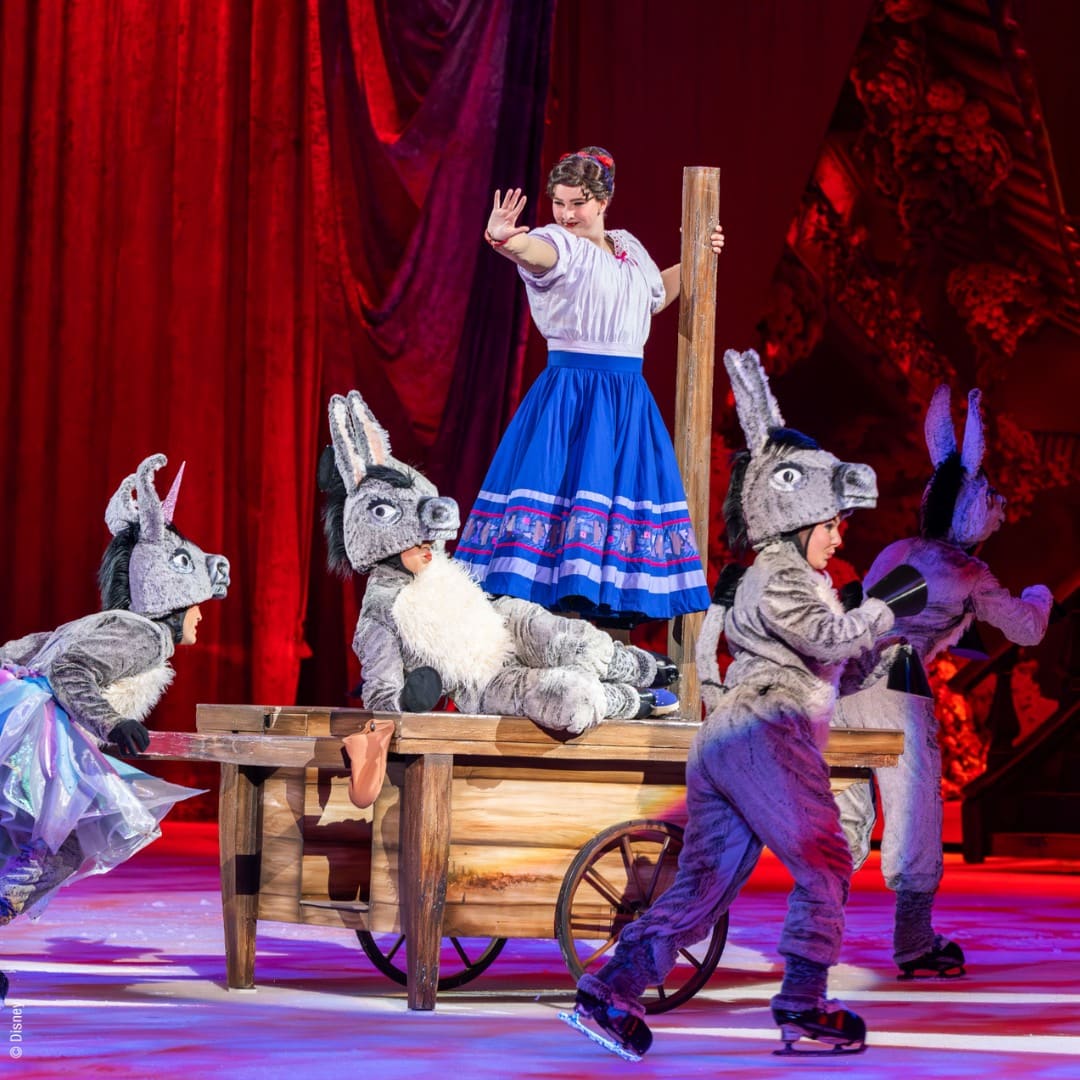
The Jump In! production utilizes a central narrative device known as the "Magical MousePad," an interactive element that bridges the gap between digital technology and physical performance. This show is designed to appeal to younger audiences familiar with modern Disney releases. The character roster is headlined by Asha from the 2023 film Wish, marking her continued prominence in the live-performance lineup. Other featured segments include the oceanic voyages of Moana, the icy landscapes of Arendelle with Anna and Elsa, and the Pride Lands of The Lion King featuring Simba and Nala. Technical highlights of this production include scenes from Zootopia, Inside Out 2, Toy Story, and Encanto, blending traditional skating with high-tech visual effects.
Magic in the Stars
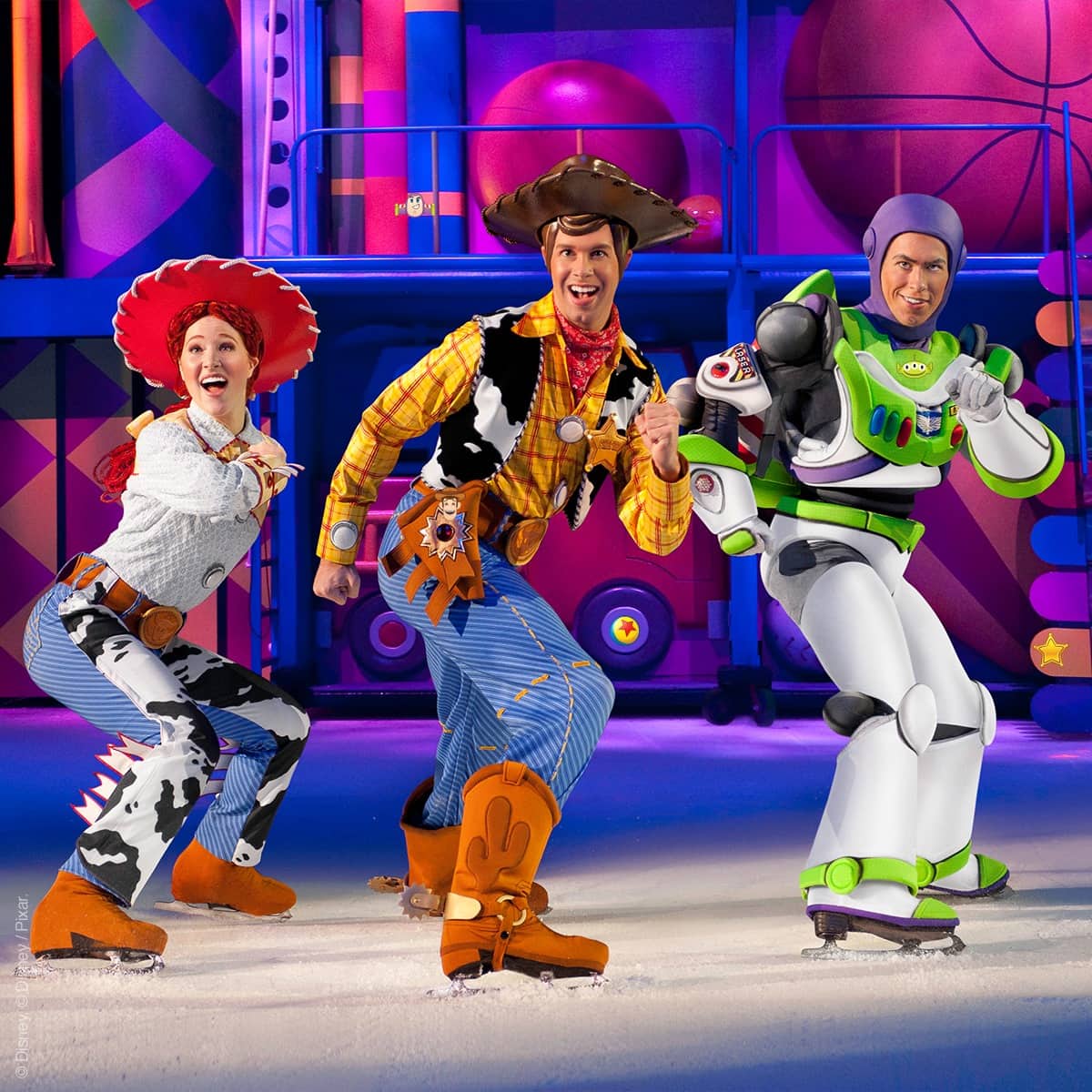
Focused on the thematic element of "wishing," Magic in the Stars is a multi-generational showcase that integrates classic Disney Princesses with Pixar’s high-energy franchises. The production features a wide-ranging cast including Tiana, Rapunzel, and Moana, alongside the Frozen 2 ensemble. Pixar representation is robust in this show, featuring Lightning McQueen from Cars and the duo of Buzz Lightyear and Woody from Toy Story. The narrative arc emphasizes the fulfillment of dreams, a core tenet of the Disney brand identity.
Magic of Family
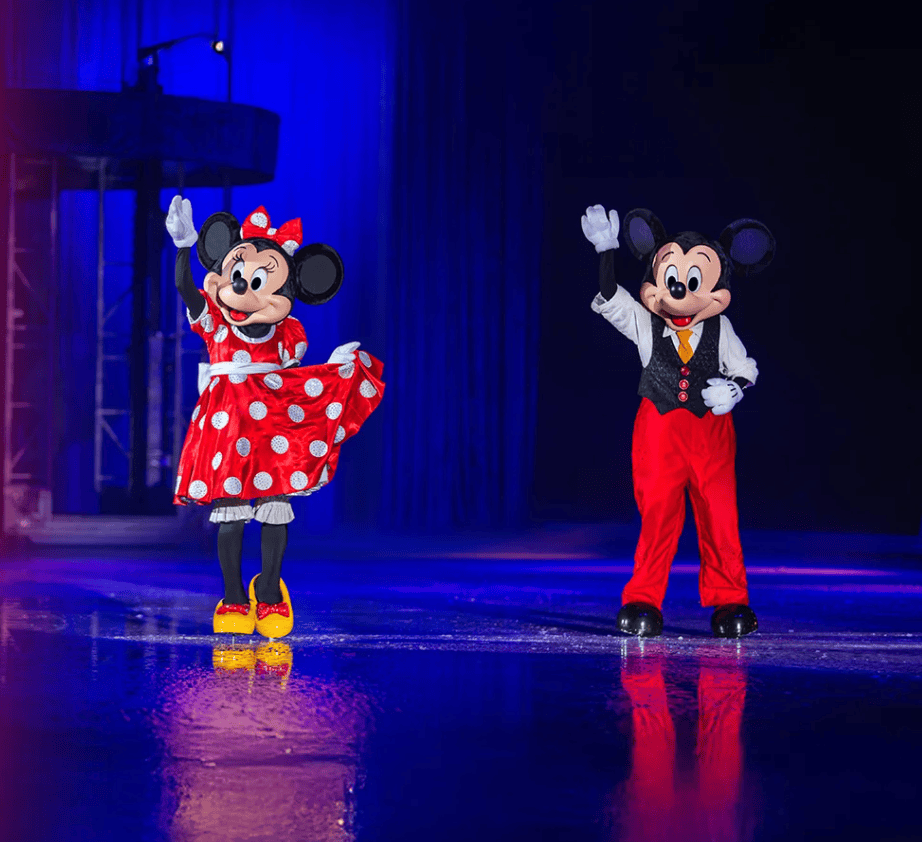
Magic of Family is a specialized production that focuses heavily on two of Disney’s most commercially successful modern musicals: Frozen and Encanto. By concentrating the narrative on the Madrigal family and the royal sisters of Arendelle, the show allows for deeper musical exploration and more elaborate set pieces related to these specific worlds. Mickey and Minnie Mouse serve as the primary hosts, providing a traditional framework for these contemporary stories.
Find Your Hero
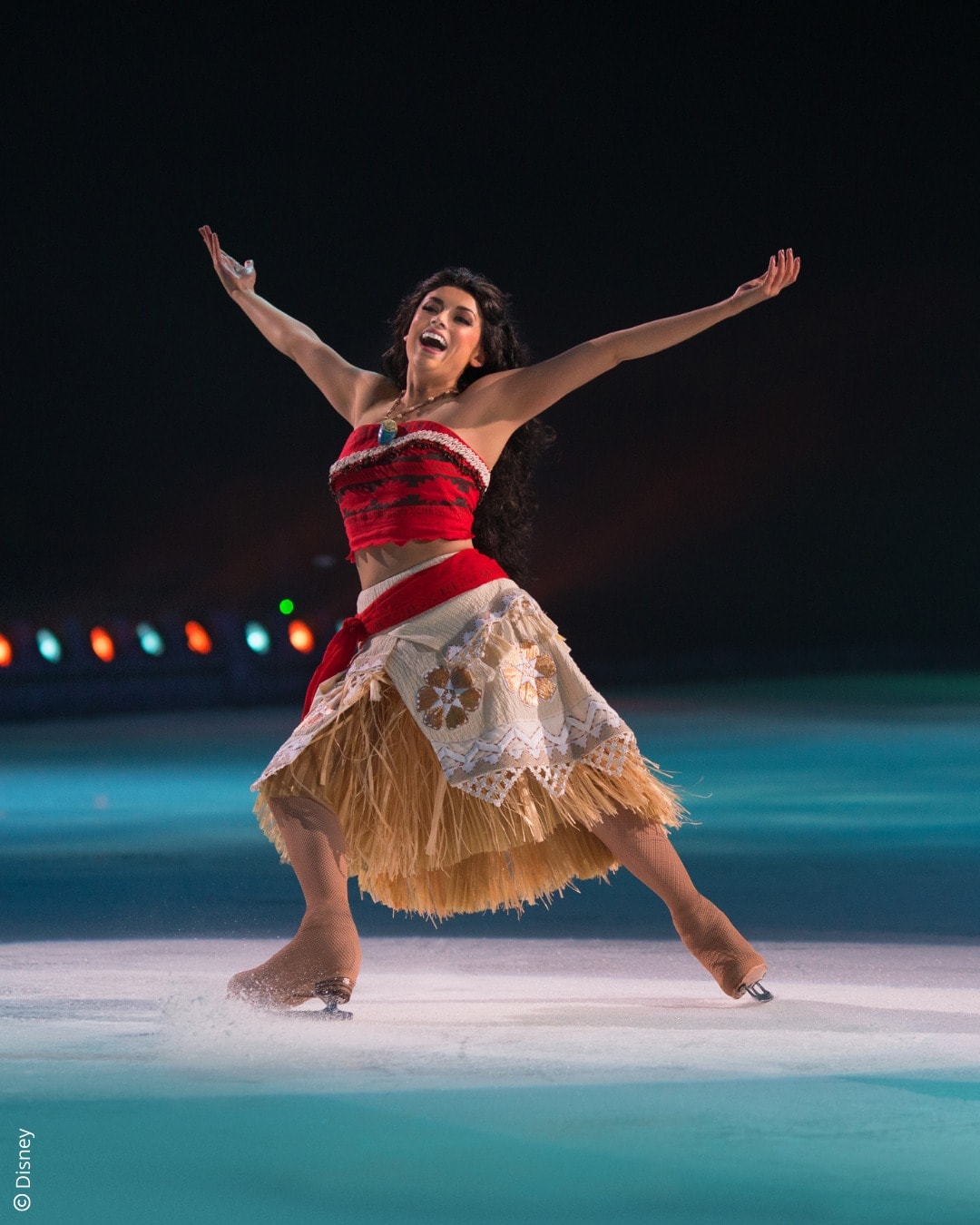
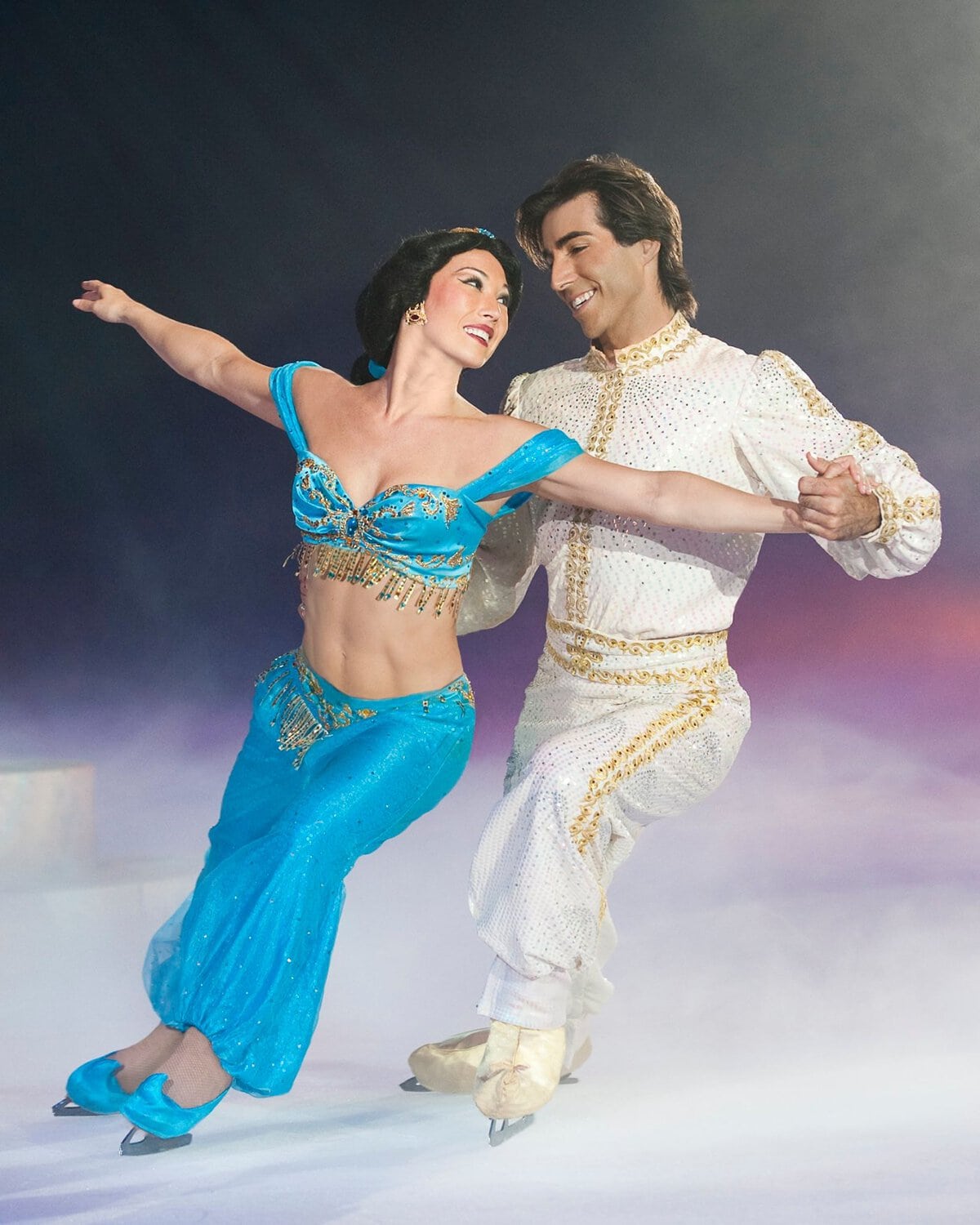
This production highlights the virtues of courage and self-discovery. Find Your Hero utilizes a variety of vignettes featuring Moana, Belle from Beauty and the Beast, and Ariel from The Little Mermaid. The inclusion of Goofy and Donald Duck provides comedic relief and maintains the "Sensational Six" presence. This show is noted for its athletic choreography, designed to reflect the "heroic" nature of the characters’ journeys.
Spotlight Magic
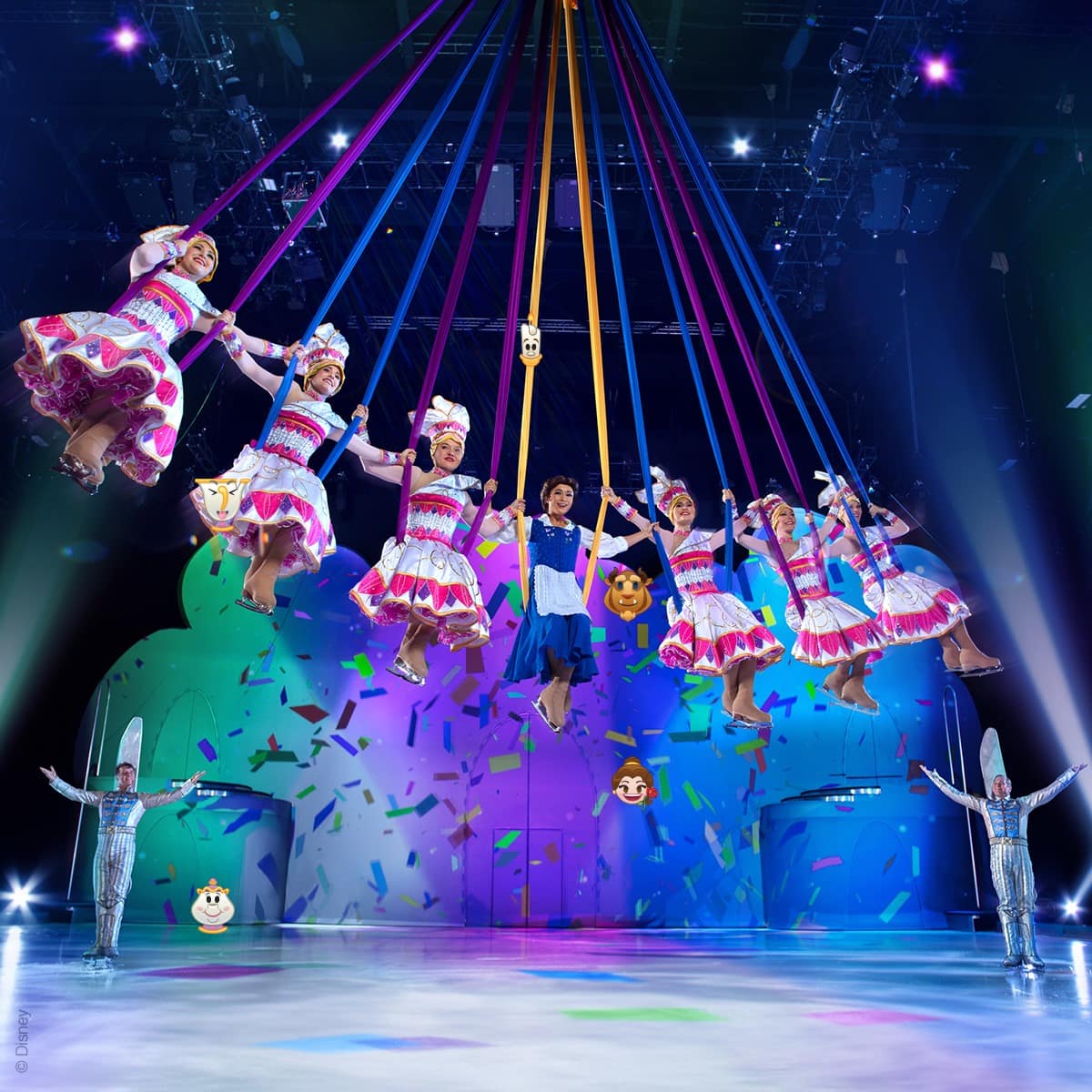
Scheduled for a Fall 2026 debut, Spotlight Magic is the newest addition to the roster, designed as a "red-carpet" spectacular. It features over 30 characters and introduces several "on-ice firsts," including Gazelle and Gary De’Snake from Zootopia 2 and Angel from Lilo & Stitch. This production leans into a Hollywood-inspired aesthetic, incorporating aerial acrobatics, glowing LED chandeliers, and a soundtrack that blends classic scores with Disney Channel hits. A dramatic segment dedicated to Disney Villains—including Maleficent, Ursula, Gaston, and the Evil Queen—provides a tonal contrast to the heroic themes of the other four shows.
Historical Context and Technical Logistics
Disney on Ice originated as "Walt Disney’s World on Ice" in 1981 after Irvin Feld and his son Kenneth Feld, owners of Ringling Bros. and Barnum & Bailey Circus, approached Disney with the concept of a touring ice show. The partnership proved highly successful, leading to a rebranding in 1998 to the current "Disney on Ice" title.
The logistical undertaking of a Disney on Ice tour is immense. Each production typically travels with dozens of skaters, a full technical crew, and several semi-trucks worth of equipment. The "ice plant"—the machinery used to create the skating surface—must be capable of maintaining a consistent 18-to-24-degree Fahrenheit temperature, often in arenas that were not originally designed for ice sports. The skaters are recruited from competitive figure skating backgrounds globally, with many being former Olympians or national champions. This ensures that while the show is character-driven, the technical execution remains at a professional athletic standard.
Operational Guidelines for Attendees
For families and patrons attending the 2026 performances, logistical preparation is essential due to the unique environment of ice arena entertainment. Professional event planners and venue managers emphasize several key operational areas to ensure a seamless experience.
Climate and Attire
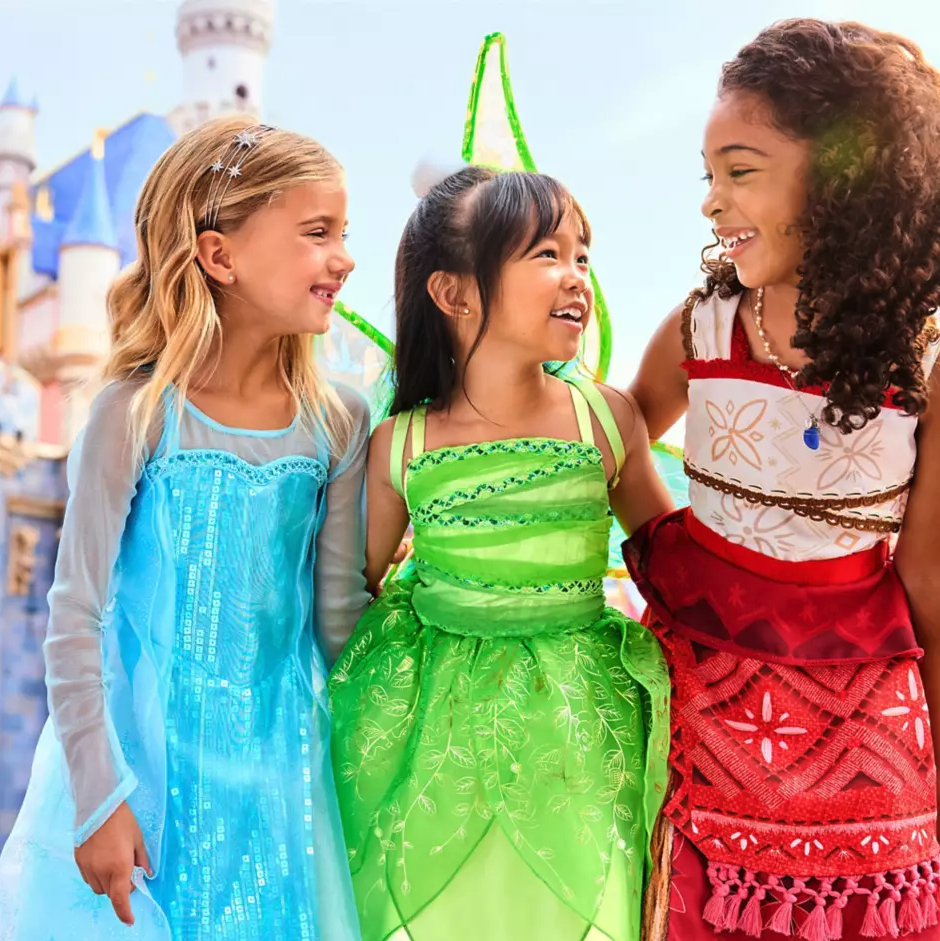
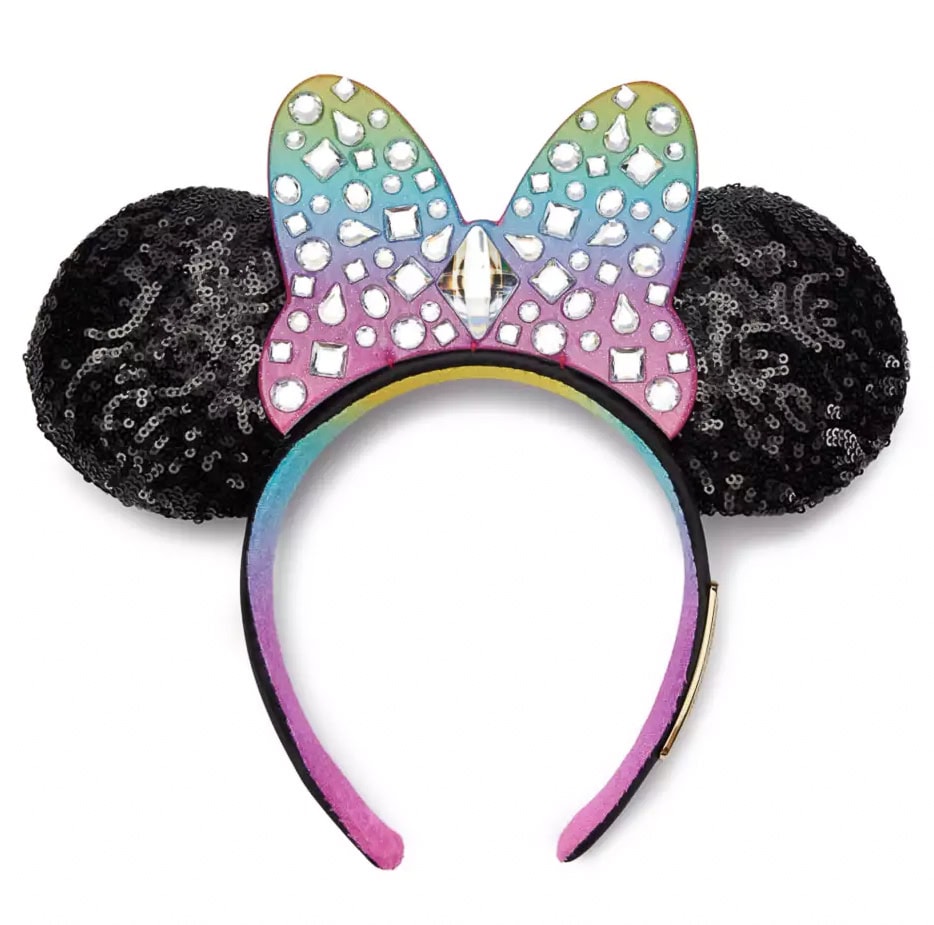
Regardless of the external weather conditions, ice arenas are maintained at low temperatures to preserve the integrity of the performance surface. Operational data suggests that patrons are most comfortable when dressed in layers. While children are encouraged to wear costumes, Disney on Ice enforces a strict policy prohibiting costumes for attendees aged 14 and older. This policy is implemented to maintain brand integrity and prevent confusion between staff performers and the general public. Adults are, however, permitted to wear themed clothing such as Mickey ears, t-shirts, and hoodies.

Duration and Scheduling
The average Disney on Ice performance runs between 90 minutes and two hours, which includes a 15-to-20-minute intermission. Venue gates typically open 60 minutes prior to showtime. Industry experts recommend that families arrive at least 30 to 45 minutes early to navigate security protocols, locate seating, and manage pre-show needs such as concessions and restroom breaks.
Age and Ticketing Policies
The production maintains a standard policy where children under the age of two are admitted free of charge, provided they remain on the lap of a parent or guardian. Once a child reaches their second birthday, a full-priced ticket is required. This policy is consistent across most major touring arena shows in North America.
Economic Analysis and Market Impact
Disney on Ice serves as a critical revenue driver for both Feld Entertainment and the local economies of the cities it visits. The production provides a "gateway" experience for families who may not have the financial means for a multi-day vacation to Disney theme parks.
Ticketing and Pricing Strategies
Ticket prices for the 2026 season are tiered based on proximity to the ice. Front-row and "rink-side" seats command a significant premium, while upper-level seating provides a more budget-friendly entry point. To maintain high attendance figures, Feld Entertainment often utilizes secondary marketing channels and discount platforms such as Groupon, where tickets can occasionally be found at up to a 50% reduction in price. Early reservation is consistently cited as the most effective method for securing optimal sightlines.
Ancillary Revenue and Merchandise
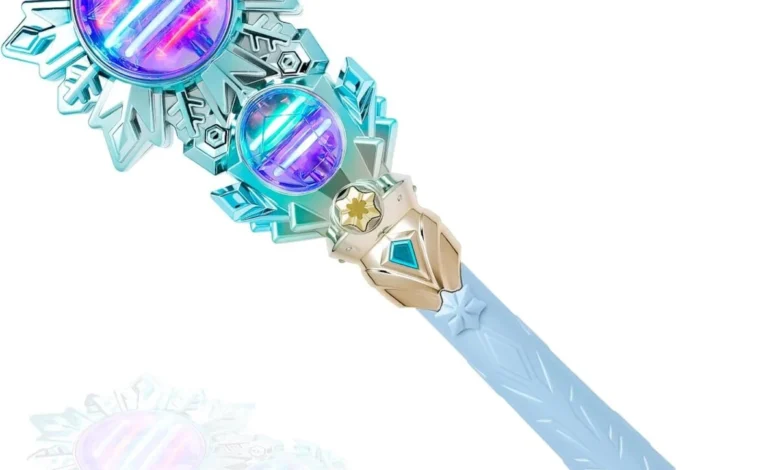
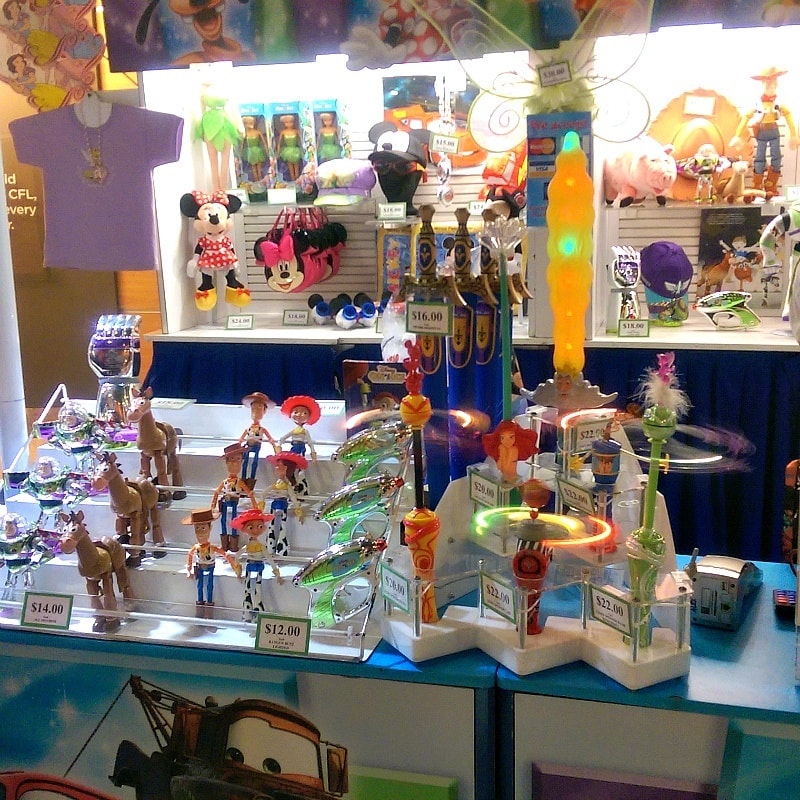
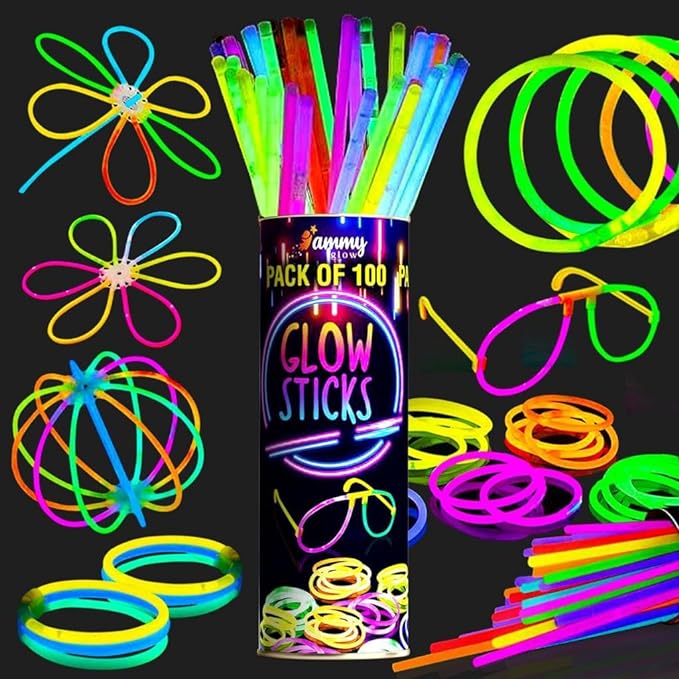
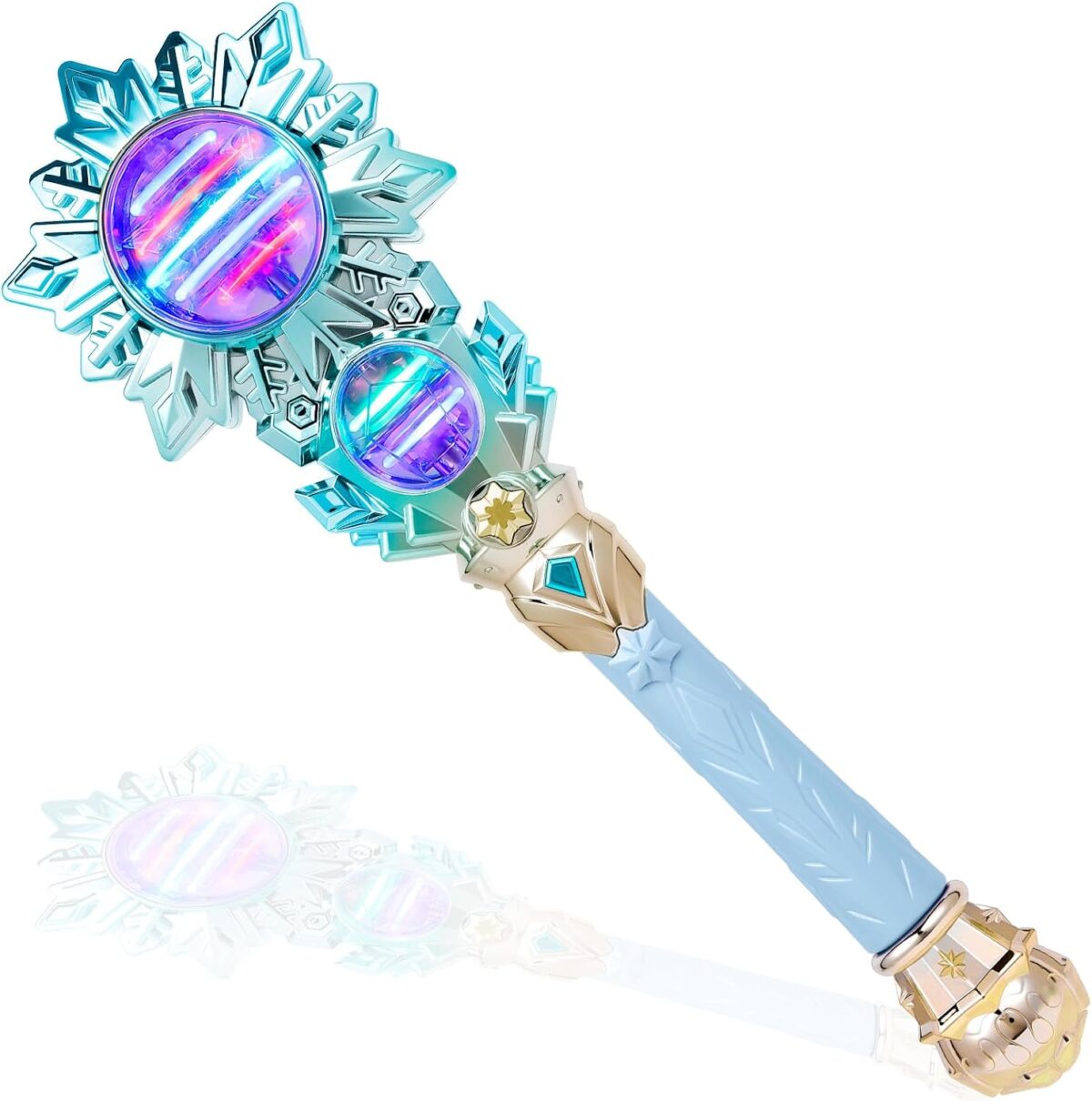
A significant portion of the tour’s profitability is derived from on-site merchandise and concessions. Items such as light-up wands, plush toys, and themed snacks (cotton candy and snow cones) are sold at premium price points compared to traditional retail. Economic analysis suggests that families can significantly reduce their total expenditure by purchasing Disney-themed glow sticks or apparel from third-party retailers prior to arrival.
Brand Loyalty and Long-Term Implications
The strategic value of Disney on Ice extends beyond immediate ticket sales. It functions as a powerful tool for brand reinforcement. By bringing characters like Mirabel from Encanto or Joy from Inside Out 2 directly to regional markets, Disney maintains its cultural relevance between major film releases and park visits.
The 2026 season’s inclusion of characters from upcoming sequels, such as Zootopia 2, indicates a shift toward using live entertainment as a promotional vehicle for the company’s cinematic slate. Furthermore, the introduction of more complex technical elements, such as aerial acrobatics and LED integration, reflects a response to the increasing expectations of modern audiences who are accustomed to high-budget theatrical productions.
As an educational and cultural experience, the show introduces many children to the world of professional figure skating and live theater. The meticulously choreographed routines and the discipline required of the skaters provide an aspirational element that complements the fantasy of the Disney narratives. Through this combination of athletic prowess and narrative magic, Disney on Ice remains a dominant force in the family entertainment sector, bridging the gap between global brand strategy and local community engagement.