Navigating the Babymoon with a Toddler Strategies for the Final Family Trip Before Baby Number Two

The travel industry has witnessed a significant evolution in the concept of the "babymoon," a term originally coined by anthropologists to describe the post-birth bonding period but repurposed by the tourism sector in the early 2000s to signify a final getaway before a child’s arrival. While the traditional babymoon focuses on the romantic reconnection of a couple, a growing demographic of parents is now navigating the "second babymoon." This specific type of travel occurs during a second or subsequent pregnancy and involves bringing along a toddler. Unlike the first babymoon, which often emphasizes luxury, adventure, or quietude, the second babymoon requires a complex logistical framework that balances maternal health, toddler developmental needs, and the desire for a final cohesive experience as a family of three.

The Shift in Babymoon Dynamics and Market Trends
Industry data indicates that the babymoon market has become a multi-billion-dollar segment of the global tourism economy. According to various travel trend reports, approximately 60% of expectant parents now plan some form of pre-birth vacation. However, the transition from a family of two to a family of three, and eventually four, fundamentally alters the selection criteria for these trips.
For first-time parents, travel often reflects their pre-parenting lifestyle. Celine Brewer, a travel expert and founder of BabyCanTravel.com, identifies this as a period of "adventurous exploration." During her first pregnancy, Brewer opted for a two-week road trip through British Columbia, Canada. This itinerary included high-energy activities such as hiking the 12-kilometer Myra Canyon Trestle in Kelowna, whale watching in Tofino, and exploring the urban landscape of Victoria. At this stage, the primary constraints are typically limited to the mother’s physical comfort and medical safety.

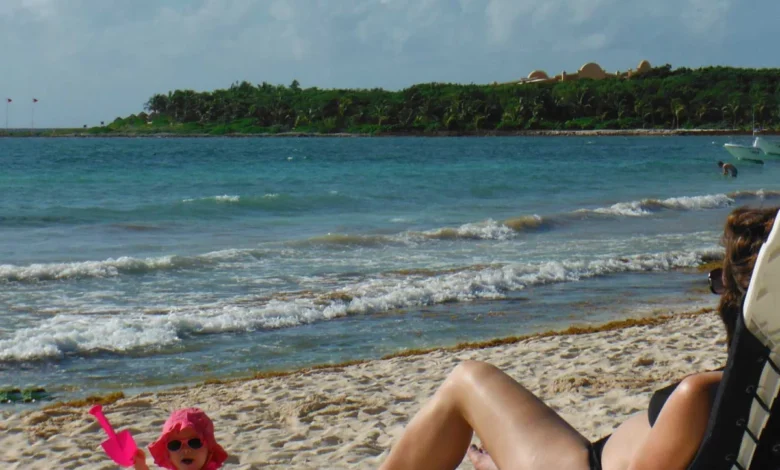
In contrast, planning a babymoon with a toddler introduces what sociologists call "constrained leisure." The presence of a child under the age of three necessitates a shift from "impressive" destinations to "easy" ones. Brewer’s second babymoon, taken while pregnant with her second child and traveling with a nearly two-year-old, serves as a primary case study for this shift. The physical toll of a second pregnancy, often reported as more exhausting due to the lack of recovery time while parenting an active toddler, necessitated a move away from active hiking to the sedentary convenience of an all-inclusive resort in Mexico.
Chronology of Planning: Timing and Medical Guidelines
The timing of a babymoon is critical and is generally dictated by the physiological stages of pregnancy. Medical professionals and organizations, such as the American College of Obstetricians and Gynecologists (ACOG), provide a standard timeline for safe travel:

- The First Trimester (Weeks 1–12): Travel is often discouraged or difficult due to the high prevalence of morning sickness, nausea, and extreme fatigue. The risk of miscarriage is also statistically highest during this period, leading many families to delay travel.
- The Second Trimester (Weeks 14–28): Widely regarded as the "sweet spot" for babymoons. Nausea typically subsides, and energy levels often return. Furthermore, most women are not yet so large as to find mobility or seating in airplanes and cars excessively uncomfortable.
- The Third Trimester (Weeks 28–36): Travel remains possible, but many airlines impose restrictions after 36 weeks (or earlier for international flights). The physical demands of carrying a toddler while in the third trimester can lead to increased risks of Braxton Hicks contractions or general physical strain.
For a second babymoon, the 20-to-26-week window is frequently cited by travel consultants as the optimal period. This allows the mother to enjoy the trip before the physical limitations of the late third trimester coincide with the high-energy demands of a toddler.
Logistical Considerations for Multi-Generational Pre-Birth Travel
The success of a babymoon with a toddler hinges on "toddler-friendly" infrastructure. Experts suggest that parents prioritize several key logistical elements to ensure the trip remains restorative rather than taxing.

Accommodation and Spatial Requirements
Standard hotel rooms often prove insufficient for a babymoon with a toddler. Travel data suggests that suites or rentals with separate sleeping areas significantly improve the quality of the trip. A separate space allows the toddler to adhere to an early bedtime or nap schedule without forcing the parents into silence or darkness at 7:00 PM. Additionally, access to a kitchenette or refrigerator is essential for managing the frequent snack requirements and milk storage associated with toddler care.
The All-Inclusive vs. Road Trip Debate
The choice between a road trip and a resort stay is a major point of analysis for expectant families.

- Road Trips: Offer flexibility and the ability to pack familiar gear (strollers, portable cribs, favorite toys). However, they require significant "active" time from parents—driving, navigating, and constant packing and unpacking.
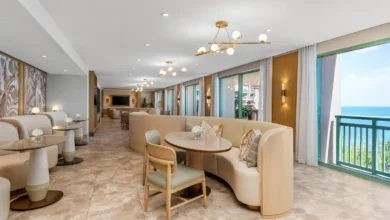
- All-Inclusive Resorts: These are increasingly catering to the "babymoon with toddler" demographic. Resorts like the Grand Palladium Kantenah in Mexico, utilized by Brewer, provide splash pads, kid clubs, and on-site dining. This reduces "decision fatigue" and physical exertion, allowing the pregnant mother to rest while the toddler is engaged in a controlled environment.
Clinical Safety and Travel Health
A professional journalistic analysis of babymoons must include the health implications of traveling while pregnant. Travel health experts emphasize several non-negotiable safety protocols:
- Zika and Infectious Disease: Since 2016, the geographical choice for babymoons has been heavily influenced by the presence of the Zika virus, which can cause severe birth defects. Expectant parents are advised to consult the Centers for Disease Control and Prevention (CDC) for current "No-Travel" zones.
- Hydration and Thromboembolism: Pregnancy increases the risk of Deep Vein Thrombosis (DVT). Long-haul flights or car rides require frequent movement and high fluid intake.
- Food and Water Safety: For international destinations like Mexico, the risk of traveler’s diarrhea is a significant concern for pregnant women, who may face quicker dehydration. Stick to bottled water and pasteurized dairy.
The Psychological Impact: Preparing the Firstborn
Beyond the physical and logistical aspects, the second babymoon serves a vital psychological function: the "last hurrah" for the family of three. Child psychologists note that the arrival of a sibling is one of the most significant life transitions a toddler will face.

The babymoon provides a dedicated period of "focused attention." Engaging in simple activities—swimming together, reading on a beach, or sharing a special meal—can reinforce the toddler’s sense of security before the family dynamic shifts. While the toddler may not grasp the concept of the trip’s timing, the positive reinforcement of family bonding is believed to aid in the eventual transition to the "big sibling" role.
Industry Response and Economic Implications
The travel industry has responded to the rise of the second babymoon by diversifying its offerings. Luxury resorts in the Caribbean, Mexico, and Hawaii now offer "Babymoon Packages" that specifically include amenities for toddlers, such as "mocktails" for the mother and child, specialized spa treatments for the pregnant guest, and professional photography sessions to document the final trip as a trio.

Furthermore, domestic tourism boards in regions like the Canadian Rockies and the American Southwest have begun marketing "Staycation Babymoons." These cater to families who want the benefits of a getaway without the risks and exhaustion associated with air travel or crossing international borders. This segment has seen a 15% increase in interest since 2020, as parents prioritize health security and proximity to their primary care physicians.
Conclusion and Strategic Outlook
The transition from the first babymoon to the second reflects a broader trend in modern parenting: the prioritization of "manageable joy" over "aspirational adventure." For families like the Brewers, the realization that a second babymoon cannot replicate the first is not a failure of planning, but a maturation of it.
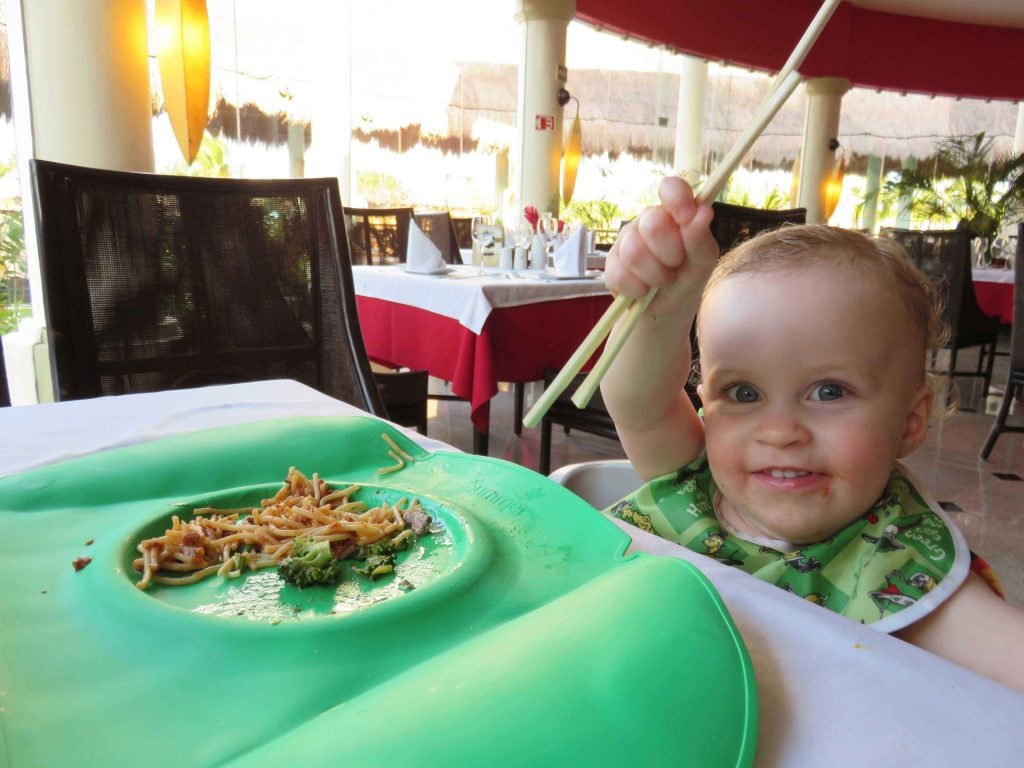
The data suggests that the most successful babymoons with toddlers are those that lower the "barrier to relaxation." By choosing destinations with minimal transit times, opting for accommodations that respect toddler rhythms, and maintaining a flexible "one activity per day" rule, expectant parents can achieve the dual goal of personal rest and family bonding. As the family unit prepares to expand, these trips provide a necessary pause, allowing parents to recharge before the logistical and emotional demands of a newborn begin anew. The second babymoon is, ultimately, a strategic investment in the family’s emotional foundation.