The Art and Science of Achieving Optimal Outdoor Comfort: Stephen Casimiro’s Quest for Superior Sleep Under the Stars

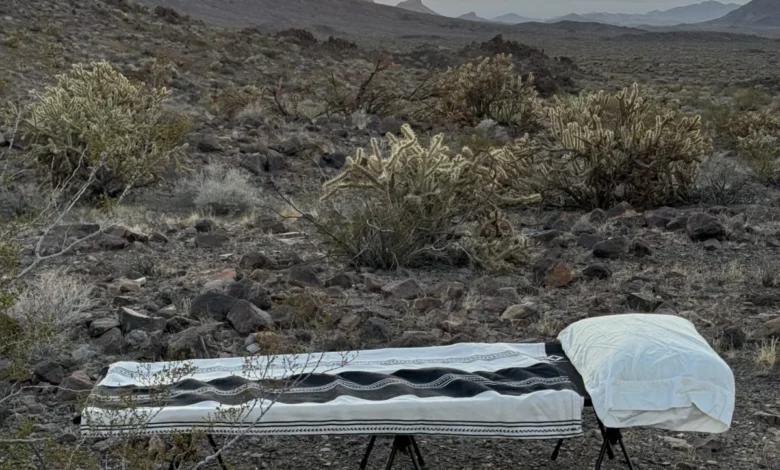
The pursuit of comfortable and restorative sleep in outdoor environments, particularly in the burgeoning car camping and overlanding sectors, has become a focal point for enthusiasts seeking to maximize their wilderness experiences. Stephen Casimiro, an outdoor enthusiast and commentator, recently shared insights into his meticulously refined sleeping arrangements, prompted by significant community engagement on social media. His detailed approach, which prioritizes comfort and adaptability across varied conditions, underscores a growing trend among outdoor adventurers to invest in sophisticated gear to enhance their nights spent beneath open skies.
The Evolving Landscape of Outdoor Recreation and Comfort
In recent years, the outdoor recreation industry has witnessed a substantial surge, propelled by a renewed public interest in nature-based activities. Car camping, overlanding, and dispersed camping have emerged as particularly popular segments, offering accessible avenues for individuals and families to connect with the wilderness. This rise in popularity has, in turn, fueled demand for gear that bridges the gap between rugged outdoor living and the comforts typically associated with home. No longer is "roughing it" the sole objective; instead, a growing number of participants, like Casimiro, are actively seeking methods and equipment to ensure restful sleep, recognizing its critical role in overall enjoyment, safety, and performance during multi-day excursions.
The discussion surrounding Casimiro’s sleeping setup began with a simple photograph posted to his Instagram account, captioned "we need not be pagans," implying a desire for comfort beyond the bare essentials. The image, depicting an inviting outdoor sleeping arrangement, quickly garnered a notable volume of comments, including a direct request from Alaska-based woodworker and artist Zach LaPerrière for details on his system. This interaction highlights the collaborative and inquisitive nature of the outdoor community, where shared experiences and gear recommendations are highly valued.
Casimiro’s Core Philosophy: Adapting to Conditions for Optimal Rest
Casimiro’s fundamental principle revolves around adapting his setup to prevailing environmental conditions, with a steadfast goal of sleeping outdoors under the stars and achieving high-quality rest. His primary operational area, the arid Southwest, characterized by its vast landscapes and often predictable weather patterns, largely mitigates concerns regarding rain and insects. Consequently, temperature fluctuations and wind emerge as the dominant considerations for his nocturnal arrangements. This geographical context is crucial, as gear choices are inherently influenced by the expected climate and terrain. For instance, a setup optimized for the Mojave Desert’s Turtle Mountains Wilderness, where Casimiro was on the night in question en route to Arizona, differs significantly from one designed for a humid, mosquito-ridden forest or a high-alpine environment prone to sudden storms.
Foundation of Comfort: The Cot System
At the heart of Casimiro’s preferred setup is the Helinox Cot One Convertible, augmented with leg extensions to elevate the sleeping surface 8.5 inches off the ground. The choice of a cot over direct ground sleeping is a deliberate one, addressing several common discomforts associated with traditional camping. Elevating the sleeping platform provides insulation from cold ground, protection from crawling insects, and a more even, supportive surface than uneven terrain. The market for camping cots has expanded significantly, offering a range of options from ultralight backpacking models to heavy-duty, luxurious car camping versions.
Casimiro’s experience with cots provides valuable comparative data. He notes that while the REI Co-op Wonderland Comfort Cot offers superior comfort due to its adjustable and well-padded design, its substantial packed size and weight render it impractical for his mobile lifestyle. He describes it colloquially as "road-tripping with Chewbacca," emphasizing its bulk and constant presence. This trade-off between comfort and portability is a perennial dilemma for outdoor enthusiasts. In contrast, the Helinox Cot One Convertible, weighing a mere five pounds and breaking down into a compact package, epitomizes portability and efficiency, allowing Casimiro to keep it readily available in his truck. This highlights a critical decision point for consumers: prioritizing ultimate comfort for stationary camps versus the convenience of a compact, easily transportable system for dynamic travel.
Enhancing the Sleep Surface: The Role of Sleeping Pads
While the Helinox cot provides a solid foundation, Casimiro acknowledges that supplementary padding significantly enhances comfort. He utilizes either the Exped MegaMat or the Hest Foamy, both high-performance sleeping pads designed to offer substantial insulation and cushioning. Understanding the technical specifications of these pads is key to appreciating their value.
Sleeping pads are rated by their R-value, a measure of thermal resistance. A higher R-value indicates greater insulating capability, preventing heat loss from the body to the cold ground. The Exped MegaMat, an inflatable pad, boasts an R-value of 8.1, making it suitable for very cold conditions. Inflatable pads achieve their insulating properties through trapped air and often incorporate synthetic insulation or reflective barriers within their chambers. They are known for their thickness and packability when deflated.
The Hest Foamy, a newer addition to Casimiro’s arsenal, is a foam-based pad with an impressive R-value of 8.8. Foam pads offer inherent advantages, primarily their imperviousness to punctures and their consistent insulation regardless of inflation. The Foamy’s waterproof bottom layer further enhances its versatility, making it an excellent option for direct ground camping on surfaces like slickrock, especially when the effort of setting up a cot is deemed unnecessary. This comparison illustrates the ongoing innovation in sleeping pad technology, offering consumers choices between the plushness and compressibility of inflatables and the rugged durability and reliability of closed-cell foam. The industry continually strives to reduce weight and bulk while maximizing R-value and comfort.
Insulation and Head Support: Blankets, Bags, and Pillows
Beyond the sleeping surface, appropriate insulation is paramount for regulating body temperature throughout the night. Casimiro’s approach is modular, adapting to the ambient temperature. For pleasant nights, a simple cotton blanket suffices. As temperatures drop, he transitions to a wool blanket or a sleeping bag. His rotation of sleeping bags from reputable brands like NEMO, Marmot, and Exped indicates a preference for quality and performance without strict brand loyalty, suggesting that the specific temperature rating and construction (e.g., down versus synthetic fill) are more critical than the manufacturer.
The choice between a blanket and a sleeping bag, or even a quilt, depends on several factors, including temperature, personal preference for restrictiveness, and packability. Quilts, for example, offer a lighter alternative to sleeping bags by eliminating the back insulation that is often compressed and ineffective when lying on a pad, while still providing ample warmth.
A pillow, often an overlooked item in minimalist camping, is deemed a "must" by Casimiro. His evolution from using an old house pillow to testing the Hest Camp Pillow reflects a common journey among campers—realizing that proper head and neck support significantly contributes to sleep quality. The Hest Camp Pillow’s design, which fits neatly within a sleeping bag hood, speaks to the ergonomic considerations that gear manufacturers are increasingly integrating into their products, balancing comfort with practicality for outdoor use.
The Enduring Challenge: Ground Sleeping and Its Limitations
Despite his sophisticated setup, Casimiro admits to an ongoing fascination with the idea of minimalist ground sleeping, drawing inspiration from experiences like observing a mule packer in Durango, Mexico, achieve a good night’s sleep with only a wool blanket on the ground. This aspiration touches upon a romanticized ideal of rugged self-sufficiency. However, Casimiro’s personal experiments with unpadded ground sleeping consistently lead to the conclusion: "no." This highlights a fundamental physiological reality: while some individuals, particularly back sleepers, may adapt to harder surfaces, side sleepers like Casimiro often require more cushioning to maintain spinal alignment and alleviate pressure points. The human body, especially as one ages, often demands greater support for restorative sleep, irrespective of how "tired out" one might be.
Specialized Gear for Backpacking and Bikepacking
For pursuits demanding greater weight and bulk efficiency, such as backpacking or bikepacking, Casimiro’s gear choices shift dramatically. Here, inflatable pads like the Therm-A-Rest NeoAirs remain a favored option due to their exceptional warmth-to-weight ratio and compact packed size. The NeoAir series, particularly models like the XLite NXT, are industry benchmarks for ultralight, high-performance inflatable pads, utilizing advanced baffling and reflective layers to achieve impressive R-values at minimal weight.
His recent use of Exped’s Flex 1.5R closed-cell foam pad for a backpacking overnight in Grand Staircase further illustrates the versatility required for different terrains. While acceptable on sand, its thinness on hard ground prompted his interest in the newer Exped Flex 3R, which offers twice the thickness. This comparison brings into sharp focus the perennial trade-off in lightweight outdoor gear: foam pads offer puncture resistance and instant insulation but are bulkier and heavier for a given R-value compared to inflatables. This ongoing debate—foam versus inflatable, bivy versus tent, quilt versus bag, or even a waterproof bag as a standalone shelter—underscores the dynamic nature of outdoor gear development and the highly personal calculus involved in selecting the optimal system for specific adventures. Each choice carries implications for weight, pack size, durability, and comfort.
Implications for Well-being and Industry Trends
Casimiro’s detailed exploration of outdoor sleeping systems is more than a personal preference; it reflects broader trends and significant implications for the outdoor recreation community. Adequate sleep is not merely a luxury but a critical component of safety and enjoyment in the wilderness. Poor sleep can impair judgment, reduce physical performance, and diminish the overall positive psychological benefits of being outdoors. By advocating for comfortable setups, Casimiro indirectly promotes safer and more fulfilling outdoor experiences.
The outdoor gear market, valued at billions globally, is continuously innovating to meet these evolving demands for comfort, durability, and reduced environmental impact. Manufacturers are investing heavily in research and development to produce lighter, warmer, more packable, and more sustainable products. The increasing sophistication of sleeping pads, cots, and insulation layers demonstrates this commitment to enhancing user experience.
Furthermore, Casimiro’s goal of 100 nights of camping in a year provides a robust platform for empirical testing and ongoing evaluation of various gear combinations. This iterative process of experimentation and refinement is invaluable for the community, offering real-world insights that go beyond laboratory specifications. His open invitation for suggestions and shared approaches fosters a sense of community and collective knowledge-building, reflecting the collaborative spirit that often defines outdoor pursuits.
In conclusion, Stephen Casimiro’s comprehensive approach to achieving optimal outdoor sleep underscores a critical aspect of modern wilderness engagement. While the ideal setup remains elusive and highly dependent on individual needs, environmental conditions, and adventure goals, the continuous pursuit of maximizing sleep quality is a worthy endeavor. His systematic evaluation of cots, pads, insulation, and accessories, combined with his willingness to experiment and share findings, provides a valuable roadmap for anyone seeking to enhance their comfort and well-being during nights spent under the vast, open sky. The ongoing dialogue within the outdoor community, fueled by such detailed accounts, continues to push the boundaries of what is possible in blending the rugged beauty of nature with the restorative power of a good night’s sleep.