The Global Revival of the Sleeper Train: Why Night Rail is Navigating a New Golden Age in an Era of High-Speed Travel

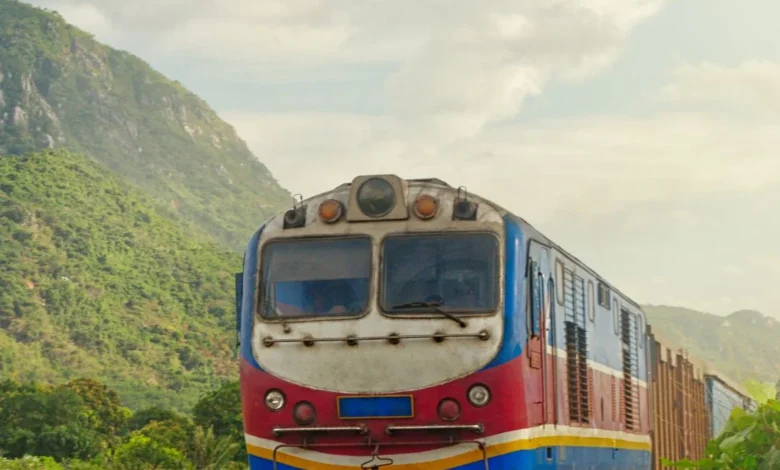
The global travel landscape is currently witnessing a significant structural shift as sleeper trains, once considered a relic of a bygone era, experience a robust resurgence across Europe and Asia. For decades, the rise of low-cost carriers and the expansion of high-speed rail networks threatened to render overnight rail travel obsolete. By the end of 2016, many of Europe’s iconic sleeper services had been decommissioned, their rolling stock relegated to storage sheds. However, a convergence of climate consciousness, post-pandemic travel preferences, and a growing "slow travel" movement has revitalized the industry, prompting both state-owned operators and private startups to reinvest in the night rail experience.
Monisha Rajesh, a celebrated rail journalist and author of Moonlight Express: Around the World by Night Train, has documented this transformation through extensive field research. Her observations suggest that the appeal of the sleeper train lies not merely in transportation, but in the unique social and psychological environment it fosters. From the snow-covered tracks of the Finnish Lapland to the humid jungles of Vietnam, the night train is reclaiming its status as a vital component of the international transit network.
The Catalyst for Change: Post-Pandemic Shifts and Climate Anxiety
The decline of the sleeper train reached its nadir in the mid-2010s. The convenience of high-speed rail, which could traverse countries in a few hours, and the aggressive pricing of budget airlines made the slower, often more expensive overnight journeys difficult to justify for the average commuter. However, the COVID-19 pandemic acted as an unexpected inflection point for the industry.

As international travel resumed, industry analysts noted three primary drivers behind the sleeper train’s comeback. First, the safety and privacy afforded by individual compartments became a significant draw for travelers wary of crowded airport terminals and cramped airplane cabins. Second, the escalating climate crisis has forced a reevaluation of carbon footprints. According to data from the European Environment Agency, rail travel remains the most environmentally friendly mode of motorized transport, with carbon emissions per passenger kilometer significantly lower than those of aviation.
Thirdly, a cultural shift toward "mindful travel" has emerged. Travelers are increasingly prioritizing the quality of the journey over the speed of arrival. This is reflected in the record-breaking performance of Interrail, which reported unprecedented booking volumes in 2022 and 2023. In response, operators like Austria’s ÖBB have expanded their "Nightjet" fleet, investing over €700 million in next-generation rolling stock to meet the rising demand for overnight connections between major European hubs like Vienna, Paris, and Berlin.
Case Study: The Santa Claus Express and the Finnish Model
The Finnish rail system provides a premier example of how modern amenities can preserve the romance of rail while meeting contemporary standards of comfort. The "Santa Claus Express," a double-decker sleeper service connecting Helsinki to Rovaniemi in the Arctic Circle, demonstrates the operational success of high-quality night rail.
The train features a distinctive green livery and offers a range of accommodations, from standard berths to en-suite cabins equipped with underfloor heating. Rajesh’s account of the journey emphasizes the communal atmosphere of the dining car—a space that serves as the "beating heart" of the train. In an era of digital isolation, the dining car remains one of the few public spaces where strangers from diverse backgrounds—ranging from families traveling for the holidays to international tourists from Seoul or Lisbon—interact over shared meals.

The Finnish model succeeds by integrating the functional requirements of long-distance travel with an experiential component. By providing a "smooth and silent" transit through the wilderness, the service allows passengers to utilize the hours of darkness productively, waking up at their destination refreshed and ready for the day, thereby saving the cost of a hotel night.
The Historical Context: From the Orient Express to the Reunification Express
To understand the current renaissance, one must look at the historical precedents that defined long-distance rail. The legendary Orient Express, launched in 1883, was never a single luxury train but a complex network of rolling stock and ferry connections. The original route from Paris to Constantinople (now Istanbul) required a sophisticated logistical dance across Europe, involving transfers in Vienna, Budapest, and Bucharest.
While the modern traveler often romanticizes the Orient Express as a seamless journey of opulence, the reality was—and remains—a test of endurance and logistical coordination. Recreating the original 3,600 km route today involves navigating five different trains and multiple border crossings. Despite the challenges of chilly platforms and midnight passport checks, the arrival in Istanbul at sunrise remains a powerful symbol of the "golden age" of travel that modern sleeper services aim to recapture.
Similarly, the Reunification Express in Vietnam carries immense historical and cultural weight. Severed during the Vietnam War, the line was restored in 1976, symbolizing the country’s healing and reintegration. Unlike the polished sleepers of Northern Europe, the Vietnamese rail experience is characterized by its immediacy and grit. The tracks run inches from residential backdoors and parallel to bustling highways, offering passengers an unfiltered view of the national landscape. This "immediacy of destination" is a core advantage of rail; while air travel sanitizes the transition between locations, the train forces an engagement with the geography and the people inhabiting it.

The Social Fabric of the Sleeper Train
One of the most profound impacts of the sleeper train revival is the restoration of the "onboard community." Professional journalists and frequent travelers note that daytime rail services are often focused on utility, with passengers preoccupied by work or digital devices. In contrast, the night train creates a temporary, self-contained society.
On services such as the Norrland night train, which runs from Narvik in Norway to Stockholm in Sweden, the compartment often functions as a "confessional" or a platform for cultural exchange. Rajesh notes instances of passengers sharing intimate life details, political debates, and local travel advice—such as where to view the Aurora Borealis or how to navigate local culinary customs—within the span of a single overnight journey. This social dimension is a unique selling point that budget airlines, with their focus on turnaround times and seat density, cannot replicate.
Economic and Environmental Implications
The resurgence of night trains is not merely a matter of nostalgia; it has significant economic and environmental implications for the future of global tourism.
- Carbon Mitigation: Aviation accounts for approximately 2.5% of global CO2 emissions. Shifting short and medium-haul overnight travel to rail could contribute significantly to the European Union’s goal of climate neutrality by 2050. A passenger taking a train from London to Paris emits roughly 90% less CO2 than they would by flying.
- Economic Redistribution: Sleeper trains often stop at intermediate, less-visited stations, bringing tourism revenue to regional economies that are bypassed by direct flights between major capitals.
- Infrastructure Investment: The success of the "Nightjet" and the emergence of private startups like "European Sleeper" are prompting governments to reinvest in track maintenance and station facilities. However, challenges remain, particularly regarding "track access charges" and the lack of a unified booking system across different national operators.
Analysis of Future Prospects
The "new golden age" of train travel faces several hurdles before it can truly challenge the dominance of the aviation industry. High operational costs, aging rolling stock in some regions, and the complexity of cross-border regulations present ongoing difficulties. Furthermore, night trains must balance the need for affordability with the high costs of providing beds, showers, and catering services.

However, the trend line is clear. The demand for slow, sustainable, and social travel is outstripping current supply. As more travelers seek to "leave lighter tracks" on the planet, the sleeper train stands out as the most viable alternative for long-distance transit. The romance of the rails, once thought to be a casualty of the 21st century’s obsession with speed, has proven to be remarkably resilient.
In conclusion, the advances of high-speed rail and budget airlines did not kill the night train; instead, they forced it to evolve. Today’s sleeper trains are no longer just a way to get from point A to point B; they are a rejection of the frantic pace of modern life. Whether it is the silent glide through a Finnish forest or the rhythmic judder of a train through the Vietnamese jungle, the return of the sleeper train represents a collective desire to rediscover the world at a human pace. The "Moonlight Express" is once again a fixture of the global landscape, offering a unique blend of privacy, community, and environmental responsibility that defines the future of travel.