Sustainable Tourism Development in Lazio: New E-Bike Itineraries Connect Rome to Regional Heritage

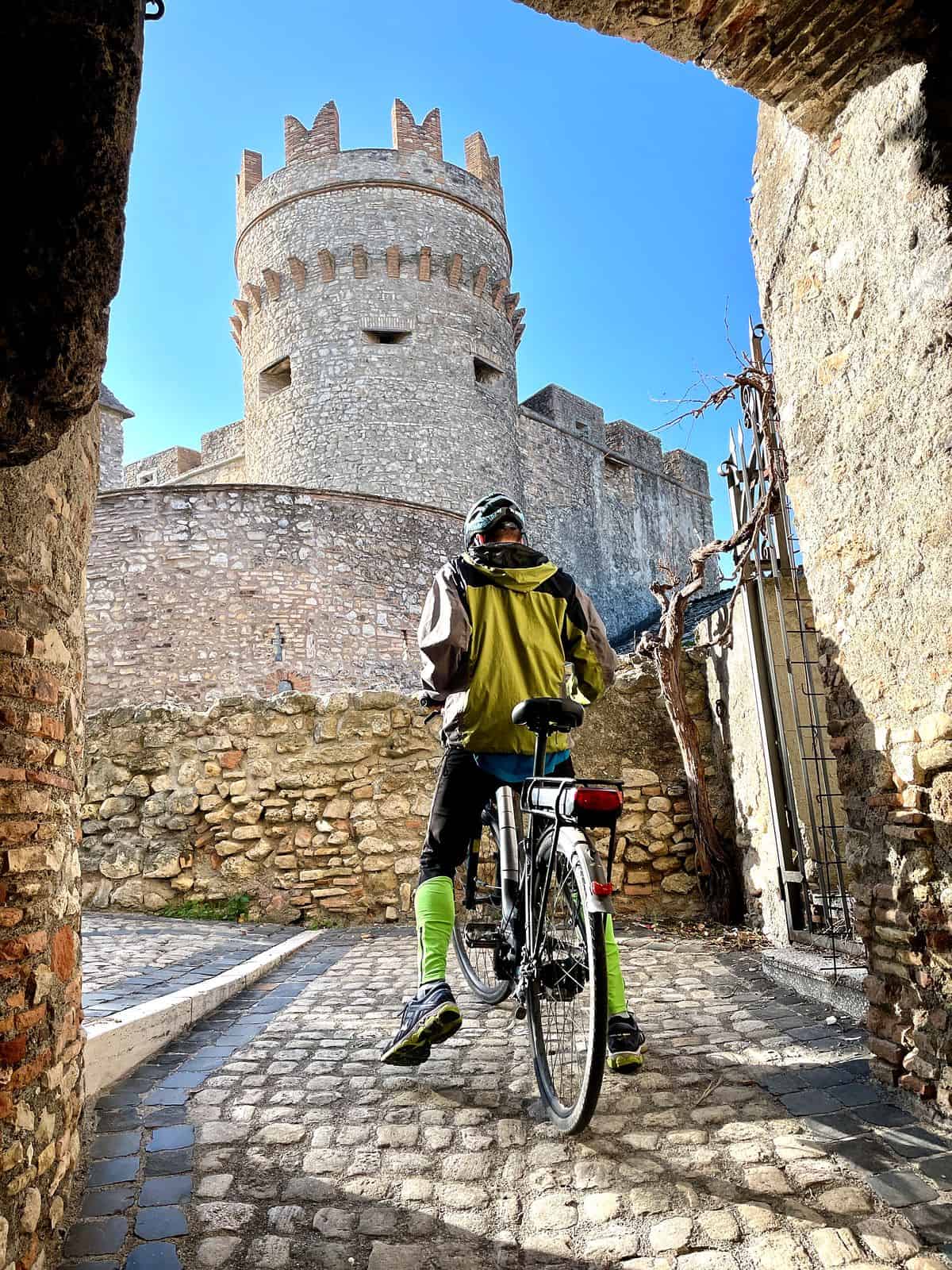
The Lazio Region, in collaboration with the Thybris River Experience, has launched a strategic initiative to develop guided e-bike itineraries designed to distribute tourism more equitably across the central Italian landscape. This project, funded by the regional government, aims to divert foot traffic from the hyper-congested center of Rome toward the lesser-known archaeological, culinary, and natural assets of the Tiber River valley. By leveraging the growing global demand for "slow travel" and sustainable transport, the initiative seeks to revitalize rural economies while preserving the cultural integrity of the region’s medieval hill towns and protected nature reserves.
Lazio, derived from the Latin word latus meaning "wide," serves as the geographic and administrative heart of Italy. While the capital city of Rome remains the primary driver of international arrivals, the surrounding provinces—including Viterbo and Rieti—possess a density of historical sites that rival more famous regions like Tuscany and Umbria. The new itineraries focus on three distinct geographic sectors: the Tuscia and Teverina districts to the north, the Tevere-Farfa Natural Reserve, and the coastal archaeological corridor of Ostia and Fiumicino.
Strategic Shift Toward Sustainable Slow Tourism
The development of these itineraries comes at a critical juncture for Italian tourism. According to data from the Italian National Institute of Statistics (ISTAT), regional authorities have increasingly prioritized sustainable development models that minimize environmental impact while maximizing local benefit. The e-bike model allows travelers to navigate the undulating topography of the Tiber valley with minimal carbon output, providing access to "borghi" (historic villages) that are often inaccessible to large tour buses.

Core to this strategy is the involvement of local stakeholders, including professional guides, artisanal producers, and hospitality providers. By focusing on multi-day, customizable trips, the project encourages longer stays in rural areas, directly supporting the "agriturismo" sector and local craftsmen who have historically been overshadowed by the capital’s commercial tourism industry.
The Tuscia and Teverina Itinerary: Hill Towns and Heritage
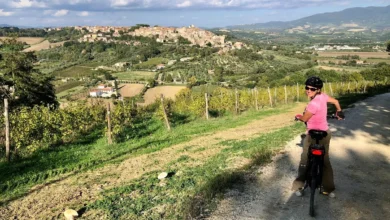
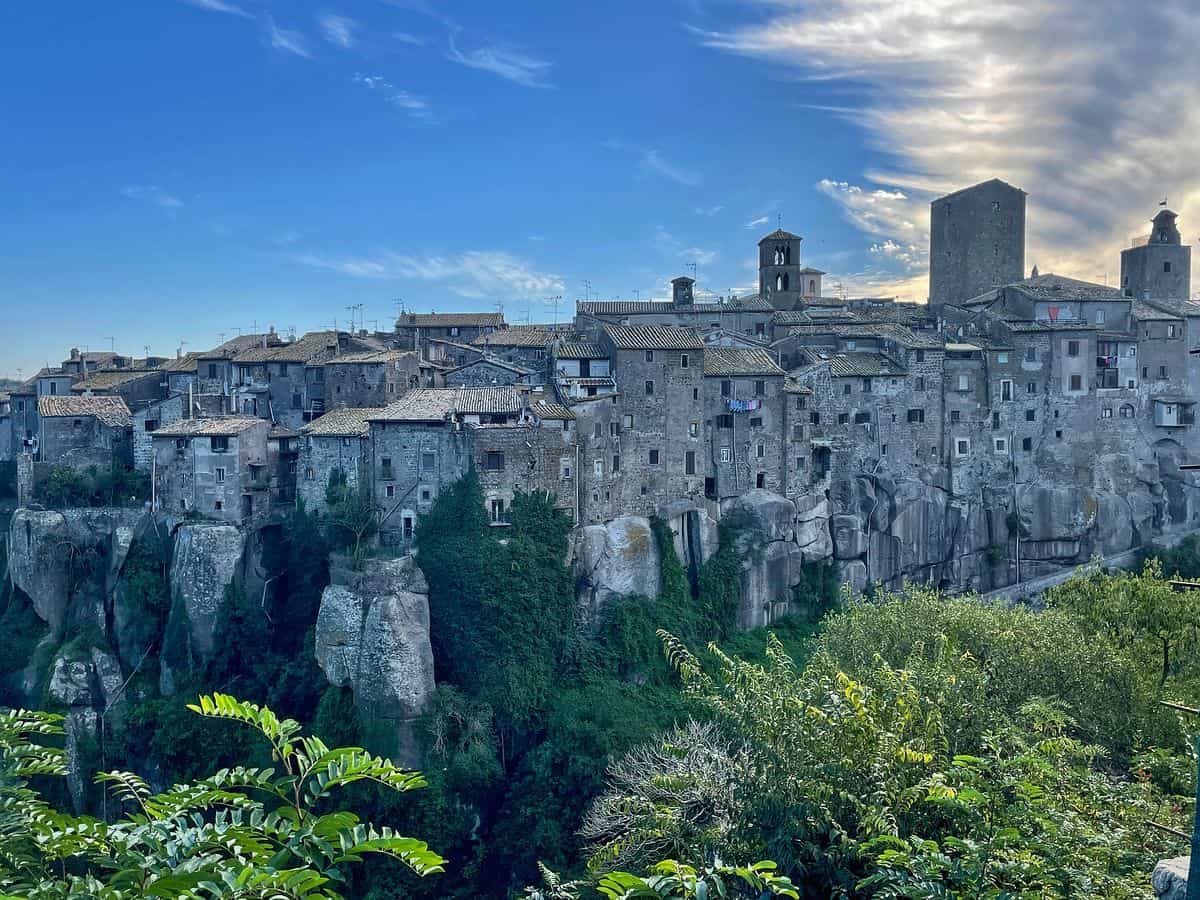
The northernmost segment of the project covers the Tuscia and Teverina districts, located approximately one hour from Rome by rail. This area is characterized by volcanic soils, rolling vineyards, and a series of medieval towns perched on tufa cliffs.

Archaeological and Architectural Preservation
The itinerary highlights several key locations that exemplify the region’s complex history of feudal struggles between noble families and the Papacy:

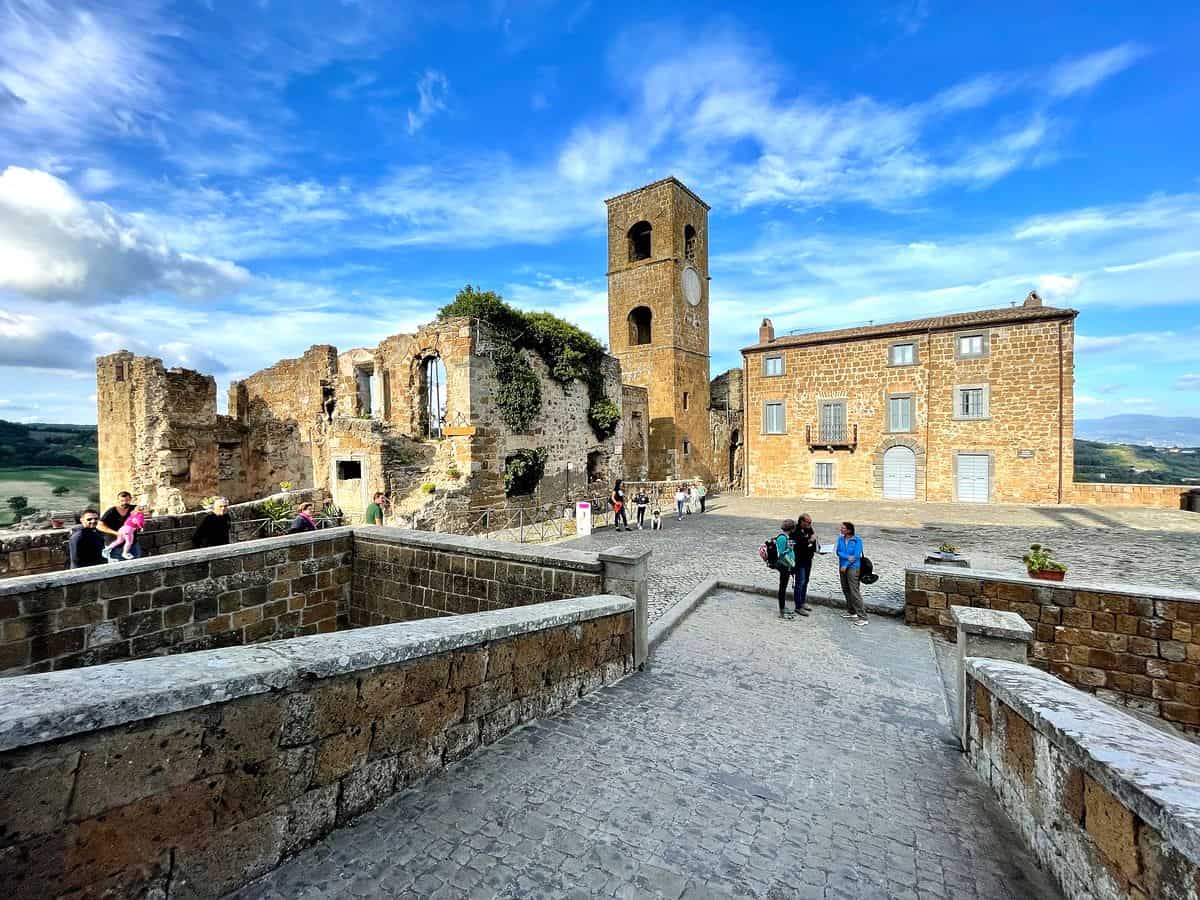
- Celleno (Il Borgo Fantasma): Known as the "Ghost Town," Celleno offers a stark look at the impact of seismic activity in central Italy. Following a series of earthquakes in the mid-20th century, the old town was largely abandoned. Today, it serves as an open-air museum, featuring a medieval "trash tunnel" that provides archaeologists with centuries of data on local consumption and daily life.
- Vitorchiano and Civitella d’Agliano: These towns represent the architectural continuity of the region, with well-preserved medieval walls and steep, winding streets.
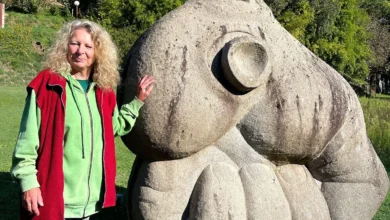
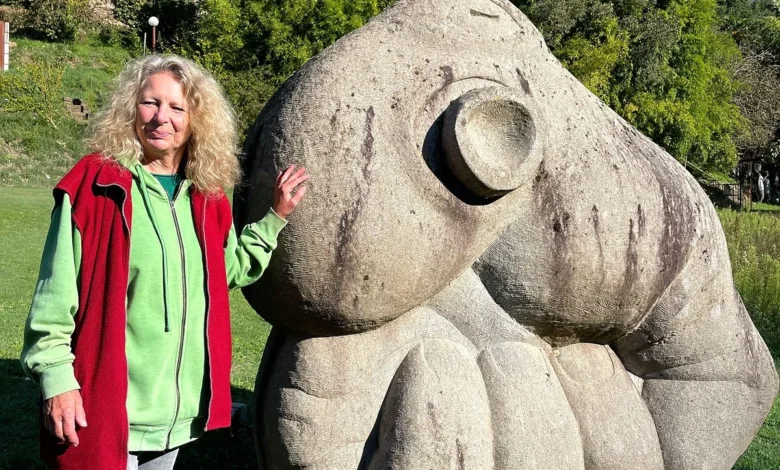
- Sacro Bosco (Park of the Monsters): Commissioned in the 16th century by Prince Pier Francesco Orsini, this monumental complex features grotesque stone sculptures designed to reflect the prince’s grief following personal tragedy and the horrors of war.
Sustainable Viticulture and Local Industry
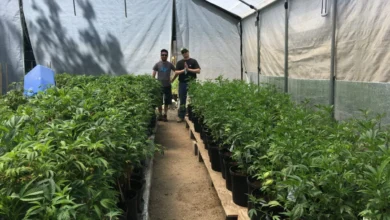
A focal point of the Tuscia itinerary is the Trebotti Wine Farm, a family-run operation that has prioritized environmental stewardship for over two decades. The winery utilizes an ancient Etruscan cellar for climate-controlled storage and focuses exclusively on indigenous grape varieties such as Grechetto. Their operations include the use of lightweight glass to reduce transport emissions and self-regulating air circulation systems, serving as a benchmark for sustainable agriculture in the region.

The Tevere-Farfa Reserve: Nature and Modern History
Moving south toward Rome, the second itinerary centers on the Tevere-Farfa Natural Reserve, the first protected area established in the Lazio Region. This sector emphasizes the intersection of biodiversity and 20th-century history.

Environmental Reclamation and Outdoor Recreation
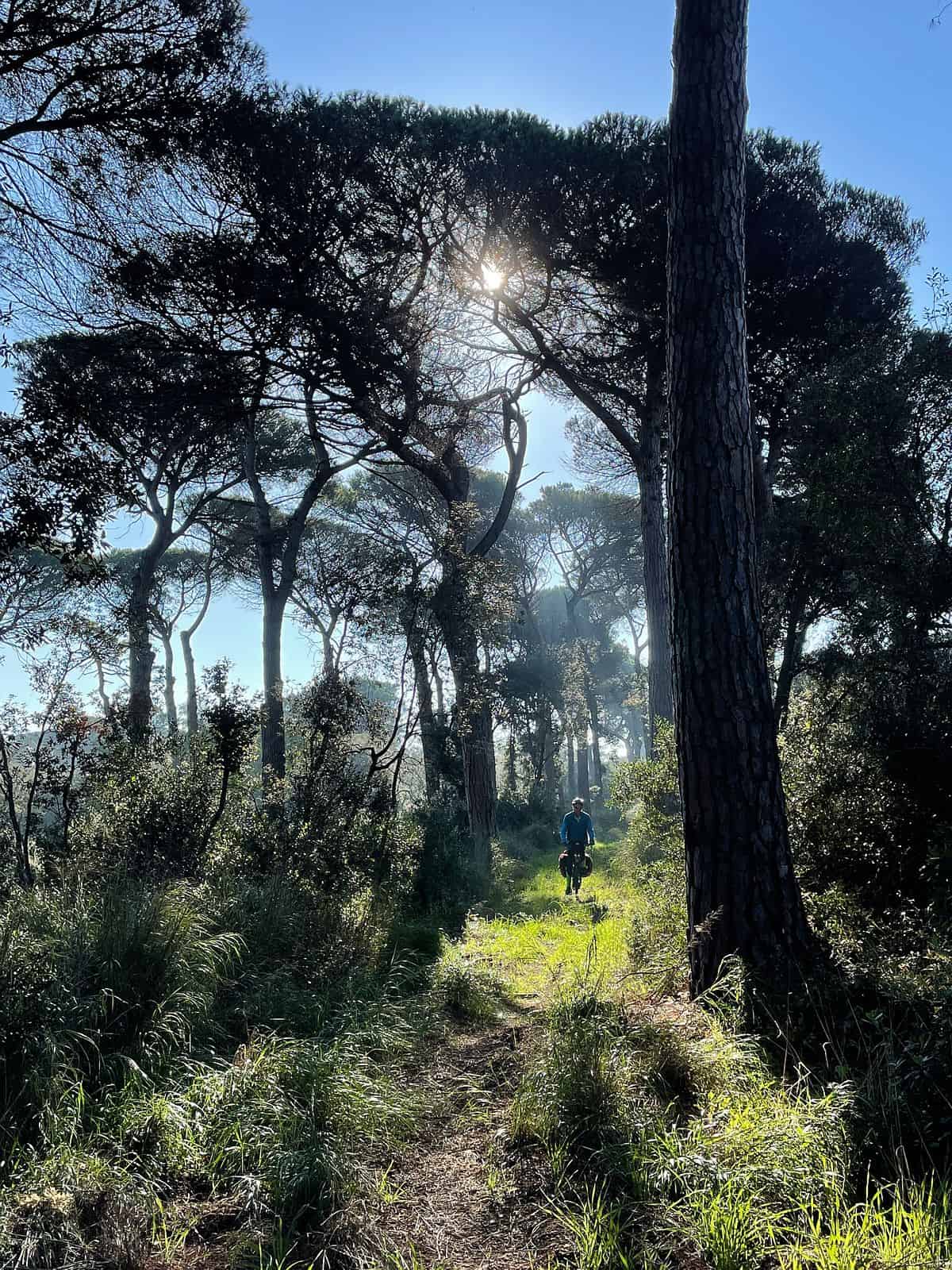
The reserve protects a significant stretch of the Tiber River, offering a habitat for migratory birds, including grey herons and egrets. The project integrates water-based activities, such as canoeing and boating, with e-bike trails that follow the river’s bends. This "intermodal" approach allows visitors to experience the landscape from multiple perspectives while supporting the Ecoturismo Tevere Farfa, a community-based accommodation center built on a former organic farm cooperative.

Military History and the Cold War
The itinerary includes a visit to Bunker Soratte, a massive tunnel complex near the town of Sant’Oreste. Originally commissioned by Benito Mussolini in 1937 as a wartime headquarters, the site was later occupied by Nazi forces under Field Marshal Albert Kesselring. During the Cold War, the four-kilometer network was repurposed as a nuclear fallout shelter for the Italian government. The site now functions as a historical museum, illustrating the region’s strategic importance during the major conflicts of the 20th century.

The Coastal Gateway: Ostia Antica and the Imperial Harbors
The final segment of the e-bike project focuses on the area surrounding Fiumicino and Isola Sacra, where the Tiber meets the Tyrrhenian Sea. This area serves as a vital link between the ancient Roman economy and the modern metropolitan infrastructure.

Archaeological Significance of Ostia and Portus
While the Colosseum and Forum receive the bulk of Rome’s archaeological tourism, Ostia Antica and the Imperial Harbors of Claudius and Trajan (Portus) offer a more comprehensive view of Roman commercial life.

- Ostia Antica: This site contains remarkably preserved bars, thermal baths, and apartment blocks, providing a clearer picture of middle-class Roman life than many sites in the capital.
- Portus: The hexagon-shaped harbor of Trajan was once the primary maritime gateway to Rome. Now located three kilometers inland due to centuries of siltation, the site remains a subject of ongoing archaeological research into ancient maritime engineering.
Regenerative Tourism and Biodiversity
The LIPU Oasis (Centro Habitat Mediterraneo) in Ostia serves as a case study in ecological restoration. Two decades ago, the site was a suburban garbage dump; today, it is a thriving wetland that attracts over 200 species of birds. This project, alongside the preservation of the Pietro Micca (the oldest working Italian steam tugboat, built in 1895), highlights the region’s commitment to maritime heritage and environmental education.

Analysis of Economic and Social Implications
The Lazio Region’s investment in these e-bike itineraries reflects a broader European trend toward decentralizing tourism. By creating high-quality, guided experiences in the "hinterland," the regional government addresses several key challenges:
- Over-tourism Mitigation: By providing viable alternatives to Rome’s central district, the project helps alleviate the pressure on urban infrastructure and improves the quality of life for city residents.
- Rural Economic Resilience: The focus on local products—such as the porcini mushrooms of Celleno or the volcanic wines of Tuscia—creates a direct link between international visitors and local producers, ensuring that tourism revenue remains within the community.
- Cultural Heritage Valorization: Lesser-known sites like the Necropolis of Portus or the "Pasolini Path" (Sentiero Pasolini) are given the visibility necessary for their continued preservation and maintenance.
The inclusion of the Pasolini Path, named after the influential poet and filmmaker Pier Paolo Pasolini, connects the rural landscape to the intellectual and artistic history of 20th-century Italy. This cultural layer adds depth to the physical journey, framing the e-bike ride as an educational experience rather than merely a recreational one.

Conclusion and Future Outlook
The Thybris River Experience project demonstrates that the future of Italian tourism lies in the balance between heritage and innovation. As e-bike technology becomes more accessible, the ability to connect disparate archaeological sites and natural reserves becomes a powerful tool for regional development.

Official statements from the Lazio Region indicate that these itineraries are part of a long-term vision to position the Tiber River as a "green spine" for the region. As these paths are refined and marketed to a global audience, they offer a blueprint for how other historically dense regions can navigate the transition toward a more sustainable and equitable tourism model. The journey from the volcanic hills of the north to the ancient harbors of the coast serves not only as a travel itinerary but as a comprehensive narrative of Italy’s enduring relationship with its land and history.