Western States Grapple with Unprecedented Surge in Rattlesnake Bites as Early Spring Weather Disrupts Wildlife Patterns

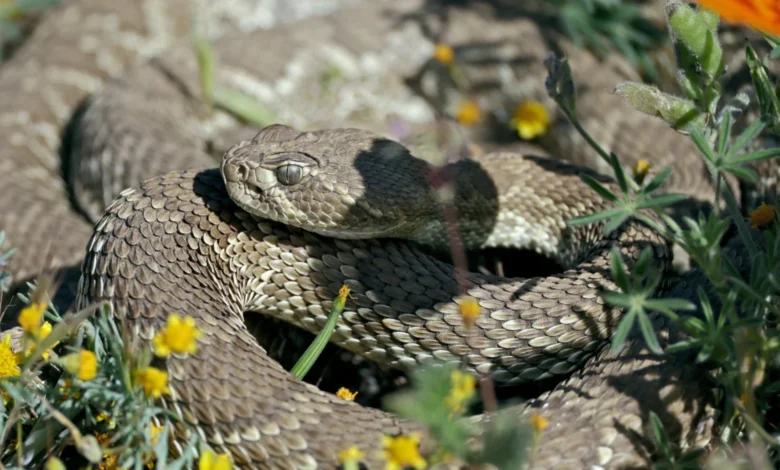
Hikers and outdoor enthusiasts across California and Arizona are facing an unusual and concerning trend in early 2026, as both states report a significantly higher number of venomous snakebites compared to previous years. The spike, attributed largely to anomalous weather patterns, has put trail users on heightened alert and prompted renewed calls for caution and awareness in wilderness areas. This early season surge has already led to tragic outcomes for some individuals, underscoring the critical importance of understanding and respecting local wildlife.
The alarming trend gained widespread attention following a recent incident on Sunday, April 12, when a hiker on Montecito, California’s scenic Buena Vista Trail suffered a rattlesnake bite to her ankle. The victim, finding herself in an area with insufficient cell service, resourcefully alerted a loved one via text message, who then contacted emergency services. Montecito Fire Department personnel, in conjunction with search and rescue teams, successfully located the hiker after she used a whistle to signal her position. She was subsequently transported to a local hospital by ambulance; her current condition remains undisclosed. This incident serves as a stark reminder of the unpredictable nature of wilderness encounters and the vital need for preparedness, even on seemingly routine outings.
A Disturbing Statistical Anomaly
The Montecito incident is not an isolated event but rather the latest in a troubling series of rattlesnake encounters impacting the Western United States this spring. Data from the California Poison Control System reveals a concerning pattern: in the first three months of 2026 alone, the system received 77 calls related to snakebites. This places the state on a trajectory to significantly surpass its annual average of 200 to 300 snakebite incidents. The previous year saw approximately 250 reported bites across California, suggesting that 2026 could see a dramatic increase if current trends persist.
Geographically, the problem extends beyond specific regions. Ventura County, situated southeast of Montecito, has also reported a concentrated cluster of incidents. Authorities there responded to six snakebite calls in less than a month, representing approximately two-thirds of the total number recorded throughout the entirety of 2025 for that county. Further east, Arizona is experiencing a similar escalation. A representative from the Phoenix Herpetological Society informed Fox 10 News that the greater Phoenix area had witnessed roughly twice as many rattlesnake bites by mid-March of this year compared to the same period in the previous year, indicating a widespread phenomenon across the desert Southwest.
The most somber aspect of this increase is the tragic rise in fatalities. So far in 2026, California has recorded two deaths resulting from venomous snakebites. This figure is particularly stark when contrasted with the state’s typical annual average of zero to one fatality. One of the victims was a 46-year-old hiker who succumbed to a bite in March, five days after the initial incident. These fatalities, while statistically rare in the grand scheme of outdoor recreation, highlight the severe potential consequences of these encounters and underscore the urgency of public awareness and preventive measures.
Unraveling the Ecological Factors: Climate and Early Emergence
The scientific community is actively investigating the underlying causes of this unusual surge. While rattlesnake encounters are common during spring as the reptiles emerge from brumation (a state of inactivity similar to hibernation), the early and intense activity observed in 2026 appears to be driven by specific environmental factors.
Dr. Emily Taylor, a distinguished professor of biological sciences at California Polytechnic State University and the founder of Central Coast Snake Services (CCSS), an organization dedicated to free rattlesnake removal and relocation, offers a leading expert perspective. In an interview, Dr. Taylor posited that the increase in reported bites is likely attributable less to an overall boom in snake populations and more to an accelerated emergence cycle.
"March did have a heatwave, and everything was kind of accelerated," Dr. Taylor explained. "Plants have been blooming early, rodents have been booming early, and the snakes were out early." This chain reaction is a classic example of how meteorological shifts can profoundly influence ecosystem dynamics. The preceding winter in Southern California was notably wet, leading to an abundance of vegetation. This lush growth, in turn, supported a robust population of rodents – the primary food source for many rattlesnake species. When an unseasonably warm spell, a "heatwave," arrived in March, it acted as a catalyst, rousing the snakes from their brumation earlier than usual, coinciding with an already thriving prey base and an increasing number of humans venturing outdoors.
This phenomenon is consistent with broader observations concerning climate change and its impact on wildlife behavior. Shifting temperature patterns, including more frequent and intense heatwaves, can alter the phenology – the timing of biological events – of many species. For ectothermic animals like rattlesnakes, whose body temperature is regulated by external sources, an early onset of warm weather directly translates to an earlier start to their active season. This early activity means that rattlesnakes are encountering humans for a longer period and potentially in areas where people might not expect to see them so soon in the year.
Debunking Myths and Fostering Coexistence
Despite the alarming statistics and tragic fatalities, Dr. Taylor emphasizes the importance of maintaining a rational perspective. While acknowledging the "really terrible" nature of the two deaths, she is quick to clarify that they do not necessarily indicate a fundamental shift in rattlesnake behavior or an increased threat level beyond the statistical anomaly. "That’s just a statistical anomaly, right?" she asserts. "That can happen occasionally. It’s not because rattlesnakes are getting more aggressive or their venom is getting worse or any of these rumors you’re seeing going around. It’s just because there was a tragic coincidence."
These misconceptions, often fueled by fear and sensationalism, can have detrimental consequences. Public apprehension can lead to reduced outdoor activity, depriving individuals of the health and recreational benefits of nature. More concerning, however, is the negative impact on the snakes themselves. Dr. Taylor and CCSS have responded to multiple incidents where fearful or misinformed hikers have attempted to harm or kill rattlesnakes they encountered. This aggressive behavior not only endangers the snakes, which are a vital part of the ecosystem, but also puts the humans involved at significant risk. "Because of these two tragic deaths, people have been going out and saying ‘let’s exterminate snakes,’ which of course they can’t do," Dr. Taylor explains. "All they’re doing is harming wildlife and also putting themselves at risk." She notes that numerous snakebite incidents have occurred when individuals tried to confront or kill a snake rather than simply avoiding it.
Understanding the Real Risk and Species Diversity
It is crucial to contextualize the actual risk posed by rattlesnakes. While any venomous bite is serious, the statistical probability of a fatal encounter remains remarkably low. Dr. Taylor frequently highlights this disproportionate fear. "People are four times more likely to die from a lightning strike than a snakebite, 10 times more likely to die from falling off of a ladder in the United States than from a rattlesnake bite," she states. "Everyone who gets in their car every day is at a much, much greater risk. But still, there’s this mania." This perspective is essential for preventing undue panic and fostering a more balanced understanding of wildlife encounters.
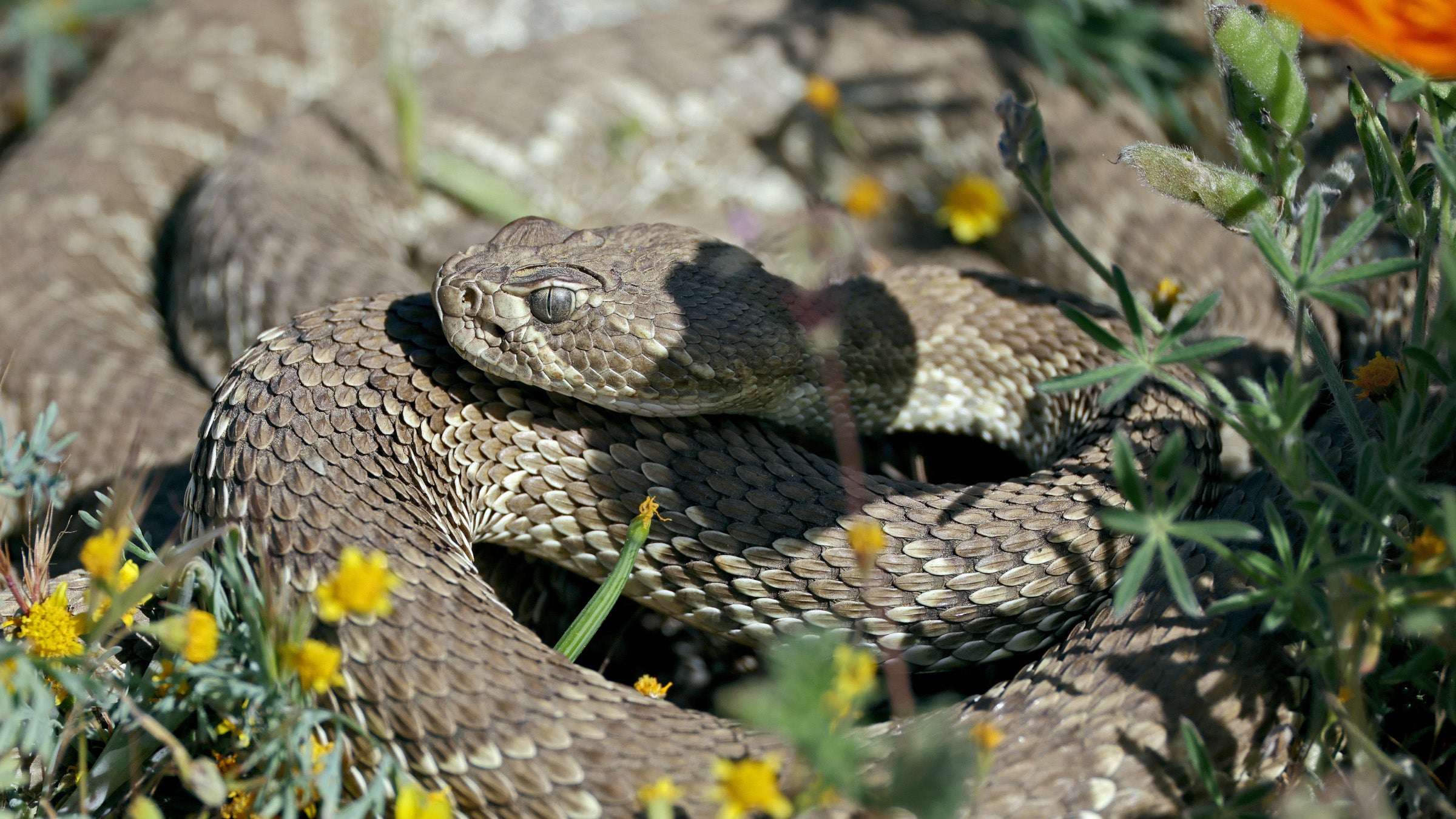
The Western United States is home to several species of rattlesnakes, each adapted to specific habitats but sharing common characteristics. In California and Arizona, common species include the Western Diamondback Rattlesnake (Crotalus atrox), particularly prevalent in Arizona; the Northern Pacific Rattlesnake (Crotalus oreganus oreganus) in much of California; and the Mojave Green Rattlesnake (Crotalus scutulatus), notorious for its potent neurotoxic venom, found in desert regions of both states. These snakes typically inhabit diverse environments, from arid deserts and rocky canyons to grasslands and chaparral. They are ambush predators, often camouflaged against their surroundings, and will usually rattle as a warning when they feel threatened, though sometimes they may strike without warning if surprised or cornered. Their venom, a complex cocktail of enzymes and proteins, can cause severe pain, swelling, tissue damage, and in rare cases, systemic effects leading to organ failure or death.
Essential Safety Protocols for Trail Users
Given the anticipated "good year for snakes" – meaning conditions are favorable for their activity and prey abundance – outdoorspeople in California and Arizona must prioritize situational awareness. Dr. Taylor provides practical and actionable advice for minimizing risk:
- Appropriate Footwear: Ditch open-toed sandals or lightweight hiking shoes. Opt for sturdy, over-the-ankle hiking boots that provide a barrier against potential strikes.
- Vigilance: Pay close attention to your surroundings. Look where you step and where you place your hands. Rattlesnakes often blend seamlessly with their environment.
- Avoid Blind Spots: Never put your hands or feet into crevices, under logs, or into dense brush where you cannot see what might be lurking. This is particularly crucial when gathering firewood or setting up camp.
- Stay on Designated Trails: Venturing off-trail increases the likelihood of encountering snakes in their undisturbed habitats.
- Observe Resting Spots: Rattlesnakes seek shade and water sources on hot days. Be extra cautious when resting under trees, near rocks, or by streams and springs.
- Maintain Distance: If you encounter a rattlesnake, give it a wide berth. Do not approach it, provoke it, or attempt to move it. Most bites occur when people try to interact with the snake.
- Leash Pets: Keep dogs on a leash, especially in rattlesnake habitat. Curious pets are often bitten, and their injuries can be severe.
- Carry Communication Devices: As demonstrated by the Montecito incident, cell service can be unreliable. Consider carrying a satellite messenger or personal locator beacon (PLB) for emergencies, especially on long or remote trails like the Pacific Crest Trail.
Immediate Action After a Bite: What To Do and What Not To Do
In the unfortunate event of a rattlesnake bite, immediate and correct action is critical.
DO:
- Stay Calm: Panic can increase heart rate and accelerate venom circulation.
- Move Away from the Snake: Ensure your safety first.
- Call 911 Immediately: Or have someone else do so. Provide your exact location.
- Remove Constrictive Items: Take off rings, watches, tight clothing, or shoes from the affected limb before swelling begins.
- Keep the Affected Area Below Heart Level: If possible, to slow venom spread.
- Immobilize the Limb: Keep the bitten limb as still as possible.
- Clean the Wound: Gently wash the bite area with soap and water if available.
DO NOT:
- Do Not Incise the Wound: Cutting into the bite area will not help and can introduce infection.
- Do Not Suck Out Venom: This is ineffective and can introduce bacteria into the wound or mouth.
- Do Not Apply a Tourniquet: This can restrict blood flow and lead to tissue damage, amputation, or even death.
- Do Not Apply Ice or Heat: Neither is beneficial and can worsen tissue damage.
- Do Not Drink Alcohol or Caffeinated Beverages: These can increase heart rate and accelerate venom spread.
- Do Not Take Pain Relievers (unless directed by medical personnel): Some can thin the blood.
- Do Not Try to Catch or Kill the Snake: This wastes valuable time and puts you at further risk. Medical professionals do not need the snake for identification; symptoms will guide treatment.
Official Responses and Broader Implications
The increase in snakebite incidents has spurred various official responses. Local fire departments, like Montecito Fire, are not only responding to emergencies but also sharing public safety messages on social media. California Poison Control System officials are working to analyze the data and provide timely information to the public and healthcare providers. Park rangers and land management agencies, such as the U.S. Forest Service and California State Parks, are reinforcing warnings at trailheads and through public service announcements. These agencies often conduct educational programs to inform visitors about local wildlife and safety precautions.
The broader implications of this phenomenon extend beyond immediate safety concerns. The early and prolonged activity of rattlesnakes, driven by climate-influenced weather patterns, highlights the increasing interaction between human populations and wildlife as urban development encroaches on natural habitats and outdoor recreation grows in popularity. This necessitates ongoing efforts in public education, responsible land management, and a deeper understanding of ecological shifts. Balancing human safety with the conservation of rattlesnakes, which play a crucial role in controlling rodent populations and maintaining ecosystem health, remains a delicate but essential task.
Looking ahead, hikers on long-distance routes like the Pacific Crest Trail, which traverses significant rattlesnake habitat, will need to be particularly diligent. Their extended journeys mean a higher probability of encounters and the need for sustained situational awareness. The confluence of a wet winter providing ample resources and early spring warmth creating optimal conditions suggests that this heightened period of rattlesnake activity will likely continue throughout the warmer months of 2026. By adhering to expert advice and practicing responsible outdoor etiquette, trail users can significantly mitigate risks and continue to enjoy the natural beauty of the Western United States, coexisting respectfully with its wild inhabitants.