The Thompson brand, a cornerstone of the Hyatt Hotels Corporation’s lifestyle portfolio, has officially entered the Italian market with the unveiling of the Thompson Rome. Situated on the historic Via delle Botteghe Oscure, just a ten-minute stroll from the Pantheon, the hotel occupies a meticulously refurbished 1940s building. This opening marks a significant milestone for Hyatt, which has been aggressively expanding its footprint in Italy’s luxury sector. The property, featuring 69 rooms and an ambitious culinary program, signals a strategic pivot toward blending mid-century Roman heritage with the contemporary, design-forward aesthetic for which the Thompson brand is globally recognized.
A Legacy Restored: Architectural Integration
The Thompson Rome is not merely a new hotel; it is an act of historical preservation. The structure itself is a relic of 1940s Roman architecture, a period defined by a transition between classical influences and the stark, functionalist aesthetic of the post-war era. During the extensive renovation process, developers unearthed several key artistic and architectural elements that had been obscured for decades.
Foremost among these is a grand marble staircase that serves as the visual anchor of the lobby. Beyond the structural restoration, the hotel has integrated original works by the renowned Italian creative Gio Pomodoro. His sculptural wall and intricately inlaid flooring were discovered during the demolition and site-preparation phases. By preserving these elements, the hotel acts as a bridge between the city’s post-war identity and the demands of modern luxury hospitality. This integration of “found” history with bespoke, neutral-toned contemporary furniture creates a tactile experience that feels both grounded in Roman soil and globally sophisticated.

Art as a Narrative Thread
The property’s aesthetic identity is deeply rooted in the artistic heritage of the surrounding neighborhood. Located near the Crypta Balbi—a museum complex that documents the layering of Rome’s history—the hotel draws inspiration from the intellectual and creative currents that have flowed through this district for centuries.
The interior design features a curated selection of works from the Scuola Romana and the Scuola di Piazza del Popolo, two pivotal 20th-century art movements that challenged traditional aesthetic norms in Italy. By placing these historic pieces alongside modern, abstract commissions, the hotel encourages a dialogue between the past and present. This curatorial approach is consistent with the Thompson brand’s history of collaborating with local artists to ensure that each property feels like a reflection of its specific geography rather than a standardized product.
Accommodations and Spatial Design
The hotel comprises 69 rooms, including 20 suites, designed to provide a sanctuary from the frantic energy of the Roman streets. The design language here shifts from the monumental to the intimate. Warm color palettes, soft lighting, and high-quality wood finishes dominate the guest quarters.
The suite offerings are categorized to serve different segments of the luxury market. The entry-level offerings focus on minimalist efficiency, while the premium tiers include expansive terraces—a highly coveted amenity in a city where outdoor space is at a premium. The highlight of the room inventory is the Thompson Suite, a sprawling space exceeding 1,000 square feet. It is designed to host long-stay travelers who require a residential feel, offering panoramic views of the city’s rooftops and the historic streetscape below.

The Culinary Program: A Strategic Approach
A central pillar of the Thompson Rome’s strategy is its food and beverage operation, which is intended to draw not only international tourists but also the local Roman elite. The hotel features three distinct concepts:
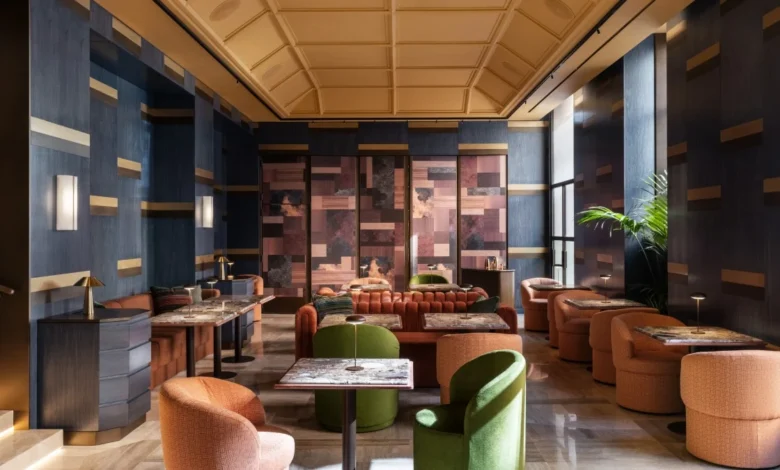
- The Lobby Lounge: Designed as a multifunctional space, it transitions from a high-end coffee bar in the morning to an elegant cocktail venue for the traditional aperitivo hour.
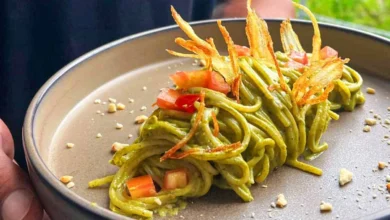
- Lyve Restaurant: The property’s signature dining room is helmed by Chef Fabio Fioravanti. Having honed his craft at the three-Michelin-starred Le Louis XV – Alain Ducasse in Paris, Fioravanti brings a refined technical approach to Mediterranean cuisine. The menu focuses on coastal Italian flavors, specifically highlighting sustainable seafood and complex, multi-layered dishes such as traditional bouillabaisse interpreted through an Italian lens.
- Lyve Rooftop: Capitalizing on the Roman fascination with skyline dining, this venue provides an elevated view of the historic center, serving as a social hub for evening programming.
Official Commentary and Corporate Strategy
Amar Lalvani, Chief Creative Officer of Hyatt Hotels Corporation and president and creative director of Hyatt’s Lifestyle Group, framed the opening as an essential move in the company’s broader European growth strategy. "Rome has such a strong identity, so we wanted Thompson Rome to start with the city itself," Lalvani stated in a press release. "The building, the neighborhood, the food, the people, and the way Romans live all shaped the hotel. The goal was to create a Thompson that feels at home in Rome, a hotel travelers want to discover and Romans want to come back to."
This statement reflects a shift in the global luxury hotel industry, where brands are increasingly moving away from "anywhere" luxury toward "somewhere" luxury—a focus on hyper-local identity to combat the homogenization of the travel experience.
Broader Impact on the Roman Hospitality Market
The entry of Thompson into the Roman market occurs during a period of intense competition. Rome has seen a significant influx of international luxury chains over the past 36 months, including entries from brands like Six Senses, W Hotels, and Bulgari. This influx has been driven by a post-pandemic surge in high-net-worth tourism to Italy, a market that has remained remarkably resilient despite global economic fluctuations.

Data from the Italian National Institute of Statistics (ISTAT) indicates that the luxury accommodation sector in major Italian cities has outperformed other hospitality segments by nearly 15% in terms of revenue per available room (RevPAR) over the last two fiscal years. The Thompson Rome’s location near the Pantheon puts it in direct competition with some of the most established heritage hotels in the world. However, its focus on "lifestyle" luxury—which emphasizes experiential programming and social spaces over the traditional, formal service models of older luxury grand hotels—gives it a distinct competitive advantage among younger affluent demographics.
Challenges and Future Implications
Despite the optimistic launch, the property faces the logistical challenges inherent in operating within a historic, protected urban environment. Renovations in Rome are famously slow and subject to strict oversight by the Sovrintendenza Capitolina, the city’s heritage department. The fact that the hotel successfully navigated these regulatory requirements while preserving 1940s-era art and architecture is a testament to a significant capital investment.
Looking ahead, the success of the Thompson Rome will be measured by its ability to maintain its "local" appeal. The history of luxury hotels in Rome is littered with examples of properties that became isolated from the city they occupy, eventually becoming mere "gold-plated" islands. By emphasizing local culinary partnerships and cultural programming that invites Roman residents into the space, the Thompson brand is attempting to circumvent this common pitfall.
Furthermore, the integration of this property into the broader Hyatt network—allowing guests to utilize World of Hyatt loyalty benefits—provides a significant distribution advantage that smaller, independent boutique hotels in Rome lack. As the market continues to consolidate, the ability to balance the agility of a boutique hotel with the logistical might of a global chain will be the defining factor for success in the Eternal City.

The Thompson Rome is now open for reservations. The property’s launch is accompanied by a digital gallery showcasing the restoration of its interior features and the final design of its guest suites. For travelers seeking a blend of 20th-century Roman architectural history and modern, high-touch hospitality, the hotel represents a calculated, sophisticated addition to the city’s ever-evolving lodging landscape.