A Rare Encounter in the High Arctic: Documenting Polar Bear Predation on Beluga Whales at Coningham Bay

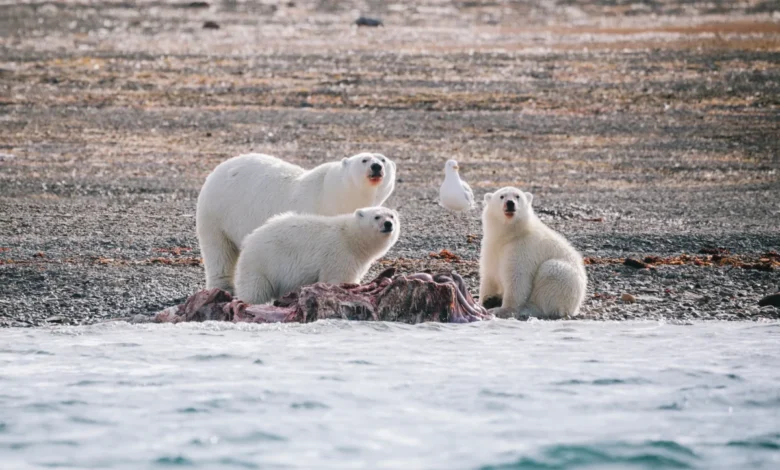
Deep within the remote expanses of Nunavut, Canada, lies Coningham Bay, a geographical anomaly in the Northwest Passage that serves as one of the Arctic’s most dramatic and least-documented wildlife congregations. Situated above 70° North, this desolate coastal indentation has increasingly become the focal point for researchers, marine biologists, and expedition cruise passengers seeking to witness a rare and formidable natural phenomenon: polar bears actively hunting beluga whales.
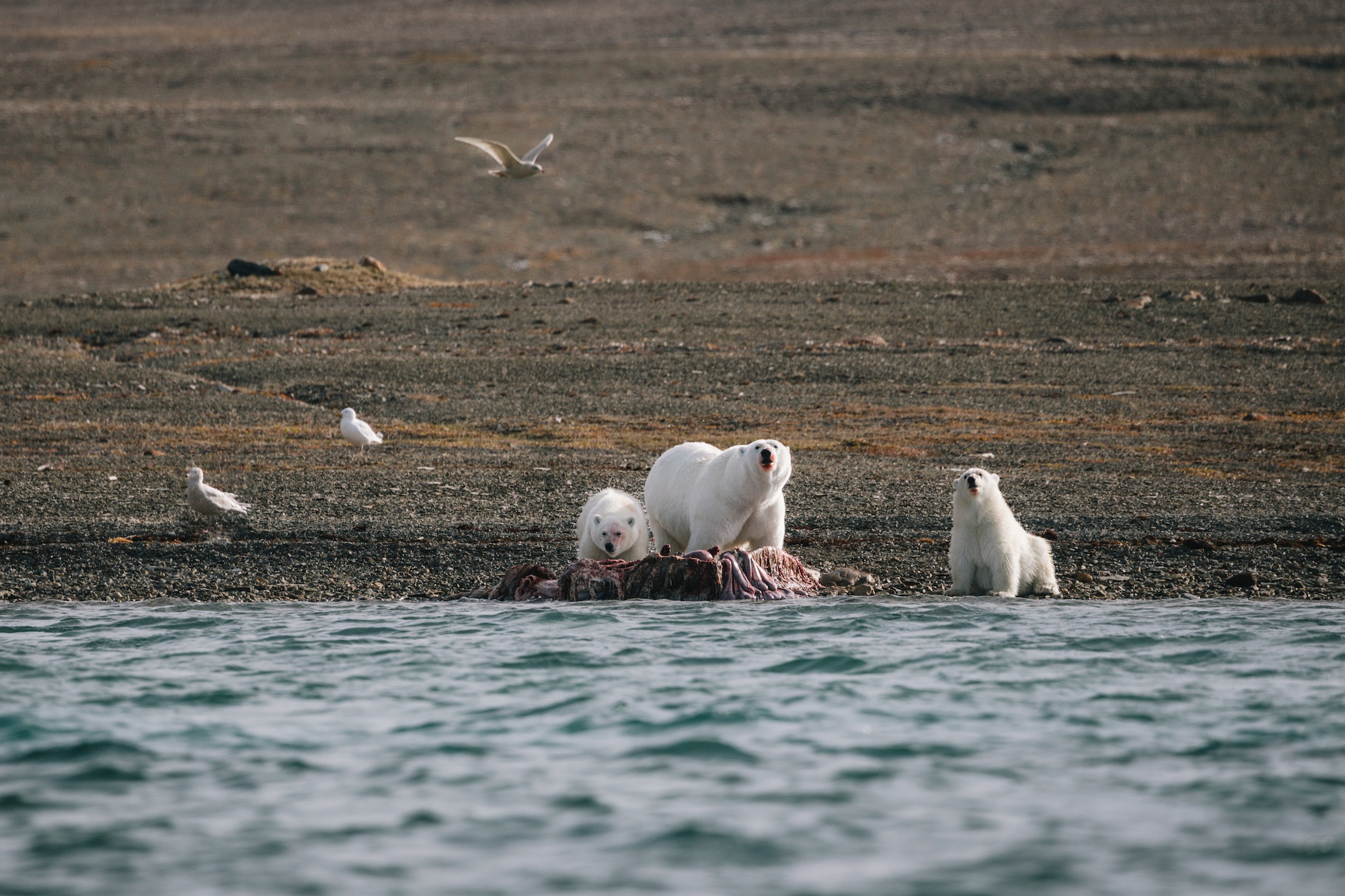
While conventional scientific understanding dictates that polar bears rely primarily on ringed and bearded seals hunted from pack ice, the unique topography of Coningham Bay creates an ecological intersection where apex terrestrial predators and marine mammals routinely meet. This remote region, accessible only during brief windows in the late summer and autumn via specialized ice-strengthened expedition vessels, offers critical insights into the shifting foraging behaviors of Arctic fauna.
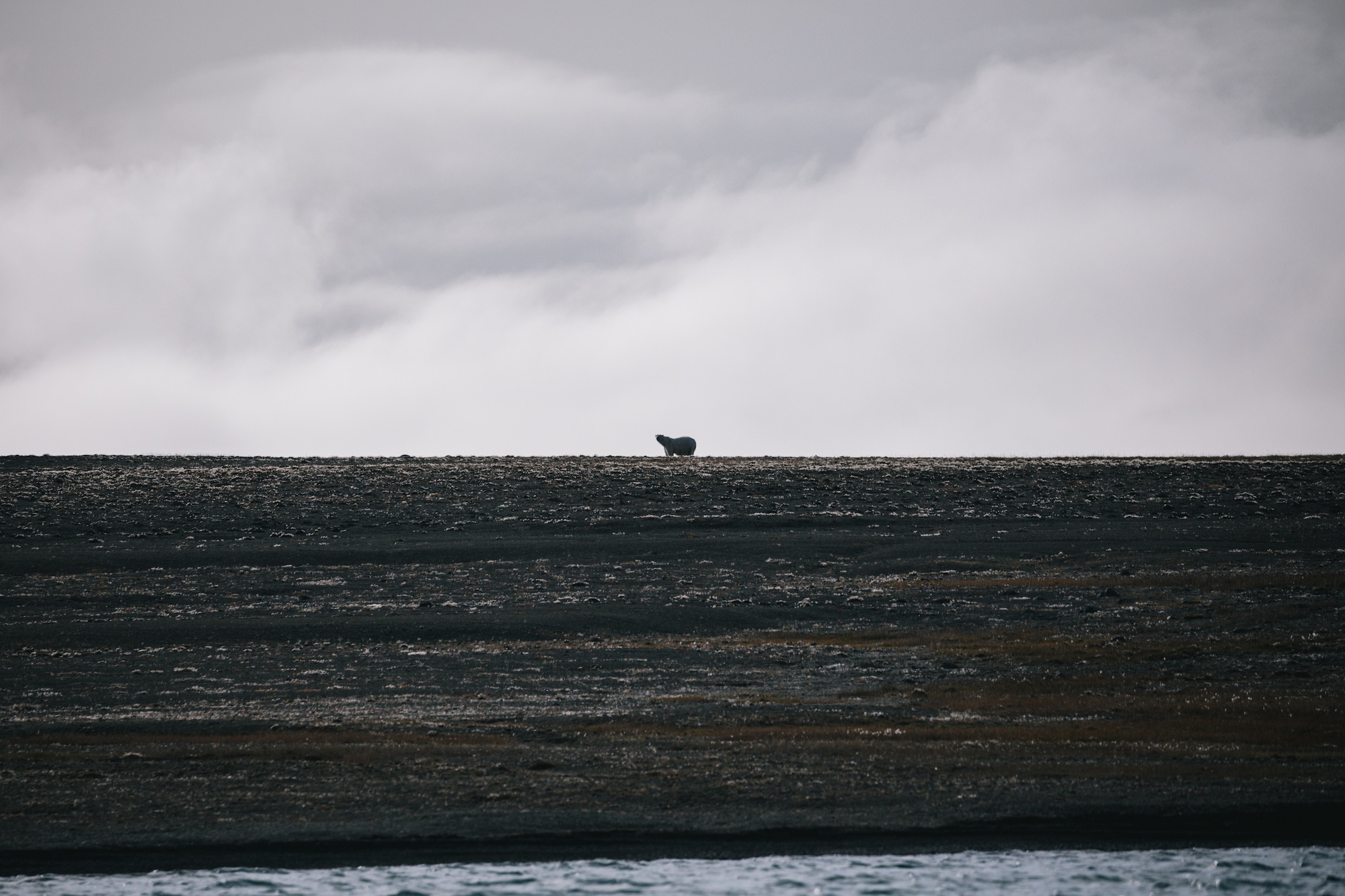
Geographical Anomalies and the Mechanics of the Hunt
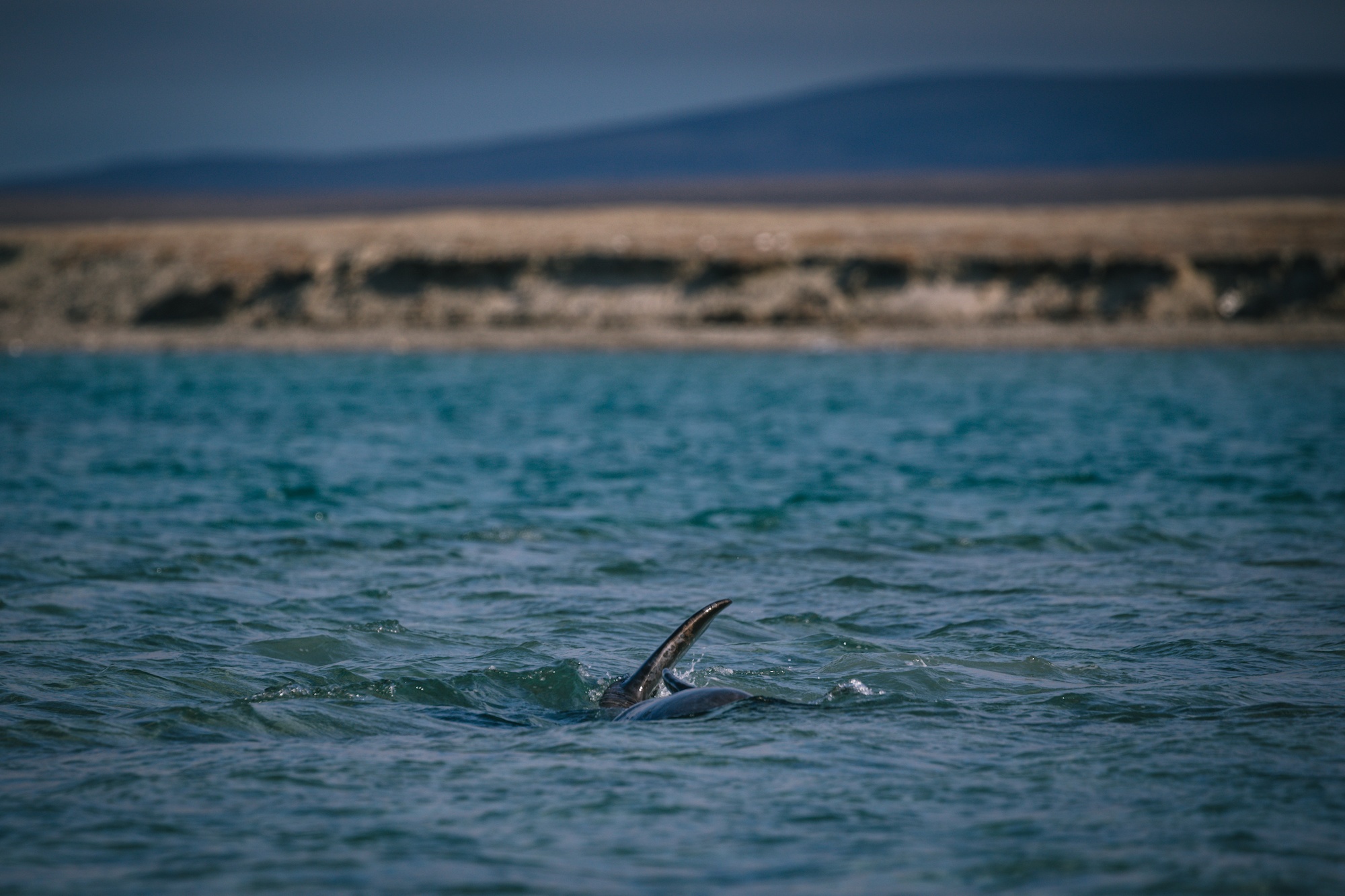
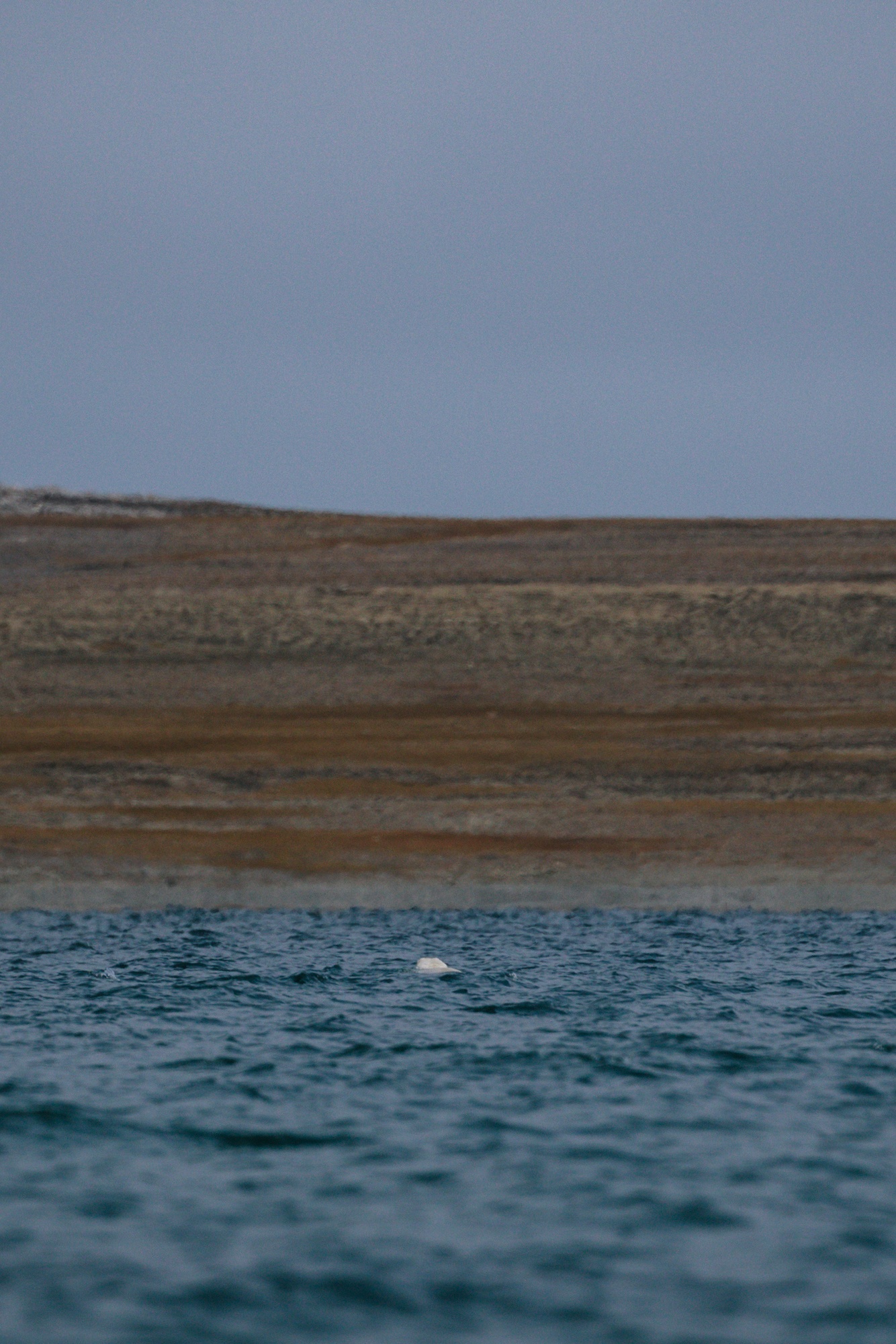
The phenomenon at Coningham Bay is governed strictly by hydrography and tidal movements. The bay features a wide, sprawling exterior that funnels into a narrow, shallow entrance, leading to an interior basin of minimal depth. During the summer months, beluga whales frequently enter these shallows. Marine biologists note that belugas utilize the gravelly shallows to rub against the seafloor, a behavior associated with molting their outer skin layer.
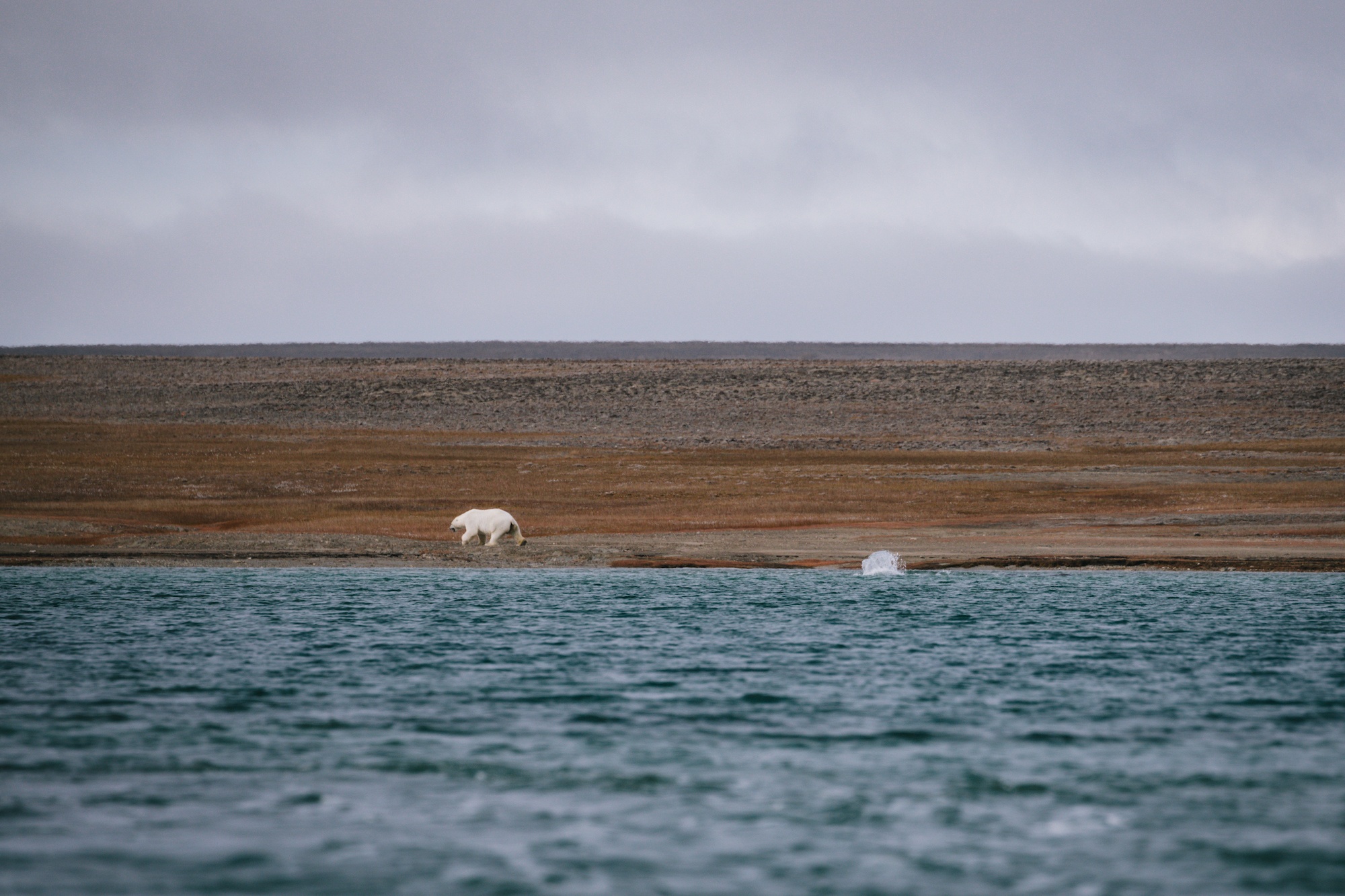
However, this routine exposes the cetaceans to significant risk. As the tide recedes, the narrow entrance becomes exceptionally shallow, effectively trapping the whales within the inner basin until the incoming tide restores navigable water depths. Recognizing this vulnerability, polar bears have adapted to patrol the margins of the bay. When the tide traps a pod, the bears—traditionally solitary hunters of the ice floes—take to the water or station themselves along the bottleneck to intercept the marine mammals.
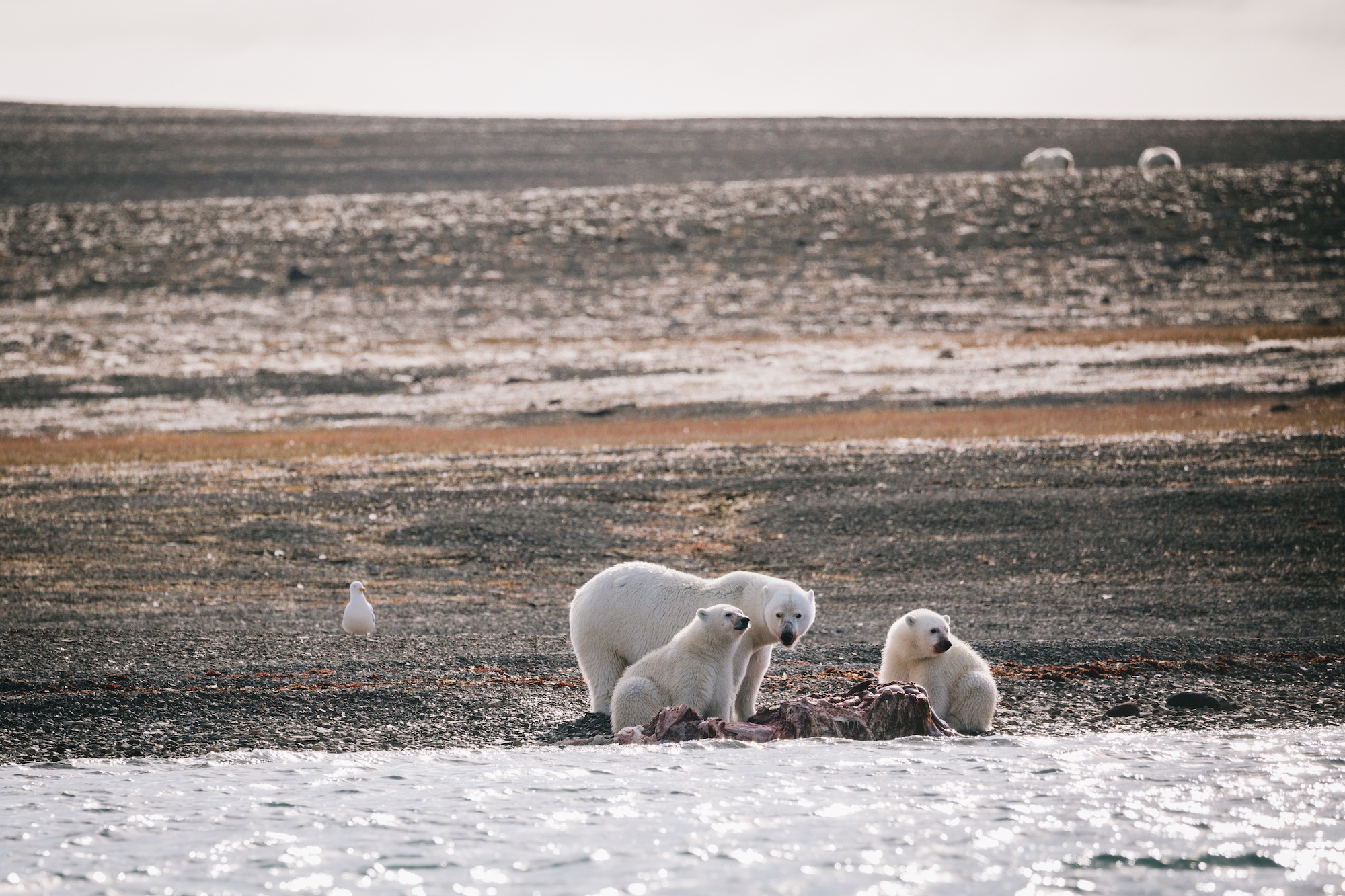
Although long documented in Indigenous oral histories and occasionally captured by specialized natural history film crews, observing this predation event firsthand remains an extreme rarity. Many polar bear experts previously hypothesized that bears would target only vulnerable calves or injured adults, or scavenge carcasses washed ashore. Recent observations from expeditions aboard vessels such as the Ocean Endeavour, operated by Adventure Canada, confirm that mature bears are capable of strategic ambushes within the restricted waters of the bay.
Expedition Chronology and Wildlife Observations
The journey to Coningham Bay requires meticulous navigation of unpredictable Arctic conditions. Expeditions operating in the region must contend with shifting sea ice, high winds, and volatile visibility, meaning itineraries are never guaranteed.
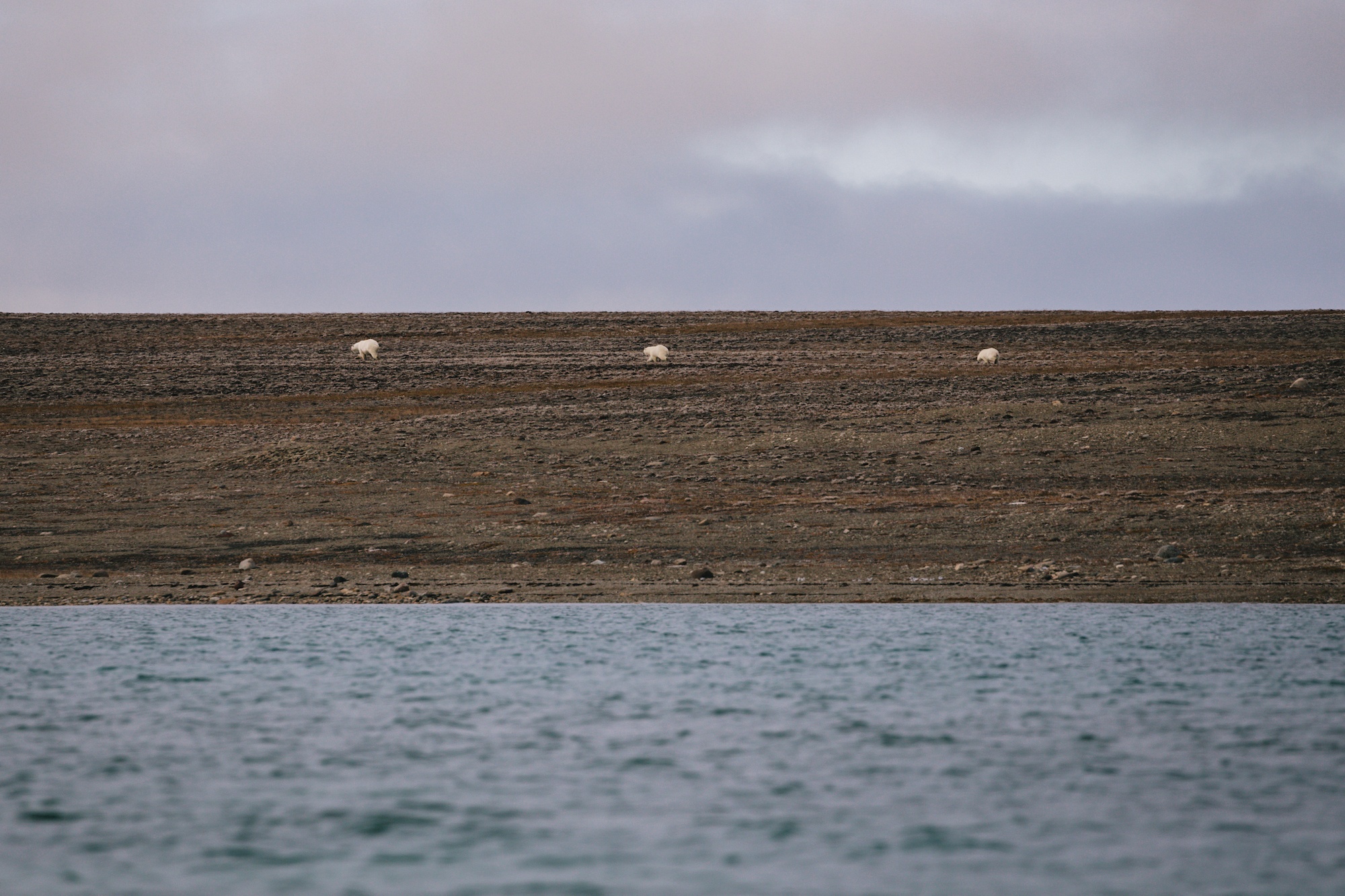
In September, as the Arctic transitions into autumn and early snowfalls begin to dust the tundra, wildlife activity around the Northwest Passage peaks. Approaching Coningham Bay during a recent voyage, expedition personnel reported spotting more than a dozen polar bears gathered in the immediate vicinity—an unusually high concentration for a species characterized by solitary territorial behavior.
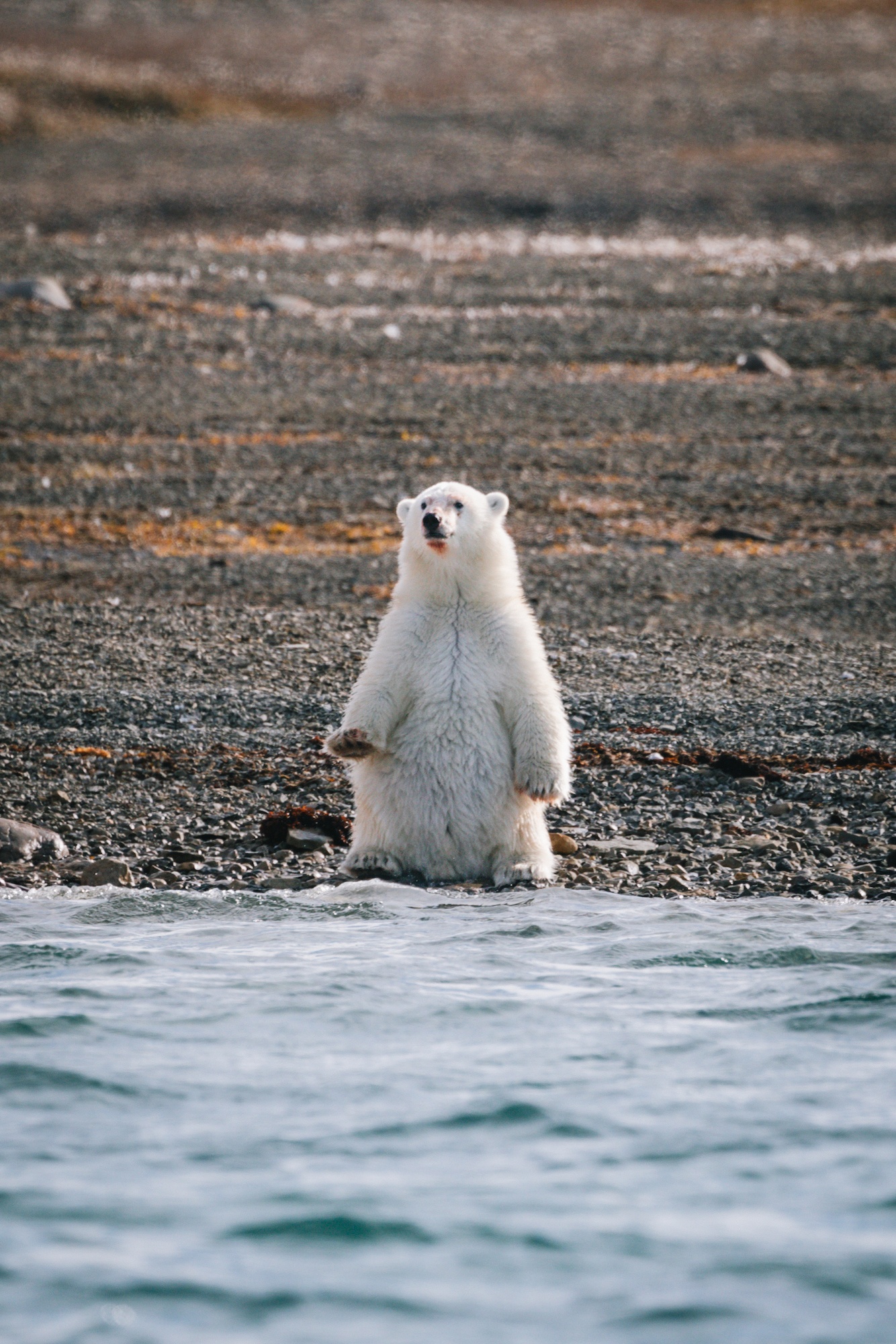
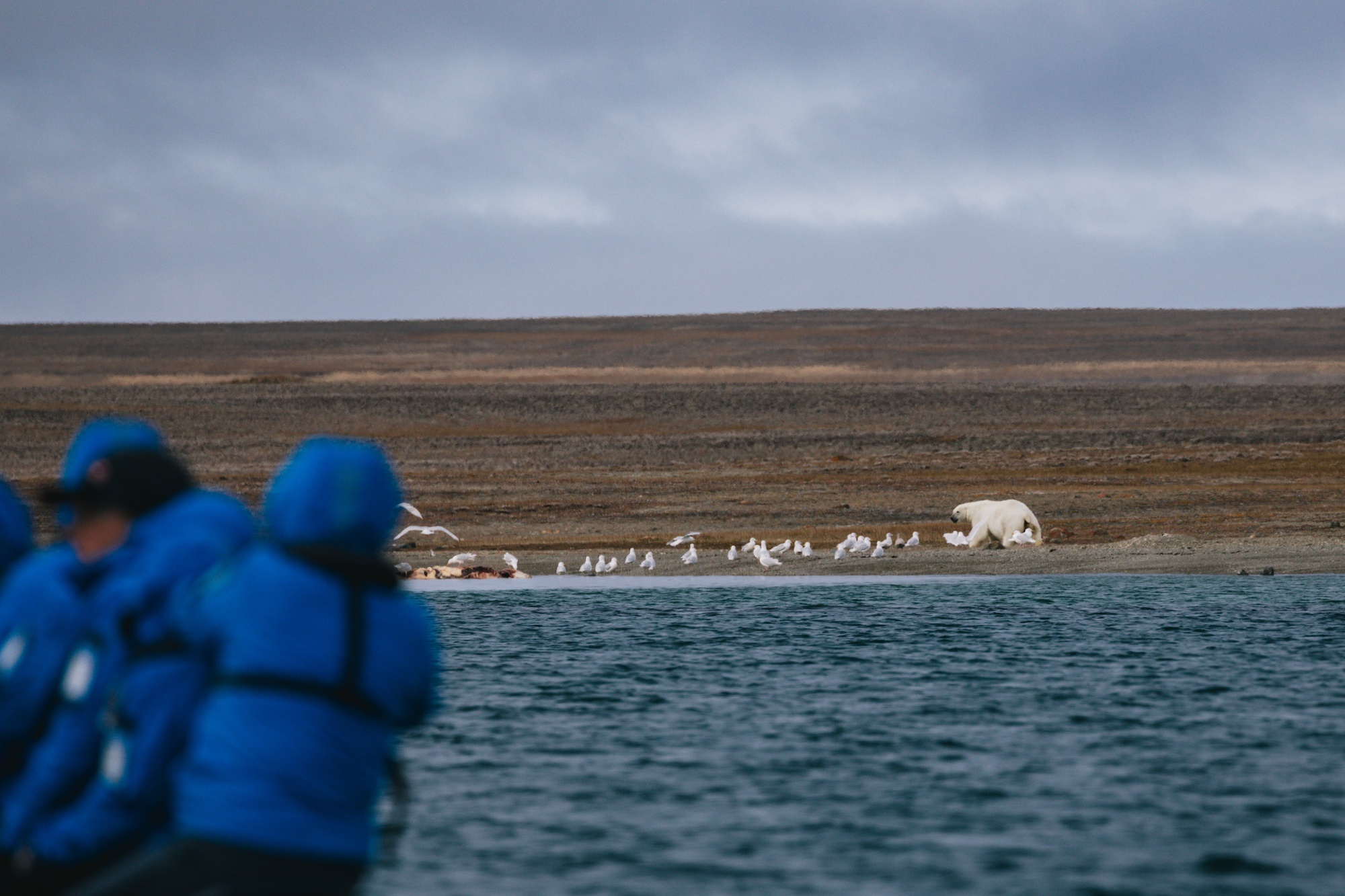
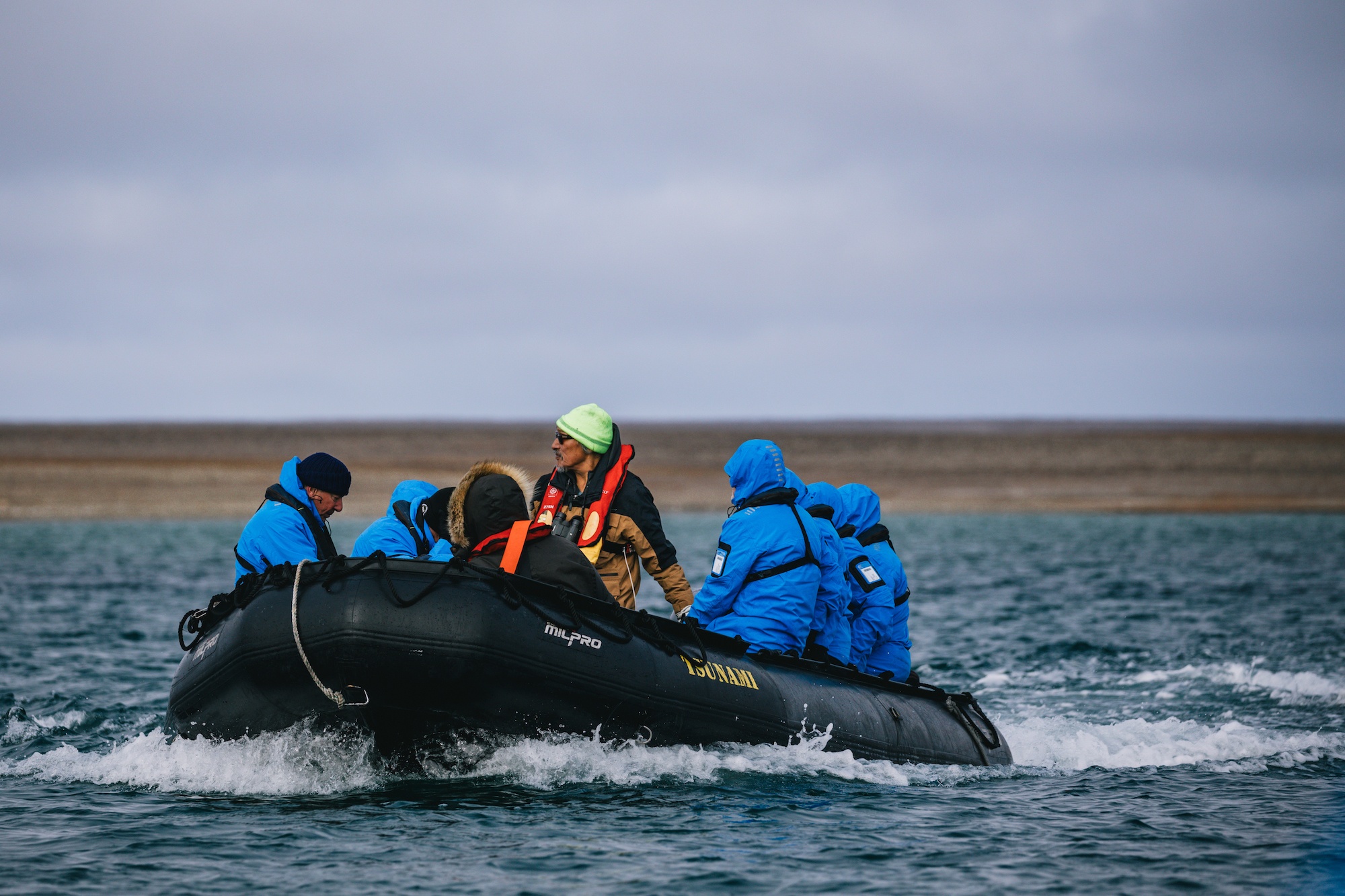
Upon entering the bay via Zodiac watercraft, expedition participants encountered a dynamic ecosystem operating in close proximity. Alongside the clustered polar bears, marine mammals including narwhals—often referred to as the unicorns of the sea—were observed navigating the crystal-clear, near-freezing waters of the shallows. The high density of polar bears did not result in aggressive territorial disputes; the abundance of available marine protein appeared to temporarily mitigate the solitary animals’ typical aggressive tendencies. Multiple instances of family groups, including mothers with spring cubs, as well as mature males actively feeding on marine mammal carcasses, were documented by onboard researchers and photographers.
Safety Protocols and Regulatory Compliance
Managing human presence in an area densely populated by apex predators requires strict adherence to international safety and environmental standards. Operations within these regions are governed by the Association of Arctic Expedition Cruise Operators (AECO), which mandates rigorous distance protocols for observing both marine mammals and terrestrial predators to prevent behavioral disruption.
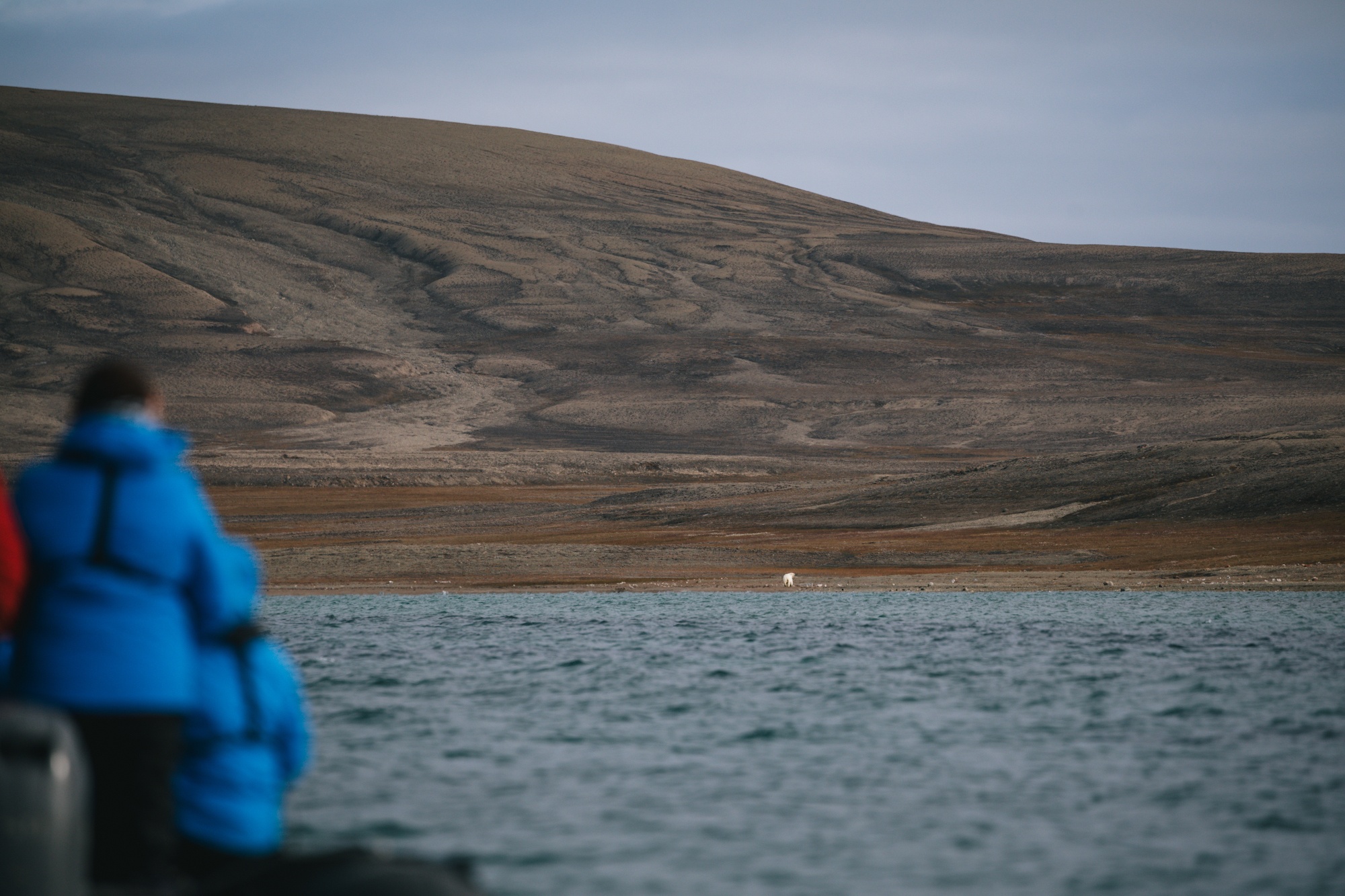
Adventure Canada integrates these guidelines into daily operations through the deployment of specialized polar bear safety guards. These teams, frequently comprising local Inuit personnel with generational knowledge of regional wildlife patterns, accompany shore excursions and Zodiac cruises equipped with non-lethal deterrents and emergency measures. According to expedition operators, adherence to these protocols ensures that human-wildlife conflicts remain exceedingly rare, allowing for passive observation without altering natural predation cycles or endangering passengers and crew.
Ecological Implications and Climate Context
The concentration of polar bears at Coningham Bay highlights broader ecological questions regarding how Arctic predators are adapting to a changing climate. As warming temperatures lead to the earlier breakup and retreat of sea ice—the traditional platform from which polar bears hunt seals—scientists are closely monitoring alternative foraging strategies.
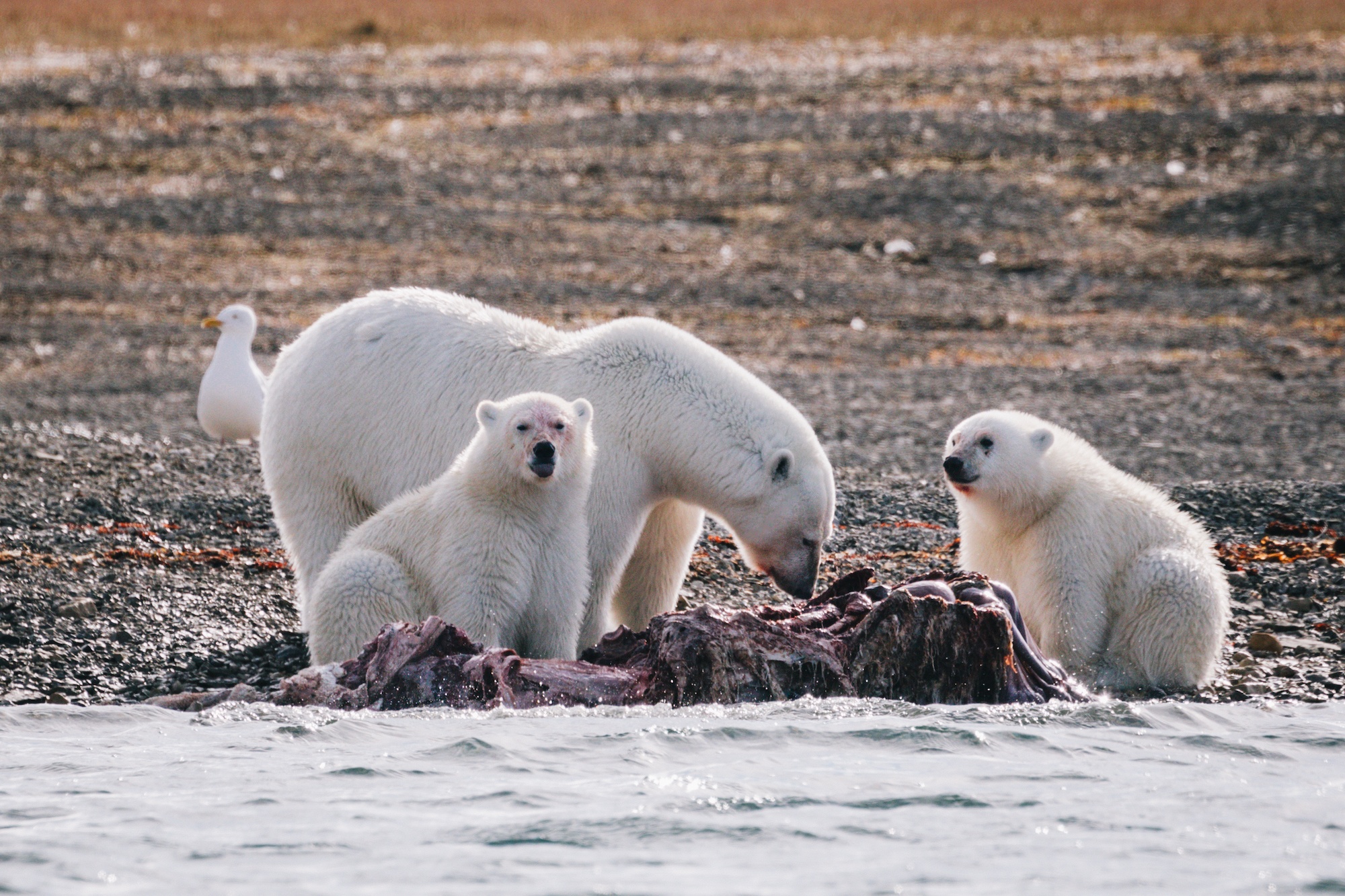
While marine mammal predation at sites like Coningham Bay provides a crucial caloric boost for bears experiencing shortened ice seasons, researchers emphasize that these localized anomalies cannot replace the vast marine mammal populations found on stable pack ice. The availability of stranded or trapped belugas is heavily dependent on specific geographical and tidal conditions, making it an opportunistic rather than a reliable primary food source.
Nevertheless, documenting these events provides invaluable data for marine mammalogists and climate scientists alike. As expedition tourism continues to provide rare access to the deepest sectors of the Northwest Passage, observations from remote sites such as Coningham Bay contribute significantly to the ongoing mapping of Arctic biodiversity and predator-prey dynamics in an era of rapid environmental transition.