How to Skip the Santorini Cable Car: A Better Start to Your Cruise Day – Travel Dudes

The Anatomy of the Santorini Bottleneck
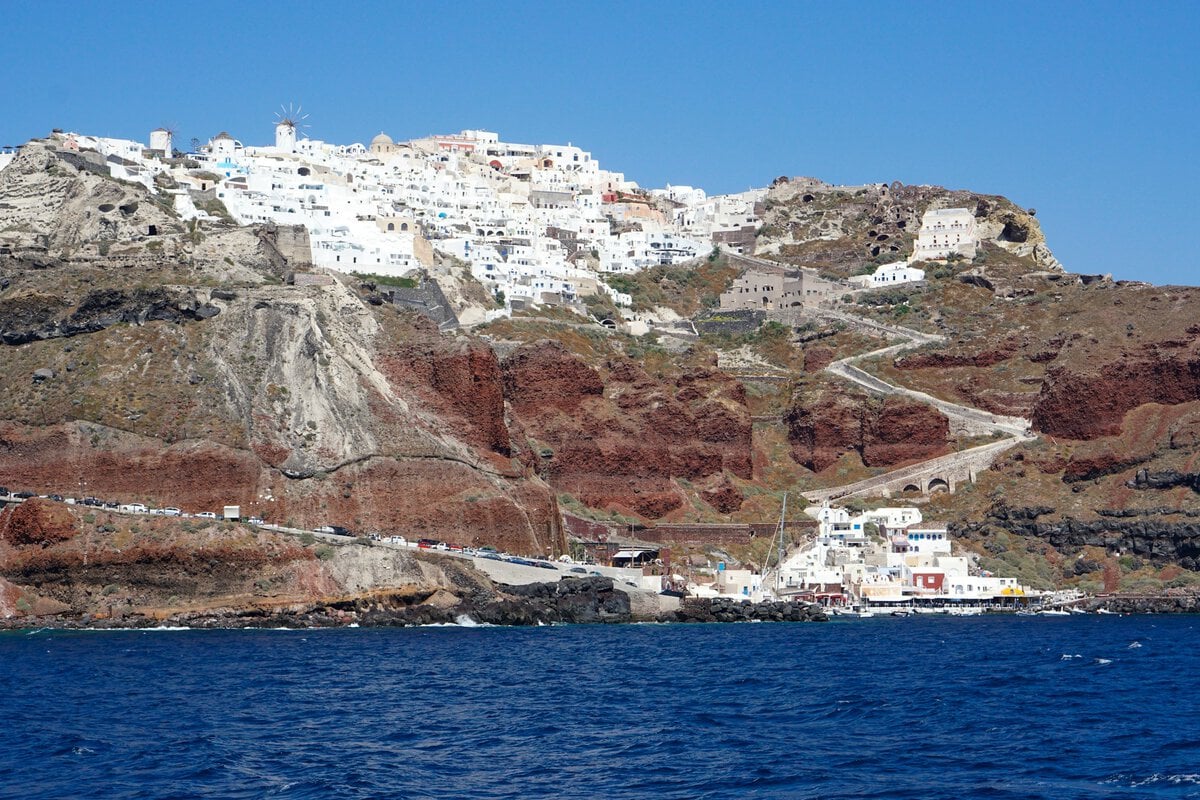
The geographical constraints of Santorini present a unique set of challenges for the cruise industry. The island’s capital, Fira, is perched precariously atop a 260-meter-high volcanic caldera cliff. Because the Old Port sits at sea level at the base of these sheer cliffs, there is no road access for large vehicles. Historically, visitors utilized a steep, winding path of over 580 steps, traditionally traversed by donkeys or on foot. In 1982, the cable car was inaugurated to facilitate more efficient transit; however, its capacity is strictly limited.
On days when multiple large cruise ships anchor in the caldera, thousands of passengers are funneled toward a single point of entry. The cable car system, which consists of six-person cabins, operates with a maximum throughput of approximately 1,200 passengers per hour. When three or more ships, each carrying between 2,000 and 4,000 guests, arrive simultaneously, the arithmetic of the queue becomes insurmountable. For a passenger with only six to eight hours in port, a one-hour wait for the cable car represents a 15% reduction in their total time available to explore the island.
The Strategic Shift: A Sea-Based Alternative
To circumvent this congestion, a growing segment of the tourism industry is pivoting toward private maritime transfers. Companies like iGoHellas have introduced a service that utilizes private speedboats to shuttle passengers directly from the tender docks at the Old Port to Ammoudi Bay, the historic harbor located directly below the village of Oia.
This approach effectively reverses the conventional itinerary. Instead of ascending the cliff to Fira and attempting to navigate the crowded central bus station or taxi ranks, passengers are transported by sea to the northern tip of the island. This transit, which takes approximately 15 to 20 minutes, transforms the logistical necessity of getting from the port to the village into a scenic excursion. From the water, the dramatic scale of the volcanic strata and the white-washed architecture of Fira, Firostefani, and Imerovigli are visible in a panoramic display that is impossible to replicate from the interior of the island.
The 6-Hour Private Sightseeing Model
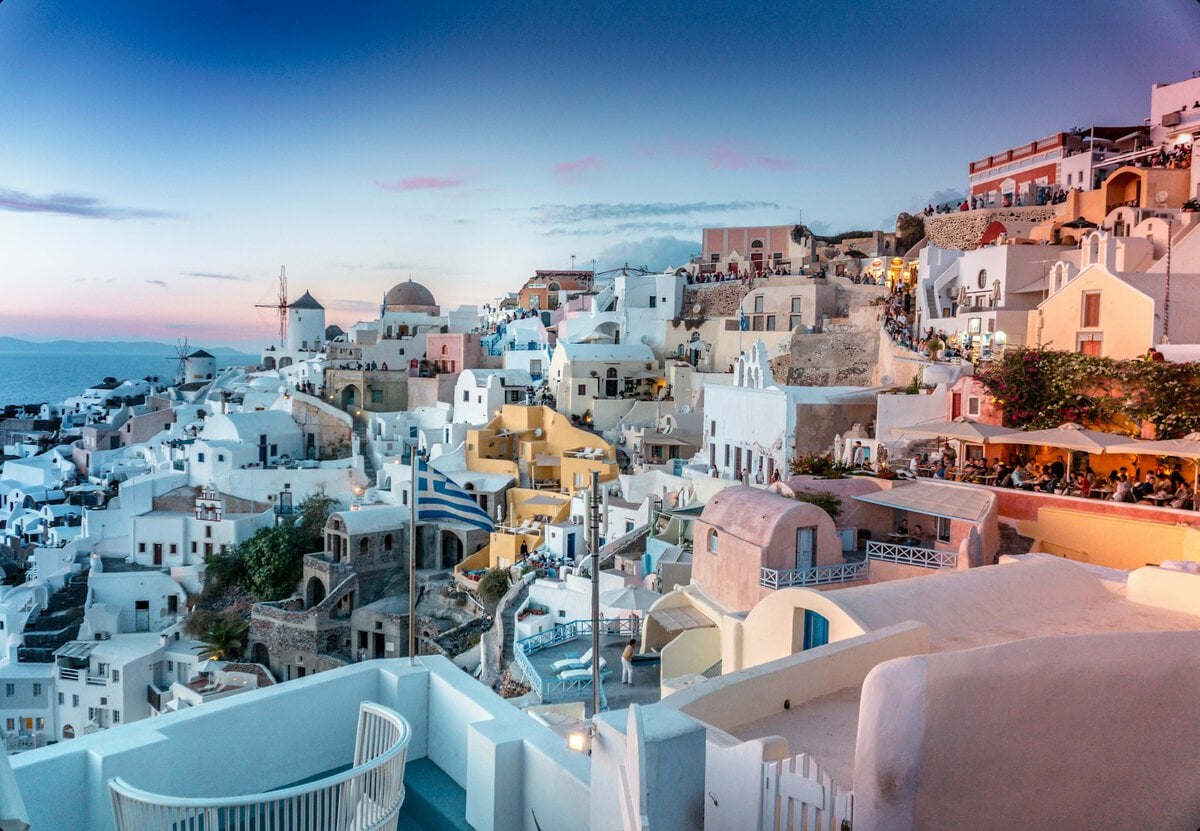
The shift toward private tours is not merely a matter of convenience; it is a structural change in how visitors experience the island. A typical six-hour private excursion is designed to prioritize efficiency and exclusivity. By starting in Ammoudi Bay, the tour begins in the most iconic location on the island—Oia—before the midday heat and the peak of the cruise-ship bus traffic arrive.
The itinerary usually includes the following progression:
- Oia: A guided walk through the pedestrian-only lanes, focusing on the blue-domed churches and the caldera rim.
- Firostefani: A stop at the Three Bells of Fira, the most photographed landmark on the island.
- Profitis Ilias: A visit to the island’s highest peak, offering a 360-degree view of the entire caldera and the surrounding Aegean Sea.
- Art Space Winery: An introduction to Santorini’s unique volcanic viticulture, including an optional tasting of Assyrtiko, the island’s signature white wine.
- Megalochori and Emporeio: Exploration of traditional, less-touristed villages that showcase the island’s medieval architectural heritage.
- Black Beach: A concluding stop at the volcanic shores of Perivolos or Perissa to experience the geological history of the island firsthand.
This structured, private approach provides a level of flexibility that traditional group excursions lack. Because the itinerary is localized and independent of large motorcoach schedules, guides can pivot in real-time to avoid emerging crowds or to accommodate the specific interests of the travelers.
Logistical Implications and Safety Margins
While the efficiency of this method is evident, it requires a high degree of coordination. The primary risk for any cruise passenger is missing the final tender back to the ship. Cruise lines maintain a strict "all aboard" policy, and ships rarely delay departure for independent travelers.
Travel experts and tour operators emphasize that a "safety margin" is essential. When booking a private tour that involves a sea-transfer, it is standard practice to conclude the land portion of the tour in Fira, which is the primary hub for returning to the cruise tender docks. By ensuring the tour ends at least 90 minutes before the final scheduled tender, guests mitigate the risk of being left behind. The use of private, English-speaking local guides further aids in this, as they are intimately familiar with local traffic patterns and the specific tender schedules of various cruise lines.
Comparative Data: Cable Car vs. Boat
Analyzing the efficiency of these two methods reveals a clear disparity in time management. The cable car, while inexpensive, carries the hidden cost of "opportunity time."
-
Cable Car Scenario:
- Tender transit: 10–15 minutes.
- Queue time: 45–90 minutes (on high-traffic days).
- Transit to Fira: 3 minutes.
- Total time lost: ~1 hour and 15 minutes.
-
Private Boat/Tour Scenario:
- Tender transit: 10–15 minutes.
- Boat transfer to Ammoudi: 20 minutes.
- Immediate start of tour: 0 minutes lost.
- Total time lost: ~35 minutes.
While the boat transfer incurs an upfront cost that the public cable car does not, the conversion of "waiting time" into "exploration time" is the primary value proposition for the passenger. Furthermore, the private tour format allows for a more personalized experience, enabling visitors to see six or more distinct locations, whereas a standard excursion might be limited by the logistics of moving a large group of 40–50 people simultaneously.
Broader Impact on Santorini’s Infrastructure
The influx of cruise passengers has prompted discussions among local authorities regarding the sustainability of the current tourism model. With over 800,000 cruise passengers arriving annually, the infrastructure of the Old Port and the cable car is under constant strain. The promotion of alternative landing points, such as Ammoudi Bay, acts as a decentralized strategy that spreads the human impact across the island rather than concentrating it solely in Fira.
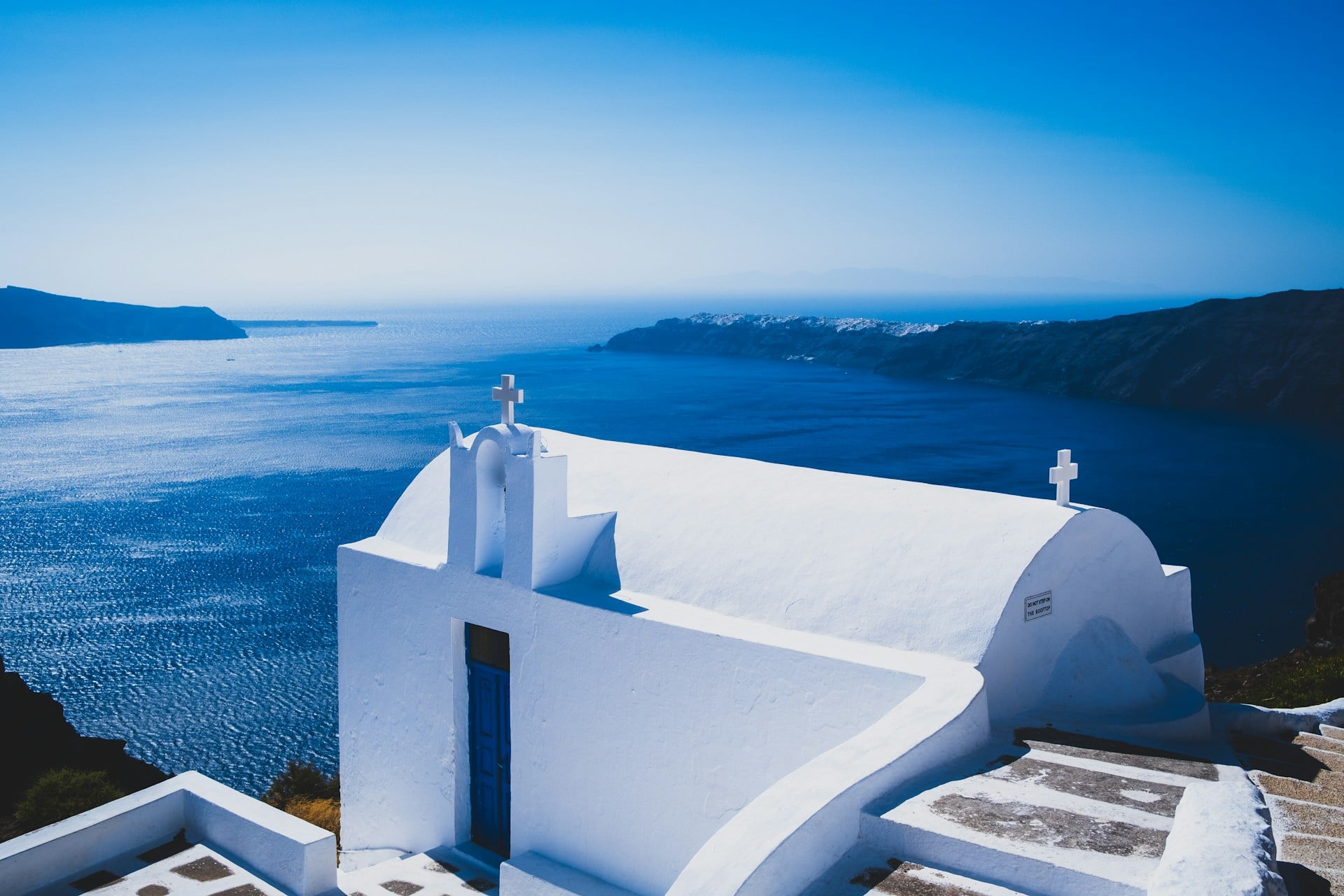
By utilizing private sea transfers, the tourism sector can better distribute visitors, reducing the pressure on the narrow streets of the island’s capital. This is seen as a positive development by many local business owners in Oia and the southern villages, who benefit from the increased foot traffic that these specialized tours provide.
Conclusion for the Modern Traveler
The decision to skip the cable car is not merely a luxury; it is an exercise in effective time management for the modern cruiser. As the cruise industry continues to evolve, the demand for personalized, efficient, and immersive experiences is outpacing the traditional "one-size-fits-all" shore excursion. By opting for a private, sea-based start to their day, travelers can ensure that their time on Santorini is spent witnessing the breathtaking views and rich cultural history of the island, rather than observing the back of a fellow passenger in a queue.
As with all travel, the key to success lies in preparation. Passengers are advised to conduct thorough research, coordinate with reputable local operators who understand the nuances of the cruise industry’s strict schedules, and always build in a buffer of time for the return journey. Through these adjustments, the complexities of the Santorini port can be navigated with ease, transforming a potentially stressful start into one of the most memorable segments of a Mediterranean voyage.
Related posts: