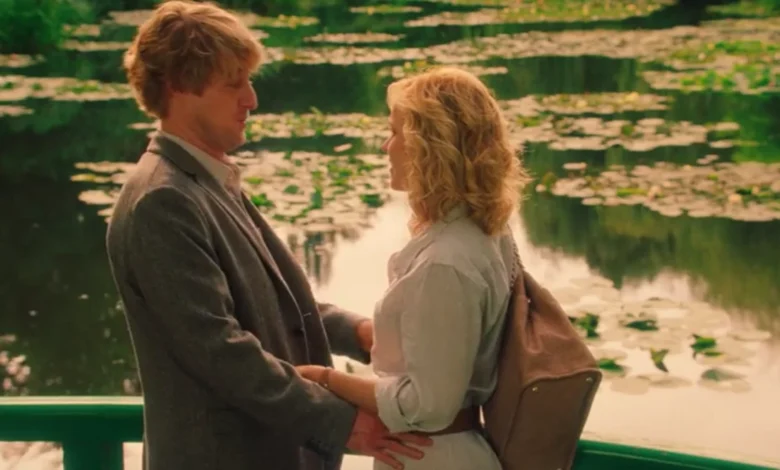
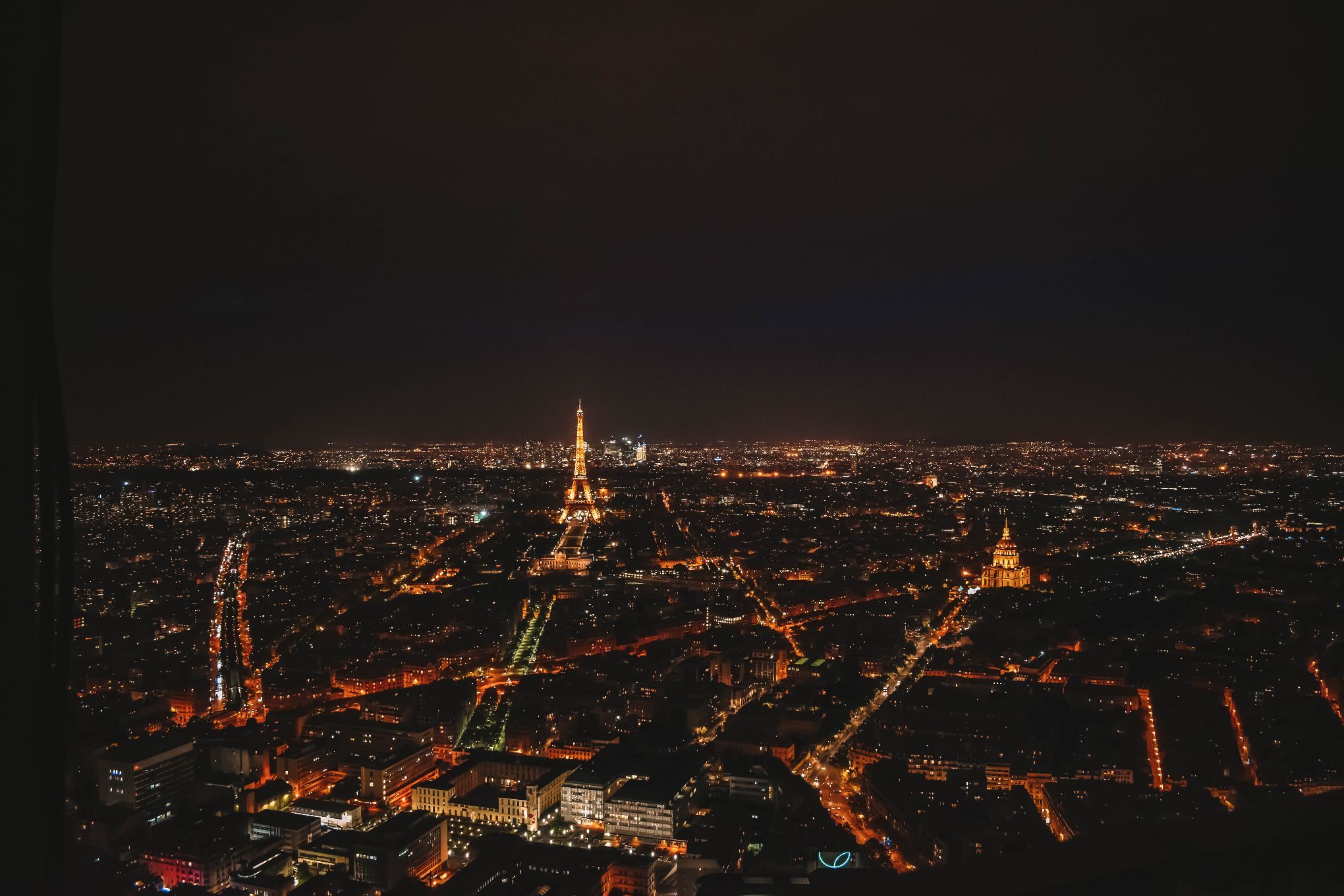
Woody Allen’s 2011 fantasy-comedy, Midnight in Paris, serves as more than a cinematic narrative; it acts as a visual love letter to the French capital, meticulously documenting its architectural heritage, literary history, and the romantic allure that has drawn expatriates and tourists for generations. The film follows Gil Pender, a successful but disillusioned Hollywood screenwriter played by Owen Wilson, who finds himself inexplicably transported to the 1920s each night at the stroke of midnight. This temporal displacement allows the audience to witness a stylized, nostalgic version of Paris, populated by the "Lost Generation" of artists and writers.
Cinematic Production and Artistic Intent
The production, which premiered as the opening film at the 2011 Cannes Film Festival, was primarily shot on location across Paris and its surrounding suburbs. By utilizing authentic settings rather than studio recreations, the film captures the atmospheric textures of the city, from the rain-slicked cobblestones to the ornate, gold-leafed interiors of historic hotels. Allen’s direction emphasizes the juxtaposition between the modern, often superficial, concerns of the protagonist’s present-day life and the intellectual, creative fervor of the Jazz Age.
Chronology of Primary Locations
The film’s geographical journey begins with a montage of iconic Parisian landmarks, set to the jazz standard "Si Tu Vois Ma Mère" by Sidney Bechet. Key locations featured in the film include:
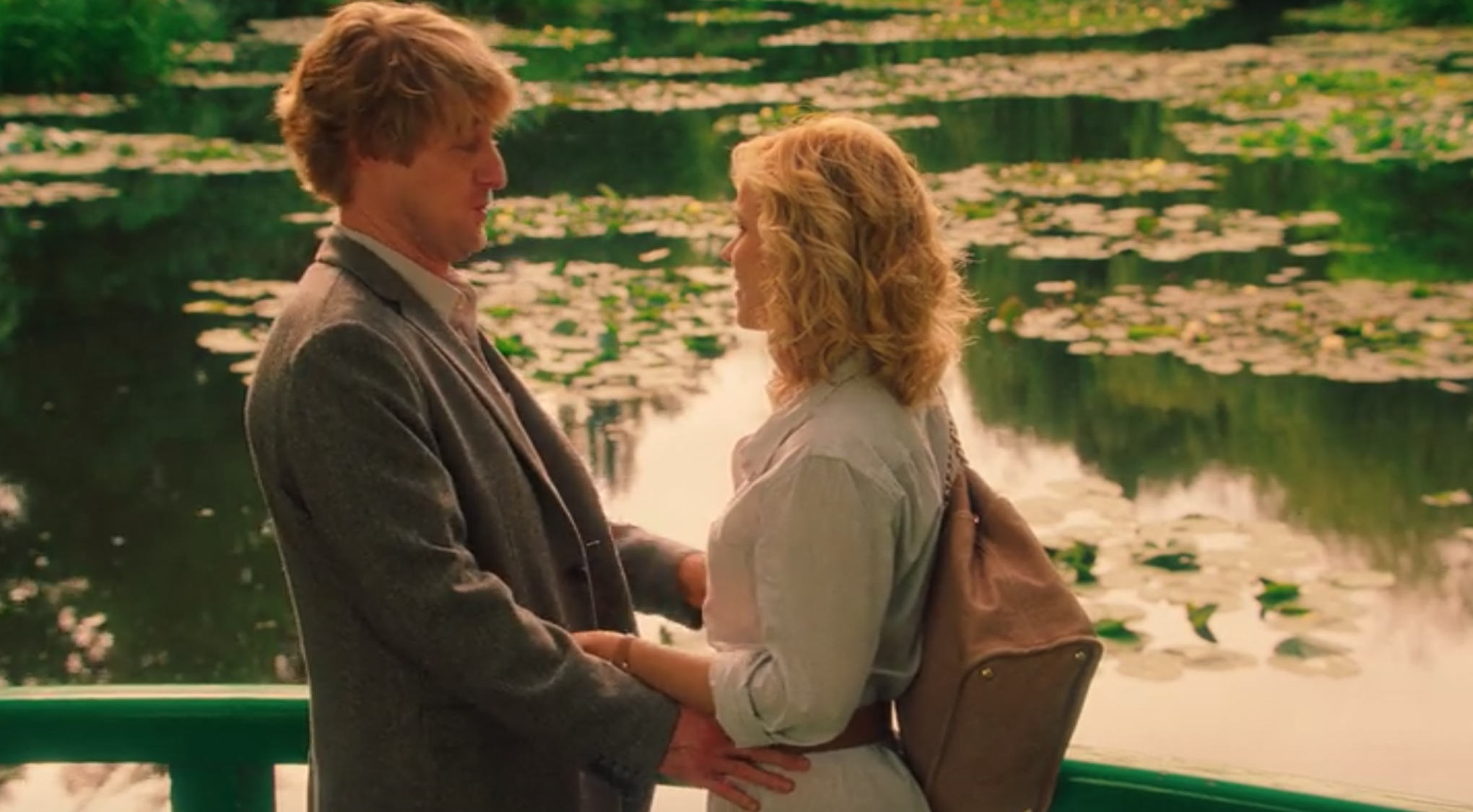
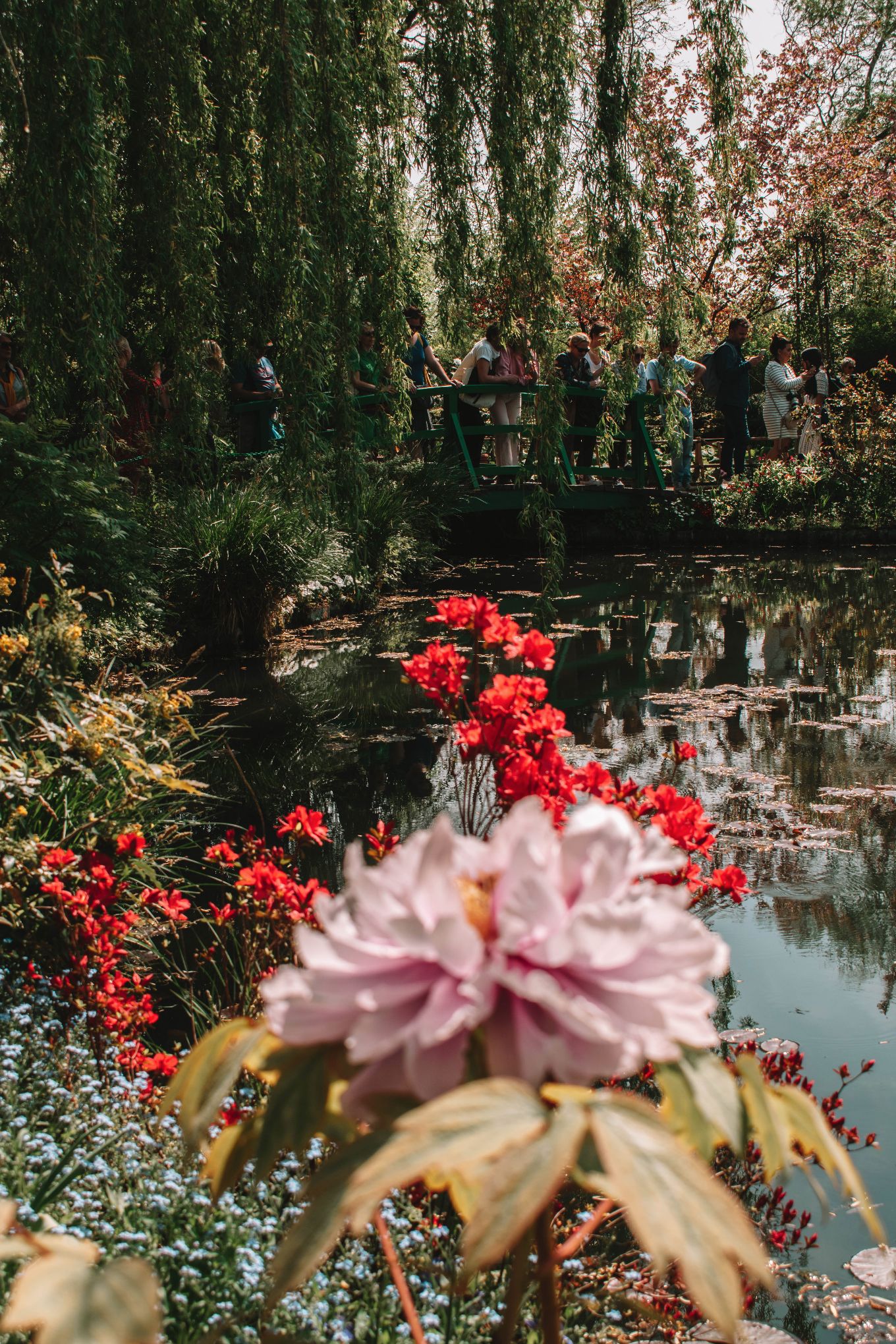
- Claude Monet’s Garden (Giverny): Located approximately 75 kilometers from Paris, these gardens serve as the backdrop for the film’s opening sequence. The site, which was the home and studio of the Impressionist master, remains a major cultural heritage site.
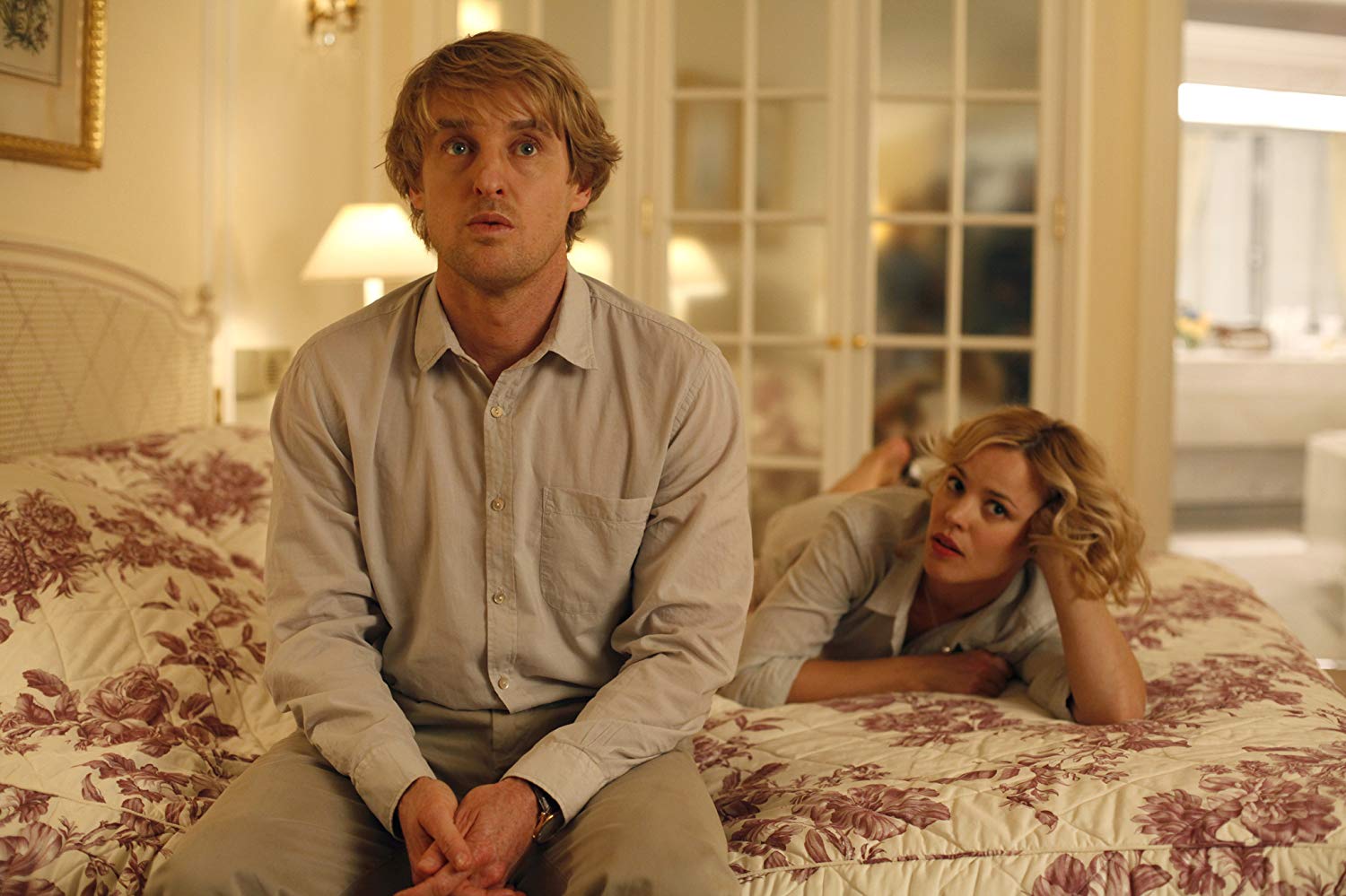
- Hôtel Le Bristol: Situated at 112 Rue du Faubourg Saint-Honoré, this luxury establishment functions as the primary base for the characters in the film. Opened in 1925, the hotel is a hallmark of Parisian high-society hospitality.
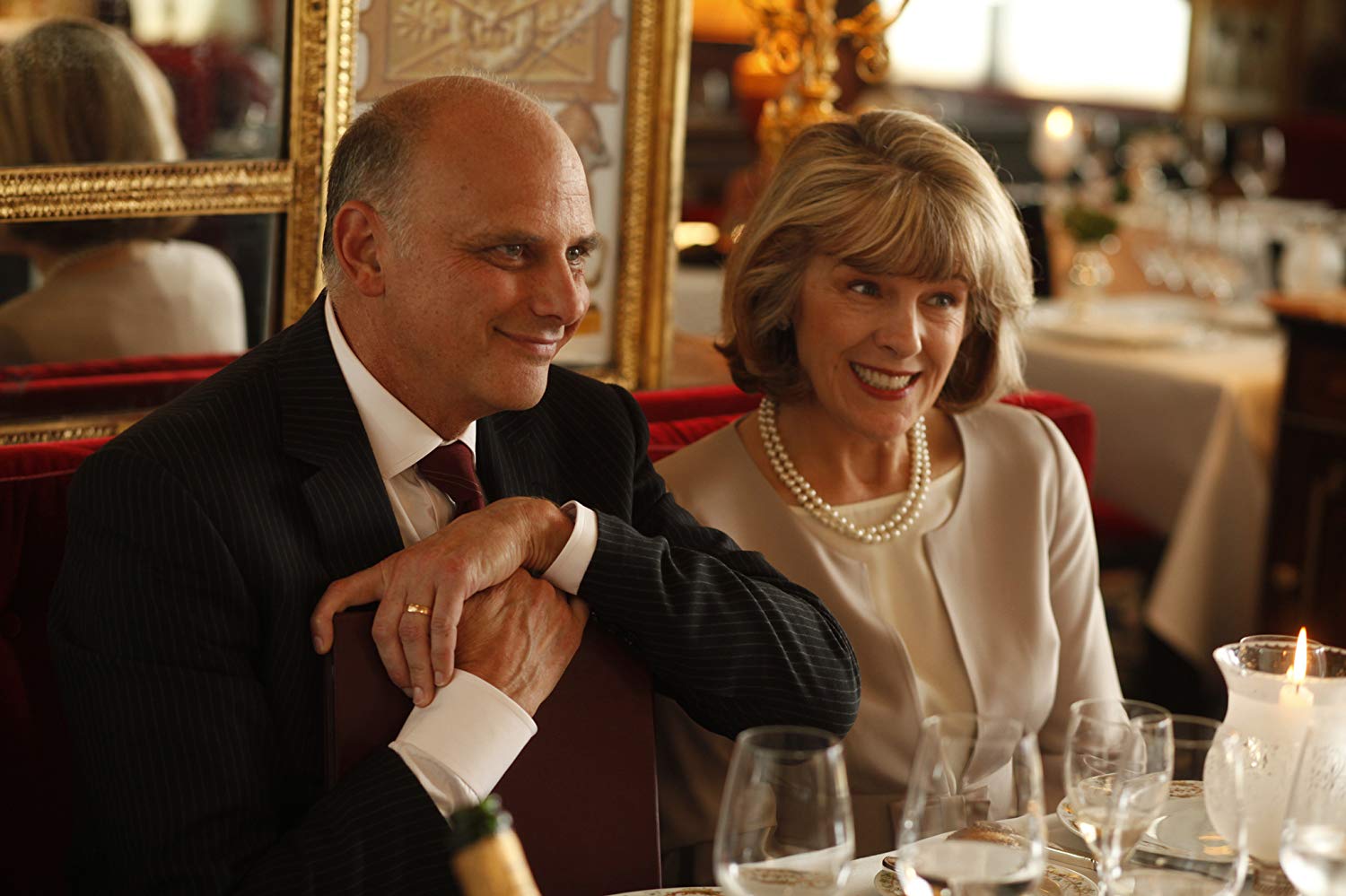
- Le Grand Véfour: A historic restaurant located in the Palais-Royal, this establishment is a significant site for the film’s dining sequences. It is widely recognized for its 18th-century interior design and status as a meeting place for French luminaries.
- Saint-Étienne-du-Mont: The steps of this church, located near the Panthéon in the 5th arrondissement, serve as the pivotal site where the protagonist boards the vintage Peugeot that transports him to the 1920s.
- Le Polidor: Located at 41 Rue Monsieur le Prince, this restaurant is one of the oldest in the city. Historically frequented by figures such as Ernest Hemingway and James Joyce, its appearance in the film reinforces the narrative’s historical grounding.
- The Flea Market of Saint-Ouen (Les Puces de Saint-Ouen): As the world’s largest antique market, this location provides the backdrop for interactions involving vintage memorabilia and historical artifacts.
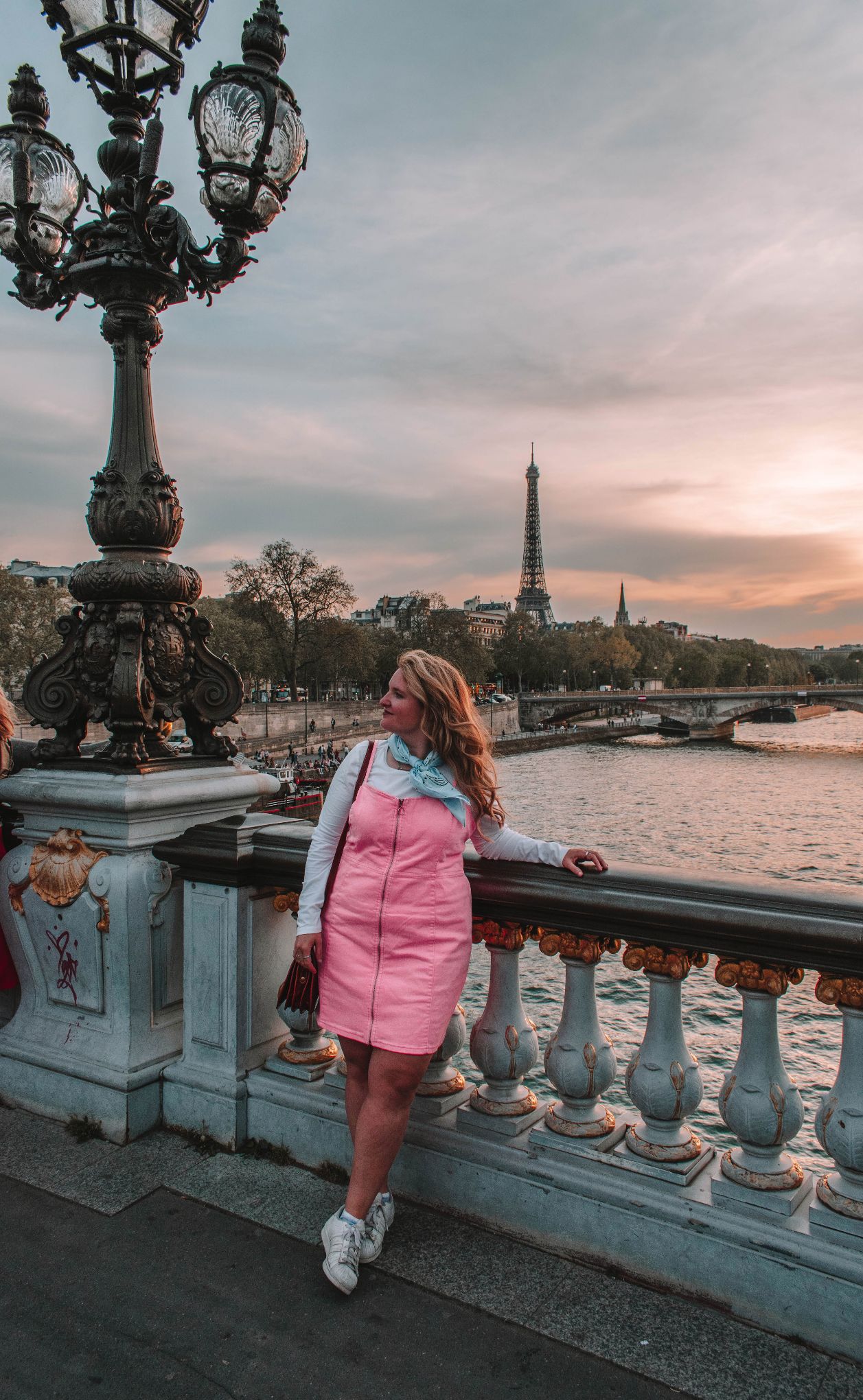
- Pont Alexandre III: The final, rain-drenched scene of the film occurs on this deck-arch bridge, which connects the Champs-Élysées quarter with the Invalides and Eiffel Tower quarters. It is widely regarded as one of the most ornate bridges in Paris, inaugurated for the Exposition Universelle of 1900.
Historical Context and Literary Significance
The film’s narrative is anchored in the reality of the 1920s, a decade when Paris functioned as a global nexus for expatriate artists. Figures such as Ernest Hemingway, F. Scott Fitzgerald, Zelda Fitzgerald, Pablo Picasso, and Gertrude Stein are portrayed as contemporaries of the protagonist. This period, often termed the "Golden Age," is documented in literature such as Hemingway’s A Moveable Feast. By integrating these historical figures, the film explores the concept of "golden age thinking"—the tendency to romanticize a past era while dismissing the challenges of one’s own time.
Analytical Implications of the Film’s Setting
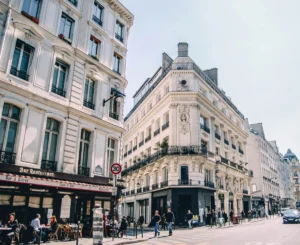
From an urban planning and cultural heritage perspective, Midnight in Paris highlights the preservation of 20th-century Parisian architecture. The film showcases how the city’s layout—designed largely under the direction of Baron Haussmann in the mid-19th century—has remained consistent, allowing for a seamless transition between historical periods in the narrative. The sustained popularity of these locations suggests a continued economic impact on Paris’ tourism sector, as fans of the film frequently seek out these specific sites, contributing to the "cinematic tourism" phenomenon.
Critical Reception and Cultural Impact
Upon its release, the film was a significant commercial and critical success, grossing over $150 million worldwide against a production budget of approximately $17 million. It earned Woody Allen an Academy Award for Best Original Screenplay. The film is often cited as a definitive example of "city-centric" filmmaking, where the setting acts as a primary character rather than a mere backdrop.
Critics have noted that the film’s effectiveness lies in its ability to strip away the "tourist gaze" and focus on the sensory details of the city: the sound of a rain shower on a zinc roof, the specific lighting of streetlamps at night, and the architectural history embedded in the city’s foundations.
The Role of Nostalgia
Central to the film is a debate on the nature of nostalgia. The character of Paul, an arrogant academic portrayed by Michael Sheen, explicitly states, "Nostalgia is denial—denial of the painful present." This philosophical inquiry serves as the engine of the film. The protagonist’s initial desire to escape the "painful present" eventually shifts into an acceptance that every era carries its own form of dissatisfaction. This message has resonated with audiences, positioning the film as a contemplative study on the human condition rather than a simple romantic comedy.
Ongoing Legacy in Modern Tourism
Today, the locations featured in Midnight in Paris remain staples of guided walking tours. Institutions like Shakespeare and Company, the independent bookstore on the Left Bank, continue to see increased foot traffic partly due to their portrayal in popular media. The film’s influence has helped solidify the image of Paris as a place of infinite creative potential, reinforcing the city’s brand as a destination for those seeking artistic inspiration.
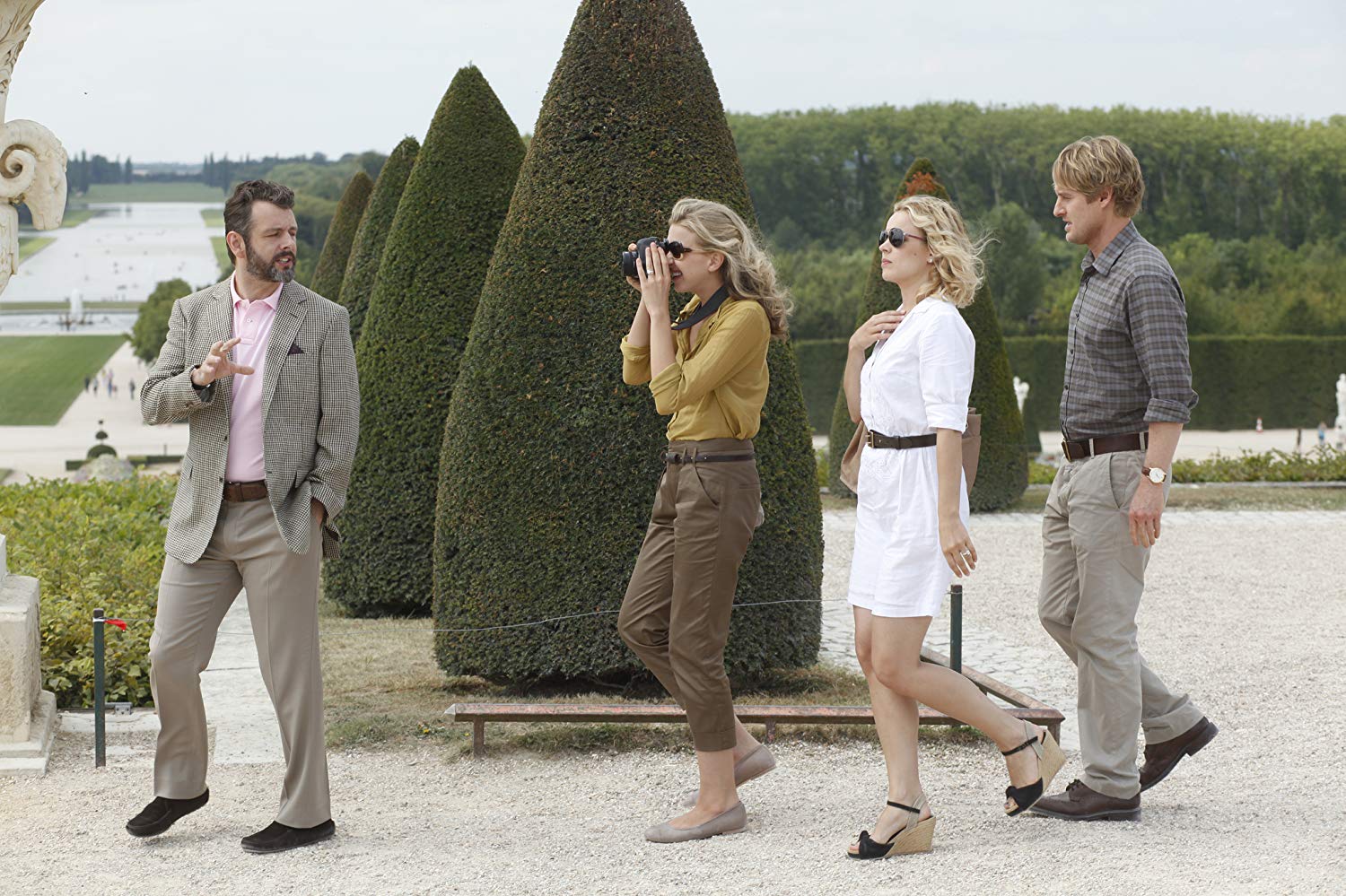
The film stands as a testament to the enduring power of Paris as a cultural icon. Through its careful selection of shooting locations, it invites the viewer to participate in the act of looking at the city not just as a geographical point on a map, but as a layered landscape of history, literature, and art. Whether it is the silent, haunting beauty of the Pont Neuf at night or the vibrant, chaotic energy of the flea markets in the morning, the film captures the multifaceted nature of the French capital. For the modern traveler, these locations offer a tangible connection to the creative spirit that has defined Paris for over a century. By blending the surreal with the historical, Midnight in Paris ensures that its influence on both cinema and travel will remain as permanent as the architecture it so lovingly captures.