The Ultimate Guide to Trekking the Himalayas: Exploring Bhutan’s Druk Path and the New Trans Bhutan Trail

Bhutan, the sovereign Himalayan kingdom celebrated for its pioneering commitment to Gross National Happiness and rigorous environmental conservation, has long captured the imagination of global travelers. Despite its reputation for strict tourism regulation and low visitor volume, the nation offers some of the most pristine and visually striking trekking routes in the world. Recent developments in regional tourism and trail restoration have renewed international interest in Bhutan’s high-altitude paths, cementing its status as a premier destination for eco-conscious adventurers and mountaineering enthusiasts.
Post-Pandemic Tourism Reopening and Public Health Milestones
The Kingdom of Bhutan officially reopened its borders to international tourists without quarantine requirements, marking a significant milestone for its tourism sector. The nation successfully navigated the global health crisis through a combination of proactive community leadership and swift public health campaigns. In April 2021, Bhutan vaccinated approximately 85 percent of its adult population with a first dose in just one week, followed by a comprehensive booster rollout in early 2022. This decisive action underscored the government’s steadfast commitment to protecting both its citizens and visitors, establishing a safe environment for the resumption of international travel.
The Historic Revival of the Trans Bhutan Trail

In tandem with its border reopening, Bhutan introduced one of its most ambitious tourism and cultural initiatives in modern history: the restoration of the Trans Bhutan Trail. Spanning 403 kilometers (250 miles) from Haa in the west to Trashigang in the east, the trail traces an ancient trading and pilgrimage route utilized for centuries by merchants, monks, and travelers journeying between Bhutan and Tibet.
The historical significance of the route is profound. For generations, it served as the primary artery connecting remote mountain fortresses—known as dzongs—and sacred Buddhist pilgrimage sites. However, with the advent of modern infrastructure in the 1960s, the trail gradually fell into disrepair and disuse.
Restoration efforts commenced in 2018 and accelerated dramatically during the COVID-19 pandemic. Approximately 900 furloughed local workers were mobilized to rebuild suspension bridges, clear overgrowth, and restore hundreds of miles of stone footpaths. The newly revitalized trail officially reopened to the public, allowing travelers to walk the ancient path for the first time in six decades.
Community-Based Tourism and Sustainability Initiatives
The administration of the Trans Bhutan Trail centers heavily on sustainability, environmental protection, and community empowerment. The initiative employs a strict zero-plastics policy, providing hikers with refillable water bottles and filtered water stations along the route. Furthermore, tour operators and environmental agencies have committed to planting a tree for every international visitor who treks the path.
Crucially, the trail is designed to directly benefit rural economies. Rather than relying on large-scale commercial infrastructure, the initiative integrates village homestays, locally sourced farm produce, and community-led tourism enterprises. International adventure operators, including G Adventures, have partnered with local authorities to offer structured trekking itineraries that balance high-altitude wilderness exploration with deep cultural immersion.
Anatomy of a Himalayan Ascent: The Druk Path Trek
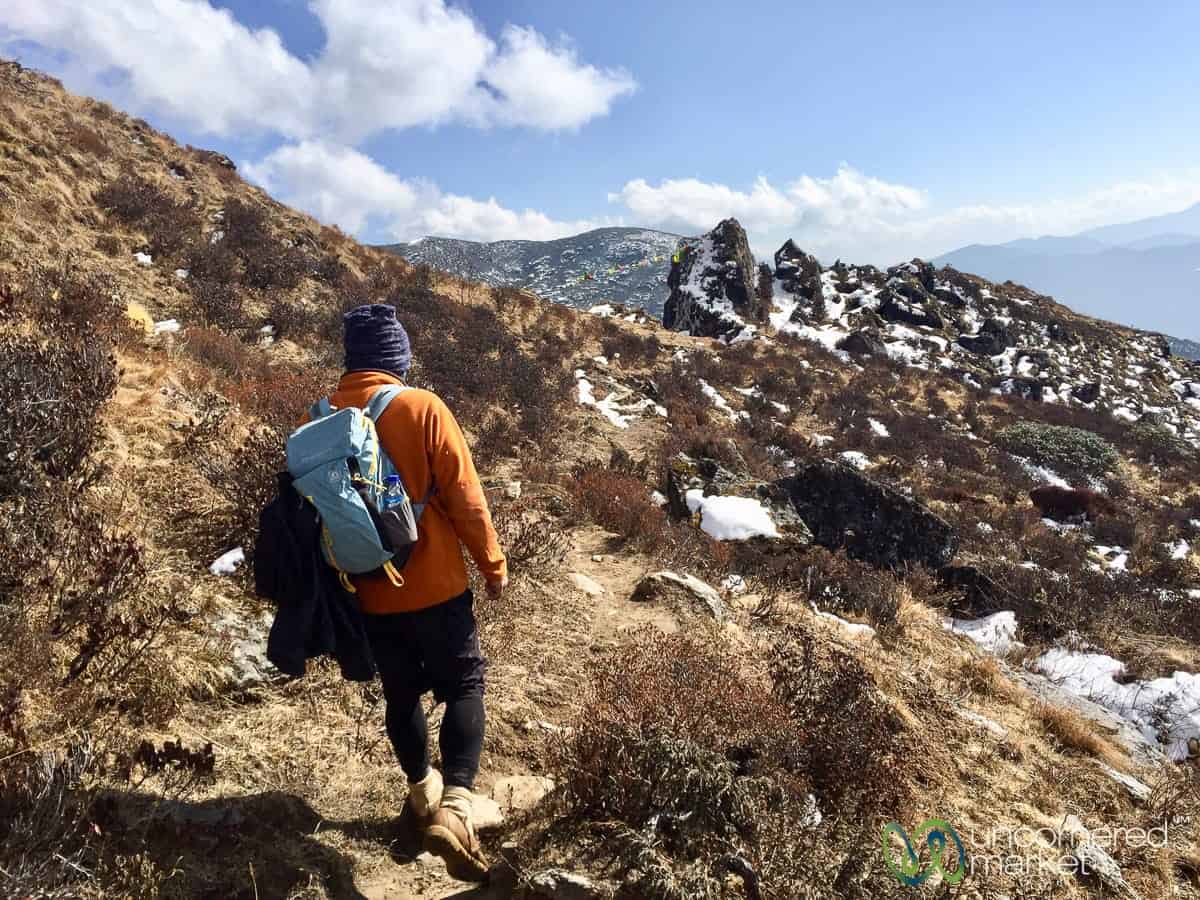
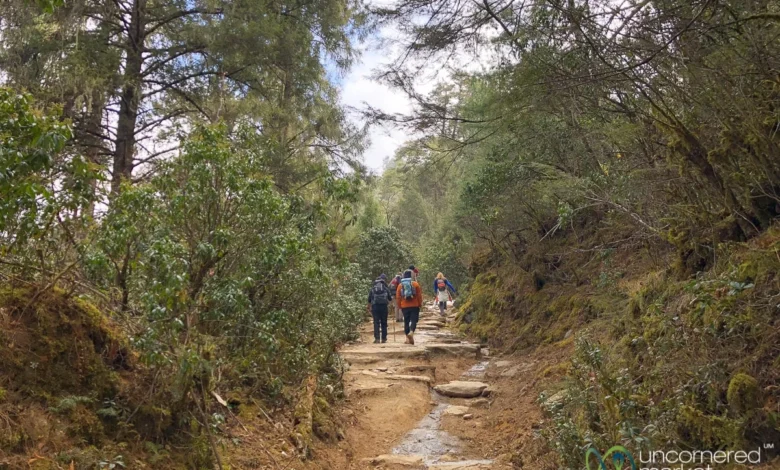
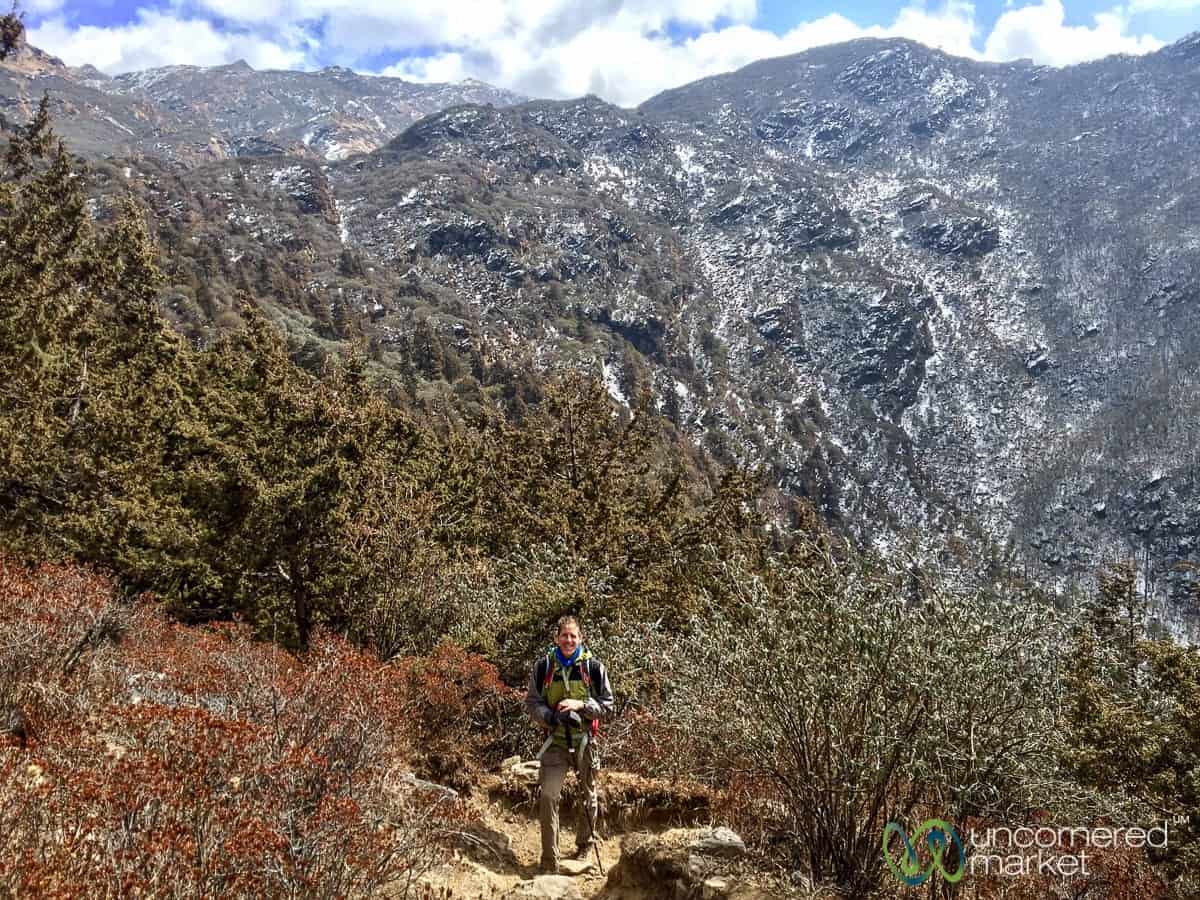
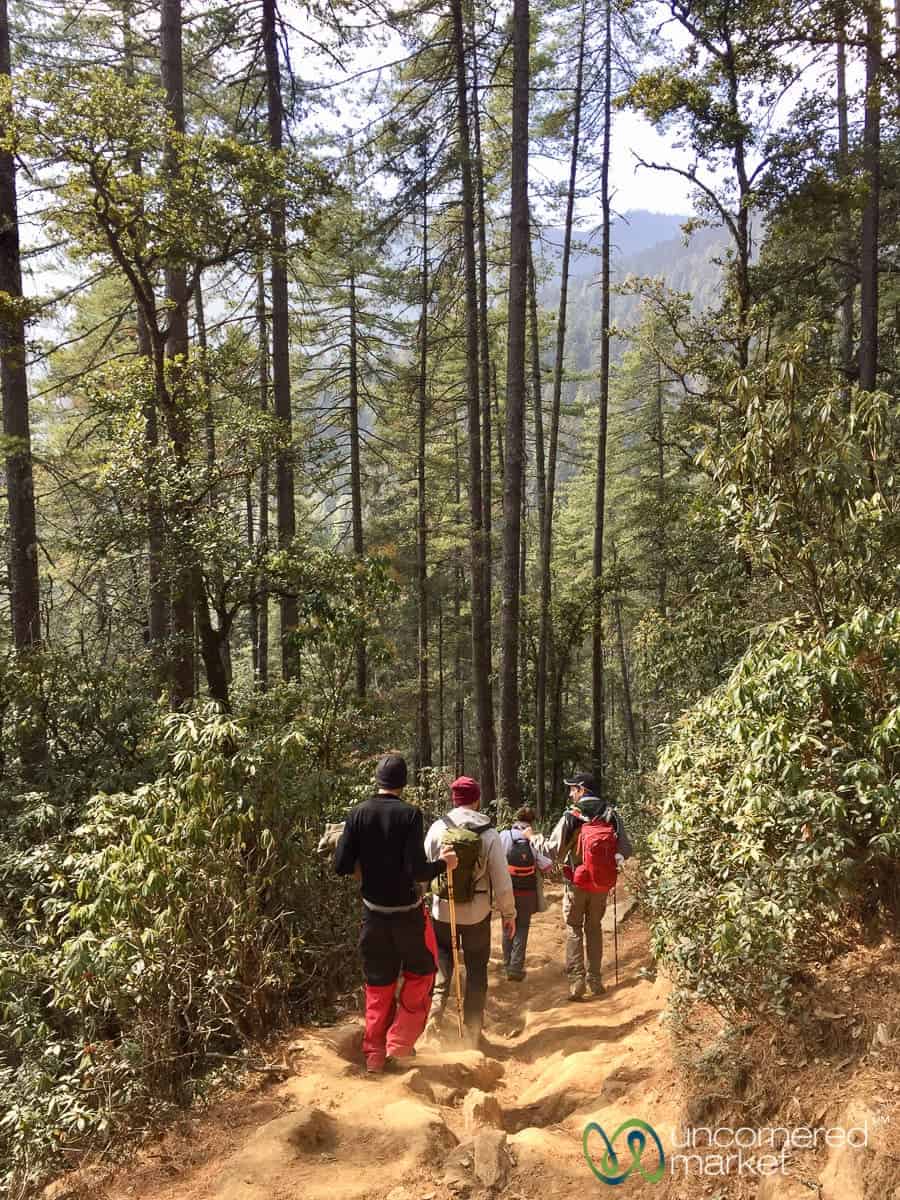
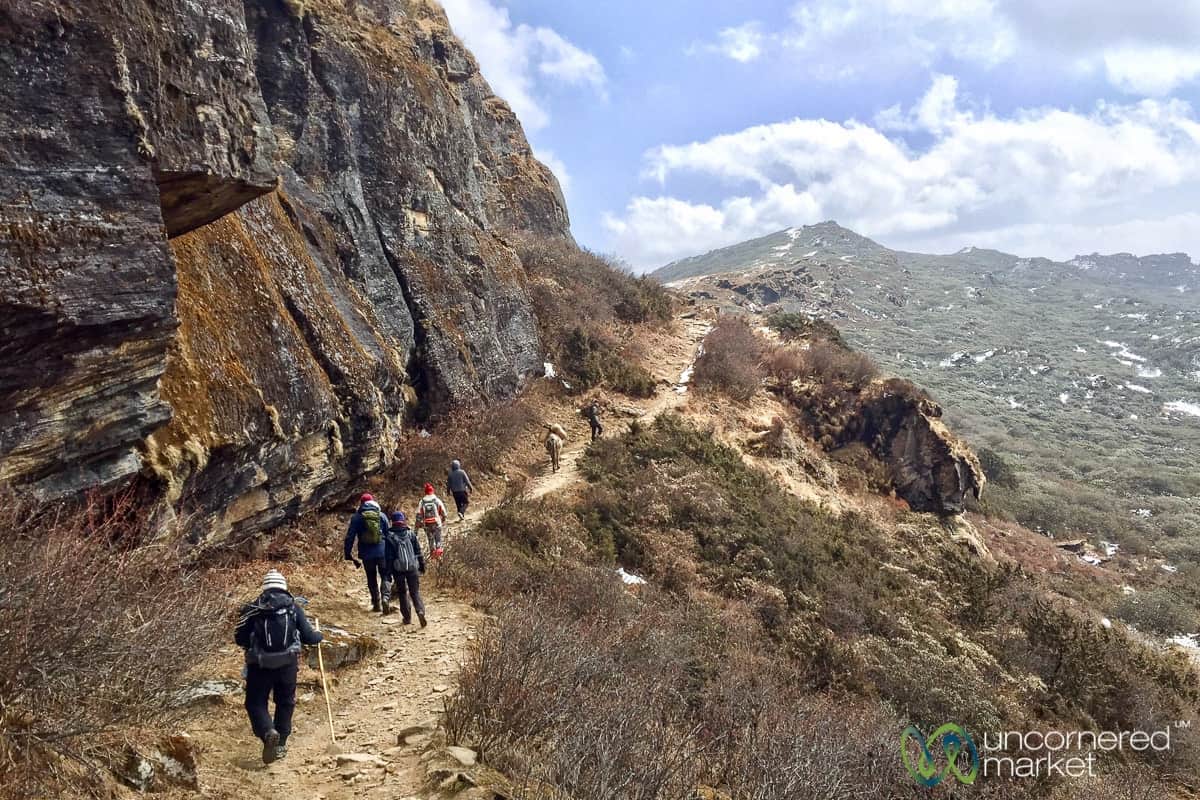
Among Bhutan’s diverse hiking portfolio, the Druk Path Trek remains one of the most popular and accessible routes for travelers seeking a classic Himalayan experience. Spanning approximately 36 to 45 kilometers (22 to 28 miles), the route follows an ancient mule track connecting the valleys of Paro and Thimphu. The trail winds through dense pine forests, vast rhododendron thickets, high-altitude alpine lakes, and exposed mountain ridges, culminating at the Labana Pass at an elevation of 4,200 meters (13,800 feet).
Day-by-Day Expedition Overview
The traditional trekking itinerary is structured to gradually acclimate hikers to the rarefied air of the lower Himalayas.
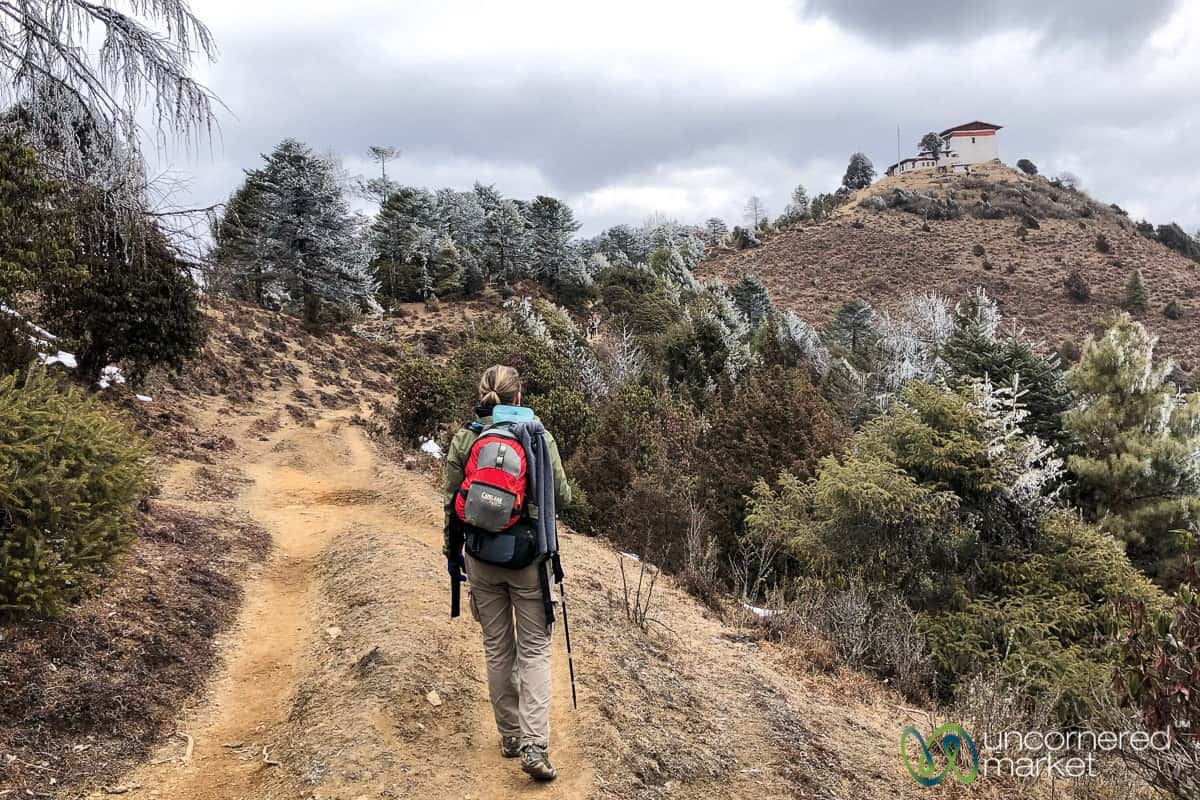
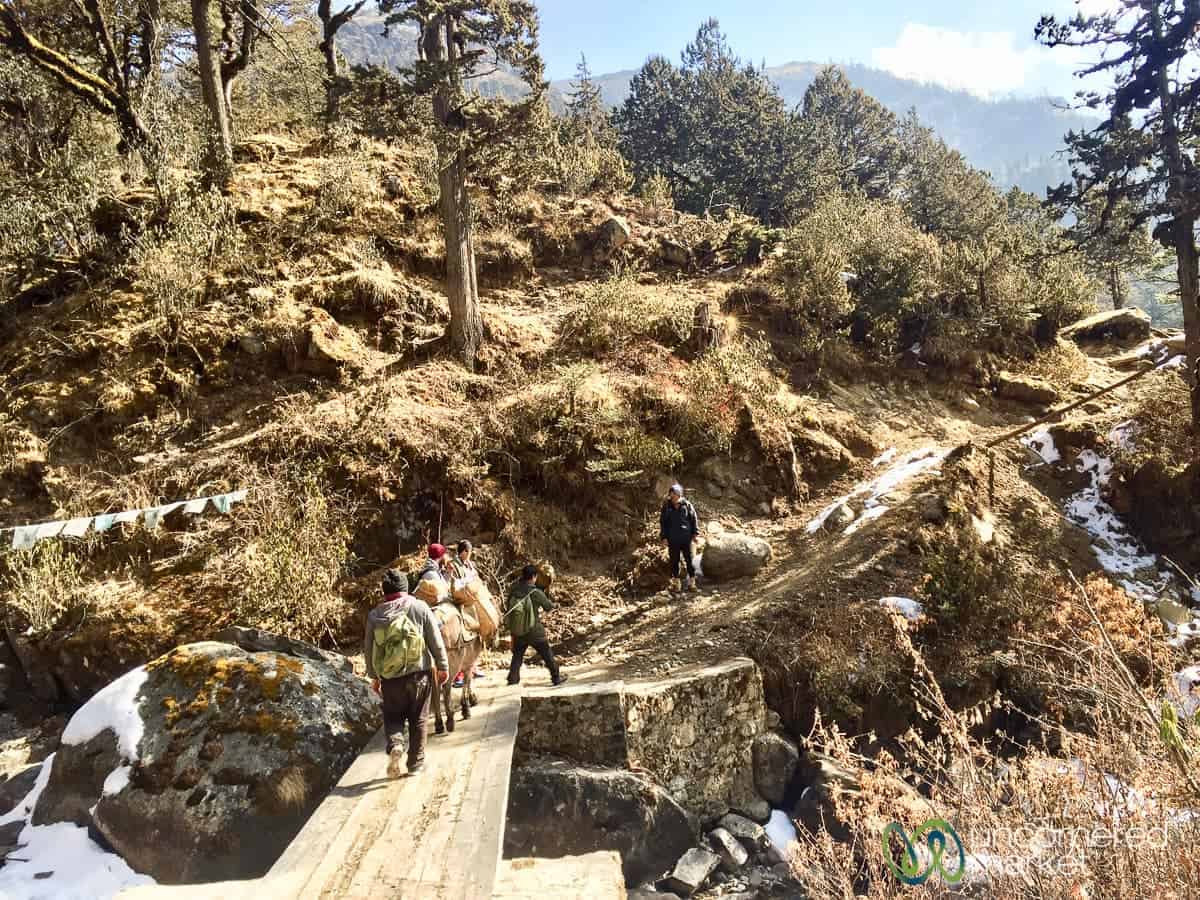
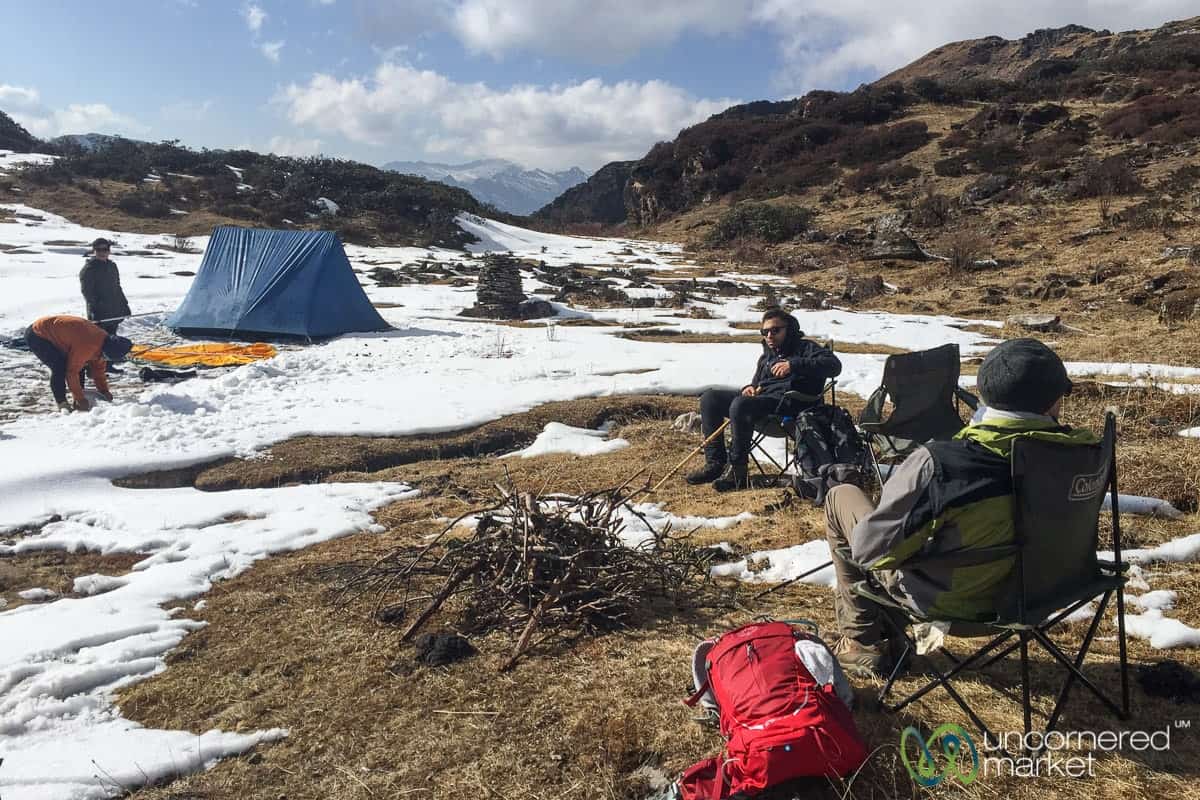
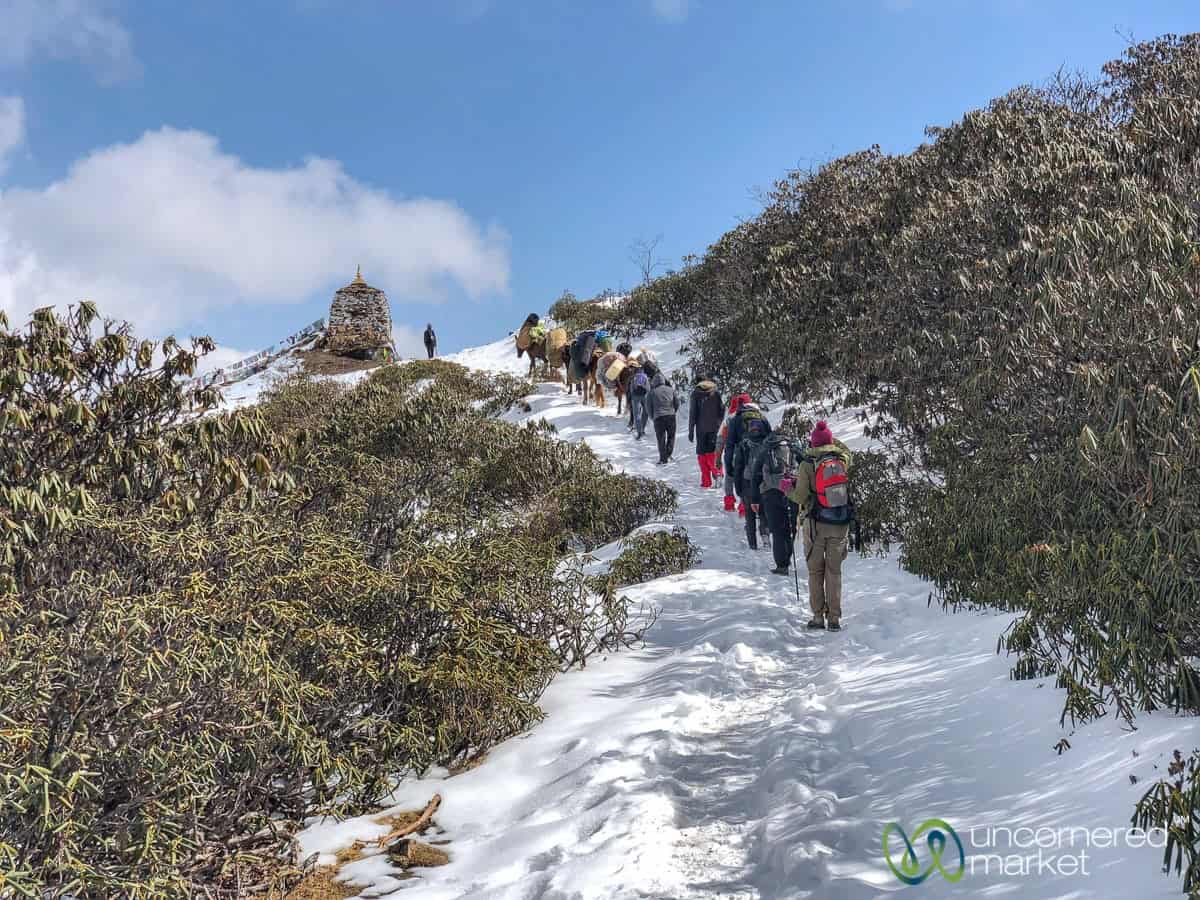
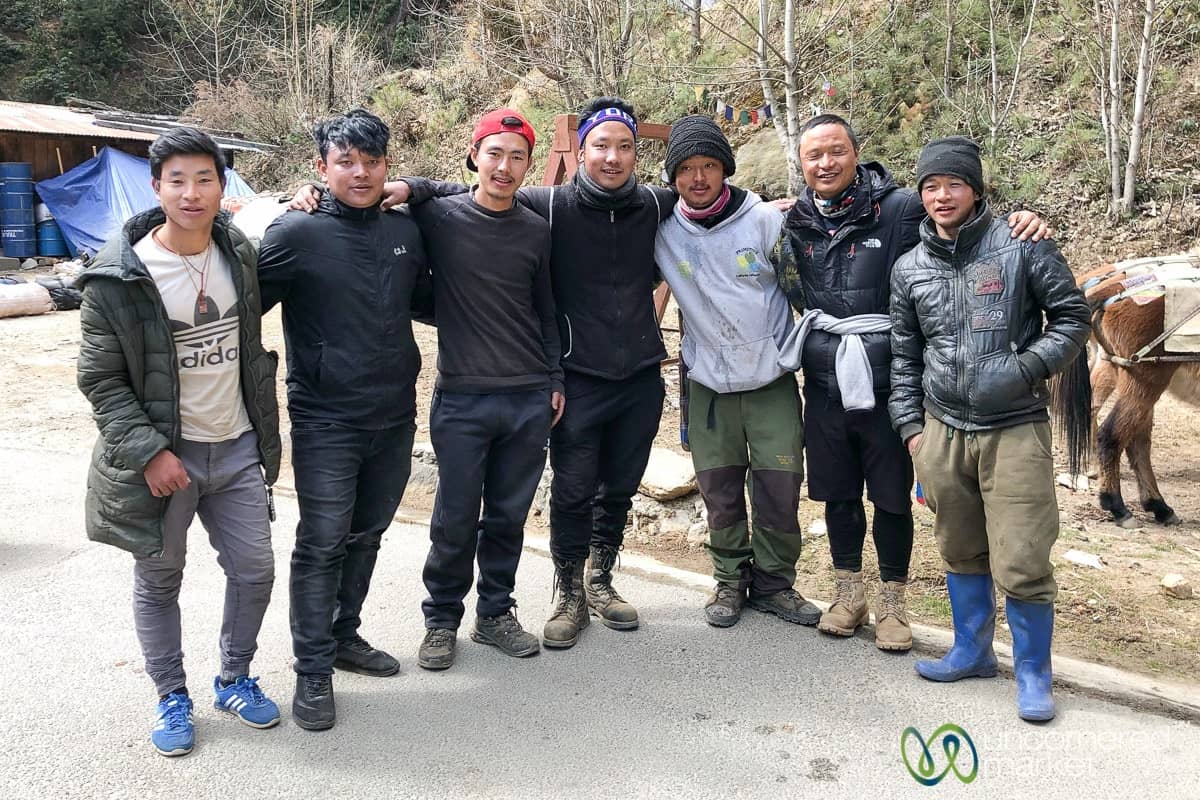
Day 1 begins with a brief vehicular transfer from Paro to Ta Dzong, where trekkers rendezvous with the expedition support team—comprising a professional guide, a camp cook, assistants, and mule handlers responsible for transporting equipment, food supplies, and mobile infrastructure. The initial leg features a steady incline through mid-alpine woods, ascending steeply for approximately 45 minutes before reaching the 15th-century Jele Dzong temple. After a brief exploration of the ridge, the trail alternates between forested paths and open clearings, terminating at the Tshokam (Dry Lake) campsite at an elevation of 3,800 meters (12,500 feet).
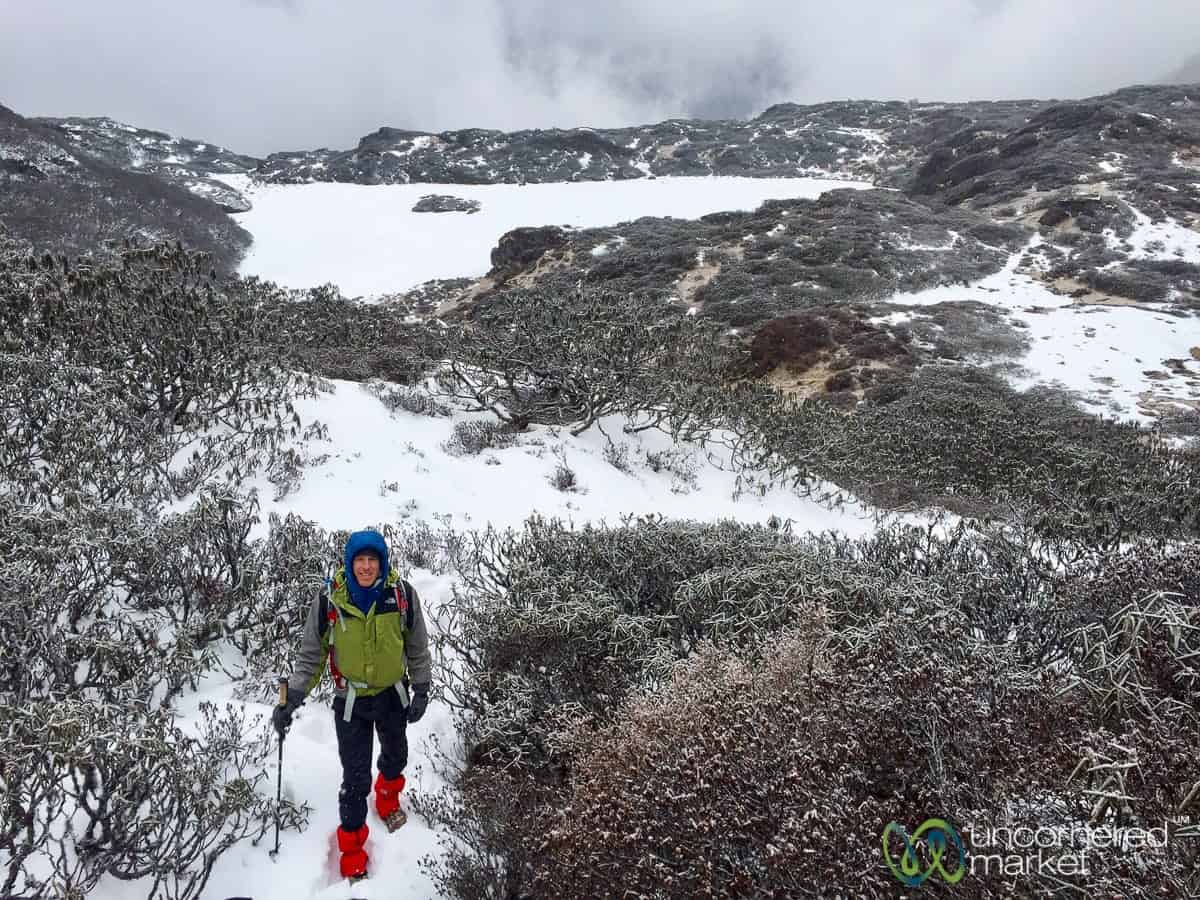
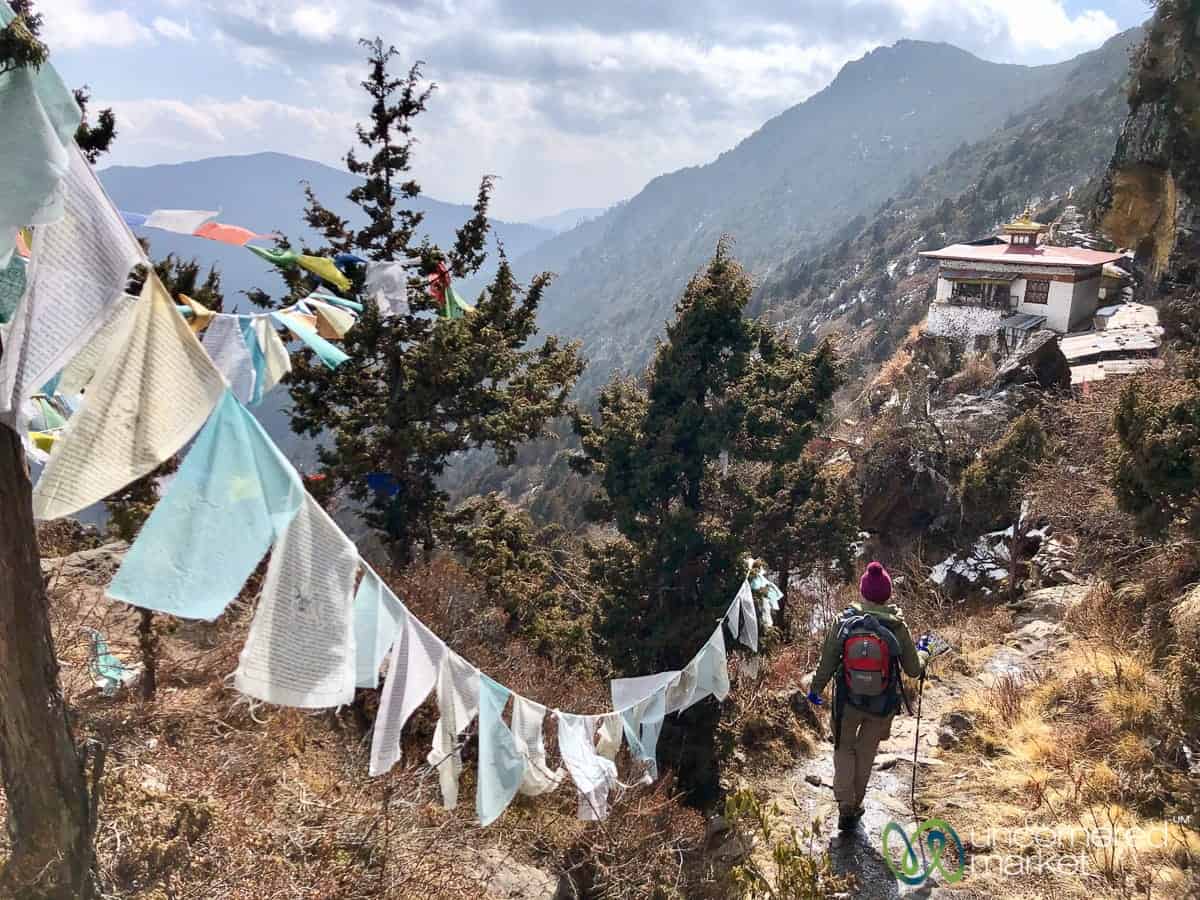
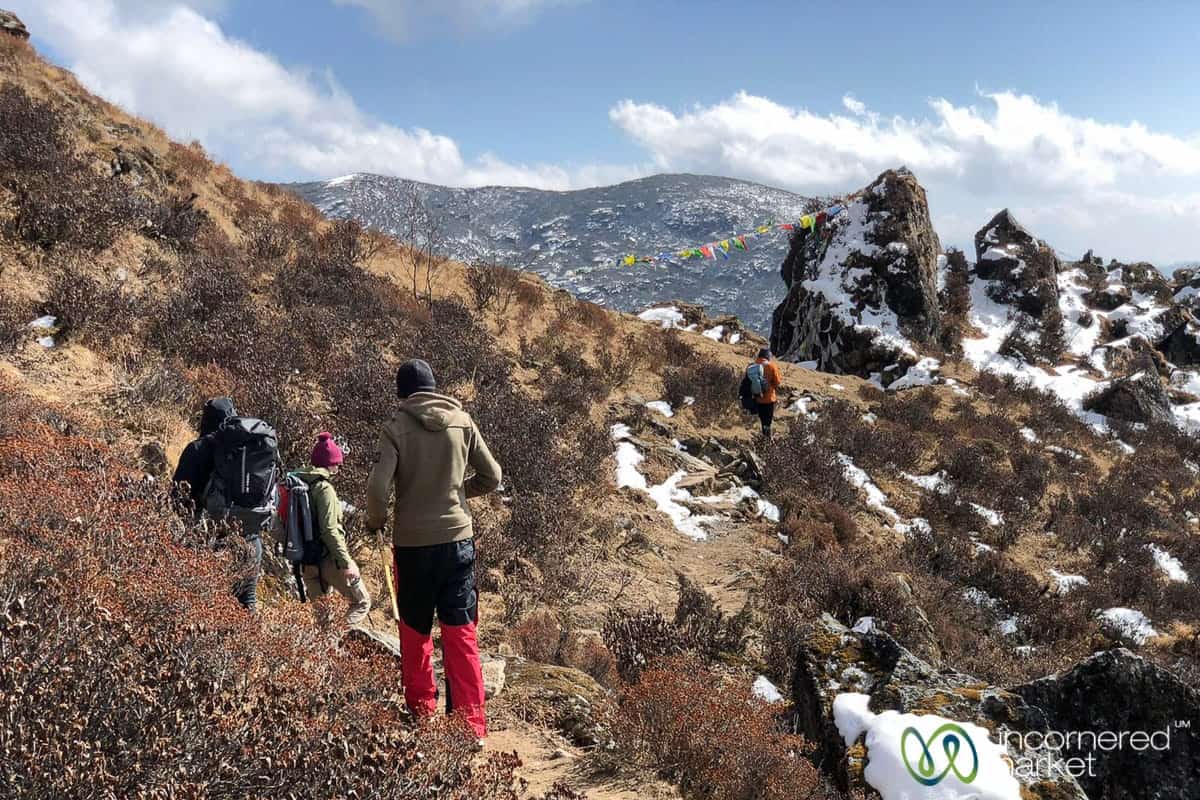
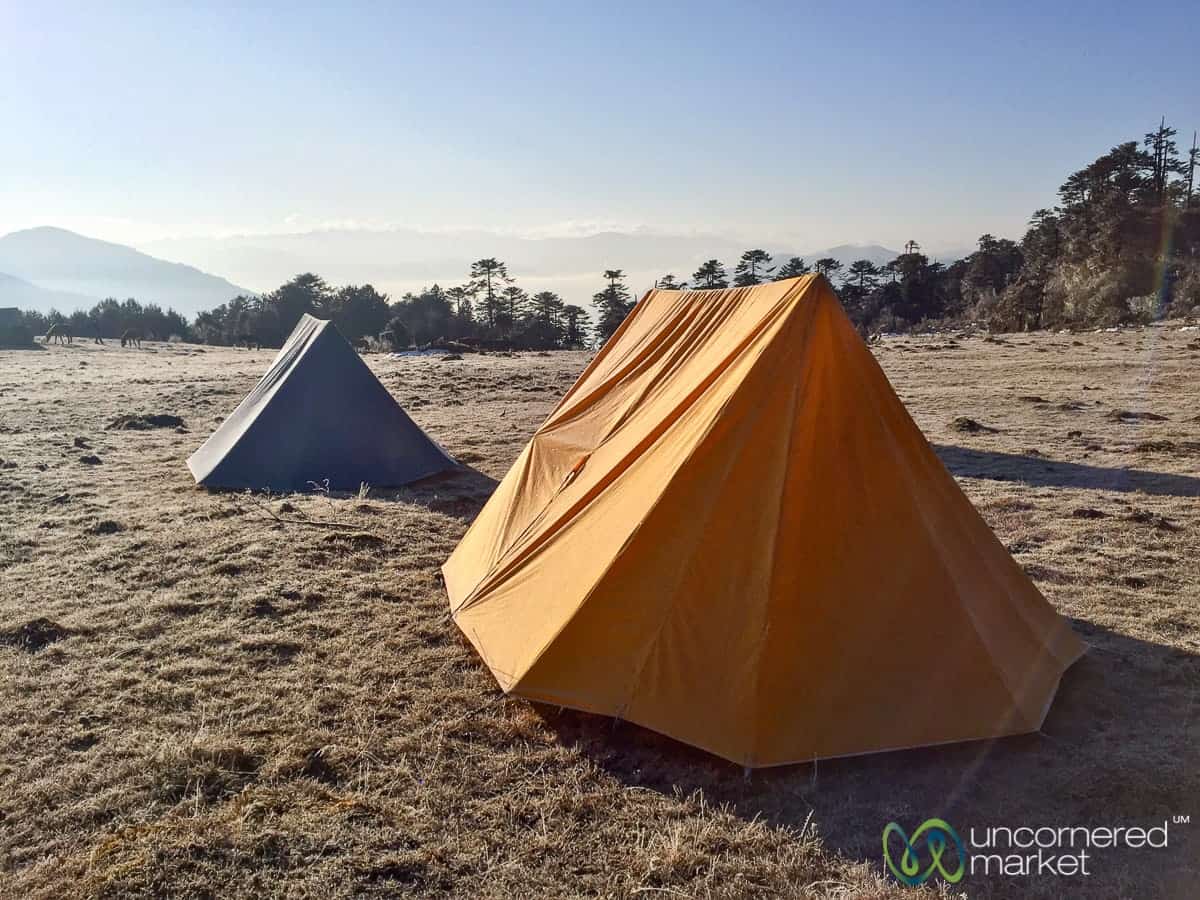
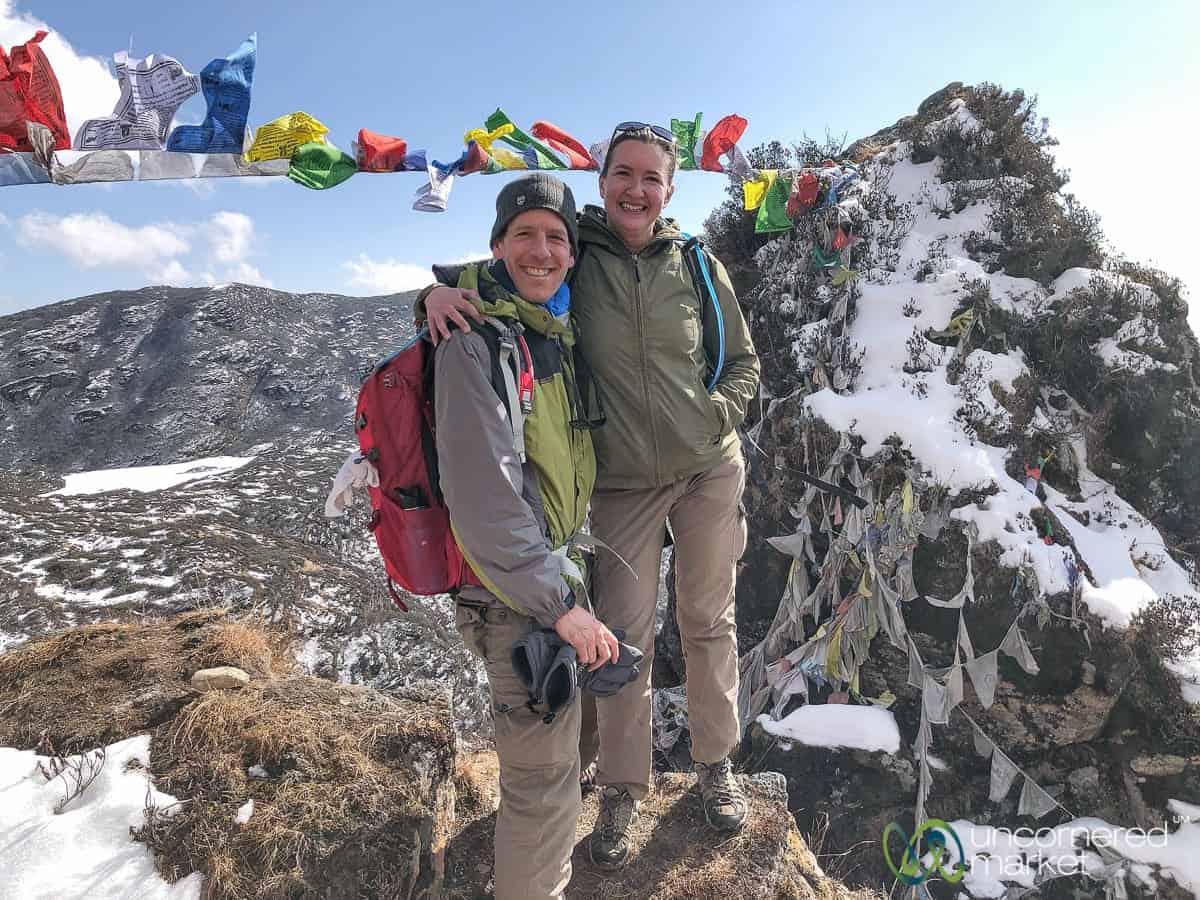
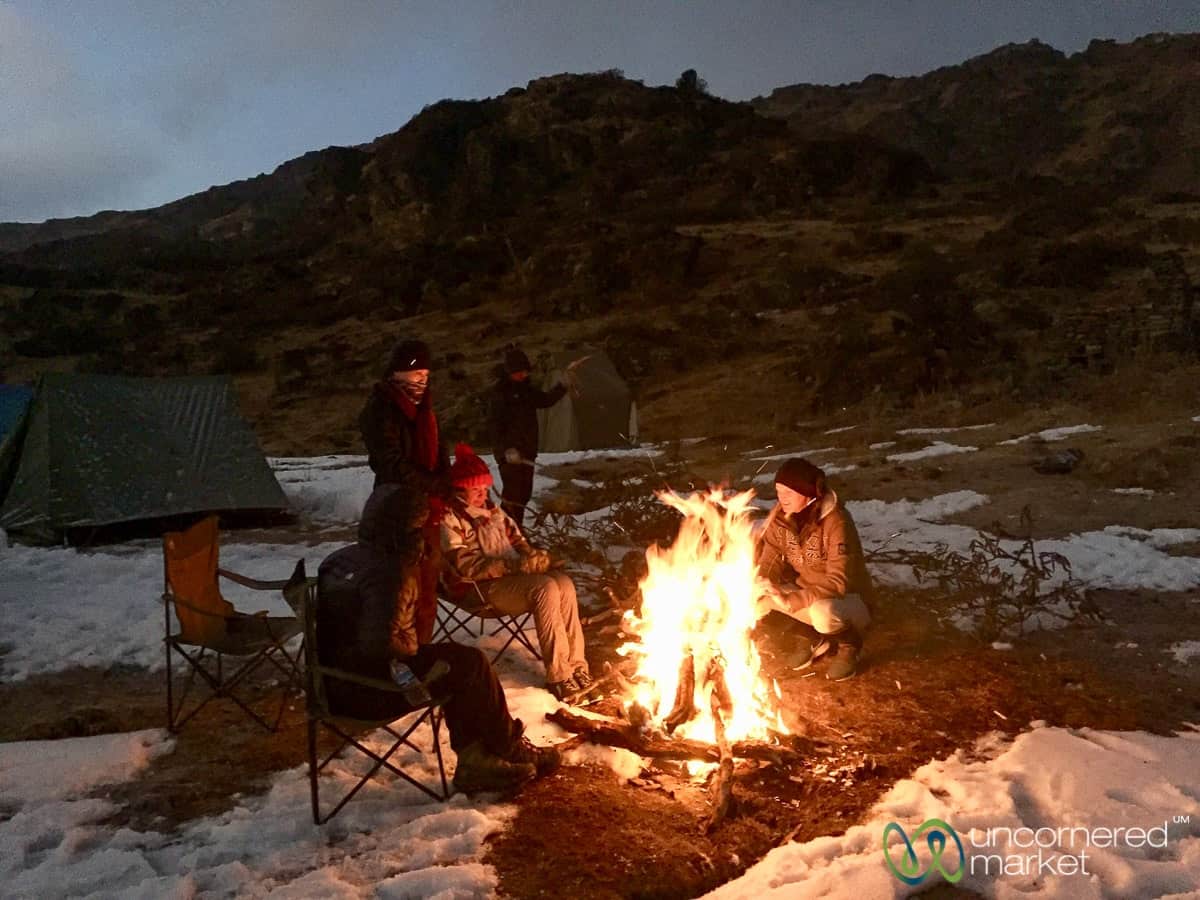
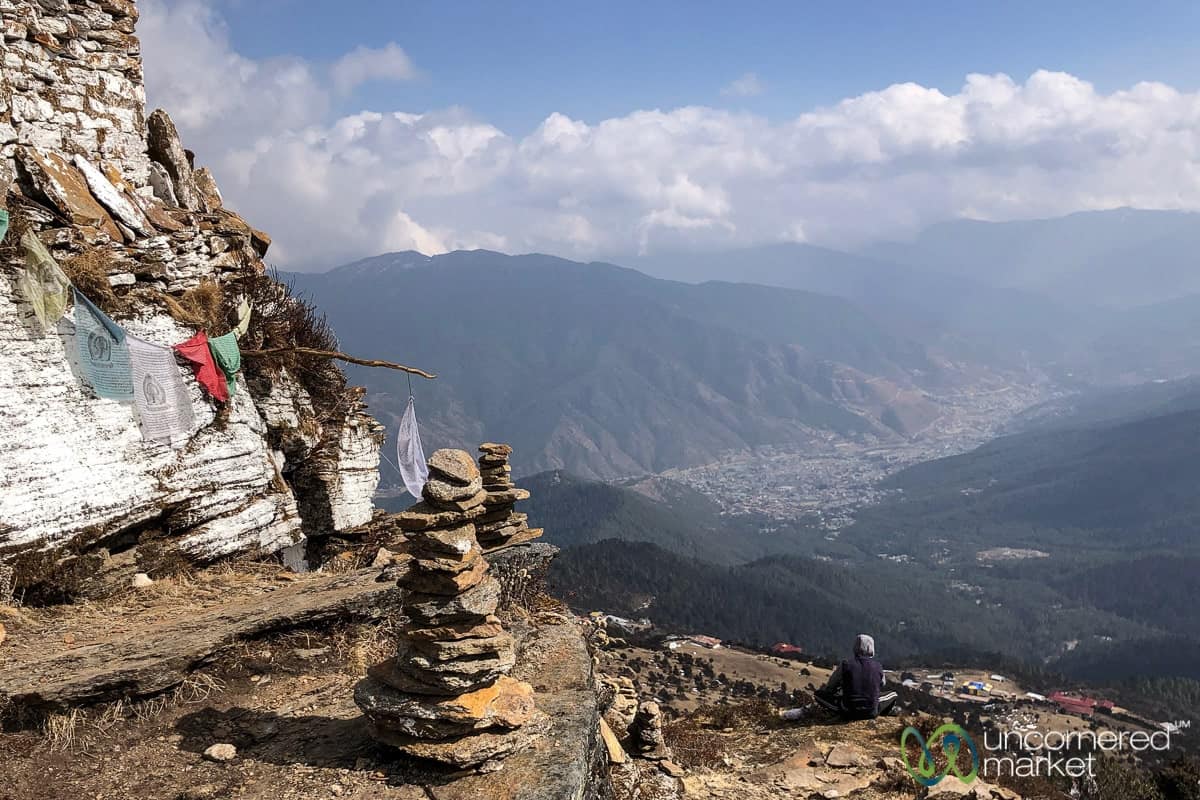
Day 2 introduces more demanding terrain characterized by long, sustained ascents. Trekkers navigate a mix of streamside forest trails and steep switchbacks leading toward Narithang and the ridge overlook at Janye Tsho. The route passes prayer-flag-draped vantage points offering distant panoramas of snow-capped Himalayan peaks before reaching the high-altitude campsite near Simkotra Lake at 4,000 meters (13,100 feet). Due to the elevation, this site experiences some of the lowest nighttime temperatures along the route.
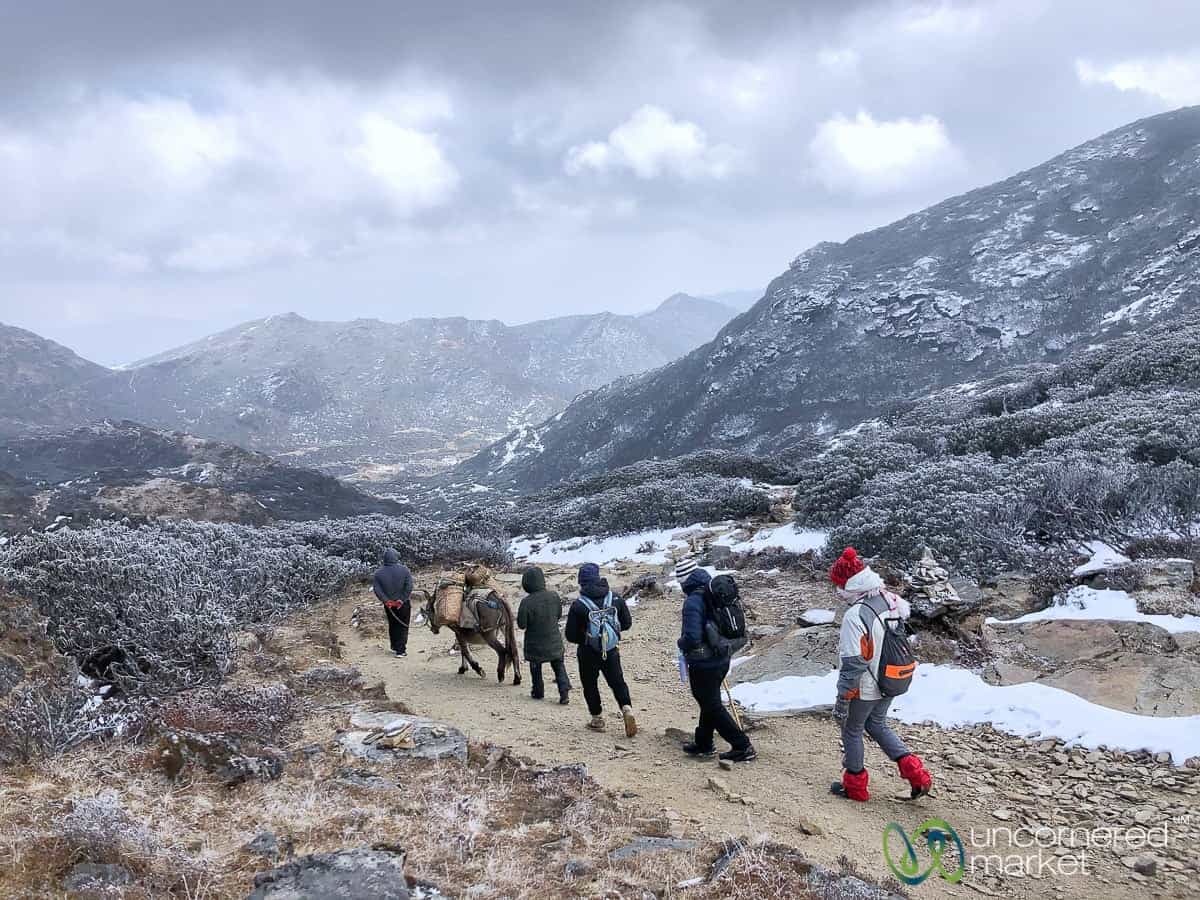
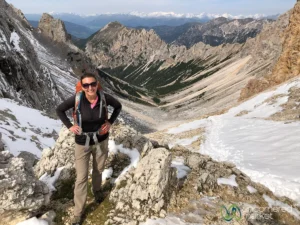
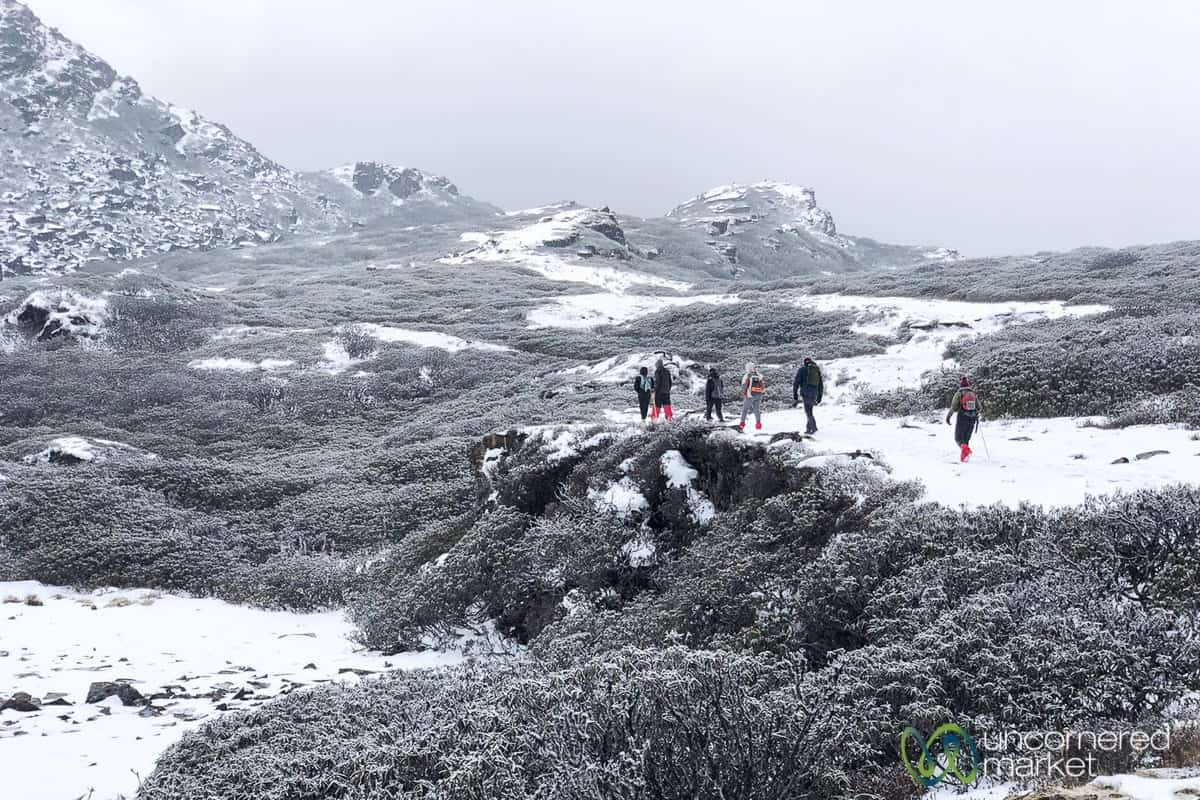
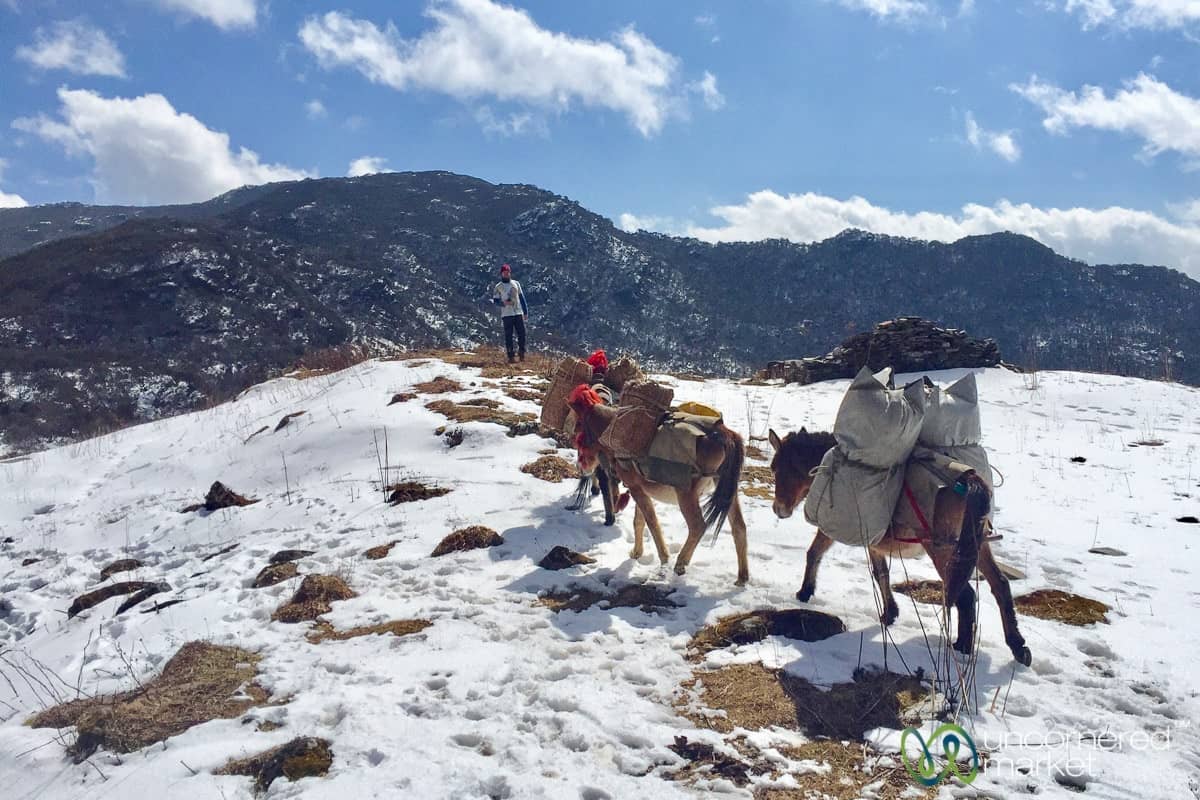
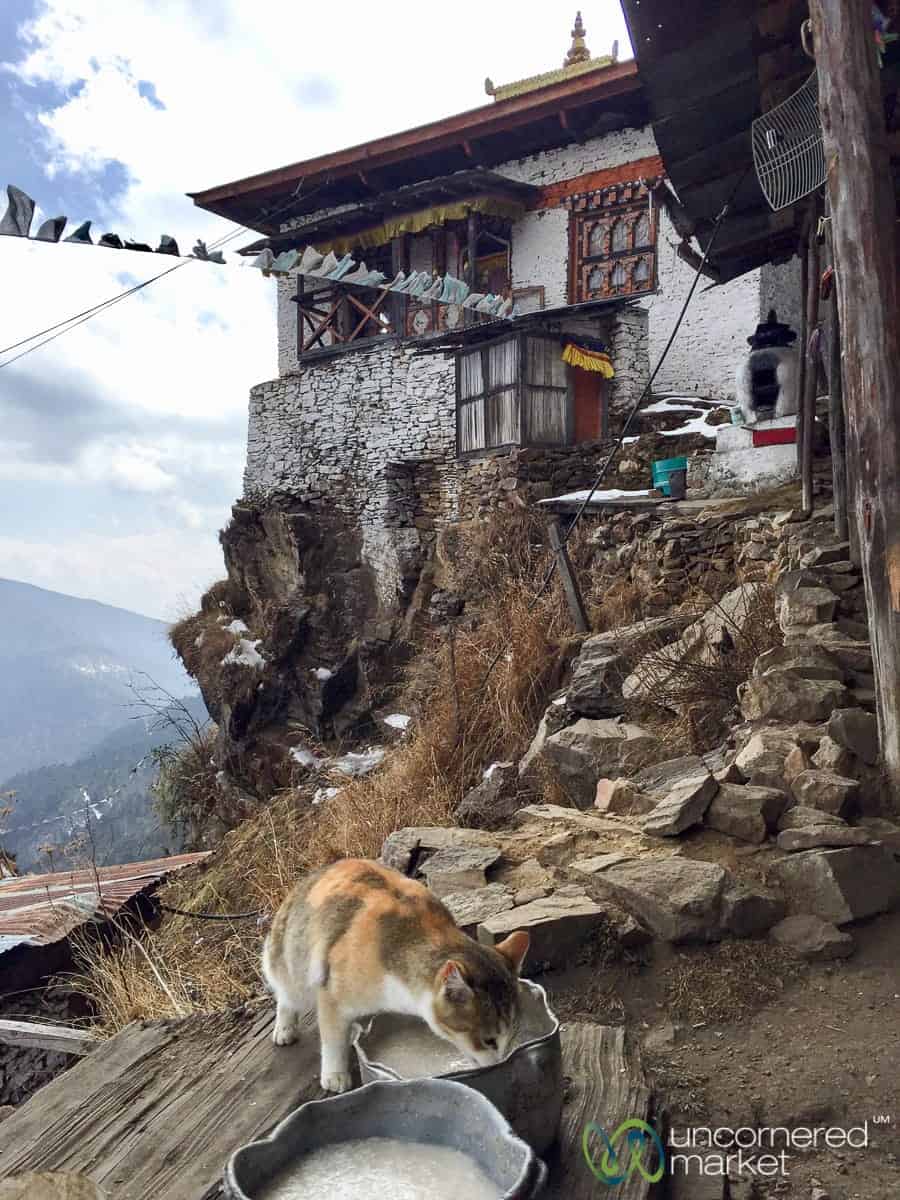
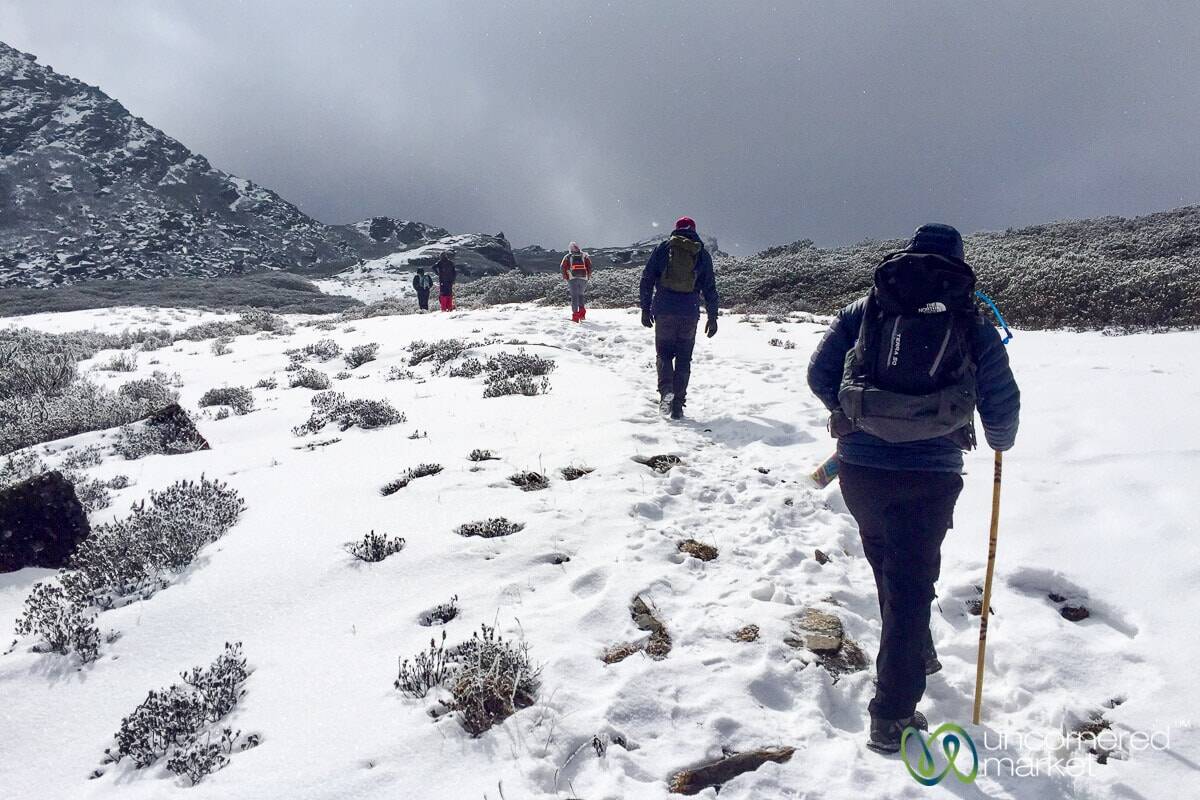
Day 3 represents the physical peak of the trek, ascending to Labana Pass at 4,200 meters (13,800 feet). Depending on seasonal weather patterns, this section frequently features striking alpine snowscapes. Descending from the pass, the trail traverses rocky ridges before arriving at the 14th-century Thujidrak Goemba meditation center, perched directly into a sheer rock face at 3,950 meters (13,000 feet). The day concludes with a descent through alpine fields to the Phajoding Monastery area.
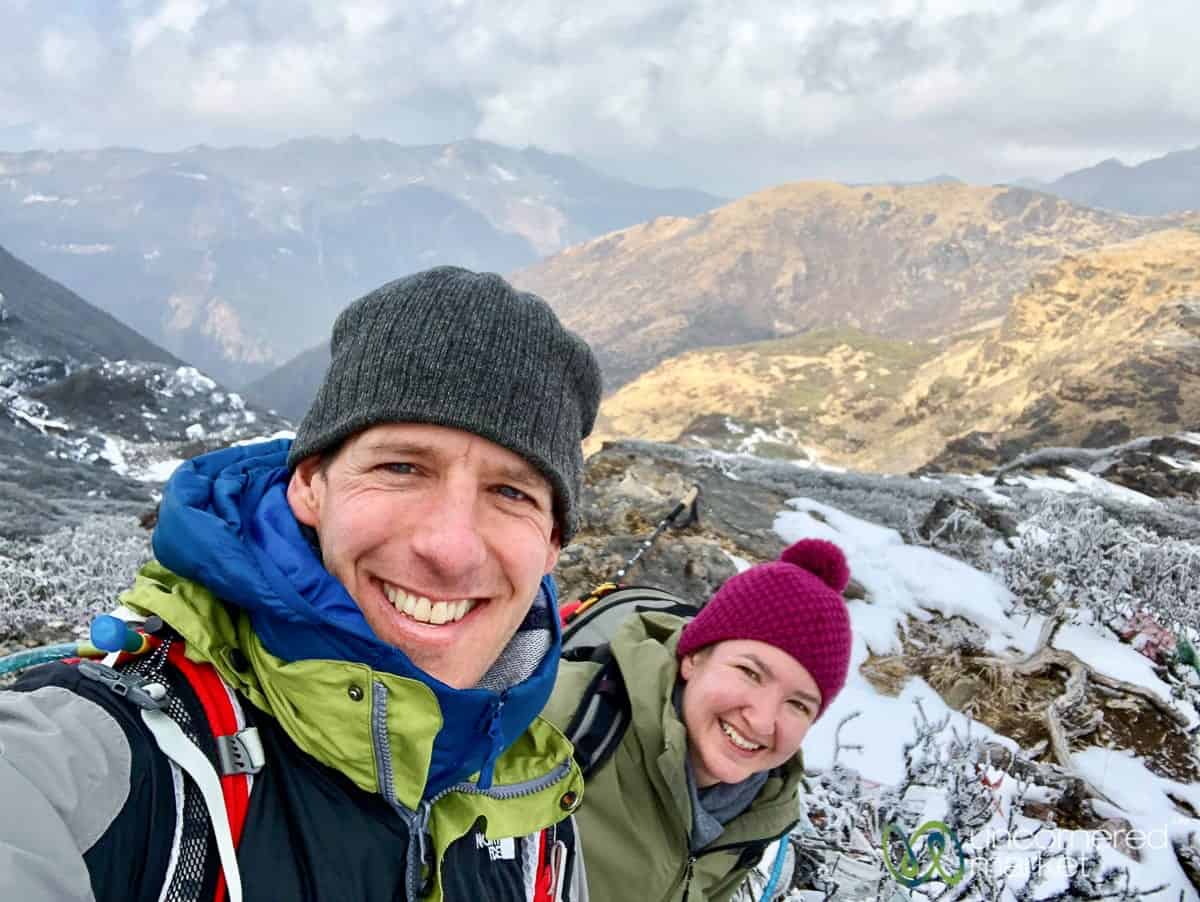
Day 4 marks the final descent into the Thimphu Valley. The trail drops rapidly through dense forest tracts, eventually intersecting with local mountain roads where transport vehicles await to return travelers to the capital.
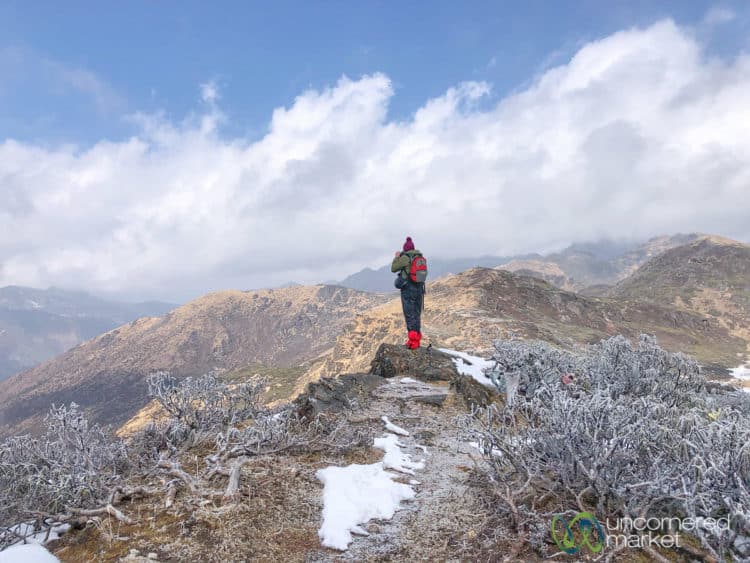
Difficulty Level, Altitude Management, and Environmental Conditions
Industry experts classify the Druk Path Trek as a medium-difficulty expedition. While the route requires no technical mountaineering equipment or climbing skills, participants must be prepared for sustained physical exertion at high altitudes.
Altitude sickness is a primary consideration for any Himalayan trek. Medical professionals and experienced guides strongly recommend pacing ascents conservatively—adopting a slow, steady rhythm rather than rapid bursts of speed—to facilitate natural physiological acclimatization. Hydration is equally critical; experts advise consuming several liters of water daily, often utilizing integrated hydration bladders for continuous fluid intake during active hiking hours.
Seasonal Variations and Winter Trekking
While the primary trekking seasons occur during the spring months of April and May—when native rhododendrons are in full bloom—and the clear autumn window from September to November, adventurous travelers occasionally undertake winter expeditions between January and February.

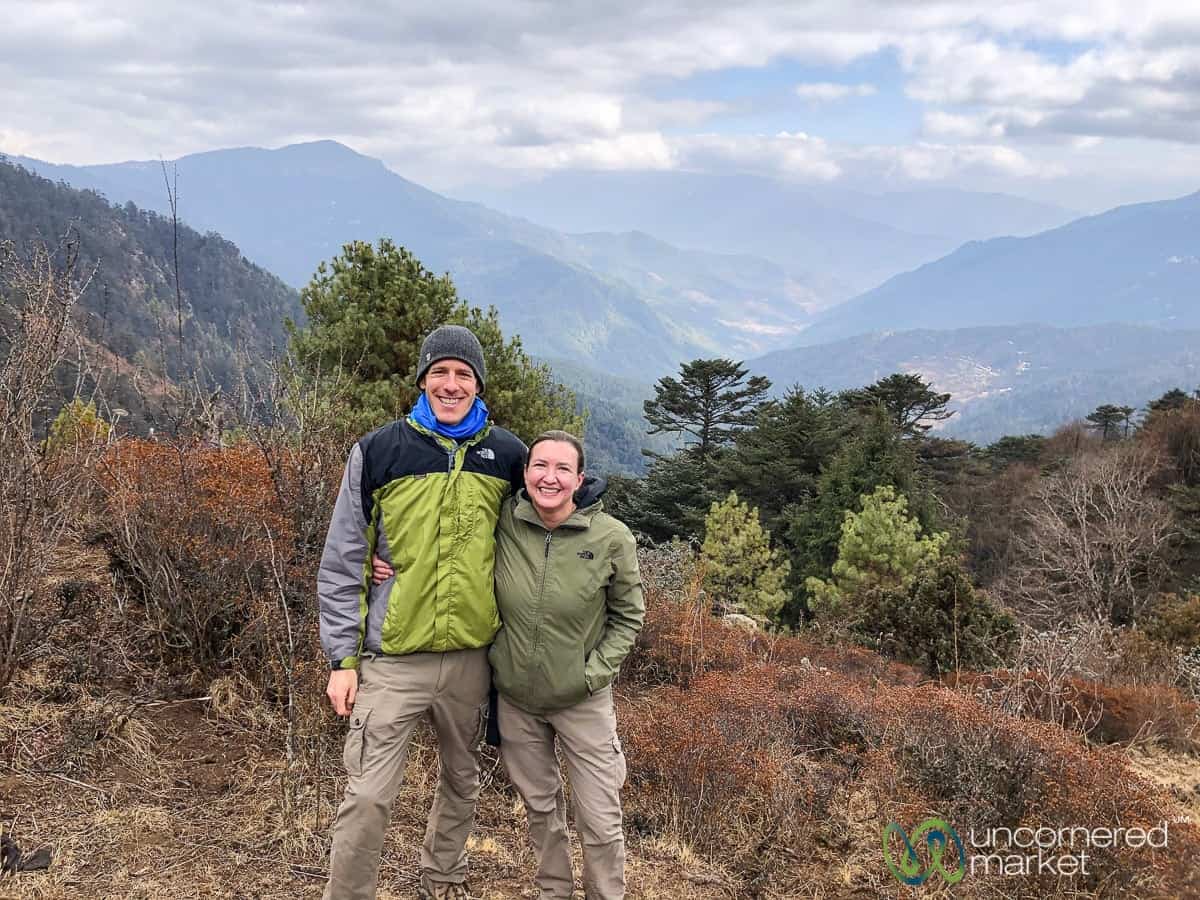
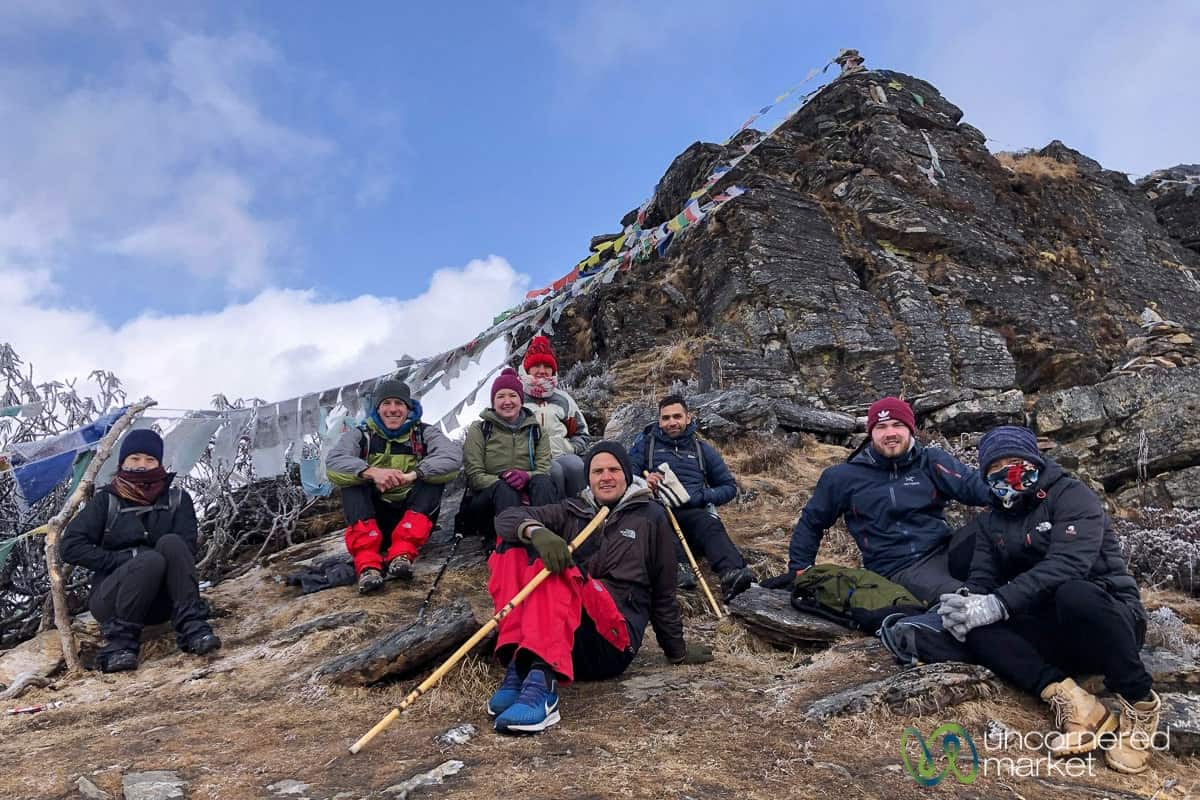
Winter trekking introduces unique operational challenges, including sub-zero nighttime temperatures dropping to -10°C (14°F) and occasional snow-covered paths. However, winter proponents note that cold-weather expeditions offer distinct advantages, including complete solitude on the trails, crisp atmospheric clarity, and undisturbed wildlife viewing. Successful winter completion requires specialized cold-weather gear, including comprehensive layering systems, windproof outer shells, and a winter-rated sleeping bag.
Logistics, Regulations, and Packing Protocols
Independent trekking is prohibited in Bhutan; all visitors must book their itineraries through licensed local tour operators or authorized international agencies. This regulatory framework ensures that every expedition is fully supported by professional staff and adheres to strict national conservation guidelines.
Luggage logistics are carefully regulated to protect pack animals. On standard group treks, personal baggage allocated for mule transport is strictly limited to 7.5 kilograms per person, encompassing sleeping bags, thermal layers, and evening attire. Daypacks are reserved for immediate trail essentials, including water systems, rain gear, high-energy snacks, and cameras.
Comprehensive preparation—from securing appropriate gear to respecting local customs and environmental protocols—ensures a safe and profoundly rewarding journey through one of the world’s most carefully preserved mountain ecosystems.