Cross-Generational Travel: How an 86-Year-Old Mother and Her Daughter Redefined Family Exploration in the UK

The landscape of modern tourism has experienced a profound structural shift over the past decade, moving beyond the traditional nuclear family dynamic to embrace multi-generational and cross-generational travel. Recent industry data from luxury and family travel networks highlights a staggering 40% increase in adult children taking dedicated trips with their aging parents, signaling a cultural evolution in how families choose to spend their disposable income and precious leisure time. Proving that chronological age is merely a statistic rather than a limitation, longtime Ciao Bambino client Becky O’Grady recently embarked on a meticulously curated, eight-day journey across the United Kingdom with her 86-year-old mother, Jackie Castle. This expedition serves as a powerful case study in the logistical viability, emotional rewards, and therapeutic benefits of adult-child and senior travel partnerships in an era of heightened global connectivity.
The genesis of the journey lay in a desire to bridge geographic separation and demanding professional schedules. Becky O’Grady, a full-time working professional, and her mother, Jackie—who maintained a rigorous corporate and personal life until retiring in her late 60s—rarely found the uninterrupted bandwidth required for deep, immersive bonding. The strategic itinerary was designed by Susan Robinson, a senior travel advisor with Ciao Bambino, whose expertise ensured that every logistical hurdle, from accessible transportation to intellectually stimulating excursions, was accounted for before departure. The resulting eight-day framework was engineered to balance high-engagement cultural exploration with necessary physical pacing, offering a masterclass in how travel agencies can tailor high-end itineraries for non-traditional demographic pairings.
Structuring the Itinerary: A Balance of Pacing and Serendipity
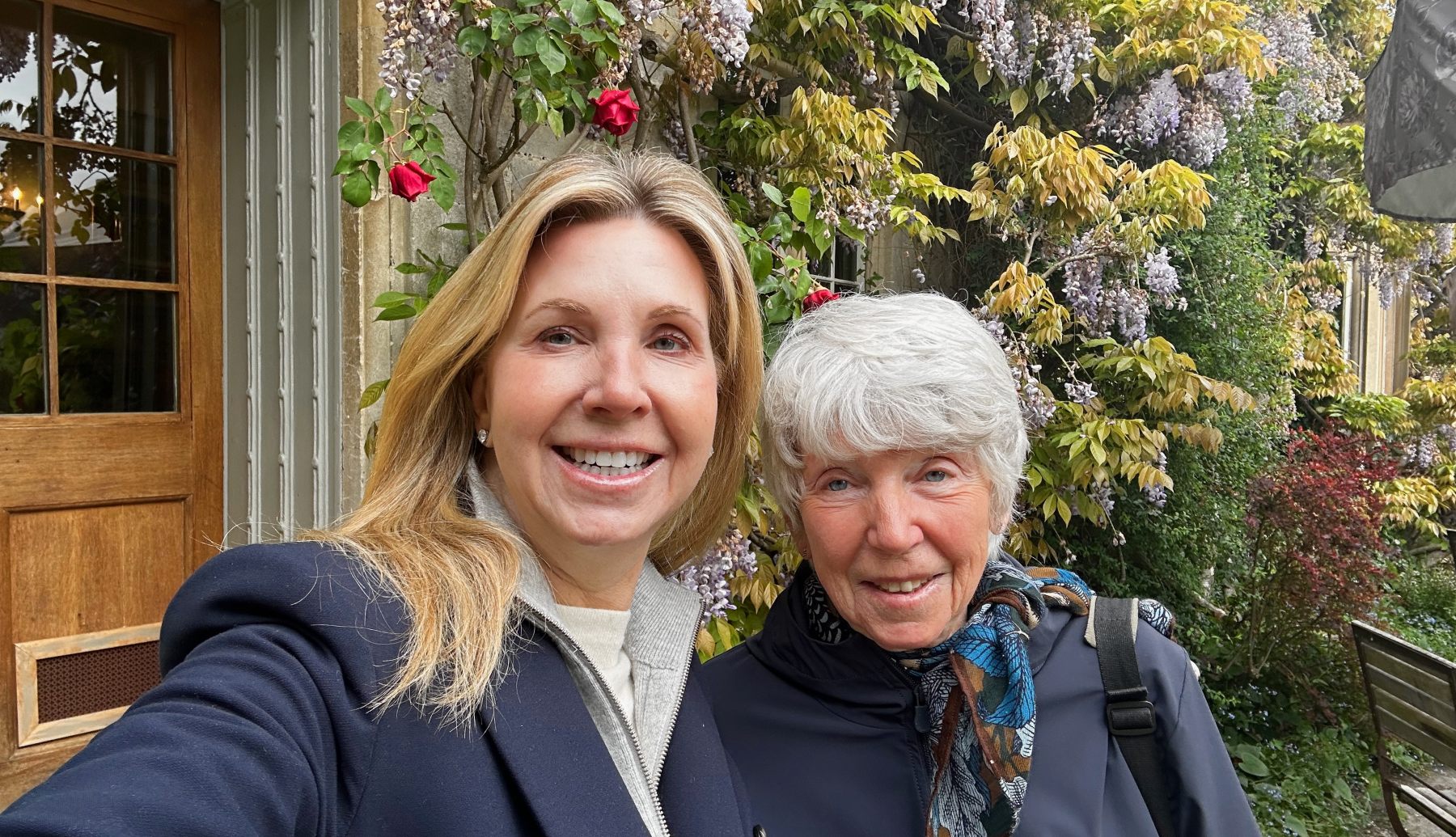
The logistical blueprint of the O’Grady-Castle expedition spanned several distinct regions across England, chosen deliberately to satisfy both personal nostalgia and multi-generational connection. The journey commenced in London, a global transit and cultural hub, which conveniently served as the residence of Becky’s adult son. By anchoring the first phase of the trip in the British capital, the duo successfully bridged three generations, allowing the 86-year-old grandmother to experience her grandson’s daily urban routine firsthand—from navigating the bustling Tube network to patronizing his local grocery store.
Following the London introduction, Becky and Jackie transitioned westward, utilizing the British rail network to reach the historic city of Bath before acquiring a rental vehicle. Transitioning to self-drive logistics in a foreign country can present immense cognitive and physical challenges, particularly given the UK’s narrow, cobblestoned streets and left-hand traffic configuration. However, Becky noted that the flexibility afforded by the rental car was indispensable for accessing the rural idyll of the Cotswolds—a region defined by its quintessential English countryside aesthetic, honey-colored limestone architecture, and rich literary history.
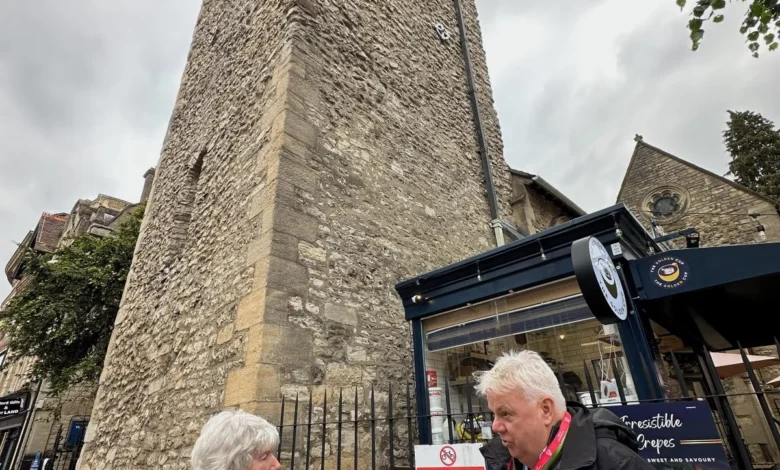
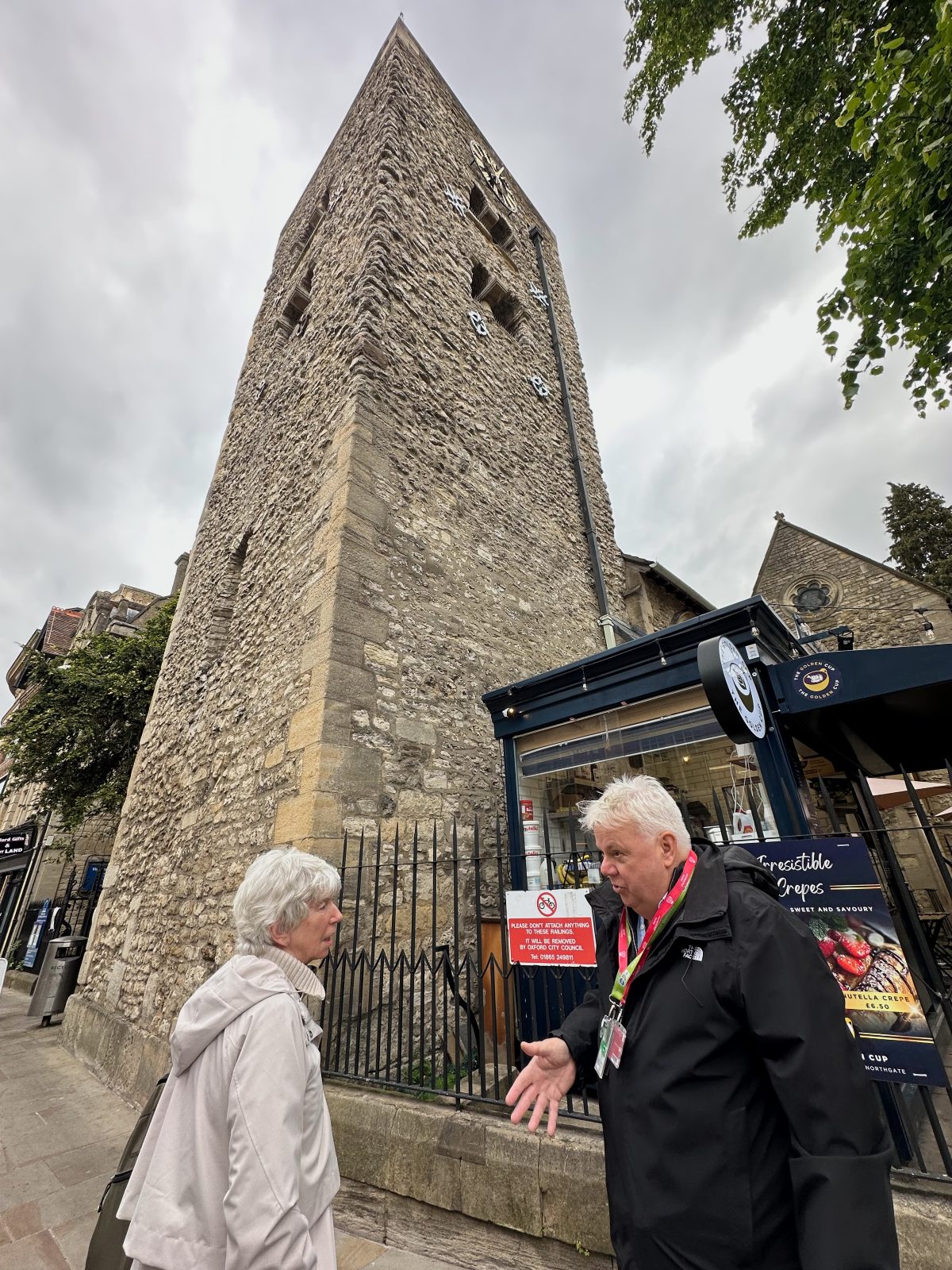
Among the itinerary’s high points were private visits to cultural and historical landmarks tailored to Jackie’s academic background. As a holder of a Ph.D. in English with a profound passion for history and biographical literature, Jackie’s intellectual curiosity was fully engaged through visits to the historic home of textile designer and author William Morris, as well as Highgrove, the private estate of King Charles III. Later, the pair journeyed to Oxford—where Jackie had spent a formative summer studying in her youth—engaging local history guides in sophisticated discourse that occasionally featured lighthearted academic fact-checking. The eight-day circuit concluded back in London, punctuated by a spontaneous decision to attend a performance of the critically acclaimed musical Hamilton, demonstrating how a well-paced itinerary preserves the bandwidth required for opportunistic cultural engagement.
The Mechanics of Senior-Centric Travel: Logistics and Risk Mitigation
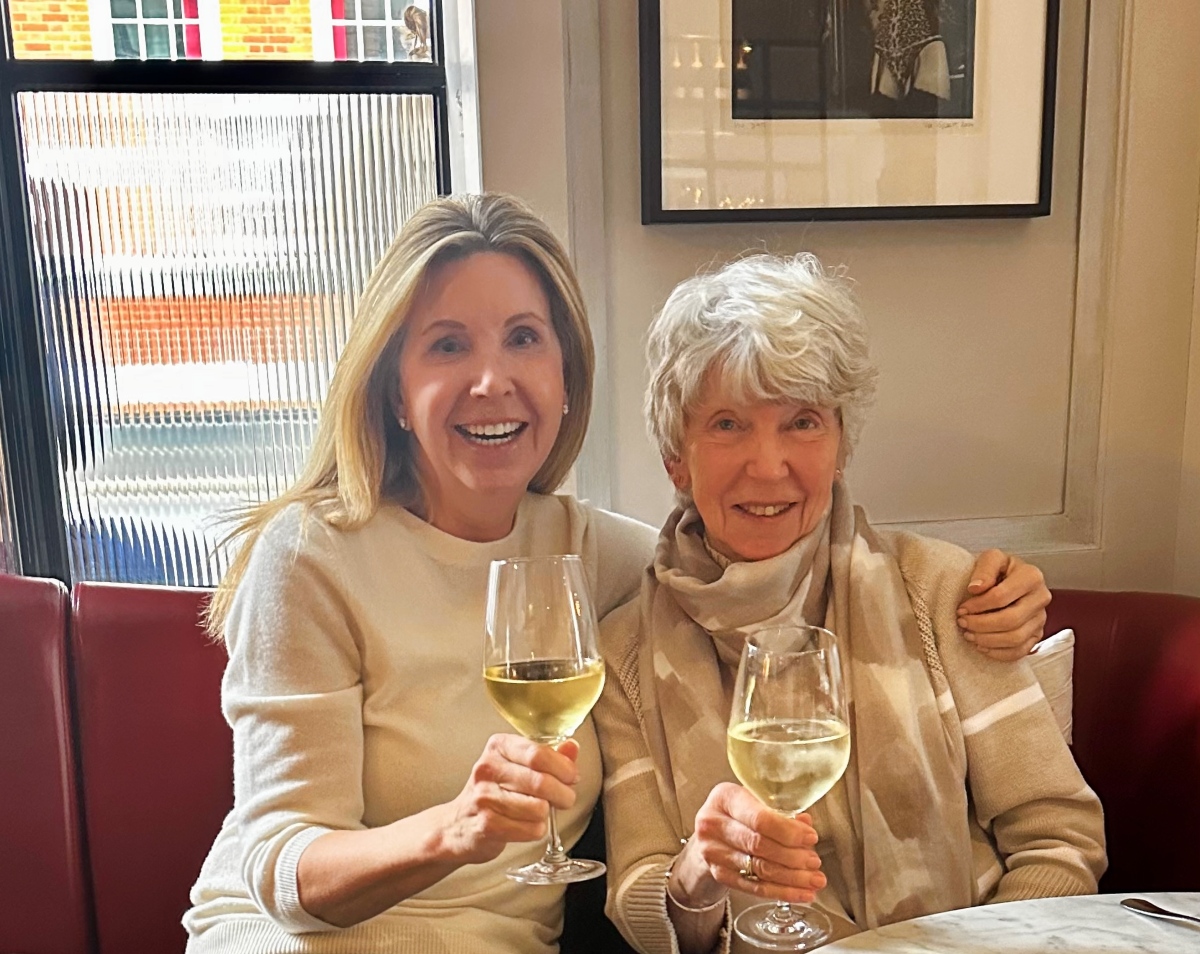
The economic and operational implications of traveling with elderly family members require specialized planning that mirrors the precision needed for traveling with toddlers. Industry analysts emphasize that senior travel is one of the fastest-growing sectors in the tourism market, driven by an aging global population characterized by higher baseline health and longevity. According to gerontological health statistics, active seniors who engage in daily physical practices—such as Jackie Castle, who maintains a disciplined routine of swimming and yoga—exhibit significantly higher resilience when subjected to the micro-stressors of international travel, including jet lag, shifting climates, and prolonged walking tours.
Nevertheless, adult children acting as caregivers must navigate a complex psychological and physical role reversal. Becky O’Grady candidly observed the parallels between safeguarding an octogenarian parent and managing young children. The responsibility extends beyond basic physical safety to encompass vigilant monitoring of energy expenditure, hydration, and emotional well-being. To mitigate these risks, the O’Grady itinerary adhered to a strict "less is more" philosophy: anchoring each day around a single, primary cultural outing while leaving afternoons open for rest, unstructured wandering, or spontaneous adjustments based on real-time energy levels.
Furthermore, utilizing professional travel advisories minimized the friction inherent in independent booking. Industry experts note that the financial investment in custom travel planning—often encompassing vetted, accessible accommodations, private transfers, and VIP entry perks—delivers substantial returns by eliminating logistical anxieties. For families navigating the delicate transition of aging parents into their twilight years, third-party operational support allows the traveling pair to focus exclusively on interpersonal connection rather than navigational troubleshooting.
Socio-Emotional Implications and the Evolution of Family Bonds
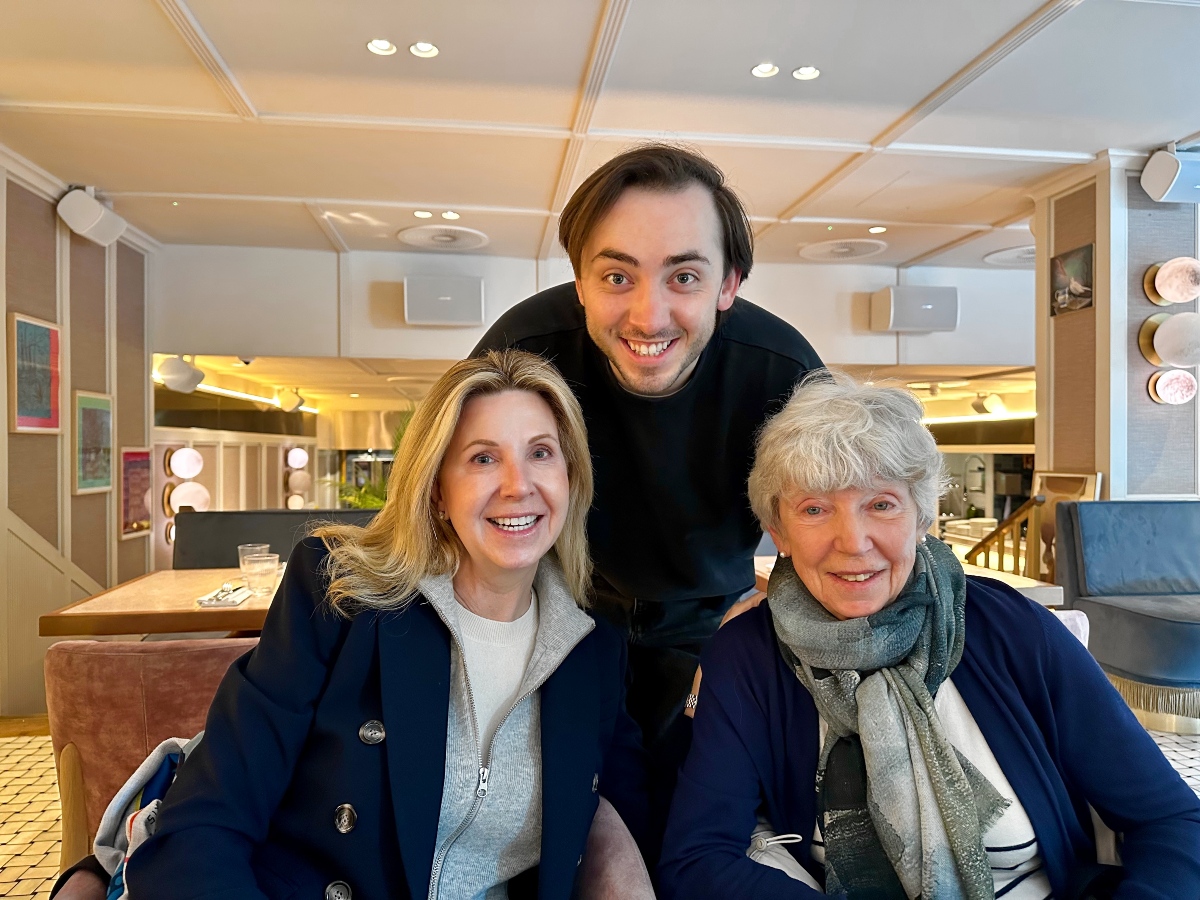
Beyond the logistical mechanics, the O’Grady-Castle journey underscores deeper sociological trends regarding the evolution of family structures in the twenty-first century. Sociologists specializing in family dynamics point out that modern adult life—marked by demanding careers, geographic dispersion, and fast-paced schedules—frequently reduces parent-child interactions to superficial digital check-ins. Prolonged, immersive travel acts as a psychological catalyst, stripping away domestic distractions and forcing a return to shared physical presence.
For Becky and Jackie, the eight-day window functioned as an unprecedented relational reset. Confined to the shared quarters of hotels and trains, the duo engaged in extended dialogue that transcended routine weekly phone calls. Jackie remarked to her daughter that they had not spent such concentrated, uninterrupted one-on-one time together since Becky was a high school student. This qualitative immersion yielded profound psychological dividends, fostering mutual empathy, strengthening feelings of security, and engendering a deeper appreciation for the aging process.
From an analytical perspective, observing an aging parent navigate the world with autonomy and intellectual vigor provides adult children with a tangible blueprint for healthy longevity. Becky noted that witnessing her mother’s disciplined morning routines and fierce intellectual curiosity offered an invaluable masterclass in intentional aging. Rather than viewing the later chapters of life through a lens of decline, the experience reframed aging as a distinct phase defined by community engagement, deliberate lifestyle choices, and an unyielding appetite for discovery.
Broader Industry Impact and Future Outlook for Multi-Generational Tourism
The success of the O’Grady-Castle UK expedition reflects a broader commercial pivot within the global hospitality and tourism sectors. Travel providers are increasingly developing specialized portfolios catering to the "empty nest" demographic and multi-generational family units. Market research indicates that multi-generational travel bookings have surged by over 50% compared to pre-pandemic baselines, as families prioritize experiential spending over material acquisitions to build lasting memories across generations.
Industry leaders project that this trend will continue to accelerate as the Baby Boomer generation transitions fully into retirement, retaining higher disposable incomes and a more adventurous travel appetite than previous senior cohorts. Travel agencies are responding by expanding their consultative services, offering specialized training for advisors to handle mobility accommodations, dietary restrictions, and pacing adjustments tailored to elderly travelers without sacrificing luxury or authenticity.
As families continue to grapple with the spatial and temporal fragmentation of modern life, structured expeditions like the one undertaken by Becky O’Grady and Jackie Castle offer a compelling template for bridging generational divides. By combining professional logistical support, intentional pacing, and a shared openness to cultural discovery, families can transform travel from a simple leisure activity into a profound instrument for emotional preservation and intergenerational legacy.