A Slow Weekend Itinerary for Couples in Milan Balancing Urban Energy with Historic Thermal Wellness

Milan is a city that traditionally rewards velocity. Couples traversing its avenues are often swept up in a relentless momentum—starting with the morning rush to the Duomo, transitioning into midday navigation of the bustling fashion districts, and culminating in evening aperitivos before late-dinner reservations. Most traditional weekend travel guides advise visitors to sustain this high-octane pace from Friday arrival through Sunday evening departure. However, a re-evaluation of the contemporary urban travel experience suggests a different paradigm: embedding a deliberate, prolonged pause into the middle of a 48-hour itinerary. By intentionally stepping off the grid of constant transit and reservations, travelers can achieve a far more balanced and restorative urban exploration.
Structuring a two-day couples’ itinerary in Milan requires a delicate equilibrium. Rather than attempting to maximize the number of sights visited, contemporary travel strategies emphasize the alternation of high-energy cultural sightseeing with deep relaxation. This juxtaposition prevents traveler fatigue and transforms a standard, checklist-driven city break into a cohesive, memorable journey. The following comprehensive report outlines a modernized weekend framework, highlighting foundational architectural landmarks, neighborhood detours, and a central wellness anchor designed to reset the traveler’s tempo.
Day One: Navigating the Architectural and Cultural Heart of Milan
The foundational rhythm of the first day is inextricably linked to Milan’s historic density. The morning commences at the Piazza del Duomo, where crowds gather long before commercial establishments open their doors. The Milan Cathedral, a monumental Gothic masterpiece, took nearly six centuries to complete—construction began in 1386 under Archbishop Antonio da Saluzzo and concluded definitively in the mid-20th century. Today, the cathedral attracts approximately six million visitors annually, making strategic timing essential for any traveler seeking an intimate experience.
Access to the Duomo rooftop terraces, operational daily from 9:00 a.m. to 7:00 p.m. with final admission occurring one hour prior to closing, offers an expansive perspective of the metropolis. Visitors can ascend either via a staircase of roughly 250 steps or through a mechanized elevator system. Early morning ascents are strongly recommended by local tourism authorities; reaching the spires before the midday crowds affords couples an unobstructed view of the intricate marble facades and the sprawling urban grid below, a vantage point unattainable from the ground-level piazza.
By late morning, the itinerary shifts from monumental scale to intimate cultural immersion within the Brera district. Located just a short distance from the bustling commercial arteries, the Pinacoteca di Brera is housed within the Palazzo Brera, a monumental 17th-century palace that has served as a public gallery since 1776. The institution houses an extensive collection of masterworks by historical figures such as Raphael, Caravaggio, Andrea Mantegna, and Titian. Art historians and cultural analysts note that the gallery’s layout rewards unhurried contemplation rather than rapid traversal. Operating Tuesday through Sunday, the Pinacoteca provides a quiet intellectual counterweight to the morning’s architectural sightseeing.
Surrounding the palazzo, the cobblestone streets of Brera offer a distinct contrast to the hyper-commercialized fashion quarters. Labeled as Milan’s artistic heart, the neighborhood features independent galleries, antique shops, and discreet cafes that invite unstructured wandering. Concluding the first day, travelers typically engage in the quintessential Milanese ritual of aperitivo. This cultural practice—originating in northern Italy as a way to stimulate the appetite before dinner through the consumption of low-ABV alcoholic beverages paired with small culinary bites—encourages a loose, unhurried schedule before the transition into the evening hours.
Day Two: The Strategic Midday Pause and Neighborhood Exploration
The second day deliberately fractures the traditional sightseeing model, dividing the timeline into three distinct phases: a tranquil morning along historical waterways, a profound midday pause dedicated to thermal wellness, and an unhurried return to the city’s evening tempo.
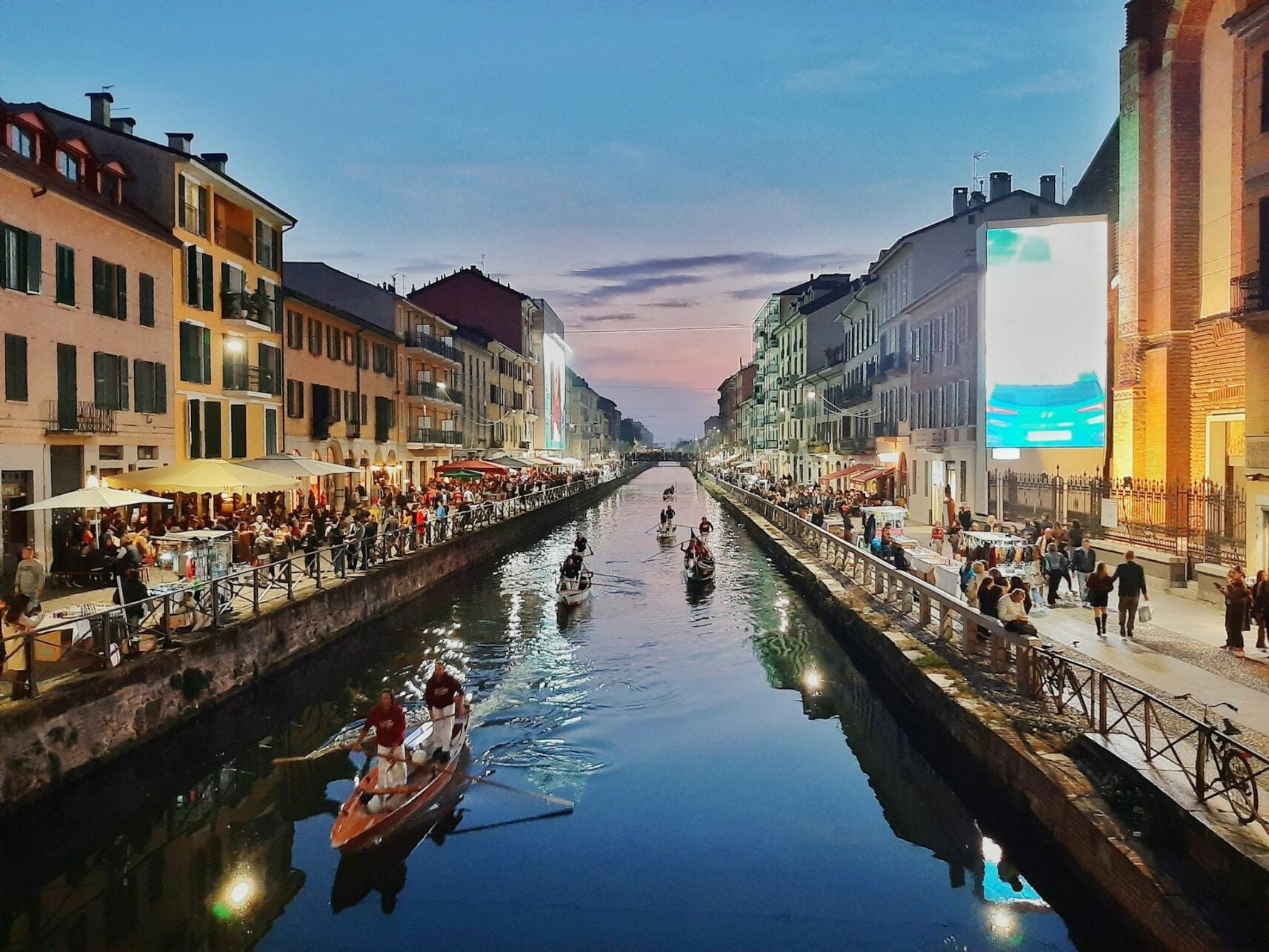
The morning initiates along the Navigli district, home to Milan’s surviving historic canals, the Naviglio Grande and Naviglio Pavese. These waterways represent remnants of an extensive commercial network once vital to the city’s logistics, famously featuring lock systems engineered in part by Leonardo da Vinci during his tenure in the city. Commencing a walking tour near Porta Genova, visitors trace the water toward the Vicolo dei Lavandai—a historic courtyard where local washerwomen traditionally performed laundry directly in the canal waters. This low-impact morning stroll establishes a calm mental register, preparing travelers for the central wellness experience of the weekend.
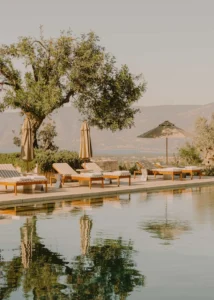
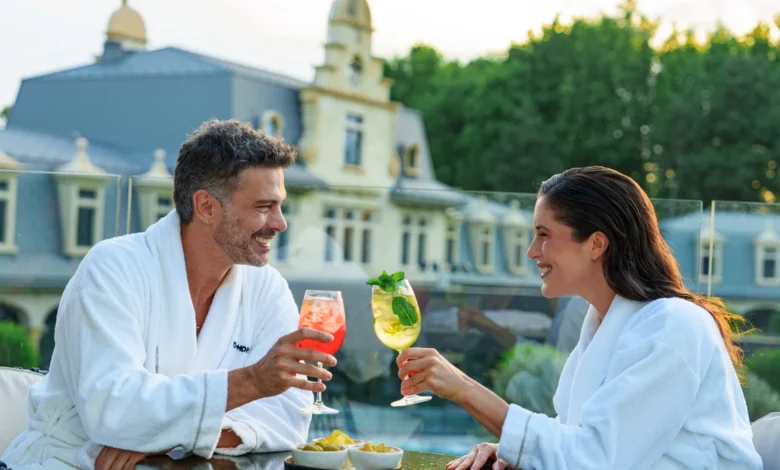
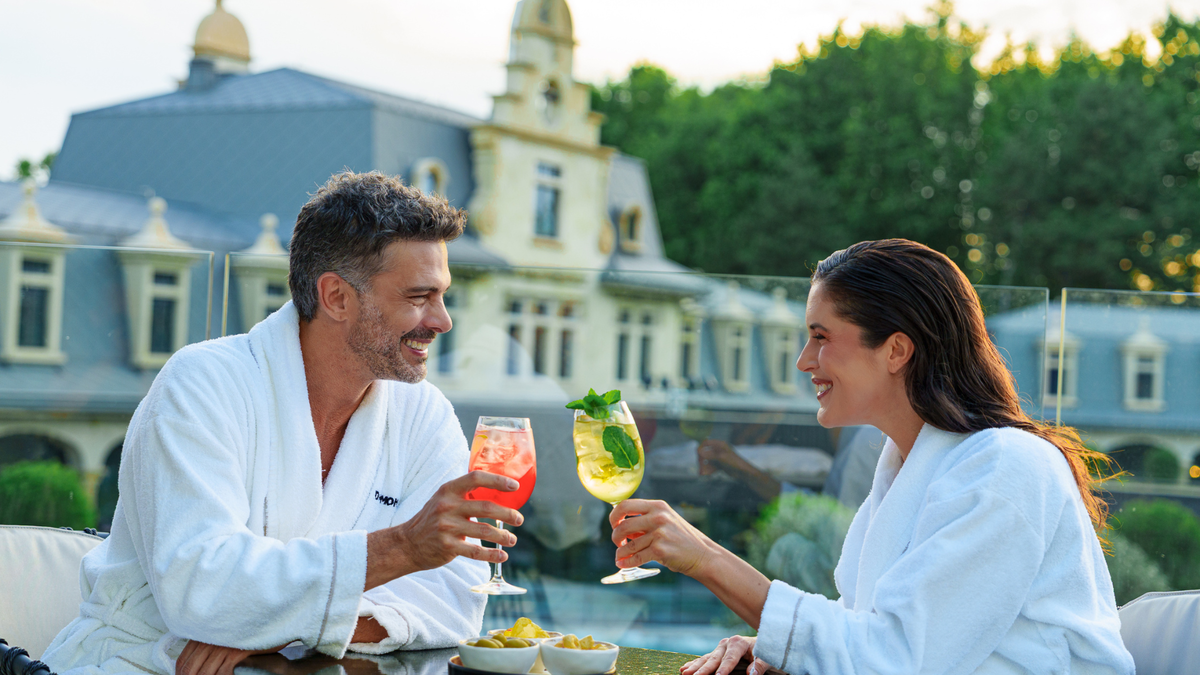
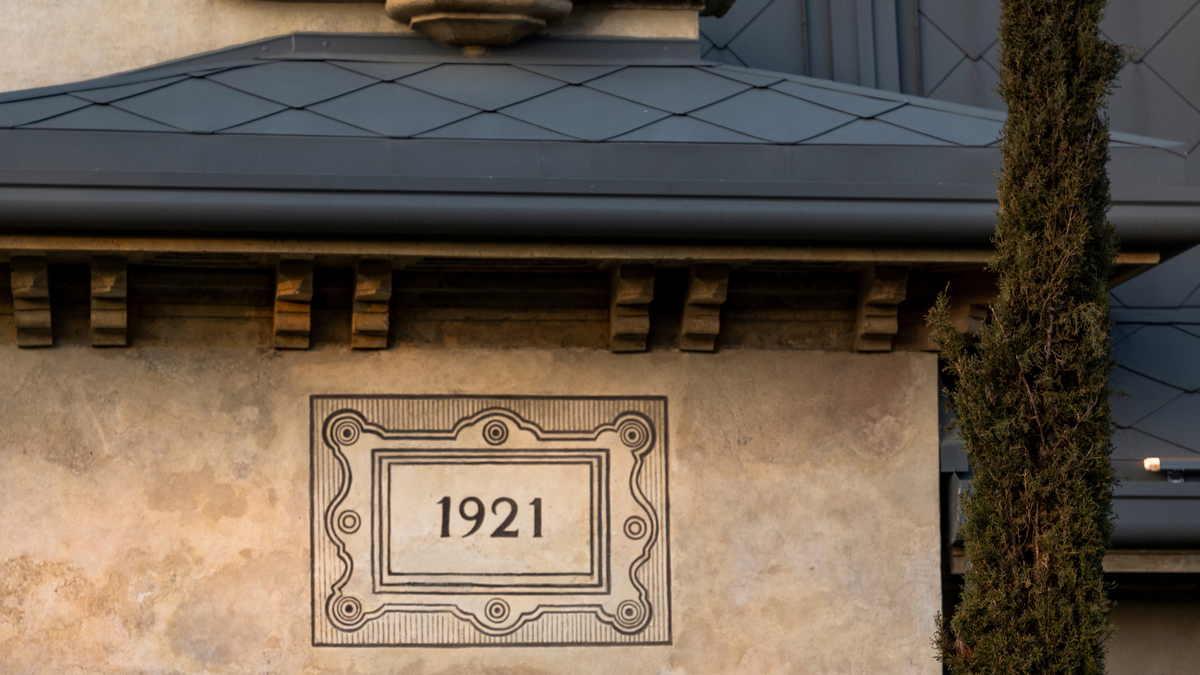
At the core of the second-day itinerary lies the Terme De Montel, situated within the historic Scuderie De Montel in the San Siro district. Dating back to 1921, the former horse stables have undergone a meticulous architectural restoration, transforming a derelict piece of industrial heritage into a contemporary thermal bath facility. Urban planners and historical preservationists have praised the project for repurposing a significant architectural asset while integrating modern sustainability and wellness infrastructure.
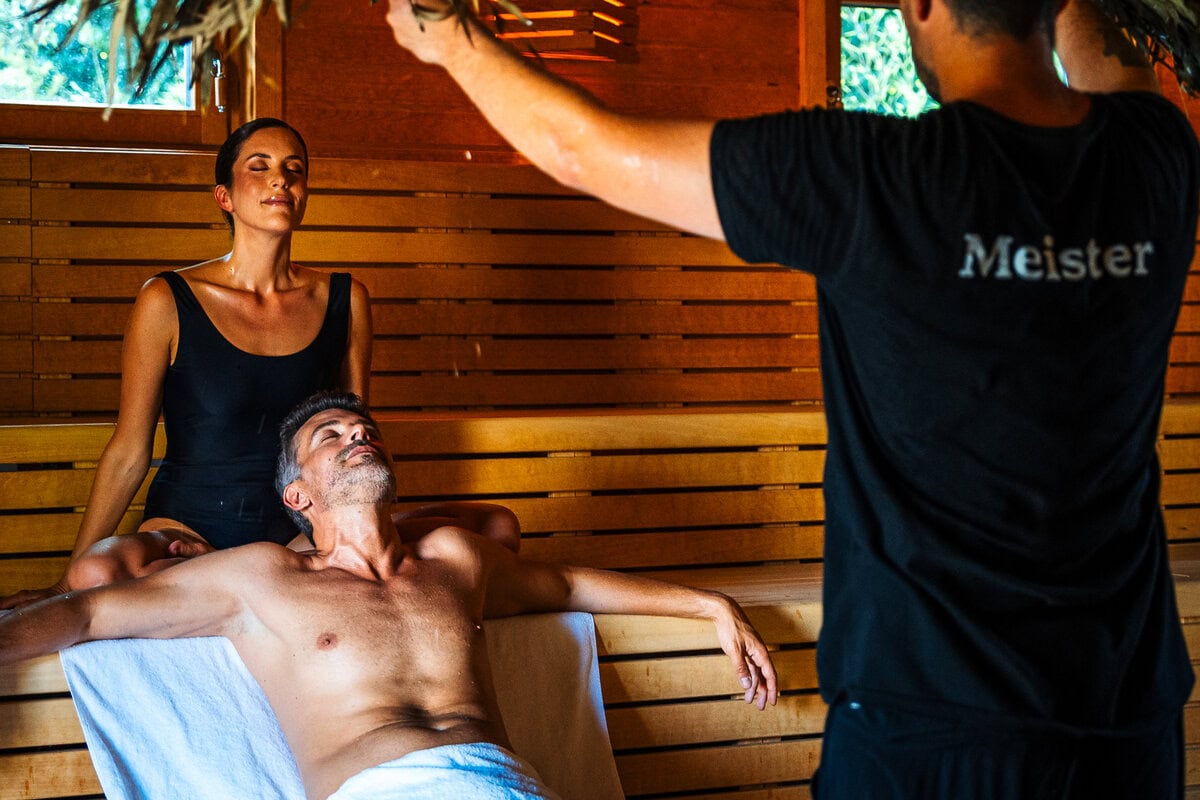
Upon entering the complex, the sensory transition is immediate. The ambient noise of metropolitan traffic and urban commotion recedes, replaced by an acoustic landscape dominated by the movement of thermal water and muted conversations. The facility utilizes mineral-rich thermal waters, creating a clean, understated environment designed explicitly to counter the physical toll of urban tourism. Industry experts observe that such wellness interventions act as a psychological reset, allowing travelers to disengage from the logistical friction of modern travel. Rather than operating on a rigid schedule, couples typically find that a planned multi-hour thermal break naturally extends, shifting the focus from external sightseeing inward toward shared relaxation.
Geographical Context and Urban Evolution of San Siro
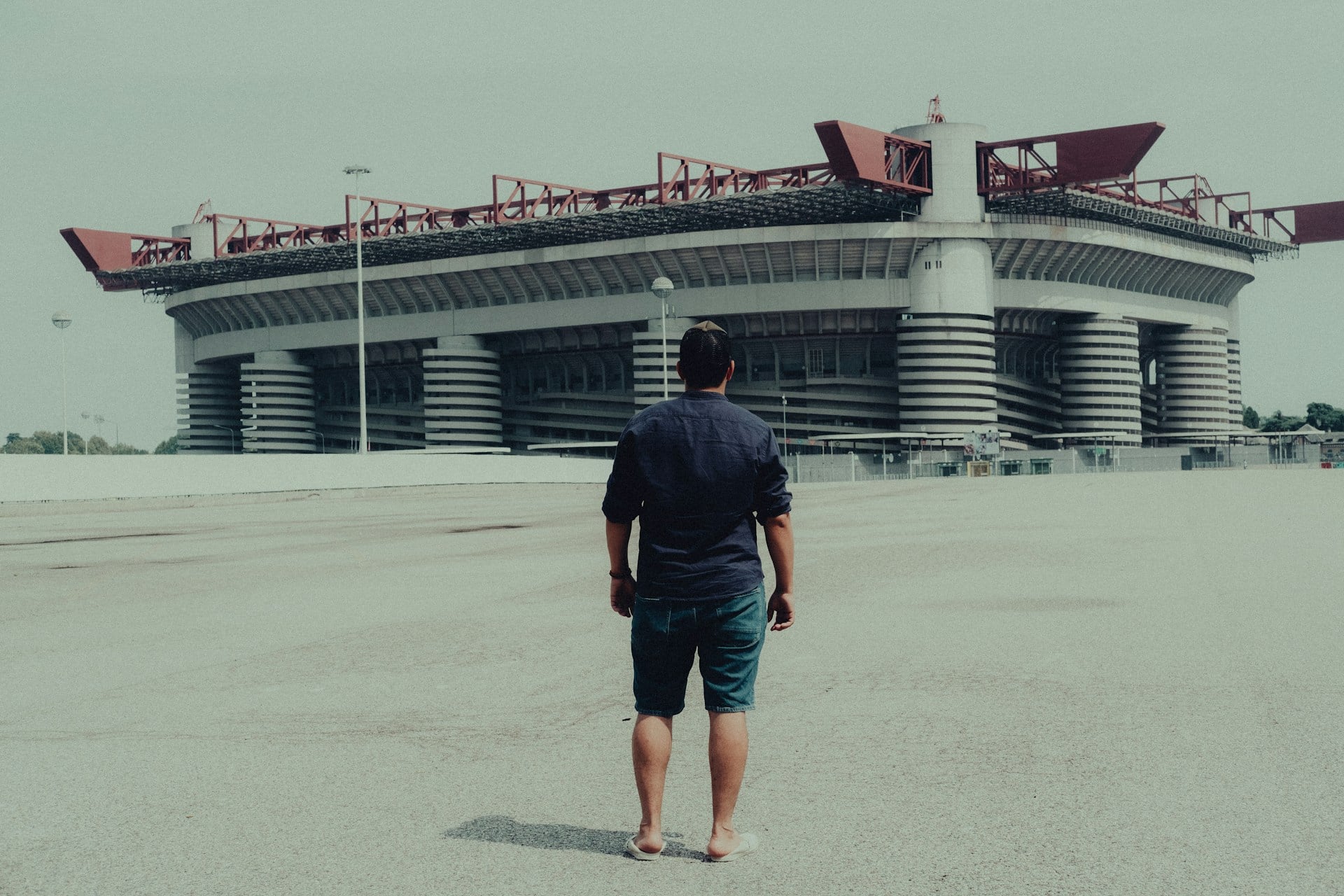
While international visitors frequently associate the San Siro district exclusively with the Giuseppe Meazza Stadium—commonly known as the San Siro Stadium, home to both A.C. Milan and F.C. Internazionale—the surrounding neighborhood possesses a distinct character largely separate from football culture. San Siro features abundant green spaces, tree-lined residential avenues, and a quieter architectural density compared to the historic center.
The integration of Terme De Montel into San Siro underscores a broader municipal trend in Milan: decentralizing tourism and revitalizing peripheral neighborhoods through cultural and wellness infrastructure. By encouraging visitors to venture beyond the Duomo and the Quadrilatero della Moda, urban developers aim to distribute economic benefits more evenly across the metropolitan area while alleviating congestion in the historic core.
Practical Logistics for Travelers
Navigating a weekend itinerary in Milan requires an understanding of the city’s integrated transit network. The municipal center is remarkably compact, allowing the majority of central sights to be accessed on foot, complemented by an efficient metro and tram system. Reaching the Navigli or the San Siro district from the Piazza del Duomo requires only a brief subterranean or surface transit ride, eliminating the need for private automotive transport.
Climatic considerations also dictate the optimal utilization of the itinerary. While Milan experiences distinct seasonal shifts—ranging from humid, warm summers to cold, occasionally foggy winters—destinations like Terme De Montel operate year-round. Industry analysts note that winter visits offer a particularly compelling dynamic, as the stark contrast between the cold exterior environment and the heated thermal waters enhances the restorative benefits of the experience. Conversely, the summer months amplify the vibrant street life along the Navigli canals during evening aperitivo hours.
Economic projections and tourism data indicate that independent travel planning—where admissions for the Duomo rooftop, Pinacoteca di Brera, and thermal bath sessions are procured separately—allows couples greater flexibility in tailoring their expenditures to specific seasonal rates. Tourism boards continually advise advanced reservations for major cultural assets, particularly the Duomo terraces and high-demand wellness facilities, to mitigate wait times and ensure seamless scheduling.
Conclusion: The Implications of Slow Travel in Urban Centers
The adoption of a slow-travel itinerary within a major commercial and financial powerhouse like Milan reflects a broader shift in consumer behavior within the global tourism sector. As urban destinations grapple with the pressures of overtourism and the psychological fatigue associated with hyper-connected lifestyles, travel itineraries that prioritize deliberate pauses are gaining prominence.
By balancing the monumental scale and rapid cadence of day-one sightseeing with the restorative isolation of historical thermal baths on day two, travelers can engage with Milan on multiple levels. This dual-rhythm approach not only enhances the quality of the couples’ shared experience but also demonstrates the viability of integrating wellness infrastructure into traditional metropolitan tourism frameworks. As cities continue to evolve, the successful integration of heritage preservation, decentralized urban renewal, and deliberate pacing will likely define the future of sustainable city breaks.