The Essential Collection of New Literature Celebrating Global Drinks Culture and Viticulture

As autumn settles in, the publishing industry has unveiled a significant wave of literature dedicated to the intersection of oenology, mixology, and historical gastronomy. This seasonal influx of high-quality titles serves as both a reference guide for collectors and a scholarly exploration of the beverages that define global hospitality. From the private archives of historic French estates to the precise, ritualistic craft of Japanese bartending, these works offer a comprehensive look at the evolution of liquid culture.
The Preservation of Gastronomic Heritage: Chateau Haut-Brion
The release of A Story of Gastronomy & Wine: Château Haut-Brion Library, published by Rizzoli New York in partnership with HRH Prince Robert of Luxembourg, marks a milestone in the documentation of wine history. Château Haut-Brion, a first-growth Bordeaux estate with a lineage dating back to the 16th century, serves as the repository for one of the world’s most extensive private collections of antiquarian books, manuscripts, and culinary artifacts.
The project, curated by Brazilian art historian Petro Corrêa do Lago, synthesizes 150 unique pieces into a high-spec volume. The historical breadth of the collection is substantial, spanning from sixth-century Egyptian papyri to 20th-century correspondence. The archive provides a rare, tangible link to figures such as Louis XIV, whose menus from Versailles are documented, and Pablo Picasso, whose personal observations on wine are preserved in handwritten notes. Furthermore, the inclusion of technical research from Louis Pasteur and letters from Winston Churchill regarding the cultural significance of Champagne underscores the estate’s role in global diplomatic history.
This volume functions as both a historical record and a testament to the longevity of the estate, which was notably praised by Thomas Jefferson during his 1787 visit to France. By categorizing entries into themes such as "Diplomacy and Gastronomy" and "The Art of the Butler," the publication provides a structured, academic look at how wine has functioned as a central element of political and social discourse for centuries.
Shifts in Global Viticulture: The World Atlas of Wine
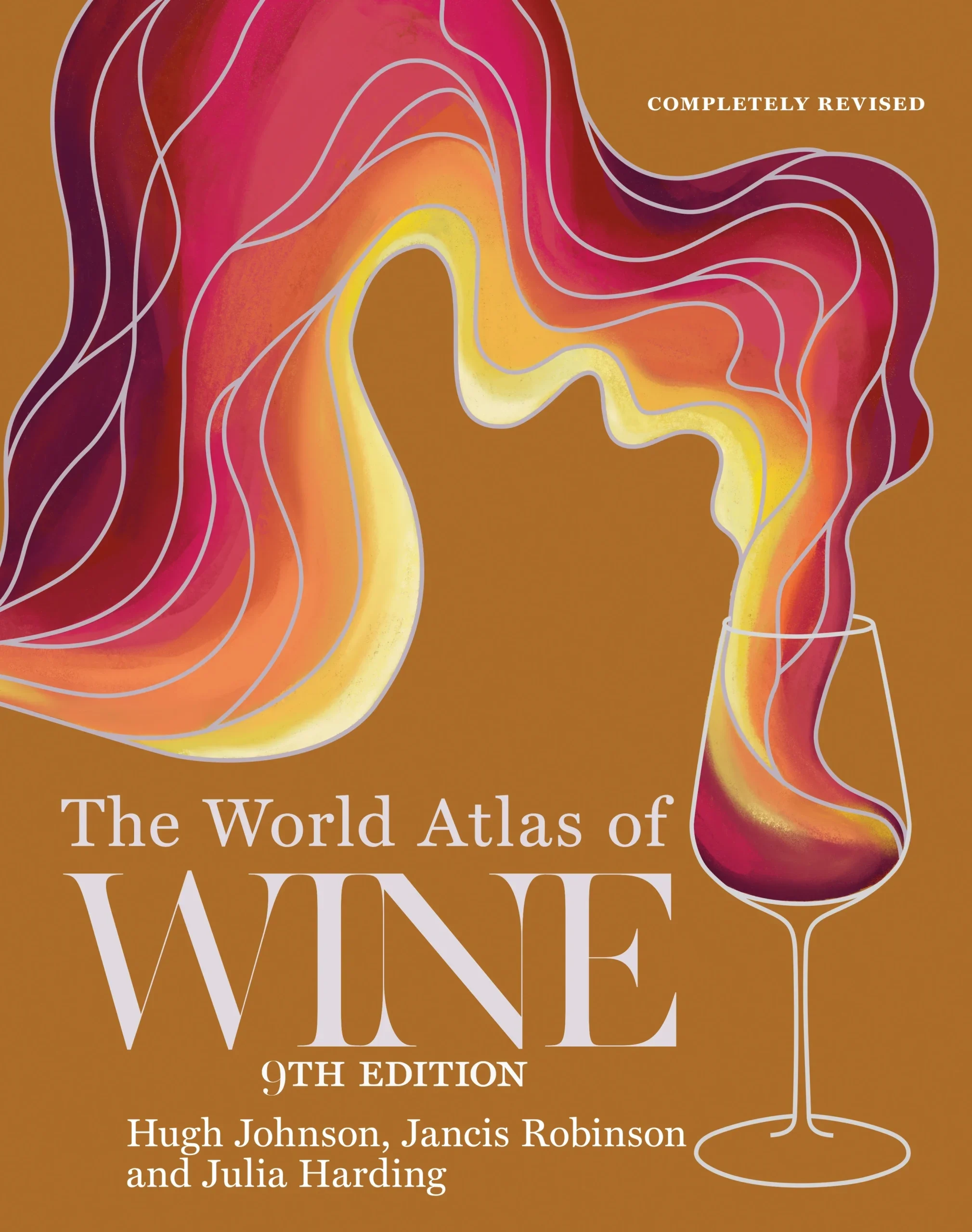
The publication of the 9th edition of The World Wine Atlas, authored by Hugh Johnson, Jancis Robinson, and Julia Harding, arrives at a critical juncture for the global wine industry. Since its initial inception, the Atlas has been widely considered the definitive reference for terroir, classification, and regional viticulture.
The current edition addresses the rapid environmental and economic shifts that have transformed the industry since 2019. Notably, the authors have expanded their scope to include northern European regions—such as Scandinavia and the Baltic states—where rising temperatures have facilitated the emergence of viable viticulture. The inclusion of eighteen new maps and updated cartography highlights the fluid nature of wine geography. Moreover, the book provides a robust analysis of contemporary industry challenges, specifically the push toward sustainability and the increased focus on indigenous grape varieties, such as Xinomavro and Rkatsiteli. This shift reflects a broader consumer trend toward biodiversity and regional authenticity, moving away from the dominance of international varietals that characterized the late 20th century.
Expert Perspectives on Italian Viticulture
David Gleave’s Barolo & Barbaresco: The Primacy of the Vine offers a deep dive into the Langhe region of Italy. Gleave, the co-founder of Liberty Wines and a long-time observer of Italian winemaking, brings decades of field experience to the text.
The work serves as a comprehensive manual for the serious oenophile, providing granular detail on the viticultural practices behind Nebbiolo, the signature grape of the region. Beyond technical viticulture, the book provides a social history of the area, profiling legendary producers like Gaja, Massolino, and Conterno. By grounding his analysis in the physical reality of the region—often emphasizing the importance of local topography—Gleave elevates the discourse beyond simple tasting notes. The inclusion of a dedicated section on the culinary traditions of the Langhe acknowledges the symbiotic relationship between regional food and wine, reinforcing the importance of terroir in both the glass and on the plate.
The Evolution of Modern Mixology
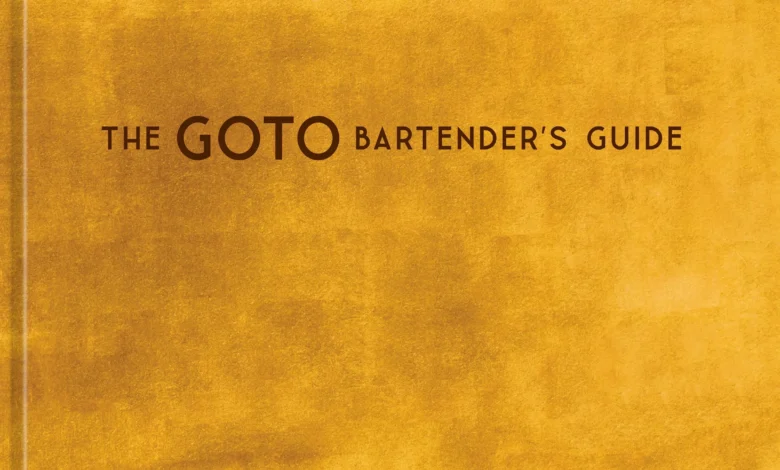
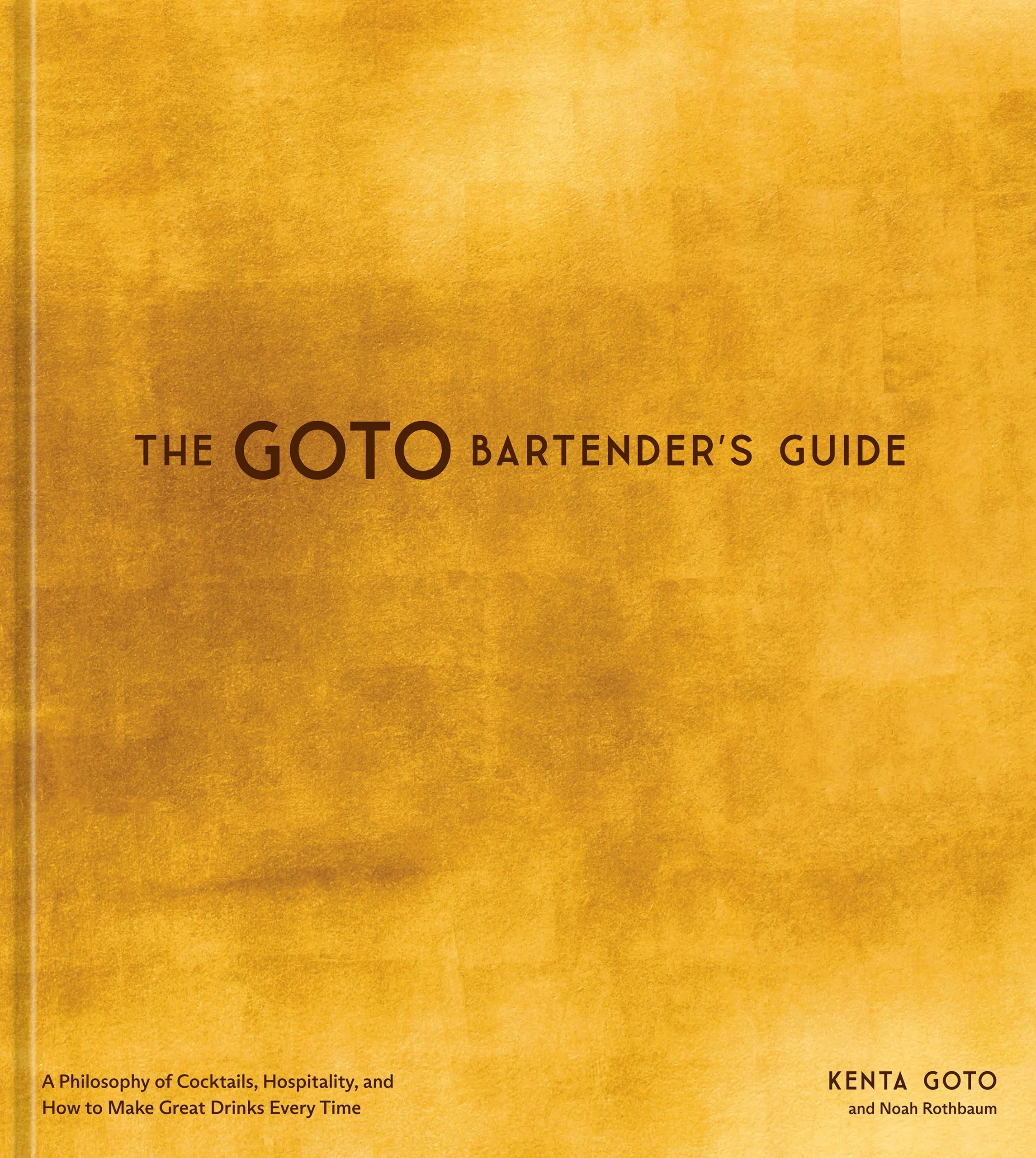
The literary landscape of cocktail culture has also seen a resurgence in rigor and technique, exemplified by The Goto Bartender’s Guide by Kenta Goto and Noah Rothbaum, and The Cocktail Hour: A Drinker’s Companion by Tim Hayward.
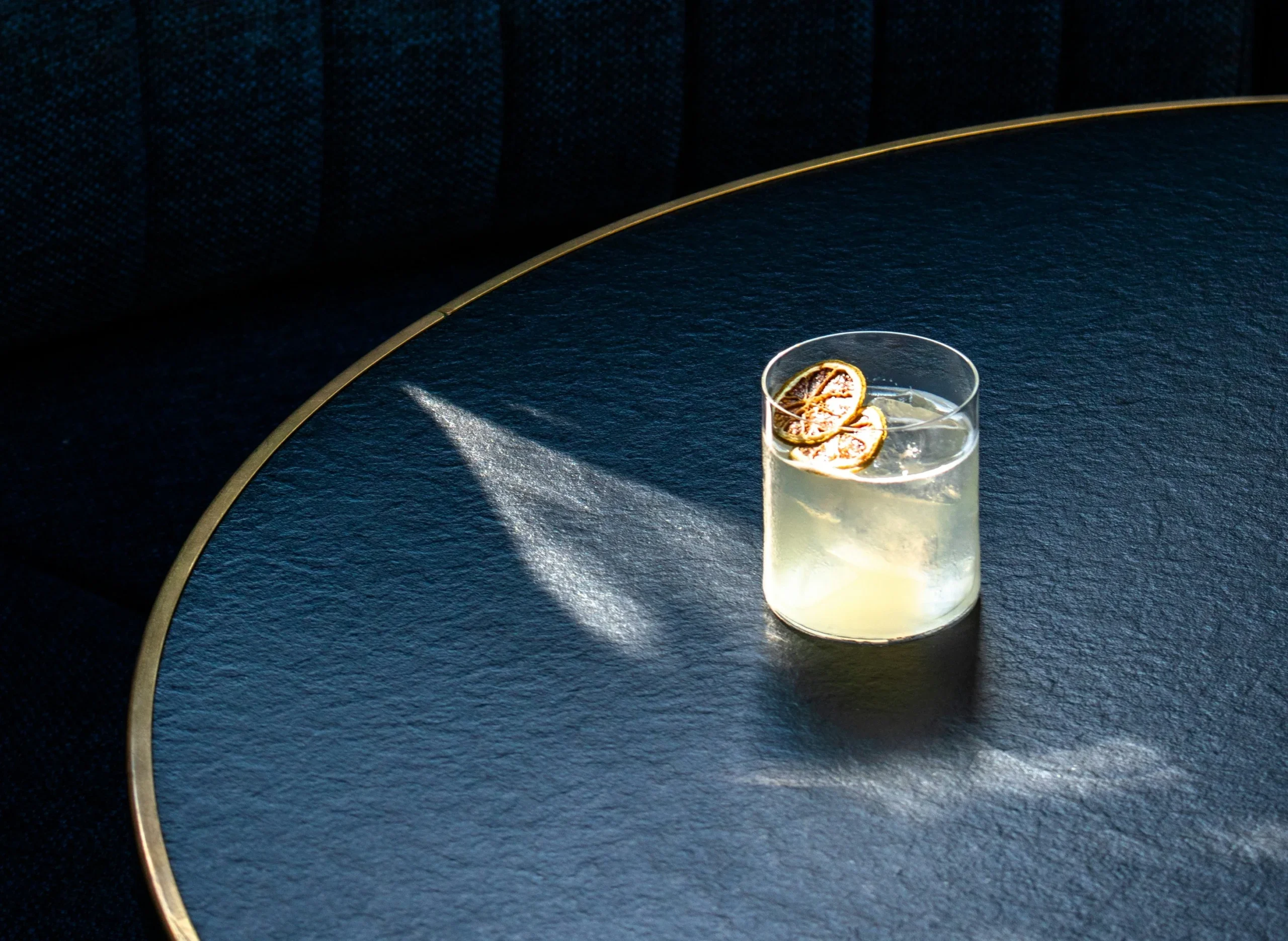
Kenta Goto, proprietor of Bar Goto in New York, brings a distinct Japanese approach to the domestic cocktail space. His methodology emphasizes the precision of movement—specifically the physics of stirring and shaking—which he tailors to both professional bar environments and the limitations of home equipment. The guide acts as a bridge between high-end Japanese hospitality and accessible home preparation, featuring classic recipes adapted with ingredients such as sake, shiso, and ume. The success of this guide lies in its demystification of professional techniques, offering a structured approach that removes the guesswork from mixology.
Simultaneously, Tim Hayward’s The Cocktail Hour provides a more narrative, anecdotal exploration of the cocktail as a cultural institution. Drawing on historical research and personal experimentation, Hayward examines the "minutiae" of the craft, from the ideal chilling rates for a martini to the search for vintage glassware. His approach aligns with the tradition of "enthusiastic amateurism," prioritizing the ritual of the drink as much as the chemistry of the recipe.
Strategic Implications for the Market
The emergence of these titles reflects a maturing market for wine and spirit literature. Data indicates that consumers are increasingly seeking "informed consumption"—a trend where buyers prioritize books that offer provenance, historical context, and technical accuracy over simple recipe compilations.
- Academic Rigor: The inclusion of curators like Petro Corrêa do Lago and Master of Wine contributors like Jancis Robinson signals a move toward professionalization in drinks writing.
- Environmental Adaptation: The shift in The World Wine Atlas to cover northern European wine production underscores the industry’s need to document the impact of climate change on agricultural zones.
- The "Prosumer" Demand: Titles like Dan Keeling’s Pick Your Bottles demonstrate a move toward curation. Keeling, leveraging his background in music A&R, applies the concept of "cherry-picking" to his wine selections, focusing on smaller, independent producers who offer a "clear point of view." This indicates a consumer preference for value-based, artisanal production over mass-market branding.
Conclusion
This collection of literature highlights a collective effort to codify the history, science, and cultural nuance of wine and spirits. Whether through the preservation of 500-year-old estate archives or the meticulous instruction of modern bartending, these works provide a framework for understanding the beverage industry as a dynamic, evolving discipline. For the collector, the student, and the practitioner, these books offer not merely information, but an invitation to engage with the global culture of consumption on a more profound level. As these industries continue to grapple with environmental flux and shifting consumer demographics, such literature will remain essential for navigating the complexities of a rapidly changing landscape.