The Ultimate Guide to Planning an Orlando Staycation: How Locals Can Vacation in Their Own Backyard

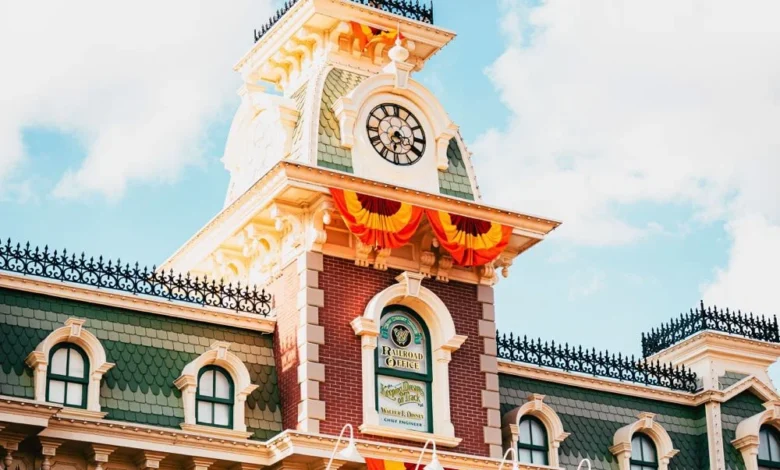
The concept of a traditional vacation often conjures images of long-haul flights, jet lag, and grueling itineraries designed to extract maximum value from an expensive international holiday. Millions of tourists travel thousands of miles annually to queue for hours at Orlando’s famous theme parks, enduring crowded thoroughfares and inflated prices simply to return home exhausted. Yet, for residents living within a 90-minute radius—particularly across Florida and Georgia—the region’s world-class tourism infrastructure remains a largely underutilized asset for weekend getaways. By reframing Orlando as a staycation destination rather than a high-stress pilgrimage, local travelers can access luxury resorts, vibrant culinary scenes, and major attractions at a fraction of the cost and with virtually zero logistical friction.
The Shift in Travel Psychology: From Tourist to Local Resident

The primary distinction between a traditional vacation and an effective staycation lies in the removal of time constraints. International and out-of-state visitors operate under severe temporal pressure, attempting to squeeze seven theme parks, multiple dining reservations, and endless sightseeing into a rigid four-to-five-day window. This relentless pacing frequently eliminates the core objective of a holiday: rest and psychological detachment from daily responsibilities.
For Florida and Georgia residents, the proximity to Central Florida allows for a completely different methodology. Travelers can depart on a Friday afternoon, commit to a single activity per day, and return home by Sunday evening without the underlying anxiety of missing out. Furthermore, local residents are uniquely positioned to exploit the regional tourism industry’s shoulder seasons. While out-of-state families are bound by academic calendars, locals can schedule getaways during lower-demand periods—such as the second week of September, late January, or the first half of May. During these windows, hotel occupancy drops significantly, park queues shrink from hours to minutes, and the overall economic cost of the trip decreases substantially.
Strategic Neighborhood Selection Across Central Florida

Orlando spans a massive geographic footprint, and the success of a staycation depends heavily on choosing the correct accommodation corridor. Selecting a poorly positioned hotel near the Orlando International Airport often leads to excessive time spent navigating the congested Interstate 4 (I-4) corridor, dampening the holiday atmosphere. Industry analysts categorize the region into four distinct micro-markets, each catering to different travel preferences.
International Drive (I-Drive) functions as the primary resort spine of the city, running parallel to I-4. This corridor features high-density high-rises, expansive convention facilities, outlet shopping centers, and immediate access to Universal Orlando Resort. It offers maximum convenience for travelers who prefer dining, entertainment, and lodging within a compact radius.
Conversely, the Lake Buena Vista and Highway 192 (Kissimmee) areas serve as the primary gateway to Walt Disney World. This zone is characterized by sprawling resort properties and multi-bedroom villas rather than traditional hotel rooms, making it ideal for families seeking residential amenities.

For travelers seeking a non-theme-park environment, Winter Park provides a historic alternative. Located just north of downtown Orlando, the district features brick-paved sidewalks, independent boutiques, historic museums, and boutique hotels centered around Park Avenue. Meanwhile, Downtown Orlando—encompassing Lake Eola, Thornton Park, and the Mills 50 district—appeals to urban travelers seeking local dining, nightlife, and arts culture.
Leveraging Resident Economic Incentives
The financial viability of an Orlando staycation is heavily supported by regional resident discount programs. Major hospitality groups, including Westgate Resorts, maintain properties across both the I-4 corridor and the Kissimmee basin, offering dedicated rate reductions for Florida and Georgia identification holders. These properties frequently feature villa-style accommodations equipped with full kitchens, separate living quarters, and multi-pool complexes.

Similarly, major theme park operators—including Walt Disney World and Universal Destinations & Experiences—deploy localized promotional ticketing during autumn and winter months. Industry data indicates that these resident-exclusive passes represent some of the most cost-effective entry options available to the public. Additionally, attractions such as the Kennedy Space Center and the Orlando Eye routinely honor state residency status when verified with valid government-issued identification at the point of sale.
Alternative Itineraries: Exploring Orlando Beyond the Turnstiles
While the global perception of Orlando is inextricably linked to amusement parks, the city’s tourism board and municipal planners have heavily diversified the local economy to include cultural, scientific, and natural attractions.

For culinary and educational experiences, the Chocolate Kingdom Factory provides a structured bean-to-bar tour detailing the agricultural and manufacturing processes of chocolate production, culminating in custom-bar creation. For panoramic views, the 400-foot-tall Orlando Eye observation wheel at ICON Park offers a 20-minute flight that, on clear days, provides sightlines extending toward the Atlantic coast.
Nature and space exploration also feature prominently in regional itineraries. Wekiwa Springs State Park, situated north of the city, offers 7,000 acres of natural spring habitat for kayaking, hiking, and wildlife viewing, operating on a capped daily vehicle-entry system to preserve ecological integrity. Located approximately one hour east, the Kennedy Space Center Visitor Complex on Merritt Island provides comprehensive exhibits detailing American space exploration history, featuring authentic hardware such as the Saturn V rocket.
Optimizing the Theme Park Experience for Residents

Local residents who choose to visit major theme parks frequently adopt strategies that diverge sharply from traditional tourists. Rather than participating in full-day excursions from park opening to closing fireworks, local visitors often utilize half-day schedules. Entering the parks at approximately 4:00 PM allows visitors to bypass peak daytime temperatures, enjoy significantly reduced evening queue times, and depart before midnight without suffering physical exhaustion.
Furthermore, frequent visitors often invest in annualized pass programs that feature monthly payment structures. This financial model eliminates the psychological pressure to maximize every single minute of a single-day ticket, aligning closely with the relaxed ethos of a staycation. For those wishing to experience the atmosphere of the entertainment complexes without purchasing park admission, commercial districts such as Disney Springs and Universal CityWalk offer complimentary access to retail, dining, and live entertainment venues.
Practical Cost-Containment Strategies for Weekend Travelers

To ensure that a staycation remains financially distinct from a standard vacation, travelers can implement several practical cost-saving measures:
- Lodging with Kitchen Facilities: Booking accommodations equipped with residential kitchens allows families to prepare breakfast and lunch independently, reducing daily dining expenditures which often exceed $200 per family in resort zones.
- Eliminating Transit Overhead: Because local travelers utilize personal vehicles, expenses associated with commercial air travel, baggage fees, and rental car agreements are entirely eliminated. This operational freedom also allows travelers to pack convenience items—such as coolers, bottled water, and recreational gear—avoiding inflated resort retail prices.
- Midweek Scheduling: Shifting travel dates from traditional Friday-Saturday windows to Sunday-through-Thursday blocks yields substantial reductions in average daily room rates across the hospitality sector.
- Strategic Activity Budgeting: Establishing a single daily indulgence—such as a fine-dining reservation or a spa treatment—while utilizing complimentary public spaces like Lake Eola Park maintains a controlled overall expenditure.
Psychological Frameworks for a Successful Staycation
Behavioral researchers specializing in tourism note that the psychological benefits of a holiday are heavily influenced by environmental cues rather than physical distance. To successfully replicate the sensation of a true getaway during a local trip, travelers are advised to adhere to strict boundary-setting protocols.

Packing a formal suitcase rather than a casual overnight duffel bag signals a psychological transition from domestic routine to leisure. Similarly, establishing a firm departure time on the first day prevents the erosion of leisure time by professional or domestic obligations. Most importantly, digital disconnection—specifically silencing work-related email and messaging notifications—is critical for achieving genuine psychological detachment.
Broader Economic and Regional Implications
The rise of the local staycation reflects a broader shift in domestic tourism patterns across the United States. Following inflationary pressures on commercial aviation and lodging, regional travel has emerged as a resilient sector within the hospitality industry. For the Central Florida economy, local residents act as a stabilizing financial buffer during shoulder seasons when out-of-state and international visitation naturally dips.

By engaging with the tourism sector on a localized, recurring basis, residents support regional employment, cultural institutions, and park infrastructure while maximizing their own geographic advantages. Ultimately, the Orlando staycation demonstrates that rest and recreation are functions of intentional pacing and environmental change, requiring neither a passport nor extensive transit to achieve.