
The modern landscape of international travel has undergone a profound digital transformation, fundamentally altering how tourists navigate, communicate, and manage logistics abroad. For decades, acquiring high-speed mobile data while traveling through Europe meant tracking down a physical SIM card upon arrival, navigating foreign language instructions, and fumbling with tiny trays and paperclip-sized ejector tools. Today, the advent and rapid adoption of embedded SIM (eSIM) technology have streamlined connectivity, allowing international travelers to download digital profiles directly to their smartphones and connect to local networks instantly.

As European travel rebounds to record highs, understanding the mechanics, financial implications, and technical prerequisites of eSIM data plans has become essential for modern globetrotters. Traditional domestic mobile carriers in North America and Oceania frequently market international roaming packages, but these solutions often come with prohibitive costs, strict data throttlings, and complex overage fees. By contrast, prepaid third-party eSIM providers have emerged as a cost-effective, highly efficient alternative, providing high-speed mobile data at a fraction of the cost.
The Operational Mechanics of eSIM Technology
An eSIM functions as a direct digital successor to the physical plastic subscriber identity module (SIM) card historically embedded in mobile devices. Rather than inserting a removable piece of hardware into a dedicated device slot, users download a software profile provided by a telecommunications carrier via a QR code or a dedicated mobile application. This software profile communicates securely with local network towers, authenticating the device and granting access to cellular data, voice minutes, and SMS services.

The technological shift offers several distinct structural advantages for international travelers. First and foremost is the elimination of physical logistics. Consumers can purchase, download, and configure an eSIM data plan from their home countries days or weeks before departure, avoiding the stressful scramble to find a functional Wi-Fi network or a retail storefront upon landing at a foreign airport. Furthermore, modern smartphones equipped with dual-SIM functionality—including recent iterations of Apple iPhones and Google Pixel devices—allow users to maintain their domestic phone numbers active for crucial two-factor authentication texts and banking alerts while simultaneously utilizing an affordable foreign eSIM for high-speed local data.
Comparative Analysis: International Roaming vs. Prepaid eSIMs
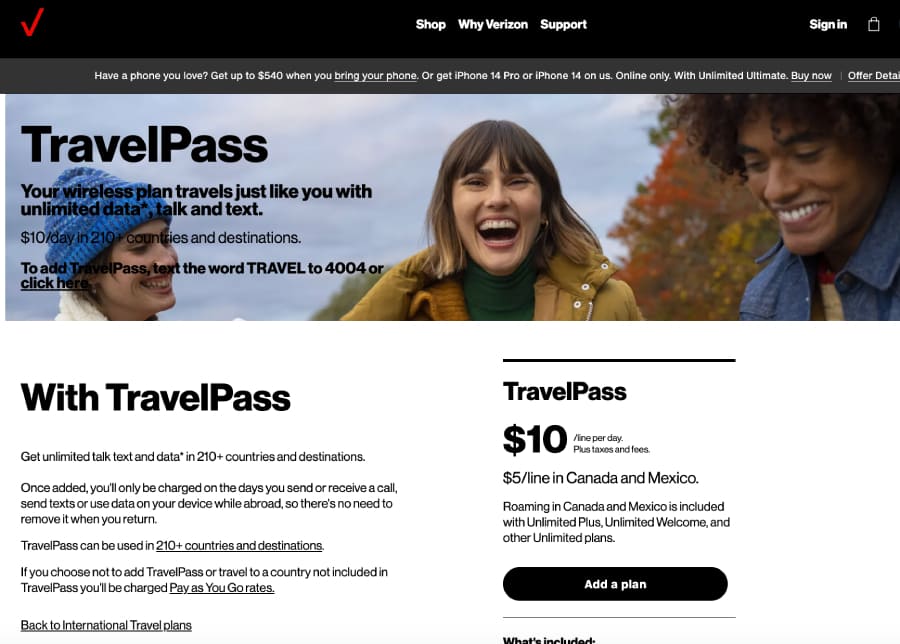
Travelers departing from the United States, Canada, and Australia historically relied on daily international passes provided by domestic carriers such as AT&T, Verizon, and T-Mobile. While these legacy plans offer the convenience of retaining a primary phone number without manual reconfiguration, the financial and operational drawbacks are substantial.

Major domestic carriers typically price daily international passes at approximately $10 per day, accumulating to roughly $300 per month for a standard four-week vacation. Furthermore, these plans frequently enforce strict performance caps. For instance, high-volume carriers may throttle high-speed data connections down to sluggish 3G speeds after exhausting a meager two-gigabyte daily allowance. Alternatively, standard entry-level international plans may provide nominal unlimited data while restricting users to severely degraded 2G speeds that struggle to load basic navigation applications, check electronic transit passes, or process digital ticketing systems.
In stark contrast, third-party prepaid eSIM providers operating in the European market offer robust high-speed data allocations at significantly lower price points. Specialized providers such as Holafly and SimOptions deliver daily average costs ranging between $2 and $5, translating to a potential cost reduction of up to 80% compared to legacy carrier roaming fees.
Market Landscape: Evaluating Leading European eSIM Providers
Navigating the diverse marketplace of European eSIM providers requires an understanding of individual plan structures, data caps, validity periods, and network partnerships. Because the European Union outlawed intra-EU mobile data roaming fees, a data plan purchased through a carrier in one member state functions seamlessly across all participating nations, allowing tourists to cross borders without incurring additional charges or losing connectivity.
Holafly: Unlimited Data Solutions
Holafly has established a prominent market presence by offering flexible, unlimited data packages tailored to short- and long-term travelers. Operating across durations ranging from 1 to 90 days, Holafly plans appeal to heavy data consumers who frequently stream media, upload high-resolution content, or rely on constant cloud synchronization. While these plans provide unrestricted data consumption, users should note that tethering allowances for mobile hotspot sharing may be restricted or subject to daily volume caps depending on the specific package selected.

SimOptions and Major European Carrier Partnerships
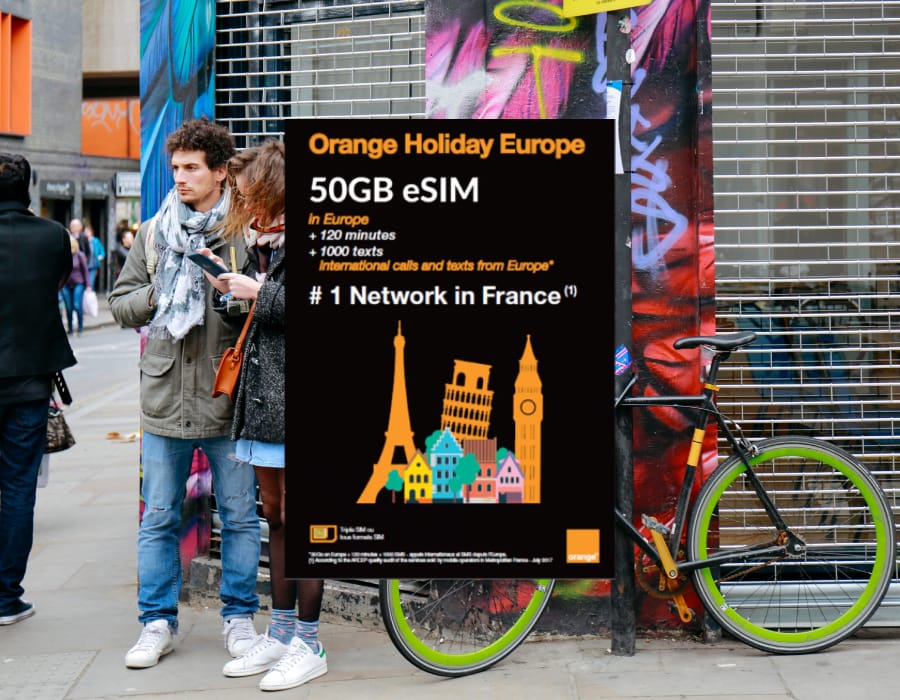
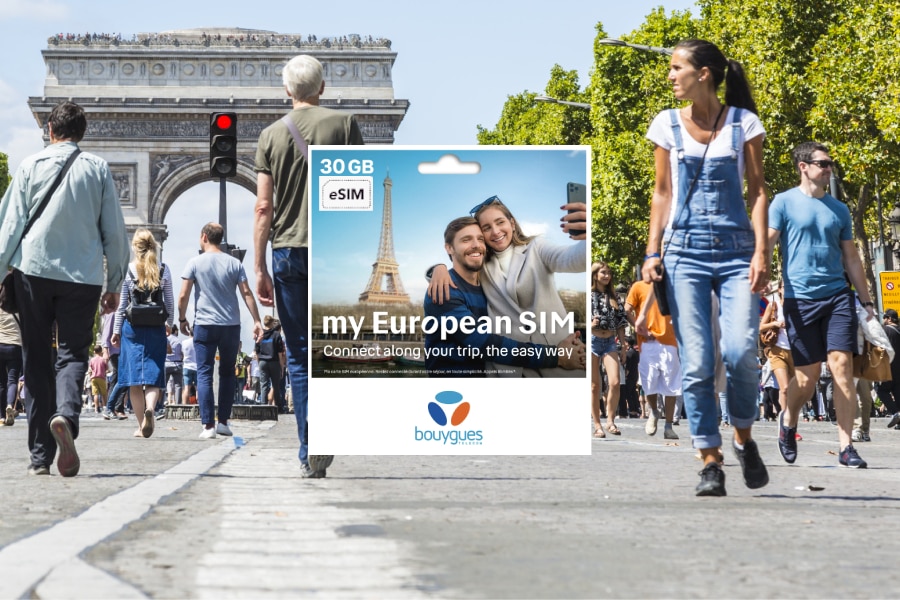
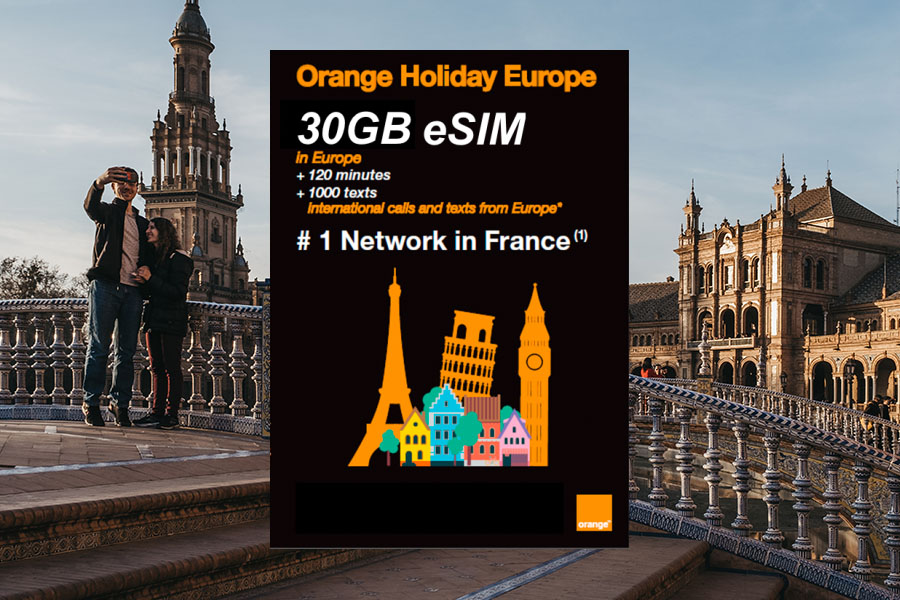
SimOptions operates as an authorized digital retailer aggregating prepaid eSIM profiles directly from legacy European telecommunication giants, including Orange, Bouygues Telecom, and O2. These plans provide transparent data tiers—typically ranging from 10GB to 70GB—packaged with strict validity windows.
A primary differentiator among carrier-backed eSIM plans is the inclusion of a functional European phone number, usually originating from France. Unlike data-only international eSIMs, packages such as the Orange Holiday Europe lineup include native voice calling minutes and SMS text messaging capabilities across Europe. This feature is particularly valuable for travelers who need to make local reservations, contact hotels, or coordinate directly with local service providers via traditional telephone channels rather than internet-based messaging applications.
Essential Digital Infrastructure in Modern Europe
The argument for securing reliable mobile data prior to embarking on a European journey extends far beyond casual social media browsing or entertainment. The contemporary socio-economic ecosystem across major European urban centers and tourist destinations is heavily digitized, rendering persistent high-speed internet access a logistical necessity rather than a luxury.
Public Wi-Fi networks, once considered a reliable fallback for international tourists, are increasingly scarce, security-vulnerable, or restricted behind captive portals requiring local phone number verification. Conversely, essential daily functions throughout Europe rely entirely on cellular data connectivity:

- Regional and high-speed rail operators, such as Eurostar, Deutsche Bahn, and Trenitalia, rely primarily on digital ticketing systems displayed on mobile device screens.
- Restaurants, cafes, and bars routinely replace physical paper menus with dynamic QR codes that direct patrons to online ordering and payment portals.
- Urban public transit networks in major capitals utilize real-time arrival tracking applications, digital bus passes, and contactless mobile payment validation.
- Ride-sharing services, navigation software, museum admission ticketing, and emergency translation tools demand continuous, uninterrupted high-speed data access.
Device Compatibility and Technical Prerequisites
Before purchasing a prepaid European eSIM, travelers must verify that their hardware meets two fundamental technical requirements: device compatibility and network unlocking.
Unlocked Device Status
Mobile network operators in North America frequently sell hardware under deferred payment contracts locked to their specific domestic networks. A network-locked smartphone will reject foreign SIM profiles and eSIM data installations. Consumers must contact their home carrier prior to departure to formally request a network unlock, a process that is often mandated by regulatory bodies once device financing obligations have been fulfilled.
Hardware Compatibility
While essentially all modern smartphones manufactured from 2019 onward support eSIM technology, regional hardware variations exist. Notably, Apple eliminated the physical SIM card tray entirely for all iPhone models sold within the United States starting with the iPhone 14 series, transitioning the domestic market exclusively to dual-eSIM architecture. International variants of these same models, however, typically retain both a physical SIM slot and dual-eSIM capability. Android manufacturers including Google, Samsung, and Motorola have similarly integrated eSIM functionality across their flagship and mid-tier device lineups.
Step-by-Step Activation and Best Practices
To ensure a seamless digital transition upon arrival in Europe, travelers should adhere to a structured preparation timeline:
- Pre-Departure Purchase: Secure the chosen eSIM plan online prior to leaving home. This ensures access to a stable domestic Wi-Fi network required to complete the initial software download.
- Scan and Install: Upon receiving the confirmation email containing the unique QR code, use the target mobile device to scan the code and install the carrier profile while still connected to home internet.
- Defer Active Countdown: Crucially, users should avoid triggering the active countdown period prematurely. Many regional eSIM plans initiate their 14-day or 30-day validity window the exact moment the profile connects to a foreign cellular tower. Travelers should configure the eSIM settings but keep the line toggled off until the aircraft touches down on European soil.
- Data Management Strategies: To maximize data efficiency, travelers should configure device settings to restrict heavy background data synchronization, utilize offline downloadable map packages within navigation applications, and leverage Wi-Fi networks at accommodations for large file downloads or media updates.
Broader Implications for the Telecommunications Industry
The rapid mainstream adoption of eSIM technology represents a structural shift away from traditional retail models in the telecommunications sector. By disintermediating physical retail storefronts and removing the logistics of manufacturing, shipping, and recycling plastic SIM cards, eSIM providers have democratized international connectivity.
For the modern traveler, this technological evolution translates to unprecedented flexibility, enhanced safety through uninterrupted access to essential digital services, and substantial financial savings. As telecommunications regulators continue to encourage cross-border digital integration, the reliance on physical roaming hardware is poised to become an obsolete relic of 20th-century travel.
Related posts: