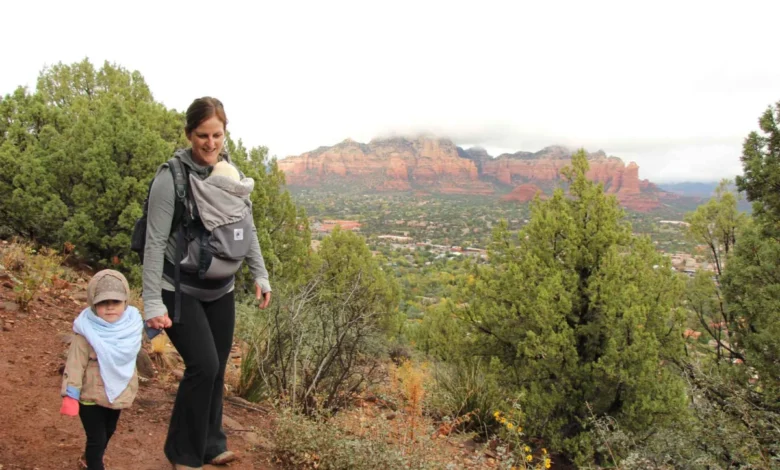
Sedona, Arizona, has established itself as one of the premier outdoor destinations in the United States, drawing millions of visitors annually to its iconic red rock formations and diverse desert ecosystems. While the region is frequently associated with challenging, high-elevation trekking and intense backcountry exploration, recent tourism data indicates a significant shift in visitor demographics toward young families. Recognizing the growing demand for accessible outdoor recreation, land management agencies and local tourism boards have prioritized the maintenance of family-friendly trails that accommodate strollers, carriers, and young children.

The Rise of Family-Oriented Tourism in Coconino National Forest
The Coconino National Forest, which encompasses much of the Sedona area, has observed a steady increase in foot traffic over the last decade. Historically, trail systems in this region were designed primarily for experienced hikers and mountain bikers. However, a post-pandemic surge in domestic travel has prompted a strategic focus on "easy-rated" trails. These paths are designed to provide the same aesthetic experience—the dramatic vistas of Cathedral Rock, Bell Rock, and Courthouse Butte—without the technical difficulties associated with advanced climbing.

According to regional reports from the U.S. Forest Service, visitor numbers to the Red Rock District have reached record highs, necessitating new trail management protocols. For parents traveling with infants and toddlers, the challenge lies in balancing the desire for wilderness immersion with the logistical realities of gear, sun protection, and physical safety.

Essential Gear and Safety Protocols for Desert Hiking
Hiking with children in an arid, high-altitude environment requires significant preparation. Professionals in the outdoor industry emphasize that the Sedona climate, while beautiful, presents specific risks including extreme UV exposure, rapid temperature fluctuations, and dehydration.

Standard operating procedures for families visiting these trails include:

- Hydration Management: Carrying at least one liter of water per hour of activity, even for short hikes.
- Equipment Selection: Distinguishing between "stroller-friendly" trails—which feature packed gravel or paved surfaces—and "carrier-only" trails, which contain uneven shale or rock steps.
- Navigation: While popular trails are well-marked, the reliance on digital mapping services like AllTrails is standard practice among experienced visitors, particularly given the frequent lack of cellular connectivity in deep canyons.
Chronology of Trail Development and Accessibility
The development of the current trail network in Sedona is the result of a multi-decade collaboration between the Red Rock Ranger District and various environmental advocacy groups. In the early 2000s, the focus was primarily on conservation and the preservation of archaeological sites. By 2015, the "Sedona Trails System Plan" was implemented, which formally recognized the need for diverse trail categories.

This plan categorized trails by difficulty and accessibility, allowing for the systematic improvement of paths like the Bell Rock Pathway. By widening specific corridors and reinforcing the base of heavily trafficked routes, local authorities successfully opened up previously difficult terrain to families with specialized equipment.

Analysis of Primary Family-Friendly Destinations
1. The Bell Rock Pathway
Widely regarded as the most accessible entry point for families, the Bell Rock Pathway provides a panoramic experience of the region’s most famous landmarks. Unlike many other trails that require vertical climbing, the southern section of this pathway remains relatively level. It serves as a prime example of successful trail engineering, allowing for the use of off-road strollers. The site is frequently cited in urban planning journals as a model for how to integrate high-volume tourist traffic with minimal ecological impact.
2. The West Fork Trail
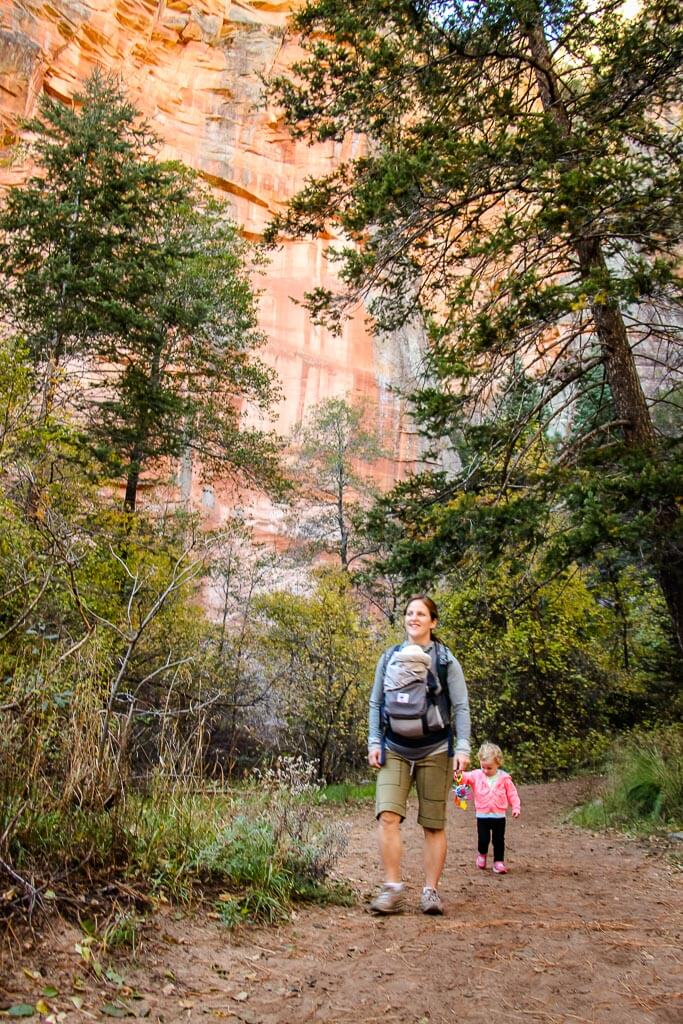
Positioned within the Coconino National Forest, the West Fork Trail offers a distinct micro-climate compared to the exposed desert trails. Due to the deep canyon walls, this trail provides natural shade, making it a critical asset for summer tourism. It is, however, technically demanding, requiring multiple crossings of Oak Creek. From a safety perspective, this trail is recommended only for families with adequate child-carrying equipment, as the terrain is unsuitable for wheels.

3. The Baldwin and Fay Canyon Trails
The Baldwin Trail offers a loop-based experience that is increasingly popular for those seeking sunset photography, with unobstructed views of Cathedral Rock. Conversely, the Fay Canyon Trail serves as a "hidden gem" that often avoids the heavy congestion of the more famous corridors. Its proximity to the road and relatively flat elevation gain make it a preferred choice for parents of toddlers who may be learning to walk on natural terrain.

4. Airport View and Huckaby Trails
The Airport View Trail is specifically noted for its logistical convenience, beginning directly at the airport parking facilities. It provides a "quick-hit" experience for families with limited time. Meanwhile, the Huckaby Trail offers a more rugged experience, acting as a transition zone between the easier suburban-adjacent paths and the more strenuous backcountry trails.

Economic and Environmental Implications
The influx of families into the Sedona trail system has had a profound economic impact on the Village of Oak Creek and the greater Sedona area. Hospitality businesses have pivoted to provide "family-ready" packages, including equipment rentals for hiking carriers and hydration packs. However, this growth has also sparked a debate regarding environmental sustainability.

Ecologists note that high-density foot traffic can accelerate soil erosion and disturb local flora. As a result, the "Leave No Trace" campaign has become a central tenet of the visitor experience, with park rangers providing daily briefings at major trailheads. The goal is to ensure that the natural heritage of the red rocks is preserved for future generations while allowing current visitors to enjoy the unique geological features.

Official Guidance and Expert Recommendations
The Red Rock Ranger District advises all visitors, particularly those with small children, to check current weather conditions and fire restrictions before departing. In the peak summer months, "Code Red" heat advisories are common, and local officials strongly discourage hiking between the hours of 10:00 a.m. and 4:00 p.m.

Expert hikers and parents who frequent the region suggest a "base-camp" approach to travel: staying in central accommodations that allow for early morning excursions. This ensures that families can complete their activities before the onset of peak afternoon heat. Furthermore, the use of specialized, wide-tired strollers—often referred to as "jogging strollers"—is highly recommended for those attempting the few designated stroller-accessible routes, as standard strollers typically fail on the gravel and sand compositions found on even the flattest Sedona paths.

Looking Toward the Future
As Sedona continues to evolve as a family-centric destination, future infrastructure projects are expected to focus on expanded parking, shuttle connectivity, and digital infrastructure to manage crowd flow. The integration of technology, such as real-time occupancy tracking for trailheads, is already being piloted.

For the average family, the message from local authorities is clear: Sedona is an open and accessible landscape, provided that visitors respect the environmental constraints and plan their logistics with the same care they would apply to any major expedition. By choosing the right trail for the age and ability of their children, families can experience the majesty of the American Southwest in a way that is both safe and deeply memorable. The region remains a testament to the fact that wilderness experiences are not the sole preserve of the elite athlete, but are, with proper preparation, a gift available to families of all ages.