Everything You Need to Know About Croatia’s Upcoming Crolibertas Free-Flow Toll System in 2027


Croatia is preparing for the most significant modernization of its highway infrastructure in decades, a transition that will fundamentally alter how motorists navigate the country’s extensive motorway network. Effective March 1, 2027, the nation will officially retire its legacy system of physical toll booths and manual ticket collection, replacing it with a fully automated, free-flow electronic tolling framework known as Crolibertas. This sweeping technological upgrade is designed to eliminate the notorious summer traffic bottlenecks that plague the Adriatic highway corridors, streamlining transit for both local commuters and the millions of international tourists who drive across the border annually.
The implementation of Crolibertas marks the end of an era for the traditional Croatian road trip ritual: pulling up to a barrier, pressing a button for a paper ticket, and waiting in sprawling queues to pay cash or card at the end of a journey. Under the new architecture, overhead electronic gantries equipped with advanced sensors and optical character recognition will register vehicles seamlessly as they maintain highway speeds. While the physical barriers are coming down, the core principle of distance-based tolling remains firmly intact, ensuring that drivers are charged strictly according to the length of their trip and their specific vehicle classification.
Background Context and the Evolution of Croatian Infrastructure
The decision to overhaul the toll collection apparatus stems from decades of capacity strain during peak tourism seasons. Croatia’s motorways—managed primarily by state-owned operators such as Hrvatske autoceste (HAC)—have long served as vital economic veins connecting Central Europe to the Adriatic coast. However, the physical toll plazas have historically acted as major choke points, causing severe congestion during the scorching summer months when foreign holidaymakers flood the coastal routes.
Discussions regarding electronic tolling have evolved over several years, driven by European Union directives pushing for interoperability and smarter transport networks. The Croatian government ultimately selected the Crolibertas model to future-proof the national transit grid. By shifting toward a digital, frictionless environment, authorities anticipate a dramatic reduction in carbon emissions caused by idling vehicles, lowered operational maintenance costs associated with manned booths, and enhanced overall road safety by removing sudden deceleration zones near toll exits.

Timeline and Phased Rollout Leading to March 2027
The transition to Crolibertas is being executed through a carefully managed timeline to ensure minimal disruption to the national transport network. The existing legacy infrastructure will remain fully operational throughout the remainder of 2026, allowing motorists to utilize traditional payment lanes, manual booths, and legacy Electronic Toll Collection (ENC) transponders without immediate alterations to their driving habits.
Leading up to the March 1, 2027 deadline, installation crews have been systematically deploying electronic gantry bridges, high-definition camera arrays, and laser-detection units across all major highway corridors, including the heavily trafficked A1 motorway connecting Zagreb to Split, as well as the A3, A4, and A6 routes. Furthermore, transport authorities are establishing dedicated physical and digital onboarding channels. This includes the rollout of approximately 140 rapid vehicle-registration lanes at strategic border crossings and major highway entry points, ensuring that drivers who arrive without prior digital setup can quickly register their automobiles before entering the high-speed network.
Mechanics of Crolibertas: How the System Operates
For the average motorist, the operational shift represents a move away from stop-and-go travel toward continuous, uninterrupted mobility. Instead of the traditional sequence of taking a ticket, driving, stopping, and paying, vehicles will glide underneath automated gantries that capture transit data instantaneously.
The system accommodates users through two primary pathways for light vehicles, such as standard passenger cars, motorbikes, and small vans:

-
Electronic Toll Collection (ENC) Transponders: Motorists who already utilize the established ENC devices will experience a seamless transition. These small hardware units, mounted on the vehicle’s windshield, will continue to communicate with the network infrastructure, automatically deducting funds from a pre-paid account linked to the driver’s profile. Existing ENC users are not required to switch to alternative recognition systems simply because Crolibertas has launched.
-
Automatic Licence Plate Recognition (ALPR): For drivers who prefer not to purchase or mount dedicated hardware, the system offers camera-based plate tracking. Motorists opting for this method must pre-register their vehicle’s registration plate through an official online portal or physical customer service center, linking it to a secure, active payment card (credit or debit). As the vehicle passes beneath the gantries, optical readers log the license plate, calculate the distance traveled, and bill the linked account automatically.
Regulations for Heavy Vehicles and Commercial Fleets
While passenger car operators enjoy the flexibility of choosing between ENC transponders and automatic license plate recognition, commercial operators and heavy transport sectors face stricter mandates. Vehicles falling into the third and fourth toll categories—including heavy goods vehicles, large commercial trucks, buses, and industrial transport—are legally required to utilize the dedicated ENC transponder system rather than relying exclusively on licence plate matching. Fleet managers and commercial transport companies must audit their existing hardware inventories and ensure all heavy assets are properly equipped with compliant transponders well in advance of the March 2027 deadline to avoid severe administrative penalties.
Addressing Misconceptions: Vignettes and Cash Payments
A common point of confusion among international travelers is whether Croatia is adopting a time-based vignette system, similar to those utilized in neighboring countries like Slovenia, Austria, or Hungary. Authorities have repeatedly clarified that Crolibertas is strictly a distance-based, electronic free-flow tolling upgrade, not a vignette. Drivers will continue to pay precisely for the distance they travel rather than purchasing a fixed-duration pass that grants unlimited access for a week, month, or year.
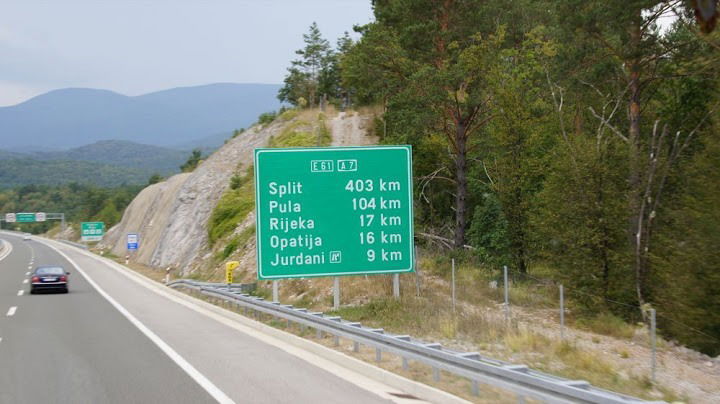
Additionally, while the traditional cashiers sitting in roadside booths will vanish from the highway landscape, cash payments are not being entirely abandoned. Motorists who prefer traditional currency transactions will be able to utilize designated physical service kiosks, automated terminal stations, and authorized partner retail points located near major transit hubs to load funds onto accounts or settle toll obligations prior to or immediately following their journeys.
Implications for Foreign Tourists and Cross-Border Travelers
Given that a substantial percentage of traffic on Croatian motorways originates from foreign jurisdictions—such as Germany, Italy, Austria, Slovenia, Hungary, and Bosnia and Herzegovina—the integration of international motorists is a central focus of the Crolibertas deployment strategy. Foreign-registered vehicles are bound by the exact same toll obligations as domestic automobiles; crossing the border does not grant an exemption from highway fees.
Tourists planning a road trip through Croatia post-March 2027 are strongly advised to sort out their toll payment arrangements prior to departure. While rapid registration lanes will be available at key entry points, completing the digital registration of license plates or securing an ENC transponder online ahead of time will prevent unnecessary delays at the border and ensure a stress-free start to a holiday. Failing to register a vehicle or settle incurred tolls within the stipulated grace periods will result in automated tracking of foreign license plates, potentially leading to substantial fines issued across international borders via bilateral enforcement agreements.
Broader Economic and Environmental Implications
From a macroeconomic perspective, the elimination of physical toll plazas is projected to yield substantial long-term benefits for the Croatian transport sector. Labor costs associated with staffing hundreds of manual toll booths around the clock will be significantly reduced, allowing highway operators to reallocate resources toward structural maintenance, smart-grid technology expansions, and enhanced roadside assistance services.

Environmental analysts have also praised the transition, noting that the removal of braking and acceleration cycles at toll plazas will measurably lower particulate emissions and localized air pollution along major transit corridors. Furthermore, smoothing out traffic flow is expected to decrease accident rates associated with sudden congestion tailbacks, which have historically been a primary hazard on high-speed motorways during peak summer turnover days.
Actionable Guidance for Motorists Planning Future Trips
Travelers mapping out itineraries that involve driving in Croatia from 2027 onward should incorporate toll preparation into their pre-trip checklist. While no immediate administrative actions are required for journeys taking place before the March 1 deadline, drivers looking ahead to future excursions should verify the following points:
- Determine whether the vehicle falls under light passenger categories or heavy commercial classifications.
- Decide between retaining or acquiring an ENC transponder versus setting up a digital account utilizing automatic license plate recognition.
- Ensure that credit card details linked to digital accounts are valid and capable of handling international electronic transactions.
- Monitor official announcements from Hrvatske autoceste (HAC) for the official launch of the public registration portal and mobile application interfaces.
By addressing these administrative details prior to setting out, motorists can bypass the traditional queues, avoid compliance pitfalls, and enjoy a modernized, frictionless driving experience across Croatia’s world-renowned coastal and interior motorways.