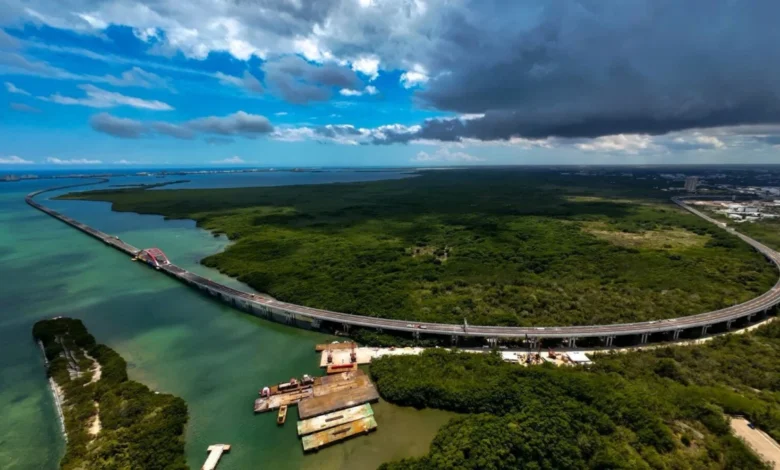
The recently inaugurated Nichupté Bridge represents a paradigm shift in the infrastructure landscape of one of the world’s most frequented tourist corridors. By establishing a direct, elevated transit artery between downtown Cancún and the iconic Hotel Zone, the project addresses long-standing logistical bottlenecks that have historically plagued both local residents and international visitors. This multi-million dollar undertaking is not merely a feat of civil engineering; it is a strategic response to the exponential growth of the Mexican Caribbean, signaling a transition toward a more integrated and efficient travel experience.
The Genesis of the Nichupté Bridge Project
For decades, the physical layout of Cancún forced nearly all vehicular traffic between the mainland city and the narrow barrier island housing the Hotel Zone onto a single, overburdened boulevard. As the region experienced a sustained tourism boom, the resultant traffic congestion became a critical friction point. During peak hours, travel times between the airport and luxury resorts could double or triple, impacting the overall quality of the visitor experience and hindering the daily productivity of the local workforce.
The conceptualization of the Nichupté Bridge began as a long-term solution to decouple local city traffic from tourist transit. The project, which spans the Nichupté Lagoon, was designed to provide a secondary, high-capacity route that bypasses the traditional bottlenecks of the Boulevard Kukulcán. By providing an alternative path, the bridge serves as a pressure-release valve, allowing for the smoother flow of goods, services, and individuals across the city’s most delicate environmental and economic zone.
Timeline and Developmental Milestones
The path to completion for the Nichupté Bridge was defined by rigorous planning, environmental assessments, and large-scale construction phases. While the initial proposals for such a link date back several years, the project gained significant momentum in the early 2020s as tourism numbers in the Quintana Roo state began to surpass pre-pandemic records.
- 2021–2022: Initial feasibility studies and environmental impact assessments are conducted, focusing on the preservation of the delicate mangrove ecosystems surrounding the Nichupté Lagoon.
- 2023: Construction contracts are finalized, and initial ground-breaking occurs. The project is categorized as a high-priority federal initiative, emphasizing its importance to the national tourism economy.
- 2024: Major structural phases proceed, including the installation of deep-water foundations and the primary bridge spans. Coordination between federal transport authorities and local municipal governments is intensified.
- 2026 (May): The bridge reaches operational status, with officials conducting final safety inspections and traffic flow optimization tests. The infrastructure is highlighted during the EDGE 2026 conference in San Diego, cementing its role as a flagship project for the region’s modernization.
Economic and Logistical Implications
The implications of the Nichupté Bridge extend far beyond the convenience of shorter car rides. In the realm of global tourism, "logistical friction"—the time and effort required to move from an arrival terminal to a destination—is a primary metric for traveler satisfaction. By reducing the transit time between downtown and the coast, the bridge creates a more porous boundary between the residential and tourist sectors.
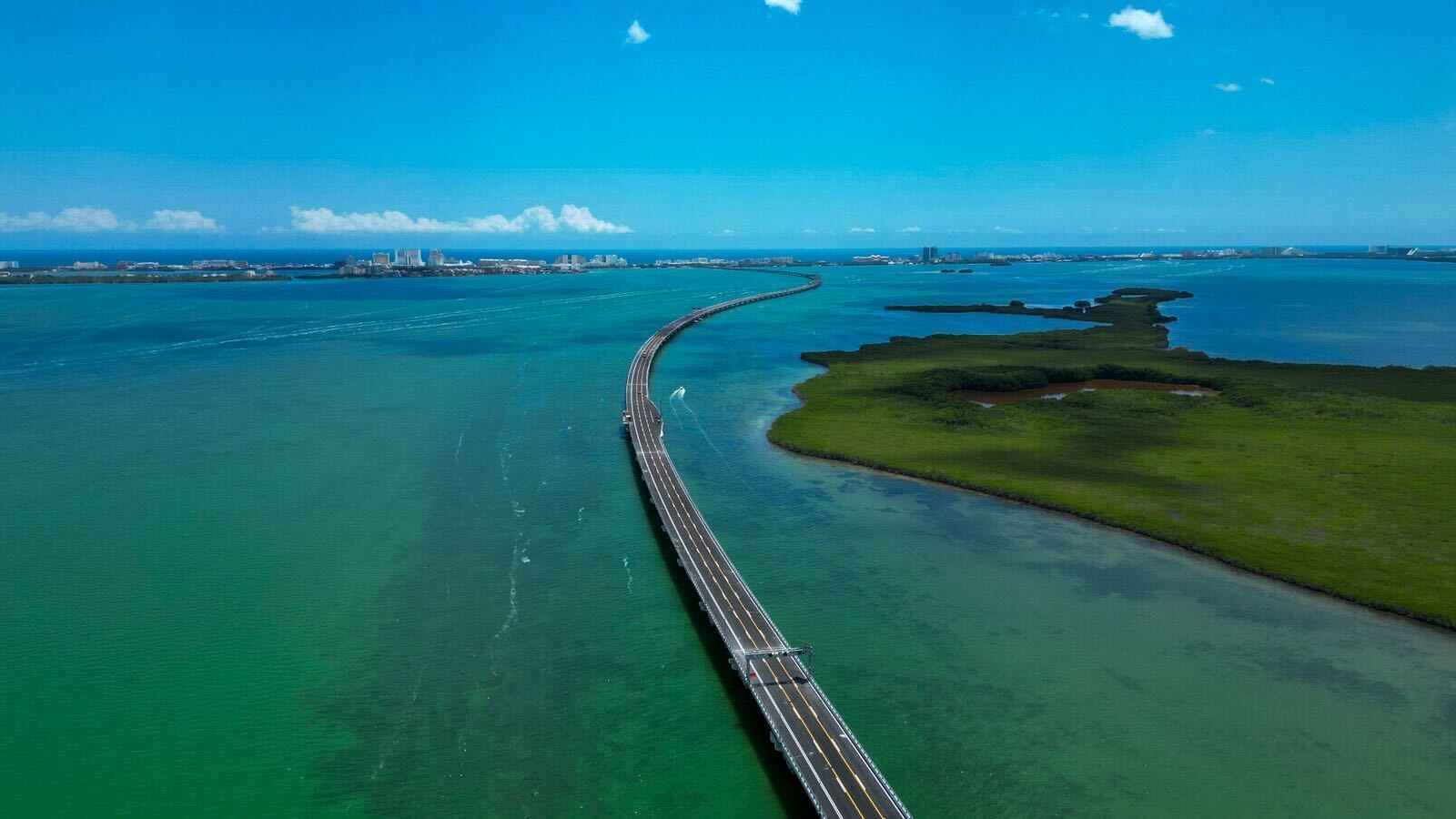
This has immediate economic benefits. Downtown Cancún, which has often been overlooked by travelers confined to the Hotel Zone, is now more accessible for dining, retail, and cultural experiences. This fosters a more balanced distribution of tourist expenditure across the municipality, supporting small businesses that were previously isolated from the main flow of resort-bound traffic.
Furthermore, for the local labor force, the bridge offers a more reliable commute. Thousands of employees who commute daily from residential neighborhoods in the city to the service sectors of the Hotel Zone can now rely on a more consistent transportation schedule. This stability is essential for maintaining the high service standards expected in a world-class tourism destination.
Official Perspectives and Regional Strategy
During the EDGE 2026 summit in San Diego, the Mexican Caribbean Tourism Board showcased the Nichupté Bridge as a model for future infrastructure development. Andrés Martínez Reynoso, CEO of the Board, characterized the project as a "transformational" development. According to official statements, the bridge is part of a broader, holistic strategy to modernize the region’s capacity to host major global events—a point underscored by the announcement that the EDGE 2027 conference will be hosted in the Cancún–Riviera Maya area.
The board’s strategy reflects a shift in thinking: the competition between destinations is no longer just about the quality of infinity pools or the variety of all-inclusive packages. It is about the "rhythm of travel." The ability to navigate the region with ease, to move between diverse environments—from the urban pulse of downtown to the serene beaches of the barrier island—is becoming a competitive advantage. By investing in this "inter-destination" experience, the Mexican Caribbean is effectively future-proofing its status against other global hotspots that may lack similar infrastructural foresight.
Supporting Data and Infrastructure Trends
Infrastructure investments in the Mexican Caribbean have seen a marked increase in capital allocation over the last five years. While the Nichupté Bridge is the most visible recent addition, it operates in tandem with broader upgrades to the regional transportation network, including expansions to the Cancún International Airport and the integration of regional rail systems.
Data suggests that tourism in the Quintana Roo region has seen a compound annual growth rate (CAGR) that frequently outpaces the national average for Mexico. With the arrival of millions of international passengers annually, the reliance on legacy infrastructure had become a risk to sustainable growth. The bridge project is estimated to reduce peak-hour traffic volume on existing routes by a significant percentage, thereby lowering vehicle emissions and reducing the wear-and-tear on the city’s primary thoroughfares.
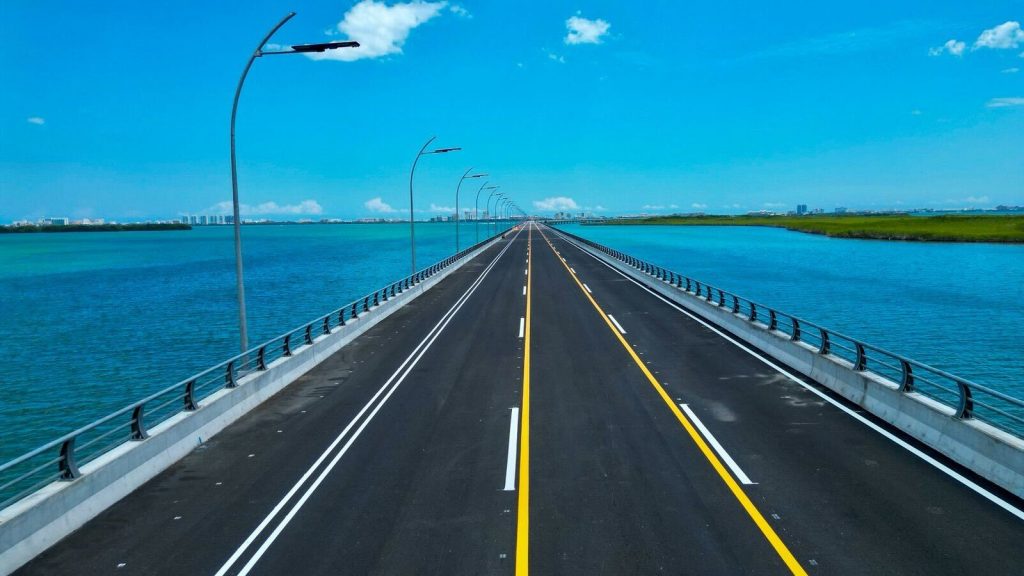
Moreover, the bridge incorporates modern engineering standards that prioritize resilience against the tropical weather patterns prevalent in the region. The use of advanced materials and design techniques ensures that the structure can withstand the environmental pressures of the lagoon, providing a long-term asset rather than a temporary fix.
Broader Impact: The Future of the Mexican Caribbean
The completion of the Nichupté Bridge serves as a case study for how high-growth regions can manage the challenges of success. As cities like Tulum and Playa del Carmen continue to see massive influxes of visitors, the lessons learned from the planning and execution of this bridge will likely inform future projects across the Yucatán Peninsula.
The emphasis is now on "seamlessness." Today’s traveler is increasingly sophisticated and values time as a finite commodity. The elimination of unnecessary delays, whether at the airport or on the highway, directly contributes to a higher perception of value. By focusing on the infrastructure between the destinations, the Mexican Caribbean is demonstrating an understanding that the traveler’s experience begins the moment they land, not just when they reach their resort lobby.
As the region looks toward hosting the EDGE 2027 conference, the Nichupté Bridge stands as a testament to the success of this forward-thinking approach. It provides a blueprint for balancing the demands of a global tourism hub with the practical needs of urban development. In the coming years, as this new connection integrates into the daily life of the city, it will likely be viewed as the catalyst that allowed Cancún to transition from a collection of isolated resort clusters into a fully cohesive, interconnected, and modern metropolis.
This development confirms that the Mexican Caribbean is moving beyond a period of rapid, organic growth into a phase of managed, strategic expansion. The bridge is the physical manifestation of this transition—a path toward a more efficient, accessible, and sustainable future for one of the world’s most vital tourism destinations.