The modern landscape of international travel has shifted dramatically away from physical SIM cards, traditional roaming packages, and the stressful hunt for reliable public Wi-Fi networks. As telecommunications technology advances, embedded electronic SIMs—commonly known as eSIMs—have emerged as the gold standard for global connectivity. For travelers heading to Europe, understanding how to navigate the evolving market of prepaid digital data plans is essential for maintaining seamless communication, navigating foreign transit systems, and accessing digital-first infrastructure abroad.

The Evolution of Mobile Connectivity in Europe
For decades, international travelers landing in European airports faced a tedious ritual: locating a kiosk, waiting in line, and swapping out microscopic plastic SIM cards while hoping their domestic phone numbers remained accessible for emergency banking verifications. Today, the widespread adoption of eSIM technology has rendered physical cards largely obsolete for newer smartphone models.
An eSIM is a digital SIM card embedded directly onto a mobile device’s motherboard. Without needing to open a physical tray or handle fragile hardware, users can purchase, download, and activate regional data plans through specialized mobile applications or QR codes. This technological shift is particularly advantageous in Europe, where the European Union historically outlawed domestic mobile data roaming fees across member states. Consequently, purchasing a data plan from a major carrier in one EU nation—such as France or Spain—grants seamless high-speed connectivity across nearly all participating European borders.

Why Mobile Data Has Become Essential for European Travel
In contemporary European society, high-speed mobile data is no longer a luxury reserved for leisure browsing; it is a fundamental utility required to navigate daily infrastructure. Modern tourism and transit rely heavily on digital integration. Travelers require reliable internet access to validate digital train tickets, access interactive public transportation schedules, hail rideshare services like Uber, and view contactless restaurant menus via QR codes.
Furthermore, relying on free public Wi-Fi hotspots is increasingly impractical. Open networks are frequently insecure, prone to severe latency issues, and sparsely distributed outside major metropolitan centers. Attempting to navigate historic European alleyways or book last-minute museum reservations without consistent cellular data can severely disrupt an itinerary.

Comparing Carrier International Plans Versus Prepaid eSIMs
Many travelers from North America and other non-European regions initially consider utilizing international roaming add-ons provided by their domestic carriers, such as AT&T, Verizon, or T-Mobile. However, industry analysts and frequent travelers consistently point out major financial and performance drawbacks associated with these domestic packages.
Domestic carrier daily international passes typically cost around $10 per day, accumulating significant expenses over a multi-week vacation. Furthermore, these plans frequently feature restrictive throttling practices. For instance, major providers often reduce connection speeds to sluggish 3G or 2G speeds after a modest daily threshold of two gigabytes is reached. Similarly, plans advertised as "unlimited" international data frequently throttle high-speed access severely after an initial cap, making essential tasks like loading mapping applications nearly impossible.
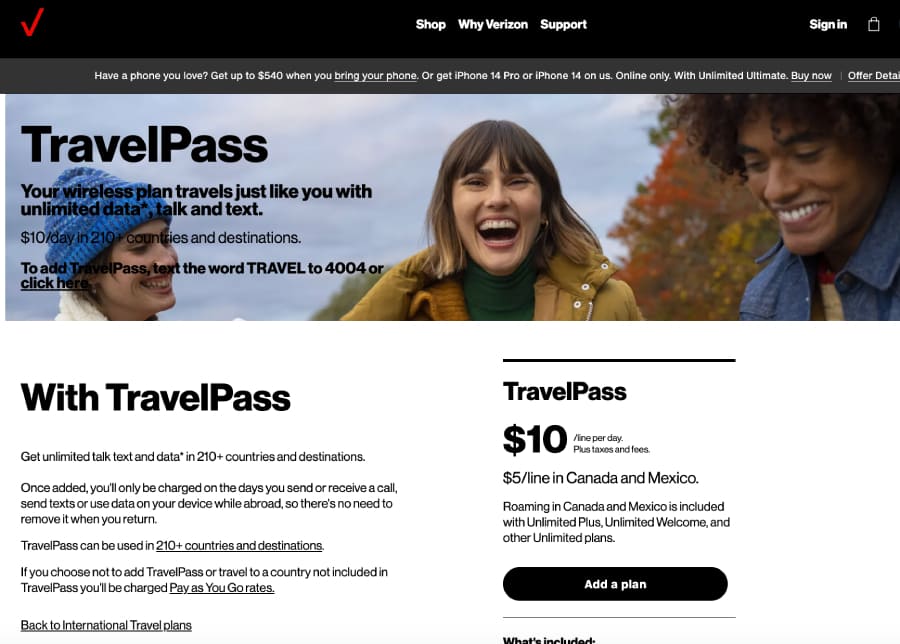
In contrast, prepaid eSIM data plans offered by third-party providers or major European telecom operators generally cost between $2 and $5 per day. This pricing structure delivers significantly higher data allowances at a fraction of the cost of legacy domestic roaming packages.
Leading European eSIM Providers and Data Plan Options
The competitive eSIM marketplace features a diverse array of options tailored to different travel durations and data consumption habits. Choosing the right plan depends on factors such as trip length, the need for a local phone number, and overall data volume requirements.

Holafly: Unlimited Data Solutions
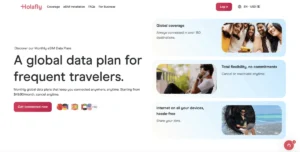
Holafly is a prominent Europe-based eSIM provider specializing in customizable, unlimited data plans ranging from 1 to 90 days. Ideal for heavy data consumers who frequently stream video or upload high-resolution media, Holafly plans eliminate the anxiety of data caps. While pricing scales by duration, averaging between $2.50 and $5 per day, the convenience of uninterrupted data makes it a favorite among digital nomads and tourists alike.
Orange Holiday Europe: Comprehensive Coverage and Voice Capabilities
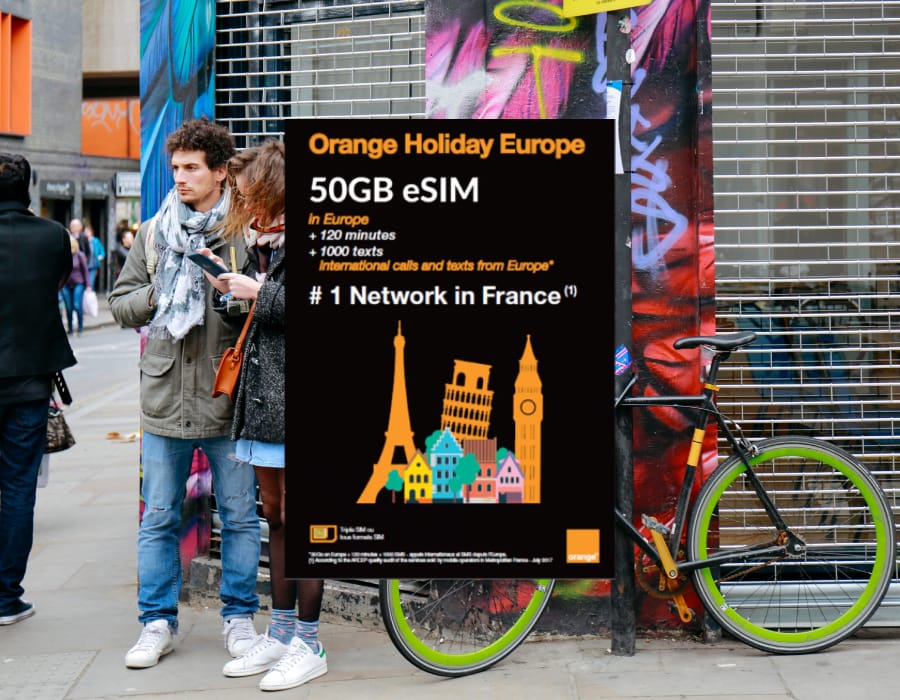
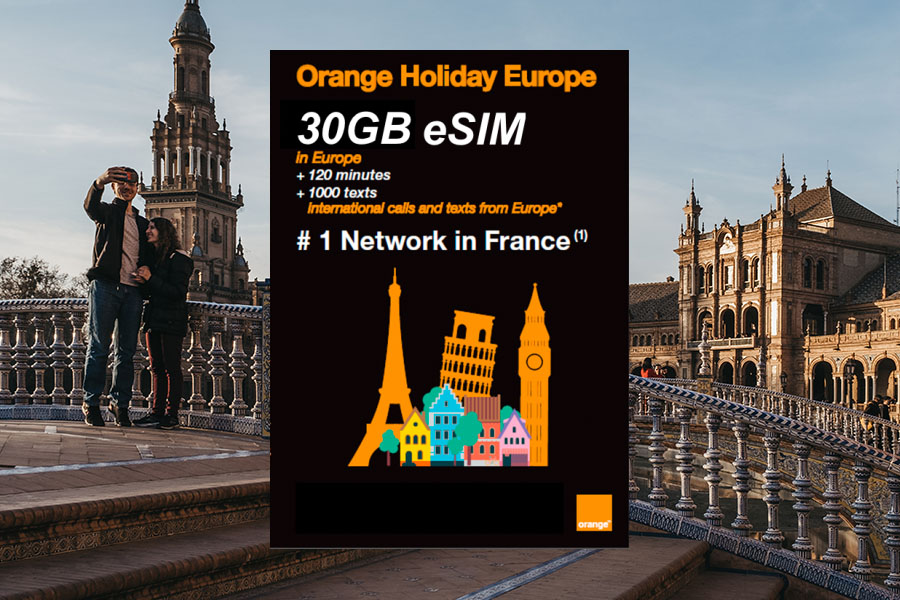
France-based Orange, one of the largest telecommunications networks in Europe, offers robust prepaid eSIM packages that include generous data allowances alongside traditional voice calling and text messaging features. The Orange Holiday Europe 30GB and newly introduced 50GB and 70GB plans provide users with an active French phone number. This number functions seamlessly across Europe, allowing travelers to make local voice calls to restaurants, hotels, and tour operators. Additionally, Orange plans support mobile hotspot tethering, enabling users to share their connection with laptops or companion devices. The primary limitation of the standard Orange plan is its 14-day validity period upon activation, though higher-tier options extend this duration to 28 or 30 days.
Bouygues Telecom My European eSIM
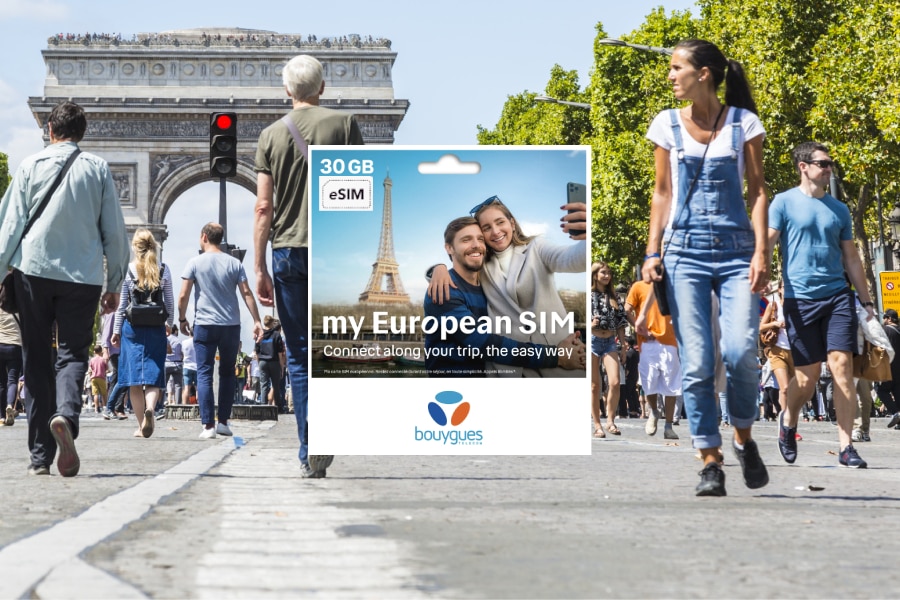
Bouygues, another major French telecommunications giant, offers a competitive alternative tailored for longer European itineraries. The My European eSIM plan typically includes 30GB of high-speed data, unlimited calls within Europe, and a 30-day validity window. Like Orange, Bouygues utilizes its own robust native infrastructure, ensuring rapid data speeds and extensive coverage across urban and rural sectors.
SimOptions and International Aggregators
SimOptions operates as an official retail marketplace for various European mobile operators, allowing consumers to compare pricing, data volumes, and network providers in one centralized location. Budget-oriented offerings, such as the Smart Comfort X eSIM, provide fixed data caps (such as 5GB) without voice minutes, catering to light users seeking economical connectivity.

Technical Requirements and Device Compatibility
Before purchasing an eSIM, travelers must verify that their smartphone meets specific technical criteria. The primary requirement is that the device must be "unlocked"—meaning it is not legally or software-restricted to a single domestic carrier. Travelers with locked phones must contact their home mobile provider to request an international unlock prior to departure.
Device compatibility has expanded rapidly since 2019. Essentially all modern iPhone models (including the iPhone XS, XR, and subsequent generations) support dual-SIM functionality utilizing a physical SIM alongside an eSIM. Notably, models sold in the United States starting with the iPhone 14 are entirely eSIM-exclusive, omitting the physical SIM card tray altogether. Similarly, recent Android flagship devices from manufacturers such as Google (Pixel 4 and newer) and Samsung (Galaxy S20 and newer) offer comprehensive eSIM integration.
Step-by-Step Activation and Best Practices
To ensure a frustration-free transition to a European digital mobile network, travelers should follow structured setup protocols:
- Purchase in Advance: Procure the eSIM plan prior to departure while connected to a stable home Wi-Fi network. The retailer will deliver a QR code and activation instructions via email.
- Install Without Activating: Scan the QR code or install the carrier’s mobile application to download the eSIM profile onto the smartphone while still at home.
- Delay Full Activation: Ensure the data plan is not fully activated until arrival in Europe. Most prepaid plans initiate their countdown timer the moment the network connects abroad; activating too early wastes valuable validity days.
- Leverage Dual-SIM Features: Keep the domestic physical SIM active alongside the European eSIM to continue receiving critical two-factor authentication codes from banks and security services back home, while routing all active data consumption through the cost-effective European eSIM.
Regional Nuances and Coverage Considerations
While European Union regulations successfully eliminate roaming charges across member nations, travelers must remain mindful of geographical exceptions. Countries such as Switzerland and the United Kingdom are not members of the European Union. Consequently, certain regional eSIM plans may exclude coverage in Switzerland or impose distinct data limits. Reviewing the terms of service for each specific provider ensures uninterrupted connectivity when crossing international borders within Europe.
Economic and Practical Implications for the Tourism Sector
The widespread adoption of eSIM technology has significantly streamlined international mobility, empowering tourists to bypass traditional brick-and-mortar storefronts upon arrival. By reducing reliance on expensive carrier roaming fees and removing the physical friction of swapping microchips, eSIMs represent a permanent evolution in global travel logistics. As telecommunications infrastructure continues to modernize, digital-first connectivity will remain a foundational pillar for international exploration.