The Strategic Guide to Mastering an Orlando Staycation for Florida and Georgia Residents

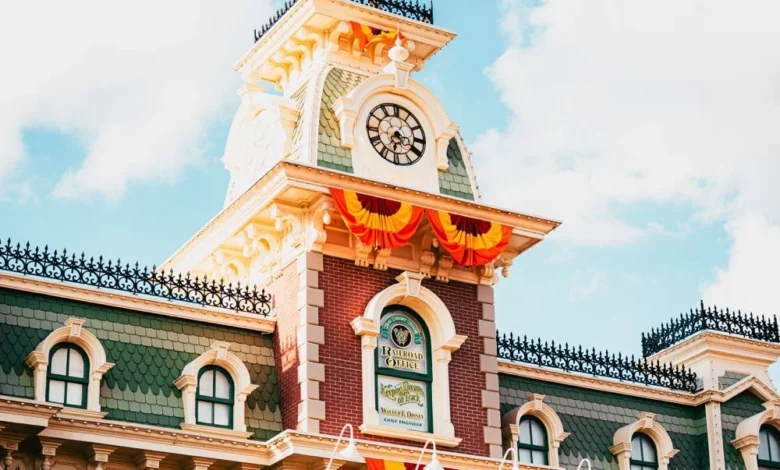
Millions of travelers annually navigate international flight paths and congested airports to reach the Magic Kingdom, often enduring extreme temperatures and high-density crowds in pursuit of a brief escape. While the global tourism industry focuses on the "bucket list" experience of international travel, a significant demographic segment—residents of Florida and Georgia—often overlooks the world-class tourism infrastructure located within a mere 90-minute drive of their homes. A staycation, when executed with logistical precision, offers a significant reduction in travel-related stress and financial expenditure while providing a comparable psychological break from professional and domestic routines.

The concept of a staycation is fundamentally rooted in the psychological decoupling of daily responsibilities from one’s environment. Research in organizational psychology suggests that the benefits of a vacation are derived less from geographical displacement and more from the intentional cessation of work-related communication and the disruption of mundane schedules. For residents in proximity to Orlando, the city serves as a unique case study in domestic tourism, offering a diverse array of leisure activities that extend far beyond the traditional theme park model.
Historical Context and Tourism Trends
Orlando’s transformation from a citrus-based economy to a global tourism epicenter began in earnest with the 1971 opening of Walt Disney World. Over the subsequent five decades, the region has evolved into a massive, sprawling tourism corridor. Today, Orlando hosts over 74 million visitors annually, according to data from Visit Orlando. This massive influx has necessitated the development of a complex infrastructure comprising thousands of hotel rooms, expansive convention facilities, and specialized transport networks.

However, the rapid expansion of this infrastructure has created two distinct visitor experiences: the high-intensity, itinerary-driven vacationer and the local, flexible traveler. The former, burdened by the financial pressure of sunk costs—such as expensive airfare and limited timeframes—often adheres to a rigid, exhausting schedule. Conversely, regional residents possess a logistical advantage: the ability to bypass the "must-see-everything" mentality. This flexibility allows for travel during shoulder seasons, such as late January, early May, or September, when park attendance drops significantly and hotel occupancy rates often plummet, providing a more favorable economic environment for the local visitor.
Choosing the Optimal Base of Operations
The success of an Orlando staycation is heavily dependent on selecting the appropriate neighborhood, as the city’s vast geographic footprint can lead to significant transit time if the base is poorly located.

International Drive (I-Drive) serves as the primary resort corridor. Running parallel to Interstate 4, this area acts as a centralized hub for visitors who prefer proximity to a high density of retail outlets, dining establishments, and entertainment venues like the 400-foot Orlando Eye at ICON Park. This area is ideally suited for those seeking the traditional resort experience, with high-capacity hotels that provide comprehensive amenities.
Conversely, the Lake Buena Vista and Highway 192 (Kissimmee) corridors are geographically aligned with the Disney theme park complex. For families or groups requiring more space, this region offers a higher density of multi-bedroom villa-style accommodations. These units, which often include kitchen facilities, allow for a more self-contained and cost-effective stay.

For residents seeking an alternative to the theme-park-centric lifestyle, the Winter Park district offers a distinct, historic aesthetic. Characterized by brick-lined streets, independent boutiques, and cultural institutions like the Morse Museum, this area provides a quieter, more sophisticated atmosphere. For those interested in the city’s urban evolution, Downtown Orlando—featuring the Lake Eola Park district, the Milk District, and the Mills 50 corridor—offers a glimpse into local life, encompassing a robust nightlife and dining scene that operates independently of the tourism-industrial complex.
Leveraging Resident-Specific Economic Incentives
The financial implications of an Orlando staycation are significantly mitigated by regional resident discounts. Major hospitality providers, such as Westgate Resorts, maintain specific pricing tiers for Florida and Georgia residents. These rates, when paired with the avoidance of airline baggage fees, parking surcharges, and rental car expenditures, can reduce the total cost of a getaway by 30 to 50 percent compared to a traditional trip.

Furthermore, both Disney and Universal periodically release resident-exclusive ticket promotions. These offers, frequently available during off-peak times, represent the most cost-effective entry point for major theme parks. Experts in the travel industry recommend that frequent visitors evaluate the cost-benefit analysis of an annual pass. For a family planning two or more visits per year, an annual pass often eliminates the need for expensive daily tickets and removes the psychological "pressure to perform" that leads to burnout during shorter, higher-cost trips.
Diversifying the Itinerary: Beyond the Theme Parks
While the theme parks remain the primary economic driver of the region, the breadth of activities in Central Florida is substantial. The Chocolate Kingdom Factory, for instance, provides an educational, interactive look at the bean-to-bar manufacturing process, offering a blend of industrial history and culinary experience.

For nature and education-oriented travelers, the Kennedy Space Center on the Atlantic coast represents a vital regional asset. Located approximately one hour from the Orlando city center, the NASA facility serves as a world-class educational resource. Logistics experts advise treating the Space Center as a dedicated day trip to fully appreciate the scope of the facility’s historical exhibits and active aerospace operations.
Closer to the city, the Wekiwa Springs State Park offers a contrasting experience to the urban sprawl. With daily entry fees often as low as $6 per vehicle, it remains one of the most cost-efficient outdoor activities in the region. However, due to increased demand, park authorities now require reservations, highlighting the necessity of pre-planning even for local excursions.

Strategic Implementation of a Relaxed Itinerary
To ensure a staycation yields the restorative benefits of a traditional holiday, travel experts emphasize the importance of "structural abandonment." This includes:
- Temporal Management: Setting a firm departure time on the first day is crucial. Departing by midday, rather than waiting until the evening to conclude domestic obligations, effectively adds a significant portion of time to the leisure window.
- Digital De-escalation: The most successful staycations are those where professional notifications are silenced. Treating the trip as if it were an international excursion—requiring total detachment from email and work-related messaging—is essential for mental recovery.
- Culinary Intentionality: While the temptation to rely on local convenience dining is high, selecting one "signature" dining experience per day while utilizing the kitchen facilities of a villa for other meals provides a balance of luxury and fiscal responsibility.
- The "One-Thing" Rule: To avoid the exhaustion of traditional tourism, limit the agenda to one primary activity per day. This allows for ample downtime, which is the cornerstone of a true vacation.
Broader Economic and Societal Implications
The shift toward local tourism is more than a matter of personal convenience; it reflects a broader change in domestic consumer habits. By circulating capital within the local economy—through regional hotel stays, local dining, and attendance at area attractions—residents contribute to the stability of the local tourism sector during periods when international travel might be constrained by economic volatility or global disruptions.

As the tourism industry continues to evolve, the distinction between "visitor" and "local" is blurring. The rise of the staycation model suggests that individuals are increasingly valuing the accessibility of leisure, moving away from the high-carbon, high-stress models of international travel in favor of more sustainable, manageable, and frequent periods of respite. For the residents of Florida and Georgia, Orlando is no longer just a destination for foreign tourists; it is a sprawling, multi-faceted resource for regional restoration. By applying the same level of planning and intentionality to a short drive that one would to an overseas flight, residents can maximize the value of their time, finances, and personal well-being.
Related posts: