When Chef Enrique Olvera inaugurated his flagship restaurant, Pujol, in the heart of Mexico City in the year 2000, he was not merely opening a dining room; he was challenging the fundamental paradigm of Mexican gastronomy. At the time, the concept of a white-tablecloth establishment applying the rigor of classical French technique to the complex, ancestral sauces of mole was virtually nonexistent in the capital. Over the subsequent two decades, Pujol became the vanguard of a culinary revolution, eventually securing a permanent fixture in the top ten of the World’s 50 Best Restaurants and earning two Michelin stars upon the guide’s inaugural entry into the Mexican capital in 2024. This evolution from a modest space in Polanco to a sprawling, glass-fronted architectural landmark served as the catalyst for a broader cultural shift, transforming Mexico City from a frequently overlooked stopover into a premier global destination.
A Chronology of Transformation
The trajectory of Mexico City’s ascent can be traced through its shifting reputation. Two decades ago, the city was often perceived by international travelers through a lens of apprehension, frequently hampered by a reputation for instability or safety concerns. However, the early 2000s marked a pivot toward urban renewal and a concerted effort to celebrate local art, architecture, and history.
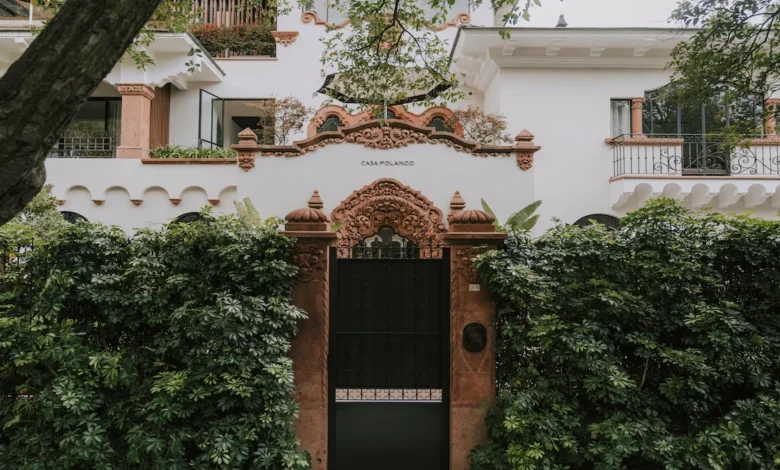
By the mid-2010s, the "Pujol Effect" had taken root. As culinary tourism surged, a ripple effect occurred across other sectors. The hospitality industry began to pivot away from generic international chains toward boutique, heritage-focused accommodations. In 2022, the debut of Casa Polanco, housed in a meticulously restored 1940s mansion overlooking Lincoln Park, signaled a new era of ultra-luxury, design-led lodging. This was soon followed by the arrival of the 15-room El Cortés, a Relais & Châteaux property in the vibrant Roma neighborhood, which integrated local artistry and high-concept European-Mexican fusion dining—spearheaded by talent formerly groomed at Michelin-starred kitchens—into the city’s residential fabric.

Quantitative Growth and Tourism Data
The numbers underscore this narrative of rapid expansion. In 2025, the city hosted approximately 15.5 million tourists in its hotel sector, representing a steady 5 percent increase over the 2024 figures. This growth has not been confined to the tourism sector; it has fueled a significant expansion in local services. Eduardo Plaschinski, co-owner of the all-day dining group Niddo, provides a clear metric of this economic shift. Over the past eight years, his organization has scaled from 15 to 100 employees, operating across six distinct locations. This growth, which would have been statistically improbable in the early 2000s, mirrors the general upward trend of the city’s service economy.
According to municipal projections, the city has seen a 13 percent increase in tourism-related revenue and infrastructure investment as of the close of 2025. While this influx has undeniably introduced challenges, including the complex socio-economic realities of gentrification and localized inflation, the broader impact has been an unprecedented infusion of capital into the local arts, fashion, and design sectors.
The Rise of Bespoke Luxury Services
As the influx of ultra-high-net-worth (UHNW) travelers increased, the demand for specialized, high-touch services created a new niche in the local market. Mónica Quintero, co-founder of the luxury concierge firm Odysya, notes that the shift is palpable. Her clients, who once bypassed the capital in favor of coastal retreats like Los Cabos or Punta Mita, are now prioritizing Mexico City for its unique cultural density.
“There is a profound shift in traveler behavior,” says Quintero. “Where individuals previously sought the familiar, standardized luxury of a beach resort, they are now seeking the intellectual stimulation of Mexico City’s art scene, its historic architecture, and its sophisticated gastronomic landscape.” This shift is supported by the city’s commitment to its institutional foundations, such as the Museo Nacional de Antropología, which continues to anchor the city’s historical identity while newer institutions like the contemporary art space Masa (est. 2023) and the multi-disciplinary cultural center LagoAlgo (est. 2022) provide the modern infrastructure required to sustain an elite cultural tourism market.

Fashion, Retail, and International Integration
The luxury retail market in Mexico City is currently experiencing a period of significant maturation. WGSN analyst Catalina Marín projects a sustained 5 percent growth in the luxury sector over the next five years. This expansion is characterized by a strategic "synergy" between global brands and local heritage.
A notable example of this was the 2023 Cartier exhibition at the Museo Jumex, Cartier Design: A Living Legacy. Rather than simply importing a global concept, the brand integrated local curatorial expertise to connect its legacy with the history of Mexican design. This strategy has become a blueprint for international houses looking to penetrate the Mexican market.
Simultaneously, domestic brands are gaining global visibility. Montserrat Messeguer, a label specializing in high-end western wear and artisanal cowboy boots crafted in the El Bajío region, has successfully bridged the gap between traditional Mexican craftsmanship and the global fashion stage, attracting international celebrities and a wider audience. Similarly, the emergence of high-end boutiques like Lengua and the recent debut of LVMH Prize finalist Patricio Campillo’s flagship store in the Juárez neighborhood demonstrate that Mexico City is no longer just a consumer of luxury goods—it is a producer and curator of its own distinct aesthetic.
Implications and Future Outlook
The transformation of Mexico City is a case study in how a singular, high-profile industry—in this case, fine dining—can serve as an anchor for broader urban development. The arrival of the Michelin Guide in 2024 served as the official international validation of this transition, effectively cementing the city’s status as a top-tier destination for the global elite.

However, the rapid nature of this growth necessitates a careful balance. While the expansion of the boutique hotel scene and the integration of international luxury brands indicate a robust, thriving economy, the city must continue to manage the pressures of increased density. The "cultural view," as described by analysts, remains the key to future success. Brands and service providers that succeed in Mexico City are those that prioritize a deep connection to the city’s layered history, ensuring that the luxury experience remains authentic to its location.
For the modern traveler, Mexico City has transitioned from a destination where one merely stops to eat, into a multifaceted metropolis where one can engage with a contemporary art movement, explore the intersections of traditional and modern fashion, and reside in spaces that reflect the city’s evolving architectural identity. As Mónica Quintero suggests, the city is currently in a phase of constant discovery, where the rapid pace of opening galleries, boutiques, and conceptual spaces ensures that even the most frequent visitor encounters a new facet of the city with each return.
The data suggests that this momentum is unlikely to slow. With the infrastructure for high-end tourism now firmly established, the city is positioned to remain a dominant force in the Latin American luxury landscape for the foreseeable future, provided it continues to foster the symbiotic relationship between its rich traditional heritage and its aggressive, forward-looking creative class.