Tetherow Resort: A Premier Blend of Luxury, Nature, and Sustainability in Bend, Oregon

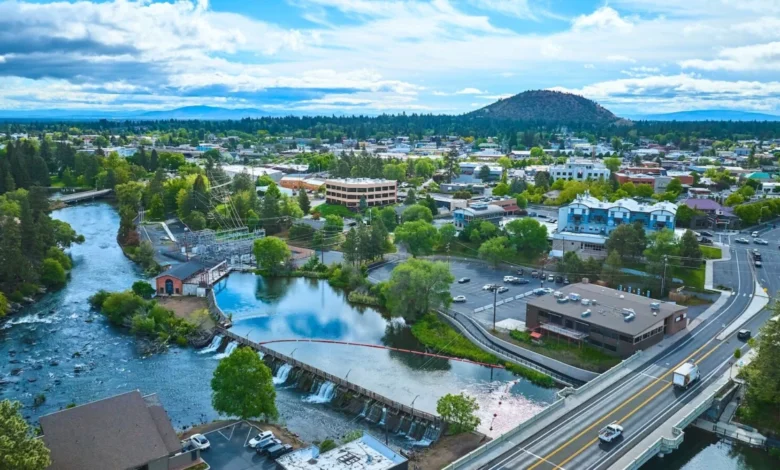
Tetherow Resort, an acclaimed destination in Bend, Oregon, stands as a testament to luxury harmoniously integrated with the rugged beauty of the Pacific Northwest. With accommodations starting around $150 per night, the resort offers an unparalleled gateway to both Bend’s vibrant urban landscape and its vast natural playgrounds. Strategically positioned just seven minutes from the bustling Old Mill District and a mere 20 minutes from the renowned slopes of Mt. Bachelor, Tetherow’s location is ideal for guests seeking diverse experiences, from city exploration to nature-focused pursuits. Directly bordering the expansive Deschutes National Forest, the property provides seamless access to countless miles of pristine trails, inviting outdoor enthusiasts to immerse themselves in the region’s natural splendor. Beyond its advantageous setting, Tetherow distinguishes itself through 50 eco-friendly boutique hotel accommodations, a dog-friendly policy, a heated outdoor pool, multiple distinctive restaurants, a state-of-the-art fitness facility, and an award-winning 18-hole golf course that holds the distinction of being Oregon’s first Audubon-certified links. This comprehensive profile delves into the guest experience, the array of amenities, the resort’s profound commitment to sustainability, and its integral role in the broader Bend community.
Strategic Location: At the Crossroads of Urban Vibrancy and Wilderness
Bend, Oregon, has rapidly evolved from a timber town into a premier outdoor recreation hub, consistently ranked among the top places to live and visit in the United States. Its unique high-desert climate, characterized by abundant sunshine and distinct seasons, offers a diverse palette of activities year-round. Tetherow Resort capitalizes on this unique geographical advantage, positioning itself as a central base for exploration.
The Old Mill District, a revitalized historic industrial area, is a vibrant nexus of shopping, dining, and entertainment, set against the picturesque backdrop of the Deschutes River. Its transformation from former lumber mills into a pedestrian-friendly commercial and cultural center exemplifies Bend’s progressive development. Tetherow’s close proximity ensures guests can easily access its diverse offerings, from boutique retail and art galleries to waterfront restaurants and live music venues, without navigating extensive city traffic.
Further enriching its appeal, the resort’s 20-minute drive to Mt. Bachelor makes it an ideal lodging choice for winter sports enthusiasts. Mt. Bachelor is a stratovolcano within the Cascade Range and stands as one of the largest ski resorts in Oregon, boasting over 4,300 acres of skiable terrain, a vertical drop of 3,365 feet, and an average annual snowfall exceeding 400 inches. Its expansive slopes cater to skiers and snowboarders of all skill levels, while in warmer months, it transforms into a haven for mountain biking, hiking, and scenic chairlift rides.
Perhaps most compelling for nature lovers is Tetherow’s direct adjacency to the Deschutes National Forest. Spanning over 1.6 million acres, this vast wilderness area is a mosaic of volcanic landscapes, alpine lakes, dense pine forests, and winding rivers. The immediate access from Tetherow translates to an unparalleled opportunity for guests to step directly from their accommodations onto trails for hiking, mountain biking, or trail running, fostering an intimate connection with Central Oregon’s pristine environment. This direct access underscores the resort’s commitment to integrating the natural world into the guest experience, blurring the lines between luxury lodging and wilderness adventure.
A Legacy of Excellence: Tetherow’s Genesis and Evolution
Tetherow Resort officially opened its doors in 2008, a period when Bend was solidifying its reputation as a burgeoning destination for both tourism and relocation. The vision behind Tetherow was to create a luxury resort community that not only offered world-class amenities but also deeply respected and integrated with the natural landscape. This commitment was evident from its inception, particularly with the design of its golf course.
The development of Tetherow coincided with a significant growth phase for Bend’s tourism economy. As the city attracted more visitors drawn to its outdoor recreation, craft beer scene, and vibrant downtown, the demand for high-quality accommodations and integrated resort experiences grew. Tetherow positioned itself to meet this demand, offering a distinct blend of sophisticated lodging, recreational opportunities, and a strong emphasis on environmental stewardship, setting a new benchmark for luxury resorts in the region. Over the years, the resort has continued to expand and refine its offerings, adding more accommodations, enhancing dining experiences, and deepening its sustainability initiatives, thereby strengthening its role as a cornerstone of Bend’s hospitality sector.
World-Class Amenities for Every Guest
Tetherow Resort prides itself on an extensive array of amenities designed to cater to a diverse range of guest preferences, ensuring a memorable and comfortable stay for everyone.
Recreational Hub:
-
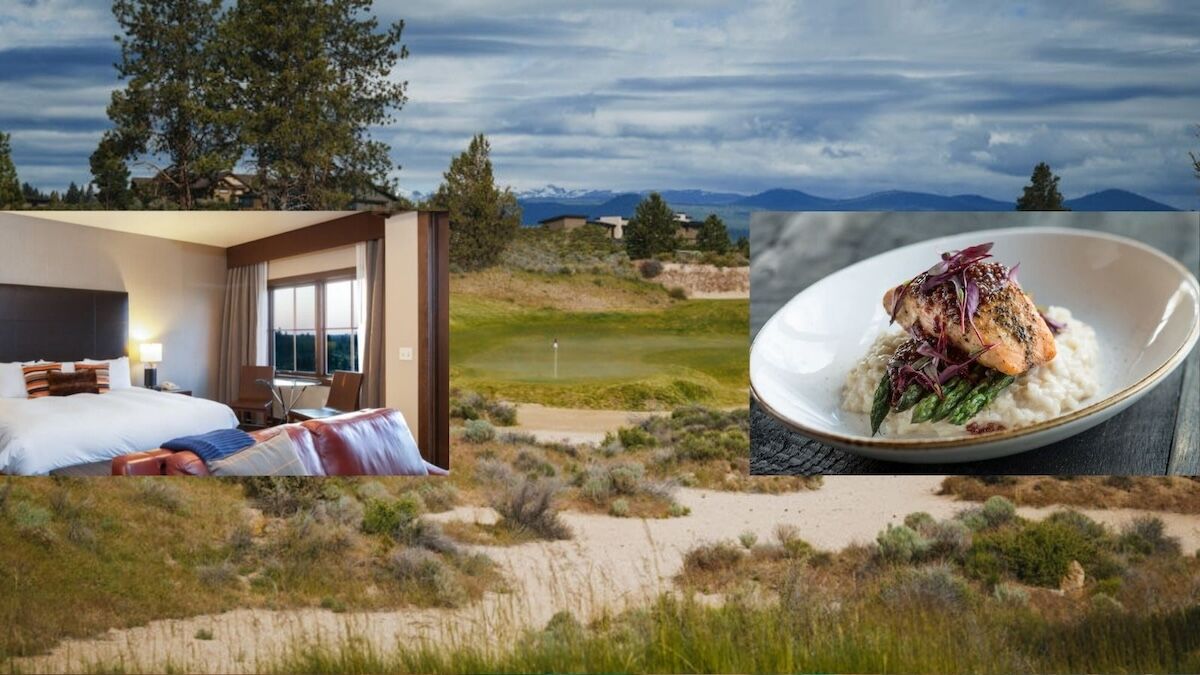
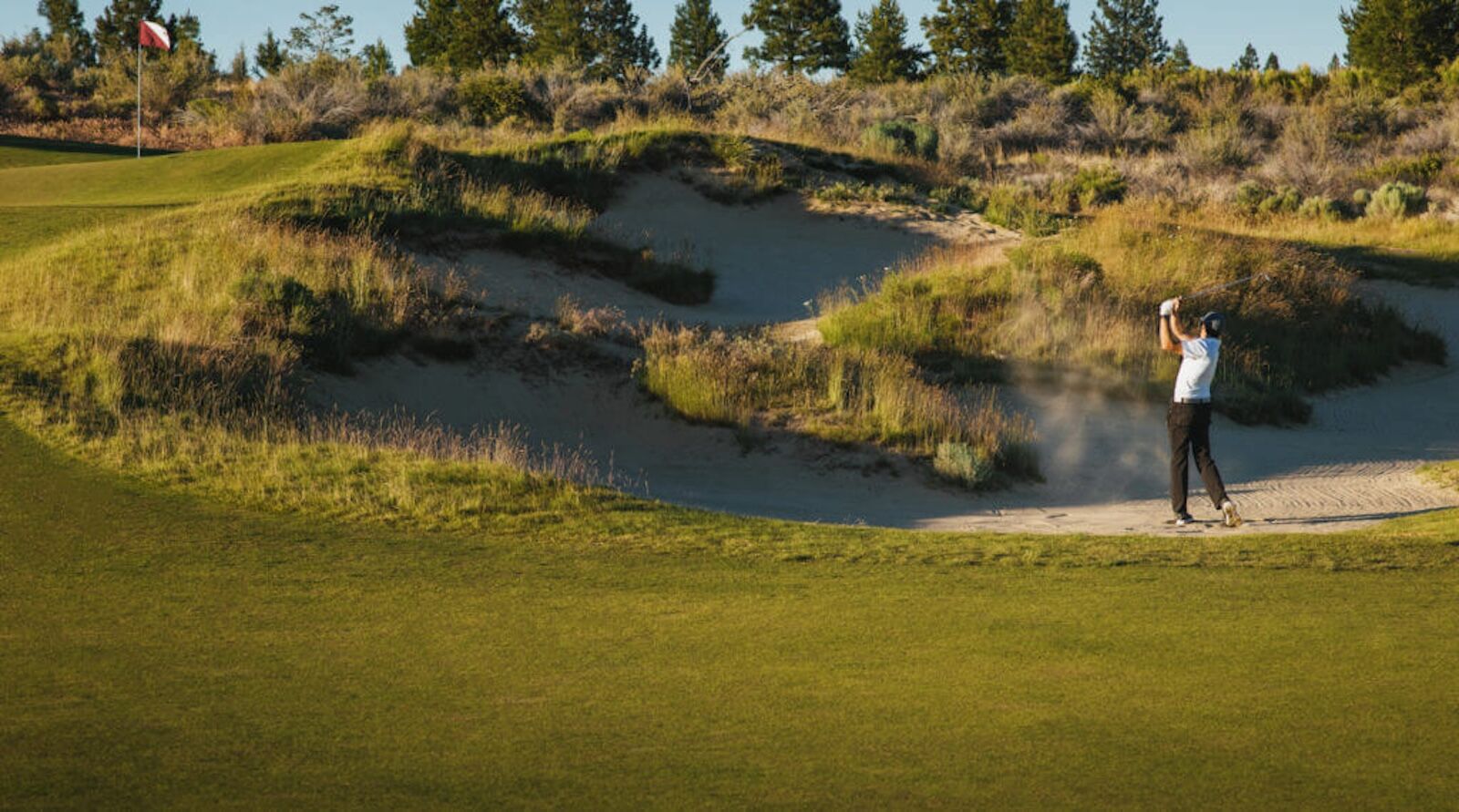
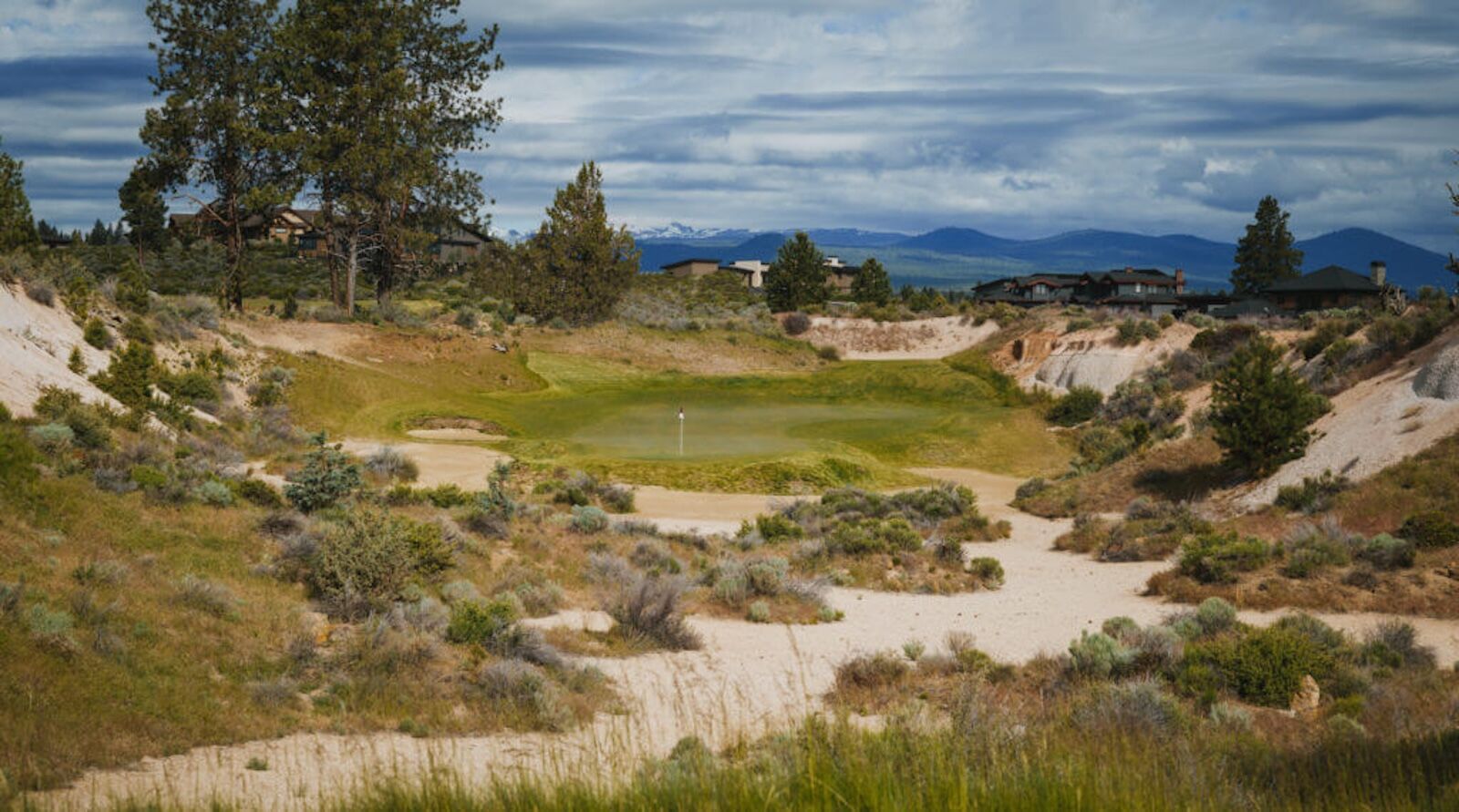
The Audubon-Certified Golf Course: At the heart of Tetherow’s recreational offerings is its acclaimed 18-hole championship semi-private golf course, designed by renowned Scottish architect David McLay Kidd. Kidd, celebrated for his minimalist approach and ability to craft courses that feel organically integrated into the landscape, created a links-style course that challenges golfers while offering breathtaking views of the Cascades. The course features dramatic elevation changes, strategic bunkering, and undulating greens, making it a challenging yet rewarding experience. Its distinction as Oregon’s first Audubon-certified links course is a testament to its exceptional environmental management practices. The Audubon Cooperative Sanctuary Program for Golf Courses requires participating courses to demonstrate a high level of environmental quality in six key areas: environmental planning, wildlife and habitat management, outreach and education, chemical use reduction and safety, water conservation, and water quality management. This certification highlights Tetherow’s proactive efforts in preserving natural habitats, conserving water resources, and promoting ecological balance within the golf course environment. Golf enthusiasts, like the avid father-in-law of the original author, consistently laud it as one of the Pacific Northwest’s premier golfing destinations, often ranking it highly in regional and national publications.
-
Heated Outdoor Pool and Hot Tubs: The resort’s heated outdoor pool area is a central gathering point, designed for relaxation and enjoyment under Bend’s famously sunny skies. Outfitted with comfortable cabanas, inviting fire pits, and a generous patio space, it provides an ideal setting to unwind. With Bend boasting an average of 300 days of sunshine per year, the pool area becomes a vibrant social hub, offering both refreshing dips and tranquil lounging opportunities, especially appealing after a day of outdoor adventures.
-
State-of-the-Art Fitness Facility: Tetherow’s fitness center rivals that of a high-end health club, featuring a comprehensive selection of cardio and weight machines. Large windows offer stunning views of the surrounding natural landscape, transforming an indoor workout into an inspiring experience. The facility also includes a steam room and a sauna, providing additional avenues for relaxation and recovery after physical exertion.
Unparalleled Convenience and Unique Offerings:
-
Complimentary Shuttle Service: Recognizing the convenience needs of its guests, Tetherow provides a highly valuable complimentary shuttle service into Bend’s downtown and Old Mill District areas. This service operates seven days a week, from 7 AM to 10 PM, offering flexibility for exploring the city’s attractions without the hassle of driving or parking. While reservations are highly recommended due to availability, this amenity significantly enhances the guest experience, fostering a seamless connection between the secluded resort environment and Bend’s urban core. Trips outside these designated areas are also available for a fee, offering tailored transportation solutions.
-
Mt. Bachelor Shuttle: For guests eager to hit the slopes without personal transportation, Tetherow offers a dedicated shuttle service to Mt. Bachelor West Village Lodge. For a fee of $30 per person per day, guests can enjoy convenient round trips, with departures from Tetherow at 8 AM and 11:30 AM, and return trips at noon and 4 PM. This service is a significant boon for skiers and snowboarders, providing direct and hassle-free access to the mountain’s winter activities.
-
“Borrow a Guitar” Program: Demonstrating a commitment to unique and thoughtful guest experiences, Tetherow offers a complimentary "Borrow a Guitar" service. Acoustic instruments are available for on-site rental, encouraging guests to relax, unwind, and perhaps even find creative inspiration during their stay. This distinctive amenity speaks to the resort’s desire to cultivate a truly personalized and enriching environment.
Culinary Journey at Tetherow Resort

Dining at Tetherow Resort is an integral part of the luxury experience, with multiple establishments catering to various tastes and occasions, ensuring guests never go hungry.
-
The Row: The Row serves as a versatile dining venue, skillfully balancing the casual ambiance of a sports bar with the refined offerings of an upscale restaurant. Guests can enjoy a relaxed atmosphere, perhaps catching a game on television while savoring a craft beer. Simultaneously, The Row offers an elevated dinner service featuring exquisitely prepared dishes such such as braised short ribs, a rich and tender classic, or a satisfyingly fresh salad enhanced with perfectly seared salmon. A particularly lauded menu item, the fries, are consistently praised for their flawless seasoning, often stealing the spotlight as a standalone culinary delight. The culinary team at The Row focuses on using fresh, high-quality ingredients, reflecting Bend’s growing reputation as a foodie destination.
-
The Cafe: For lighter fare, quick bites, or a casual breakfast and lunch, The Cafe provides a convenient and delicious option. Open from 7 AM to 2 PM, it serves a range of morning favorites including gourmet avocado toast, freshly baked pizzas, artisanal sandwiches, and invigorating smoothies. The Cafe caters to those seeking a lighter meal or a quick grab-and-go option before embarking on their day’s adventures, ensuring that guests have access to fresh and wholesome food throughout the early part of the day.
While the original article focuses on The Row and The Cafe, a resort of Tetherow’s caliber often features additional seasonal or specialized dining experiences, reflecting a comprehensive approach to guest satisfaction through diverse culinary offerings. This multi-faceted dining strategy ensures that all palates and preferences are accommodated, from casual family meals to more sophisticated evening dining.
Luxurious Accommodations: A Sanctuary of Comfort and Serenity
The guest rooms at Tetherow Resort are meticulously designed to offer a sanctuary of comfort and elegance, blending modern amenities with a rustic charm that reflects the surrounding natural beauty.
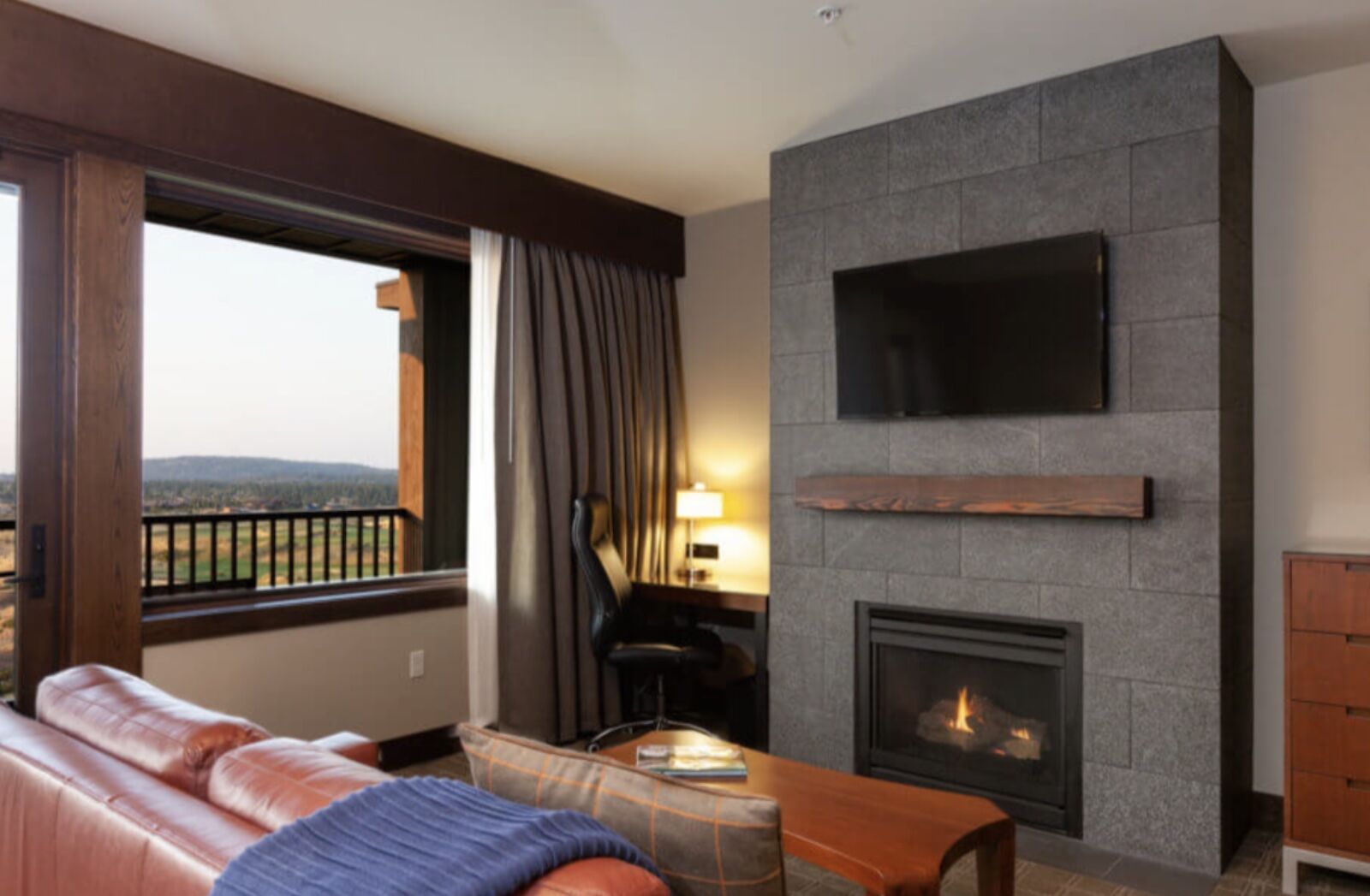
The Deluxe Corner King room, as highlighted by a guest, exemplifies the resort’s commitment to spaciousness and thoughtful design. Its generously sized sitting area, complete with a warm, cozy fireplace, creates an immediate sense of home-like comfort, perfect for unwinding after a day of intense outdoor exploration. The beds are noted for their extreme comfort, providing an ideal environment for restful sleep. Even on overcast or drizzly days, the room’s atmosphere transforms into a moodily serene retreat, inviting guests to relax and recharge.
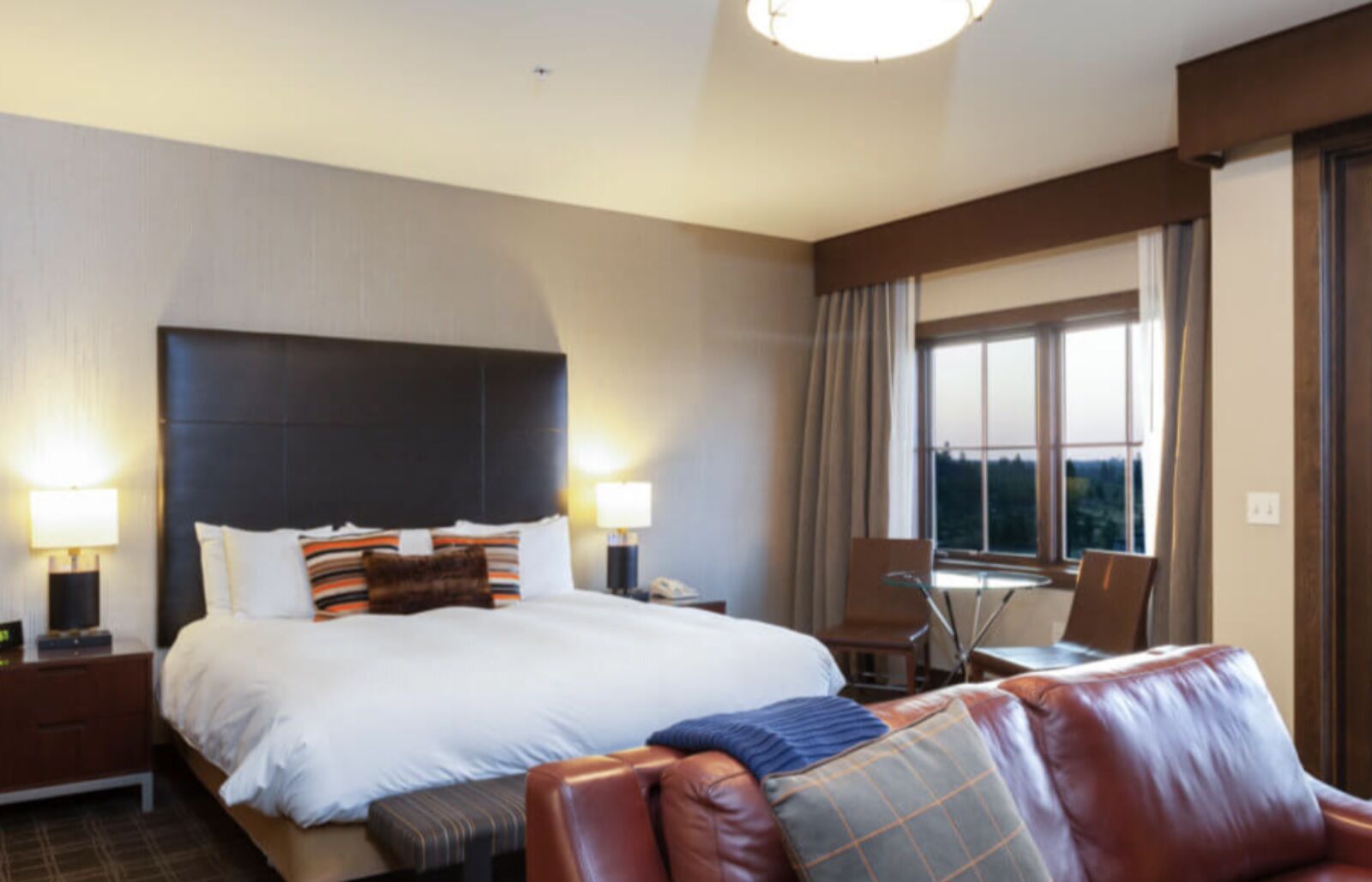
The bathrooms are particularly striking, characterized by clean, crisp white furnishings that exude a sense of luxury and freshness. A standout feature is the provision of large, fluffy towels, a small yet significant detail that enhances the overall indulgent experience. In specific room configurations, a full-size tub is strategically placed adjacent to a large window that can actually open. This unique design allows guests the opportunity to savor a scenic view of the surrounding landscape while enjoying a luxurious soak, seamlessly blending indoor relaxation with the beauty of nature.
Private balconies are another cherished feature, offering guests a personal outdoor space to breathe in the fresh high-desert air. Overlooking the meticulously maintained golf course, these balconies provide pleasant opportunities for people-watching or simply enjoying the tranquil surroundings. Even when misty weather obscures distant views, the experience remains immersive, creating a feeling of being safely enveloped within a soft, white cloud, enhancing the sense of seclusion and peace. The integration of natural elements and luxurious comforts ensures that each room at Tetherow is not just a place to sleep, but a destination in itself.
Pioneering Sustainability and Environmental Stewardship
Tetherow Resort’s commitment to sustainability is a cornerstone of its operational philosophy, deeply embedded in its design, construction, and daily practices. This dedication extends beyond mere compliance, actively seeking innovative ways to minimize environmental impact and foster ecological balance.
-
Living Roofs and Native Vegetation: A prime example of Tetherow’s ecological foresight is the implementation of “living roofs.” These roofs, composed of native vegetation, serve multiple environmental functions. They help to preserve the property’s natural landscape, reduce stormwater runoff, provide insulation that lowers energy consumption for heating and cooling, and create micro-habitats for local wildlife. Furthermore, during the resort’s construction, a concerted effort was made to leave the vast majority of native vegetation untouched or to replant it throughout the property. This careful stewardship ensures that the resort blends seamlessly with its environment rather than imposing upon it, maintaining the natural aesthetic and ecological integrity of the high-desert ecosystem.
-
Geological Integration: The resort’s architecture thoughtfully incorporates local geological elements. The rock fascia used on the buildings, patios, and pool areas is made up of tri-colored basalt, distinctively mined from the 13th hole of the golf course. This practice not only provides a unique, aesthetically pleasing local character to the structures but also reduces the environmental footprint associated with transporting building materials from distant locations, showcasing a commitment to local sourcing and resourcefulness.
-
Wildlife Corridors and Habitat Preservation: Tetherow is a living laboratory for wildlife observation, with over 45 different species frequently spotted on the property. This rich biodiversity is no accident; it is the result of deliberate conservation efforts. The resort maintains "wildlife corridors"—preserved snags, rock piles, and brush piles—strategically placed throughout the property. These corridors facilitate the seasonal migration of larger wildlife like Rocky Mountain elk and deer, and provide year-round natural habitats for smaller animals such as marmots, bunnies, coyotes, numerous bird species, frogs, and bats. Specific examples include a bridge between holes 2 and 3 on the golf course that leads to designated spy shelters, and a bat box near hole 6, illustrating tangible efforts to support local fauna.
-
Partnerships for Conservation: Tetherow actively collaborates with leading environmental organizations to enhance its conservation initiatives. The East Cascades Audubon Society works closely with the resort to protect various bird species by installing and monitoring bird and bat boxes across the golf course and broader property. Additionally, the Cascade Bird Conservancy has deployed 80 bird boxes specifically for bluebirds and swallows, along with 8 specialized boxes for Lewis’s woodpeckers, a species currently on the watch list for endangered species. These partnerships underscore a proactive, scientifically informed approach to habitat management and species protection.
The cumulative effect of these sustainability initiatives is profound. Tetherow not only minimizes its ecological footprint but also serves as an educational model for responsible tourism and land management. This dedication resonates with an increasing demographic of eco-conscious travelers, further solidifying Tetherow’s reputation as a resort that offers luxury without compromising its environmental principles.
Exceptional Hospitality: The Tetherow Difference
Beyond its impressive physical attributes and natural surroundings, Tetherow Resort truly distinguishes itself through its exceptional standard of hospitality and guest-centric service, creating an environment that feels both luxurious and genuinely welcoming.
-
Dog-Friendly Excellence: For guests traveling with their canine companions, Tetherow goes above and beyond to ensure a delightful experience. Upon arrival, pups are greeted with a personalized gift bag containing a poem, a handwritten note, homemade dog treats, and sustainable waste bags. This thoughtful gesture immediately conveys a warm welcome. Throughout their stay, guests often report that employees remember their dog’s name, offering ample affection and making both pet and owner feel truly valued. This level of personalized, attentive service transforms a dog-friendly policy into a truly dog-welcoming culture, reflecting a deep understanding of the bond between pets and their owners.
-
Staff Kindness and Guest-Centric Service: The staff at Tetherow consistently garners praise for their genuine kindness, professionalism, and understanding. Guests frequently recount instances of staff going out of their way to assist, such as demonstrating empathy and flexibility when travel plans are disrupted by unforeseen circumstances like traffic or road trip setbacks. These interactions highlight a service philosophy centered on making guests feel cared for and respected, transforming routine interactions into memorable moments of connection.
-
Creating a "Home Away From Home": What truly sets Tetherow apart is its ability to strike a delicate balance between the luxurious amenities of a high-end hotel and the comforting familiarity of a home. For travelers who have been on the road for extended periods, this balance is invaluable. The resort’s ambiance, coupled with the attentive yet unobtrusive service, fosters an environment where guests can truly settle in, relax, and find comfort not just physically, but mentally and spiritually. This sense of belonging and profound comfort makes Tetherow an ideal sanctuary, offering a restorative escape that rejuvenates the body and soul, leaving guests feeling refreshed and entirely at ease.
Exploring Bend Beyond Tetherow
While Tetherow Resort offers a comprehensive experience, Bend itself is replete with attractions that beckon exploration, enriching any visit to the region.
-
Winter Magic: Moonlight & Starlight Snowshoe Tours: For those visiting during the chillier seasons, a truly enchanting experience awaits with Wanderlust Tours’ Moonlight & Starlight Snowshoe Tours. These guided excursions take participants into the serene, snow-covered landscapes surrounding Bend after dusk, offering a profound connection with nature under the ethereal glow of the moon and stars. Guides are noted for their intelligence and talent, blending educational insights about the local ecosystem with engaging storytelling, making the tour both informative and incredibly fun. The journey culminates with soul-warming hot chocolate enjoyed under the vast, star-studded sky, leaving participants with a sense of childlike wonder and a renewed appreciation for the natural world. Practical advice for this tour includes dressing warmly in layers, wearing sturdy, waterproof hiking shoes, and approaching the experience with an open mind to fully embrace its magic.
-
Watershed Coffee Roasters: For a more relaxed urban experience, Watershed Coffee Roasters (formerly Looney Bean Bend) is a local gem. This establishment is celebrated not just for its exceptional coffee but also for its amazing back patio garden, which offers a tranquil setting right on the river. It’s an ideal spot for a leisurely morning or afternoon, allowing guests to sit, sip their coffee, and contemplate life amidst picturesque scenery. The coffee shop is also renowned for its breakfast burritos, which have achieved a legendary status among locals and visitors alike. While there might be a significant wait time for these highly sought-after burritos, the consensus is that the culinary reward is well worth the patience.
Overall, Bend, Oregon, stands as a fantastic year-round destination, offering abundant opportunities to connect with nature, breathe fresh air, and engage in a wide array of activities. Tetherow Resort, with its blend of luxury, access to the outdoors, and deep-seated commitment to sustainability and exceptional hospitality, serves as an ideal and restorative home base for embarking on adventures both within and around this vibrant Central Oregon city. Its comprehensive offerings ensure that every guest’s stay is not just a trip, but a truly enriching and memorable experience.