The Sony FX5 Ushers in a New Era for Cinema Line with Significant Upgrades and Industry-Shaking Features

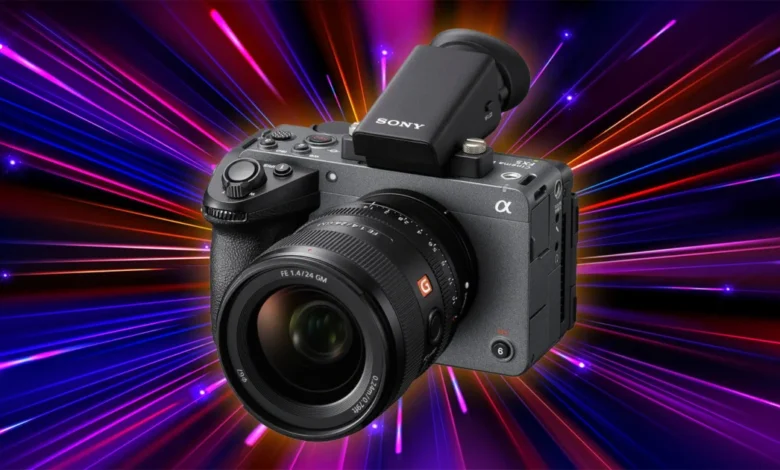
The unveiling of the Sony FX5 marks a pivotal moment for Sony’s acclaimed FX Series cinema cameras, addressing long-standing critiques and introducing a suite of features that significantly elevate its standing in the professional filmmaking landscape. This new model appears to be Sony’s direct response to persistent demands for more substantial advancements, particularly in areas where previous iterations faced limitations. The camera’s release is poised to redefine user expectations and potentially shift market dynamics within the compact cinema camera segment.
For a considerable period, users and industry observers have voiced a desire for more meaningful evolution within Sony’s FX line. While the company has consistently demonstrated an awareness of user feedback and market trends, the development cycle for professional camera equipment is inherently complex. Each new feature or technological leap involves intricate balancing acts, influencing performance, cost, and compatibility with existing workflows. The extended gestation periods for new models, coupled with a corporate culture that prioritizes discretion until a product is market-ready, has sometimes led to an perception of stagnation. This has resulted in a recurring pattern of incremental updates, leaving some users feeling that critical advancements, such as comprehensive Open Gate recording and internal RAW capture, were perpetually out of reach.
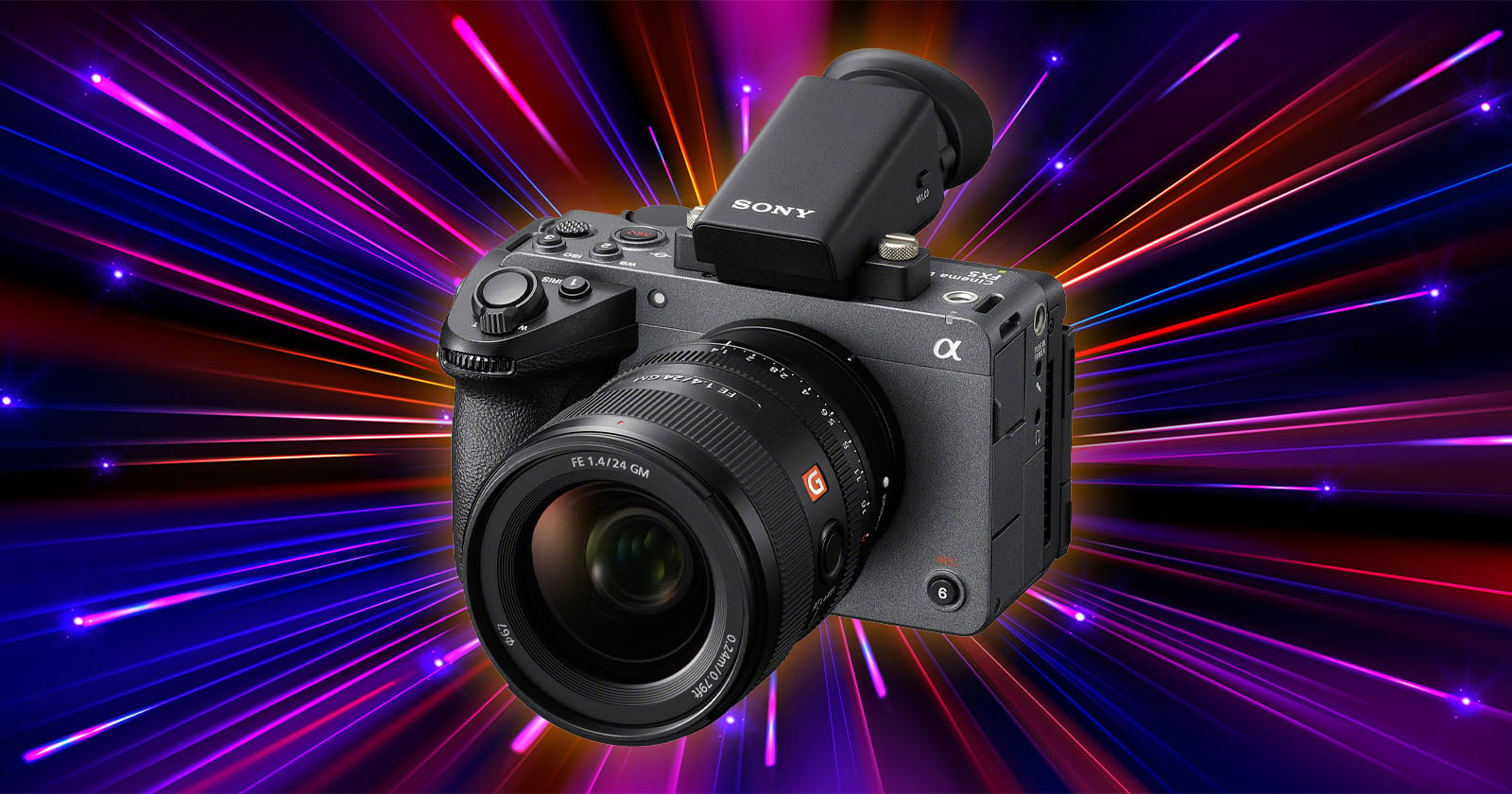
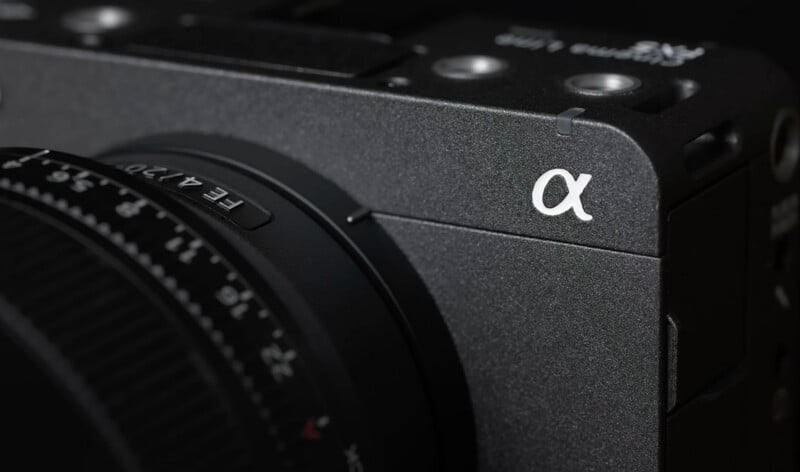
The Sony FX5 arrives with a new 16.6-megapixel image sensor and Sony’s cutting-edge Bionz XR2 processor, signifying a fresh generation for the FX Series. This camera is not simply an incremental upgrade to the FX3 or a scaled-down FX6; it represents a distinct new product category for Sony, offering a compelling blend of portability and professional-grade functionality. Many industry analysts are hailing the FX5 as Sony’s most consequential video camera in recent memory, largely due to its integration of features previously considered absent or limited in its predecessors.
Addressing Long-Standing Demands: Open Gate and Internal RAW
At the forefront of the FX5’s advancements are the highly anticipated Open Gate recording and internal 16-bit RAW video capture capabilities. For years, Sony’s FX cameras have been lauded for their image quality and compact form factor, but the absence of these professional staples has been a notable deficiency, especially when compared to offerings from competitors like Canon, Nikon, and Panasonic. The FX5 directly confronts this by providing 16-bit X-OCN files internally, a significant leap that broadens post-production flexibility and image manipulation potential.
The implementation of Open Gate recording, although currently limited to RAW formats, is another crucial addition. This feature is vital for filmmakers who require the utmost flexibility in reframing shots, adapting content for various aspect ratios, or achieving the distinct aesthetic of anamorphic lenses. The rising popularity of anamorphic cinematography in both commercial and narrative productions makes this feature particularly timely and economically significant for professionals. The ability to capture footage in its purest, uncompressed form allows for greater creative control and ensures that footage can be adapted to a wider array of client deliverables, potentially preventing users from losing out on lucrative projects due to technical limitations.
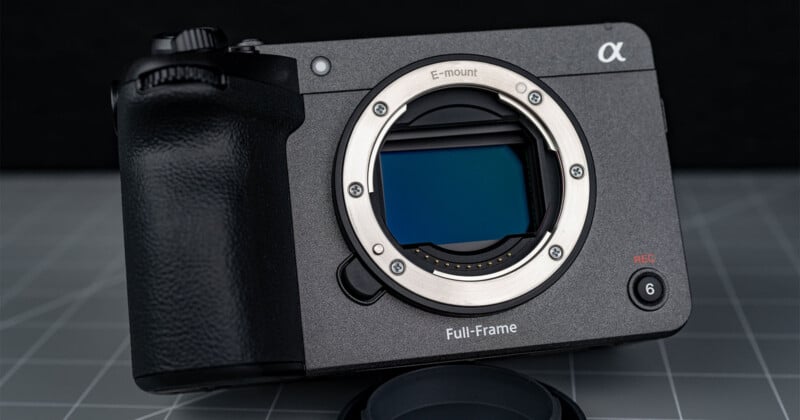
A New Segment: Bridging the Gap
The Sony FX5 carves out a unique position within Sony’s extensive camera lineup. It is not positioned as a direct successor to the FX3 Mark II, nor is it a direct competitor to the larger FX6. Instead, it occupies a space that caters to a specific set of professional needs, offering a more robust feature set than the FX3 while maintaining a more accessible form factor than the FX6. This strategic positioning suggests a calculated effort by Sony to capture a broader segment of the professional filmmaking market.
With its inclusion of Open Gate, internal RAW recording, advanced monitoring tools like waveforms and vectorscopes, and a detachable EVF, the FX5 is equipped to handle a wide range of professional assignments. It is versatile enough to serve as a primary camera for many projects, particularly those not requiring resolutions exceeding 5K, or as a highly capable B or C camera for larger productions. The FX3 has already proven its worth in these roles, and the FX5 enhances this by offering superior video specifications within a similar, well-regarded chassis.
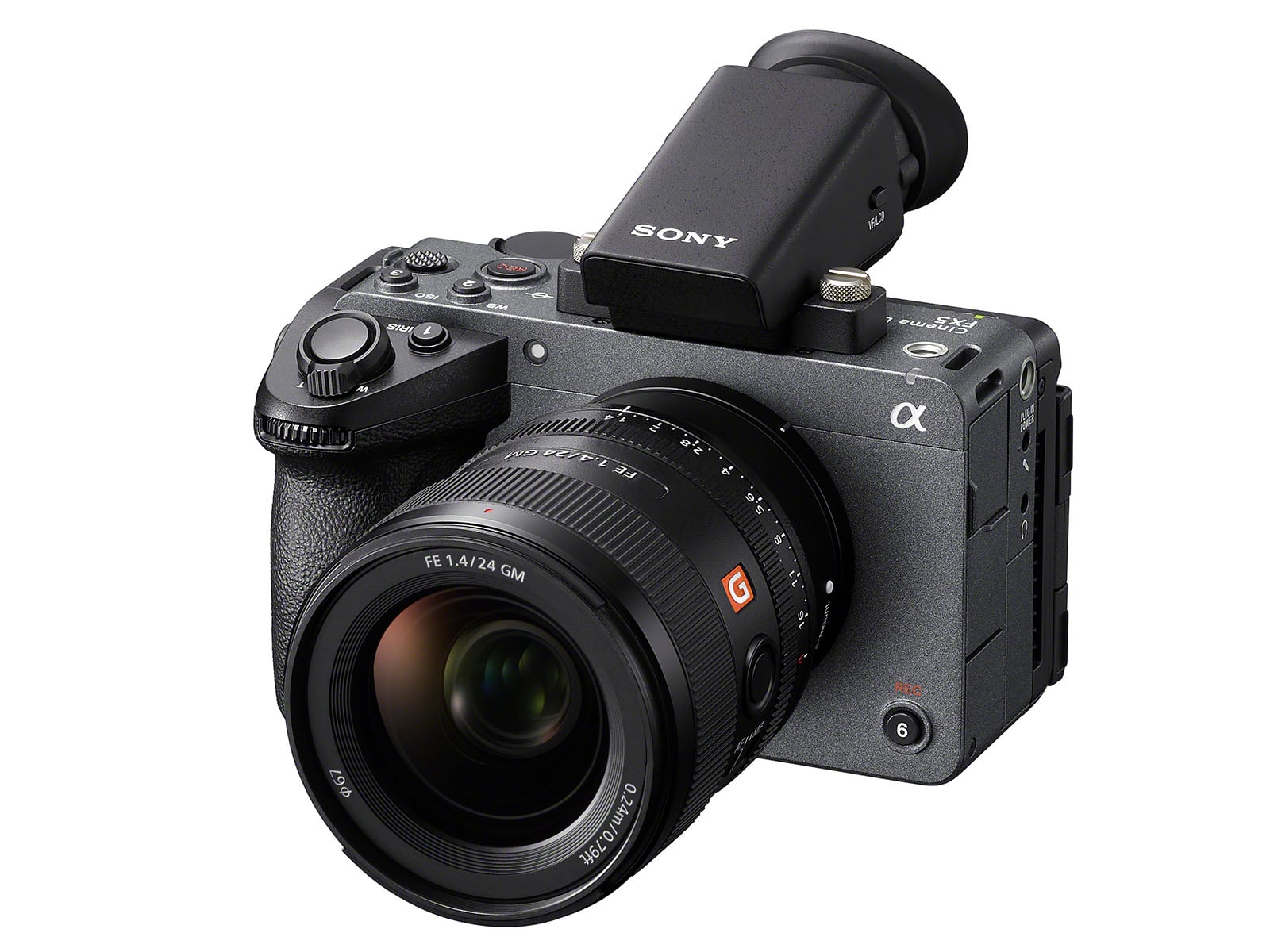
Enhanced Usability and Performance Features
Beyond the headline-grabbing features, the FX5 incorporates several other significant upgrades that contribute to its professional appeal. The new 16.6-megapixel sensor, potentially a variant of the sensor found in the a7R VI but optimized for video with a Quad Bayer pattern, offers an impressive balance of resolution and speed. While the Dynamic Range Boost mode may impact some of that speed, the sensor is unlikely to be a bottleneck for most users.
The camera also boasts an improved battery system, enhanced AI-powered autofocus, and more sophisticated stabilization. Crucially, it introduces three base ISO settings (800, 4000, and 12800), providing greater flexibility in low-light shooting scenarios and optimizing for different lighting conditions. The user interface has been redesigned with inspiration from Sony’s high-end CineAlta cameras, incorporating advanced monitoring tools that are essential for precise exposure and color control.
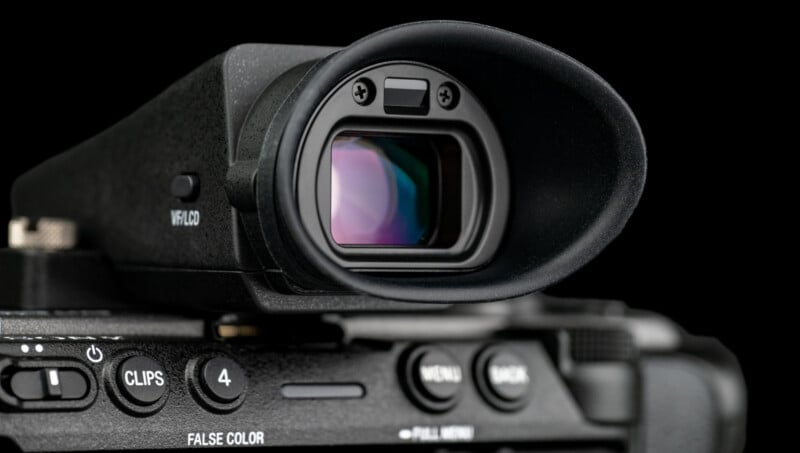
Design and Ergonomics: A Focus on Flexibility
A notable design element of the FX5 is its detachable electronic viewfinder (EVF). This provides users with enhanced flexibility in how they frame and monitor their shots, a feature that has been highly praised in other compact cinema cameras. While the placement of the EVF does obstruct the Multi Interface (MI) shoe, which is necessary for the camera’s 32-bit float audio recording, this is presented as a minor compromise for the significant gain in viewing versatility. The positive reception of tilting EVFs on similar camera bodies suggests this will be a welcome addition for many.
The inclusion of a larger rear display further enhances the user experience, catering to a wider range of shooting preferences. These ergonomic improvements, combined with the core functional upgrades, position the FX5 as a more adaptable tool for a broader spectrum of filmmakers.
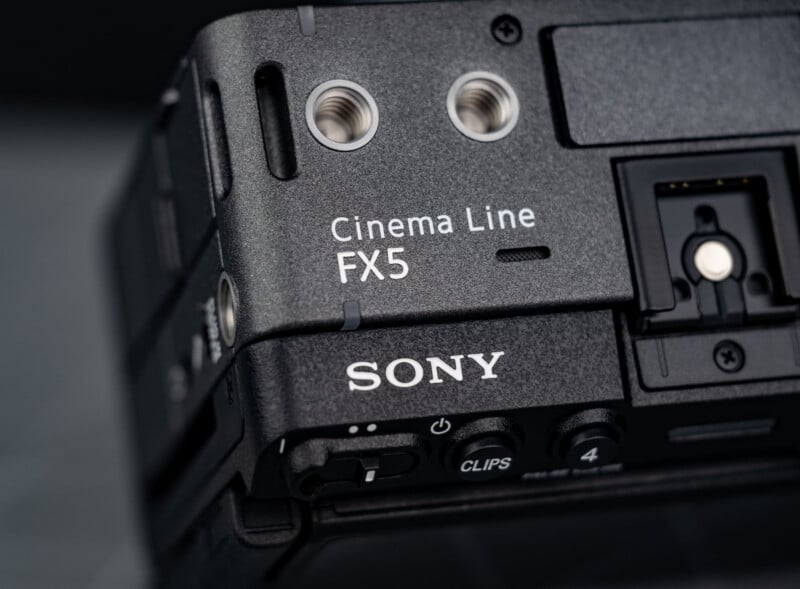
What’s Still Missing? The FX6’s Continued Relevance
Despite the FX5’s impressive advancements, it does not possess every professional feature available. Notably absent is an internal electronic neutral density (ND) filter, a feature that has proven invaluable on the Sony FX6 and is a significant convenience for run-and-gun shooting. Furthermore, the FX5 lacks some of the higher-end workflow connectivity options found on the FX6, such as Genlock and SDI ports. The FX6’s larger body also affords greater expansion possibilities and a more robust build for demanding production environments.
These omissions ensure that the FX6 retains its distinct place in Sony’s lineup, catering to professionals who prioritize these specific advanced features and connectivity. The existence of both the FX5 and FX6 suggests a tiered strategy, allowing Sony to address different professional tiers with specialized offerings, while also hinting at the potential for future FX6 models to incorporate the advancements seen in the FX5.
A New Chapter for the FX Series
The Sony FX5 represents more than just a new product; it signifies a strategic shift and a renewed commitment to innovation within Sony’s FX Series. For years, users have made compromises when choosing Sony’s compact cinema cameras, accepting certain limitations in exchange for other benefits. The FX5 appears to significantly reduce or eliminate many of these historical compromises.
This release marks the beginning of what is likely the next generation of FX Series cameras, building a stronger foundation for a lineup that has been immensely popular. In a market that has seen intense competition grow since the launch of the FX3 and FX6 over five years ago, the FX5 arrives at a critical juncture for Sony. Its comprehensive feature set, coupled with its competitive pricing of $4,900, positions it as a potentially market-defining camera. By addressing key user demands and introducing compelling new capabilities, the FX5 is arguably Sony’s most important cinema camera to date, demonstrating a clear understanding of the evolving needs of professional filmmakers and a proactive approach to staying at the forefront of the industry.