Melbourne Officially Crowned the Record Store Capital of the World, Boasting an Unrivaled Vinyl Culture

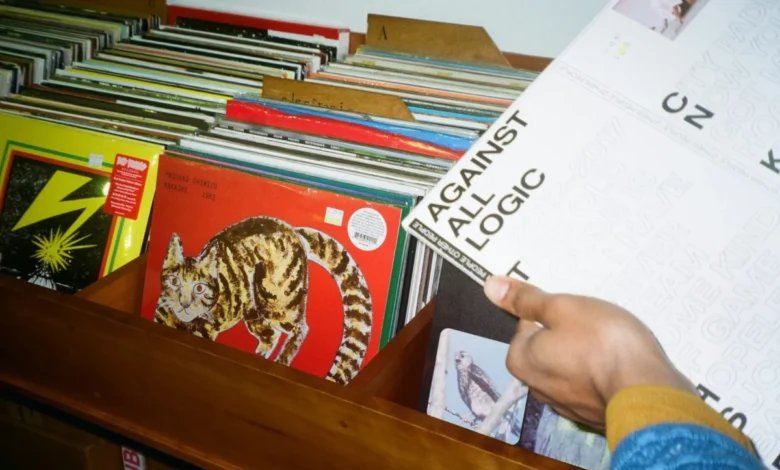
Melbourne, Australia – As vinyl records continue their global resurgence, the vibrant Australian metropolis of Melbourne has officially claimed the prestigious title of the "Record Store Capital of the World." With an impressive 5.9 record stores per 100,000 residents and a total of 119 independent vinyl outlets, the city surpasses renowned music hubs like Tokyo, London, and Berlin in per capita density. This extraordinary concentration, with one particular inner-city strip housing 19 stores within a 2.5-square-kilometer radius, highlights a unique cultural phenomenon deeply embedded in Melbourne’s identity. On April 18, an opportune moment coinciding with Record Store Day, writer Sarah Smith delves into the compelling reasons behind Melbourne’s unwavering devotion to vinyl.
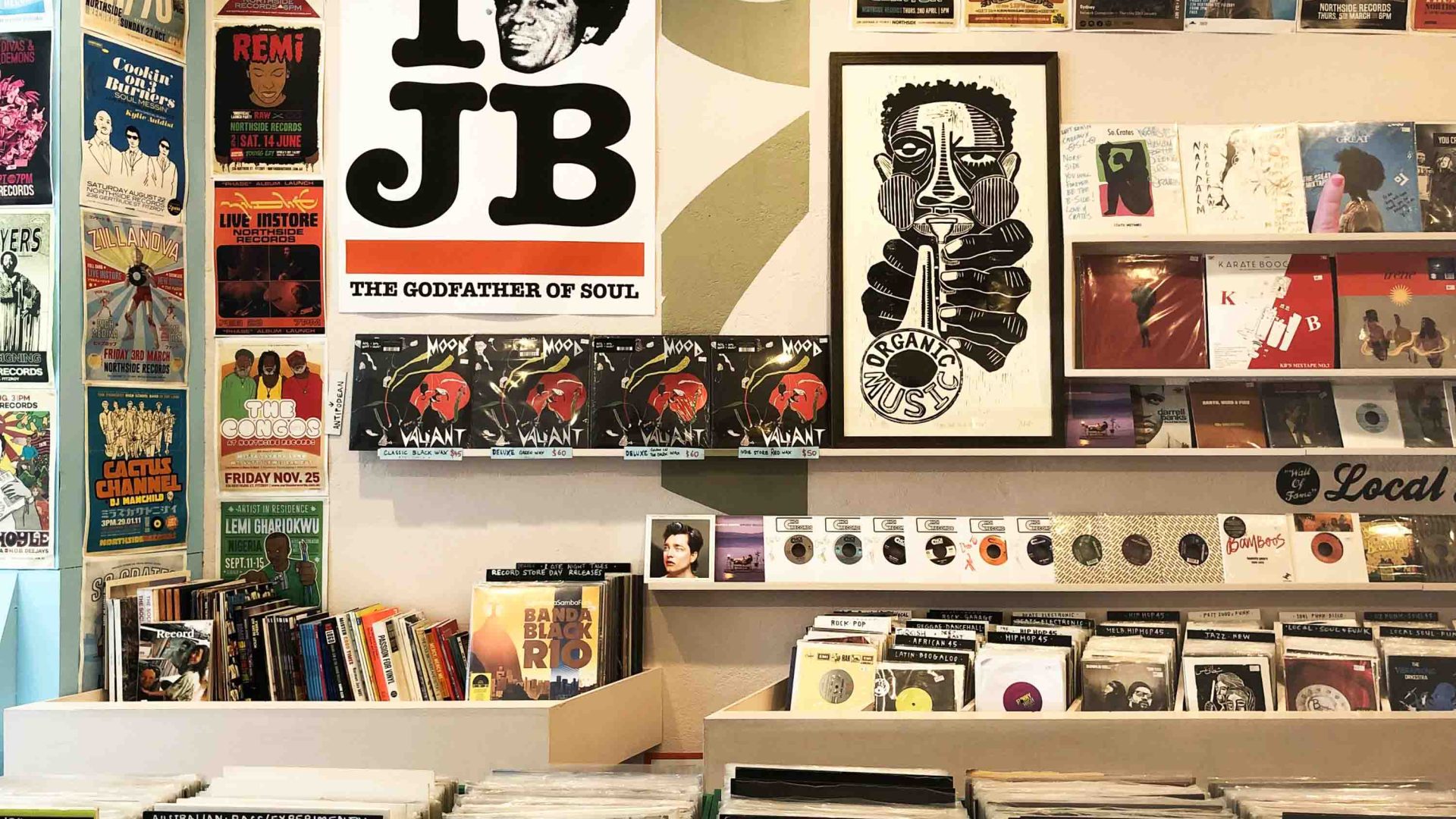
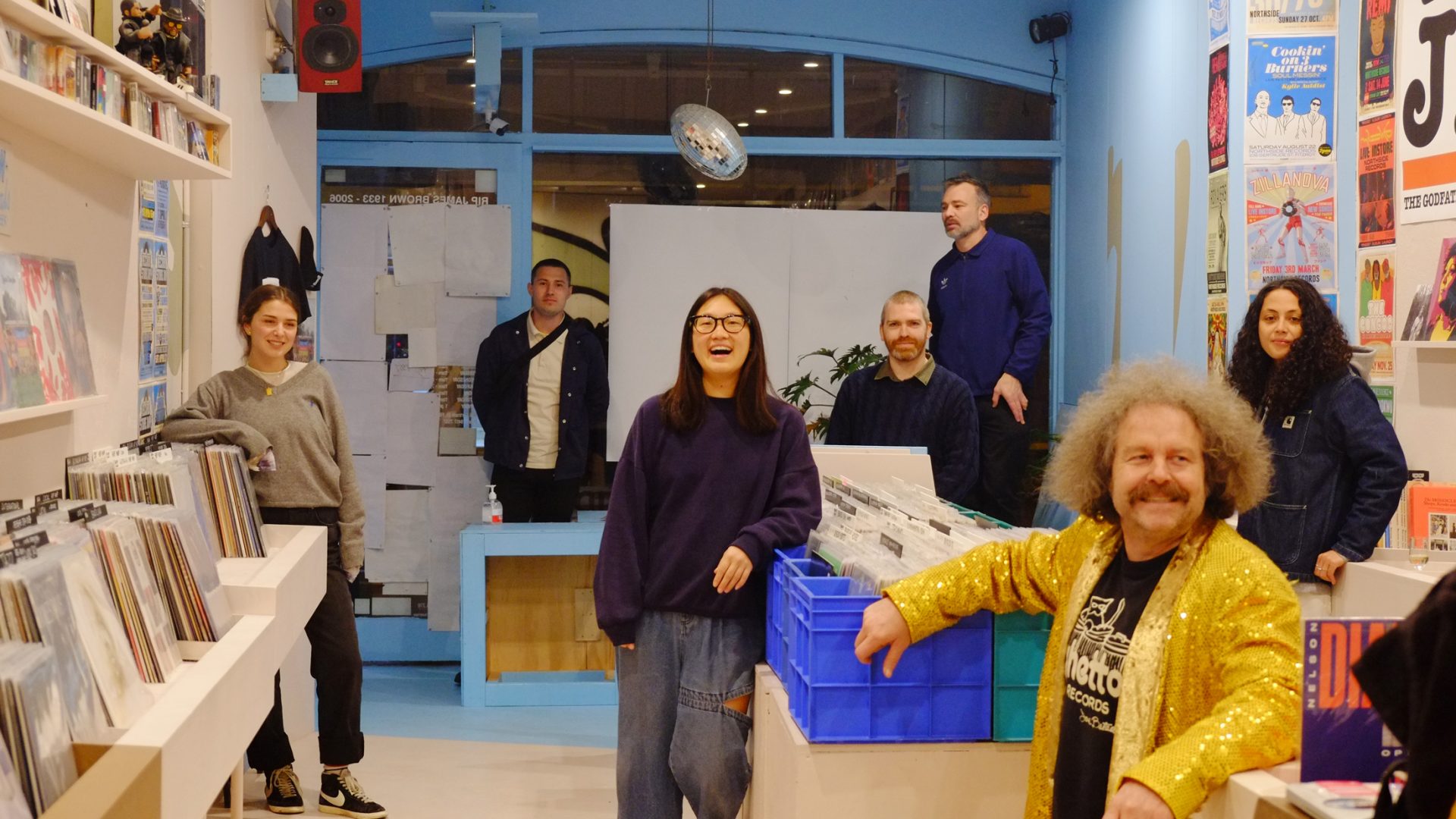
Stepping into Northside Records, a beacon of Melbourne’s thriving vinyl scene, one is immediately enveloped by an infectious energy. Chris Gill, the store’s owner and charismatic "bioluminescent mascot," greets patrons with a booming "Are you having a fuuuuunky day?" His bushel of graying curls bobs enthusiastically behind the counter, illuminated by an oval-shaped disco ball designed to mimic the iconic Australian Rules football. The air pulsates with the sounds of Surprise Chef, while dedicated music aficionados meticulously sift through crates, a mother and daughter share a moment listening to Amy Winehouse’s Frank, and tourists capture selfies against a backdrop of a "I Heart James Brown" poster.
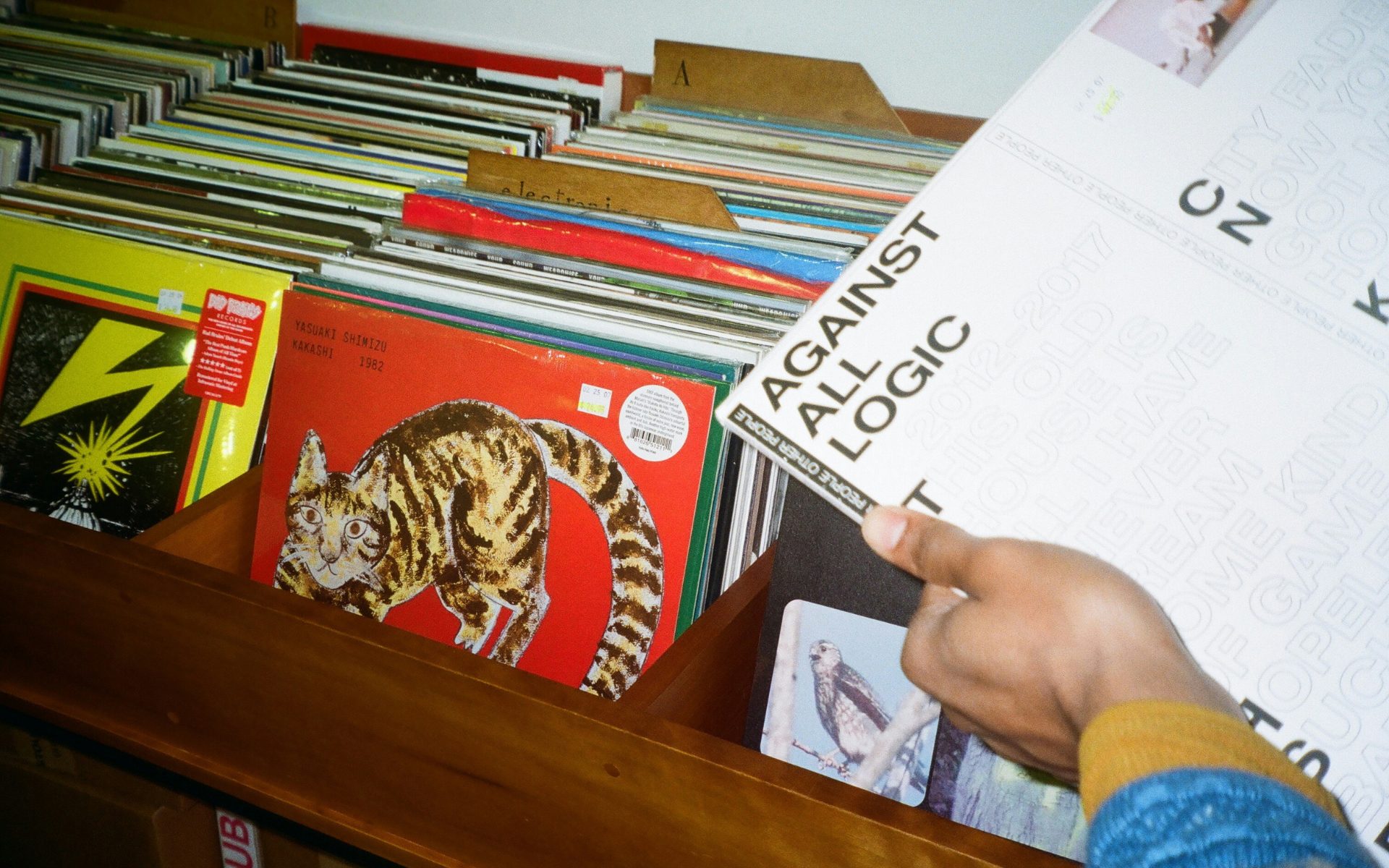
Established in 2002, Northside Records in Fitzroy has blossomed into a pulsating heart for Melbourne’s neo-soul movement, specializing in jazz, funk, hip-hop, and soul—or, as Gill puts it, "Grooooove-based stuff." It serves as a vital community hub where local and international musicians converge to hang out, perform intimate gigs, and sign records. Legendary artists like Hiatus Kaiyote have graced its stage, George Clinton has held signing sessions, and even Mark Ronson has been spotted "having a dig" through its curated selections.
Just a short walk across to Smith Street in Collingwood reveals an even denser cluster of vinyl havens. The Searchers offers a treasure trove of rare finds, particularly strong in heavier music genres. Further along, Plug Seven, Wah Wah records, Happy Valley, and Skydiver—a dance music record store that transforms into a DJ bar on weekends—each contribute to the area’s unparalleled vinyl density. This concentration of stores, roughly one every 350 meters, underscores Melbourne’s unparalleled commitment to physical music. The city’s 119 record stores account for half of Australia’s total independent vinyl outlets, a testament to its singular position in the global music landscape. But what factors have converged to cultivate such a fervent appreciation for vinyl in this Australian city?
A City’s Deep-Seated Musical Identity Beyond Rock

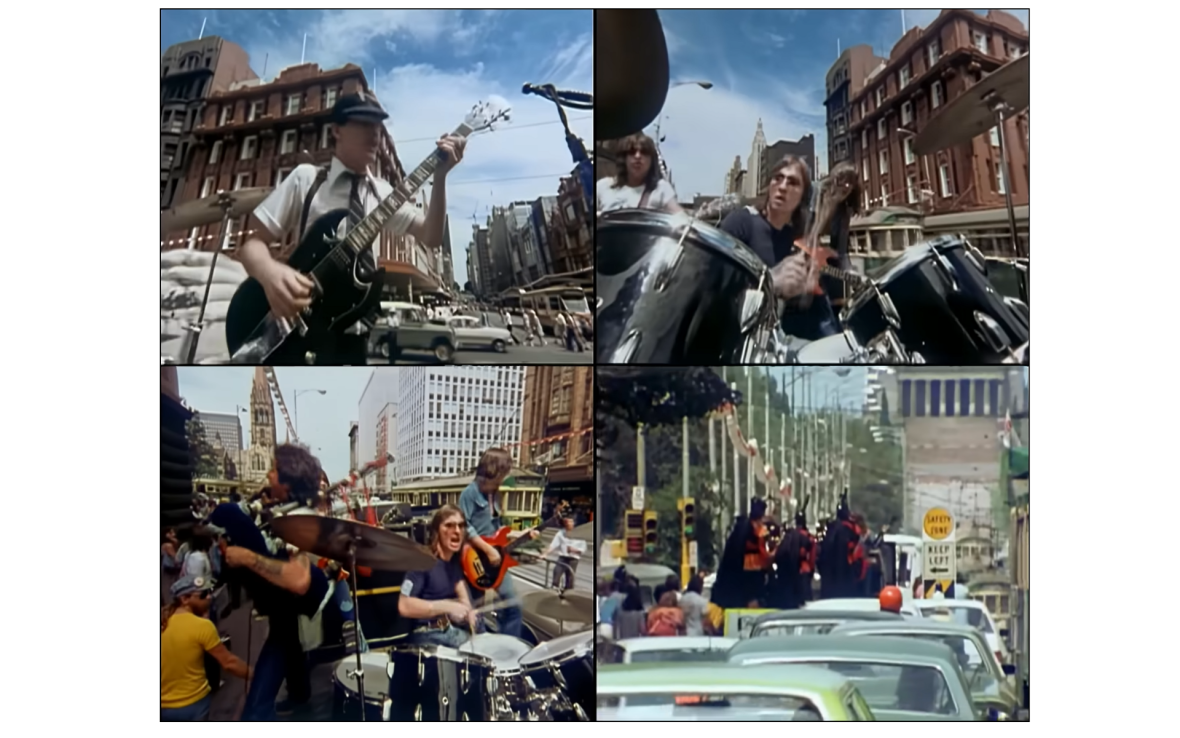
For five decades, Melbourne has cultivated a reputation as a rock’n’roll city, famously epitomized by AC/DC’s iconic flatbed truck performance down Swanston Street. However, many Melburnians contend that their city’s musical passion transcends genre, embracing all forms and expressions of sound. This rich cultural tapestry has nurtured globally recognized artists such as Nick Cave, Men at Work, Crowded House, Jet, Courtney Barnett, King Gizzard and The Lizard Wizard, The Avalanches, Gotye, Hiatus Kaiyote, and Amyl and The Sniffers. Simultaneously, it champions dozens of experimental scenes, supports the highest number of independent record labels in Australia, and hosts two of the Southern Hemisphere’s largest and most influential community radio stations: 3RRR FM and PBS FM.
Prior to the COVID-19 pandemic, which inflicted the world’s longest lockdowns on Melbourne and led to the closure of hundreds of live music venues, the city also boasted the most live music venues per capita globally. "Melbourne is a city of music obsessives. Everyone who lives here will tell you," asserts Chris Gill. The origins of this profound musical devotion are multifaceted, reflecting a unique confluence of geographical isolation, a fierce DIY ethos, and a deeply ingrained curatorial sensibility.
The Tyranny of Distance: Forging a DIY Ethos and Import Culture
Melbourne’s geographic isolation, a 25-hour flight from New York, 26 from Berlin, and 22 from London, has historically been a defining factor in its cultural development. This "tyranny of distance," rather than hindering, has paradoxically fostered a fiercely independent, do-it-yourself mentality and a vibrant creative community. The prevailing sentiment from early on was clear: "No-one’s going to do this unless we do it ourselves."
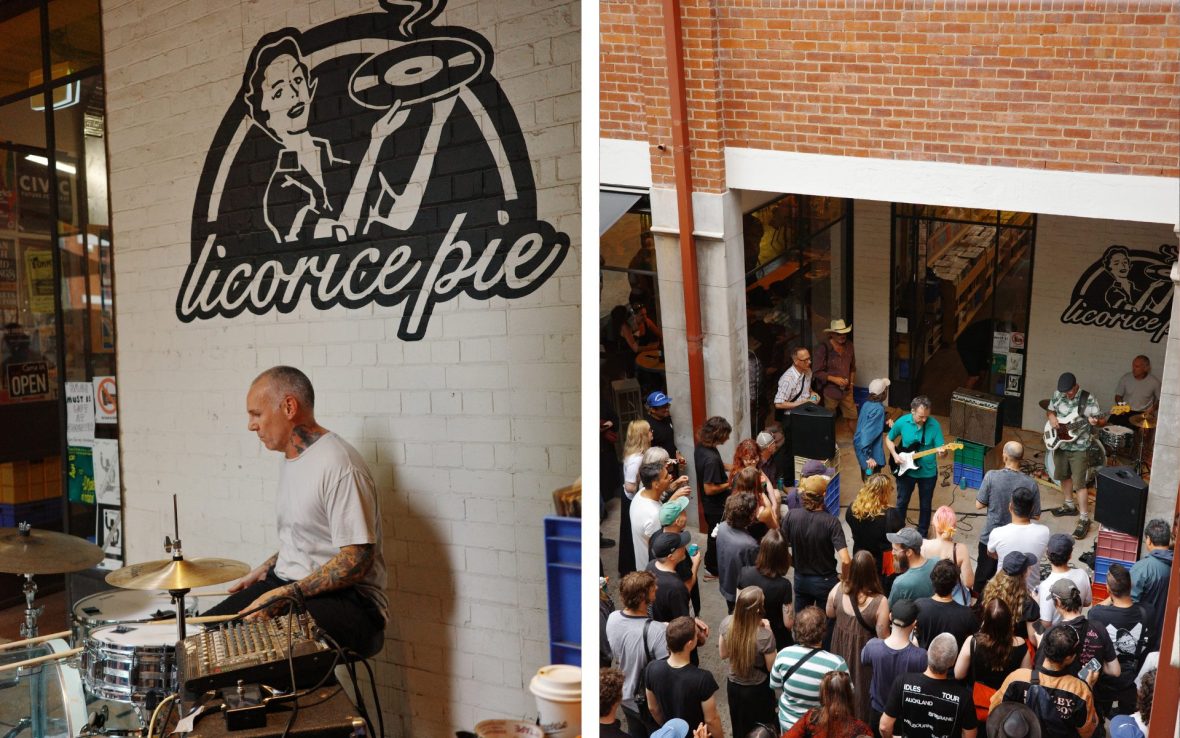
Dave Reitman, owner of Licorice Pie records, an institution nestled within Collingwood Yards—an eclectic arts precinct that also houses the community radio station PBS FM and attracts global music legends like DJ Shadow, Afrika Bambaataa, Henry Rollins, and Stranger Cole—explains this historical trajectory. "Go back as far as the ’50s and ’60s, and Melbourne had record import stores," Reitman recounts. "That’s a pretty unique thing for a city of Melbourne’s size, at that particular time." While European capitals had easy access to the latest and most obscure releases, Australian music enthusiasts were often at the mercy of major labels’ local release schedules. This void spurred a generation of "trailblazers" to begin importing obscure records from across the globe, laying the groundwork for a sophisticated and diverse music scene.
Early import stores like Manns and The Disc Shop pioneered this movement, followed by influential institutions such as Archie N’ Jugheads (later Missing Link records), Euphoria, and the blues and rock’n’roll specialist Hound Dog’s Bop Shop. These enterprises frequently operated in a "gray market," navigating regulations and the power wielded by major record labels to meet the demand of music fanatics for sounds otherwise unavailable. Denys Williams, the visionary owner of Hound Dog’s, was among the first Australians to travel internationally specifically to hunt for rare vinyl, cultivating a store with a reputation for exceptional curation that extended far beyond Australia’s shores. These early import stores served as crucial beacons, becoming gathering places for people to exchange ideas and share their passion for music. Over time, they instilled a deep sense of culture and curation that remains ingrained in the city’s musical DNA, fostering the collector mindset and DIY attitude that defines Melbourne today.
The Legacy of Curation: Quality Over Sheer Volume
The decades of importing strange sounds and rare vinyl, disseminated through these pioneering stores and onto community radio airwaves, have left an indelible mark on Melbourne’s musical landscape. "Melbourne probably has the most kraut rock records in the world outside of say Berlin or Hamburg," notes Dave Reitman, attributing this to music fanatics Jeremy Fiebiger and Daniel Janecka of Pipe Import Records, who imported thousands of these experimental German rock records in the ’70s. Lloyd Dewar, also known as Mohair Slim, a respected radio host and DJ, adds, "You have some of the deepest private soul and blues collections in the world in Melbourne, which would probably surprise some people but makes sense when you begin to understand the history of the city’s record stores."
As a direct consequence of this rich history, Melbourne in 2026 boasts some of the world’s most meticulously curated record stores. While they may not rival the sheer volume of records found in shops in Japan, Europe, or the US, Melbourne’s vinyl slingers pride themselves on doing the arduous digging themselves, ensuring that the customer’s experience of finding high-quality, interesting music is streamlined and enjoyable. "You’re not sifting through 10,000 soul records like you might in a shop in the US," explains Slim. "But you’ll walk in and find good-quality, rare and interesting records fast. The hard work has been done for you." This focus on quality curation rather than overwhelming quantity is a hallmark of Melbourne’s vinyl culture, a direct descendant of its unique historical development.
High Fidelity, All Welcome: From Elitism to Inclusive Community
The stereotype of the elitist, unwelcoming record store clerk, famously captured in John Cusack’s 2000 cult rom-com High Fidelity, has long plagued the industry. The film’s stinging line—"You guys are snobs. You’re totally elitist. You feel like the underappreciated scholars, so you shit on the people that know less than you—which is everybody. It’s just sad"—perfectly encapsulated the perception that buying vinyl required a preordained level of music-nerdery. This exclusionary vibe, where a lack of obscure musical knowledge could deter potential customers, once defined many record-buying experiences.
However, Melbourne’s record stores have undergone a significant evolution over the past two decades, consciously shedding this elitist image. Today, most are vibrant extensions of the broader music community. They are places not just to "dig" for records but also to socialize, witness live performances, and even, as Chris Gill points out, pick up a copy of Taylor Swift’s Life of a Showgirl on vinyl "without judgment."
"The record store became a stronger version of itself over the years," Gill reflects. "It’s all about the people." When he first opened Northside Records, his explicit intention was to create a retail space that celebrated music while simultaneously serving as an inclusive community gathering spot. "We wanted to appeal to the 50 percent of the population that had been largely ignored by this industry—anyone that might have traditionally felt uncomfortable stepping inside." This commitment to accessibility is a defining characteristic of Melbourne’s vinyl scene.
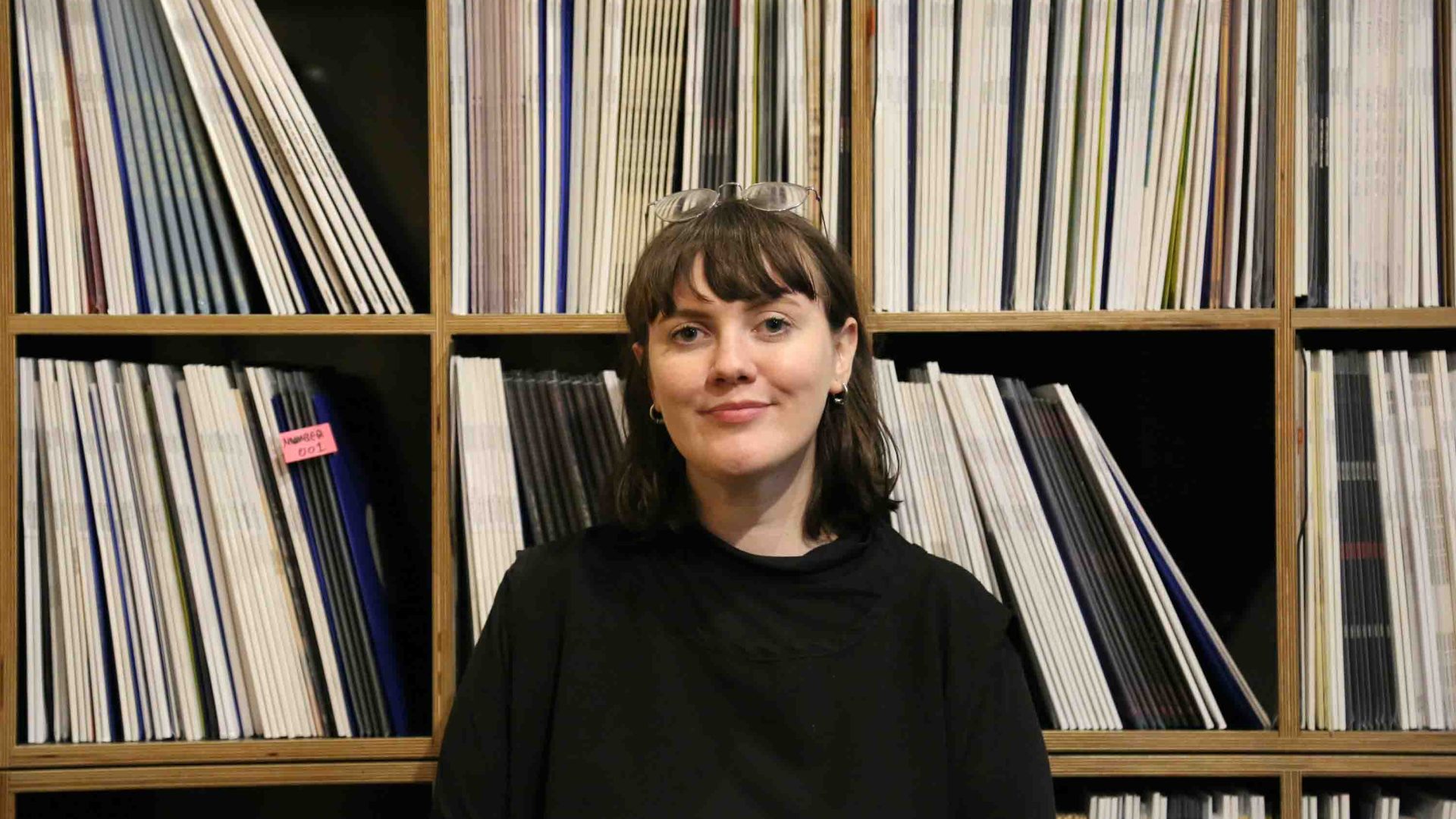
Bridget Small, a radio presenter, record collector, and account manager at the vinyl pressing plant Program Records, corroborates this shift. "The attitude here is really positive—most record store owners will give you the time of day," she states. "It can be extremely intimidating stepping into these spaces, but when I just started getting into buying vinyl I was encouraged and made to feel welcome by the stores I visited. This is the difference between someone, especially a young girl of 19 or so, embracing their passion or giving up altogether." This emphasis on fostering a welcoming environment has been crucial in broadening the appeal of vinyl and attracting a new generation of collectors.
Greville Records in Prahran, a sophisticated southside suburb where high-end fashion boutiques rub shoulders with vibrant clubs and cafes, offers another compelling example of this evolution. Opened in 1978 to cater to the city’s fervent punk fans eager for the latest Ramones or Sex Pistols albums, its former owners regularly journeyed to the US and UK to bring back their musical bounty. "Our clientele has changed a lot since then," observes current co-owner, radio DJ, and Melbourne music historian Bruce Milne. "In the early 2000s, a lot of Melbourne’s record shops actually disappeared, and Greville just managed to scrape by each week until the vinyl revival started to happen around the 2010s. These days, we have a lot of really young people buying newer top of the charts stuff—Charli XCX even did a signing in store back in 2018." This transformation underscores the industry’s adaptability and its appeal to diverse age groups and musical tastes.
A Symbiotic Ecosystem: Local Pressing Plants and Community Radio
Melbourne’s unique ecosystem is further strengthened by the presence of two dedicated vinyl pressing plants, Program Records and Zenith Records. These local facilities enable independent artists and labels to undertake viable small record runs, which are then enthusiastically stocked and championed by the city’s record stores. This local music is also heavily supported by Melbourne’s influential community radio stations. Approximately 25-50 percent of the vinyl found on Melbourne’s shelves is local music, a remarkable figure that highlights the deeply symbiotic relationship within the city’s independent music scene. Stores function not just as retail outlets but as integral components of a broader cultural network.
"The record stores in Melbourne are unique because they are very much focused on being a place to gather and have a real sense of community, as opposed to just a place where you just buy vinyl," explains Bridget Small. This collaborative spirit extends to the vibrant live in-store performances that regularly occur across Melbourne. Each week, dozens of artists, from emerging talents to established names, play intimate sets within these hallowed spaces. In 2019, Zambian rapper Sampa The Great famously "stopped traffic" on Gertrude Street during the launch of her Australian Music Prize-winning album The Return at Northside Records. That same year, Amyl and The Sniffers launched their debut album with an "all ages" in-store at Paradise Records, a now-iconic event. More recently, the reformed cult garage band Eddy Current Suppression Ring played a surprise gig at Licorice Pie. These artists, capable of selling out much larger venues, consistently choose to return to the record stores that supported them from their nascent stages, reinforcing the profound community bond at the heart of Melbourne’s music scene.
The Rise and Rise of Vinyl: A Pandemic-Accelerated Phenomenon
Since the mid-2010s, global sales of vinyl and other physical media have been steadily climbing. In an increasingly digital world dominated by streaming and downloads, there’s a growing desire for something tangible, an object that offers a deeper, more physical connection to music. While baby boomers began rediscovering the records of their youth—as Dave Reitman notes, "A few years ago, I couldn’t shift a copy of Fleetwood Mac’s Rumours for AUD$5 (USD3.5), and now I sell a few every week"—younger generations have also embraced vinyl as a way to physically embody their fandom. This trend has pushed vinyl further into the mainstream, with major pop albums routinely receiving exclusive LP releases.
The COVID-19 pandemic lockdowns, however, dramatically accelerated this trajectory. While operating a record store remains a labor of passion with often slim margins, the number of people buying vinyl has surged significantly in recent years. "Hands down, Covid changed the way people bought music," says Reitman. "A lot of stores had online presences and so people started to spend money on a record, because they couldn’t go down to the local pub and see a band. It’s a habit that has stuck here and around the world, where unfortunately many live music venues are struggling, while vinyl keeps selling."
Chris Gill agrees, stating, "Covid shone the light on the private space. And then people spent a lot more time at home and thinking about what that meant—young kids and old folks." During Melbourne’s prolonged two-year lockdowns, Northside Records adapted by offering record deliveries to customers. These socially distanced interactions with Gill often became the sole external conversation many individuals had for weeks. "I formed different relationships with people, because I was the only freak they ever saw, and sometimes you’d spend 20 minutes just talking and cracking gags," he recalls. "I think this all gave the record store more of an important cultural significance in Melbourne—and it stayed like this afterwards. Made our stores into hubs where people wanted to hang."
This post-pandemic shift underscores a broader implication: in an era where streaming services proliferate AI-generated music and algorithms nudge users towards passive consumption, record stores offer a revolutionary alternative. They provide human recommendations, fostering thoughtful, physical connections with music and the artists who create it. This tangible interaction, this sense of discovery guided by knowledgeable individuals, stands in stark contrast to the often impersonal experience of digital platforms, solidifying the record store’s role as a vital cultural institution.
"Diggin’ Melbourne": A Testament to Unity and Shared Passion
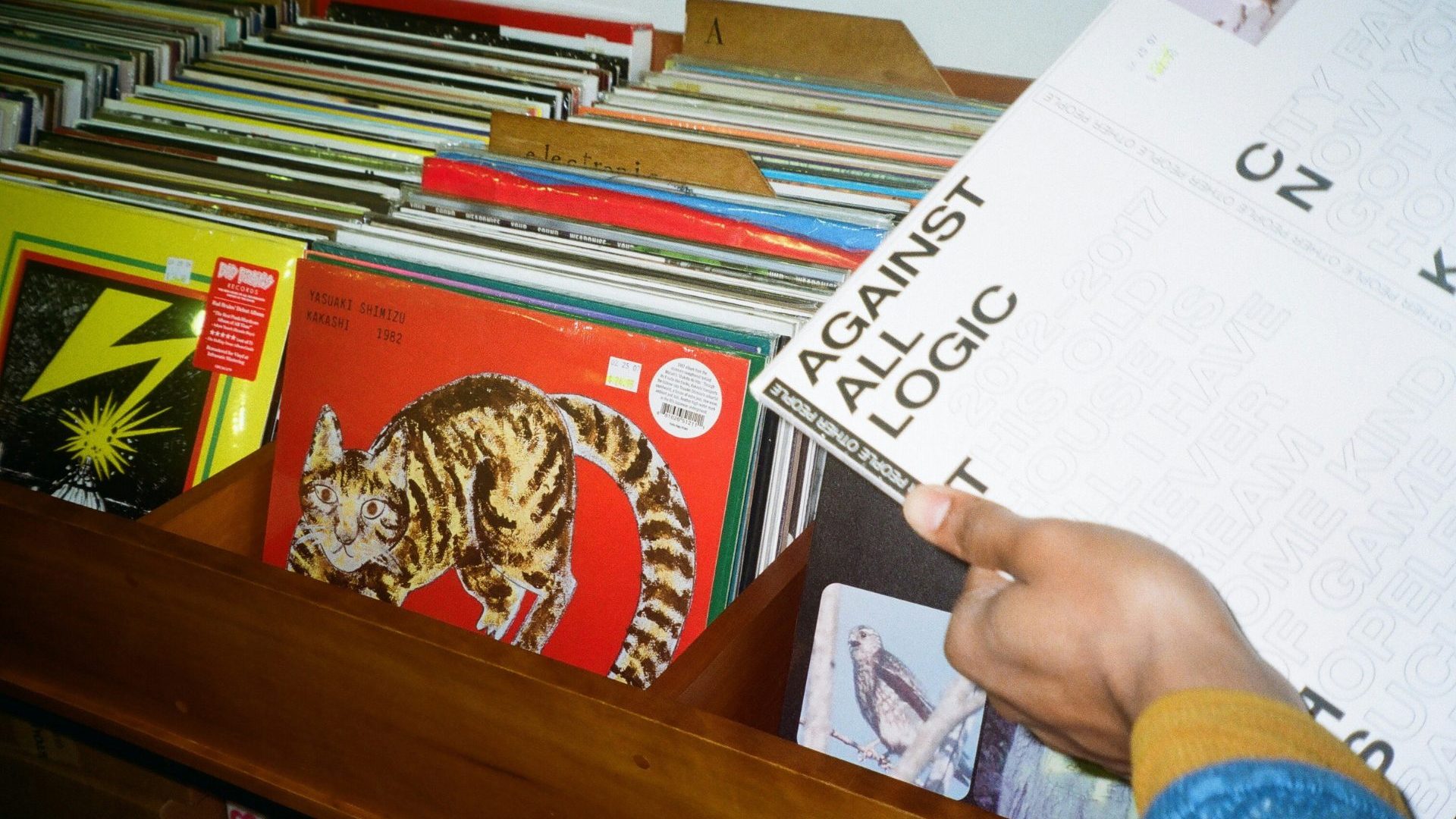
A tangible symbol of Melbourne’s cohesive record store community is the annually updated "Diggin’ Melbourne" map. Found on counters across the city, this almost-exhaustive guide lists Melbourne’s independent vinyl stores, a collaborative labor of love produced by Chris Gill and graphic designer Rex from Blisterfinger for the past decade, released just in time for Record Store Day.
Every year, Gill personally contacts each shop, engaging in conversations, checking in, and noting any new openings or closures. "Our [record store] music community is pretty close, for the most part," confirms Dave Reitman. "I was on the phone with Chris Gill just an hour ago having a chin wag," he laughs. "We all talk to each other. We help each other." This spirit of cooperation, rather than fierce competition, is a cornerstone of Melbourne’s success.
Gill articulates this philosophy with humility: "I think you have to become quite selfless to do this—and that’s maybe why it works here; because you realize you’re just an ant in the sand pile of the desert of groove. It’s humbling. You just keep getting up and doing your thing, sharing the music." This collective passion for sharing music, fostering community, and preserving a unique cultural experience is the true melody that underpins Melbourne’s reign as the record store capital of the world. It’s a testament to a city that truly understands and cherishes the enduring power of physical music and human connection.