When the average person imagines America’s quintessential beach experience, the mind often conjures images of bustling resorts, vibrant boardwalks, and a lively array of beach bars. Yet, a recent study suggests that the most compelling and memorable shorelines are found in far quieter, more pristine settings, away from commercial development. This evolving perception highlights a growing preference among travelers for natural beauty and tranquility over curated entertainment.
Crypto casino SlotsLV, as part of its new Most Relaxed States Index, embarked on an endeavor to pinpoint where travelers can uncover the most beautiful and highly-reviewed natural beaches across the United States. The study, which aimed to redefine what constitutes a truly valuable beach destination, focused specifically on shorelines shaped by natural processes—wind, waves, and sediment—rather than human intervention. This distinction deliberately excluded areas dominated by seawalls, artificial sand replenishment, or extensive resort infrastructure, prioritizing instead the untouched beauty of coastal ecosystems.
Drawing from the ten states identified with the highest number of such natural beaches, a standout beach from each state was meticulously selected based on its aggregate TripAdvisor reviews and ratings. The objective was to determine if these serene, often less-trafficked natural havens could indeed lay claim to the title of America’s top beaches, challenging the conventional notions of beachside allure.
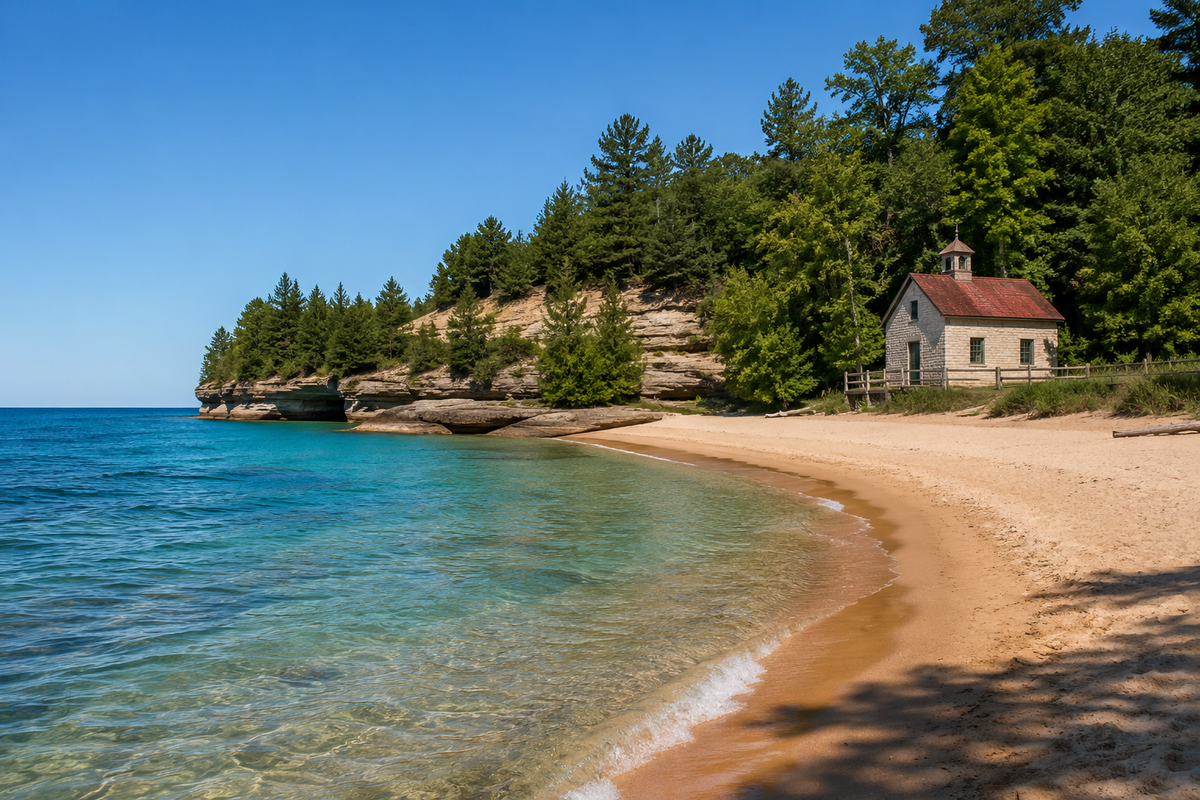
The Methodology: Unearthing America’s Natural Coastal Gems
The SlotsLV Most Relaxed States Index employed a robust methodology to identify and rank states by their natural beach abundance. This initial phase involved comprehensive data collection to quantify the total length and number of undeveloped coastlines within each state. Once the top ten states were established, the focus shifted to identifying the premier natural beach within each. This selection was primarily driven by user-generated content and ratings from TripAdvisor, a widely recognized platform for travel reviews. By prioritizing beaches with high average ratings and a significant volume of positive feedback, the study aimed to reflect genuine traveler satisfaction and appreciation for these natural spaces. The criteria for "natural" were strict: no significant man-made structures altering the beach’s fundamental character, often implying inclusion within protected areas like national seashores, state parks, or nature preserves.
A Deep Dive into America’s Top Natural Beaches
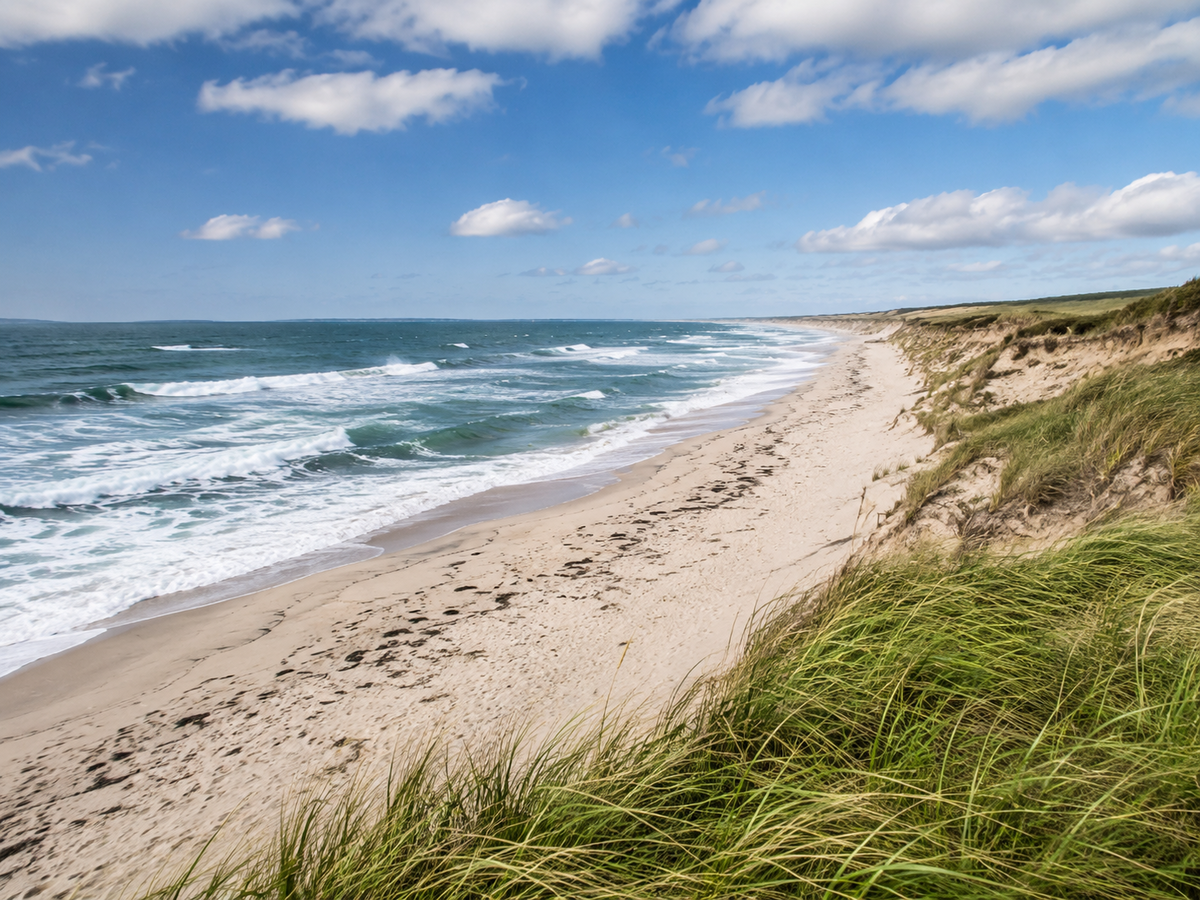
The study presented a compelling list of ten natural beaches, each offering a unique slice of American coastal splendor.
1. Massachusetts: Coast Guard Beach (4.7 out of 5 from 650 reviews)
Massachusetts emerges as the undisputed leader in natural beach abundance, boasting an impressive 2,342 natural beaches. Nestled within the iconic Cape Cod National Seashore in Eastham, Coast Guard Beach stands out with the highest TripAdvisor rating on this list. This pristine stretch of sand exemplifies the wild beauty of Cape Cod, characterized by expansive dunes, swaying beach grass, and an unbroken vista of the Atlantic Ocean. The beach is a dynamic landscape, constantly reshaped by the powerful forces of the sea, making each visit a unique experience. Its status as part of a National Seashore ensures its preservation, allowing visitors to witness coastal ecosystems in their natural state. Off-season visits often provide a solitary experience, as noted by reviewers who describe it as "stunning" and "part of the National Seashore," highlighting the serene atmosphere without admission fees during quieter months. Accessibility is managed, with seasonal restrictions on private vehicles, often requiring shuttle services during peak summer to maintain its ecological integrity.
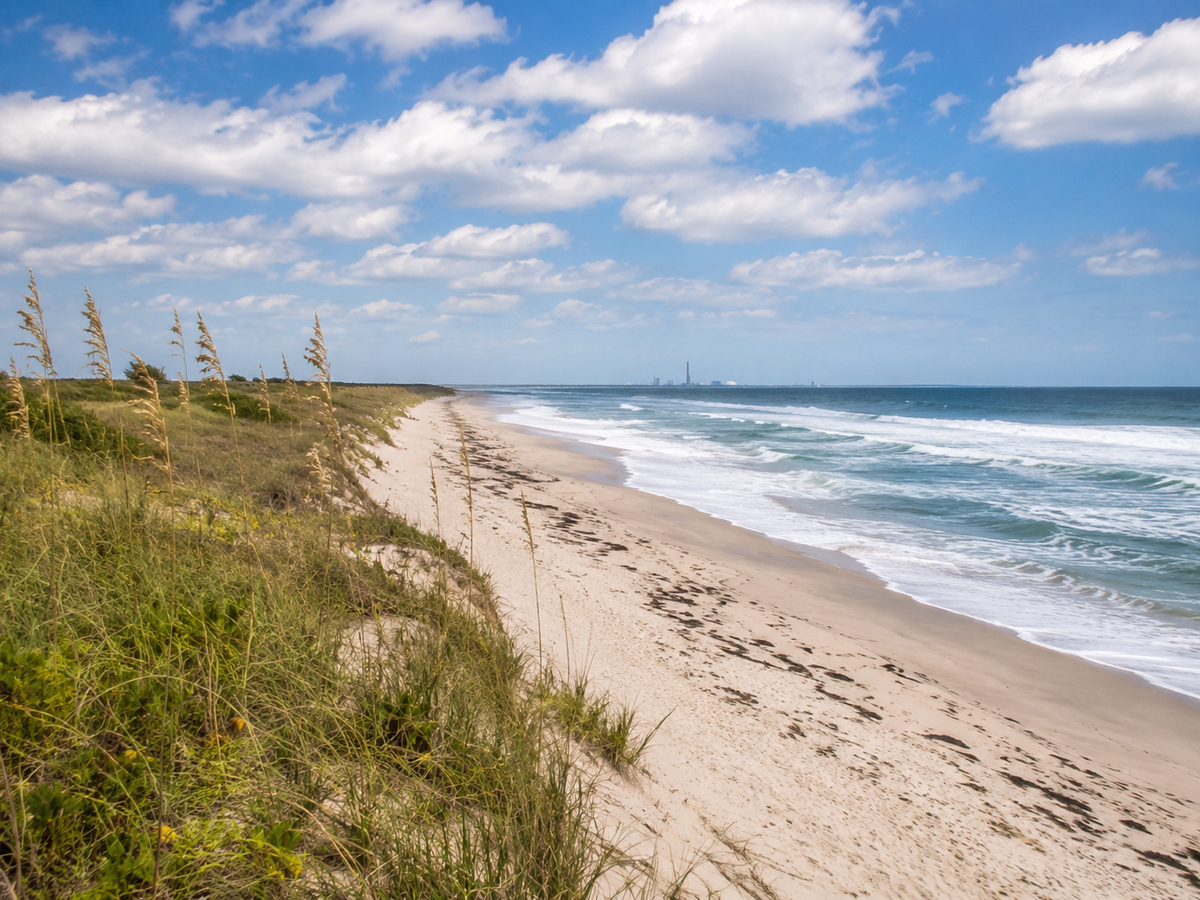
2. Florida: Playalinda Beach (4.5 out of 5 from 376 reviews)
Florida, despite its reputation for bustling resort towns, secures second place with 1,880 natural beaches. Playalinda Beach, located in Brevard County on the Space Coast, offers a stark contrast to the state’s more developed shorelines. As part of the Canaveral National Seashore, it is a protected barrier island ecosystem, a sanctuary of dunes, lagoons, and diverse wildlife. This undeveloped coastline provides an unparalleled opportunity for visitors to connect with nature, observe migratory birds, and appreciate the raw beauty of a pristine beach. Reviewers often praise its "amazing" and "natural" feel, emphasizing the sense of being "just you and nature." The beach’s proximity to Kennedy Space Center also offers the unique spectacle of rocket launches from a natural vantage point, adding another layer to its appeal. Entrance requires a fee as part of the National Seashore, reinforcing its managed preservation.
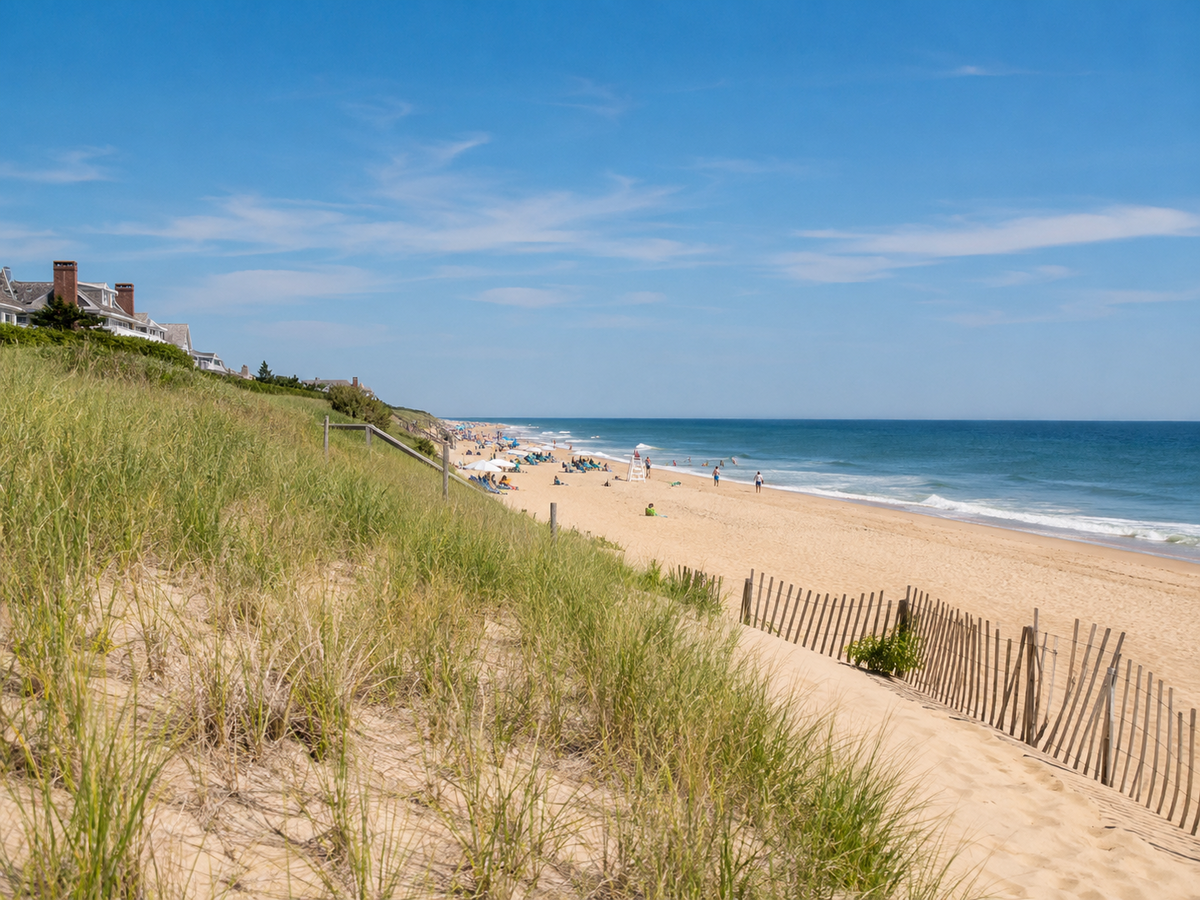
3. New York: Cooper’s Beach (4.6 out of 5 from 361 reviews)
New York, often associated with urban landscapes, surprisingly ranks third with 1,605 natural beaches. Cooper’s Beach, situated on the South Fork of Long Island in Southampton, challenges perceptions, demonstrating that the state offers magnificent natural coastal experiences. This broad Atlantic beach is a testament to the powerful forces of the ocean, with its wide expanse of sand backed by towering dunes adorned with beach grass. While offering classic natural scenery, Cooper’s Beach also provides convenient visitor facilities, including lifeguards, restrooms, showers, and concessions, striking a balance between preservation and visitor comfort. Its "very clean" and "relaxing" atmosphere, as described by TripAdvisor users, makes it ideal for families and groups seeking a quiet yet well-equipped beach day. The blend of pristine natural environment with thoughtful amenities positions it as a highly desirable destination.
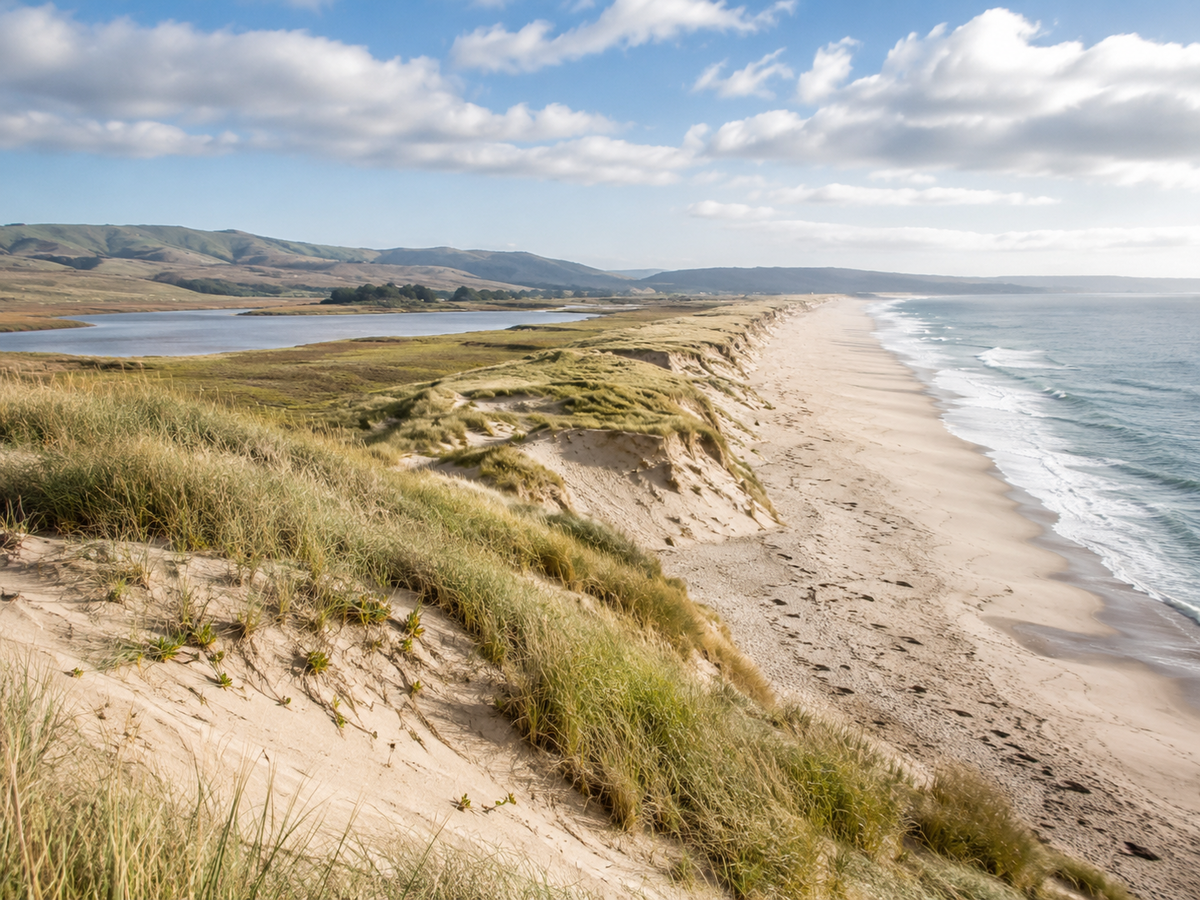
4. California: Limantour Beach (4.6 out of 5 from 131 reviews)
California, with its vast and varied Pacific coastline, takes fourth place with 1,536 natural beaches. Limantour Beach, nestled on Limantour Spit within the Point Reyes National Seashore, perfectly embodies the state’s diverse coastal offerings. It provides a harmonious blend of wild, untamed scenery and relatively easy access. The beach is a haven for wildlife, particularly migratory birds, making it a prime location for birdwatching. Its expansive sandy shores, often shrouded in coastal fog, offer a contemplative escape. Reviewers frequently highlight the solitude and opportunity to "disconnect," with comments like "Had the beach entirely to ourselves." This sense of peaceful isolation, combined with the dramatic coastal landscape of Point Reyes, makes Limantour a compelling destination for those seeking a profound connection with nature.
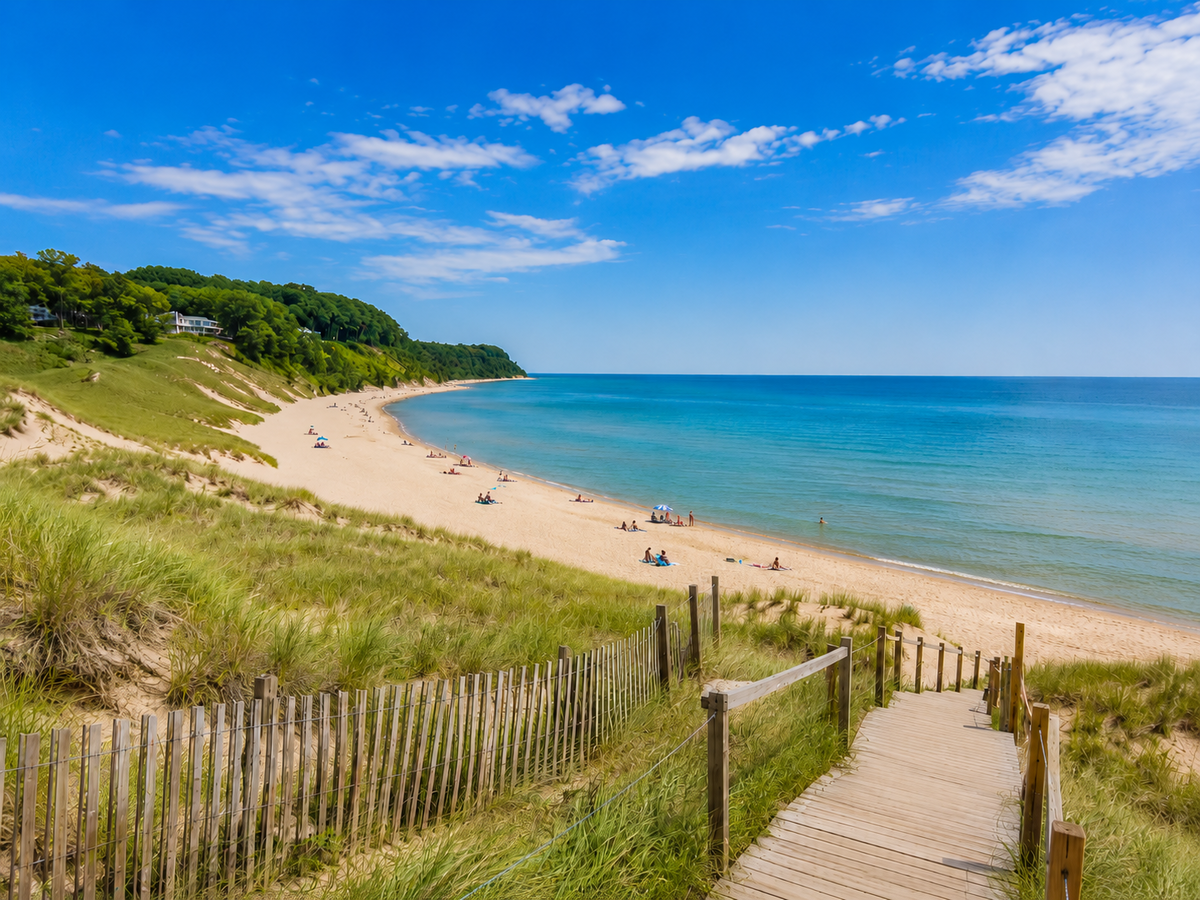
5. Michigan: Oval Beach (4.5 out of 5 from 1,119 reviews)
Michigan, with its extensive freshwater coastlines along the Great Lakes, claims fifth place with 1,241 natural beaches. Oval Beach in Saugatuck, on the eastern shore of Lake Michigan, boasts the highest number of reviews on this list, indicating its widespread popularity and strong visitor approval. The beach is framed by impressive sand dunes, characteristic of the Lake Michigan shoreline, and is situated near the picturesque mouth of the Kalamazoo River. Its broad sandy expanse is perfect for swimming in the fresh waters of Lake Michigan, long walks, and particularly renowned for spectacular sunsets. Visitors consistently praise its "soft sand," "wide beach," and "clean surroundings," with families appreciating the ample space and convenient facilities. One reviewer eloquently described it as "one of the most beautiful beaches in the world," especially at sunset.
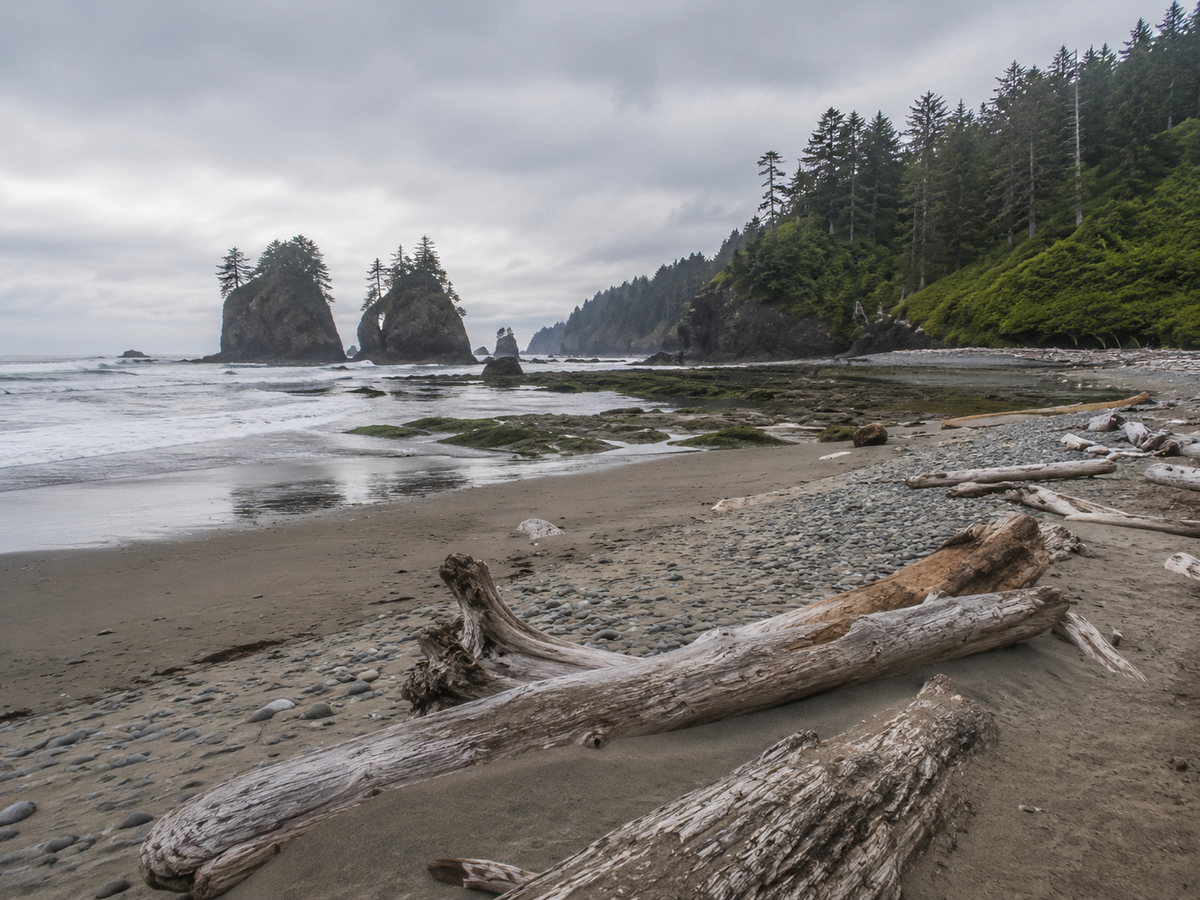
6. Washington: Shi Shi Beach (4.5 out of 5 from 123 reviews)
Washington, known for its rugged and dramatic Pacific Northwest coastline, ranks sixth with 1,104 natural beaches. Shi Shi Beach, an extraordinary stretch of coast within Olympic National Park, offers an experience for the adventurous. Reaching this remote paradise requires a significant hike through coastal forest from the Makah Reservation. The reward is a breathtaking landscape of forested headlands, vibrant tide pools teeming with marine life, massive driftwood logs, and iconic offshore sea stacks known as the Point of Arches. This wild, untamed environment demands preparation: a Makah Recreation Pass for trailhead access, and for overnight stays, an Olympic National Park wilderness permit and knowledge of tide conditions. Reviewers commend "both the trail and the beach" as "glorious," emphasizing the immersive natural experience. It’s a destination for those willing to earn their solitude amidst majestic natural beauty.
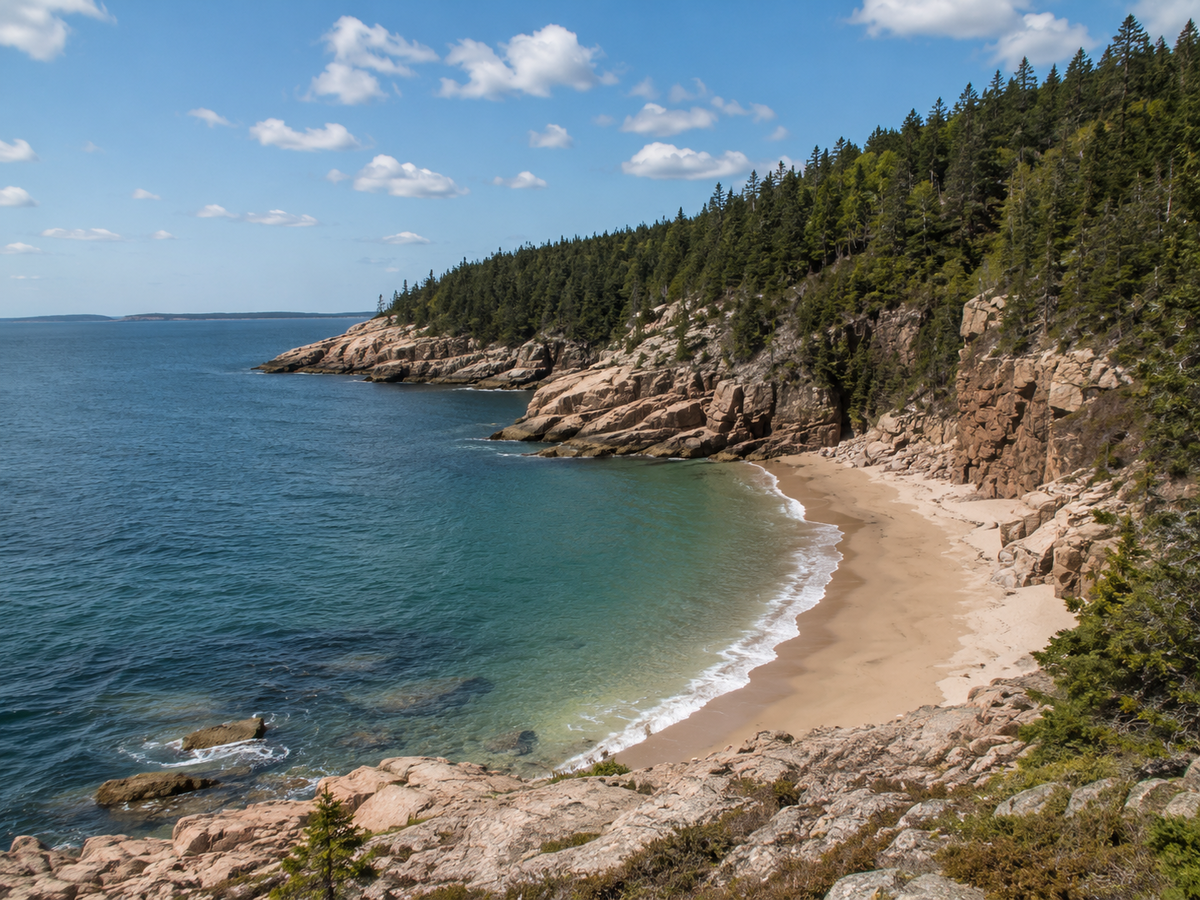
7. Maine: Sand Beach (4.5 out of 5 from 947 reviews)
Maine, famous for its craggy, rocky shoreline, secures seventh place with 885 natural beaches. Sand Beach, nestled between granite cliffs on Mount Desert Island, stands out as a distinctive anomaly in this otherwise rugged landscape. It is the largest natural sandy beach within Acadia National Park, offering a rare opportunity to experience a sandy shore amidst the dramatic backdrop of Maine’s granite coast. The beach is composed of sand made primarily of shell fragments, giving it a unique texture and appearance. Despite its relatively cold Atlantic waters (typically 50-60°F even in summer), it’s a popular spot for sunbathing, picnicking, and admiring the stunning scenery. Visitors describe it as a "beautiful beach nestled between rocky promontories," highlighting its unique charm within Acadia’s iconic landscape. An Acadia National Park entrance pass is required for access, and early arrival is often necessary during peak season due to limited parking.
8. Wisconsin: Schoolhouse Beach (4.6 out of 5 from 458 reviews)
Wisconsin, bordering the Great Lakes, takes eighth place with 737 natural beaches, offering a unique twist to the concept of a "beach." Schoolhouse Beach, located on Washington Island in Door County, is famously devoid of sand. Instead, its shoreline is composed entirely of smooth, white limestone stones, polished by centuries of lake action. This distinctive geological feature creates a mesmerizing landscape and a unique tactile experience. The clear waters of Lake Michigan, coupled with wooded surroundings and a picnic area, make it a popular spot for swimming and appreciating the unusual views. Reviewers consistently note its "very unique" character and describe it as "one of the most beautiful spots in this country." The absence of sand provides an interesting alternative to traditional beach experiences, making it a truly memorable destination.
9. Ohio: Headlands Beach (4.2 out of 5 from 408 reviews)
Ohio, situated on the shores of Lake Erie, comes in ninth with 650 natural beaches. Headlands Beach, located in Mentor, stands as the largest natural sand beach in Ohio, stretching approximately a mile long and encompassing 120 acres. While it holds the lowest rating on this list, its significance lies in its ecological value and recreational offerings. The state park borders the Headlands Dune State Nature Preserve, a rare and protected stretch of Lake Erie dunes that offers walking trails and opportunities for nature observation. The beach itself provides ample space for swimming, sunbathing, and enjoying the vastness of Lake Erie. Reviewers praise its cleanliness, well-maintained trails, and overall beauty, deeming it "definitely worth a visit" for its natural appeal and walking opportunities.
10. Minnesota: Iona’s Beach (4.6 out of 5 from 87 reviews)
Minnesota rounds out the top ten with 510 natural beaches, offering one of the most acoustically unique coastal experiences. Iona’s Beach, located on the North Shore of Lake Superior in Silver Creek, is distinctive for its shoreline composed largely of pink rhyolite cobblestones. What truly sets it apart is its remarkable auditory phenomenon: when waves wash over these smooth, rounded stones, they create a gentle, musical "singing" or "chime" sound. This geological marvel makes Iona’s Beach a truly sensory experience, unlike any other. While swimming is permitted, the lack of lifeguards necessitates extra caution. Reviewers are captivated by this "unique beach," calling it "great for skipping rocks" and a recommended stop on a drive along Minnesota’s north shore. Its singular characteristic makes it a fitting conclusion to a list celebrating America’s most unique natural beaches.
The Enduring Appeal of Undisturbed Shorelines
The findings of the SlotsLV study underscore a broader societal trend: a growing appreciation for nature in its purest form. In an increasingly urbanized and digitally connected world, the desire for quiet contemplation, genuine connection with natural environments, and a respite from commercialism is more pronounced than ever. Natural beaches offer precisely this—a chance to witness ecological processes, observe wildlife in undisturbed habitats, and experience the raw power and beauty of coastal landscapes without the distractions of human development. This shift in preference is not merely aesthetic; it reflects a deeper yearning for authenticity and tranquility.
Conservation and the Imperative of Sustainable Tourism
As these natural beaches gain recognition and attract more visitors, the imperative for conservation and sustainable tourism practices becomes paramount. Protected areas like national seashores and state parks play a critical role in preserving these fragile ecosystems, but visitor behavior is equally crucial. The "Leave No Trace" principles—plan ahead and prepare, travel and camp on durable surfaces, dispose of waste properly, leave what you find, minimize campfire impacts, respect wildlife, and be considerate of other visitors—are essential guidelines for maintaining the pristine condition of these sites. Increased visitation, while economically beneficial for surrounding communities, also presents challenges such as potential habitat degradation, increased litter, and strain on limited facilities. Park officials and conservationists consistently advocate for responsible tourism to ensure these natural treasures remain unspoiled for future generations.
Navigating Your Natural Beach Adventure: Practical Considerations
For those inspired to explore America’s natural beaches, several practical considerations can enhance the experience:
What Defines a Natural Beach?
Beyond the aesthetic, a natural beach is fundamentally an ecologically dynamic system. It is shaped by longshore currents, tidal actions, wind erosion, and sediment deposition. The absence of seawalls allows the beach to naturally migrate and adapt to sea-level changes, providing critical habitat for nesting birds, marine life, and unique coastal flora. These beaches often feature natural dunes, which act as vital barriers against storms and provide essential shelter for diverse ecosystems.
Do These Beaches Charge an Entrance Fee?
Access fees vary widely. Beaches within national parks (like Sand Beach in Acadia) or national seashores (Playalinda Beach, Coast Guard Beach) typically require an entrance pass or a per-vehicle fee. These fees contribute directly to the maintenance, protection, and operational costs of these treasured natural areas. Many state parks also have day-use fees. However, some, like Iona’s Beach and Schoolhouse Beach, are publicly accessible without charge, reflecting local or state management policies. It is always advisable to check the specific requirements for each location prior to visiting.
When is the Best Time to Visit These Beaches?
The "shoulder seasons"—late spring (May to early June) and early autumn (September to October)—are often ideal. During these periods, the weather is typically pleasant, crowds are significantly thinner than in peak summer, and many facilities remain open. Reviewers consistently note that experiencing a beach "entirely to ourselves" is most common outside the bustling summer months. For popular park beaches, arriving early in the morning, even during shoulder season, is recommended, as parking lots can fill quickly. Utilizing shuttle services where available, such as at Coast Guard Beach, can also circumvent parking challenges.
Is it Safe to Swim at Natural Beaches?
Safety protocols and conditions vary significantly. Beaches like Cooper’s Beach and Sand Beach may offer seasonal lifeguard services, particularly during peak summer. However, many natural beaches, including Iona’s Beach, Shi Shi Beach, and Limantour Beach, are unsupervised. Visitors must exercise extreme caution, be aware of strong currents, undertows, and sudden drop-offs. Water temperatures, particularly in the Atlantic and Pacific, can be very cold even in summer, posing a risk of hypothermia. Always assess water conditions, swim with a buddy, and be mindful of your abilities.
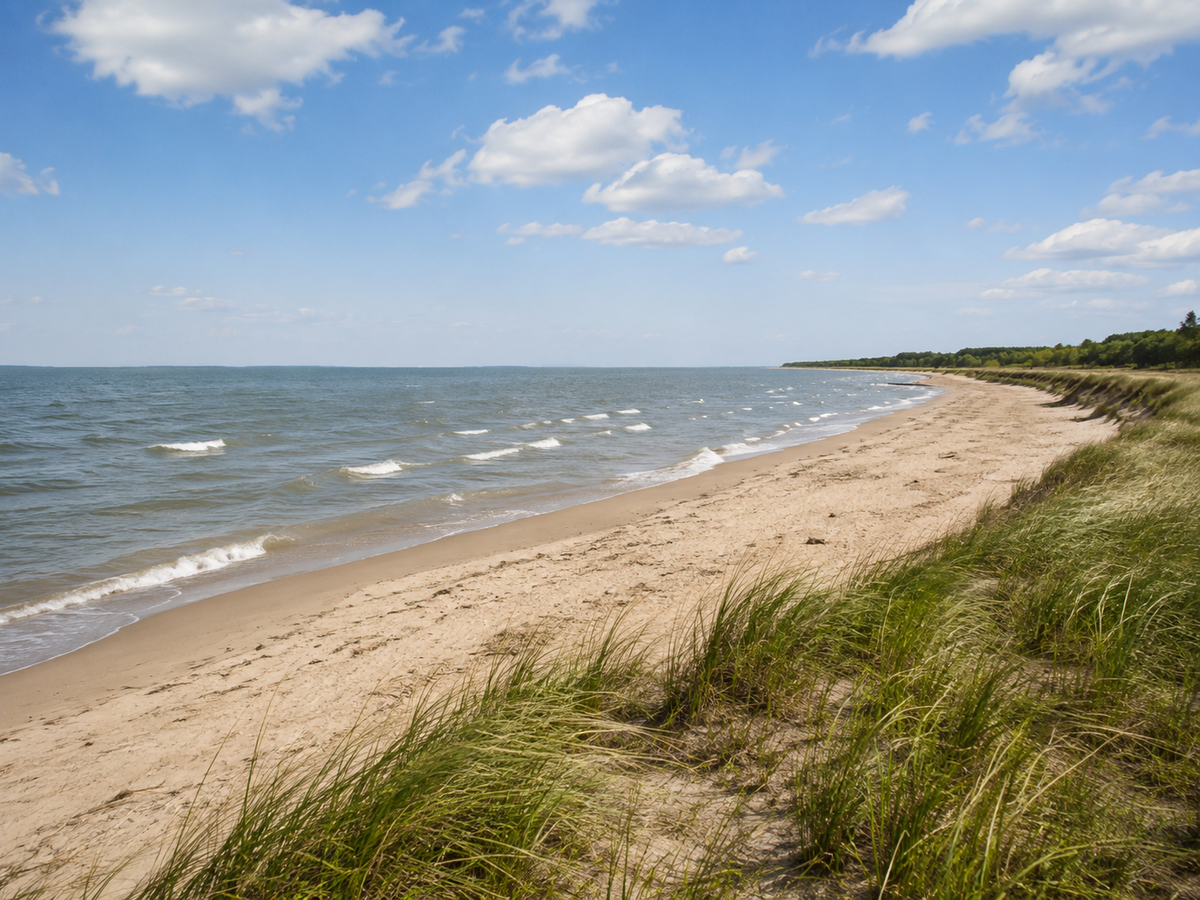
What Should You Bring to a Natural Beach?
Preparation is key for a comfortable and safe visit to natural beaches, where services are often minimal or non-existent. Essential items include ample water, non-perishable food, and sun protection (hat, sunscreen, sunglasses). Given the limited cell service in many remote areas, a physical map or downloaded directions are advisable. Pack out all trash, adhering strictly to Leave No Trace principles. Depending on the beach’s unique characteristics, consider specialized gear: sturdy hiking boots for the trail to Shi Shi Beach, water shoes for the rocky shores of Schoolhouse or Iona’s Beach, and binoculars for wildlife viewing at Playalinda or Limantour.
Conclusion: Embracing America’s Wild Coasts
The SlotsLV study on America’s Most Relaxed States and their top natural beaches provides a fresh perspective on what makes a beach truly exceptional. It challenges the conventional narrative of commercialized shorelines, spotlighting the profound beauty and restorative power of untouched coastal environments. From the vast dunes of Cape Cod to the singing stones of Lake Superior, these beaches offer diverse experiences that cater to a growing desire for authentic nature. Whether travelers seek the solitude of a remote cove or the vibrant ecology of a protected seashore, the message is clear: America’s most rewarding coastal destinations are often those where nature reigns supreme. The invitation stands to explore these unique landscapes, to experience their tranquility firsthand, and to contribute to their preservation with every respectful step.