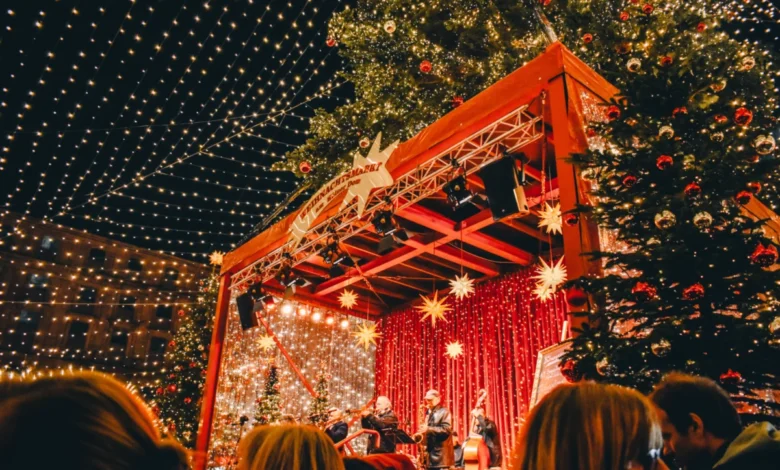
The German Christmas market season, known as the Weihnachtsmärkte, represents a significant cultural and economic pillar of European tourism. As the 2026 season approaches—with the first Sunday of Advent falling on November 29—millions of domestic and international visitors are preparing to traverse the historic town squares of cities like Nuremberg, Munich, and Dresden. These markets, which trace their roots back to the late Middle Ages, have evolved into a sophisticated gastronomic landscape that blends centuries-old traditions with modern regional specialties.

The logistical framework of these markets is substantial. With over 2,500 markets operating across Germany, the industry sustains a workforce of approximately 188,000 individuals, ranging from artisanal craftspeople to food service professionals. The economic impact is profound, with annual revenues estimated in the billions of euros. For the 2026 season, visitors should anticipate a continuation of the tradition of cash-based transactions at smaller stalls, though digital payment integration has increased steadily in recent years. As in previous seasons, inflationary pressures may result in minor price adjustments, with typical food items ranging from €3 to €7 and beverages often requiring a "pfand" (deposit) of €3 to €5 for souvenir ceramic mugs.

A Chronology of the Christmas Market Tradition
The history of the German Christmas market is deeply tied to the liturgical calendar and the necessity of communal gathering during the harsh winter months. Historical records indicate that early iterations of these markets emerged in the 14th and 15th centuries, primarily as local trade fairs where citizens could stock up on supplies for the cold season.
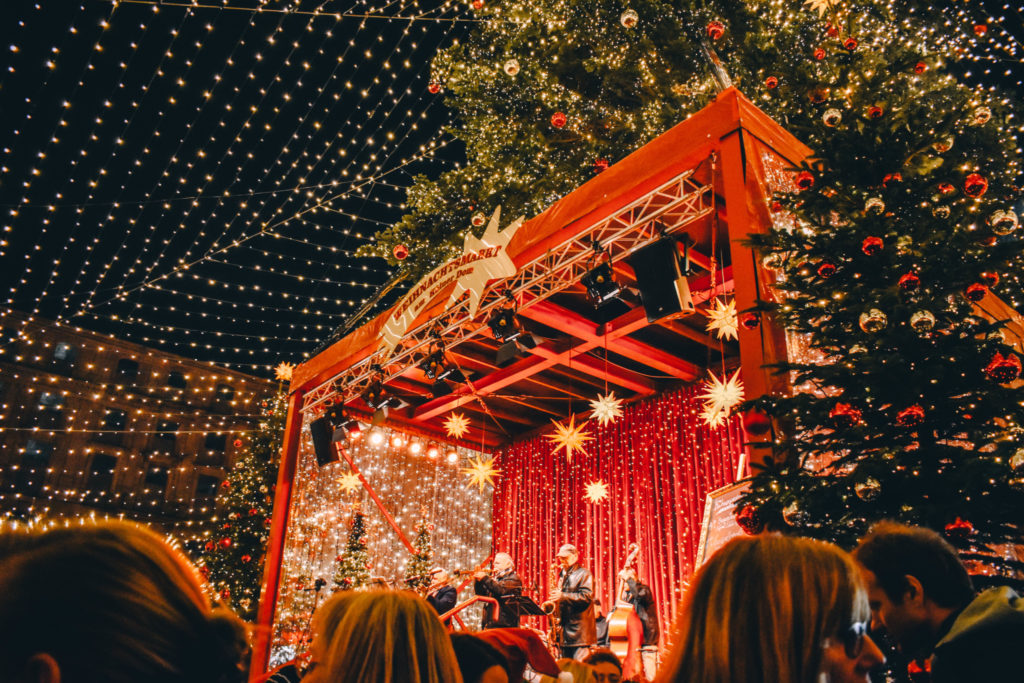
The Striezelmarkt in Dresden, often cited as one of the oldest in the world, dates back to 1434. Originally, it was a one-day market intended to provide the city’s population with fresh meat for the holiday feast. Over the centuries, these events expanded from simple provisions markets into elaborate, multi-week festivals that serve as the focal point for German holiday tourism. Today, most major markets operate from late November through December 23, with a select few in metropolitan centers extending their operations into early January to accommodate post-holiday travelers.

The Gastronomic Landscape: Savory Foundations
The culinary offerings at these markets are a reflection of regional agricultural heritage. Central to the experience is the Bratwurst, a staple of German street food. With over 40 distinct varieties, the sausage serves as the primary savory offering. In urban centers like Berlin, the Currywurst—sausage sliced and topped with a spiced ketchup—remains a dominant variation.

For those seeking more substantial fare, Frikadella (or Buletten) serves as a traditional pork-based patty, typically seasoned and served on a roll with mustard. These are often prepared on large, open-air griddles alongside roasted onions, creating a distinct olfactory signature for the market aisles. Another significant savory dish is Käsespätzle, a Southern German specialty consisting of egg noodles layered with Emmental or Gruyère cheese and topped with crispy fried onions. This dish is frequently cited by nutritionists and food historians alike as a quintessential example of high-calorie, cold-weather sustenance designed to provide lasting energy during outdoor winter activities.
In the western regions, particularly those bordering France, Flammkuchen has become a staple. This thin-crust flatbread, traditionally topped with crème fraîche, onions, and bacon, mirrors the Alsatian tarte flambée. The popularity of these regional dishes highlights the cross-border exchange of culinary traditions that defines the modern European market experience.

Warmth in a Cup: The Beverage Industry
The beverage sector at the Weihnachtsmärkte is dominated by Glühwein, or mulled wine. The process of heating red wine with spices such as cinnamon, cloves, star anise, and citrus peels dates back to the Roman era, but the modern market iteration became standardized in the mid-20th century.

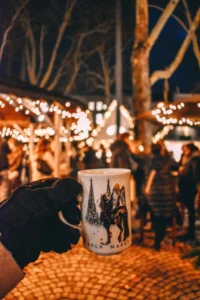
A unique aspect of the beverage service is the pfand system. To reduce waste and promote sustainability, patrons pay a deposit for their drinkware. These mugs are often custom-designed for each city and year, transforming a functional object into a sought-after collectible. This system is a highly efficient waste-reduction strategy; data from municipal waste management offices in cities like Cologne suggests that the deposit system diverts tons of single-use plastic and paper cups from landfills annually.

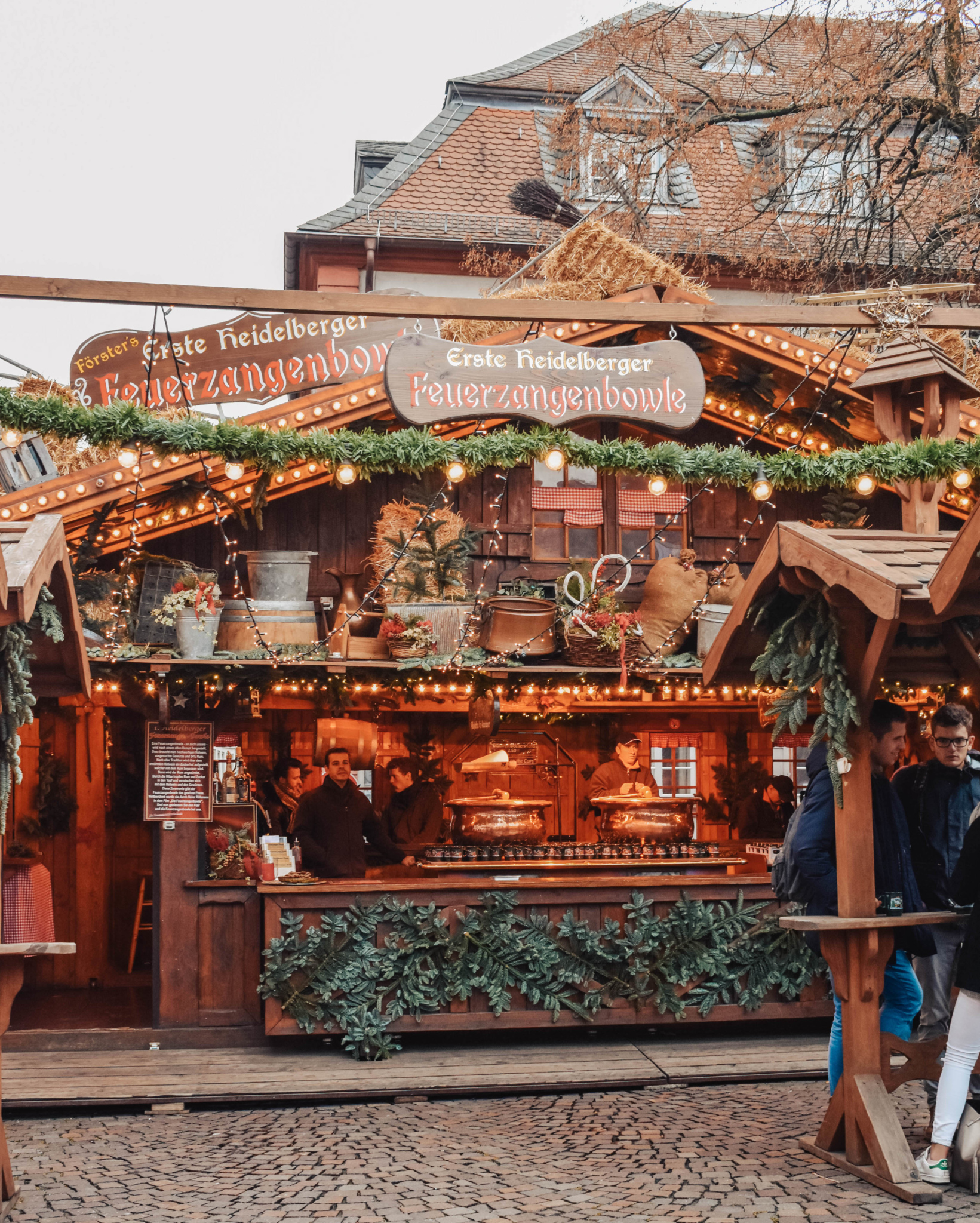
Other traditional drinks include Eierpunsch, a warm, alcohol-infused egg-based beverage similar to eggnog, and Feuerzangenbowle. The latter is a spectacle of preparation: a rum-soaked sugar loaf is set on fire and allowed to melt into a pot of mulled wine. The process is not merely theatrical but is a chemical infusion that alters the sugar content and flavor profile of the base wine.

Confections and Sweet Traditions
The dessert offerings at the markets provide a snapshot of German baking heritage. Stollen, a dense, fruit-and-nut-laden bread dusted with powdered sugar, remains the most iconic Christmas pastry. The tradition of the Dresden Stollen is protected by a geographical indication, ensuring that only specific bakeries using traditional methods can use the label.

Lebkuchen, a gingerbread variation, is equally pervasive. Unlike softer gingerbread found in other parts of the world, traditional German Lebkuchen is often dense, nutty, and heavily spiced. Beyond these traditional baked goods, the influence of neighboring cultures is evident in the presence of Kürtőskalács (Chimney Cake). Originally from Hungary and Transylvania, this dough-based treat is wrapped around a rotating spit, roasted over an open flame, and coated in sugar or cinnamon.

Economic and Social Implications
The proliferation of these markets has necessitated complex cooperation between municipal governments, local police, and food safety inspectors. Each stall must adhere to strict hygiene standards, and the concentration of crowds in historic, often narrow, city centers requires robust emergency management planning.

Stakeholders in the tourism industry have noted that the "Christmas market experience" has become a primary driver for winter tourism in Germany, offsetting the typical travel lulls of the season. According to reports from the German National Tourist Board, the markets contribute significantly to local hospitality sectors, including hotels, transit, and retail.

Furthermore, the labor force behind these stalls is often composed of multi-generational family units. The continuity of these family businesses is a point of pride for many market operators. Younger workers, particularly students, also find the temporary nature of the work beneficial, as it provides a structured, high-volume employment opportunity during the university winter break.

Navigating the Markets in 2026
For visitors planning their itinerary for the 2026 season, the advice from seasoned travelers and local authorities remains consistent: prioritize smaller, regional markets for a more authentic experience, and be prepared for the variability in offerings between Northern and Southern Germany.

While the markets are commercial in nature, they remain deeply rooted in the concept of Gemütlichkeit—a state of warmth, friendliness, and belonging. Whether through the consumption of a traditional Reibekuchen (potato pancake) or the simple act of sharing a drink in a public square, the German Christmas market continues to function as an essential social mechanism that brings the community together in the depth of winter. As the industry looks toward the 2026 season, it does so with a balance of heritage and innovation, ensuring that these centuries-old traditions remain relevant for modern audiences.