The Peloponnese region of Greece is globally renowned for its classical antiquity, archaeological monuments, and expansive Mediterranean coastline. However, tucked away within the verdant Messinia Gorge lies a striking divergence from this typical landscape: the Polylimnio Waterfalls. Formed by the sustained flow of the Kadis River, this complex of cascading freshwater lakes and gorges offers a distinct ecological counterpoint to the dry, sun-baked ruins and coastal beaches that traditionally dominate Greek tourism itineraries. As regional authorities and tourism boards increasingly promote sustainable, off-the-beaten-path destinations to alleviate overcrowding at major landmarks like the Acropolis or Santorini, natural attractions such as Polylimnio have emerged as focal points for regional diversification and nature-based tourism.

Geographical Context and Etymology

The term "Polylimnio" derives from two Greek roots: poly, meaning many, and limnio, meaning lakes. Together, the name describes a contiguous series of interconnected freshwater bodies created as water descends from the surrounding Messinian mountains. Carving its path through dense limestone canyons and rugged terrain, the Kadis River feeds a succession of distinct pools and waterfalls, each bearing local nomenclature. Notable features within the complex include Mavrolimna (translating to "Black Lake"), Tou Italou ("of the Italian"), and Stathoula. The focal point of the gorge is Kadi Lake, which features the tallest waterfall in the system, plunging approximately 25 meters into an aquamarine pool.

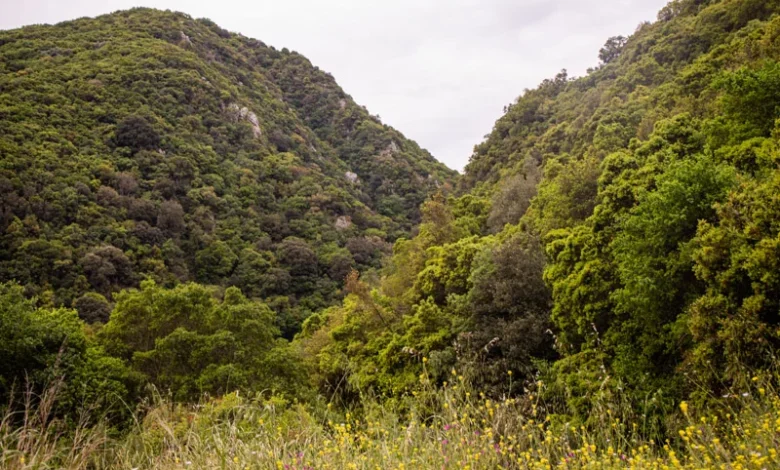
The surrounding ecosystem is characterized by rich biodiversity, including dense olive groves, pine forests, seasonal wildflowers, and localized fauna such as migratory birds, amphibians, and freshwater turtles. Geologically, the gorge represents a karst landscape where water action over millennia has sculpted deep ravines, smooth rock formations, and natural grottoes, such as the butterfly caves situated further along the secondary paths.

The Hiking Trail and Visitor Infrastructure

Access to the Polylimnio Waterfalls is centered around a moderate out-and-back trekking route spanning approximately three kilometers. The trailhead begins near the village of Haravgi, approximately 30 to 40 kilometers northwest of Kalamata, the administrative capital of Messenia. Basic public infrastructure at the trailhead includes a parking area, sanitary facilities, and a seasonal kiosk providing drinking water and light refreshments.

From the trailhead, visitors descend a dirt path into the canopy of the gorge, encountering the first minor waterfalls almost immediately. The trail features rustic wooden bridges, uneven stone paths, and occasional metal handrails installed to assist hikers across slick rock surfaces. Signage throughout the lower and middle sections of the gorge remains sparse, requiring visitors to navigate via local markings or offline GPS applications. The trail culminates at Kadi Lake, where the terrain transitions into a scramble over moss-covered limestone boulders. While the route does not present severe altitude changes, the final approach requires physical agility due to uneven footing and slippery rock formations surrounding the main basin.

Accessibility and Transportation Logistics

Reaching the Polylimnio Waterfalls independently requires private vehicular transport, as public transit connections to the remote gorge are limited. Most travelers access the site via rental cars or regional taxis originating from Kalamata or Pylos. The primary driving route from Kalamata follows the EO Pilou Kalamatas highway (National Road 82) westward toward Haravgi, where local turnoffs are designated by roadside signage.

Tour operators based in Kalamata also conduct guided day excursions, catering to travelers who prefer structured logistics over independent driving. Due to the limited capacity of the parking area near the trailhead, municipal tourism officials recommend early morning arrivals, particularly during the peak summer tourism season (June through August), to mitigate congestion and ensure parking availability.

Regional Tourism Implications and Economic Impact

The incorporation of natural attractions like Polylimnio into broader Peloponnese itineraries reflects a deliberate strategy by Greek regional authorities to extend tourism beyond the traditional summer peak and disperse economic benefits inland. Historically, coastal Messenia has drawn significant capital investment, highlighted by luxury developments such as the Costa Navarino resort complex near Pylos. By contrast, inland municipalities near Haravgi and surrounding agricultural villages experience secondary economic benefits when visitors patronize local tavernas, regional lodging, and car rental agencies.

Environmental conservationists and local stakeholders, however, emphasize the need for balanced resource management. Increased foot traffic in fragile canyon ecosystems risks soil erosion, litter accumulation, and habitat disruption for indigenous species. Consequently, local municipal bodies have periodically reviewed infrastructure proposals aimed at formalizing trail boundaries, improving safety rails, and implementing waste management protocols without compromising the natural aesthetic of the gorge.

Safety and Practical Recommendations for Visitors

Navigating the Polylimnio Gorge requires adherence to standard outdoor safety guidelines. Because the limestone rocks surrounding the waterfalls remain perpetually wet from mist and spray, sturdy footwear with reliable traction is essential. While swimming is permitted in Kadi Lake and several surrounding pools during the warmer months, visitors should exercise caution due to the cold temperatures of the mountain-fed water and the presence of submerged boulders.

Furthermore, because cellular reception within the canyon is frequently intermittent, visitors are advised to download digital offline maps prior to arrival. Essential preparation includes carrying sufficient drinking water, insect repellent, and appropriate swimwear for those intending to enter the freshwater pools. By combining careful logistical planning with respect for the local environment, travelers can safely experience one of the Peloponnese’s most distinctive inland ecosystems.