While Amsterdam is globally recognized for its vibrant nightlife and historical reputation as a center for adult tourism, recent demographic and tourism trends reveal that the Dutch capital is increasingly becoming a premier destination for young families. With a robust public infrastructure, a high concentration of child-centric attractions, and a culture that prioritizes family-friendly amenities, the city has successfully pivoted to accommodate the growing influx of international travelers with infants and toddlers.

Infrastructure and Urban Mobility in the Dutch Capital
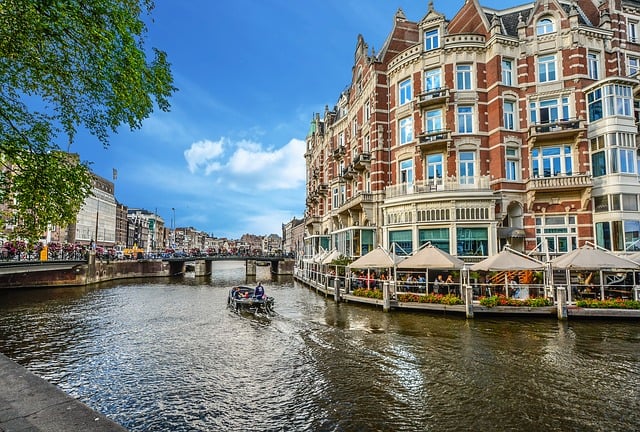
Navigating Amsterdam with young children requires an understanding of the city’s unique urban planning, which favors cyclists and pedestrians over motorized transport. The city’s core is defined by a dense network of canals and 17th-century architecture, which presents both aesthetic appeal and logistical challenges for parents.
The most iconic mode of transport for local families is the "bakfiets"—a heavy-duty tricycle featuring a large wooden box at the front, designed to carry multiple children securely. For international visitors, however, renting a standard bicycle equipped with a high-quality child seat is often the more pragmatic option, as operating a bakfiets requires a level of familiarity and balance that can be difficult to master during a short stay.

For families relying on strollers, the city is largely accessible, though the prevalence of cobblestone streets in the historic canal district can impede movement. Most major public transit nodes, including the city’s extensive train and metro network, have been retrofitted with elevators and level-access platforms. However, older residential buildings and smaller boutique hotels may lack lift access. Experts recommend that travelers prioritize lightweight, foldable strollers and high-quality baby carriers, which provide greater flexibility when navigating staircases or narrow building entrances common in the city center.
Logistical Transitions from Schiphol Airport
Amsterdam Airport Schiphol, one of Europe’s busiest transit hubs, offers several methods for families to reach the city center. The most efficient route remains the train, which connects the airport directly to Amsterdam Centraal Station in approximately 15 to 20 minutes. This option is significantly more cost-effective than private transport and avoids the congestion of city traffic.

For families prioritizing convenience, private transfer services have become a common solution. Unlike standard taxi services, which may not consistently provide certified child safety seats, pre-booked private transfers—such as those offered by services like Welcome Pickups—allow parents to secure age-appropriate car seats in advance, ensuring compliance with safety standards and reducing the stress of international travel.
Educational and Recreational Integration
Amsterdam’s museum culture has evolved to be remarkably inclusive of younger visitors. Rather than restricting access, institutions like the Van Gogh Museum and the Anne Frank House have implemented timed-entry systems that facilitate easier navigation for parents. For families with toddlers, the focus shifts toward interactive and tactile environments. The NEMO Science Museum, for example, is noted for its hands-on exhibits that cater specifically to young children, while the National Maritime Museum offers expansive spaces that allow for movement and engagement.

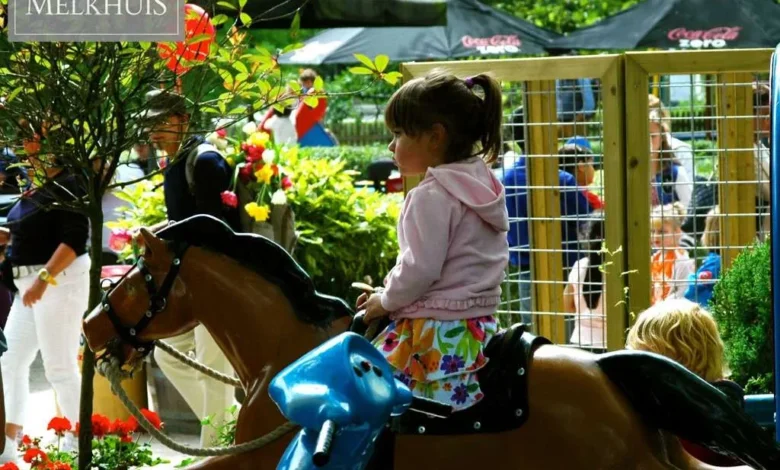
The city’s public green spaces, most notably Vondelpark, serve as essential hubs for families. As the largest park in the city, Vondelpark provides a controlled environment away from the city’s bustling bicycle lanes. It houses several playgrounds, including those near the Groot Melkhuis, a waterside facility that provides amenities such as restrooms and dining options, making it a functional base for parents needing to manage feeding and nap schedules.
Artis Zoo, founded in 1835, remains a significant attraction. As one of the oldest zoos in Europe, it provides an educational environment that balances animal conservation with leisure. Recent updates to the facility include child-friendly dining areas and integrated playgrounds, acknowledging the needs of the modern family visitor.

Financial and Administrative Considerations
To streamline the tourism experience, the "I amsterdam City Card" has emerged as a key financial tool for families. The 72-hour pass includes unlimited access to the GVB public transport network—covering buses, trams, and ferries—which is essential for families who prefer not to walk long distances. Furthermore, the card includes complimentary entry to major cultural institutions, such as the Rembrandt House and the various museums mentioned previously.
From an economic perspective, the pass offers a significant reduction in the cumulative cost of entrance fees, which can be high for families visiting multiple sites over a three-day period. However, parents are advised to verify the age-based entry policies for each venue, as many museums offer free or discounted admission for infants under certain age thresholds.

Retail and Essential Supplies
One of the primary concerns for traveling parents is the logistical burden of transporting bulky baby supplies. Amsterdam’s retail landscape mitigates this issue effectively. The city is served by a dense network of supermarkets, most notably the Albert Heijn chain, which stocks a comprehensive range of baby formula, organic baby food, and hygiene products.
Furthermore, drugstores and beauty retailers such as Etos and Kruidvat, which are ubiquitous throughout the city, provide specialized baby care items, including diapers and wipes. This widespread availability allows families to pack more efficiently, relying on local supply chains rather than carrying large quantities of consumables from their home countries.

Neighborhood Selection and Accommodation Trends
Selecting the right neighborhood is critical for families seeking a balanced visit. The Leidseplein area is frequently cited as a top choice due to its proximity to Vondelpark and a high density of dining establishments. While it is a hub for entertainment, it remains accessible for families who prefer to be within walking distance of primary sights.
The Jordaan, characterized by its picturesque canals and quieter residential atmosphere, offers a more localized experience. The neighborhood allows for a slower pace of life, which is often preferable for parents managing the unpredictable routines of infants.

When evaluating accommodation, the hospitality industry in Amsterdam has responded to the demand for family-centric travel by offering varied options. Options range from serviced apartments—which provide the independence of a kitchen for meal preparation—to traditional hotels that have introduced family-oriented services. For instance, the Ambassade Hotel offers specialized childcare services, providing parents with the flexibility to engage in evening activities. Other properties, such as the XO Hotels Blue Square, have designated indoor play areas, demonstrating an industry-wide shift toward recognizing the specific needs of families as a distinct market segment.
Broader Implications and Future Outlook
The transformation of Amsterdam into a family-friendly destination reflects a broader shift in European tourism, where cities are increasingly competing to attract the "family traveler" demographic. By investing in accessible infrastructure and diversifying their cultural offerings, city planners and tourism boards are moving away from the "Sin City" branding of the late 20th century.
Data from tourism boards suggests that families tend to stay longer and spend more consistently across various local services compared to transient, short-term party tourists. Consequently, the ongoing development of family-oriented infrastructure is likely to remain a strategic priority for the city. For the prospective traveler, this indicates that the logistical barriers to entry are lowering, making the Dutch capital one of the more accessible European destinations for parents seeking to balance cultural exploration with the practical requirements of child-rearing.
Ultimately, a successful trip to Amsterdam with a baby or toddler hinges on pre-trip planning, particularly concerning transport and location. By leveraging the city’s efficient transit network, utilizing local retail options for supplies, and selecting accommodations that specifically cater to young children, families can navigate the city with the same ease as local residents. As the city continues to refine its family-friendly policies, it cements its status as a viable and rewarding destination for international families.