Two Colorado College Students Found Dead After Hiking Expedition in Sawatch Mountains

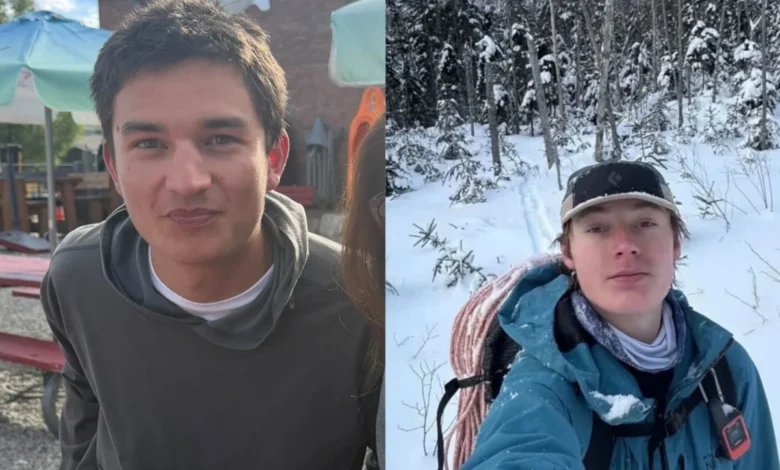
The outdoor community in Colorado is mourning the loss of two promising young men whose lives were cut short during a late-October expedition in the rugged Sawatch Range. Kaden Matsuda, 19, and Jackson Donlon, 20, both students at Colorado Mountain College in Leadville, were discovered deceased on October 28 near the slopes of West Apostle Mountain. The pair, described by family and peers as experienced and dedicated outdoorsmen, had set out on a multi-day trip that ultimately succumbed to the volatile and rapidly shifting weather patterns characteristic of high-altitude Colorado terrain.
The recovery of their bodies followed an intensive, multi-day search-and-rescue operation launched by the Chaffee County Sheriff’s Office. The tragedy has once again cast a spotlight on the inherent dangers of technical mountaineering in the Rocky Mountains during the shoulder season, a time when the transition from autumn to winter can turn moderate hiking routes into life-threatening environments within a matter of hours.
A Chronology of the Search and Recovery
The sequence of events began on October 23, when Matsuda and Donlon departed for a planned excursion near Ice Mountain, a formidable 13,960-foot peak located roughly 50 miles outside of Gunnison. As students enrolled in programs focused on outdoor leadership and fire management, both men possessed a foundational knowledge of wilderness survival and navigation. However, the high-altitude environment of the Sawatch Range is notoriously unforgiving, particularly for those attempting to traverse terrain that requires technical climbing skills.
When the students failed to return or establish contact by October 26, college administrators contacted the Chaffee County Sheriff’s Office to report them missing. Authorities immediately initiated a search operation, which was complicated by deteriorating weather conditions. Search-and-rescue (SAR) teams first located the pair’s vehicle at the designated trailhead. A preliminary assessment of the immediate area revealed approximately eight inches of snow, but officials warned that conditions at higher elevations were significantly more severe, with estimates of one to two feet of fresh accumulation on the slopes of Ice Mountain.
The search intensified on October 27, utilizing specialized assets including drones, search dogs, and aerial reconnaissance. During this phase, rescuers discovered the men’s campsite near West Apostle Mountain, which sits at an elevation of 13,597 feet. The scene was grim; their tent had been crushed under the heavy load of recent snowfall. While essential gear—including sleeping bags, stoves, and mountaineering equipment—was recovered, the hikers were not present.
On the morning of October 28, search crews transitioned from a rescue to a recovery operation after locating the bodies of the two men in the mountain’s basin. While the Chaffee County Sheriff’s Office has confirmed that foul play is not suspected, the specific medical causes of death have not been publicly disclosed, pending further investigation by the local coroner.
The Technical Challenges of the Sawatch Range
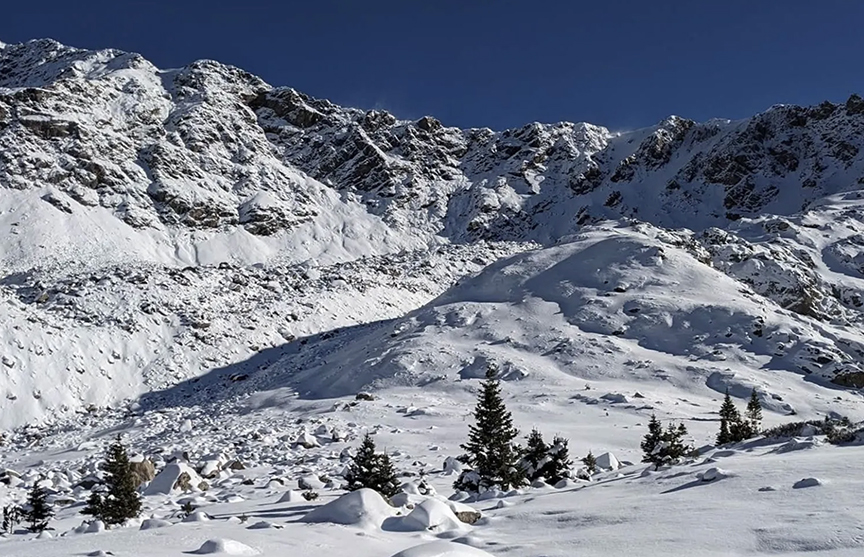
The Sawatch Range is home to some of Colorado’s most iconic summits, including many of the state’s “14ers” and high “13ers.” However, these peaks present unique hazards that often catch even well-prepared hikers off guard. West Apostle Mountain, while not as frequently climbed as some of its neighboring peaks, is considered a technical ascent.
The route requires navigating unstable boulder fields and loose talus slopes. Under dry conditions, these features demand careful foot placement and route finding. When blanketed by snow, however, the risks increase exponentially. Snow obscures the path, hides gaps between rocks, and significantly increases the likelihood of slips, trips, and falls—which remain the leading cause of death in Colorado’s high-altitude mountaineering fatalities.
Expert mountaineers and local SAR officials frequently warn that "shoulder season" in Colorado (late October through November) is the most deceptive time of year. Daytime temperatures can be pleasant in the valleys, luring hikers into a false sense of security, while conditions at 13,000 feet can mirror the severity of mid-winter, characterized by high-velocity winds, sub-zero wind chills, and rapid visibility loss.
Contextualizing Mountain Fatalities
Data from the Colorado Mountain Club and local sheriff’s offices indicate that fatalities in the Sawatch Range are not uncommon, given the volume of traffic the area receives. Between 2010 and 2017, official reports documented eight fatalities in this specific range. The primary contributing factors in these incidents are typically environmental exposure, falls, and, in some cases, acute altitude sickness or medical emergencies triggered by physical exhaustion.
The loss of Matsuda and Donlon is particularly poignant given their professional trajectories. Matsuda was in training to become a wildland firefighter, a career path that demands physical resilience and a high tolerance for dangerous, unpredictable environments. Donlon was pursuing a career as a professional mountain guide, a role that emphasizes risk management and safety protocols above all else. That two individuals with such specialized training could be overcome by the elements serves as a sobering reminder of the limits of human preparation in the face of extreme alpine weather.
Institutional and Community Response
In the wake of the tragedy, Colorado Mountain College issued statements expressing deep condolences to the families of the victims. The college, which prides itself on its outdoor education curriculum, is currently providing support services for students and faculty impacted by the loss.
"We are heartbroken by the loss of two members of our community," a representative for the college noted. "Our thoughts and prayers are with the families of Kaden and Jackson during this incredibly difficult time."

The Chaffee County Sheriff’s Office, which coordinated the multi-agency response, has utilized this incident to reiterate the importance of "trip plans." SAR officials emphasize that even for experienced hikers, leaving a detailed itinerary with a reliable contact is a non-negotiable safety step. Furthermore, the agency has urged hikers to prioritize flexibility; if the weather forecast indicates a system is moving in—as was the case with the storm that struck the Sawatch range during the students’ trip—turning back is often the only way to ensure survival.
Implications for Future Outdoor Safety
The incident has sparked renewed discourse regarding the "experience gap" in mountain safety. While the two men were experienced by standard definitions, the combination of technical terrain and winter-like weather created a set of variables that likely exceeded their contingency planning.
Safety experts are now highlighting the need for increased public awareness regarding the transition to winter mountaineering. Key recommendations being recirculated by mountain safety organizations include:
- Strict Adherence to Weather Windows: Monitoring multiple forecast sources and prioritizing satellite imagery over simple temperature apps.
- Redundancy in Communication: Relying on satellite-based communication devices (such as Garmin inReach or Zoleo) rather than cell phones, which are unreliable in deep mountain basins.
- The "Turnaround Time" Rule: Establishing a strict time-of-day cutoff, regardless of proximity to the summit, to ensure a descent occurs in daylight and before weather shifts.
- Conservative Gear Choices: Carrying extra layers and emergency bivy equipment that exceed the anticipated needs for the duration of the trip.
As the families of Kaden Matsuda and Jackson Donlon begin the process of grieving, the broader outdoor community is left to reflect on the thin line between passion and peril. The Sawatch Range, with its stunning vistas and challenging topography, remains a destination that demands the utmost respect from those who traverse its slopes. The memory of these two young men, who shared a profound love for the mountains, will undoubtedly serve as a reminder of the fragility of life and the ongoing necessity of vigilance in the wilderness.
The investigation into the final moments of the two hikers is expected to conclude in the coming weeks, though the primary takeaway for the public remains clear: the mountains do not distinguish between those who are learning and those who are experts. In the face of the alpine environment, preparedness, humility, and the willingness to abandon a goal in the interest of safety are the only true defenses against the unpredictability of the high country.