A Quarter-Century Culinary Odyssey: How Colombo’s Historic Restaurants Endured War, Tsunami, and the Digital Age

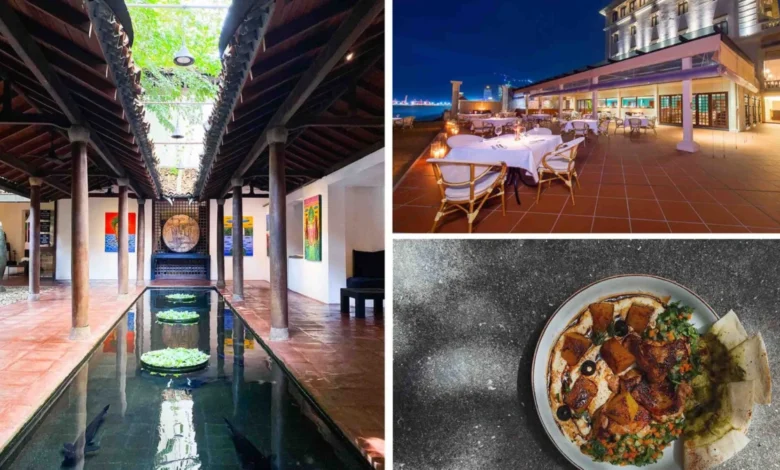
Lydia Swinscoe, a long-term resident of Sri Lanka’s vibrant capital, Colombo, embarked on a unique gastronomic expedition, delving into a two-decade-old Lonely Planet guidebook to unearth which of the city’s historic dining establishments had survived the relentless march of time, profound geopolitical shifts, and the advent of the digital era, revealing a testament to their remarkable resilience and capacity for reinvention. Her quest, initiated in July 2026, underscored not just the endurance of specific eateries but the enduring spirit of Colombo’s diverse culinary landscape against a backdrop of unparalleled challenges.
The Genesis of a Culinary Quest
The inspiration for this deep dive into Colombo’s past came to Swinscoe during a tranquil monsoon evening spent at Number 11, the former residence of Sri Lanka’s celebrated architect, Geoffrey Bawa. Amidst the atmospheric downpour, a stack of books on a coffee table caught her eye, particularly a well-worn 2001 edition of a Lonely Planet guidebook. As a seasoned backpacker who once considered an LP an indispensable travel companion, Swinscoe, despite having lived in Sri Lanka for over two years, realized she had never explored its pages for her adopted home. The 2001 publication date immediately sparked her curiosity: how had Colombo, a city she had already witnessed transforming almost overnight with new skyscrapers and businesses, changed over the past quarter-century? Her interest naturally gravitated towards restaurant recommendations, aligning with her belief that food offers a profound connection to a place. The central question quickly formed: which of these establishments had not only survived but perhaps even thrived in an age where TikTok and Instagram now dictate travel itineraries?
Colombo’s Enduring Gastronomic Landscape
Swinscoe’s investigation revealed a striking picture of endurance. Out of 41 restaurants listed in the 2001 guidebook, a remarkable 17 had not only stood the test of time but continued to operate, many of them flourishing. This survival rate is particularly significant given the extraordinary adversities Sri Lanka has faced. The period between 2001 and 2026 saw the tail end of a brutal civil war (1983-2009), the devastating Boxing Day tsunami in 2004 which claimed over 35,000 lives on the island, a global pandemic, and the country’s severe economic collapse in 2022. Each of these events posed existential threats to businesses, especially in the hospitality sector.

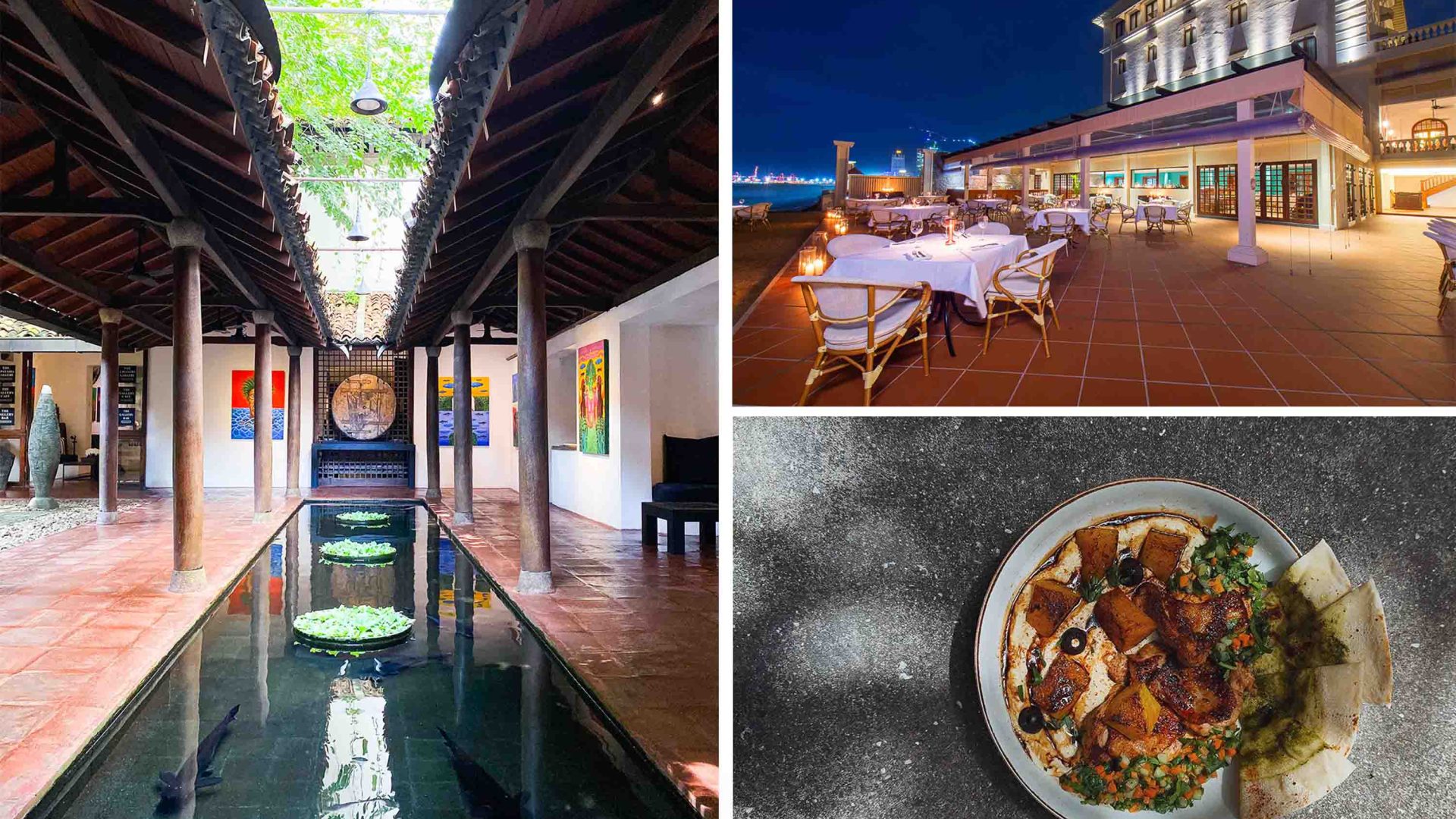
Several familiar names from the guidebook continue to anchor Colombo’s dining scene. The Barefoot Garden Café, known for its charming courtyard adjacent to a gallery and bookshop, remains a beloved institution, echoing its original description. The Gallery Café, another architectural gem designed by Geoffrey Bawa, maintains its sophisticated allure. Shanti Vihar, where Swinscoe savored a masala dosa that cost a mere 13 cents in 2001, still serves authentic South Indian fare. Similarly, Sea Spray, now rebranded as King of the Mambo, continues to draw diners to its majestic setting within the iconic Galle Face Hotel, retaining its status as a beachfront dining destination. These establishments demonstrate a consistent appeal, often rooted in their quality, atmosphere, and a strong sense of identity.
Resilience Amidst Adversity: A Historical Context
The period under review was far from stable for Sri Lanka. The protracted civil war, which formally ended in 2009, created an environment of uncertainty and inhibited tourism and economic growth. The 2004 tsunami dealt a catastrophic blow to coastal areas, including parts of Colombo, physically destroying infrastructure and deeply impacting livelihoods. More recently, the COVID-19 pandemic brought global travel to a halt, crippling an industry vital to many restaurants. The subsequent economic crisis of 2022, characterized by severe shortages and hyperinflation, presented an unprecedented challenge, forcing many businesses to close or drastically alter operations. That nearly half of the recommended restaurants from two decades prior have navigated these tumultuous waters speaks volumes about their deep roots, robust business models, and perhaps, the unwavering loyalty of their patrons.

Transformation and Reinvention: Adapting to New Eras
While some establishments maintained their core identity, others underwent significant transformations. The Pagoda Tea Room, once a historic café nestled in the stunning De Mel Building in the Fort area – famously featured in Duran Duran’s "Hungry Like the Wolf" music video – had closed down. However, after years of dormancy, it has been brilliantly resurrected as Radicle, a vibrant art gallery and specialty coffee shop. This metamorphosis is emblematic of a broader shift in urban culture, where historical spaces are repurposed to cater to contemporary tastes. Radicle, with its "Instagrammable" blue spirulina matcha lattes and Japanese-style egg sandos, perfectly illustrates the profound influence of social media platforms like TikTok and Instagram on modern culinary trends and travel planning. These platforms prioritize visual aesthetics and unique experiences, a stark contrast to the textual descriptions of traditional guidebooks.
The Commons, a relaxed café in the upscale Colombo 7 neighborhood, is another example of enduring success. Described in 2001 as frequented by a "trendy crowd," it remains so today, under the continued stewardship of Sri Lankan DJ-turned-restaurateur Harpo Gooneratne. Gooneratne attributes its longevity to "loyal clients, consistency, and brilliant staff." Its colossal menu, spanning traditional Sri Lankan string hoppers to Mongolian rice and the pancakes with maple syrup mentioned in the original guidebook, showcases a flexibility that appeals to a diverse clientele while maintaining quality.
Echoes of the Past: Fading Glory and New Beginnings
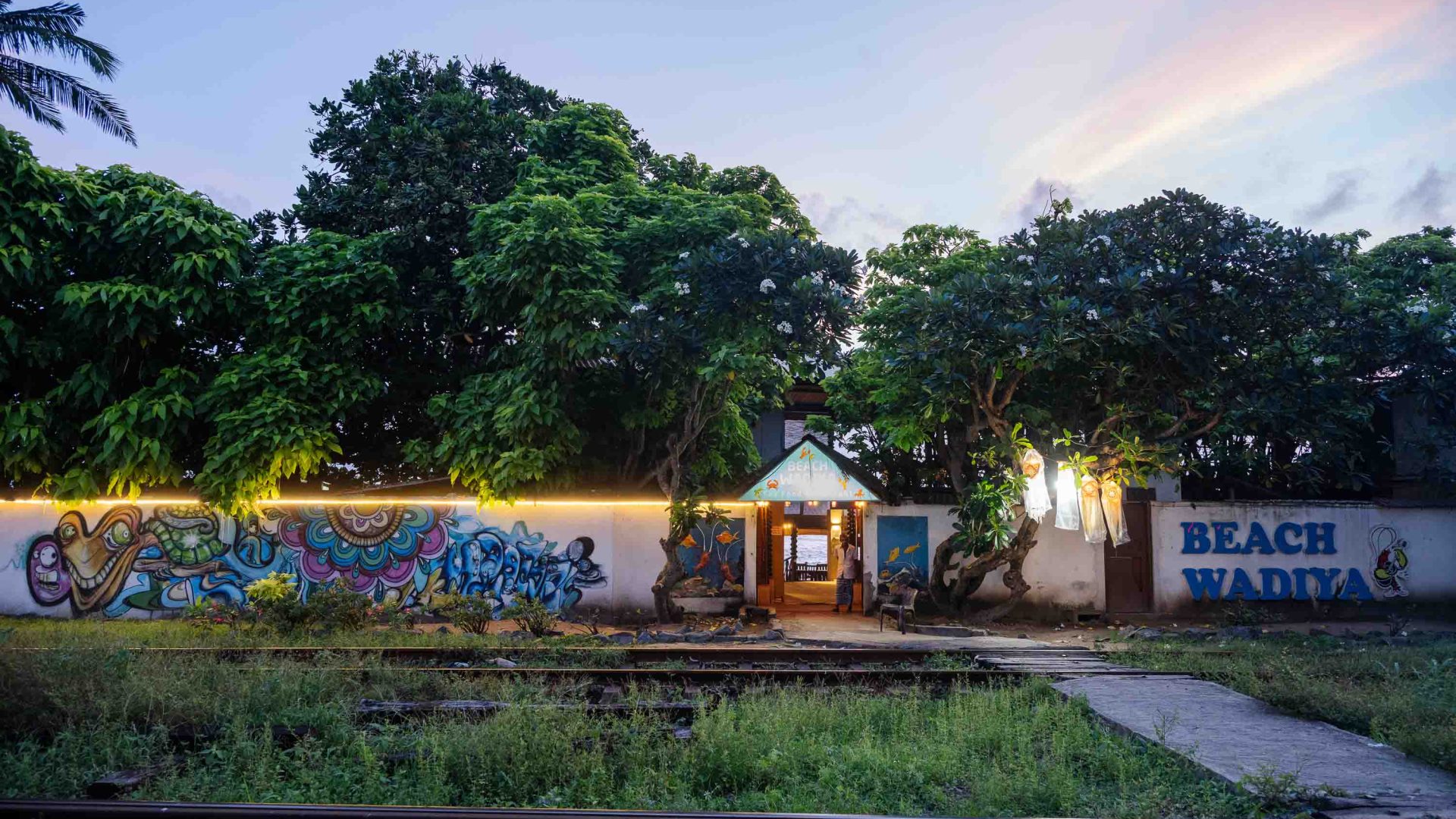
Not all stories were ones of outright triumph. Further south, Beach Wadiya, a low-key beachfront eatery, presented a more poignant narrative. Having been largely destroyed by the 2004 tsunami, it now stands as a shadow of its former self, attracting significantly fewer visitors than its heyday when it was a "Colombo hotspot" and even frequented by royalty like Princess Anne. The guidebook’s mention of affordable crab with vegetables (USD$1.11) and fried fish (57 cents) in 2001, alongside photo boards of famous and less-famous patrons, paints a picture of a bustling past that current visitors might struggle to envision.
Similarly, Seafish, located in a slightly hidden part of Colombo 2 near Secretariat Railway Station, exudes a "faded vibe." Opened in 1969, it was once celebrated for its "excellent seafood." During Swinscoe’s visit, the empty interior and a framed photo of the original 1969 staff evoked a sense of nostalgia for a golden era she never experienced, particularly as new management has since taken over. These establishments highlight the fragile nature of longevity, where even deep historical roots can be tested by external forces and changing dynamics.
Elevating Tradition: New Favorites and Enduring Classics
The landscape is not static, however. Some existing restaurants, like the Sri Lankan restaurant Palmyrah, are actually "doing better." Adored by both locals and visitors, it remains a firm favorite for its authentic Jaffna cuisine. Restaurateur Anitra Ratnayake, a prominent Colomboite and owner of the new Park Street Mews restaurant Biling, praises Palmyrah’s mutton paal poriyal, noting how it showcases the diversity of Sri Lankan cuisine. Palmyrah’s specialization in Jaffna dishes, with its close ties to Tamil Nadu in India, offers unique flavors like pittu (steamed rice and coconut cylinders) and spicy crab curry, which Ratnayake frequently shares with visiting friends to demonstrate a different facet of the island’s culinary heritage.
Anitra Ratnayake’s own venture, Biling, which opened in early 2026, exemplifies the innovative spirit now prevalent in Colombo’s food scene. Named after a "small sour green fruit that’s kind-of gone out of fashion," Biling reimagines family favorites with an elevated twist, offering dishes like biling seeni sambol tarts and Appi’s Kalu Pol Pork (pork belly with burnt coconut sauce), quickly garnering popularity. This blend of tradition and modernity represents the future of Colombo’s gastronomy.
Global Flavors, Local Roots: A Diverse Palate
Colombo’s culinary scene has long embraced international flavors. The Bavarian, a seemingly nondescript establishment opposite the Galle Face Hotel, has been a steadfast purveyor of German fare. The 2001 guidebook’s advice to "make your visit coincide with the happy hour (7 to 8 pm) to sample the draft German beer and German wines" remains relevant, with happy hour now extended from 5 to 7 pm on weekdays. For foreign Europeans, including Swinscoe, it offers comforting plates of sausages, mash, and schnitzels. It also provides locals, like Shanil Dayawansa, owner of the city’s hot new outdoor garden restaurant GINI, a taste of European cuisine from his childhood. Dayawansa fondly recalls family visits to The Bavarian, highlighting its role in Colombo’s cultural fabric. GINI, in contrast, represents the contemporary culinary trend, known for innovative takes on classic Sri Lankan dishes such as grilled Mullaitivu tiger prawns with coconut arrack sauce.
Sporting Spirits and Eastern Delights
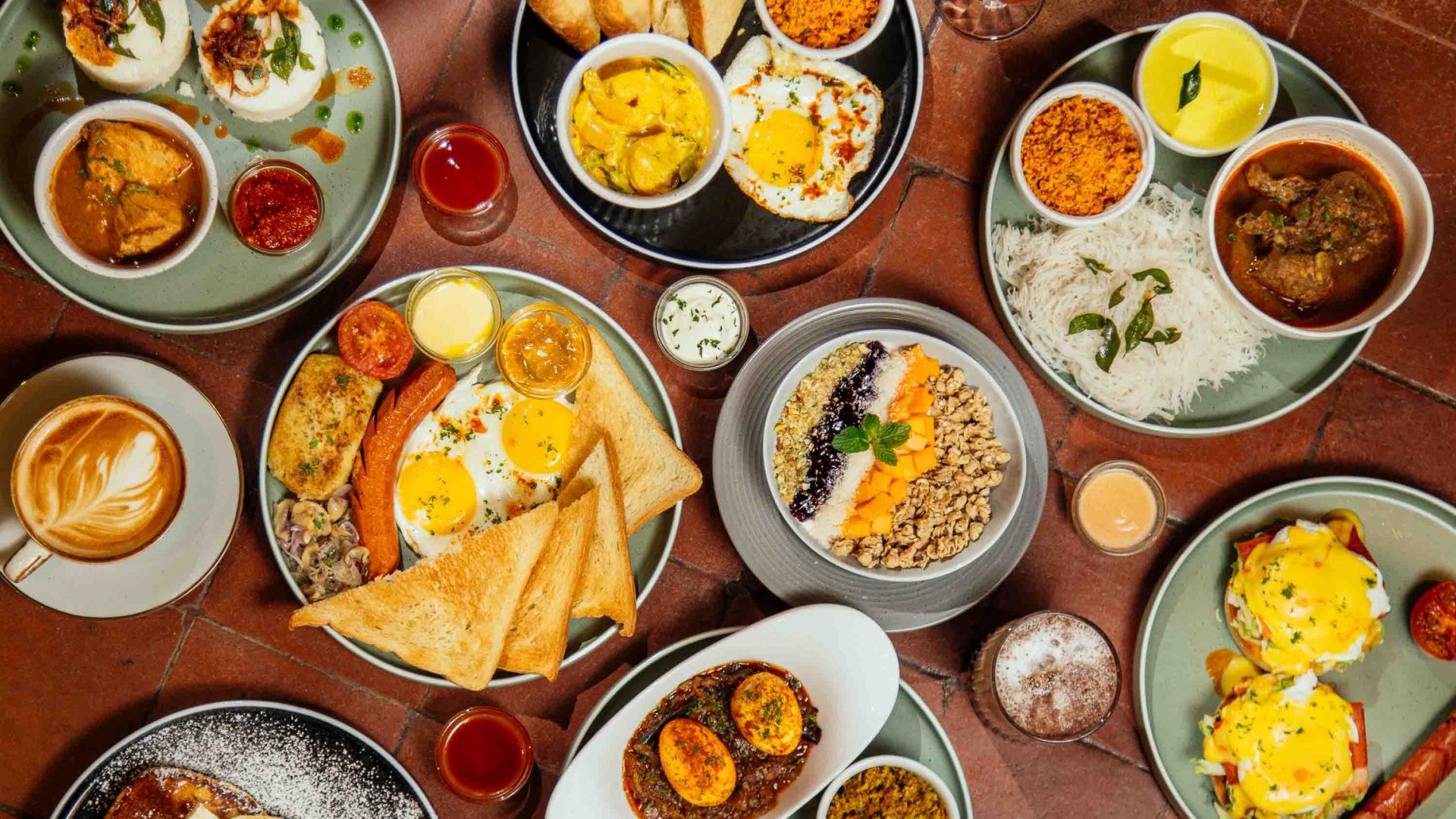
The Cricket Club Café, with its memorabilia-filled interiors, was described 25 years ago as "one of the most popular places to meet, drink and eat." Although it has since relocated from Queen’s Road to Flower Road, its spirit remains intact. Swinscoe found its menu still featuring an array of pies named after famous cricketers (the "David Shepherd" being a particular winner), enjoying the convivial atmosphere shared by local diners and tourists alike.
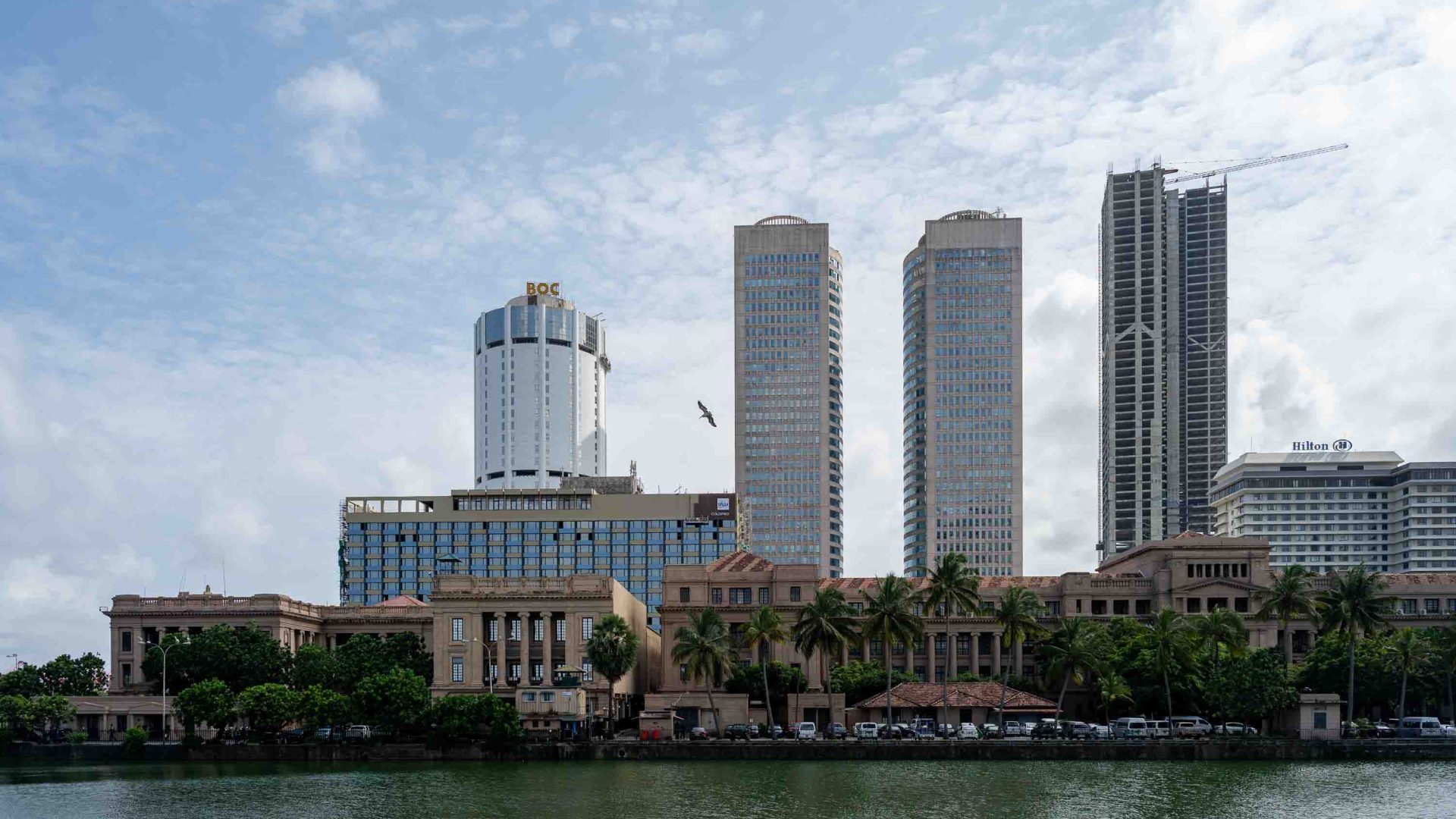
Ginza Hohsen, Sri Lanka’s first authentic Japanese restaurant, also demonstrates remarkable staying power. Originally housed in the Hilton Hotel according to the 2001 guidebook, it now occupies a large space directly opposite Port City, a colossal new "lifestyle hub" earmarked for extensive apartment block development. While it continues to serve fresh sushi, sashimi, and udon, catering to Japanese, Chinese, and Taiwanese tourists, its monopoly on authentic Japanese cuisine has ended. The past 25 years have seen a proliferation of quality Japanese restaurants in Colombo. Anithra Basnayake, a creative director and one of the country’s few female mixologists, who remembers Ginza from her teenage years, now rates Yoroko as a personal favorite for its "beautifully executed, authentic food and varied options of sake."
Chinese Culinary Dominance and a Legacy of Expertise
The evolution of Chinese cuisine in Colombo follows a similar trajectory of increased competition but enduring legacy. Consultant chef and social media critic Rashen John reminisces about The Emperor’s Wok in the Hilton Hotel, which was once "the most popular Chinese restaurant in Sri Lanka." He recounts how many chefs, starting as dishwashers, learned traditional techniques from original Chinese masters, consistently crafting hundreds of dim sums daily using traditional tools. Despite the presence of over 60 Chinese restaurants in Colombo today, The Emperor’s Wok remains popular within the Hilton and holds a special place for John due to its nostalgic appeal and historical significance.
The Green Cabin Saga: A Century of Evolution and Adaptation
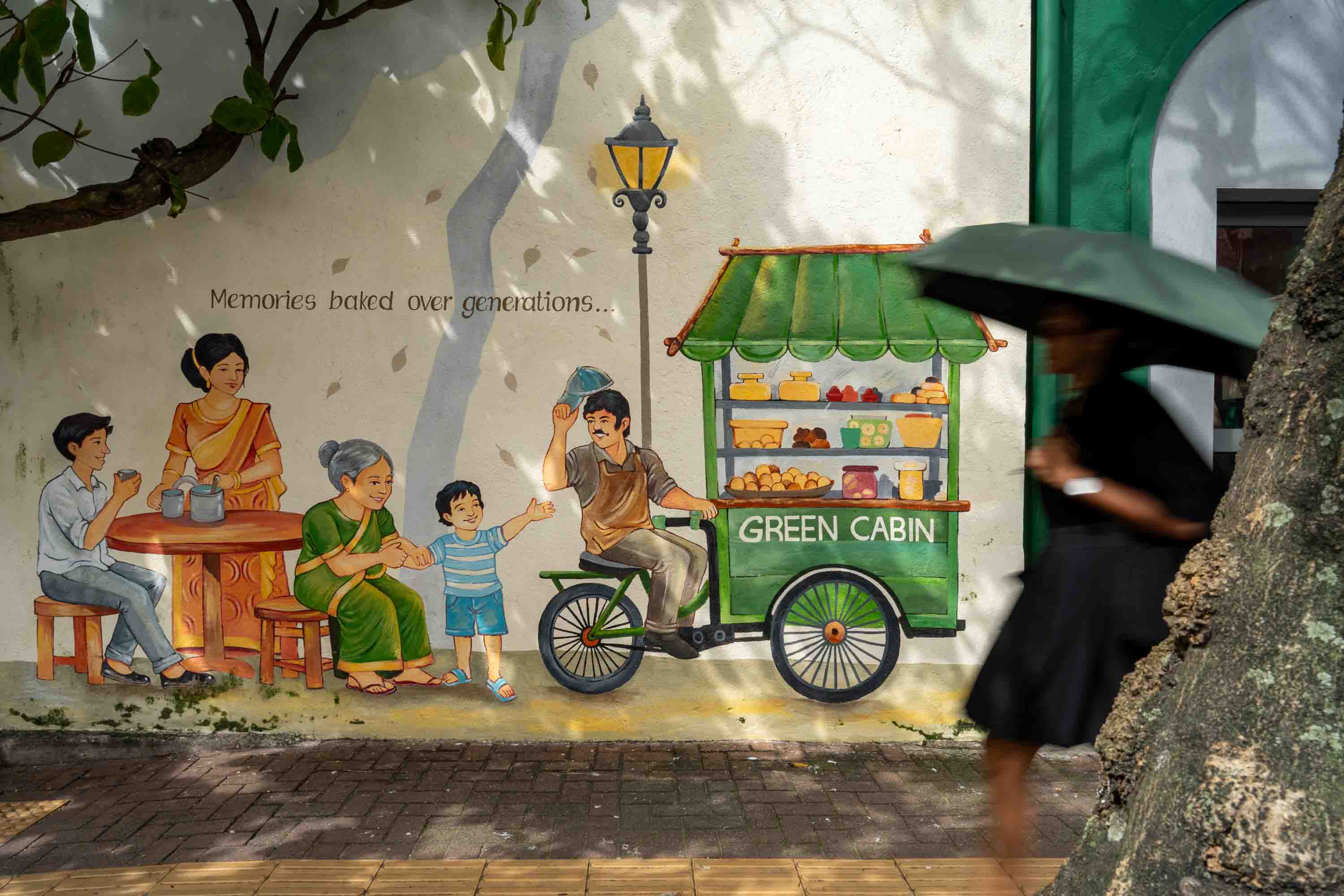
Perhaps the most compelling story of evolution belongs to Green Cabin, a fifth-generation restaurant serving Sri Lankan tea and dishes since 1884. Swinscoe’s visit to its Galle Road branch, listed in the guidebook, revealed that the recommended vegetable pastries now cost 48 cents (LKR 160 rupees) compared to 13 cents (LKR 12 rupees) in 2001. Her deeper research uncovered a fascinating chronology: the brand originated as Ceylon Tea Kiosk in 1884 on the Colombo harbor jetty, founded by British planters. It underwent several relocations before becoming the Pagoda Tea Rooms in the Fort area. Later, Ceylonese entrepreneur Thomas Rodrigo took over, eventually acquiring another company named Green Cabin. While the original Pagoda Tea Rooms closed, the merger of these entities resulted in Green Cabin’s current iteration, now boasting 12 branches and led by Chirath Devasurendra, Rodrigo’s great-great-grandson, with a robust social media presence. This intricate history illustrates a continuous process of adaptation, strategic mergers, and modernization, ultimately ensuring the brand’s survival and relevance across generations.

Conclusion: Adaptation as the Ultimate Recipe for Survival
Lydia Swinscoe’s culinary exploration of Colombo, guided by a vintage guidebook, paints a vivid picture of a city whose gastronomic heart beats with remarkable resilience. The survival of these restaurants, particularly the 17 that have thrived, is not merely a testament to good food or prime locations but to an extraordinary capacity for adaptation. Many businesses have moved with the times, embracing social media to engage a new generation of diners, diversifying their menus, or repositioning themselves to appeal to both tourists and a burgeoning local clientele. The contrast between enduring traditional establishments and vibrant new ventures like Biling, or transformed spaces like Radicle, highlights a dynamic culinary ecosystem.
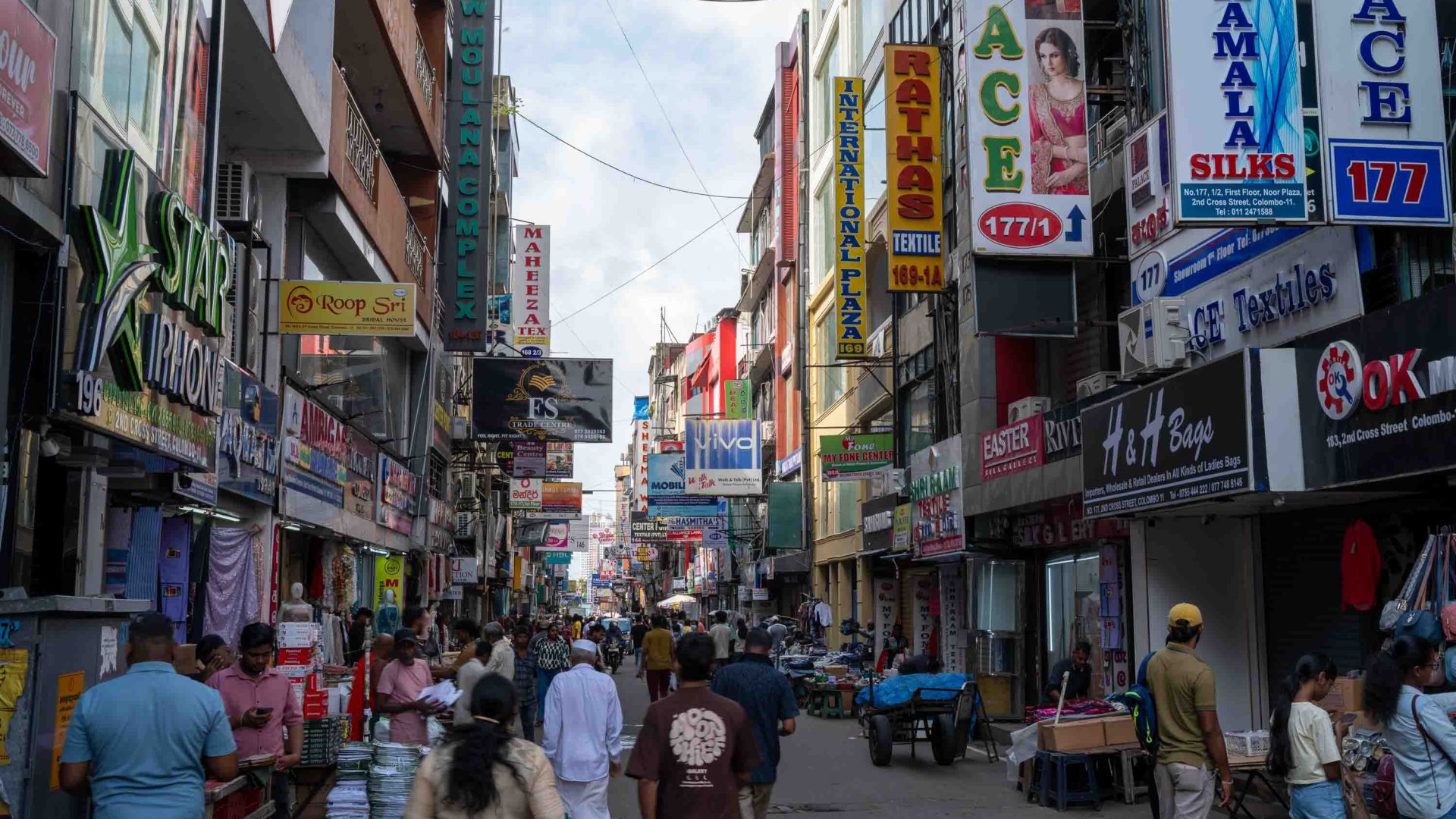
As Colombo continues its rapid urbanization, epitomized by developments like Port City, the city’s dining scene will undoubtedly evolve further. New businesses will rise, and some old favorites may eventually fade. However, beneath this constant reinvention lies a profound hardiness. These restaurants have collectively endured decades of civil conflict, natural disaster, global pandemics, and severe economic upheaval. Their continued existence, and in many cases, their flourishing success, is perhaps the most remarkable aspect of Colombo’s rich and ever-changing culinary narrative, proving that the true recipe for longevity lies in an unwavering spirit of adaptation.