Syria, a land steeped in millennia of history, presents a complex and multifaceted travel experience for those willing to venture beyond conventional tourist paths. For one intrepid traveler, the journey was a profound immersion into a country grappling with the visible scars of war alongside an enduring spirit of hospitality and cultural richness. While headlines often paint a picture of devastation, the reality on the ground reveals a nation striving to reclaim its identity and welcome visitors, albeit under unique circumstances.
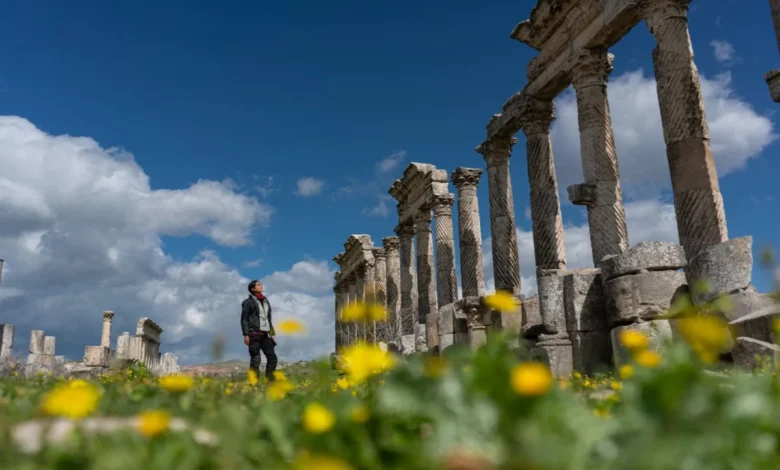
The allure of Syria lies in its unparalleled historical tapestry. Ancient cities like Palmyra, once a jewel of the Silk Road, now stand as poignant reminders of past grandeur, their Roman facades bearing the marks of recent conflict. The opportunity to traverse these historic sites, often devoid of the usual tourist throngs, offers a rare and intimate connection with antiquity. Similarly, exploring the labyrinthine streets of Damascus, one of the world’s oldest continuously inhabited cities, reveals hidden courtyards and traditional houses offering a glimpse into a preserved way of life. The experience of sipping a cold beer with locals in such a setting, or climbing an empty Crusader castle to witness a sunset over the Mediterranean, paints a picture of serene beauty juxtaposed against recent hardship.
However, these evocative experiences are inextricably linked to the ongoing geopolitical realities and the devastating economic crisis that Syria has endured for over a decade. The country’s transformation from a pre-war tourist hotspot, attracting millions of visitors and generating billions in revenue, to its current status as an "off the beaten track" destination is a direct consequence of the protracted conflict that erupted in 2011. The war has not only reshaped the physical landscape, leaving behind pockmarked buildings and scorched structures, but has also profoundly impacted the lives of its people and the nation’s infrastructure.
Navigating the Landscape: A New Era of Tourism
Despite the challenges, travel to Syria is possible and, for many, a deeply rewarding endeavor. Unlike destinations that might appear similarly remote, Syria possesses a foundational understanding of its tourism potential, a legacy from its pre-war era. While the specter of renewed conflict may linger in the minds of some, the country’s tourism sector is actively working towards recovery.
A key requirement for foreign tourists is mandatory accompaniment by a government-approved tour guide or tour operator. This measure, while seemingly restrictive, ensures a structured and safe experience for visitors. It was through this framework that the traveler in question, accompanied by "Syrian Guides," a Damascus-based tour company, embarked on their motorcycle adventure across the country. Companies like Syrian Guides, driven by a team passionate about their nation’s reconstruction, are instrumental in facilitating these journeys, aiming to demonstrate that Syria is not only accessible but also a safe destination for exploration.
A Tapestry of Resilience and Culture
The personal narrative of visiting Syria highlights a profound disconnect between media portrayals and lived reality. The country is far from a desolate wasteland; instead, it is a vibrant land where life continues to flourish amidst the aftermath of war. Traditional guesthouses, with their tranquil courtyards and fragrant citrus trees, offer havens of peace within bustling cities. Cafes, filled with a diverse array of patrons, serve as social hubs, reflecting the country’s rich cultural mosaic.
The experience of having ancient castles and colonnades virtually to oneself underscores the unique advantage of visiting Syria at this juncture. This solitude allows for a deeper contemplation of the historical significance of these sites. The ability to enjoy a glass of wine amidst olive groves or wander through ancient streets while the call to prayer resonates through the air speaks to Syria’s enduring cultural heritage – a blend of customs, religions, and traditions that have shaped its identity for centuries.
However, to present Syria solely through a lens of picturesque serenity would be incomplete. The nation is a geopolitical crossroads, and the impact of its complex history is undeniable. The juxtaposition of resilient beauty with the persistent reality of war is a defining characteristic of the Syrian experience. The sight of young shepherds guiding their flocks through fields dotted with the remnants of war-torn homes serves as a stark reminder of the conflict’s pervasive reach. While cities may pulse with life in their bustling markets and vibrant nightlife, journeys between them can be starkly contrasted by the darkness of unlit roads, a consequence of infrastructure challenges and abandoned villages. This duality creates an experience that is simultaneously comfortable in its burgeoning tourist amenities and profoundly uncomfortable in its confrontation with the ongoing crisis.
Assessing Safety in a Complex Environment
The question of safety in Syria inevitably arises, particularly given its designation as a conflict zone. However, a nuanced assessment suggests that the country is, in many respects, safer than perceived. While acknowledging the inherent risks associated with any travel to regions affected by conflict, statistical probabilities often favor the visitor.
The ongoing war in Gaza, while a grave concern, has not directly translated into widespread attacks targeting civilian tourist areas within Syria. Strikes have largely been concentrated on military or Iranian-affiliated targets, and even then, their impact on areas frequented by foreign tourists is statistically minimal. For instance, airport attacks have primarily aimed at disrupting supply lines rather than causing civilian casualties. This suggests that the risk of being caught in a direct attack is statistically lower than the everyday dangers encountered in many urban environments globally, such as crossing a busy street during peak hour.
The Ethical Dimension of Travel to Syria
For those considering a journey to Syria, the decision carries ethical weight. Motivations for visiting are varied, ranging from a genuine interest in the country’s history and culture, personal connections to its diaspora, a desire to support its struggling tourism industry, or a profound curiosity about life in a post-conflict nation.
However, it is crucial to distinguish between respectful engagement and voyeuristic tourism. Syria is undergoing a monumental rebuilding process, and treating it as a "dark tourism" playground, focusing solely on its destruction or sensationalizing survival narratives, is inappropriate and disrespectful. The country deserves to be seen and understood beyond its war-torn image. The people of Syria are engaged in a difficult journey of recovery, and visitors have a responsibility to approach their experience with genuine curiosity, respect, and a willingness to learn. Recognizing the privilege of recreational travel to a nation whose own citizens face immense challenges in returning to their homes is paramount.
For travelers with respectful intentions, eager to learn about Syria’s enduring magic, its struggles, and the complex realities that define it, the recommendation is clear: the journey is worthwhile. It offers an unparalleled opportunity to witness firsthand the resilience of a civilization and the warmth of its people, fostering a deeper understanding of a nation striving to redefine itself on the world stage.
Transparency Note: The author’s trip to Syria was facilitated by Syrian Guides. While this partnership provided the opportunity for the journey, the observations and recommendations herein are based on the author’s genuine experiences and professional journalistic integrity. Syrian Guides, though a relatively new company, is comprised of experienced professionals dedicated to showcasing the authentic Syria and supporting its recovery. Their commitment to organization, professionalism, and adventurous spirit was instrumental in making the trip possible. Further information and reviews can be found on their website, www.syrianguides.com, and TripAdvisor.
Related posts: