The Plaza Hotel in New York City to Close for Four Years for Extensive Facade Restoration

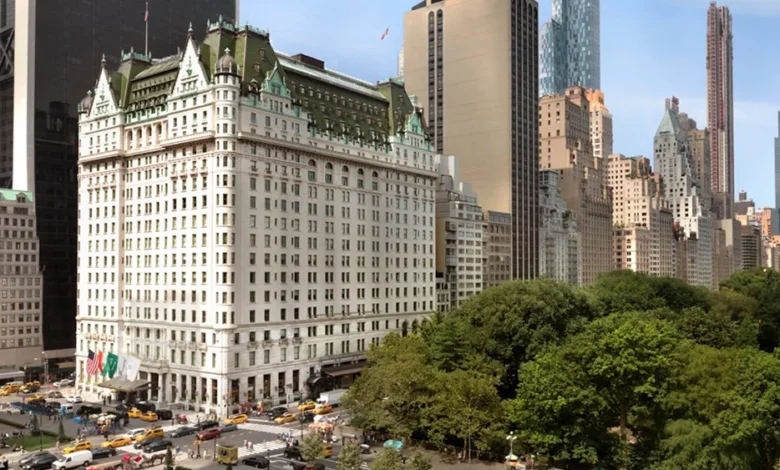
The Plaza Hotel, a cornerstone of New York City’s architectural and cultural landscape, is set to suspend all hospitality operations beginning this January to undergo a comprehensive and long-term restoration of its iconic exterior. The announcement, confirmed by Fairmont Hotels & Resorts, marks the beginning of a four-year closure that will see the legendary Fifth Avenue destination shuttered to the public until at least 2031. This hiatus brings a temporary end to over a century of service, including the suspension of the hotel’s world-renowned afternoon tea service at the Palm Court.
The decision to close the landmark, which has stood at the intersection of Fifth Avenue and Central Park South since 1907, is rooted in the necessity of preserving its historic facade. As a protected landmark, the structure requires meticulous attention to maintain its architectural integrity while ensuring the safety of the public and the building’s inhabitants.
A Legacy Defined by Architectural Grandeur
Designed by the esteemed architect Henry Janeway Hardenbergh, the Plaza Hotel opened its doors on October 1, 1907. Constructed in the French Renaissance château style, the 18-story building quickly became a symbol of New York’s Gilded Age elegance. Its location—flanking the southeastern corner of Central Park—has placed it at the center of the city’s most significant social and cultural developments for over 117 years.
The building’s history is inextricably linked to the trajectory of New York City itself. From hosting the debutante balls of the early 20th century to serving as a refuge for world leaders, cultural icons like The Beatles, and designers such as Christian Dior, the hotel has functioned as more than just a place of lodging; it has served as an unofficial stage for the city’s history. Its cinematic legacy is equally profound, with appearances in classic and contemporary films including The Way We Were, the 2013 adaptation of The Great Gatsby, and the beloved Eloise at the Plaza series, which cemented the hotel’s reputation as an emblem of whimsical, high-society luxury.
The Scope of the Restoration Project
While specific architectural details regarding the restoration remain largely confidential, Fairmont Hotels & Resorts has emphasized the extreme complexity of the undertaking. The project is focused on the building’s exterior envelope, which has been subjected to more than a century of New York’s harsh seasonal weather, urban pollution, and the general wear associated with a high-traffic metropolitan environment.
"Understanding the unique place in New York City’s architectural heritage and cultural history it holds, the Plaza Hotel is advancing plans for repair and restoration works to its landmark-protected facade," a spokesperson for Fairmont Hotels & Resorts stated in an official press release. The statement further clarified that the undertaking reflects the "complexity of maintaining a property of such architectural and historical significance," noting that preservation requirements necessitate a prolonged timeline to ensure that the original aesthetic and structural materials are handled with the necessary level of expertise.
The project involves coordination with municipal agencies, including the New York City Landmarks Preservation Commission, to ensure that every aspect of the repair meets the rigorous standards required for a building of the Plaza’s status.
Impact on Operations and Residents
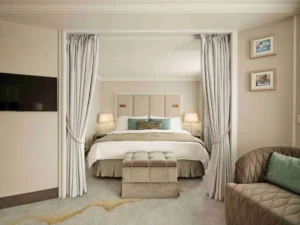
The closure will have a significant ripple effect on the hotel’s daily operations. The 282 guest rooms, which have long hosted travelers from around the globe, will be fully decommissioned for the duration of the project. Furthermore, the Palm Court—a destination often cited as the premier location for afternoon tea in the United States—will cease operations, impacting a tradition that has served as a primary draw for both tourists and New Yorkers for over 100 years.

A major point of ambiguity remains regarding the status of the 181 private condominiums housed within the building. These units, which occupy a significant portion of the upper floors, have become some of the most expensive and exclusive residential addresses in the city. With units frequently trading for tens of millions of dollars, the question of whether residents will be required to vacate during the exterior construction remains a subject of concern for stakeholders. Fairmont has yet to release a definitive plan regarding the logistical impact on these private homeowners, though industry analysts suggest that the complexity of a four-year exterior renovation would make partial occupancy an unprecedented challenge.
Workforce and Labor Implications
The temporary closure carries a substantial impact on the labor force. The Hotel & Gaming Trades Council, the union representing the 378 employees currently employed at the Plaza, is working closely with management to navigate the transition. Given the length of the closure, the union’s primary goal is the placement of staff in alternative roles within the hospitality sector.
This transition represents a significant shift for a workforce that has remained committed to the hotel’s high standards of service. Labor experts note that the success of these placement efforts will be a key metric in how the hotel manages its reputation during this hiatus. Ensuring that the staff—many of whom have served at the Plaza for years—are supported during this period is a priority for the union, which recognizes the potential for long-term economic instability for these workers.
Historical Context: Past Renovations and Transformations
The Plaza is no stranger to significant renovation. Its most transformative era occurred in the mid-2000s, when the property underwent a massive, multi-year renovation following its acquisition by the Elad Group. That project, which concluded in 2008, saw the hotel partially converted into the residential condominium component that exists today. That undertaking was controversial, as it reduced the number of hotel rooms and fundamentally changed the operational model of the building.
By contrast, the upcoming project is categorized primarily as a preservation and restoration effort. Unlike the 2005-2008 renovation, which sought to modernize the interior for a new generation of luxury buyers and travelers, this project is mandated by the physical requirements of the building’s aging facade. It is a testament to the realities of maintaining "Category A" historic landmarks in a modern, high-density environment.
Economic and Cultural Implications
The closure of the Plaza is not merely a logistical matter; it represents the temporary loss of one of New York City’s most recognizable symbols. For the tourism industry, the Plaza is a "destination asset" that drives interest in the Fifth Avenue corridor. Its absence from the market for four years will likely shift high-end travel demand toward other competing luxury properties in Manhattan, such as The St. Regis, The Pierre, and The Carlyle.
From an economic standpoint, the project will generate significant investment in the construction and architecture sectors, providing employment for specialized craftspeople and historic restoration experts. However, the loss of revenue from hotel stays, dining, and event hosting will be a measurable blow to the hospitality sector in Midtown Manhattan.
As the city looks toward 2031, the success of this restoration will be measured by the ability of the developers to balance modern safety and structural requirements with the aesthetic legacy of Henry Janeway Hardenbergh. For now, the Plaza prepares to quiet its halls and veil its iconic silhouette behind scaffolding, marking the beginning of a new, albeit temporary, chapter in its storied history. The project stands as a reminder that the preservation of New York’s architectural soul is a constant, expensive, and complex labor of love.