Reviving the Depths: Inside the Danish Island of Samsø’s Groundbreaking Marine Restoration

Samsø’s Journey from Carbon-Heavy Past to Global Green Pioneer
Long before the global conversation around climate change crystallized into binding international treaties and net-zero commitments, a small island in the Kattegat strait off the coast of Denmark decided to take matters into its own hands. Samsø, home to roughly 4,000 residents and situated a convenient one-hour ferry ride from Aarhus, holds the distinction of being the world’s first territory to successfully transition entirely from fossil fuels to 100 percent renewable energy.
The island’s green transformation began in earnest in 1997, when it won a national contest sponsored by the Danish government to demonstrate how carbon emissions could be drastically reduced. While financial subsidies for actual green infrastructure were sparse, the government did fund a salary for a local farmer-turned-visionary, Søren Hermansen. Recognizing that top-down environmental mandates rarely succeed in close-knit rural communities, Hermansen prioritized deep community buy-in, transforming potential skepticism from generations-old farming families into cooperative action.

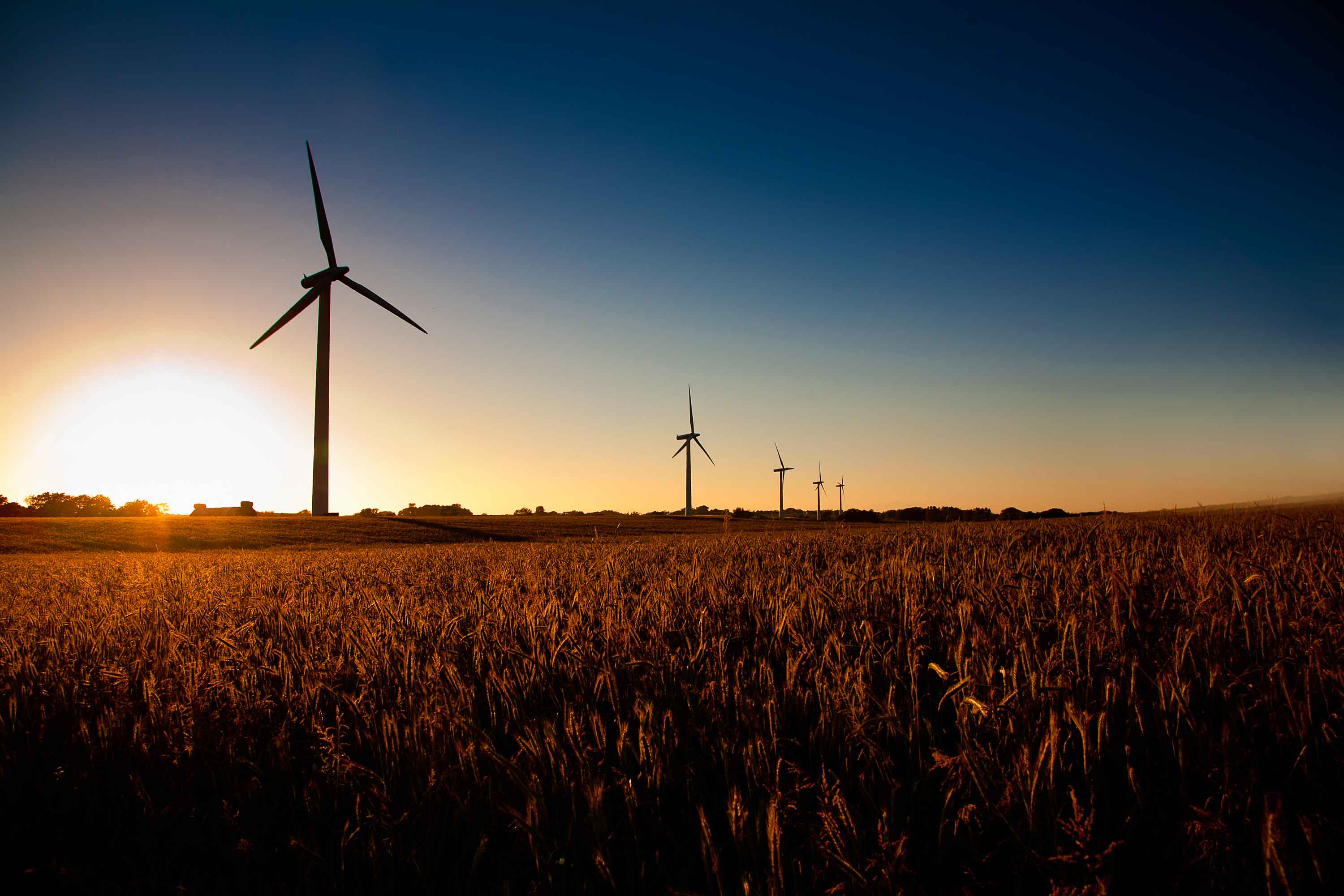
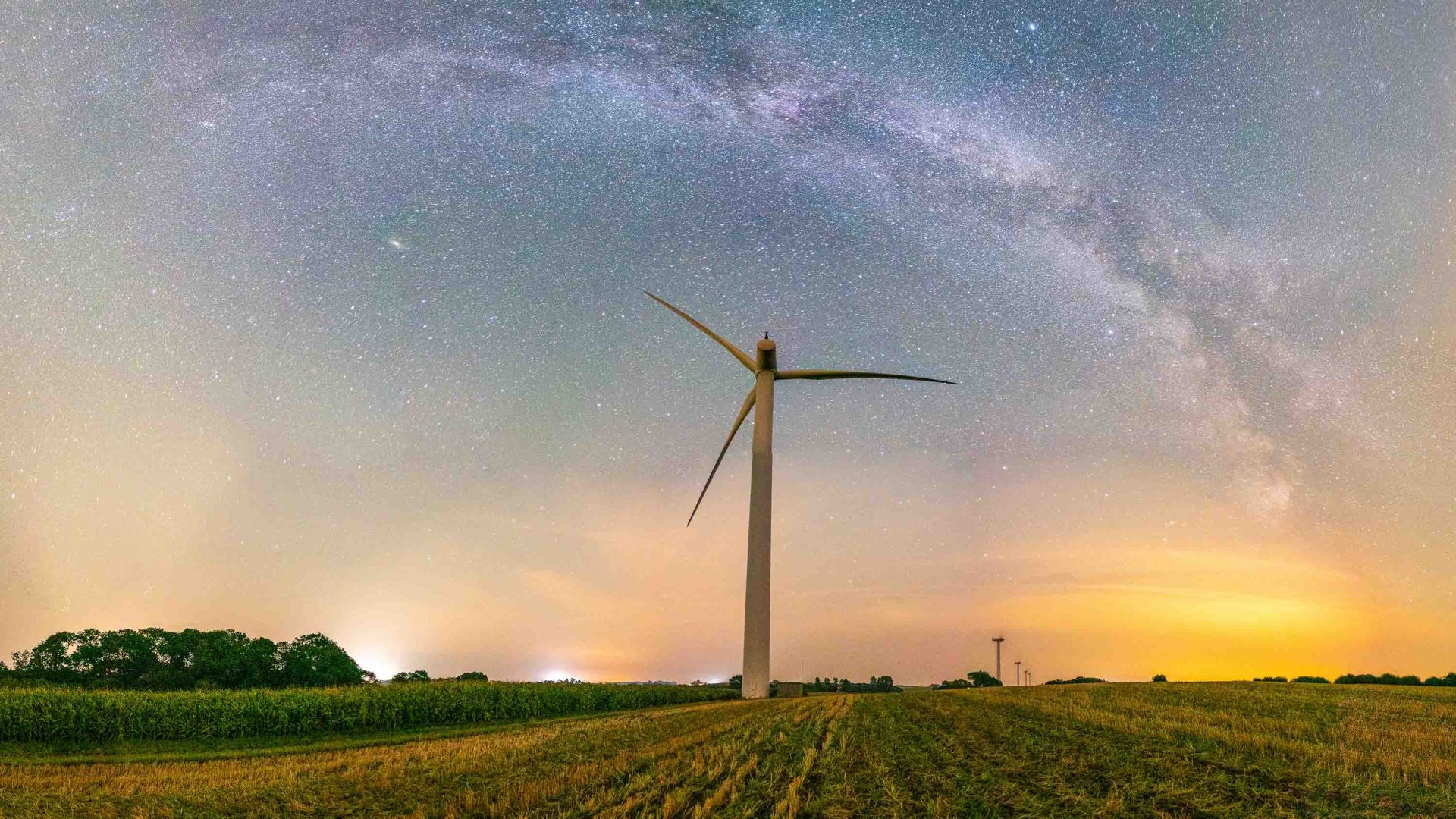
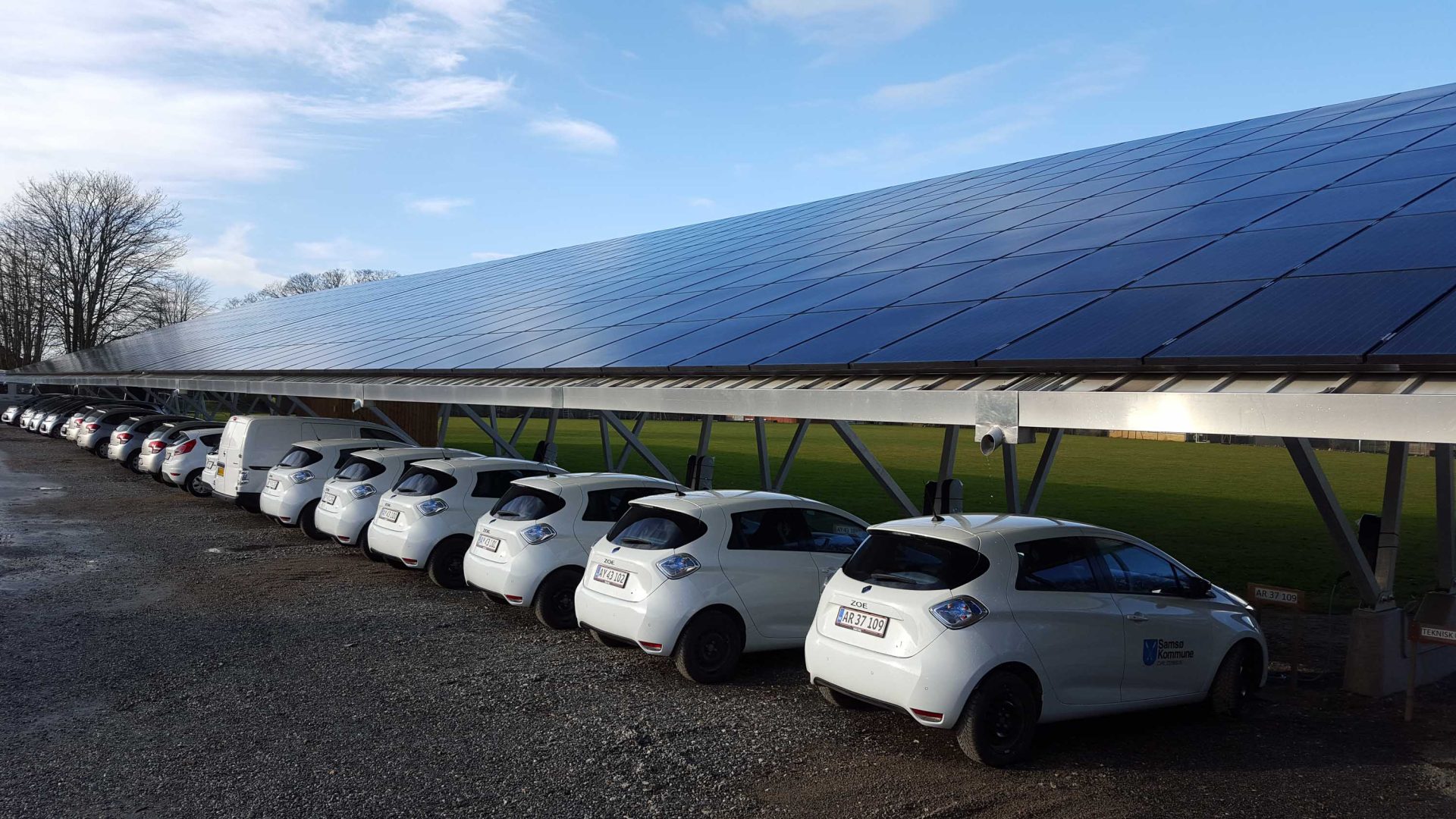
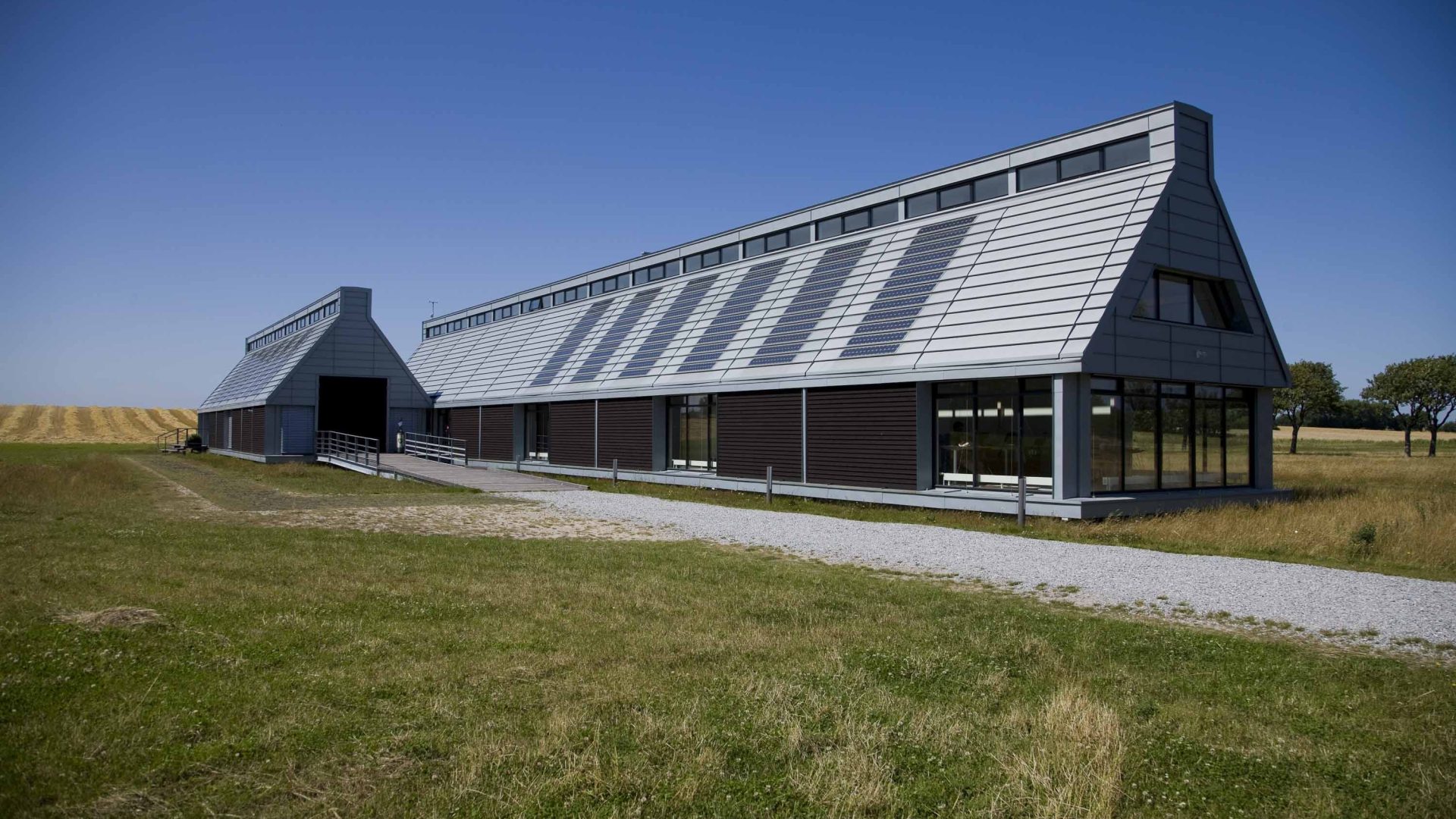
Through a combination of local municipal backing, resident investment, and cooperative funding, Samsø erected 21 wind turbines—10 offshore and 11 on land. Today, the island is complemented by roughly 50 photovoltaic solar plants and biomass heating facilities powered by locally sourced straw purchased directly from Samsø’s agricultural community. The island produces more clean energy than it consumes, transforming into a carbon-negative territory that exports surplus power back to the Danish mainland, generating a steady revenue stream for resident investors.
Architecture of Community Innovation: The Labyrinten and Local Economy
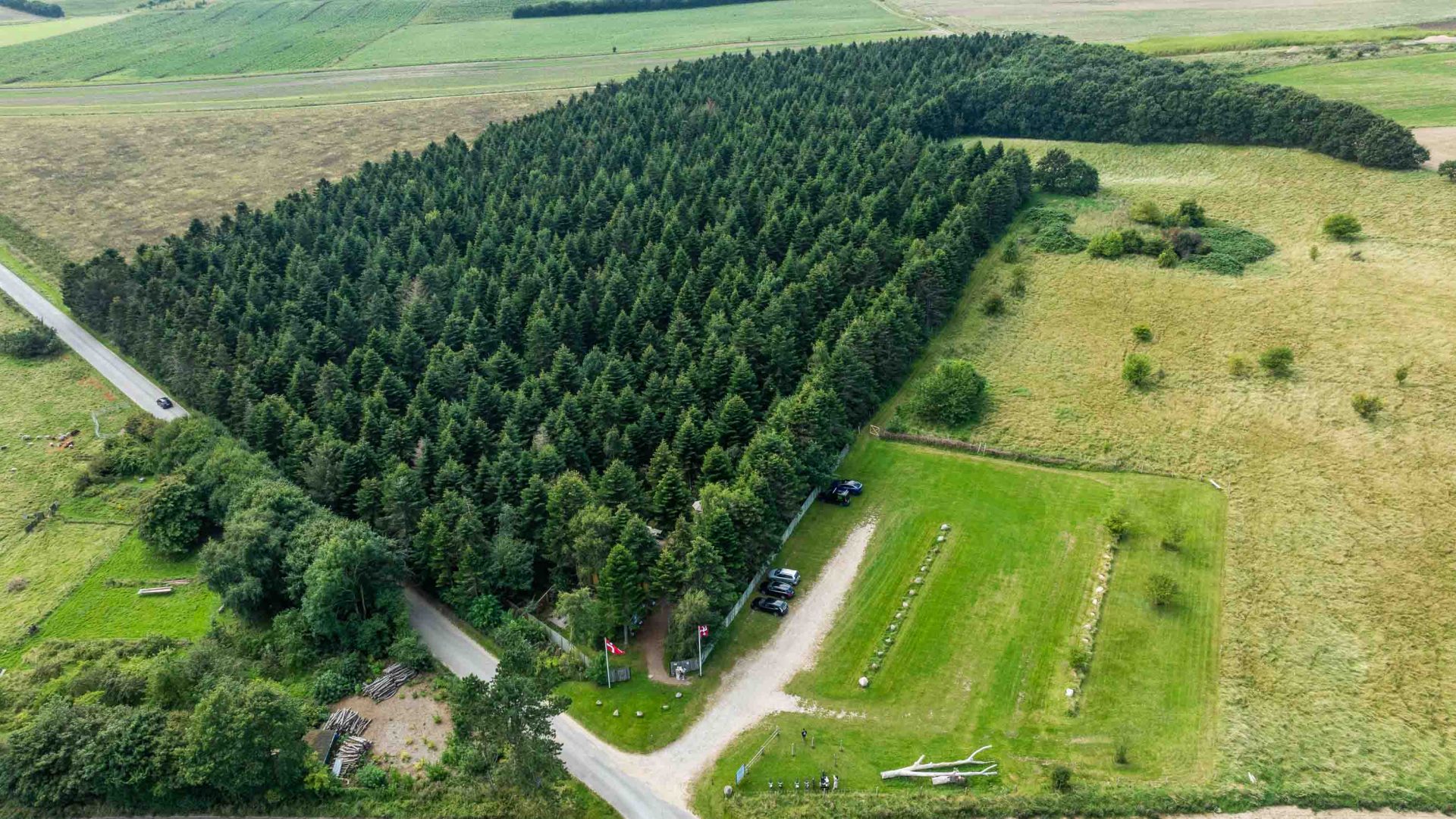
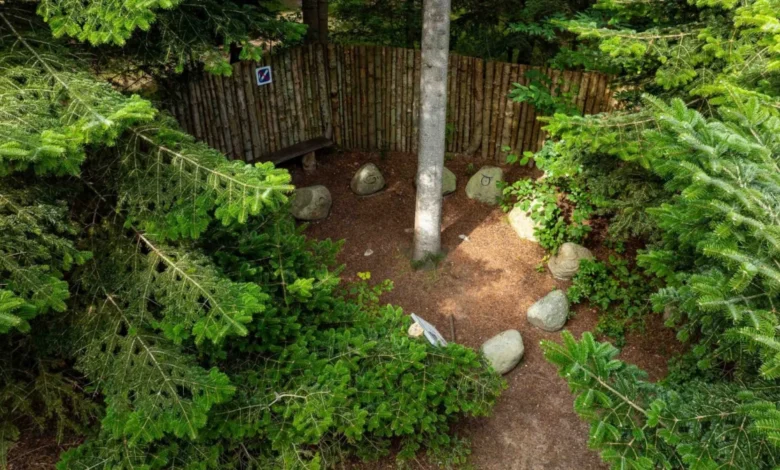
The spirit of collective innovation that powered the island’s energy transition has bled into nearly every facet of Samsø life. In the year 2000, the island opened Labyrinten, a sprawling 15-acre (60,000-square-meter) tree maze. Certified by Guinness World Records as the largest tree maze in the world, the attraction was constructed using trees salvaged from an abandoned Christmas tree plantation. Comprising some 50,000 evergreen trees, the maze functions as a natural carbon sink, absorbing between 1,000 and 1,250 metric tons of CO2 annually—roughly offsetting the carbon footprint of 1,000 round-trip economy flights between New York and London.
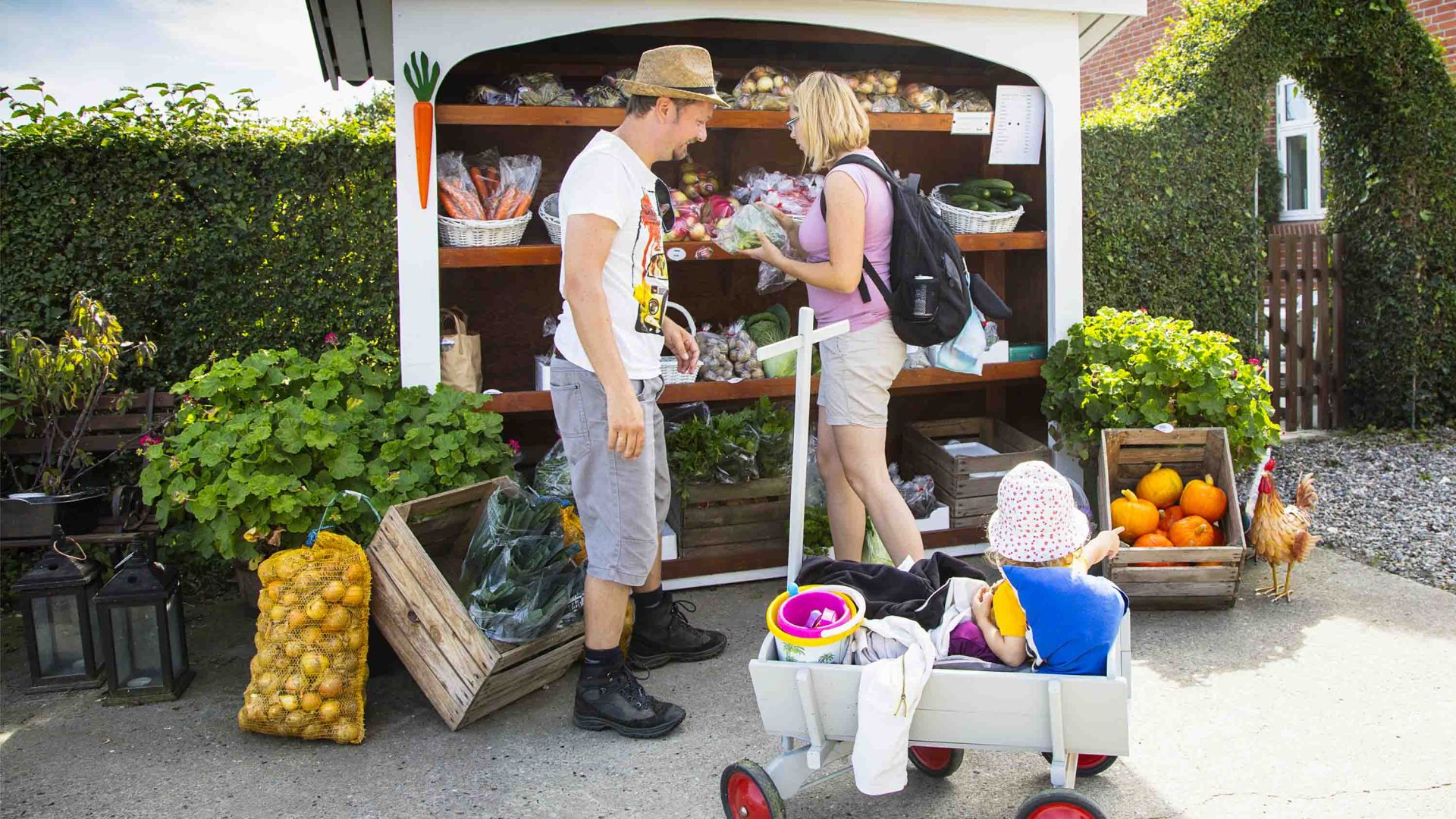
This ethos of utilizing local resources extends directly to the island’s burgeoning food economy. Often dubbed "The Pantry of Denmark," Samsø is celebrated for its rich agricultural output—so much so that a selection of its first potato harvest is traditionally earmarked for the Danish Royal Family. Over the past two decades, local merchants and farmers have pivoted away from traditional, high-yield agriculture toward value-added local production. Cafés like Smagen af Øen in Nordby, which opened in 2008 with a mere four locally produced items on its shelves, now stock everything from onion marmalade and berry preserves to cold-pressed rapeseed oils, island-grown fruit juices, and even craft gin infused with locally foraged ingredients.
The reversal of demographic trends has been equally striking. Once facing an aging population and outward migration of its youth, Samsø has been invigorated. Younger residents are choosing to stay or return, while professionals and academics are continually drawn to institutions like the Samsø Energy Academy—a prominent environmental education, research, and global outreach center that showcases the island’s sustainable blueprint to international delegations.
The Historical Scourge of Stone-Fishing
While Samsø’s terrestrial and atmospheric achievements have garnered global acclaim—culminating in a UN Global Climate Action Award—the waters surrounding the island tell a different historical story, one marred by decades of marine degradation.
For much of the 20th century, the Danish seabed suffered from a destructive commercial practice known as stone-fishing. Between 1900 and 2000, an estimated 9.15 million tons (8.3 million cubic meters) of stone—roughly equivalent to the mass of eight Empire State Buildings—were harvested from Danish marine environments to supply materials for coastal protection, harbors, and infrastructure foundations.
For local residents who grew up intimately connected to the surrounding waters, the ecological toll was painfully evident. Michael Kristensen, a Samsø native, recalls a stark generational shift in the marine ecosystem. "When I was a child, we could fish straight from the beach," Kristensen notes. "As I grew older, I realized that this was no longer possible because marine habitats had been depleted by stone-fishing."
The removal of these massive sub-surface rocks stripped the seabed of natural crevices, rocky outcrops, and cavernous structures that once provided vital shelter, breeding grounds, and nurseries for fish, crustaceans, and algae. The practice was finally outlawed by the Danish government in 2010, setting the stage for subsequent ecological remediation.
BARREEF: Engineering the Return of Marine Biodiversity
Recognizing that terrestrial carbon neutrality was only half the battle, environmental advocates and marine scientists turned their attention beneath the waves. While global media attention has overwhelmingly focused on the plight of tropical coral reefs, marine scientists emphasize that temperate rocky reef structures play an equally crucial role in providing safe havens for marine life.
According to Cecilie Erichsen Kudsk, a marine biologist from DTU Aqua (the National Institute of Aquatic Resources), almost any submerged hard structure can function as a biological anchor. Even the towering foundations of offshore wind turbines function as artificial reefs, providing stable surfaces where algae, mussels, and fish can colonize and multiply.
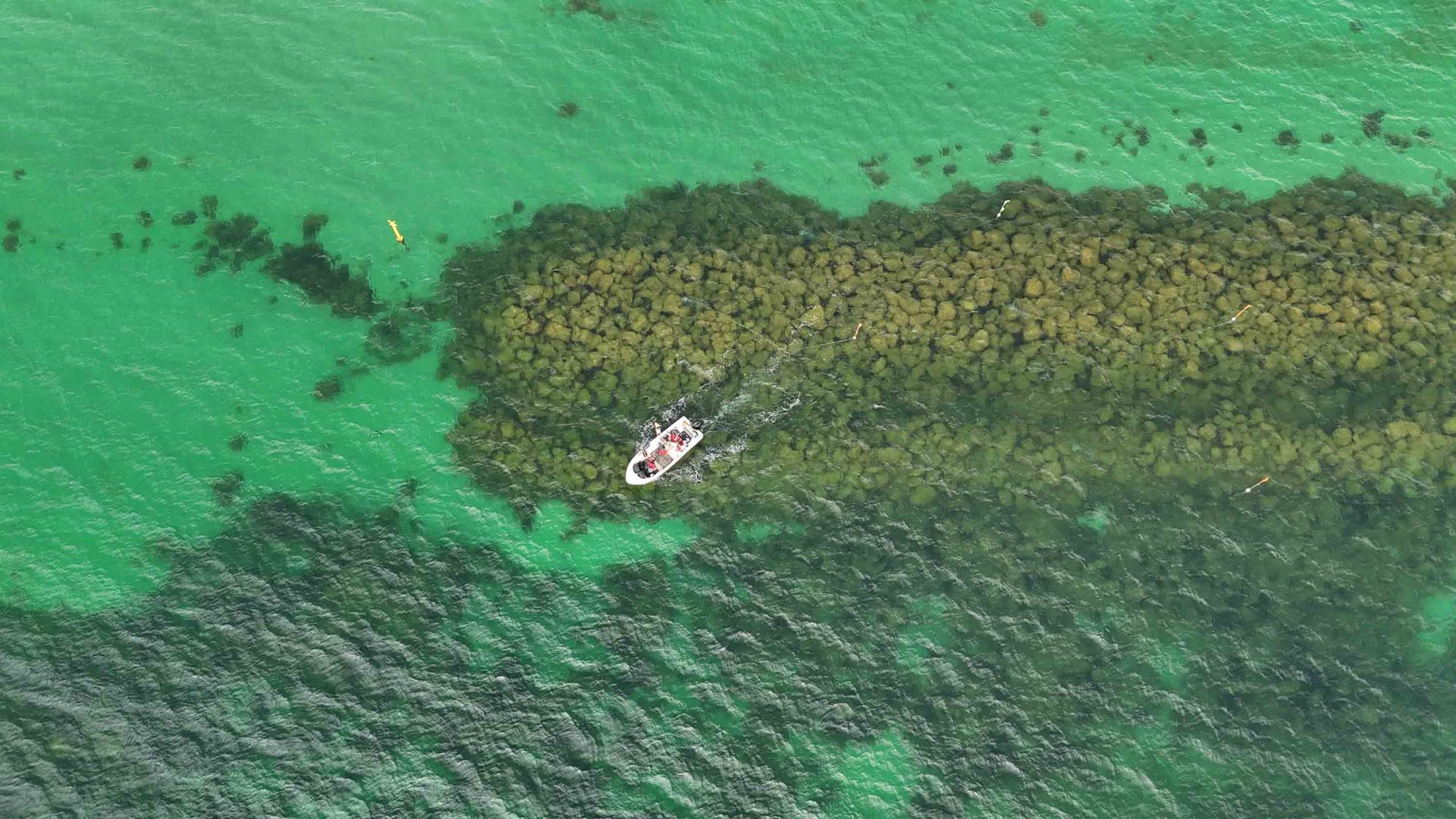
To systematically address the legacy of stone-fishing, Samsø launched an ambitious underwater remediation project off its southeastern coast near the harbor village of Ballen, aptly named BARREEF.
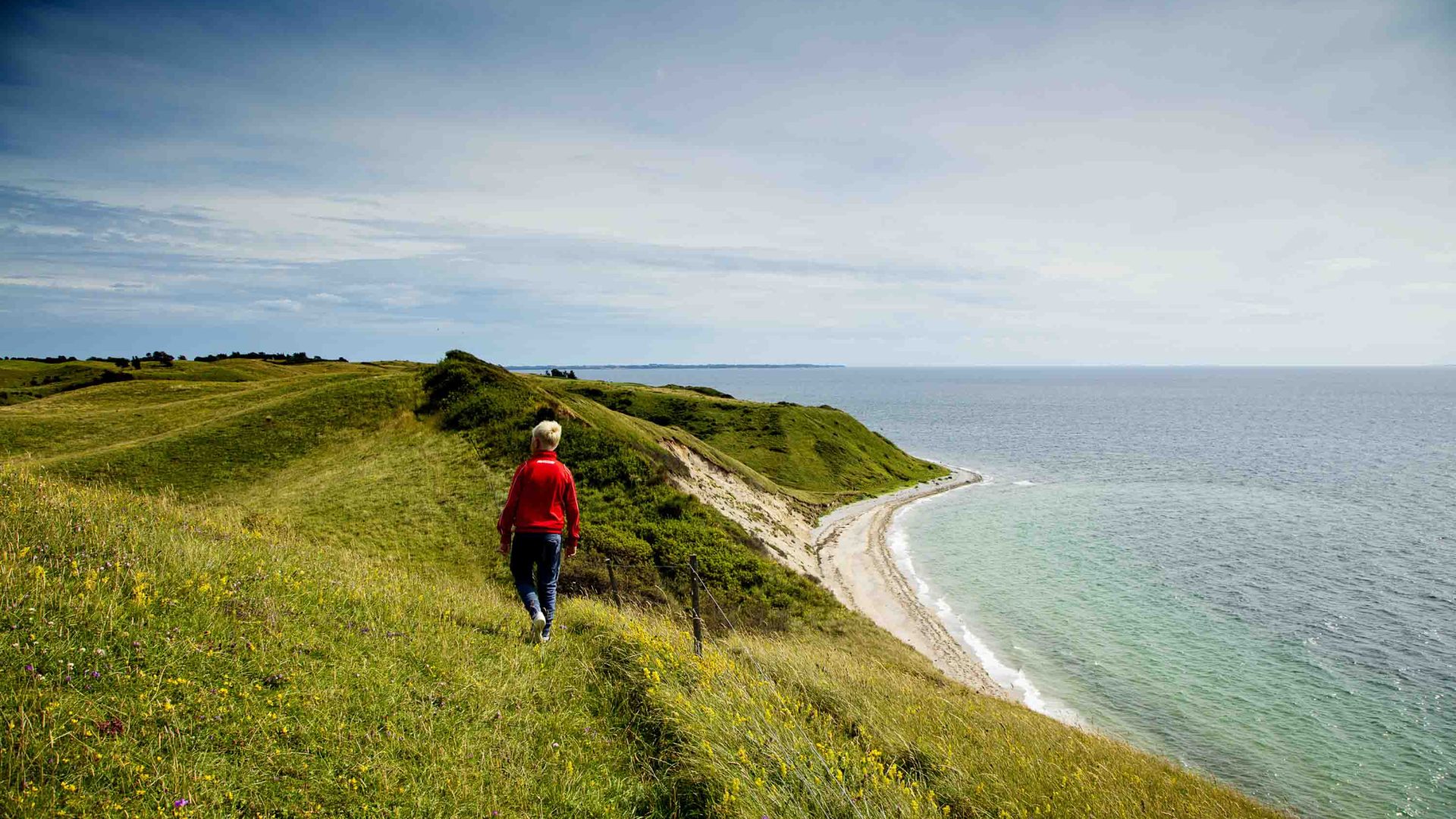
The planning phase for BARREEF required navigating complex administrative hurdles and balancing multiple environmental priorities. According to Kristensen, the community’s investigation was three-pronged: evaluating whether a constructed stone reef could protect a vulnerable gravel coastal road from severe storm erosion, determining if it could successfully reinstate lost marine habitats, and assessing whether the calm waters sheltered by the reef could foster the growth of vital seagrass meadows.
The Execution and Early Ecological Results
To construct BARREEF, project organizers acquired 6,000 metric tons of granite waste sourced directly from Norwegian quarries. This massive volume of stone was carefully deposited onto the seafloor near Ballen, creating a submerged topographical shield designed to mimic natural glacial formations.
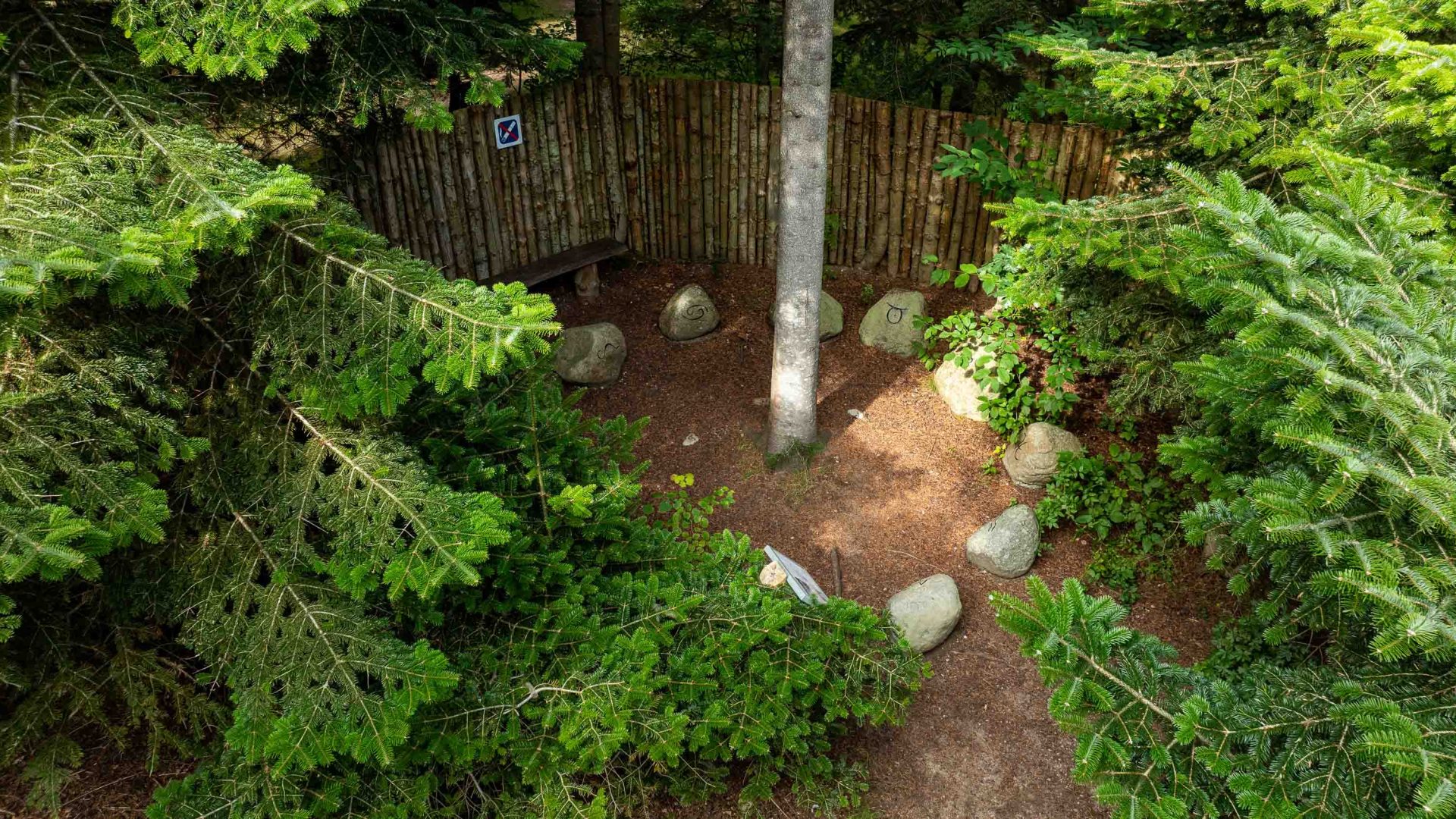
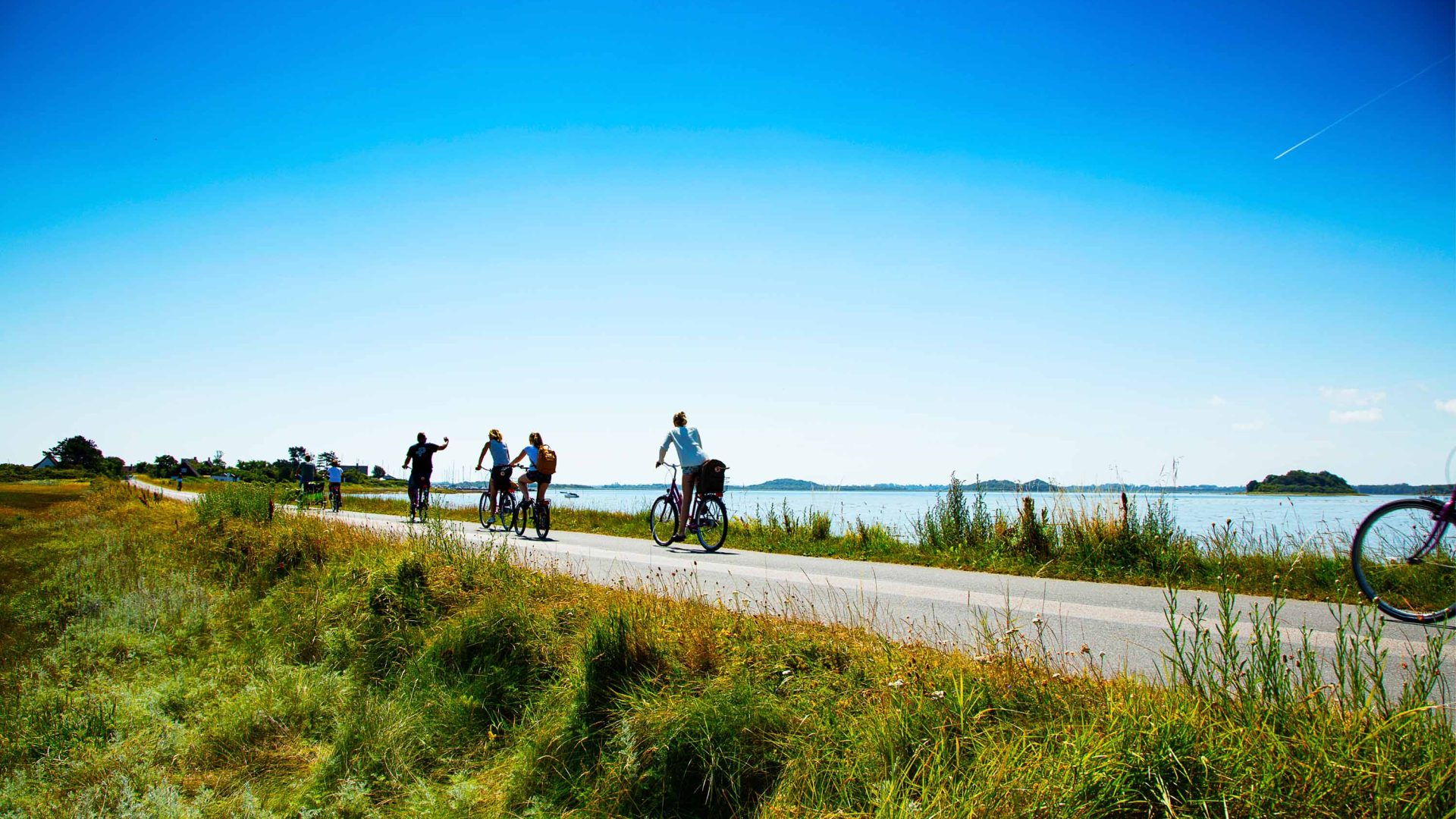
Unlike the island’s tourist-friendly terrestrial attractions—such as Labyrinten or the glacial hiking trails of the protected Nordby Hills—BARREEF was engineered primarily as an ecological sanctuary rather than a recreational destination. Navigation and sailing are strictly prohibited within its immediate boundaries, ensuring that recovering marine ecosystems remain undisturbed by boat traffic.
Despite being in its infancy, monitoring data indicates that the project is already yielding positive ecological dividends. Underwater camera footage analyzed by DTU Aqua researchers has confirmed the rapid growth of foundational algae species, alongside returning populations of native fish, including goby and wrasse. Furthermore, rock reefs of this nature contribute to long-term carbon sequestration; by extracting bicarbonate ions from the surrounding water and combining them with calcium, marine organisms build calcium carbonate skeletal structures, effectively locking away atmospheric carbon for centuries.
Broader Implications and Future Horizons
Samsø’s ongoing evolution from a renewable energy trailblazer to a comprehensive marine restoration hub offers a compelling blueprint for coastal communities worldwide. The island demonstrates that true sustainability must encompass both land and sea, addressing historical ecological debts alongside modern carbon footprints.
For researchers, conservationists, and curious travelers alike, Samsø represents a living laboratory. While the island’s famous wind turbines cartwheel silently overhead and electric municipal vehicles recharge beneath solar-paneled canopies, a silent transformation is unfolding beneath the cold waters of the Kattegat strait. For local visionaries like Michael Kristensen and Morten Westergaard, BARREEF is more than an engineering feat; it is the long-awaited closing chapter of a local tragedy, proving that with community resolve, scientific guidance, and political will, nature can indeed be summoned back to the shore.
Related posts: