Unlocking the Côte d’Azur: A Comprehensive Guide to Experiencing the French Riviera with Children

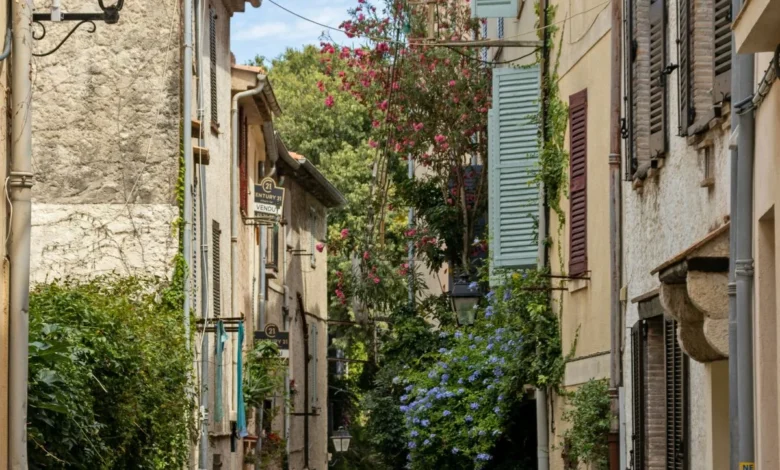
The French Riviera, stretching from the vibrant Italian border town of Menton to the sun-drenched, exclusive enclave of Saint-Tropez, represents one of Europe’s most storied and celebrated coastlines. Often mentally pigeonholed as a playground strictly reserved for Formula 1 racing enthusiasts, ultra-wealthy yacht owners, and international film stars sipping champagne, the region possesses a far more inclusive, highly accessible dimension. For families traveling with children, the Côte d’Azur offers an unexpectedly seamless vacation experience defined by a dense and efficient regional railway infrastructure, calm Mediterranean bathing conditions, highly pedestrianized historic centers, and an extensive network of cultural and outdoor attractions.
Moving beyond the high-gloss imagery typically associated with Southeastern France reveals a diverse tapestry of municipalities. Each destination along this 70-mile stretch of coastline presents a distinct micro-culture, shifting effortlessly from sandy beaches and artisanal gelaterias to world-class modern art museums and bustling agricultural markets brimming with Provençal produce.
The Logistical Advantage: Navigating the Rail Network and Regional Infrastructure
Unlike many major international coastal destinations where hiring a motor vehicle is a mandatory prerequisite for basic navigation, the French Riviera is uniquely optimized for car-free travel. The TER Provence-Alpes-Côte d’Azur regional rail line links virtually every major coastal town and city, allowing families to traverse municipal boundaries with remarkable speed and economic efficiency.
Statistically, regional transit data indicates that more than 60 percent of visitors to the Alpes-Maritimes department utilize public transportation systems during peak summer months to mitigate the severe traffic congestion that routinely plagues coastal arteries such as the Corniche roads. By utilizing the train network, families can bypass the notoriously difficult parking ecosystems of Monaco, Nice, and Antibes. A typical itinerary allows travelers to depart from a central base in Nice, spend the morning exploring the museums of Monaco or the botanical wonders of the eastern border, and return for an evening meal without subjecting children to extended periods in automotive safety seats or navigating high-stress urban driving conditions.
Furthermore, the geographical layout of the Riviera benefits multi-generational travel. Pedestrianized historical zones, flat coastal promenades in select municipalities like Beaulieu-sur-Mer, and ubiquitous seaside dining establishments that cater to flexible dining hours ensure that the region accommodates diverse physical mobilities and ages, from toddlers in strollers to grandparents.
Seven Premier Destinations for Family Itineraries
1. Nice: The Cultural and Transportation Hub
As the fifth-largest city in France and the undisputed capital of the Côte d’Azur, Nice functions as the ultimate basecamp for first-time and returning family travelers. Anchored by the Nice Côte d’Azur Airport—the third-busiest aviation hub in the country—the city provides an extensive array of hospitality options, ranging from apartment rentals to full-service hotels.
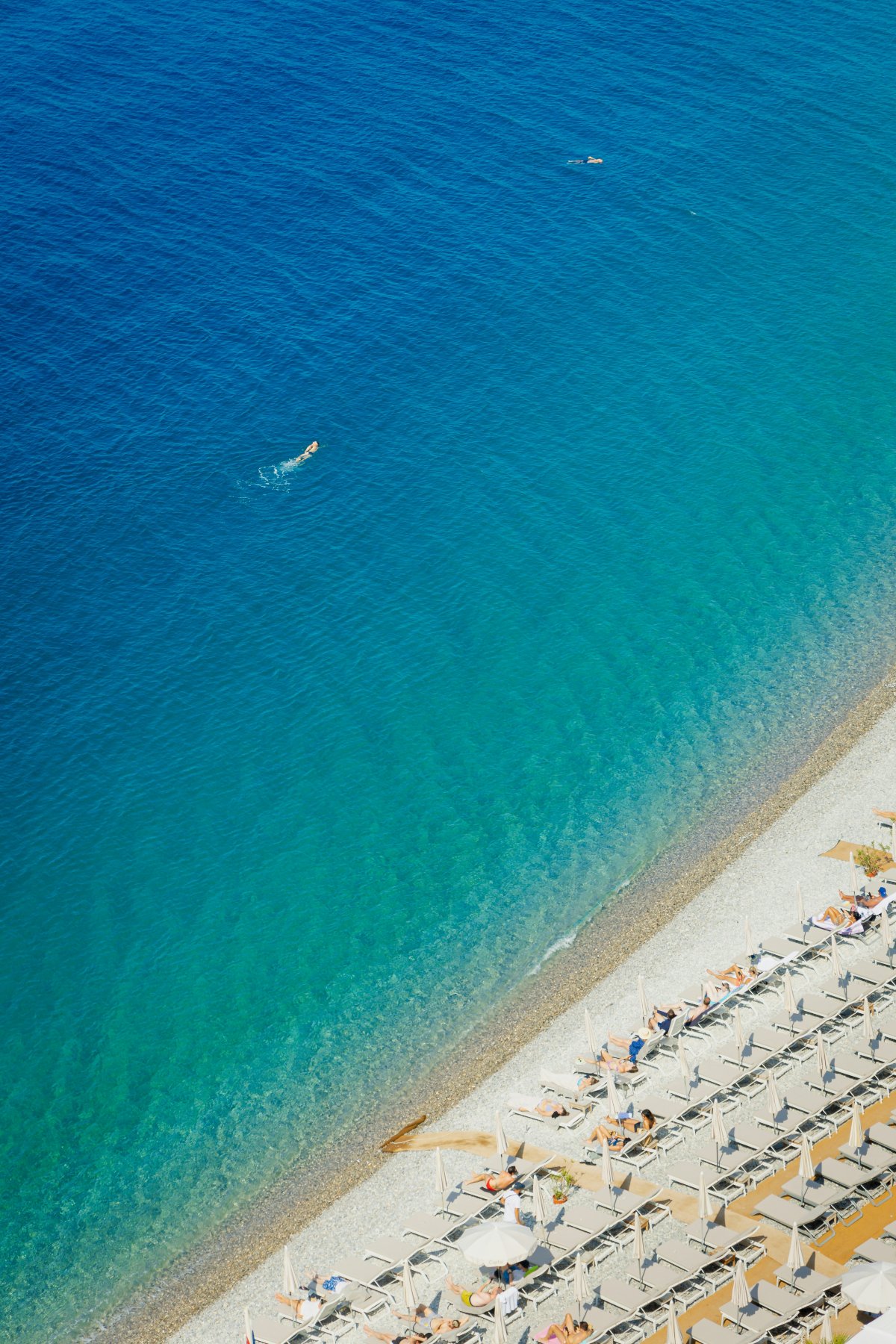
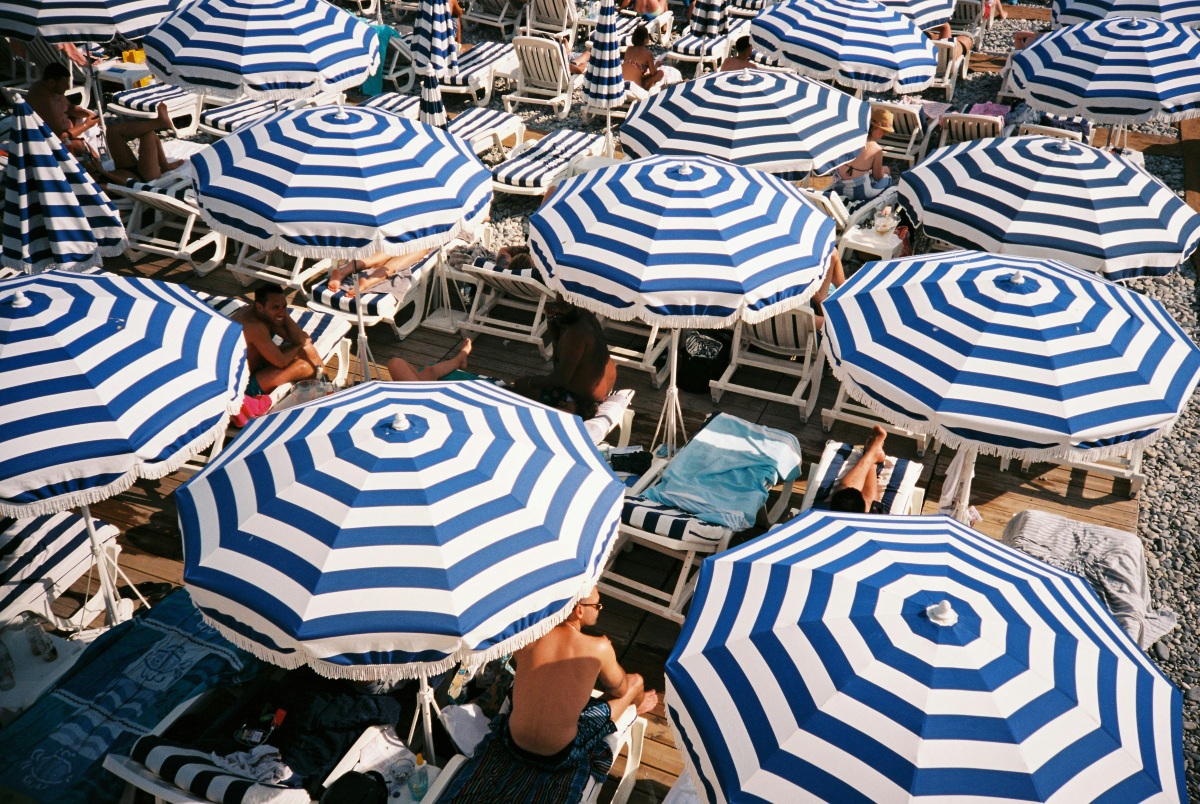
Nice balances urban scale with coastal leisure. While the municipal beaches are famously composed of smooth pebbles rather than fine sand, private beach clubs offer structured environments with sunbeds, lifeguards, and immediate access to the crystal-clear Mediterranean. Culturally, the city offers vital midday respites from high summer temperatures through institutions such as the Matisse Museum, housed in a 17th-century villa in the Cimiez neighborhood, and the Marc Chagall National Museum. The daily Cours Saleya market in the historic Vieille Ville (Old Town) provides an immersive sensory education in regional agriculture, displaying cascading arrangements of local flowers, seasonal fruits, and regional specialties such as socca (a chickpea pancake).
2. Sainte-Maxime: A Family-Centric Alternative to Saint-Tropez
Situated directly across the Gulf of Saint-Tropez, Sainte-Maxime provides a deliberately relaxed counterpoint to its ultra-glamorous neighbor to the south. Characterized by expansive sandy beaches and gentle, shallow shorelines, Sainte-Maxime is specifically tailored to families with younger children who require safe swimming environments and low-stress coastal access.
The primary logistical advantage of basing a family in Sainte-Maxime is the maritime shuttle service. Rather than navigating the severe vehicular bottlenecks that choke the peninsula surrounding Saint-Tropez during peak tourism windows—where traffic delays frequently exceed 90 minutes for a journey of a few miles—visitors can board the Bateaux Verts ferry. This 15-minute coastal crossing deposits passengers directly into the historic port of Saint-Tropez, transforming a logistical headache into a scenic maritime excursion. Additionally, Sainte-Maxime hosts Aqualand, the largest water park on the Riviera, offering a high-energy diversion featuring extensive aquatic slides and wave pools.
3. Antibes: Where Ancient History Meets Modern Art
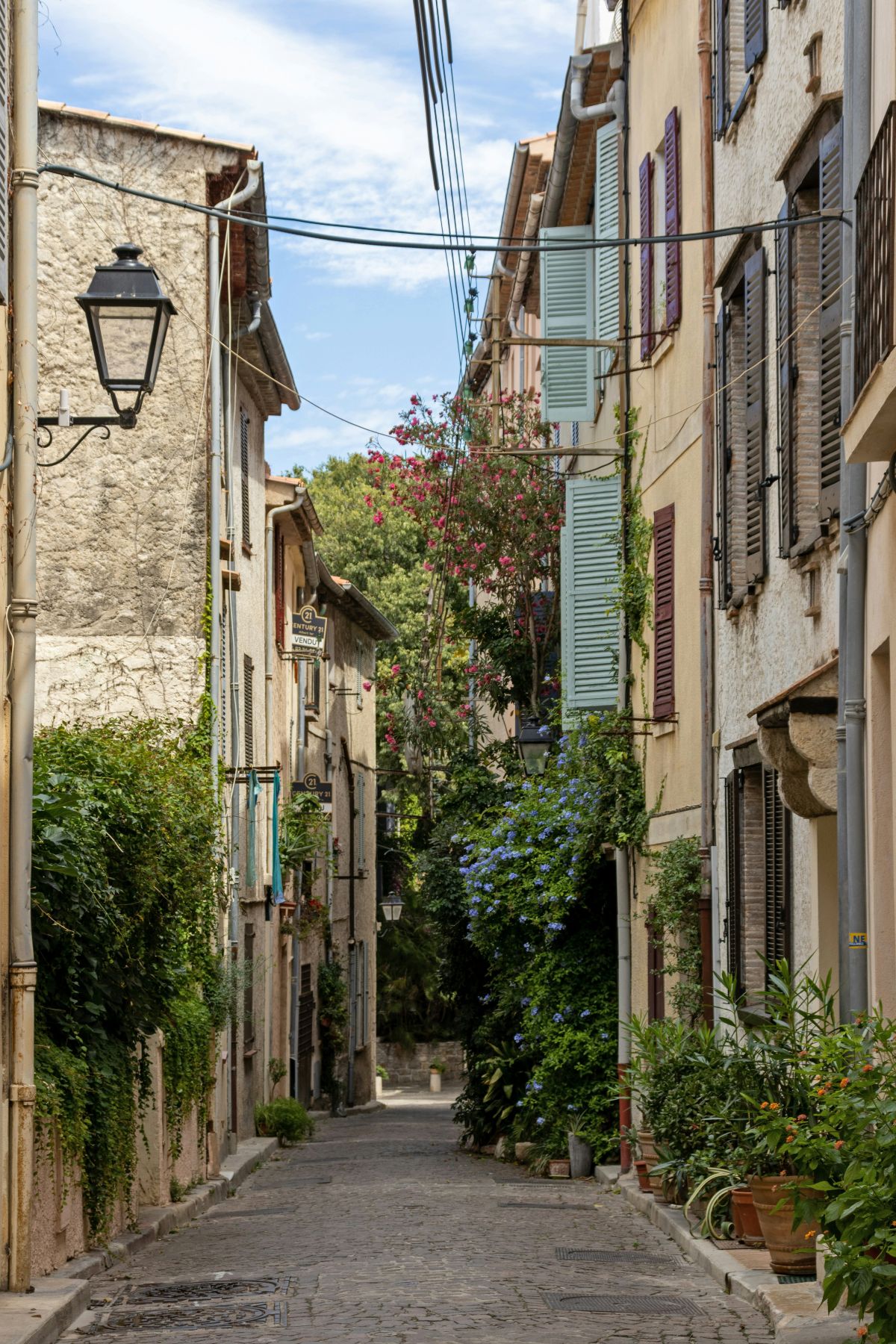
With origins tracing back to the 5th century BC when it was founded as the Greek trading post of Antipolis, Antibes is deeply rooted in maritime and military history. The town is enclosed by massive 16th-century ramparts designed by the royal military engineer Vauban, offering elevated walking paths that overlook the southern expanse of the Baie des Anges.
Antibes seamlessly merges historical preservation with high culture. The imposing 14th-century Château Grimaldi, situated at the water’s edge in the old town, famously served as a studio for Pablo Picasso in 1946. Today, it operates as the Musée Picasso, housing one of the world’s most significant collections of ceramics, paintings, and drawings produced during the artist’s tenure in the town. For families seeking outdoor exertion, the Cap d’Antibes peninsula offers the Sentier du Littoral (also known as the Tire-Poil path)—a rugged, three-mile coastal footpath carved directly into the limestone cliffs, providing direct access to secluded coves and sweeping Mediterranean vistas.
4. Monaco: Compact Security and Immersive Exhibitions
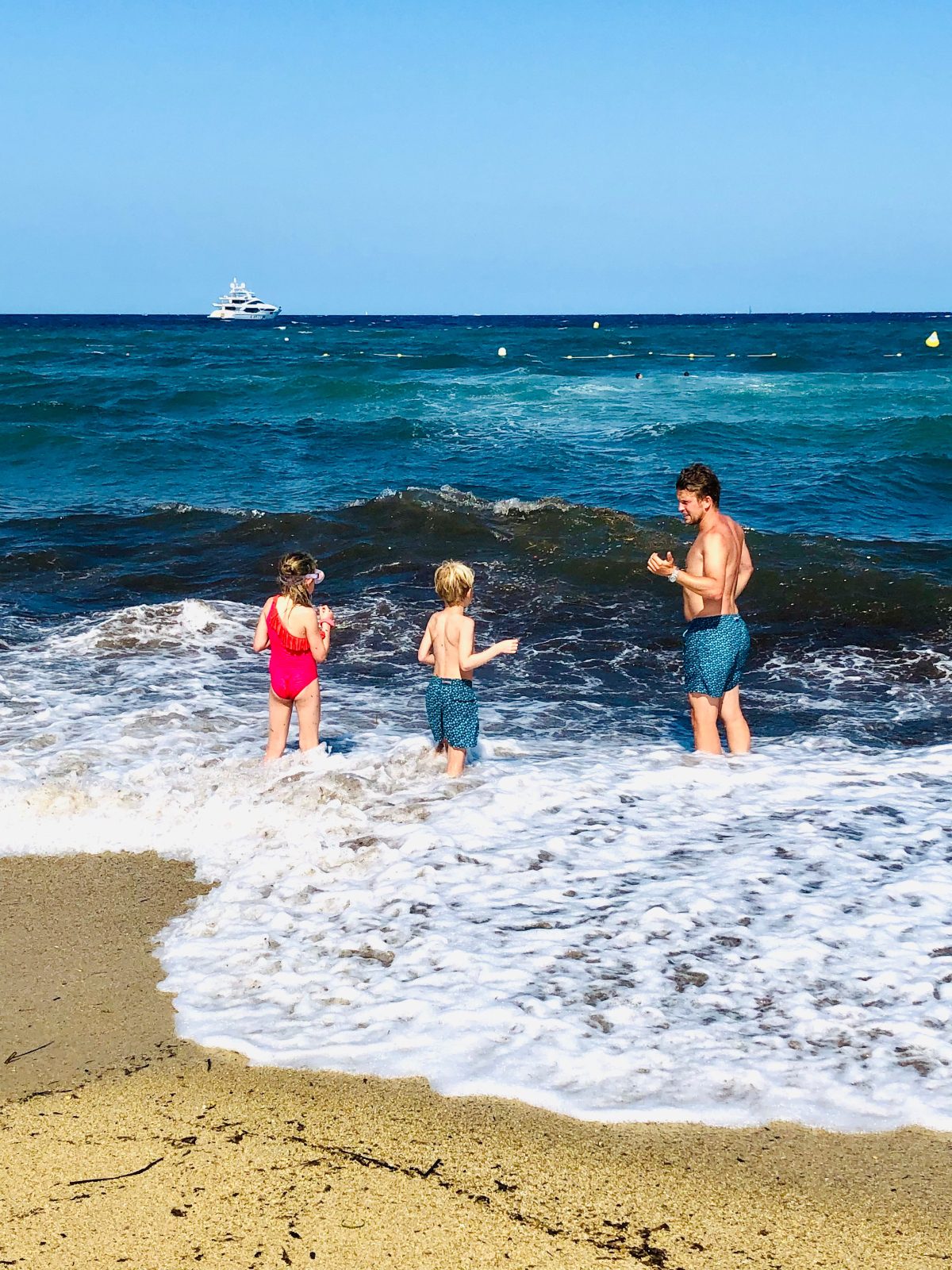
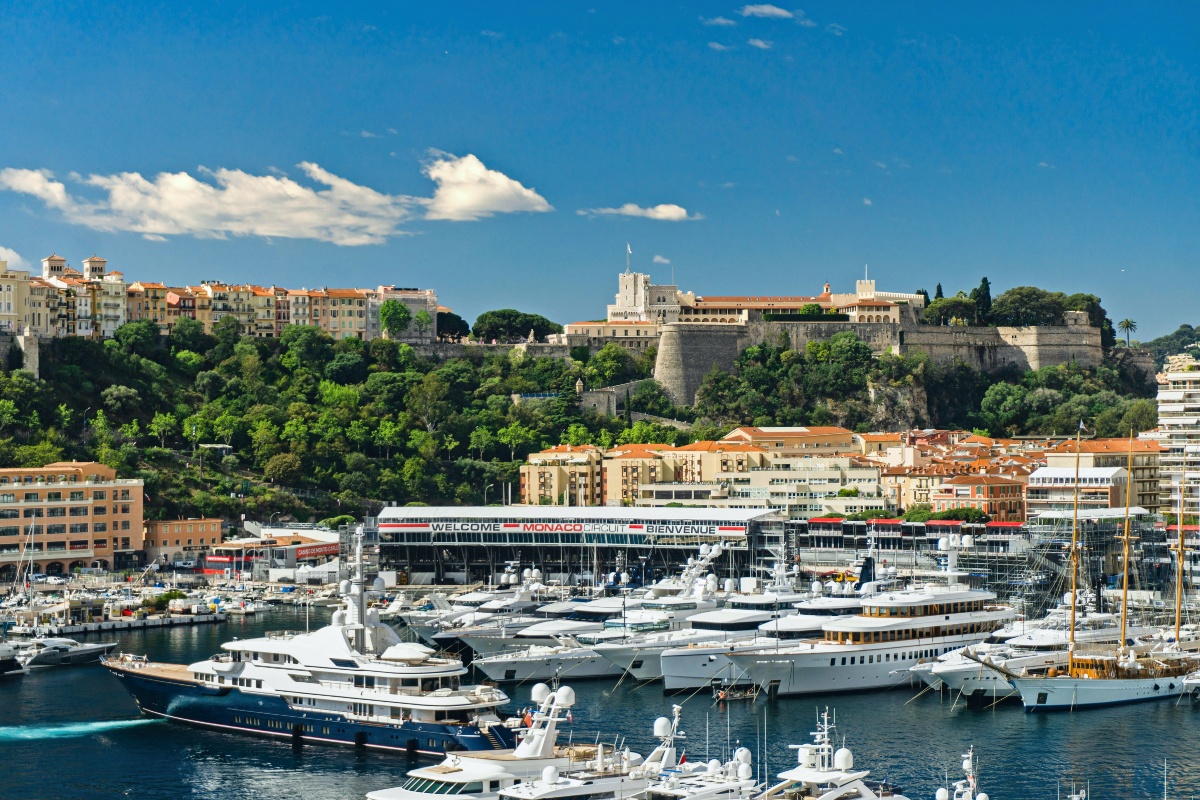
The Principality of Monaco, covering a mere 2.1 square kilometers, is one of the most densely populated yet secure sovereign city-states in the world. Its highly compact geography, supported by an extensive network of public elevators, escalators, and air-conditioned underground buses, makes traversing its dramatic vertical topography remarkably manageable for families.
Monaco’s municipal attractions are uniquely scaled to capture the attention of children and adolescents. The Oceanographic Museum, perched precipitously on the side of the Rock of Monaco, features extensive marine aquariums, conservation exhibits focusing on shark and sea turtle protection, and an interactive rooftop play area. Concurrently, the Collection of Cars of H.S.H. the Prince of Monaco displays roughly 100 historic vehicles gathered over decades by Prince Rainier III, ranging from 19th-century carriages and vintage Rolls-Royces to championship-winning Formula 1 racing cars. Daily ceremonies, such as the Changing of the Guard at the Prince’s Palace at 11:55 AM, provide structured, historically engaging public spectacles.
5. Menton: The Citrus Capital and Cross-Border Charm
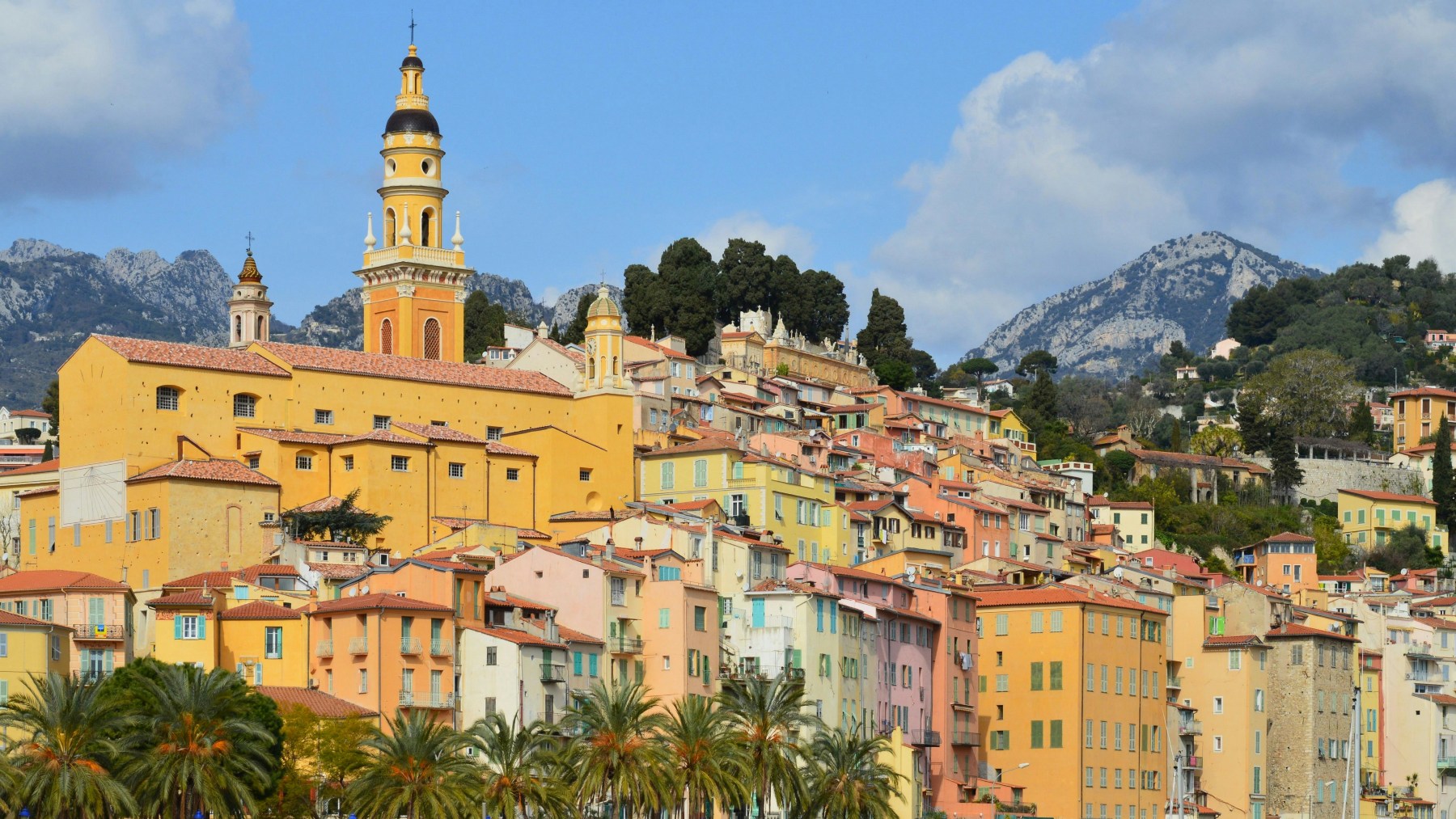
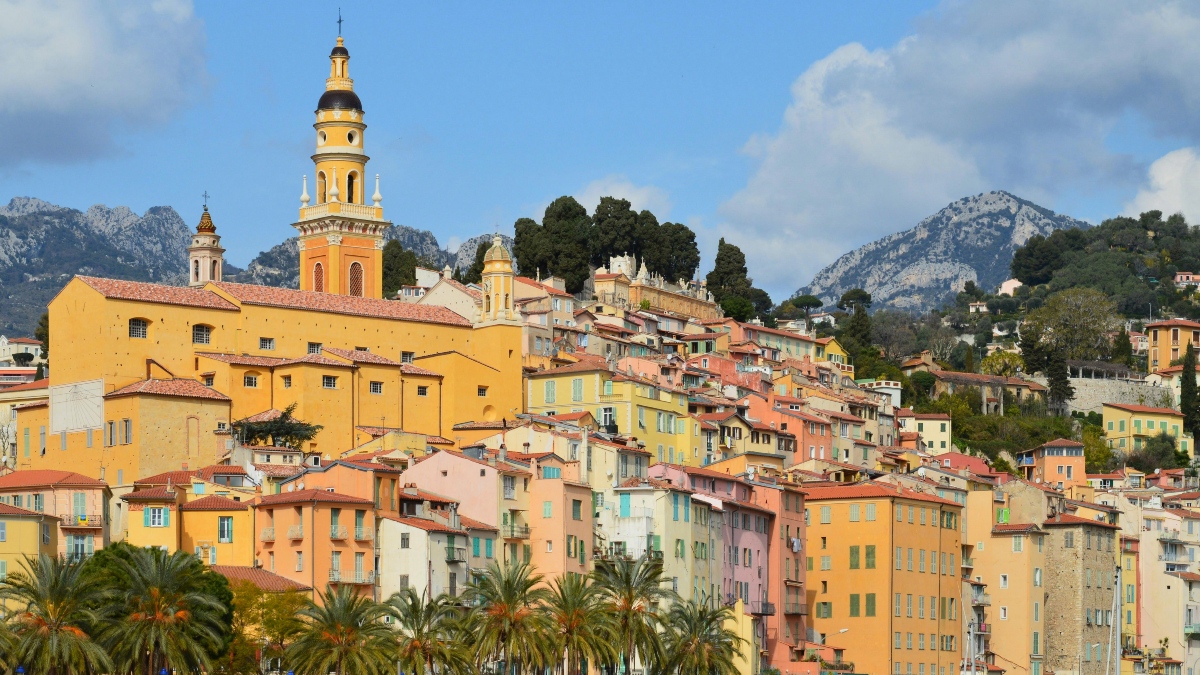
Positioned less than two miles from the Italian border, Menton represents a fascinating cultural hybrid where French administrative structures and Provençal architecture meet Italian culinary traditions and architectural palettes. Pastel-hued buildings in shades of ochre, peach, and terracotta cascade down steep hillside staircases toward the sea.
Menton’s primary family-friendly asset is the Plage des Sablettes, a wide, sandy stretch located immediately below the Old Town featuring breakwater-protected shallow waters ideal for novice swimmers. Beyond summer beach tourism, Menton plays host to the internationally renowned Fête du Citron (Lemon Festival) every February. This multi-week civic event utilizes more than 140 tons of citrus fruits to construct colossal, ephemeral architectural sculptures and botanical floats, drawing hundreds of thousands of spectators to the Mediterranean coast during the low-season tourism window.
6. Saint-Paul-de-Vence: The Hilltop Art Enclave
Transitioning away from the immediate coastline, Saint-Paul-de-Vence offers an inland immersion into medieval Provençal village life. Perched upon a rocky promontory roughly 12 miles west of Nice, this fortified 16th-century commune became a legendary sanctuary for 20th-century avant-garde artists, writers, and poets, including Marc Chagall, Henri Matisse, and Yves Montand.
The village’s cobblestone pedestrian lanes are lined with active art galleries, artisan studios, and historical stone facades. Just outside the ramparts lies the Fondation Maeght, an independent museum of modern and contemporary art featuring an exceptional sculpture garden integrated into the pine-forested landscape. For families looking to engage with local tradition, Saint-Paul-de-Vence serves as a premier destination for learning pétanque—the traditional Provençal game of boules—with instructional sessions available through the municipal tourist office and public courts established beneath the shade of ancient plane trees in the Place de Gaulle.
7. Beaulieu-sur-Mer: Belle Époque Elegance and Universal Accessibility
Located a mere 15-minute train ride east of Nice, Beaulieu-sur-Mer offers an unhurried, highly refined coastal experience characterized by Belle Époque architecture, expansive palm-lined boulevards, and notably flat municipal terrain. This topographical flatness is a distinct operational advantage for families navigating bulky strollers or traveling with individuals requiring accessible pathways, contrasting sharply with the steep, vertical staircases found in neighboring hillside towns like Eze or Villefranche-sur-Mer.
Beaulieu-sur-Mer centers its family appeal around the Plage des Fourmis, a sheltered beach situated directly adjacent to the town center. Cultural excursions in the immediate vicinity include the Villa Ephrussi de Rothschild on the neighboring Cap-Ferrat peninsula—a striking rose-pink mansion surrounded by nine distinct themed gardens featuring musical fountains—and the Villa Kérylos in Beaulieu itself, a meticulous, archaeologically accurate reconstruction of a 2nd-century BC ancient Greek noble residence complete with authentic frescoes, mosaics, and marble peristyles.
Broader Economic and Tourism Implications
The sustained popularity of the French Riviera as a multi-generational family destination underscores a broader shift in European tourism marketing. Regional tourism boards, including CRT Côte d’Azur France, have increasingly pivoted away from exclusively marketing high-end luxury sectors toward promoting sustainable, rail-based, and culture-focused itineraries.
Economic analyses from regional chambers of commerce indicate that family travelers tend to distribute economic expenditure more evenly across secondary and tertiary sectors—such as local gastronomy, museums, public transport, and artisanal workshops—compared to transient luxury travelers. By investing in pedestrian-friendly municipal infrastructure, expanding regional rail capacity, and curating family-oriented cultural programming, the municipalities of the French Riviera have successfully insulated their tourism economies against seasonal volatility, ensuring that the Côte d’Azur remains a dynamic, adaptable destination for travelers across all stages of life.
Related posts: