Navigating the Kuwait-Iraq Border Crossing: A Comprehensive Guide for Overland Travelers

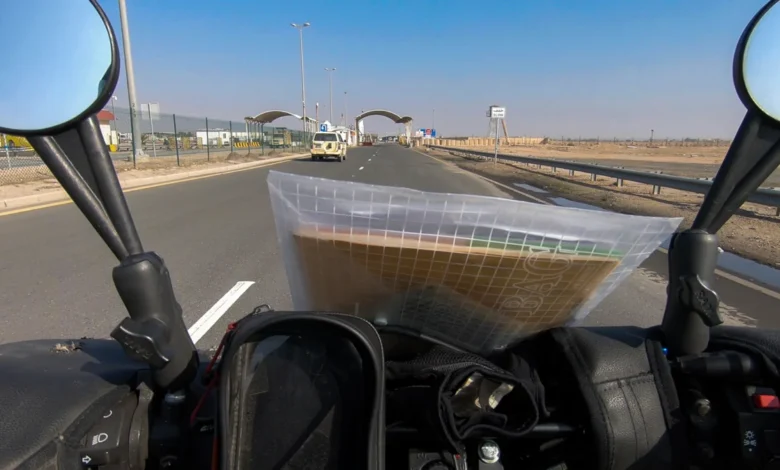
The Abdali-Safwan border crossing serves as the primary land gateway between Kuwait and Iraq, acting as a critical logistical link for regional transit and international travelers. For those navigating the Middle East by motorcycle or motor vehicle, this crossing has evolved from a historically complex checkpoint into a more streamlined, albeit bureaucratic, procedure. As of January 2023, the crossing remains the preferred route for overlanders moving between the Arabian Peninsula and the Iraqi interior, particularly for those arriving from Saudi Arabia who seek to bypass the security volatility often associated with the Jordanian-Iraqi frontier.
Historical Context and Strategic Importance
Historically, land transit between Kuwait and Iraq was heavily restricted due to the geopolitical fallout of the 1990 invasion and subsequent conflicts. The border, marked by the Safwan checkpoint on the Iraqi side and Abdali on the Kuwaiti side, was primarily utilized for commercial freight and diplomatic missions. However, in recent years, the Iraqi government has sought to promote tourism and stabilize its international image, leading to a gradual opening of its borders to foreign travelers.
Unlike the Al-Karama border crossing with Jordan, which frequently experiences shifts in security protocols—including the intermittent suspension of visas-on-arrival and requirements for mandatory military escorts—the Abdali-Safwan route has maintained a more consistent operational status. This stability makes it the most viable corridor for private vehicles. The route connects the modern infrastructure of Kuwait City directly to the southern Iraqi hub of Basra, a region that has seen increased development and a push toward integrating with the wider Gulf tourism market.
Essential Documentation and Pre-Departure Requirements
Crossing this international frontier requires meticulous preparation. The absence of a single unified transit authority for the region means that travelers must navigate two distinct sets of administrative requirements.
Kuwaiti Exit Protocols
For travelers exiting Kuwait, the most critical document is the "Green Permit." This document, issued by the Ports Management office located near the Kuwait International Airport, is mandatory. It serves as an authorization to enter the restricted border zone. Without this permit, Kuwaiti border security will deny passage, regardless of whether the traveler possesses a valid Iraqi visa.
The procedure for obtaining this permit involves presenting a valid passport and vehicle registration documents at the designated government office. The process is generally efficient, often completed within an hour, and is free of charge. In addition to this permit, travelers must provide proof of vehicle insurance, which can be purchased at the border, and pay a nominal exit fee for the vehicle, typically around 2 KWD.
Iraqi Entry Protocols
Entering Iraq presents a different set of challenges. Most international visitors are eligible for a visa-on-arrival (VOA) at the Safwan crossing. As of early 2023, the fee for this visa was set at $77 USD, payable in cash. Immigration officials perform thorough documentation checks, including a comprehensive review of passport stamps to identify previous travel to Israel, which remains a sensitive issue in Iraqi border security.
While the Carnet de Passages (CPD)—an international customs document that allows for the temporary importation of vehicles—is widely accepted, some travelers have reported discrepancies regarding the requirement for secondary temporary import papers for vehicles. While some reports suggest a $100 USD fee for these documents, the process remains inconsistent. It is advised that travelers maintain all original vehicle documentation and their CPD to facilitate transit.
Operational Timeline and Border Logistics
The Abdali-Safwan crossing operates on a standard schedule, typically opening at 09:00 AM local time. While generally open throughout the week, the crossing remains closed on Fridays, which is standard for government administrative operations in the region.
The complexity of the crossing can be exacerbated by regional events. For example, during the 2023 Gulf Cup (Arabian Gulf Cup) held in Basra, the surge in cross-border traffic created significant congestion. During such periods, the waiting time for vehicle processing can extend from a few hours to nearly a full day. Travelers are advised to monitor regional calendars for major sporting or religious events that may impact staffing levels and throughput at the border.
Infrastructure and Financial Considerations
There is a distinct lack of automated financial infrastructure at the border. There are no ATMs or official currency exchange kiosks at the immediate crossing point. Consequently, travelers must arrive with sufficient funds. It is recommended that travelers procure Iraqi Dinar (IQD) in Kuwait City before departure, or carry a sufficient supply of US Dollars, which are widely accepted for visa fees and local transactions.
Telecommunications infrastructure is similarly localized. While Kuwait offers robust mobile coverage throughout its territory, mobile data connectivity in the border region can be intermittent. On the Iraqi side, the presence of a mobile vendor stand at the Safwan border providing local SIM cards (typically Zain) is a common, though not guaranteed, convenience. It is advisable to secure a local SIM card as early as possible upon entering the Iraqi town of Safra to ensure navigation and communication capabilities.
Comparative Analysis of Transit Routes
The preference for the Kuwait-Iraq crossing is supported by both security and logistical data. Travelers choosing the Jordanian route frequently face higher costs due to mandatory security escorts, which can range from $200 to $500 USD, depending on the route to Baghdad. By contrast, the transit from the Kuwaiti border to Basra allows for more autonomy.
Furthermore, the integration of the Iraqi visa-on-arrival system for a broader range of nationalities has significantly reduced the administrative barriers that previously deterred independent travelers. While the initial entry into Iraq involves a series of checkpoints and multiple passport inspections, the process is largely procedural rather than adversarial.
Implications for Future Overland Travel
The relative ease of the Abdali-Safwan crossing reflects a broader trend of regional normalization. As Iraq continues to rebuild its tourism sector, the standardization of border procedures will likely become a priority. However, for the present, the "hidden" bureaucratic requirements—such as the Kuwaiti Green Permit—underscore the necessity of thorough, up-to-date research before departure.
Travelers should also remain cognizant of the limitations of international vehicle insurance. Most major global insurance providers do not provide coverage for Iraq. While officials at the border may not explicitly demand proof of insurance for the interior of the country, the lack of coverage implies that any liability, accident, or theft remains the sole responsibility of the vehicle owner.
In summary, the Kuwait-Iraq land border is a viable, safe, and efficient route for overland travel, provided the traveler respects the specific administrative mandates of each country. By ensuring that all documentation—from the Green Permit to the Carnet de Passages—is in order, and by carrying sufficient cash for fees and contingencies, the journey from Kuwait to the historic landscapes of Iraq remains a manageable and rewarding endeavor for the modern adventurer.