Grand Canyon’s Hidden Depths: Unveiling Ancient Histories and Navigating Critical Safety Challenges for Below-Rim Explorers

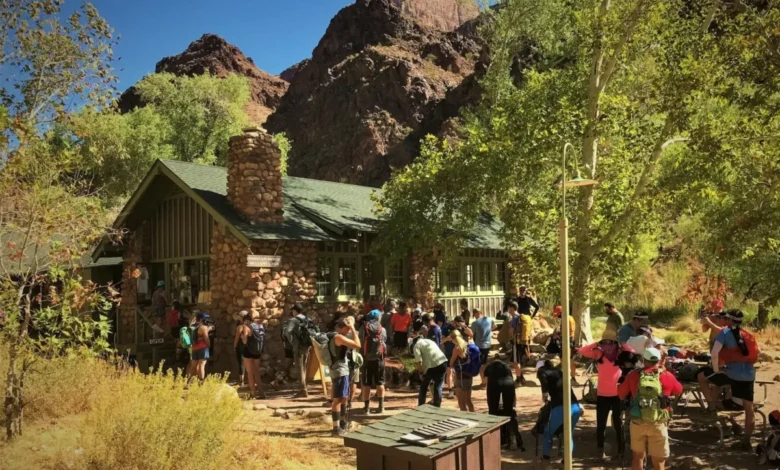
Only 5% of the millions of annual visitors to Grand Canyon National Park venture below its majestic rim, a statistic that underscores the unique challenge and profound reward of exploring its inner reaches. While the panoramic vistas from the top are undeniably breathtaking, the true grandeur and intricate narrative of this natural wonder unfold within its depths, offering an unparalleled journey through geological time and diverse ecosystems.
A Journey Through Time: The Grand Canyon’s Geological Tapestry
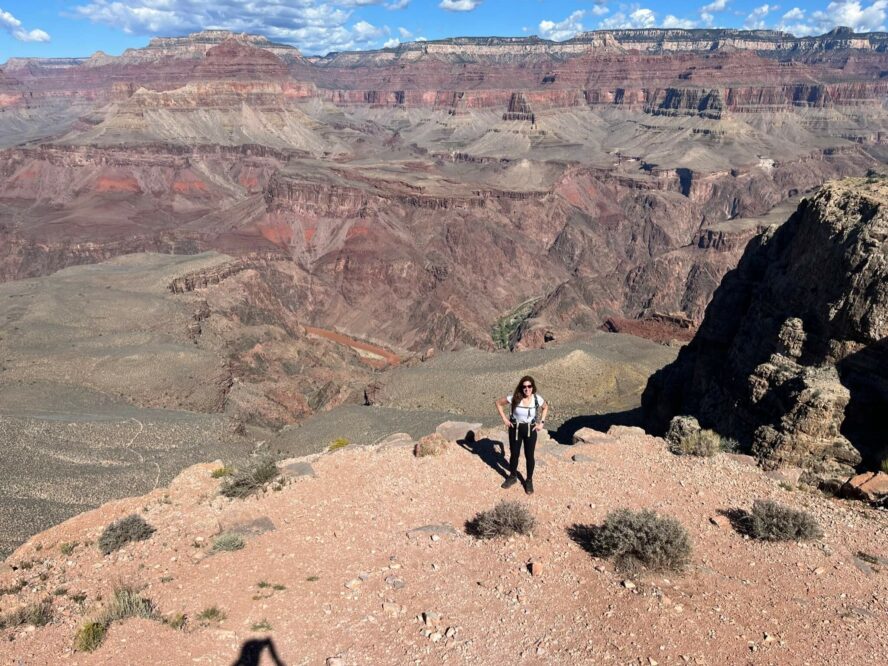
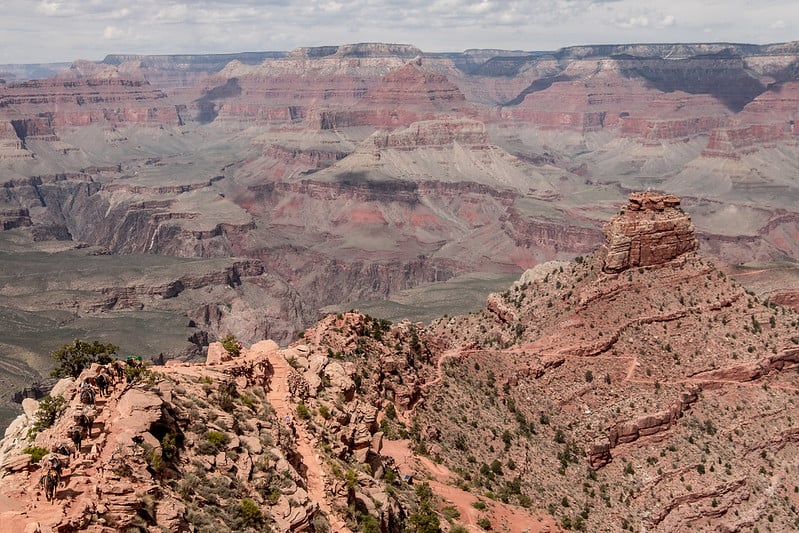
Descending from the rim, hikers are immediately enveloped by a dramatic exhibition of Earth’s history, revealed in a cascading succession of beige and red limestones, sandstones, and shales. These strata, like pages in an ancient tome, are layered testament to nearly two billion years of geological evolution. Each distinct band tells a unique story, from ancient oceans to vast desert dunes, all meticulously carved by the relentless power of the Colorado River over the last six million years.

The Grand Canyon spans 277 miles in length, up to 18 miles wide, and plunges over a mile deep—specifically, 6,093 feet at its deepest point. This colossal chasm continues to expand annually, a living monument to ongoing geological processes. Explorers venturing to the canyon’s base traverse three primary rock layers: the Metamorphic basement rocks, the Precambrian Grand Canyon Supergroup, and the Paleozoic strata. These represent immense and vastly different eras of Earth’s past. For instance, the sage-colored Bright Angel Shale, found deeper in the canyon, preserves fossilized evidence of ancient marine life, indicating a primordial ocean. Higher up, the redbeds of the Supai Group hint at a shallow sea environment, while the uppermost white Coconino Sandstone famously displays ripple marks from ancient wind-blown sand dunes. This vertical progression means that a journey to the bottom is, quite literally, a walk backward through geologic time, touching rocks that date back nearly 70 million years or more. The intricate network of rock layers, some tilted by tectonic forces and others remaining horizontal, offers a visible record of immense layering, uplift, and erosion.
Echoes of Antiquity: Human History in the Canyon
Beyond its geological marvels, the Grand Canyon serves as a vast time capsule of human history, particularly that of Native American cultures. Archaeological evidence suggests continuous human occupation for thousands of years. Along trails like the popular Bright Angel, hikers can discover sites such as the Pictograph Panel in Mallery’s Grotto, offering glimpses into ancient artistic and communicative traditions. Further down, Havasupai Gardens (formerly known as Indian Garden) stands as a testament to the ancestral Puebloans and Havasupai people who lived and thrived in this challenging yet resource-rich environment for millennia. Their deep understanding of the canyon’s rhythms and resources continues to resonate within its walls, adding a profound cultural layer to the natural experience.
A Sanctuary of Life: The Grand Canyon’s Diverse Ecosystems
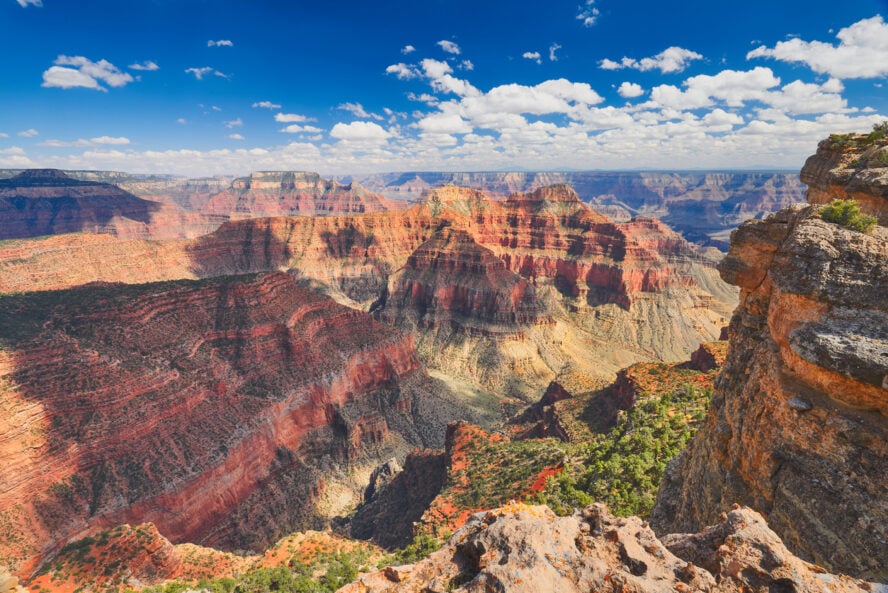
The immense scale and varied elevations of the Grand Canyon create a surprising array of microclimates and ecological zones, supporting remarkable biodiversity. The elevation gradient, ranging from approximately 2,000 feet at the river to over 8,000 feet at the North Rim, fosters a unique blend of desert, forest, and riparian habitats. This allows for thousands of plant species, many of which are endemic to the region, and a rich variety of animal life.
The canyon’s rocky ridges are dotted with hardy vegetation, including sagebrush, junipers, ponderosa pines, and mariola, each adapted to its specific elevation and moisture levels. Birdwatchers might spot majestic golden eagles or swift peregrine falcons soaring above the steep corridors, and with luck, catch a glimpse of the critically endangered California condor, a symbol of conservation success. For those who undertake the challenging descent below the rim, the landscape shifts, revealing the soft trills of canyon wrens and the curious, knowing gazes of leathery chuckwalla lizards, perfectly at home in the warmer inner canyon. This ecological diversity underscores the importance of preserving the canyon’s delicate balance.
The Lure Below the Rim: Why Few Venture Deep
Despite the undeniable allure of the inner canyon, the stark reality of its challenges limits deeper exploration to a select few. The reasons for this low percentage are multifaceted, primarily centered around the extreme physical demands and inherent dangers. The Grand Canyon is not merely a "drive-through" national park; it demands respect, preparation, and a significant investment of time and effort to truly experience its interior. The rewards, however, are immeasurable: a profound connection to ancient landscapes, intimate encounters with unique wildlife, and a deep sense of accomplishment.
Navigating the Inner Canyon: Essential Preparedness for Hikers
For the adventurous few contemplating a hike below the rim, thorough preparation is not merely recommended—it is absolutely critical. The National Park Service (NPS) and experienced guides like Andy Pickreign of Outdoor Professional Treks consistently emphasize that underestimating the canyon’s conditions can have severe consequences.
1. The Arduous Descent and Ascent: Understanding Elevation and Heat
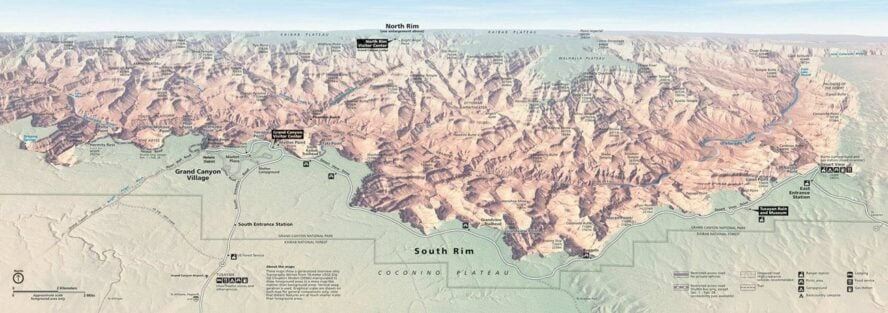
One of the most significant challenges is the drastic elevation change. The North Rim sits around 8,000 feet above sea level, and the South Rim at 7,000 feet. A "Rim-to-River" hike involves descending over 5,000 to 6,400 feet, often across 6.5 to 8 miles, and then ascending the same distance. This significant vertical gain on the return journey can be grueling, often requiring double or triple the time of the descent. The NPS strongly advises against attempting a Rim-to-River-to-Rim hike in a single day, particularly between May and September.
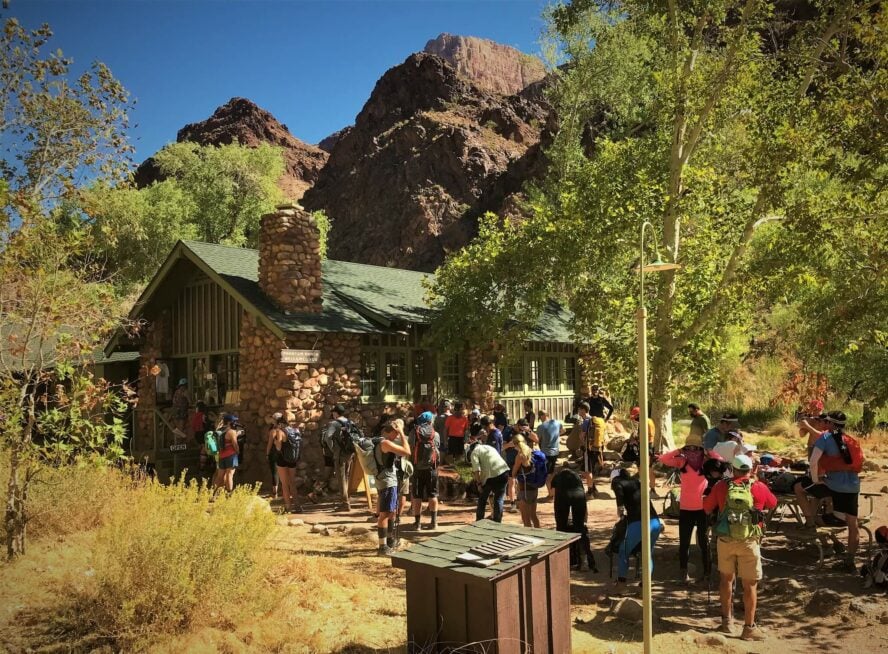
Compounding the elevation is the canyon’s unique microclimate. Temperatures below the rim are consistently hotter than at the top due to adiabatic heating. This phenomenon occurs when air descends, compresses, and heats up, causing temperatures at the canyon floor to be 20-30°F (11-17°C) higher than at the rim. While the South Rim might be a pleasant 85°F (29°C), Phantom Ranch at the bottom could easily reach 120°F (49°C) or more. Andy Pickreign, a seasoned Grand Canyon guide, notes, "The further down you go, the warmer it gets. It could be 85 degrees on the South Rim during the summer, but when you get to Phantom Ranch it could be 120." This extreme heat, combined with 13-14 hours of intense sunlight, makes the inner canyon particularly hazardous. The NPS reports that the majority of medical emergencies occur between 10 AM and 4 PM during summer months.
To mitigate these risks, hikers should commence their journeys in the early morning hours to avoid the peak heat. Wearing light, breathable layers that offer ample coverage—such as sun shirts, wide-brimmed hats, sunglasses, and long pants—is crucial for sun protection and cooling. It is also wise to plan a shorter distance than one’s usual capacity, evaluating the group’s condition after 2-3 miles of descent before deciding to proceed.
2. Hydration and Health: Battling Dehydration and Hyponatremia
The Grand Canyon unfortunately holds the distinction of having one of the highest fatality rates among U.S. national parks, with 134 deaths since 2010. Over 250 rescues occur annually, predominantly due to medical reasons like dehydration, overheating, or falls. These statistics underscore the critical importance of proper hydration.
Hikers face the dual threat of dehydration and hyponatremia (overhydration). Dehydration, caused by excessive water and electrolyte loss, can quickly incapacitate an individual in the canyon’s extreme conditions. Conversely, hyponatremia occurs when excessive plain water intake dilutes the body’s sodium levels, flushing out vital electrolytes. Both conditions manifest with similar symptoms: paleness, headaches, nausea, vomiting, and confusion. In such cases, seeking immediate assistance from a park ranger is paramount. While awaiting help, affected individuals should rest, consume a glucose tablet, and take small sips of water.
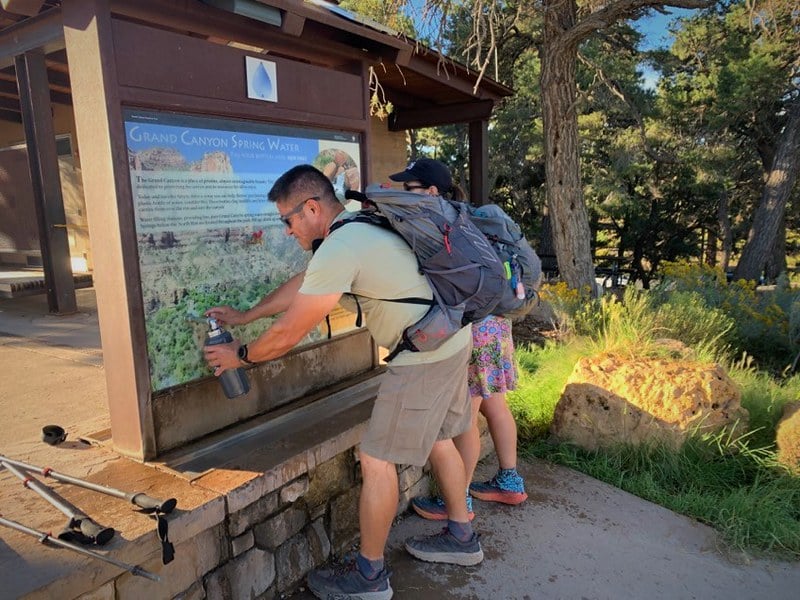
Prevention is key. Hikers are advised to consume a substantial meal rich in carbohydrates, proteins, and sugars the night before their trek, alongside drinking 1-2 liters of water. During the hike, it is essential to drink water supplemented with electrolytes and carry an emergency supply of glucose tablets. The NPS wisely advises, "Don’t force fluids, drink when you are thirsty, rest, and eat often." During summer, a minimum of one liter of water per hour of hiking is recommended. Only the Bright Angel Trail offers multiple water filling stations; for other trails, hikers must carry at least 5 liters of water per person. Careful planning of water sources and consumption is non-negotiable.
3. Timing Your Trek: Optimizing Season and Crowds
With 4.5 million visitors annually, even the 5% who hike below the rim constitute a significant number (approximately 225,000). The vast majority concentrate on the two consistently maintained trails: Bright Angel and South Kaibab. The summer months, when most visitors flock to national parks, lead to crowded trails, intensified heat, and increased sun exposure.
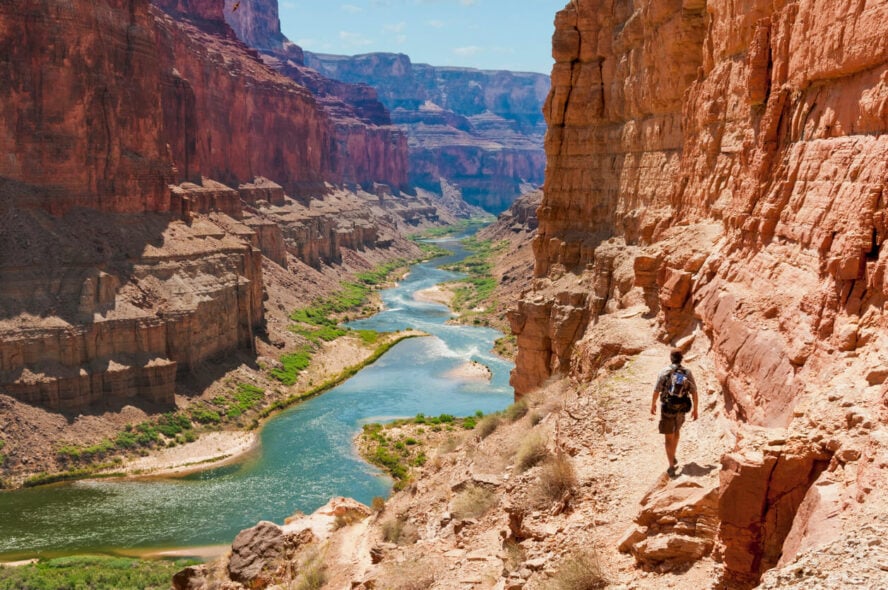
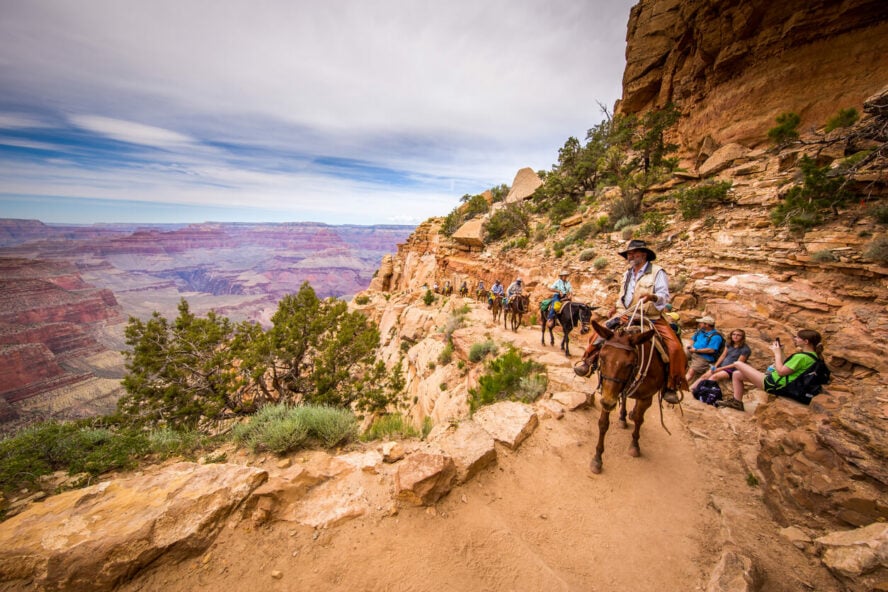
Expert guides recommend visiting during the shoulder seasons: spring (March through May) or fall (September through November), when temperatures are more moderate. While winter hiking is possible, it carries the risk of icy paths in the steep canyon, and the North Rim is typically closed, limiting exploration. To avoid crowds, Andy Pickreign suggests, "Weekdays are the best time to visit. And the earlier you can get to the national park, the better." Bright Angel Trail is often preferred by first-timers due to its water stations and restrooms. The South Kaibab Trail, while also maintained, famously lacks water stations, demanding hikers carry all necessary hydration. For those seeking solitude, backcountry trails like Hermit Trail and Grandview Trek offer a more remote experience but necessitate advanced backpacking skills or a guided tour. Hikers must also be mindful of mule trains, which are used for tours, trail maintenance, and evacuations. When encountering mules, hikers should move to the inside of the trail (away from the cliff edge) and follow the rider’s instructions.
4. Permits, Planning, and Navigation: Essential Logistics
Beyond physical preparation, logistical planning is crucial. A comprehensive first aid kit, ample water, high-energy snacks, and sun protection are basic necessities. Hikers must study trail maps meticulously, noting mileage, elevation gain, and potential restroom stops. The deceptive "short distances" of canyon hikes can mislead those who fail to account for the dramatic vertical changes.
For overnight stays below the rim, securing backcountry hiking and camping permits is highly competitive, often requiring reservations three months to a year in advance due to limited campsites. There is also an entrance fee to the park, though advanced reservations are not required for day entry. A significant advantage of engaging a multi-day guided hiking tour is that the guide service handles all permit acquisition and itinerary planning, alleviating a substantial burden for visitors. As Andy Pickreign explains, "If you’re camping without a guide, you need to pay for a permit. Depending on the campground there are maybe only 20 spots, so it’s really hard to get a permit depending on the time of year."
5. Leaving No Trace: Preserving a Natural Wonder
The increasing popularity of the Grand Canyon has brought with it an unfortunate rise in litter. The desert ecosystem is fragile, and discarded items—from food wrappers and plastic bottles to napkins and toilet paper—can take years, if not centuries, to decompose. Beyond being an eyesore, improperly disposed of waste attracts and harms wildlife, disrupting natural behaviors and ecosystems. Park resources for trail maintenance are limited, and inaccessible terrain often means dropped items remain for extended periods.
Adhering to Leave No Trace (LNT) principles is paramount. Hikers must "pack it in, pack it out," carrying all trash, food scraps, and even toilet paper in sealed plastic bags. Guides consistently emphasize the importance of regularly checking gear and surroundings to prevent accidental drops. The NPS reminds visitors, "Litter left in the canyon takes years to decompose. Packing out all of your trash helps to preserve the natural environment. Place your trash in resealable plastic bags that you can carry in your pack." Human waste also requires careful management; carrying a Wag Bag for solid waste is essential, and toilet paper used for urination should also be packed out. For backcountry campers, food and fragrant items must be stored in bear-proof containers to prevent wildlife encounters. Responsible stewardship is a collective responsibility, ensuring the canyon’s pristine condition for future generations.
6. Communication in the Wilderness: Addressing the Lack of Cell Service
One of the most critical safety considerations in the Grand Canyon is the near-total absence of cell service below the rim. This severely limits the ability to communicate during emergencies. The NPS warns, "We have found that many of the visitors who request help during an inner canyon hike have underestimated how difficult hiking in the Grand Canyon can be—especially in the heat of the summer months."
In the event of an emergency, evacuations from the inner canyon can only be conducted by mule or helicopter. During daylight hours, the Park Service manages these procedures. However, nighttime evacuations below the rim require contacting a private company, with the caller responsible for potentially thousands of dollars in fees. To mitigate this risk, carrying a satellite communication device like a Garmin InReach is strongly advised, especially for backcountry travel. Emergency phones are strategically placed along main trails, directly connecting to the Park Service. Campgrounds are also staffed by medically trained rangers. Additionally, hikers should inform the Park Service of their itinerary and expected return time, and share this information with friends and family. Clear communication of whereabouts and plans significantly improves response times in an emergency.
7. Nervous? Overwhelmed? Hire a Guide!
The comprehensive warnings about heat, elevation, and hydration are intended not to deter, but to inform and prepare. For those feeling apprehensive or overwhelmed by the extensive planning required, hiring a professional guide offers a significant advantage. Guided tours simplify logistics, ensure safety with Wilderness First Responder-trained leaders, and enrich the experience with expert knowledge.
Guiding companies, such as Andy Pickreign’s Outdoor Professional Treks, offer a range of experiences. Family-friendly Grand Canyon South Rim stroll tours provide accessible introductions to the canyon’s plants, animals, and cultural history. For more adventurous explorers, guided Rim-to-Rim backcountry and multi-day tours ensure that all permits, safety protocols, and interpretive needs are expertly managed. As one satisfied client, Tamara, shared, "Thank you Andy! This was an amazing experience. You did an amazing job with all the details, from food selection to gear to chats along the trail, all was perfect!" A guided experience allows visitors to immerse themselves fully in the wonder of the canyon with peace of mind.
Embrace the Grand Canyon: A Step Back Through Time
The Grand Canyon stands as an unparalleled natural marvel, a testament to geological forces and ecological resilience. While its beauty is accessible from the rim, the true depth of its history and the richness of its ecosystems are revealed to those who venture below. By understanding and respecting its inherent challenges, preparing diligently with proper hydration, appropriate gear, and a solid emergency plan, hikers can transform what might otherwise be a perilous journey into an unforgettable expedition. This iconic landscape invites responsible exploration, promising a profound connection to Earth’s ancient past and an enduring appreciation for its majestic present.