Exploring the Urban Renaissance of Madrid: A Comprehensive Guide for the Modern City Connoisseur

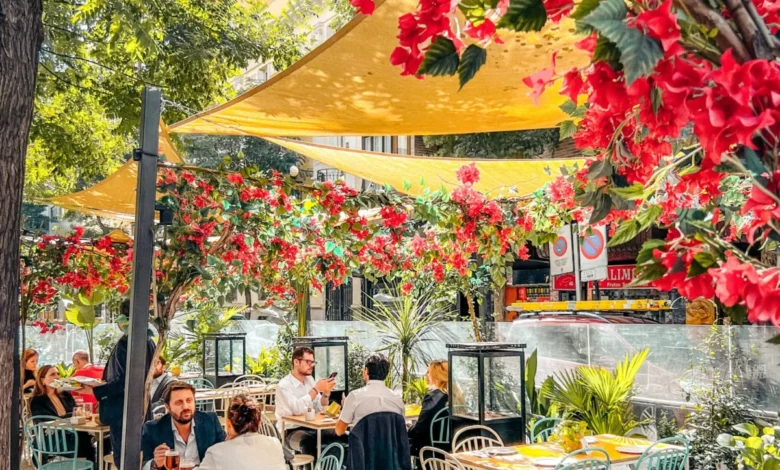
Madrid has long occupied a unique position in the European travel landscape. While coastal destinations and architectural enclaves like Barcelona or Seville frequently dominate international tourism headlines, Spain’s inland capital operates on a distinct rhythm tailored to travelers who prioritize cultural immersion, civic infrastructure, and dense urban living. Recent tourism data from municipal authorities indicates a steady shift in global traveler preferences, with Madrid emerging as a primary hub for cultural tourism, culinary exploration, and urban revitalization.
The Evolution of Madrid’s Urban Identity
To understand Madrid is to understand a metropolis that has systematically prioritized the lifestyle of its residents over transient tourist curation. Historically, international itineraries often sidelined the Spanish capital in favor of coastal regions. However, contemporary travel patterns demonstrate a significant recalibration. Visitors increasingly seek out destinations that offer an authentic metropolitan experience, characterized by robust public transportation, expansive green spaces, and a thriving arts sector.
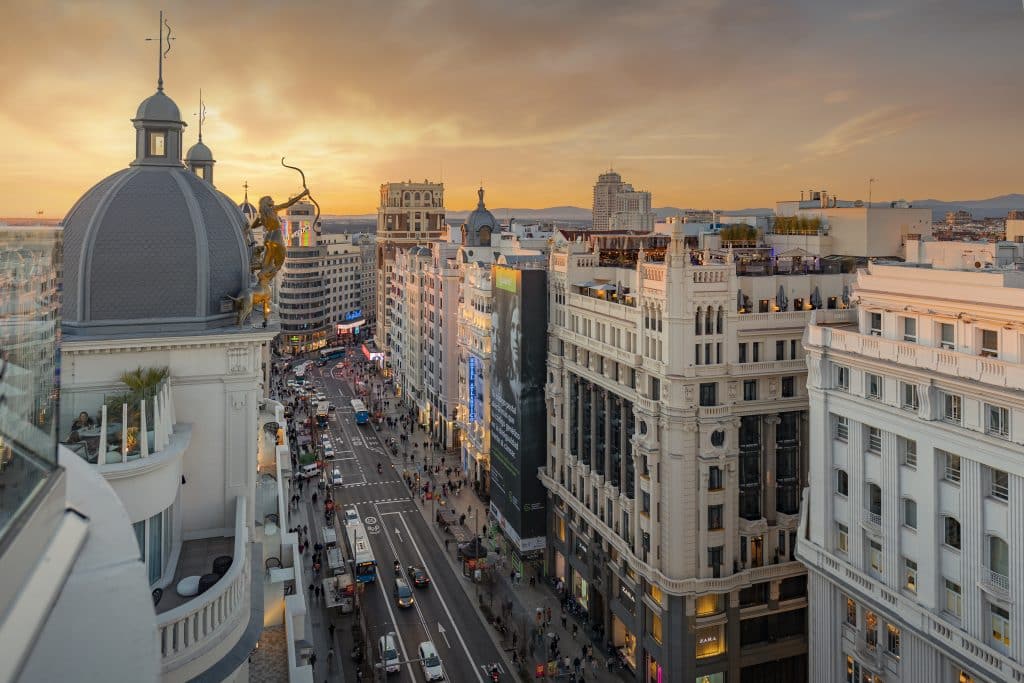
Urban planners and tourism analysts note that Madrid’s appeal lies in its refusal to conform to standardized tourist models. The city functions as a cohesive network of distinct neighborhoods, each maintaining a separate socio-cultural identity. From the creative, independent spirit of Malasaña to the sophisticated avenues of Salamanca, Madrid provides a masterclass in diverse urban design.
Chronology of Growth and Cultural Milestones
Madrid’s transformation into a premier global destination did not occur overnight; it is the result of decades of strategic urban development, cultural investment, and infrastructural modernization.
Late 20th Century: The post-transition era of the late 1970s and 1980s marked a cultural renaissance known as the Movida Madrileña, which laid the groundwork for the city’s contemporary vibrant nightlife, arts, and independent creative scenes.
Early 2000s: Major investments in public transit transformed the Madrid Metro into one of the most efficient subterranean networks in Europe, seamlessly connecting peripheral districts to the historic center.
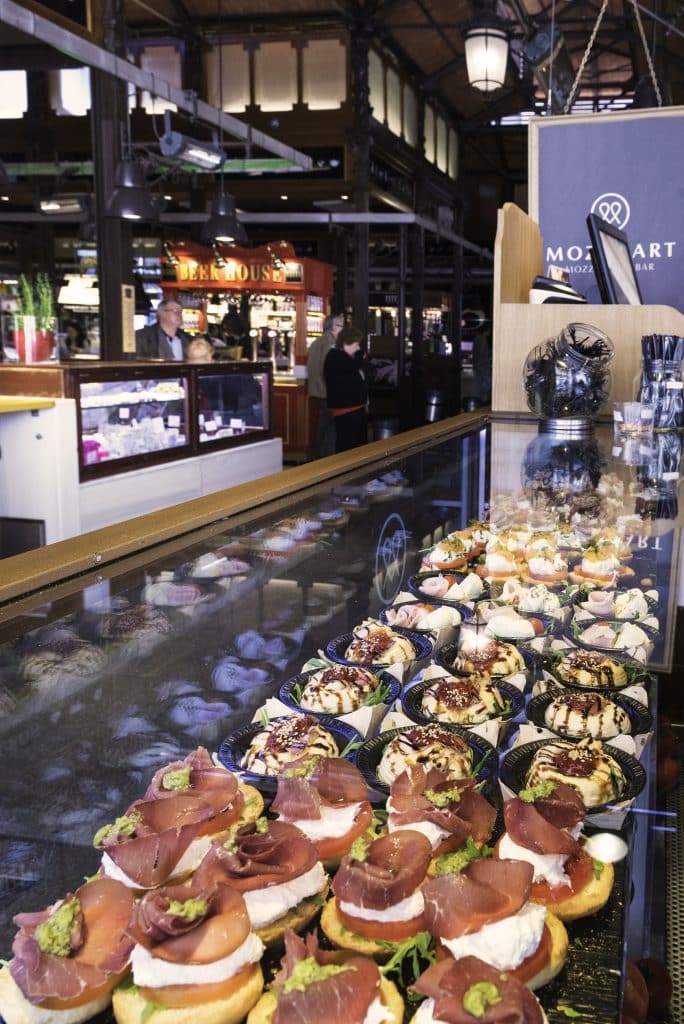
2010s: The maturation of Madrid’s culinary landscape, characterized by the revitalization of historic markets like the Mercado de San Miguel and the rise of contemporary gastronomy, repositioned the city as a top-tier European culinary destination.
Present Day: Madrid continues to expand its pedestrian zones, enhance green corridors, and promote sustainable tourism practices, balancing economic growth with the preservation of local heritage.
The Golden Triangle of Art and Cultural Infrastructure
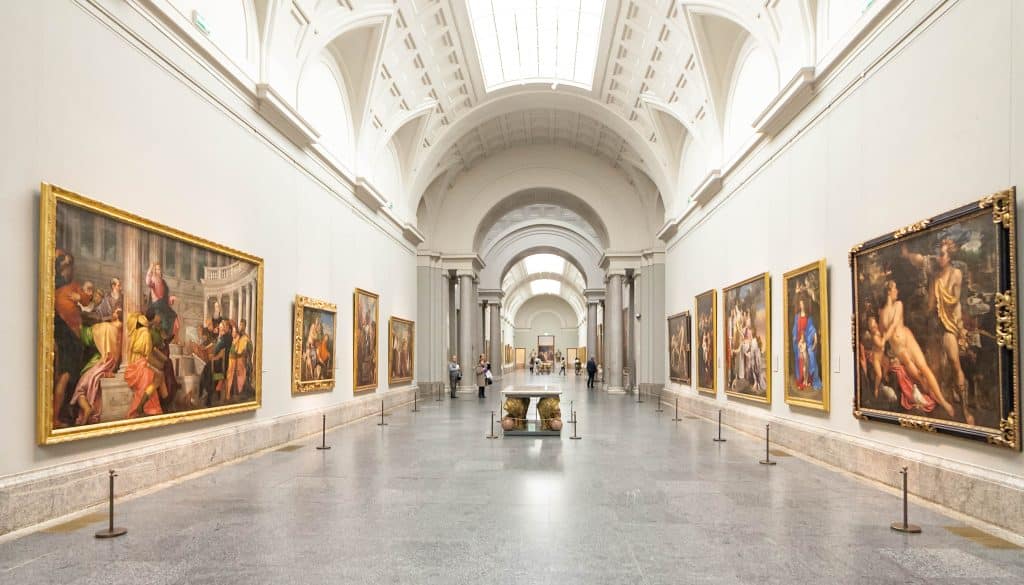
At the intellectual heart of the city lies the Paseo del Prado, commonly referred to as the Golden Triangle of Art. This concentration of world-class cultural institutions houses some of the most significant fine art collections in human history.
The Prado Museum anchors the classical spectrum, featuring extensive collections of European masterworks spanning the 12th through the early 20th centuries, with particular emphasis on Spanish, Flemish, and Italian schools. Adjacent to the Prado is the Thyssen-Bornemisza National Museum, which bridges historical gaps by offering a comprehensive overview of art history from early Renaissance primitives to Pop Art.
Completing the triangle is the Museo Nacional Centro de Arte Reina Sofía, Madrid’s premier institution for 20th-century and contemporary art. Housed in a former 18th-century hospital, the Reina Sofía is internationally renowned for housing Pablo Picasso’s monumental 1937 anti-war masterpiece, Guernica. Art historians and museum curators frequently emphasize the profound psychological impact of viewing the mural in person, noting that its sheer scale transcends standard photographic documentation. Beyond the established masters, institutions like the Reina Sofía actively champion lesser-known Spanish modernists, fostering a dynamic environment for artistic discovery.
Parks, Greenery, and Microclimates
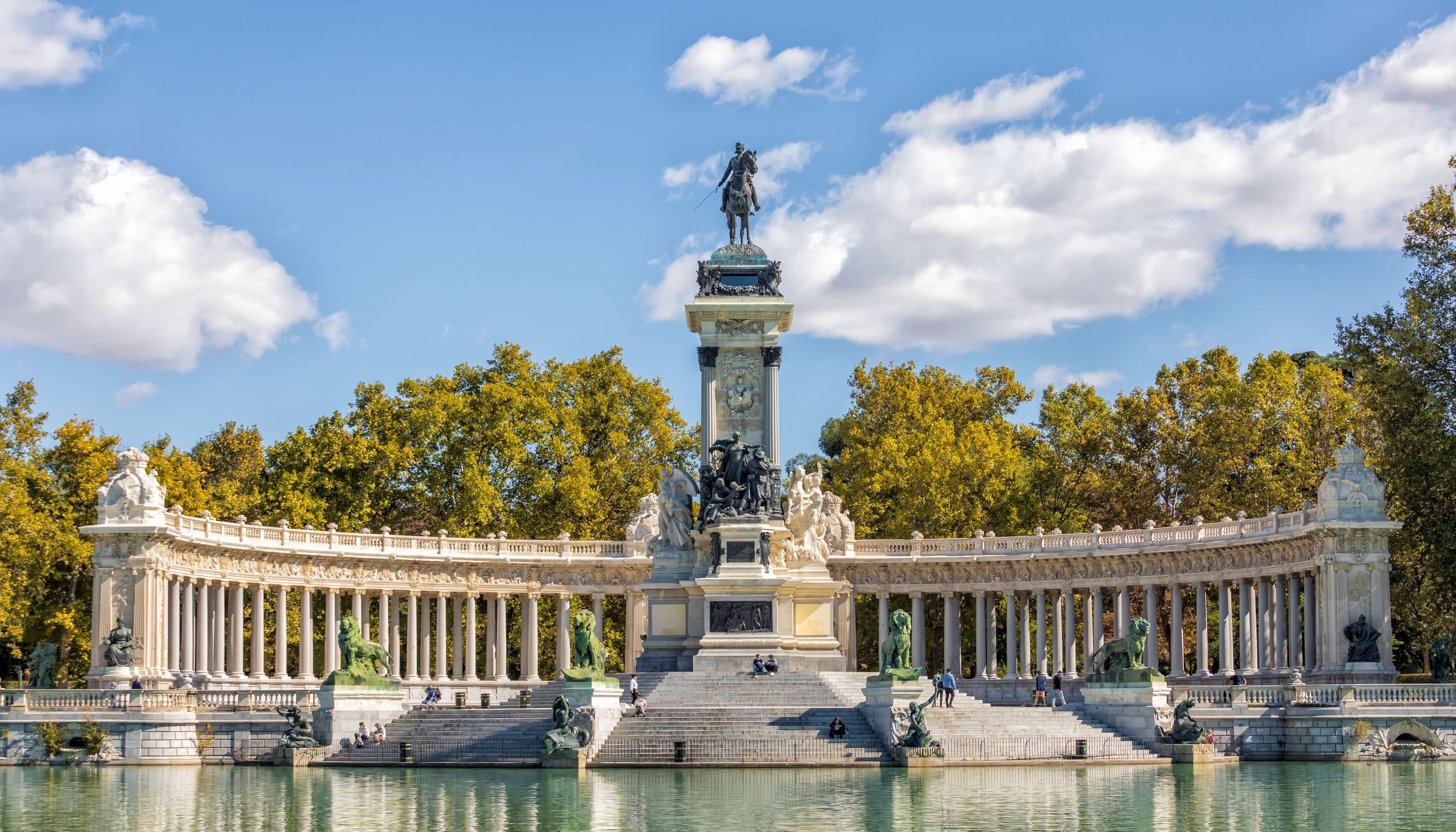
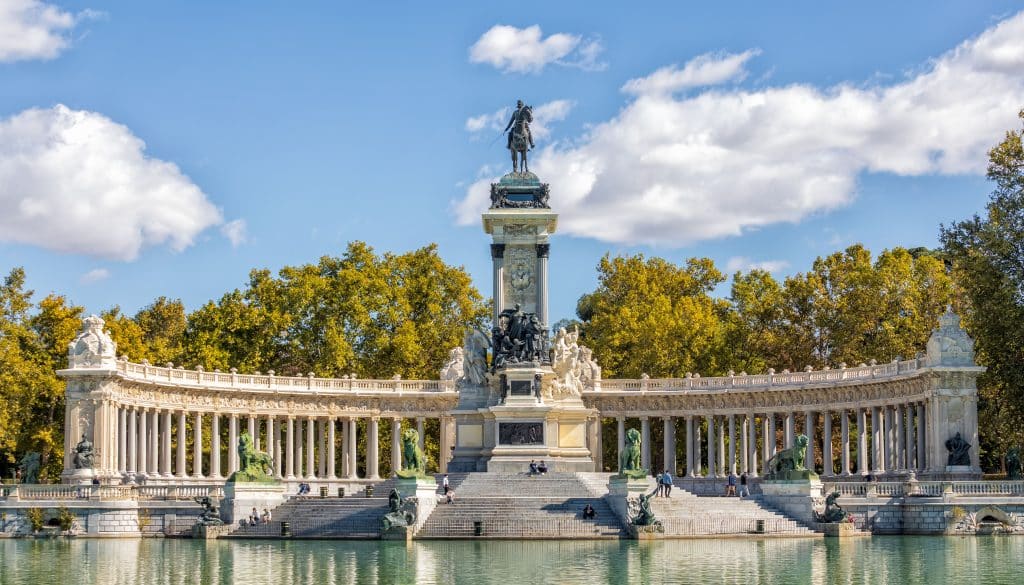
Despite its dense urban fabric, Madrid is consistently ranked among the greenest capitals in Europe. Parque del Retiro (El Retiro Park), spanning over 350 acres, serves as the city’s primary ecological and recreational lung. Originally designed as a retreat for the Spanish monarchy before opening to the public in the late 19th century, Retiro features formal gardens, artificial lakes, and historic architectural landmarks such as the Palacio de Cristal (Crystal Palace).
Environmental data highlights the critical role these urban parks play in mitigating the urban heat island effect, particularly during the intense summer months typical of central Spain. The integration of expansive green infrastructure within a densely populated metropolis provides residents and visitors alike with immediate transitions from high-energy commercial corridors to tranquil natural sanctuaries.
Gastronomic Evolution: Tradition Meets Innovation
Madrid’s culinary identity is rooted in a dual commitment to centuries-old culinary traditions and cutting-edge gastronomic innovation. The city’s food culture operates on an unconventional temporal schedule, with midday meals typically commencing around 2:00 PM and evening dining extending past 9:00 PM.
Central to the social dining experience is the traditional market format, exemplified by the Mercado de San Miguel. Originally established as a traditional neighborhood marketplace, its sensitive restoration into a glass-and-iron culinary hub showcases the breadth of Spanish cuisine, from artisanal cured meats and regional cheeses to contemporary tapas and seafood. Furthermore, the city boasts a high concentration of Michelin-starred establishments, reflecting a culinary scene that values technical precision and creative risk-taking without abandoning foundational comfort foods such as cocido madrileño and traditional churros con chocolate.
Comparative Analysis: Madrid Versus Barcelona
In the broader context of Spanish tourism, Madrid and Barcelona are frequently evaluated in tandem. While Barcelona offers distinct architectural landmarks by Antoni Gaudí and immediate access to Mediterranean beaches, Madrid presents a contrasting urban proposition.
Economic and sociological analyses suggest that Madrid functions as the undisputed political, administrative, and cultural administrative center of the country. Urban specialists note that Madrid’s architectural landscape reflects a grand imperial history combined with unpretentious residential neighborhoods. Unlike cities heavily impacted by mass coastal tourism, Madrid maintains an economy deeply integrated with local commerce, ensuring that daily life continues independently of seasonal tourism fluctuations. This dynamic appeals specifically to travelers seeking deep integration rather than superficial sightseeing.
Practical Implications and Infrastructure Planning
For international travelers planning an extended stay or a brief city break, Madrid-Barajas Adolfo Suárez Airport (MAD) serves as a primary transatlantic gateway. Direct air links connect the Spanish capital with major economic hubs across the Americas, Europe, and Asia.
Once on the ground, the city’s integrated transportation infrastructure—comprising an extensive metro network, commuter rail (Cercanías), and a highly walkable historic core—minimizes transit friction. Tourism boards and urban economists emphasize that Madrid’s walkability encourages sustainable exploration, reducing reliance on private vehicular transport.
Looking forward, municipal strategies emphasize sustainable growth, regional connectivity via high-speed rail networks (AVE) connecting Madrid to secondary cities like Toledo, Segovia, and Valencia, and the promotion of year-round tourism. As global travel patterns continue to evolve, Madrid stands as a testament to the enduring appeal of the authentic, well-engineered, and culturally vibrant metropolis.