Conquering Romania’s Transfăgărășan Highway: A Journey Through the Southern Carpathians and Europe’s Premier Alpine Route

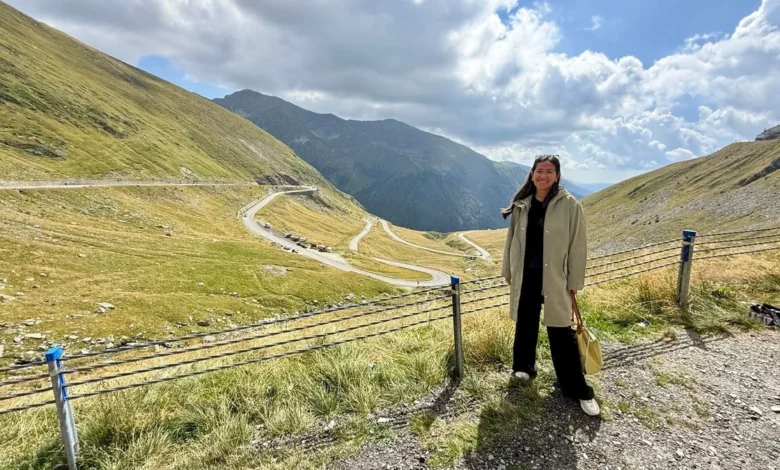
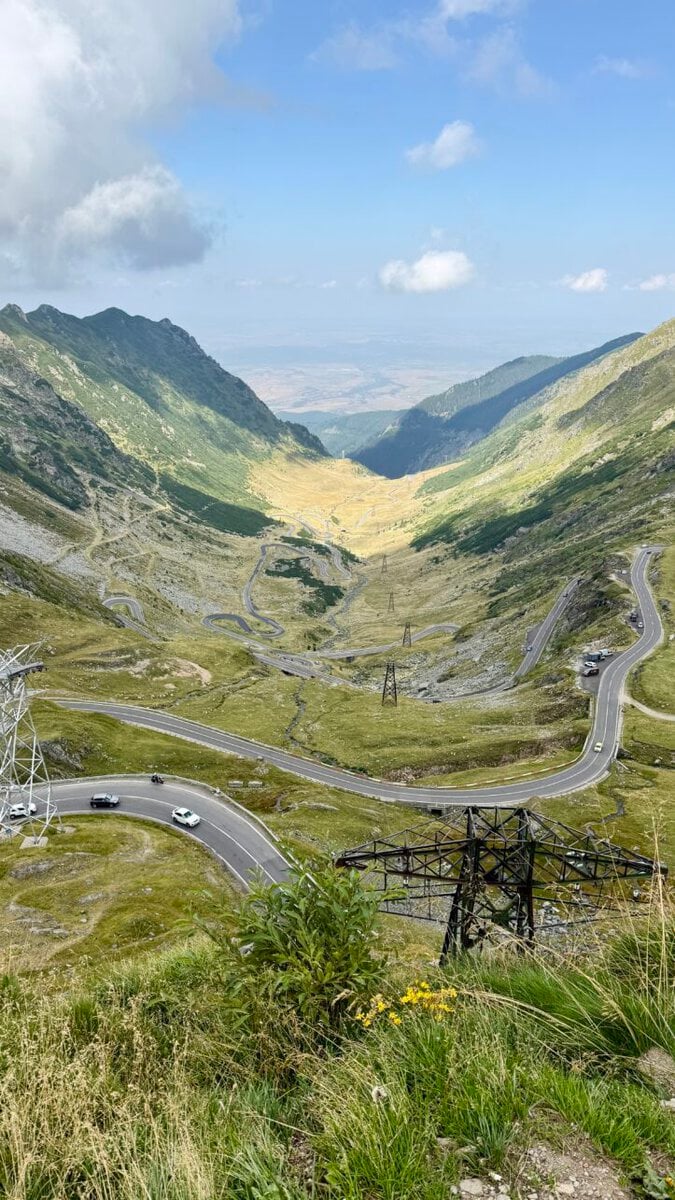
While travelers traditionally look to the Swiss Alps or Austrian highlands for iconic European mountain driving experiences, Romania’s Transfăgărășan Highway (DN7C) presents a compelling alternative that increasingly demands international recognition. Ascending through the rugged Făgărăș Mountains to a peak elevation of 2,042 meters near Bâlea Lake, this engineering marvel cuts a dramatic path across the Southern Carpathians. Recent travel accounts from early September highlight not only the route’s demanding switchbacks and sweeping glacial vistas but also frequent wildlife encounters, including sightings of wild brown bears along the asphalt corridor. Navigated either independently by rental vehicle or via guided excursions departing from Bucharest, the highway offers a striking blend of historical infrastructure and untamed wilderness, subject to strict seasonal constraints and conservation regulations.
Main Facts and Route Geography
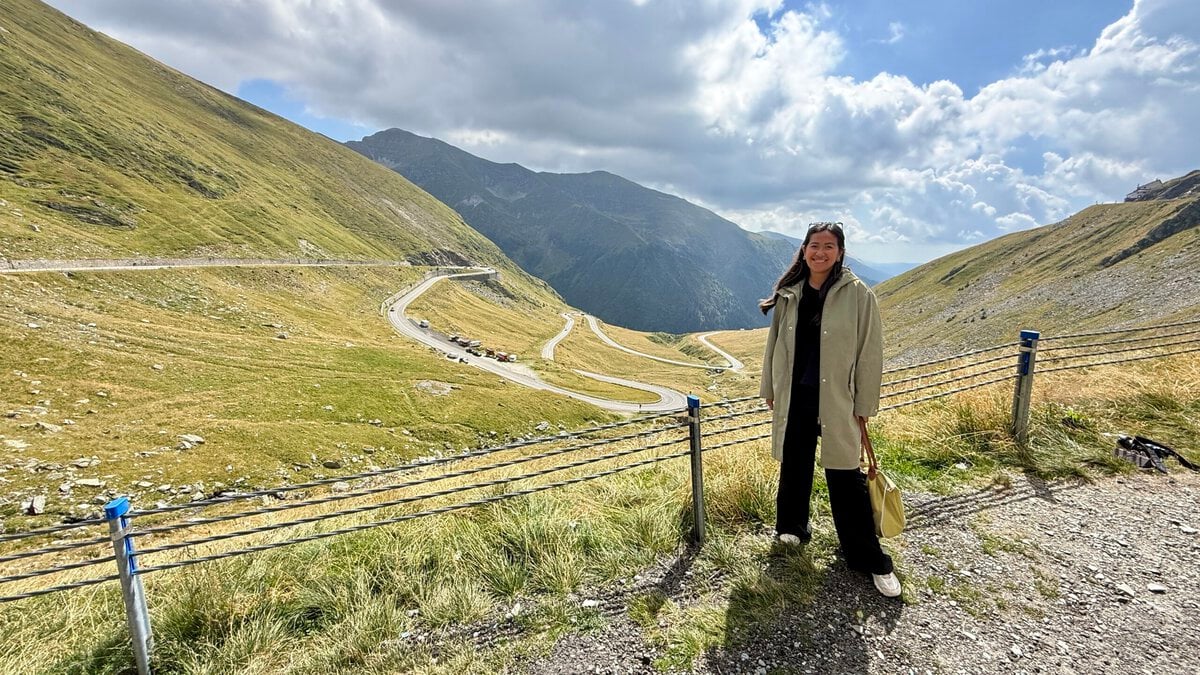
Officially designated as the DN7C, the Transfăgărășan Highway spans approximately 151 kilometers, establishing a vital north-south transit corridor that links the historic regions of Wallachia and Transylvania. The primary focus for motorists and tourists is a challenging 90-kilometer mountain section situated between the Vidraru Dam in the south and Cârțișoara in the north. This central stretch is defined by complex civil engineering, featuring a dense succession of hairpin turns, viaducts, and short tunnels. The highest point of the highway reaches 2,042 meters, passing directly through a tunnel adjacent to the glacial Bâlea Lake.
Despite its fame, the Transfăgărășan is actually Romania’s second-highest paved road, eclipsed only by the Transalpina (DN67C), which climbs to 2,145 meters in the Parâng Mountains. However, the dramatic topography, sheer drops, and sweeping panoramic views of the Făgărăș range have established the Transfăgărășan as a premier destination for automotive enthusiasts and adventure travelers alike.
Historical Chronology and Strategic Origins
The construction of the Transfăgărășan Highway is deeply rooted in the geopolitical climate of Cold War-era Eastern Europe. The project was conceived and executed between 1970 and 1974 under the regime of communist leader Nicolae Ceaușescu. The primary motivation for the highway was strictly strategic rather than commercial or recreational. Following the 1968 invasion of Czechoslovakia by Warsaw Pact troops, Ceaușescu sought to ensure rapid military transport capabilities across the Southern Carpathians in the event of a similar Soviet-led intervention.
The construction effort exacted a heavy toll. Military personnel and civilian laborers alike faced brutal alpine conditions, treacherous terrain, and heavy machinery limitations. Official historical records indicate that thousands of tons of dynamite were used to clear the rock faces, and numerous workers lost their lives during the four-year construction period, though exact casualty figures remain a subject of historical debate.
Decades after its military inauguration, the highway achieved global mainstream renown in 2009 when the British motoring television show Top Gear filmed an episode on the route. Presenter Jeremy Clarkson famously declared it "the best road in the world," a designation that dramatically shifted its international profile and transformed it into a major tourist draw.
Access Logistics: Self-Drive Versus Guided Excursions
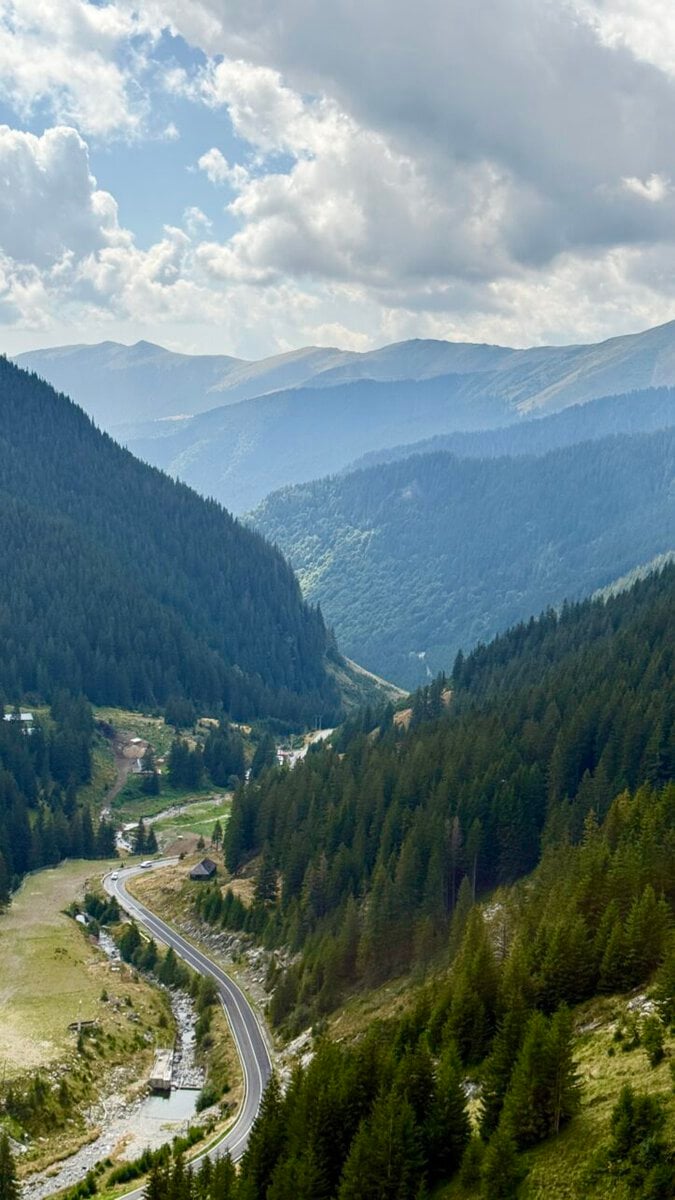
Accessing the southern terminus of the Transfăgărășan mountain section requires a significant journey from Bucharest, located approximately 155 kilometers to the southeast. The approach begins near the town of Curtea de Argeș, leading motorists through progressively vertical terrain. Travelers generally choose between two primary logistical approaches: independent driving via rental car or booking an organized day excursion from the capital.
Independent Motoring
Opting for a self-drive itinerary provides maximum flexibility, allowing motorists to manage their schedule and pause at designated viewpoints. However, the journey demands sustained concentration. The route features tight switchbacks, steep inclines, and highly unpredictable alpine weather patterns that can shift from clear skies to dense fog or rain within minutes. Transport authorities recommend a reduced speed limit of 40 km/h along the upper mountain corridor. Furthermore, drivers must ensure their vehicles comply with national toll requirements by purchasing a valid Romanian road vignette (rovinieta).
Organized Group Tours
For solo travelers or those uncomfortable with navigating high-altitude alpine routes, guided day tours departing from Bucharest offer a viable alternative. These excursions alleviate the physical demands of a 10-to-12-hour round trip, handling transport logistics and incorporating structured stops at major landmarks such as the Vidraru Dam and Bâlea Lake. Tour participants, however, must contend with fixed schedules and group dynamics, with seating arrangements often dictating the quality of visual access to the surrounding landscapes.
Infrastructure and Key Landmarks
The transit along the DN7C is punctuated by several prominent engineering feats and natural monuments that define the traveler’s experience.
The Vidraru Dam
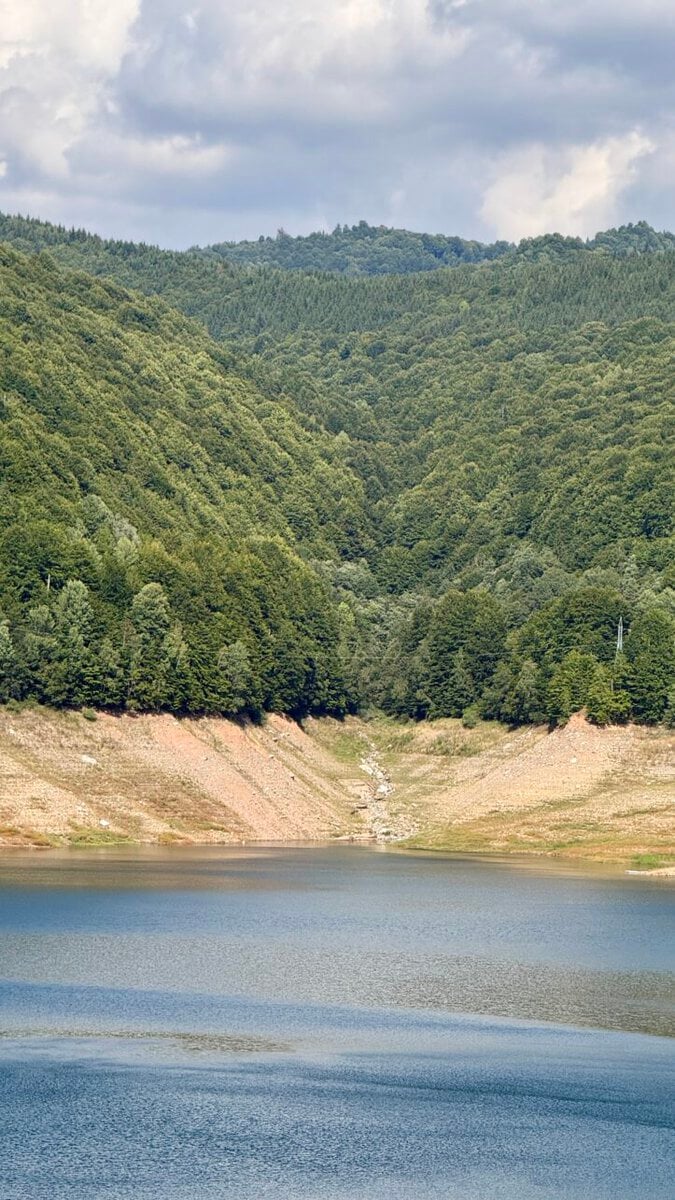
Situated on the southern approaches of the highway, the Vidraru Dam represents a monumental hydro-technical achievement. Completed in 1966 across the Argeș River, the arch dam stands at a height of 166 meters and impounds the artificial Vidraru Lake. The highway crosses directly over the crown of the dam, offering expansive views of the surrounding forested slopes and the deep valley below. The structure remains a critical component of Romania’s hydroelectric power generation network.
Bâlea Lake and the Alpine Ridge
At the summit of the pass, the highway intersects with Bâlea Lake, a cirque glacial lake situated at an altitude of approximately 2,040 meters. Surrounded by towering granite peaks, this micro-region serves as the primary tourist hub of the Transfăgărășan. During the operational season, visitors utilize the area for alpine hiking, local commerce, and visual appreciation of the switchbacks descending the northern slope toward Cârțișoara. When vehicular access is restricted due to snow accumulation, a cable car system operates between Bâlea Cascadă and Bâlea Lake, maintaining passenger connectivity to the upper basin.
Wildlife Dynamics: Brown Bear Populations and Conservation Challenges
One of the defining ecological aspects of traveling the Transfăgărășan Highway is the high probability of encountering Eurasian brown bears (Ursus arctos). Romania hosts one of the largest brown bear populations in Europe outside of Russia. Recent estimates from the Ministry of Environment, Water and Forests place the national population between 10,000 and 13,000 individuals, reflecting a steady upward demographic trend under strict European Union conservation protections.
The forested slopes flanking the DN7C serve as a natural habitat for these apex predators. Consequently, motorists frequently observe bears in proximity to the roadway, particularly during the active months from late spring through autumn.
Environmental Warnings and Legal Sanctions
While wildlife sightings offer a compelling spectacle for visitors, they present significant ecological and public safety challenges. The presence of bears along the asphalt corridor is largely driven by anthropogenic food conditioning. Unlawful feeding by tourists has disrupted natural foraging behaviors, causing habituated animals to associate vehicles and humans with food sources. This dynamic has historically resulted in aggressive encounters, vehicular collisions, and subsequent interventions by wildlife authorities, which sometimes necessitate the relocation or euthanization of problematic bears.
In response to escalating safety risks, the Romanian government enforces strict legislative measures. Feeding wild bears is explicitly illegal under national environmental statutes, with administrative fines ranging from 10,000 to 30,000 Romanian Lei (RON). Additionally, traffic regulations prohibit motorists from stopping on the active roadway of national transit corridors to observe, photograph, or interact with wildlife. Authorities and wildlife conservation organizations consistently advise travelers to remain inside closed vehicles, maintain a respectful distance, and avoid any actions that might alter the behavior of large carnivores.
Seasonal Operation and Climate Constraints
The operational viability of the Transfăgărășan Highway is strictly dictated by meteorological conditions. Due to extreme snowfall, persistent ice, and high avalanche hazards at upper elevations, the high-altitude section between Piscu Negru (km 104) and Bâlea Cascadă (km 130.8) is officially closed to vehicular traffic from November 1 through June 30 of the following year.
In practice, the exact opening and closing dates fluctuate annually based on localized weather patterns and snow removal operations by regional road authorities (CNAIR). In years with mild winters and rapid spring thaws, the high section may reopen as early as late May or June, while unseasonal autumn blizzards can force early closures by October. Conversely, the lower segments of the highway—including the approaches to the Vidraru Dam in the south and the Bâlea waterfall area in the north—remain accessible year-round, weather permitting.
For optimal travel conditions, transportation analysts recommend planning journeys between July and September, noting that weekday transit significantly mitigates traffic congestion at key panoramic viewpoints and parking zones around Bâlea Lake.
Broader Economic and Tourism Impact
The ongoing popularity of the Transfăgărășan Highway underscores a broader shift in Romanian tourism toward infrastructure-based adventure travel and natural heritage exploration. As international connectivity improves, the corridor acts as a vital economic catalyst for local communities in Argeș and Sibiu counties, stimulating the development of guesthouses, regional gastronomy enterprises, and eco-tourism initiatives.
At the same time, regional authorities face the ongoing challenge of balancing increased visitor numbers with environmental preservation. Managing traffic volume, mitigating roadside waste, and enforcing wildlife protection laws remain critical priorities to ensure that the Transfăgărășan retains its ecological integrity while continuing to serve as one of Europe’s premier alpine driving destinations.
Related posts: