Beyond the Boardwalk: An In-Depth Look at the Evolution of Virginia Beach Tourism

Virginia Beach has undergone a significant transformation, pivoting from a traditional seasonal sun-and-sand destination into a year-round hub for "soft adventure" and cultural tourism. This shift was underscored during the recent Labor Day weekend festivities, which featured performances by high-profile artists such as CeeLo Green, Lupe Fiasco, and Switchfoot, alongside emerging acts like Hello Sister. The festival served as a microcosm of the city’s broader strategic effort to diversify its appeal, moving away from a singular focus on beach leisure to a multi-faceted itinerary encompassing ecological exploration, culinary tourism, and active sports.
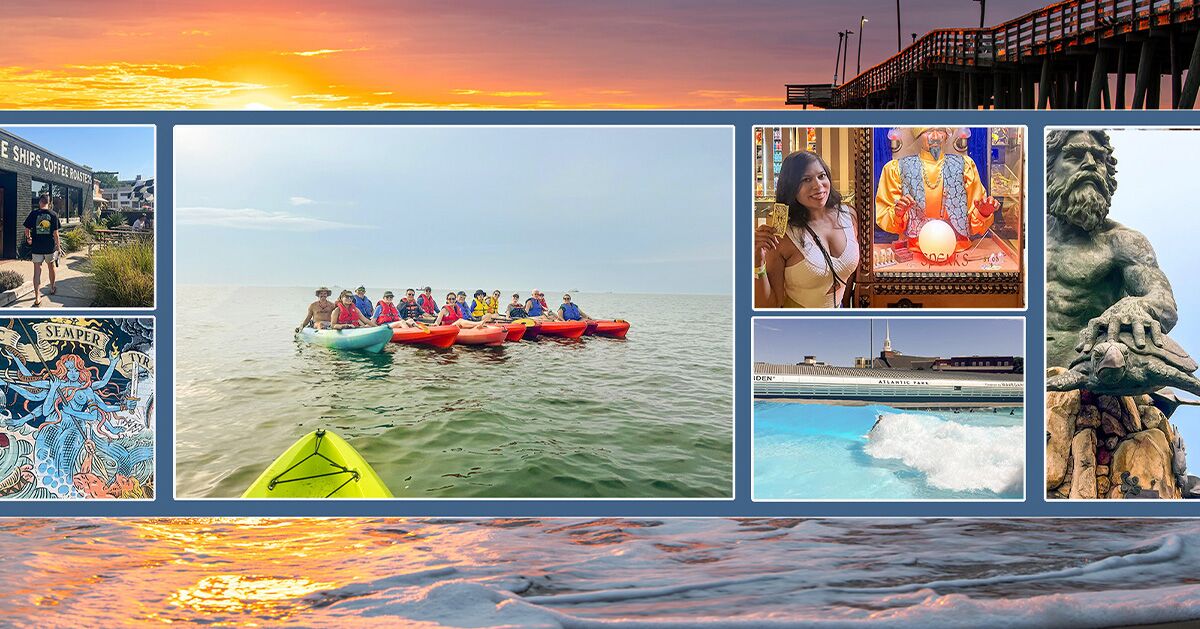
The Strategic Shift in Local Tourism
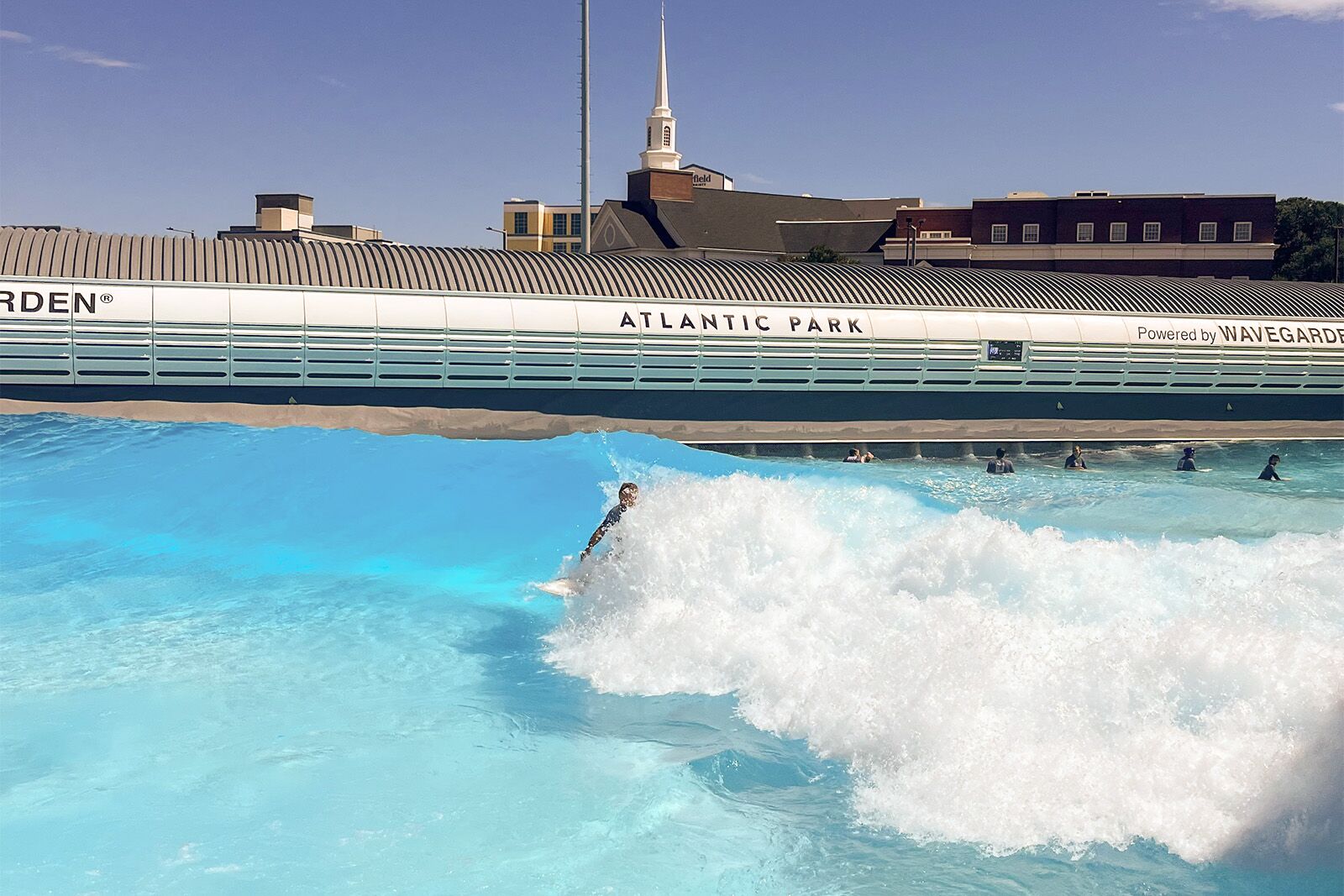
Historically, the Virginia Beach economy was heavily dependent on the summer peak season. However, recent urban development projects, such as the opening of Atlantic Park in 2025, signify a move toward year-round activation. By integrating artificial surf technology with high-end hospitality and culinary spaces, the city has created a template for modern coastal development. This transition is not merely cosmetic; it represents an attempt to capture the growing market of active travelers who seek immersive, skill-based experiences rather than passive relaxation.
The development of the Atlantic Park Surf lagoon serves as the centerpiece of this evolution. By engineering a controlled environment capable of producing consistent, customizable waves, the facility removes the barrier of entry for beginners, effectively democratizing surfing. Local economic analysts suggest that such infrastructure investments are vital for the city’s long-term sustainability, as they provide revenue streams that remain stable regardless of oceanic weather conditions or seasonal shifts.
Chronology of Recent Developments
The recent surge in visitor engagement in Virginia Beach can be traced through a series of key municipal and private sector milestones:
- 1903: The establishment of the original life-saving station, which currently functions as the Virginia Beach Surf & Rescue Museum.
- 1981: The founding of Waterman’s Surfside Grille, establishing a long-standing culinary anchor on the boardwalk.
- 2025: The grand opening of Atlantic Park, introducing year-round surf technology and the boutique hotel, The Sitio.
- 2026 (Labor Day Weekend): The hosting of a major multi-genre music festival, signaling the city’s intent to compete for regional entertainment market share.
Ecological and Cultural Engagement
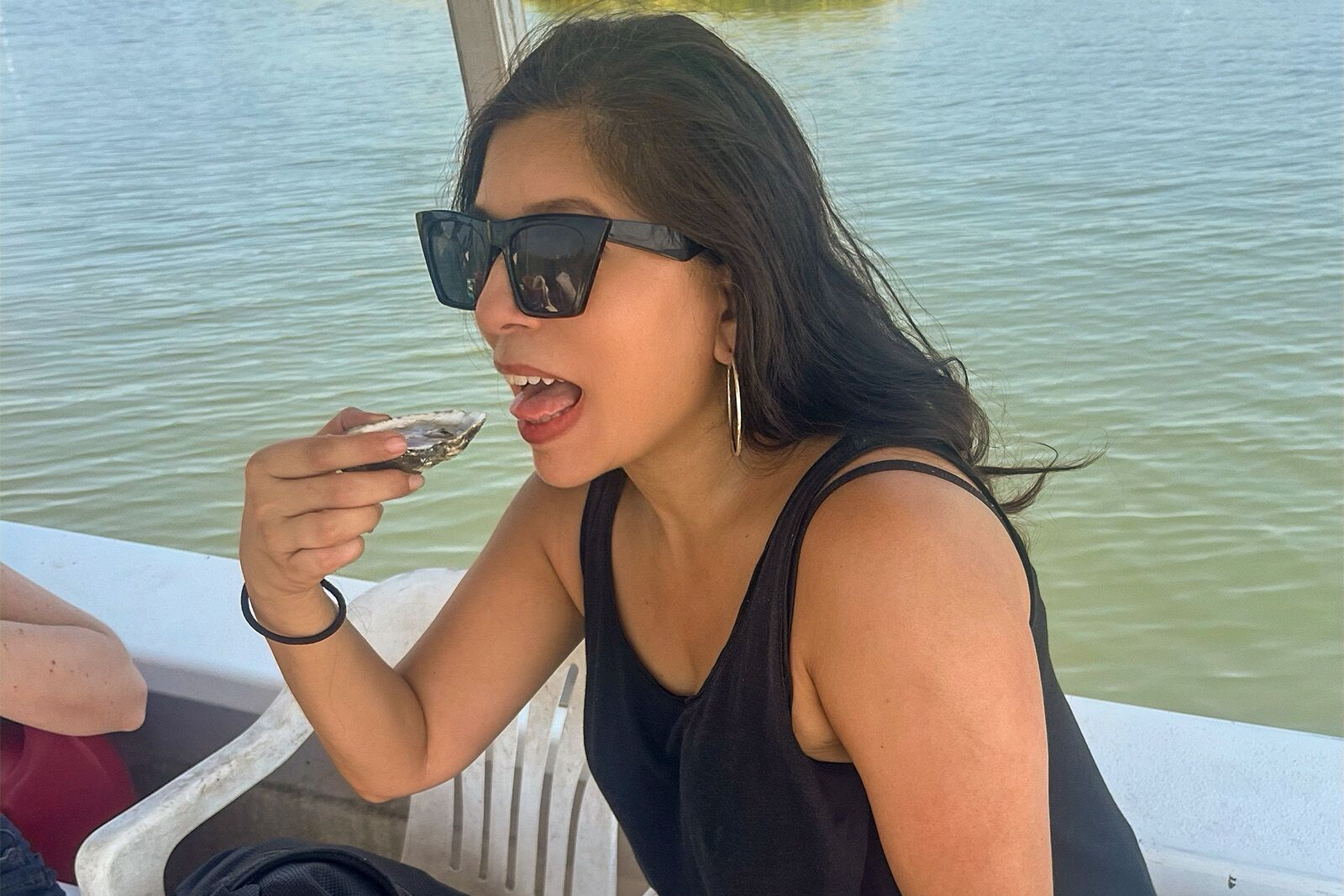
The city’s efforts to leverage its natural geography have been equally deliberate. The Lynnhaven River, long a site of industrial and historical importance, has become a focal point for sustainable tourism. Excursions like those offered by Pleasure House Oysters provide visitors with an educational framework regarding the Chesapeake Bay’s ecosystem. Captain Chris Ludford’s operation, which prioritizes a hands-on approach to aquaculture, illustrates the growing demand for "farm-to-table" transparency in the tourism sector.
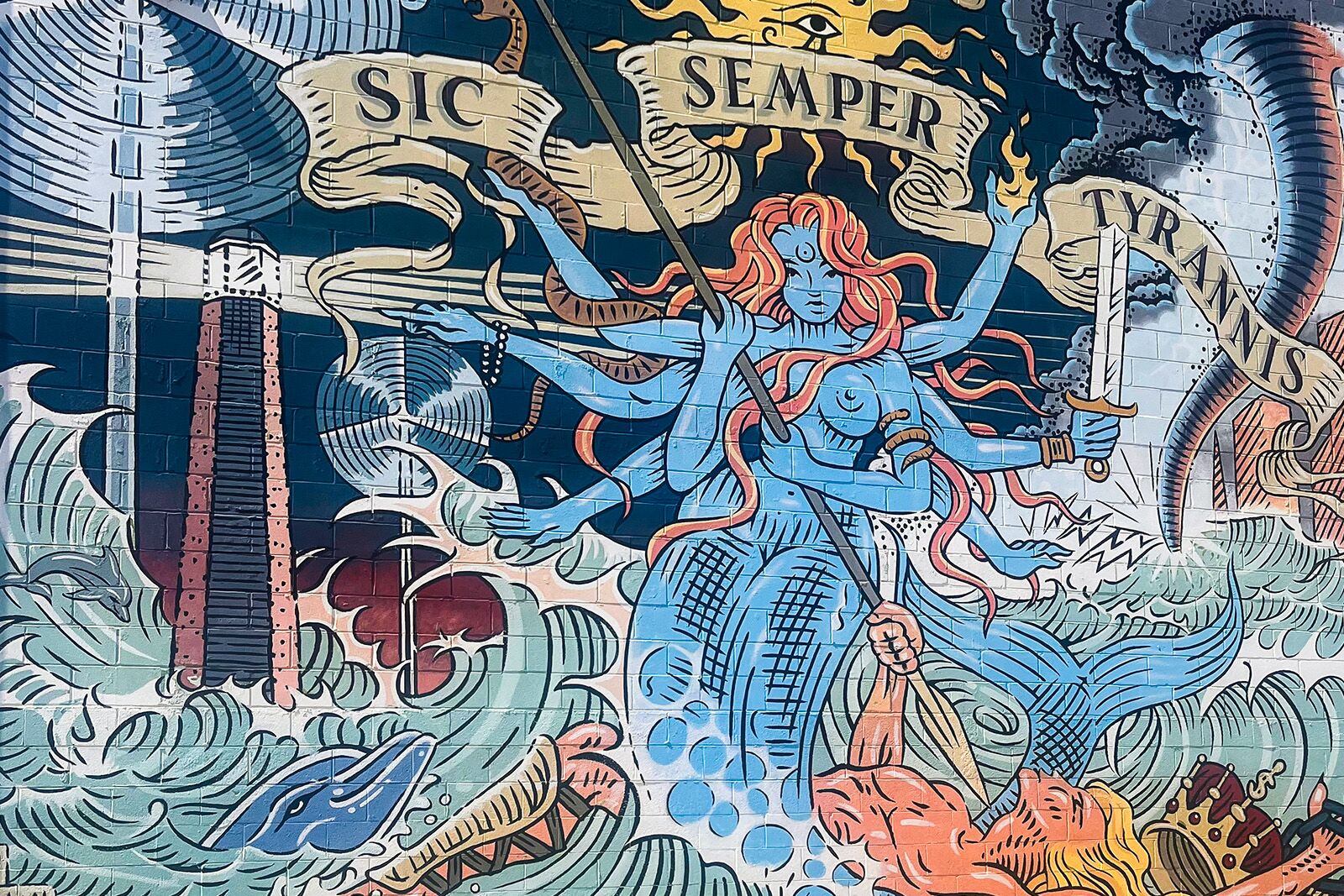
Complementing this is the ViBe Creative District, a designated cultural hub that has successfully revitalized the area’s inland sections. By fostering an ecosystem of artisans—ranging from pottery studios like Jars of Dust to specialized retail like North End Bag Co.—the city has successfully incentivized tourists to venture away from the shoreline. This distribution of foot traffic is a critical component of the city’s urban planning, reducing congestion on the boardwalk while boosting the local creative economy.
Supporting Data and Infrastructure
The logistical success of Virginia Beach’s new tourism model is supported by its proximity to the Norfolk International Airport (ORF), located approximately 18.5 miles from the oceanfront. While the lack of a dedicated airport shuttle remains a gap in public transit infrastructure, the proliferation of rideshare services and bike-sharing programs has mitigated the reliance on rental vehicles.
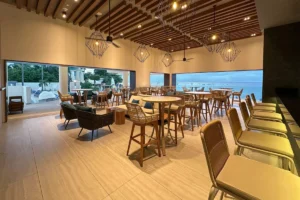
Data regarding the hospitality sector reflects a trend toward boutique, experience-driven accommodations. The Moxy Virginia Beach Oceanfront exemplifies this, eschewing traditional luxury in favor of a "social-first" environment. By incorporating communal spaces, gaming facilities, and a high-traffic bar into the lobby architecture, the hotel encourages guest interaction—a departure from the traditional hotel model that emphasizes seclusion.
Culinary Tourism as an Economic Driver
The culinary scene in Virginia Beach has moved in lockstep with the city’s physical development. The integration of high-quality dining into recreational hubs—such as the presence of Mi Vida within the Atlantic Park development—is a strategic move to capture the entirety of a traveler’s daily spend.
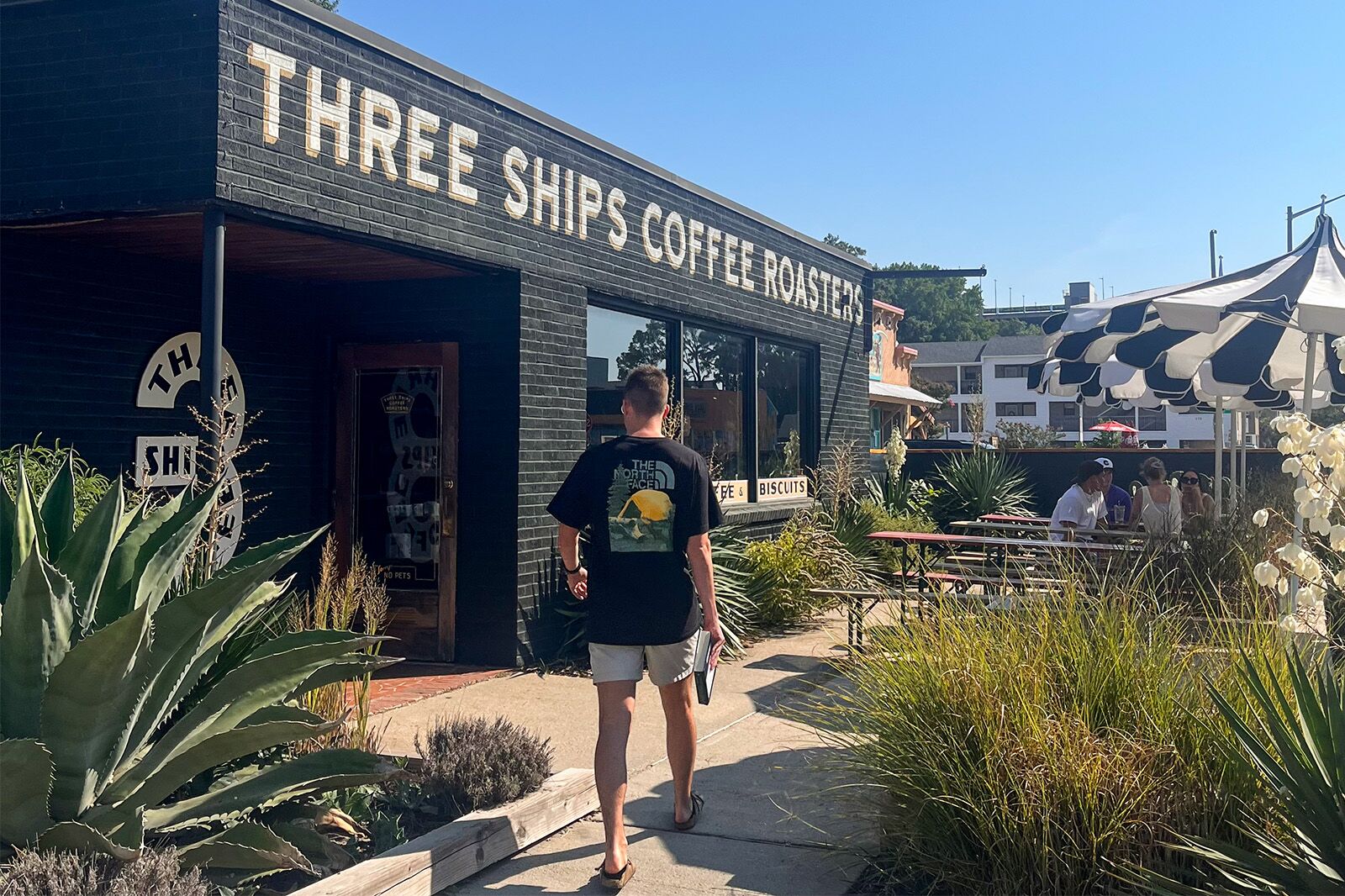
Furthermore, the emphasis on local flavor profiles, such as the "modern Mid-Atlantic" cooking style found at Chic’s Laundry, has elevated the city’s reputation among food critics. The recognition of Three Ships Coffee at the 2025 Global Coffee Awards highlights an increasing focus on artisanal quality that appeals to a demographic of discerning, younger travelers. This culinary maturation is supported by a mix of historical staples and contemporary ventures, creating a competitive environment that necessitates continuous innovation among local restaurateurs.
Official Perspectives and Future Implications
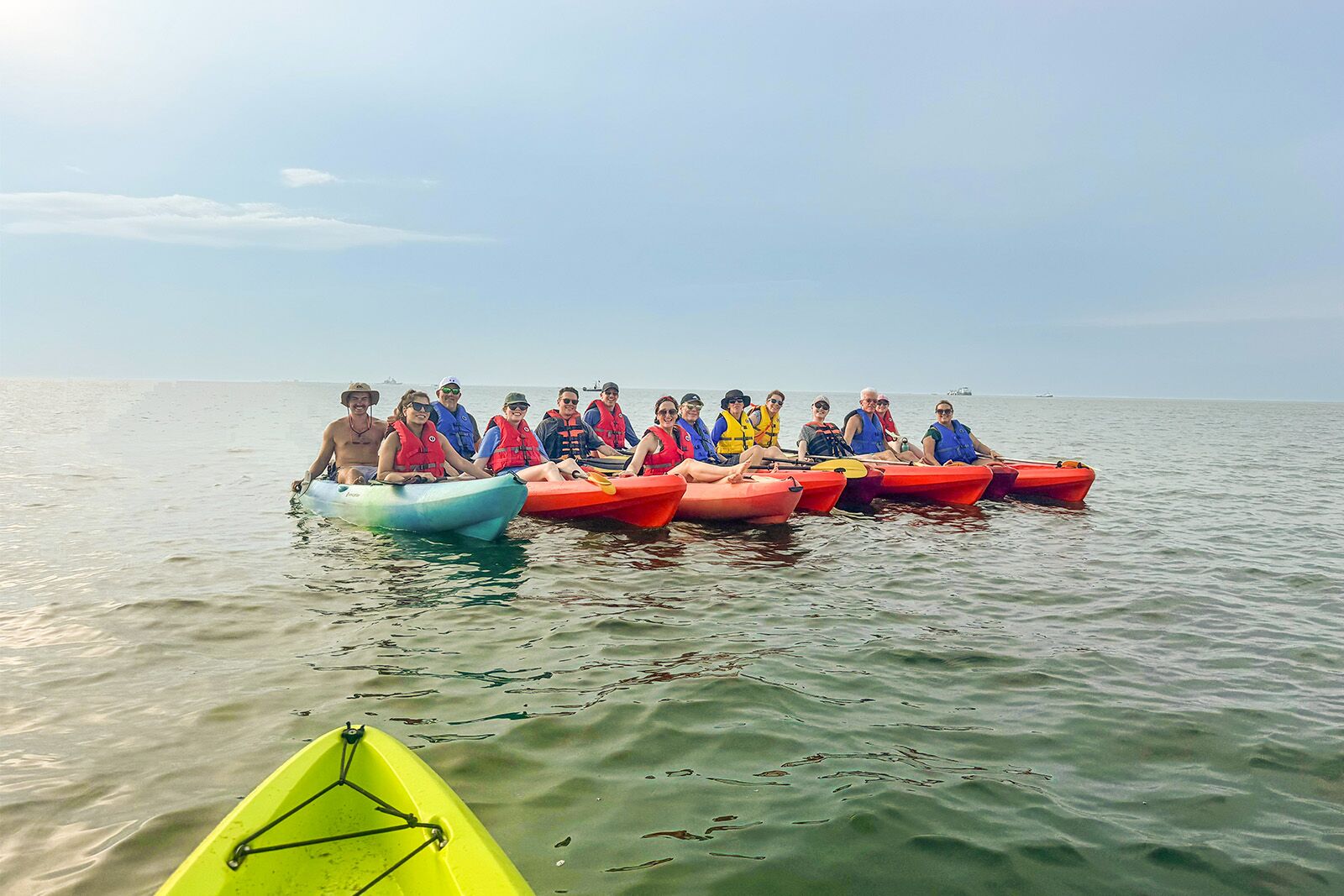
While city officials have not released a consolidated statement on the specific economic impact of the 2026 Labor Day festival, the visible increase in visitor activity suggests a successful implementation of the "soft adventure" strategy. By focusing on activities that require no prior experience—such as guided kayak tours and controlled surf lessons—the city has successfully expanded its total addressable market.
The implications for other coastal cities are clear: the future of tourism lies in the ability to marry natural assets with manufactured, accessible experiences. The "soft adventure" model minimizes the intimidation factor of traditional outdoor sports while maximizing the engagement time of the visitor. As Virginia Beach continues to refine this model, the integration of technology, history, and sustainability will likely remain the pillars of its ongoing development.
Practical Considerations for the Modern Traveler
For those planning a visit, the current infrastructure supports a highly flexible itinerary. The following resources remain central to the visitor experience:
- Active Exploration: Chesapean Outdoors remains the primary point of contact for water-based activities, including sunset dolphin tours.
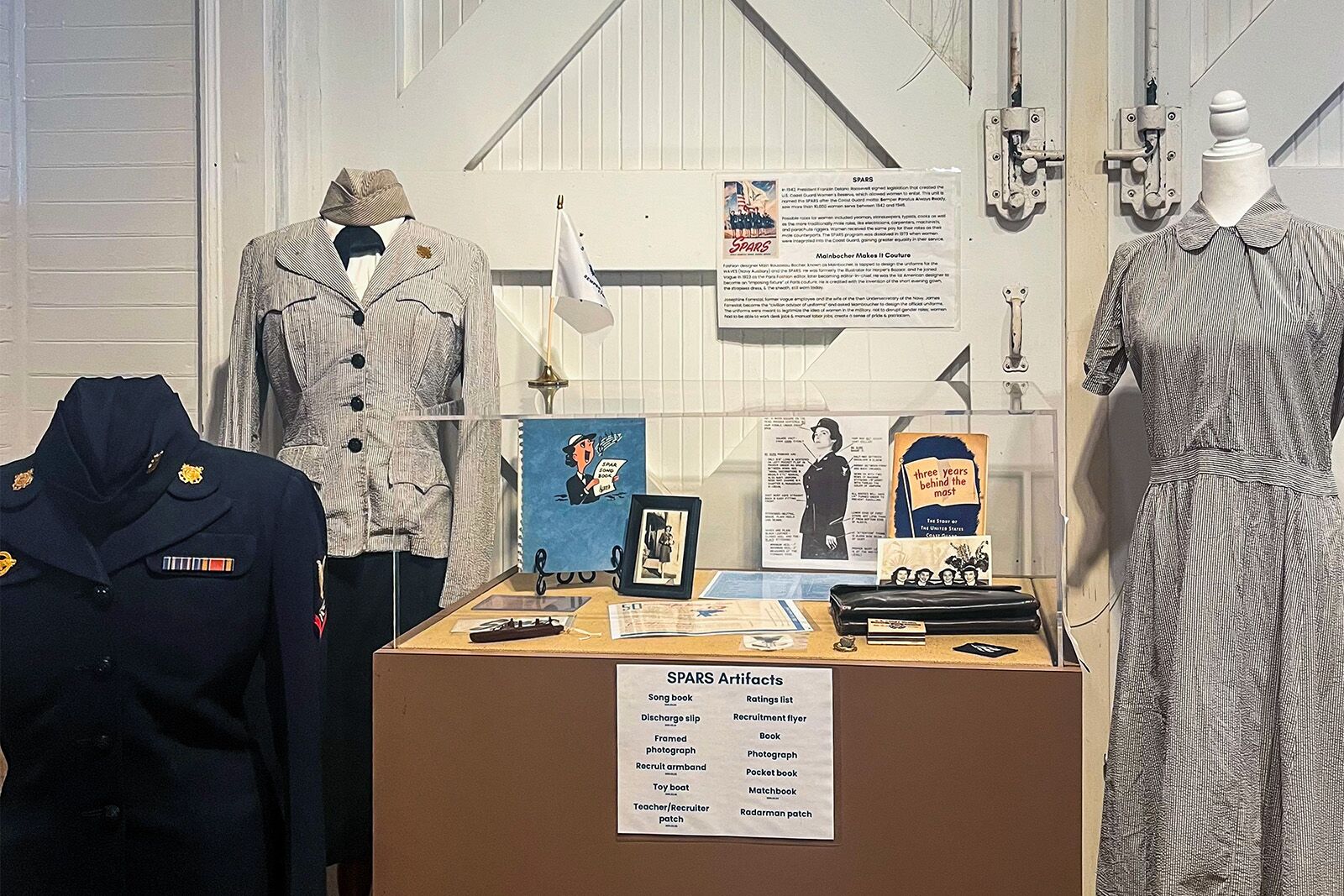
- Cultural Immersion: The Virginia Beach Surf & Rescue Museum provides the necessary historical context to appreciate the regional surf culture.
- Hospitality Trends: Visitors should anticipate a focus on self-service and high-tech efficiency in modern accommodations, such as the Moxy, which utilizes app-based access and decentralized storage.
- Connectivity: The city is currently most navigable via a combination of bike rentals for short-range travel and rideshare services for transit between the oceanfront, the Lynnhaven River, and the various brewery districts.
As the city continues to blend its historic identity with modern recreational demands, it establishes itself as a resilient and adaptable destination. The transition from a seasonal resort to a year-round, activity-based hub is a significant development in the broader narrative of East Coast tourism, one that balances the preservation of natural assets with the necessity of constant economic evolution. By prioritizing accessibility and infrastructure that supports both the casual tourist and the active explorer, Virginia Beach is positioning itself to remain relevant in an increasingly competitive travel landscape.