The Essential Paris Travel Guide and Five-Day Strategic Itinerary for International Visitors

Paris remains the world’s most visited city, attracting approximately 44 million tourists annually to the Île-de-France region. As the capital of France and a global center for art, fashion, and gastronomy, the city presents a complex landscape for travelers attempting to navigate its 20 arrondissements. To maximize efficiency and cultural immersion, travel industry experts and urban planners suggest a structured five-day approach that balances iconic landmarks with historical neighborhoods. This comprehensive guide outlines the logistical framework, historical context, and chronological progression necessary for an optimized Parisian residency.
Logistical Infrastructure and Transit Systems
The efficacy of a Parisian visit depends largely on an understanding of the city’s transport hubs. Most international travelers arrive via Charles de Gaulle (CDG) Airport, one of the busiest aviation hubs in Europe, handling over 70 million passengers per year. The airport is integrated into the Réseau Express Régional (RER) B line, providing direct rail access to the city center. Additionally, Paris is served by several major rail termini, including Gare du Nord—the busiest railway station in Europe—Gare de l’Est, and Gare de Lyon, facilitating high-speed TGV connections to neighboring European capitals.
Within the city, the Paris Métro serves as the primary artery of movement. The system comprises 16 lines and over 300 stations, making it one of the densest subway networks in the world. For tourists, the "Paris Visite" pass or the "Navigo Découverte" card provides cost-effective, unlimited travel options. Urban analysts note that while Paris is a walkable city in localized clusters, the distance between major sites—such as the Eiffel Tower and the Notre Dame Cathedral—exceeds four kilometers, necessitating the use of public transit to maintain an efficient itinerary.
Strategic Five-Day Chronology
To mitigate "tourist fatigue" and optimize geographical proximity, the following itinerary is structured to minimize transit time while maximizing exposure to diverse historical eras.
Day 1: The Monumental Core and Impressionist Legacy
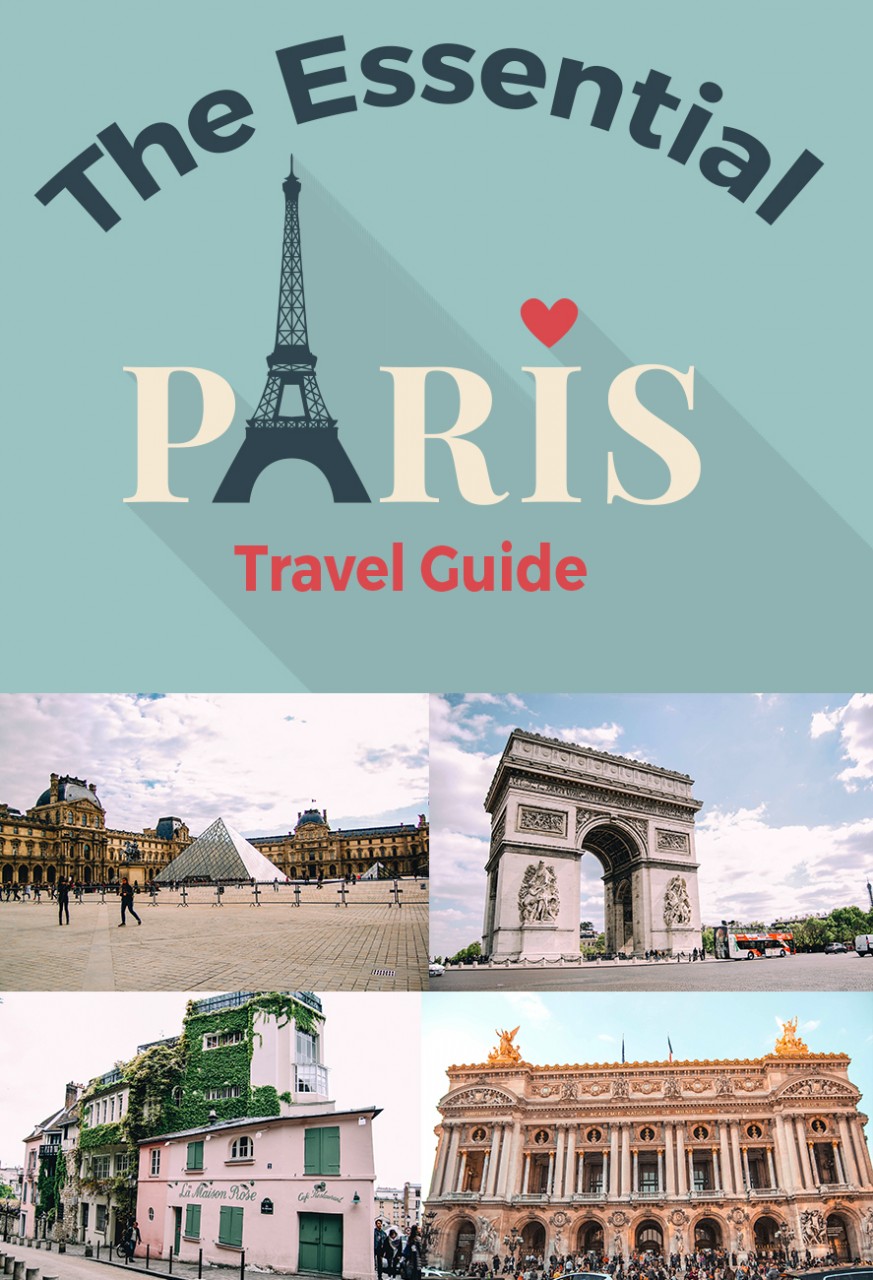
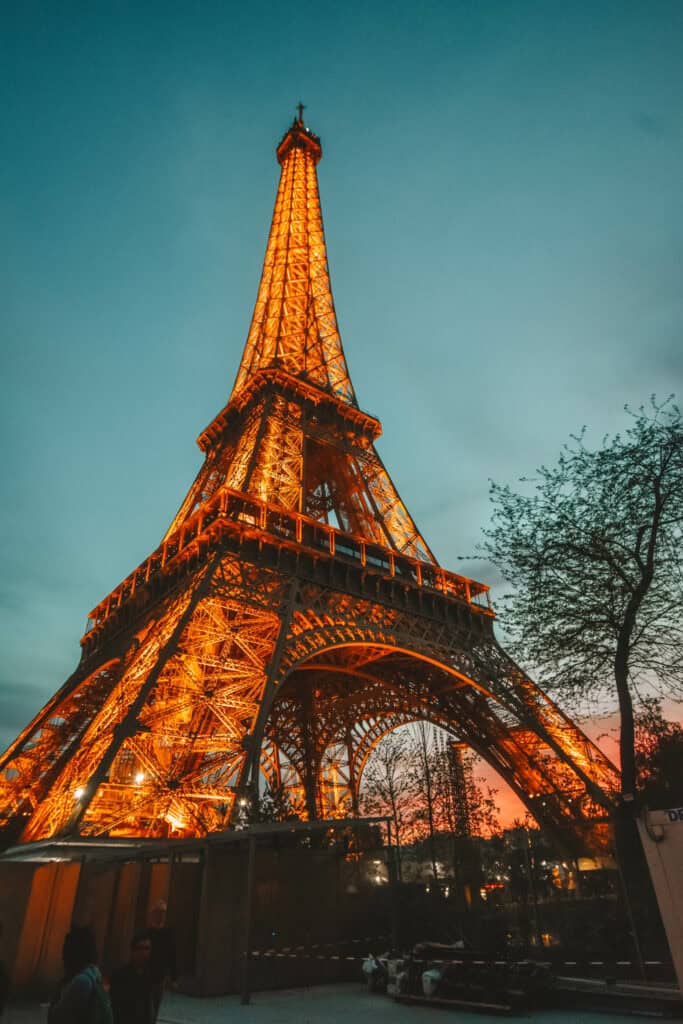
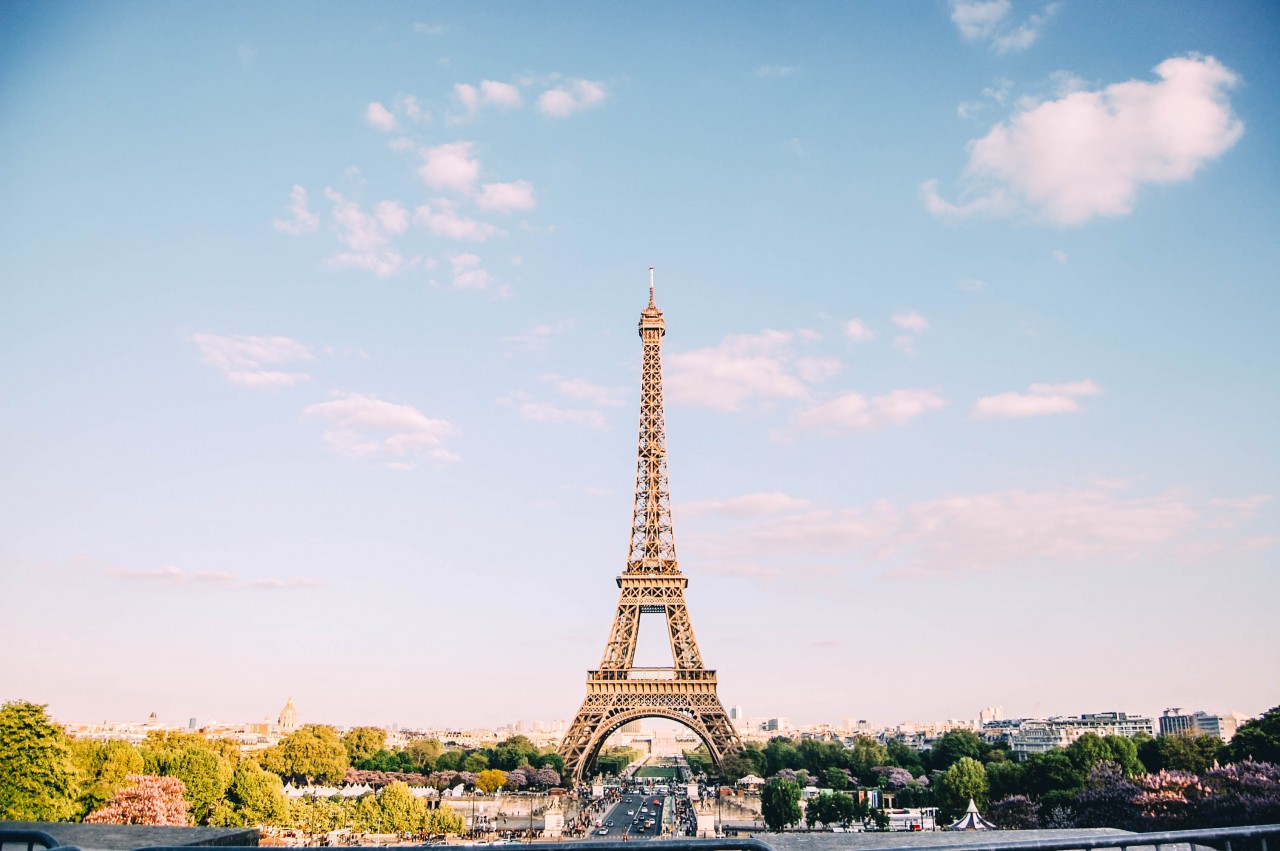
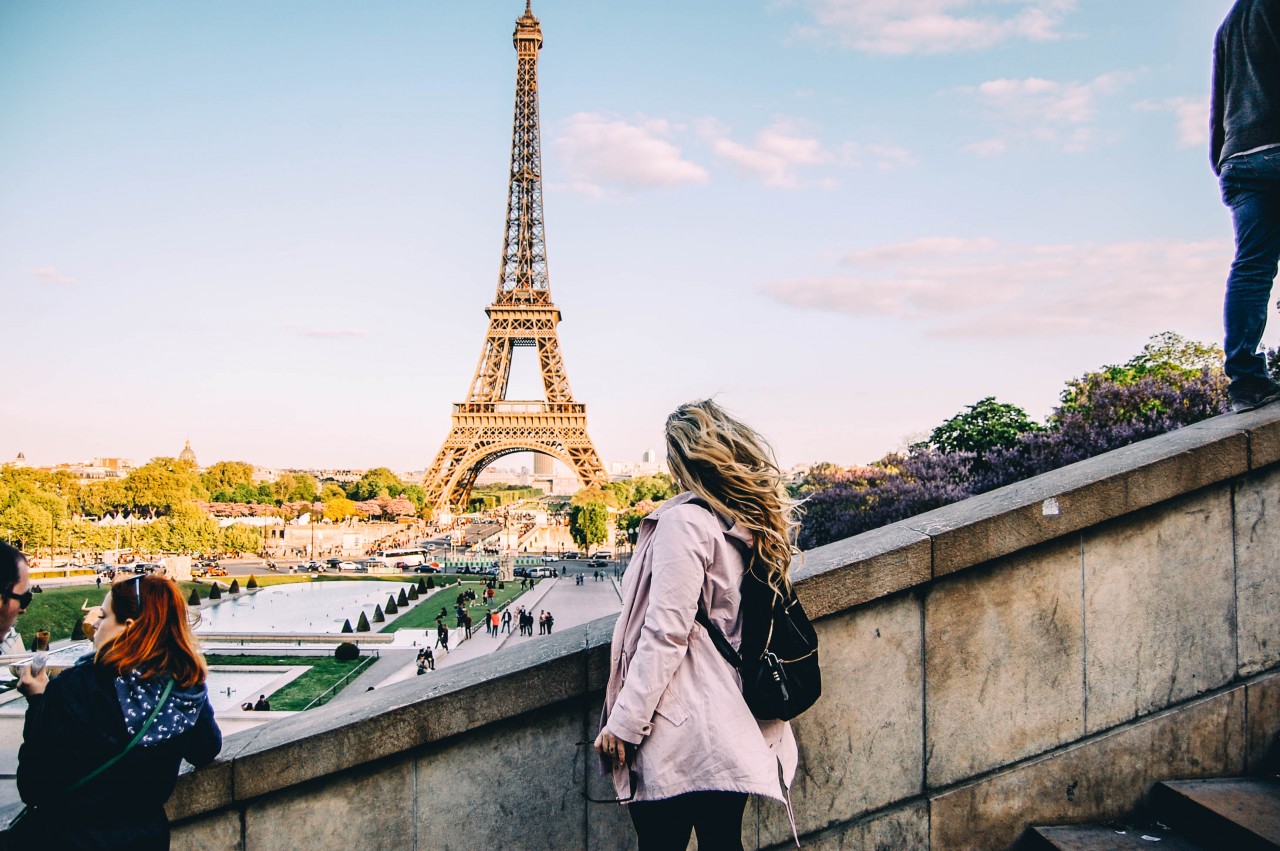
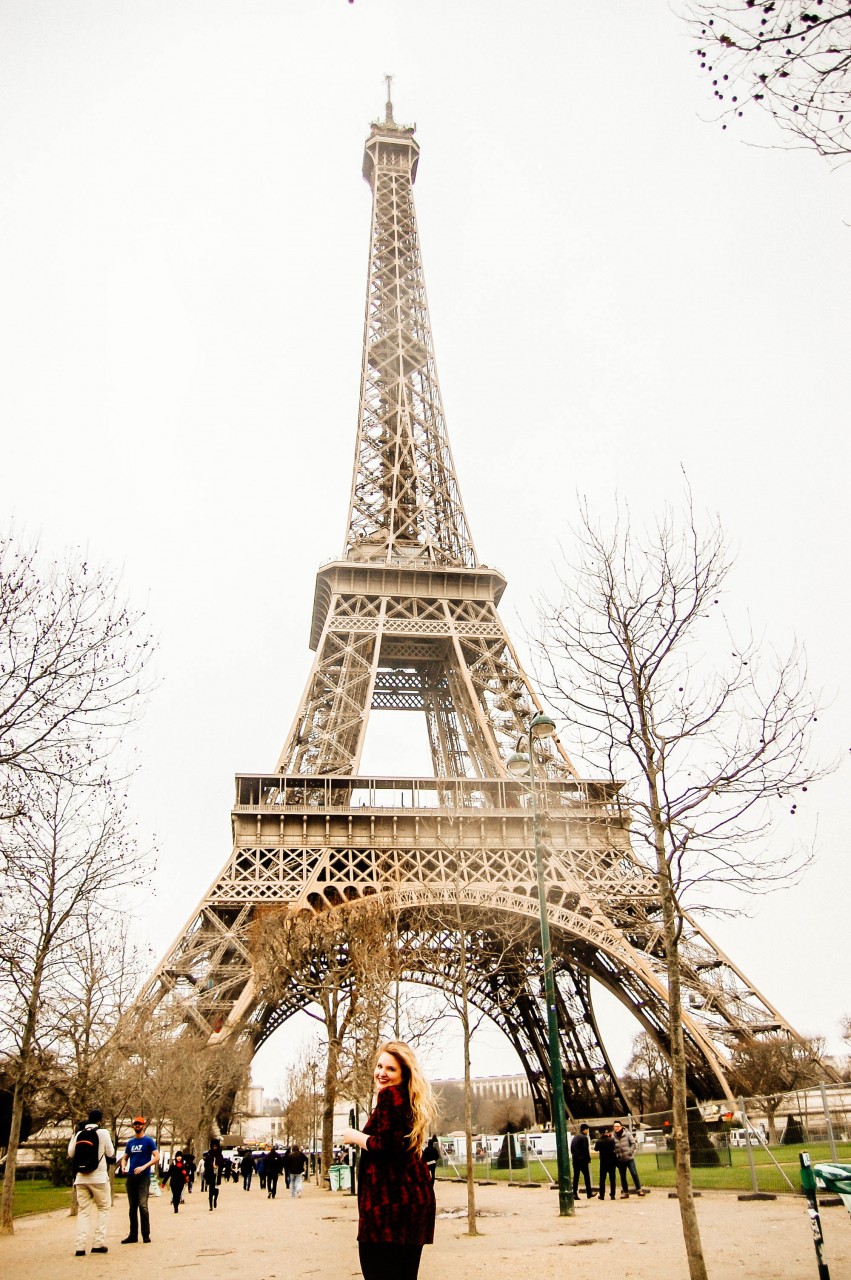
The initial phase of the itinerary focuses on the 7th and 8th arrondissements. The Eiffel Tower, standing at 330 meters, serves as the logical starting point. Statistics indicate that the tower receives nearly 6 million visitors annually; therefore, early morning arrivals or pre-booked reservations are essential to avoid wait times that can exceed three hours during peak season.
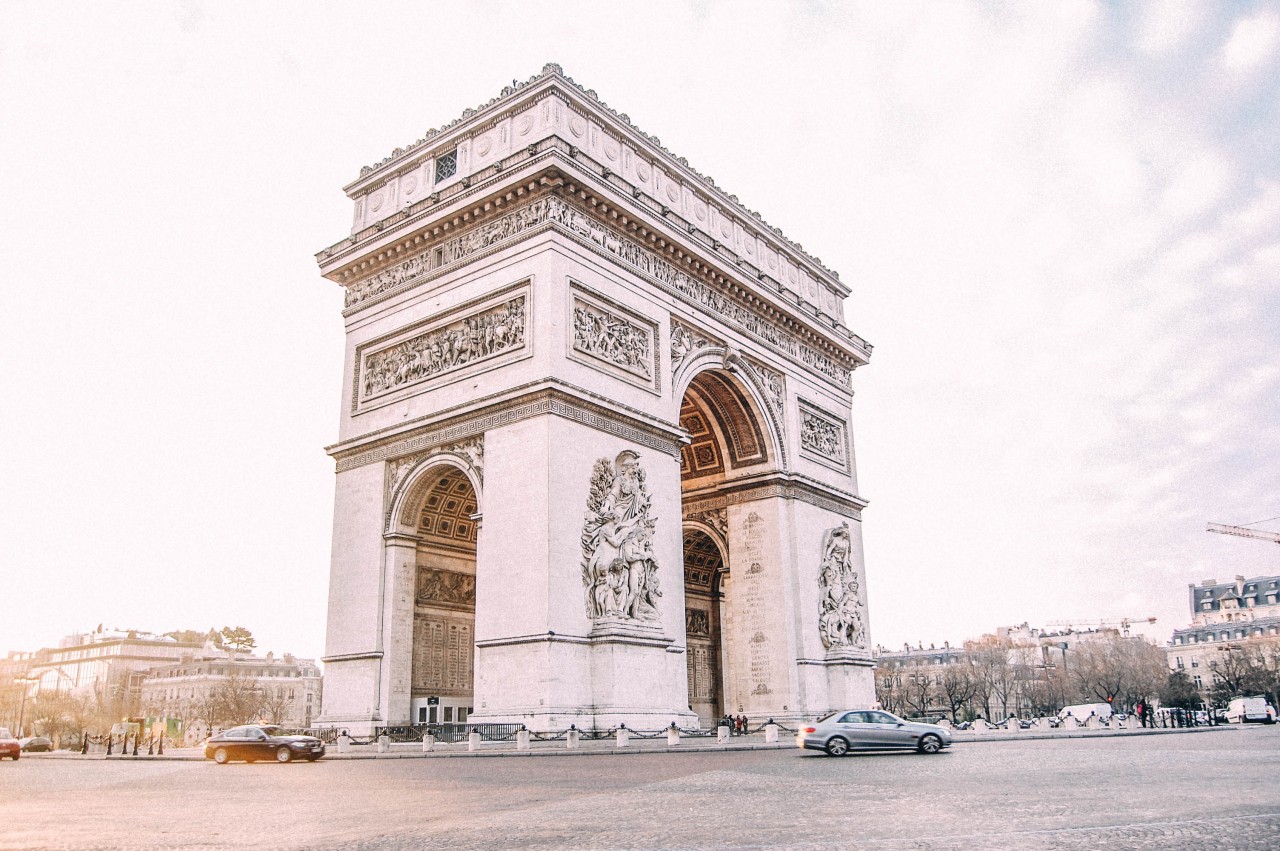
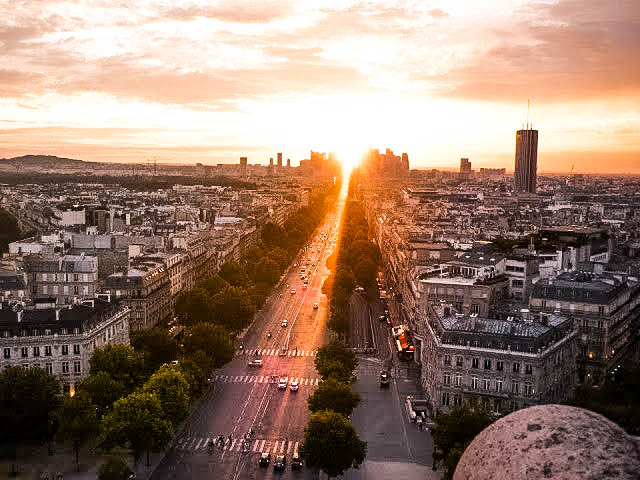
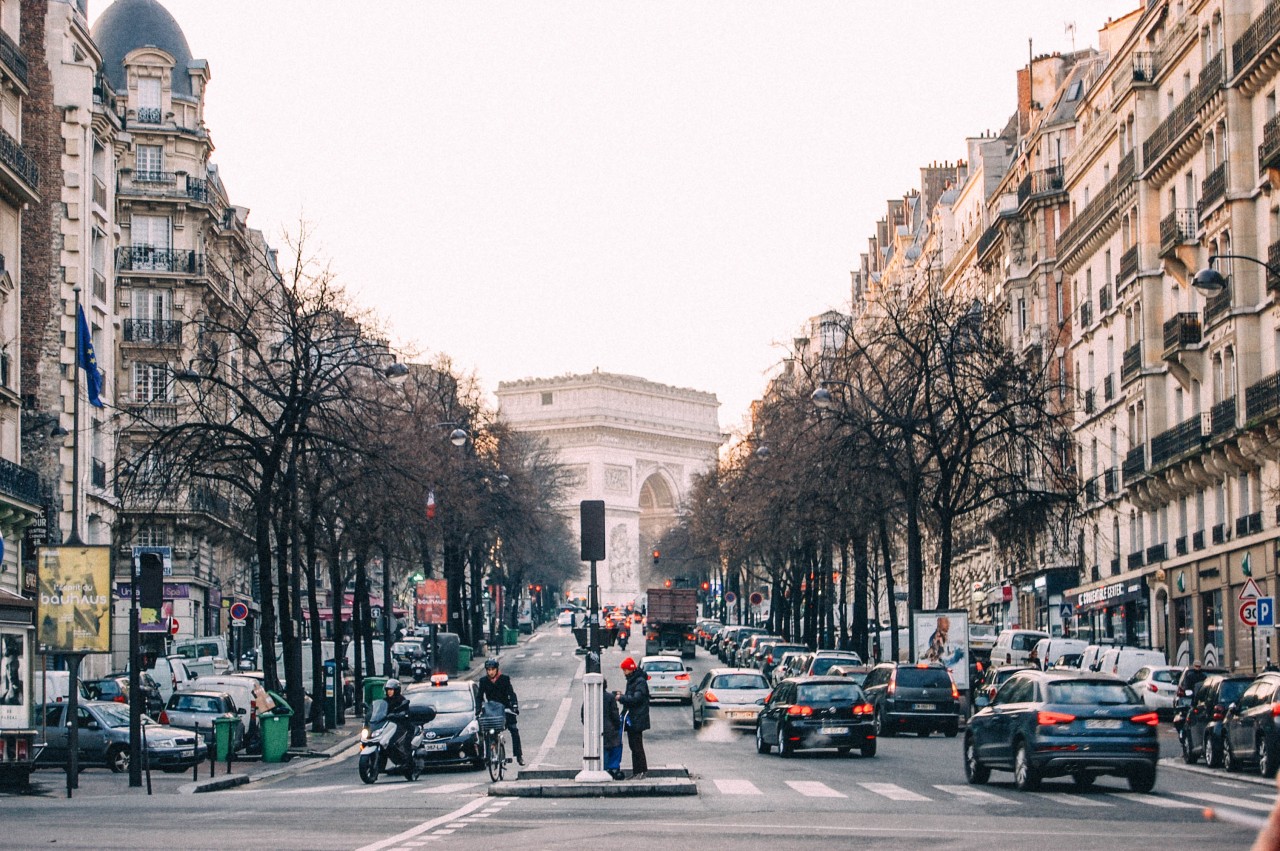
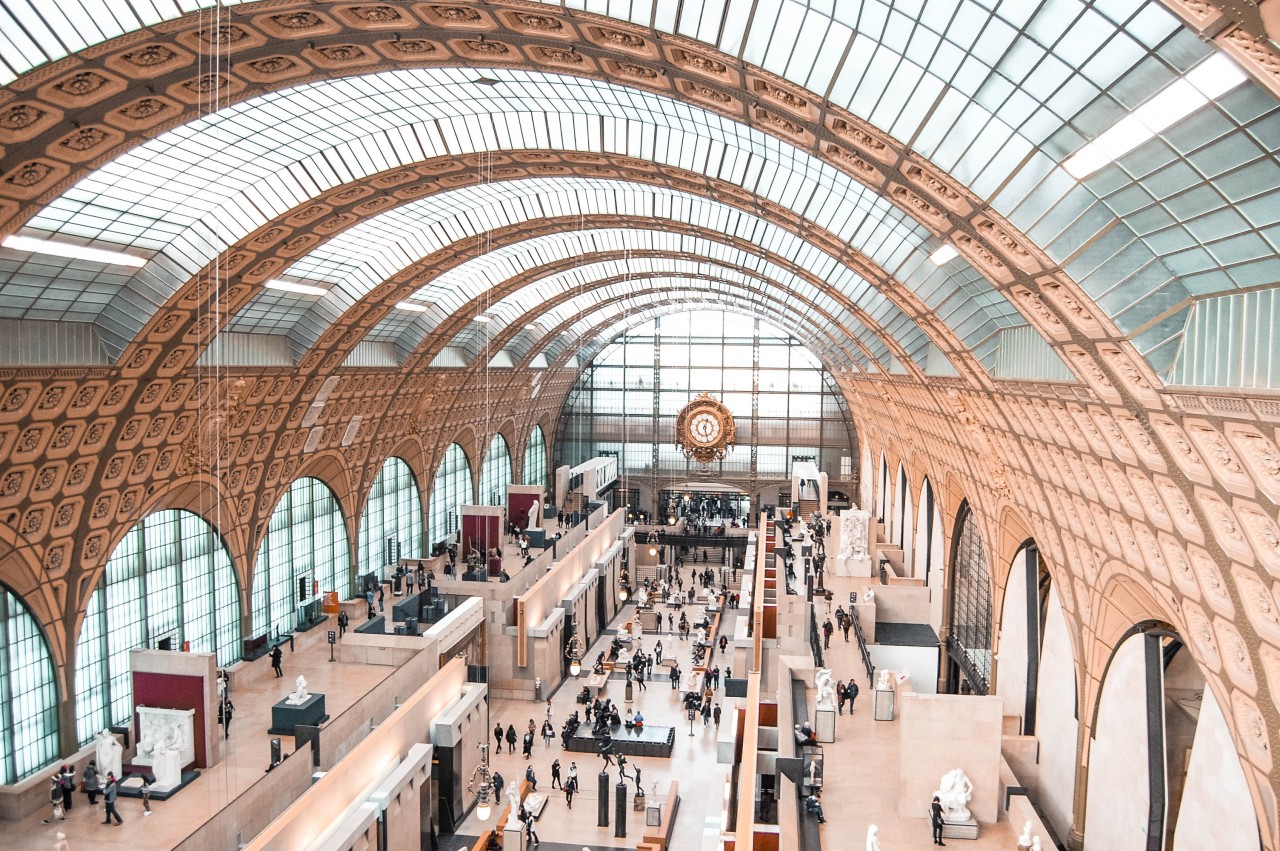
Following the tower, the route proceeds to the Arc de Triomphe, commissioned by Napoleon in 1806. From its terrace, visitors can view the 12 radiating avenues of the Haussmannian urban plan. The day concludes with a focus on art history at the Musée d’Orsay. Housed in the former Gare d’Orsay railway station, the museum holds the world’s largest collection of Impressionist and Post-Impressionist masterpieces. Historical data shows the museum’s transition from a station to an art gallery in 1986 was a pivotal moment in Parisian urban renewal, preserving industrial architecture for cultural use.
Day 2: The Cradle of Paris and the Latin Quarter
The second day is dedicated to the Île de la Cité, the city’s historical heart. The Notre Dame Cathedral remains a focal point of global interest following the catastrophic fire in April 2019. While the interior has been undergoing a massive €700 million restoration project, the exterior and the surrounding plaza offer insight into Gothic architectural evolution. Nearby, the Sainte-Chapelle provides a stark contrast with its 1,113 stained-glass panels, which depict over 1,000 biblical scenes.
South of the river, the Latin Quarter (5th arrondissement) offers a shift toward academic and intellectual history. Home to the Sorbonne University, this area features the Panthéon, a secular mausoleum containing the remains of French icons such as Victor Hugo and Marie Curie. The day transitions to the Luxembourg Gardens, a 23-hectare park commissioned by Marie de’ Medici in 1612, illustrating the influence of Italian Renaissance styles on French landscape design.
Day 3: Bohemian Montmartre and Grand Commerce
The third day shifts to the northern 18th arrondissement. Montmartre, once a separate village, became the epicenter of the Belle Époque art movement. The Basilica of the Sacré-Cœur, situated at the city’s highest natural point, provides panoramic views of the urban sprawl. This neighborhood is characterized by its steep, winding streets and landmarks such as the Moulin Rouge, which reflects the city’s theatrical history.
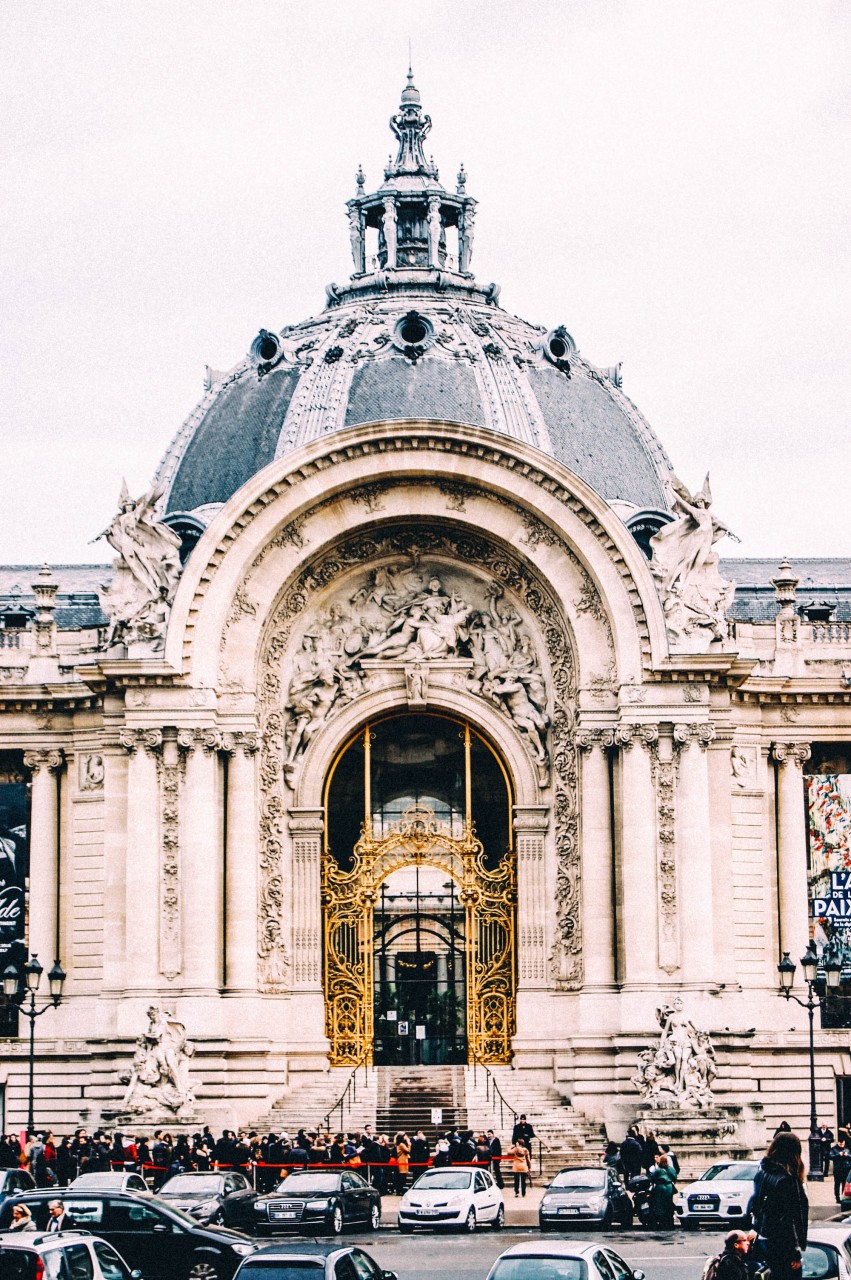
The afternoon focuses on the 9th arrondissement, specifically the Palais Garnier (Opéra National de Paris). This 1,979-seat opera house is an architectural masterpiece of the Second Empire style. Adjacent to the opera house, the Galeries Lafayette and Printemps department stores represent the pinnacle of French retail history, with the former featuring a landmark neo-Byzantine glass dome that has stood since 1912.
Day 4: The Seat of Absolute Monarchy
A critical component of the Parisian experience is the excursion to the Palace of Versailles. Located 20 kilometers southwest of the city, Versailles served as the principal royal residence from 1682 until the French Revolution in 1789. The estate encompasses the Hall of Mirrors, the Royal Apartments, and the expansive Gardens of Versailles, which are considered the height of the jardin à la française style.
Tourism data suggests that Versailles attracts approximately 15 million visitors annually. Logistically, travelers must utilize the RER C line. Experts recommend allocating a minimum of six hours to the estate, including the Trianon and Marie Antoinette’s Estate, to fully grasp the scale of Bourbon power.
Day 5: The Louvre and the Tuileries Axis
The final day centers on the 1st arrondissement. The Louvre Museum, the world’s largest art museum, requires a strategic approach. With over 35,000 objects on display across 72,735 square meters, it is impossible to view the entire collection in a single visit. Historically a fortress and then a royal palace, the Louvre was converted into a public museum in 1793.
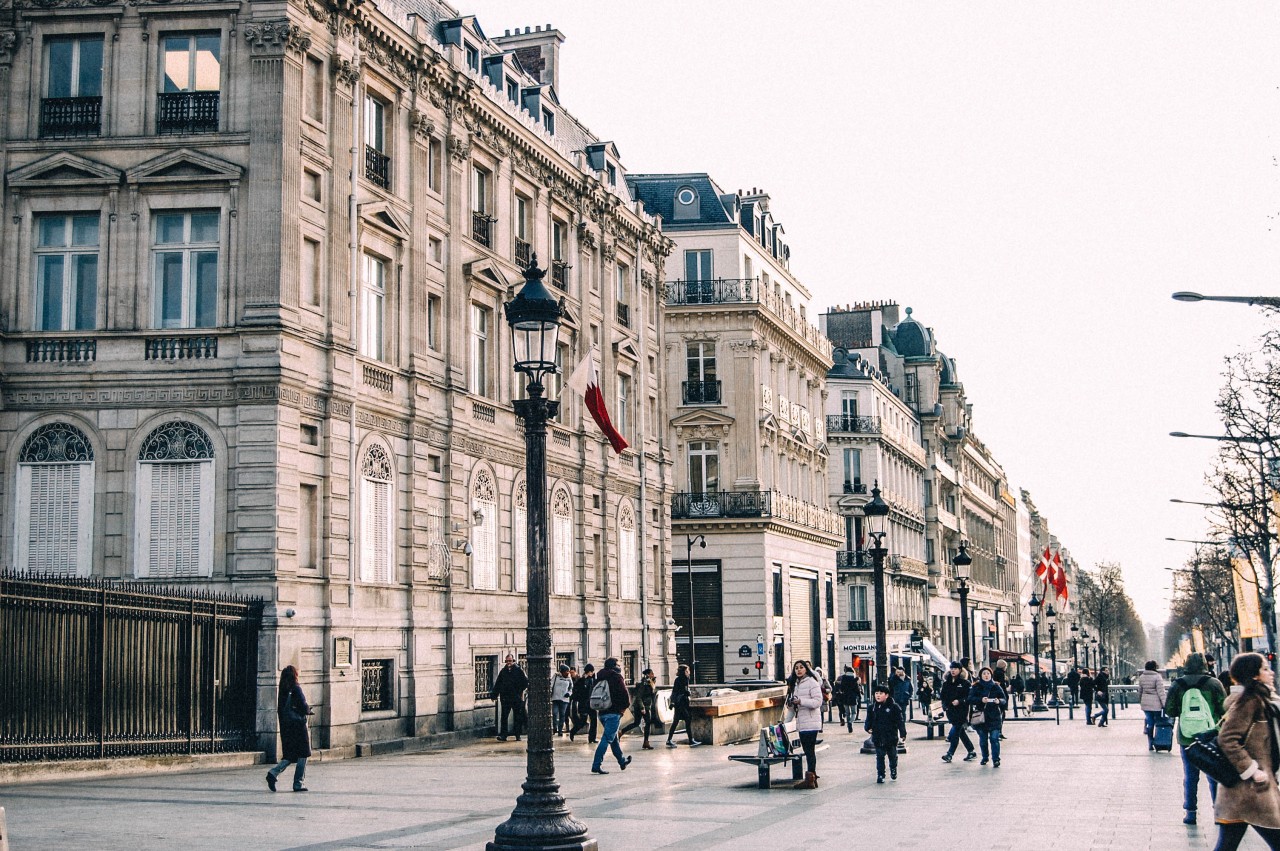
The itinerary concludes with a walk through the Tuileries Garden, designed by André Le Nôtre, toward the Place de la Concorde. This axis represents the "Voie Triomphale" (Triumphal Way), a monumental line of sights that connects the Louvre to the modern district of La Défense.
Gastronomic Context and Culinary Standards
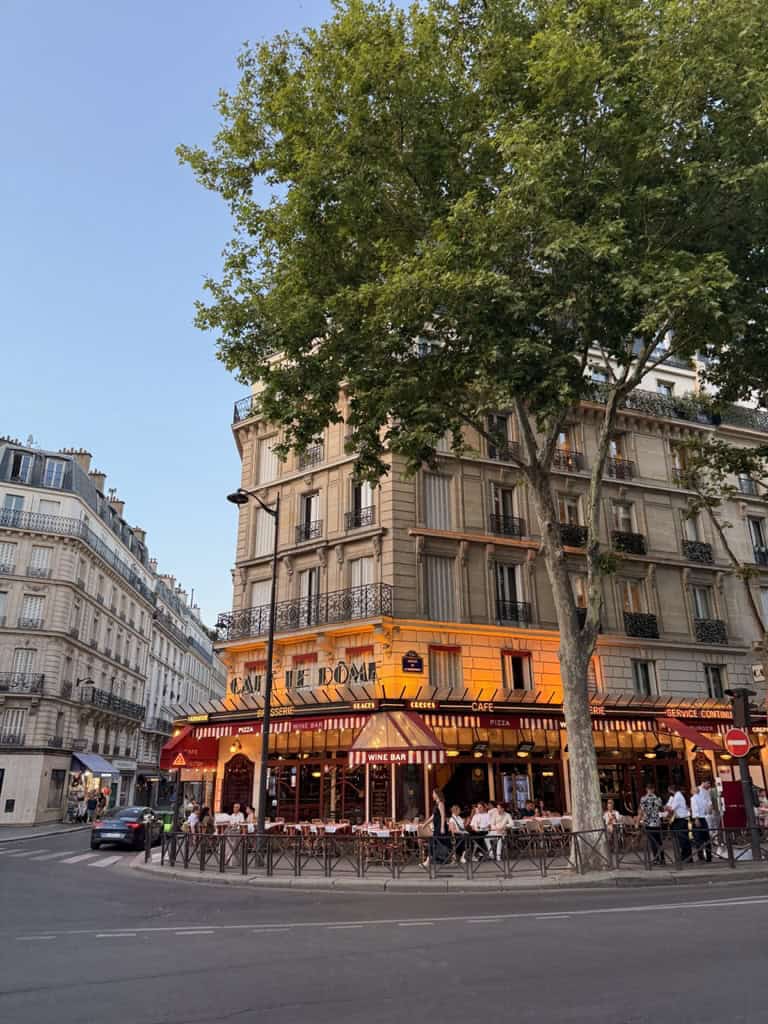
The French meal was added to UNESCO’s Representative List of the Intangible Cultural Heritage of Humanity in 2010. In Paris, the culinary landscape is divided into several tiers: the boulangerie (bakery), the brasserie (large, all-day eateries), and the haute cuisine establishments.
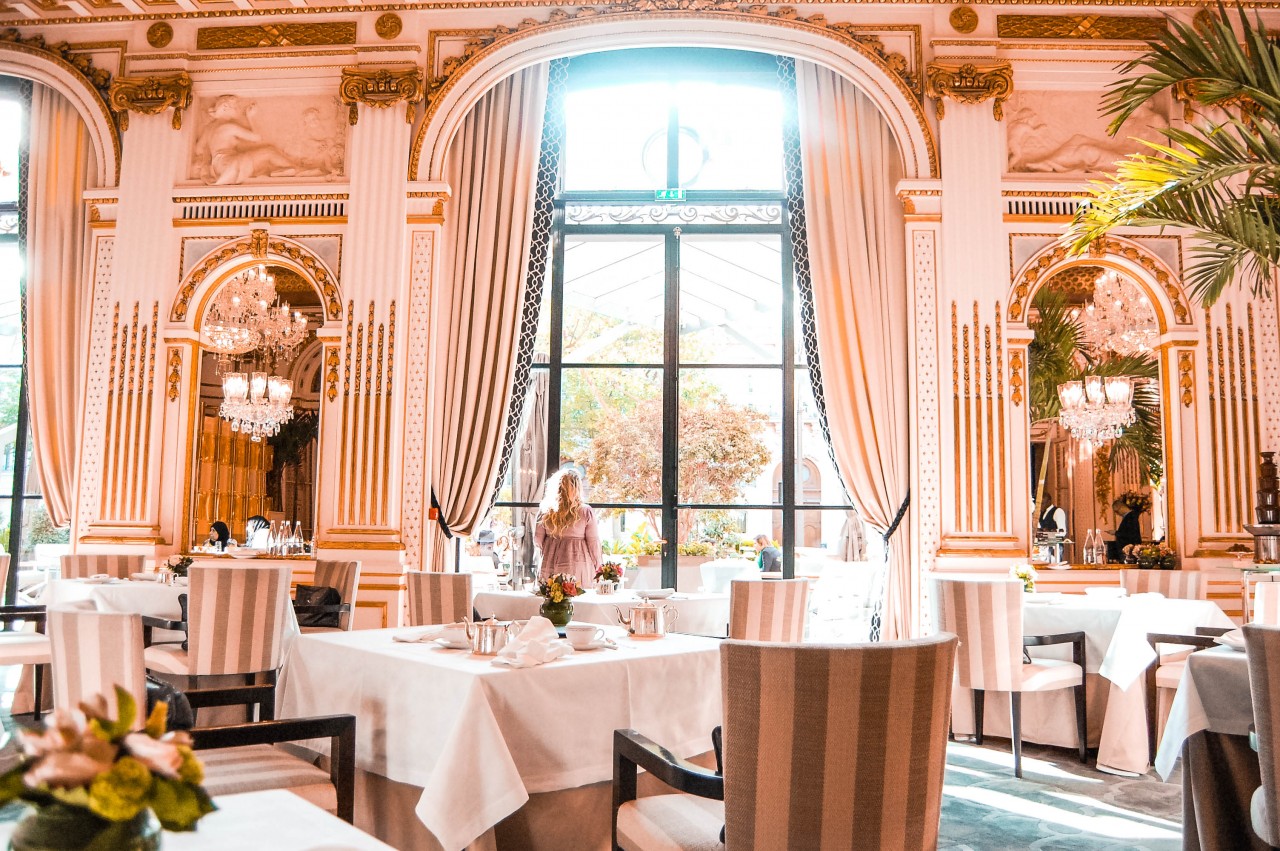
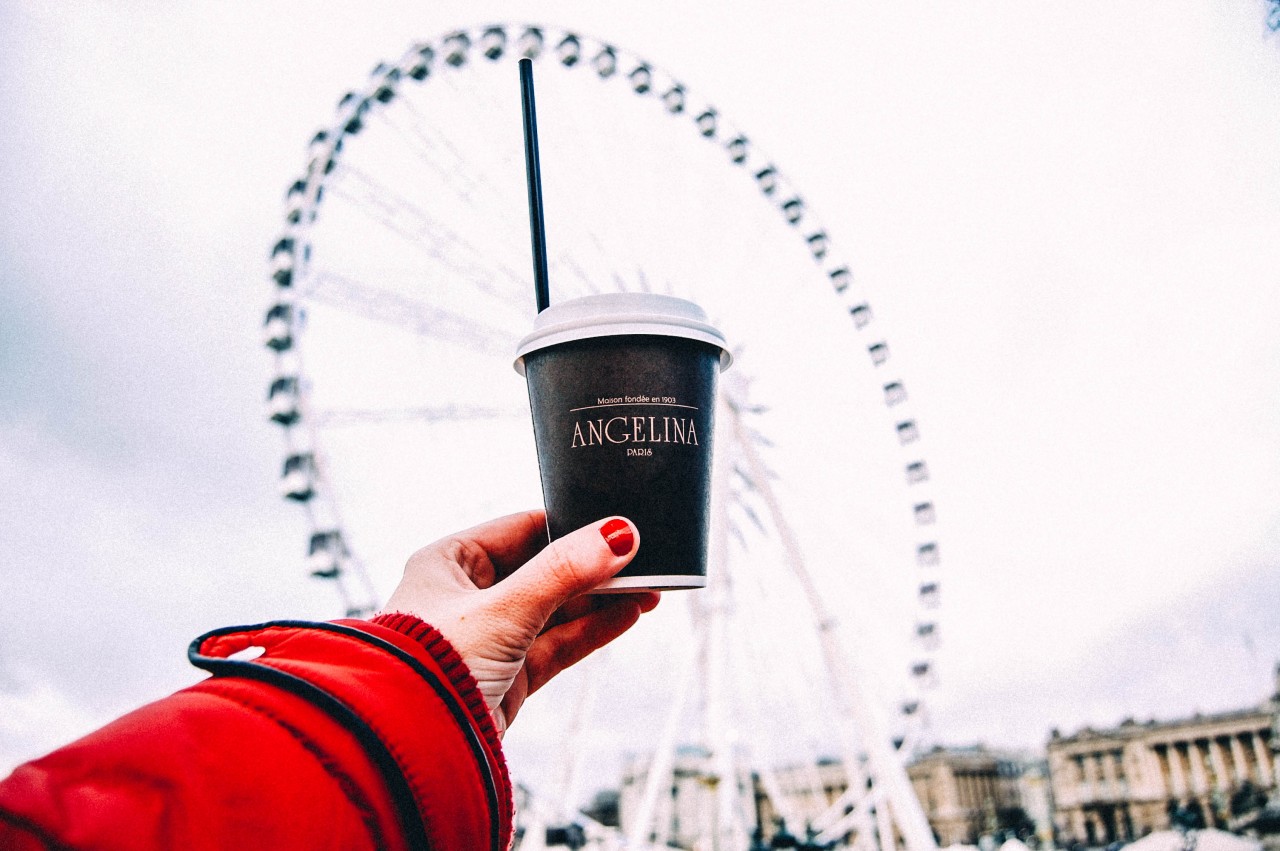
Notable historic locations include Angelina on Rue de Rivoli, established in 1903 and famous for its African-sourced hot chocolate, and Le Train Bleu, located within Gare de Lyon, which offers an opulent dining environment characterized by 41 murals depicting the landscapes of France. For a more authentic, localized experience, Rue des Martyrs in the 9th arrondissement has emerged as a premier destination for specialized food shops and artisanal products.
The Growth of River Tourism: Seine and Rhône
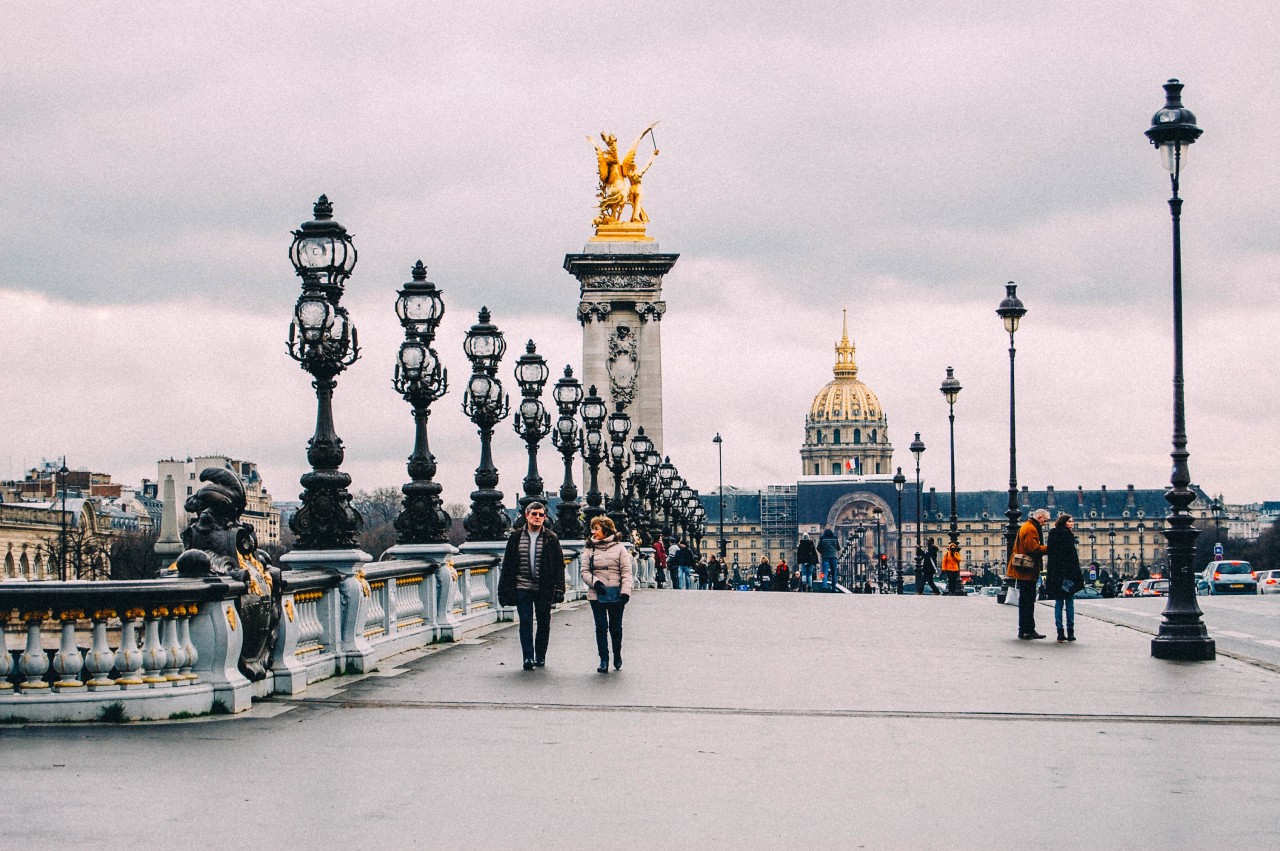
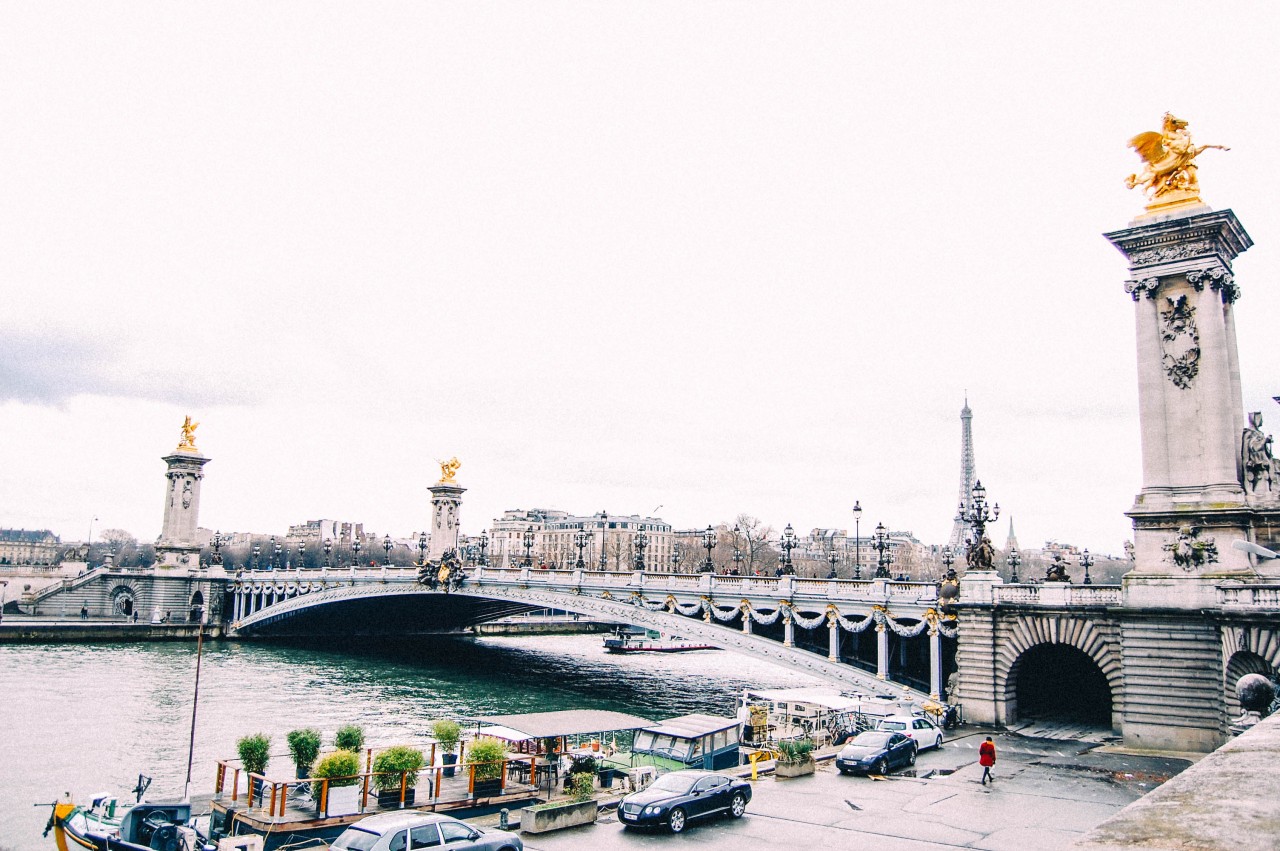
A significant trend in French tourism is the rise of river cruising. The Seine River serves as a vital corridor connecting Paris to Normandy. Cruises often depart from the shadow of the Eiffel Tower, traveling toward Rouen and the D-Day landing beaches. Industry reports indicate that river cruising offers a high degree of convenience, functioning as a "floating hotel" that eliminates the logistical friction of frequent hotel changes.
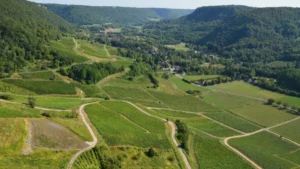
Similarly, the Rhône River in the south provides access to the gastronomic capital of Lyon and the lavender fields of Provence. For travelers with more than five days, integrating a river cruise is increasingly recommended by travel consultants as a way to experience the transition from the urban density of Paris to the agricultural and historical landscapes of the French interior.
Statistical Analysis and Broader Implications
The economic impact of tourism on Paris is profound. Tourism accounts for approximately 10% of the regional GDP of Île-de-France. However, the city faces the ongoing challenge of "overtourism" at major sites. The implementation of time-slot reservations at the Louvre and Versailles represents a data-driven shift toward sustainable crowd management.
Furthermore, the "Plan Vélo" initiative has seen the city install over 1,000 kilometers of bike lanes, signaling a transition toward greener tourism. Visitors are increasingly encouraged to utilize the "Vélib’" bike-sharing system, which recorded over 40 million trips in a single year, reflecting a broader European trend toward urban sustainability.
Conclusion
A successful visit to Paris requires more than a list of landmarks; it demands an understanding of the city’s historical layers and its modern infrastructure. By following a structured five-day itinerary, travelers can move from the Roman foundations of the Latin Quarter to the monarchical grandeur of Versailles and the artistic innovations of the 19th century. As the city continues to modernize its transit and environmental policies, it remains a resilient and evolving destination that rewards disciplined planning and cultural curiosity.