What to Pack for a New England Fall Road Trip: My Ultimate Checklist (Plus how to pack in a carry on!)


A road trip through New England during the autumn season is widely considered one of the premier travel experiences in the United States, drawing millions of domestic and international visitors annually. Spanning Vermont, New Hampshire, Maine, Massachusetts, Rhode Island, and Connecticut, the region undergoes a dramatic transformation as deciduous forests turn shades of crimson, orange, and gold. However, the logistical reality of traversing this area during the peak foliage window—typically late September through mid-October—requires meticulous preparation due to the region’s notoriously volatile climate.

Understanding New England’s Meteorological Variability
The primary challenge for travelers in New England during the fall is the rapid transition of weather conditions. Data from the National Weather Service indicates that autumn temperatures in the Northeast can fluctuate by as much as 30 degrees Fahrenheit within a 24-hour period. Mornings in higher elevations, such as the White Mountains of New Hampshire or the Green Mountains of Vermont, often hover near freezing, while afternoon temperatures in coastal regions may climb into the mid-60s.
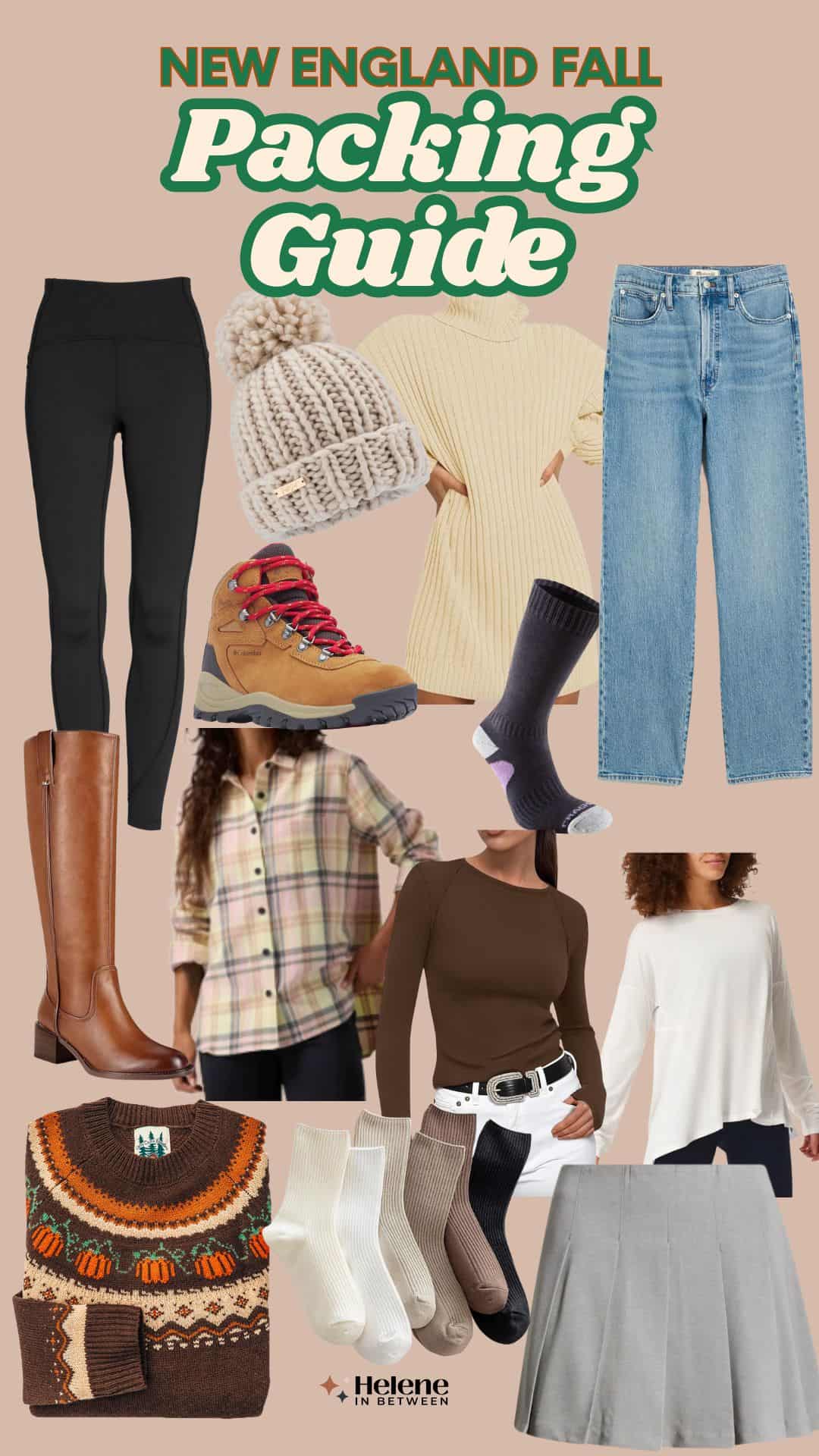
Furthermore, rainfall is statistically significant during the transition from September to October. Travelers should anticipate at least one major precipitation event during a standard one-week itinerary. Humidity levels drop as the season progresses, but the presence of damp conditions necessitates high-quality, moisture-wicking materials and reliable waterproof outwear.

Strategic Packing: The Art of Layering
To maximize mobility while minimizing luggage weight—a common requirement for those utilizing carry-on-only travel—experts recommend a "modular" wardrobe approach. This system prioritizes versatility, where each garment serves at least two distinct purposes.

- The Base Layer: High-performance, moisture-wicking long-sleeve tops are essential. Synthetic blends or merino wool are preferred over cotton, as they retain thermal properties even when damp and dry significantly faster.
- The Mid-Layer: Chunky knit sweaters or fleece pullovers act as the primary insulators. These items should be easy to remove or add as the temperature changes throughout the day.
- The Outer Shell: A high-quality, breathable, and waterproof rain jacket is the single most important investment for a New England trip. Field reports from seasoned travelers suggest that 3-in-1 systems—which include a removable fleece or down liner—offer the best flexibility for changing elevations.
- Lower-Body Garments: Durable, high-stretch leggings or dark-wash denim remain the standard for comfort. For those engaging in outdoor activities like hiking or walking through orchards, technical trousers with water-resistant coatings are highly recommended.
Footwear Requirements for Diverse Terrains
The New England landscape demands varied footwear. A typical day might involve a morning hike on a gravel-heavy trail, followed by an afternoon walking through a historic town center.

- Hiking Footwear: Waterproof, ankle-supporting boots with aggressive tread patterns are vital. The "leaf-peeping" season creates slippery conditions as foliage decomposes on trails and roads, increasing the risk of falls.
- Casual Footwear: A pair of leather or suede boots is often sufficient for town exploration and dining. These should be comfortable enough to accommodate significant walking, as many historic New England towns are best experienced on foot.
- Socks: The importance of wool-blend, moisture-wicking socks cannot be overstated. They are the primary defense against blisters and cold-related discomfort.
The Role of Accessories in Thermal Regulation
Accessories serve as the most efficient tools for thermal management. A wool or synthetic beanie is necessary for early morning photography sessions or evening excursions, as a significant portion of body heat is lost through the head. Similarly, scarves and gloves can be easily stored in a daypack and deployed instantly when the temperature drops, preventing the need to return to the vehicle for additional layers.

Technical and Road Trip Essentials
Beyond clothing, a successful New England foliage tour requires specific gear to navigate both the geography and the influx of tourism.

- Navigation: While GPS is standard, cellular service can be sporadic in rural Vermont and Maine. Downloading offline maps for the entire region is a standard safety protocol.
- Photography Gear: For those documenting the foliage, a circular polarizer is recommended to reduce glare on leaves and water surfaces, effectively increasing the saturation of the autumn colors. Extra batteries are also essential, as cold temperatures significantly reduce the lifespan of lithium-ion batteries.
- Emergency Kit: Every vehicle should be equipped with a basic first-aid kit, a portable power bank, a flashlight, and a physical map of the region.
The Economic and Cultural Impact of Foliage Tourism
The "leaf-peeping" economy is a vital component of New England’s fiscal health. According to regional tourism boards, states like Vermont and New Hampshire see a massive influx of revenue during these six to eight weeks. Businesses, from small-scale maple syrup producers to historic inns, often derive a significant percentage of their annual revenue during this brief period.

Because of the high demand, accommodation prices rise and availability drops sharply. Industry analysts advise booking lodging and rental vehicles at least six months in advance. The concentration of vehicles on narrow, winding roads also leads to traffic congestion; travelers are encouraged to plan their itineraries to visit popular landmarks, such as the Kancamagus Highway or Stowe, during weekday mornings to avoid peak crowds.
Environmental Stewardship and Trail Safety
As visitors flock to the region, the impact on natural resources has become a point of concern for local authorities. "Leave No Trace" principles are strictly enforced. Visitors are reminded that wandering off-trail to capture the perfect photograph can cause irreparable damage to sensitive alpine vegetation. Additionally, the prevalence of ticks in the Northeast remains a concern well into the autumn months; wearing long pants and using insect-repellent-treated clothing is a standard recommendation from local health departments.

Summary of Best Practices for Travelers
To ensure a seamless experience, travelers should focus on the following pillars:

- Prioritize Function Over Fashion: While the aesthetic of the region is a major draw, the climate is unforgiving. Prioritize waterproof and thermal-regulating fabrics.
- Prepare for Connectivity Gaps: Do not rely solely on real-time internet access for navigation.
- Respect Local Regulations: Many of the most scenic spots are located on private property or protected state lands. Adhere to all signage regarding parking and restricted areas.
- Monitor Foliage Reports: Use official state foliage trackers, which are updated weekly based on ground-level observations, to adjust travel plans for the most vibrant color displays.
By balancing the romantic appeal of New England’s autumn with a practical, prepared approach to the region’s physical and environmental demands, travelers can enjoy the full scope of the foliage season safely and comfortably. Whether hiking the peaks of the Adirondacks or exploring the coastal villages of Maine, the right preparation is the difference between a difficult trek and a rewarding, bucket-list experience.