July 2026 Monthly Recap A Summer of Intense Travel and Reflections on Sustainable Pacing

July 2026 proved to be an exceptionally high-density month for international travel, characterized by a rapid succession of engagements across Europe. From the urban centers of Central Europe to the coastal regions of the Mediterranean and the rugged landscapes of Ireland, the itinerary reflected a period of significant logistical complexity. As the global travel industry continues to rebound, such intensive travel schedules are becoming increasingly common among professional travelers and digital nomads, raising pertinent questions regarding long-term sustainability, the necessity of downtime, and the evolving nature of the travel lifestyle.
Chronology of a High-Frequency Itinerary
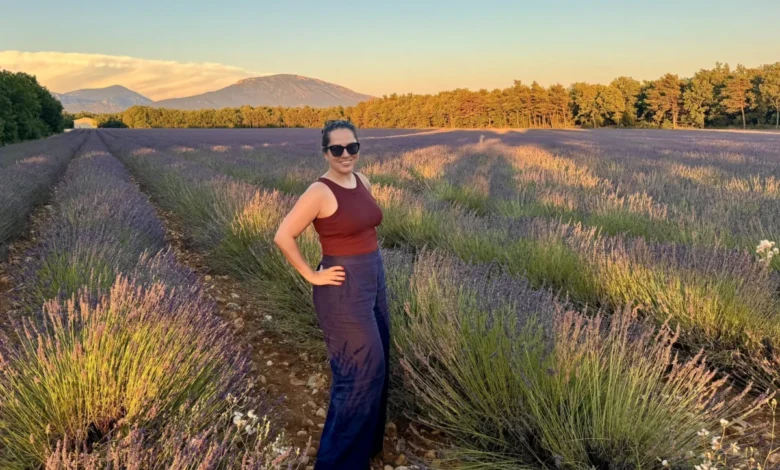
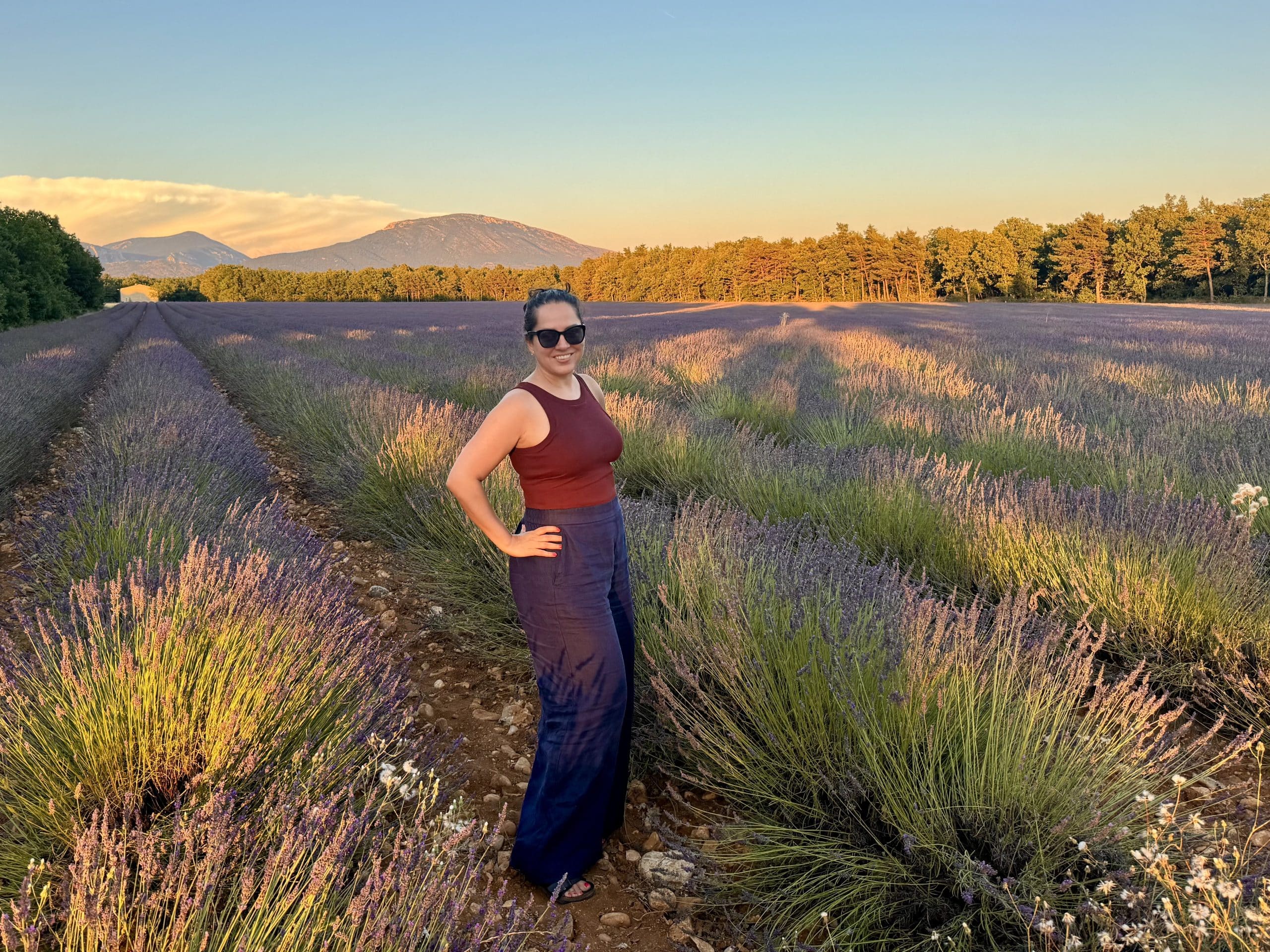
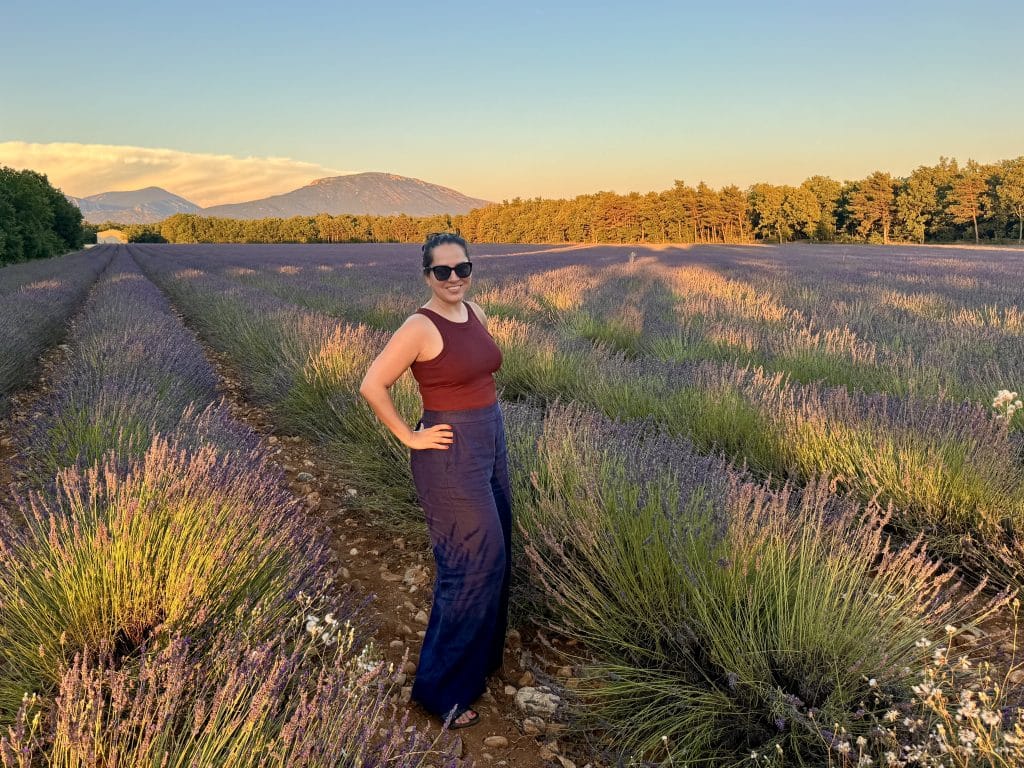
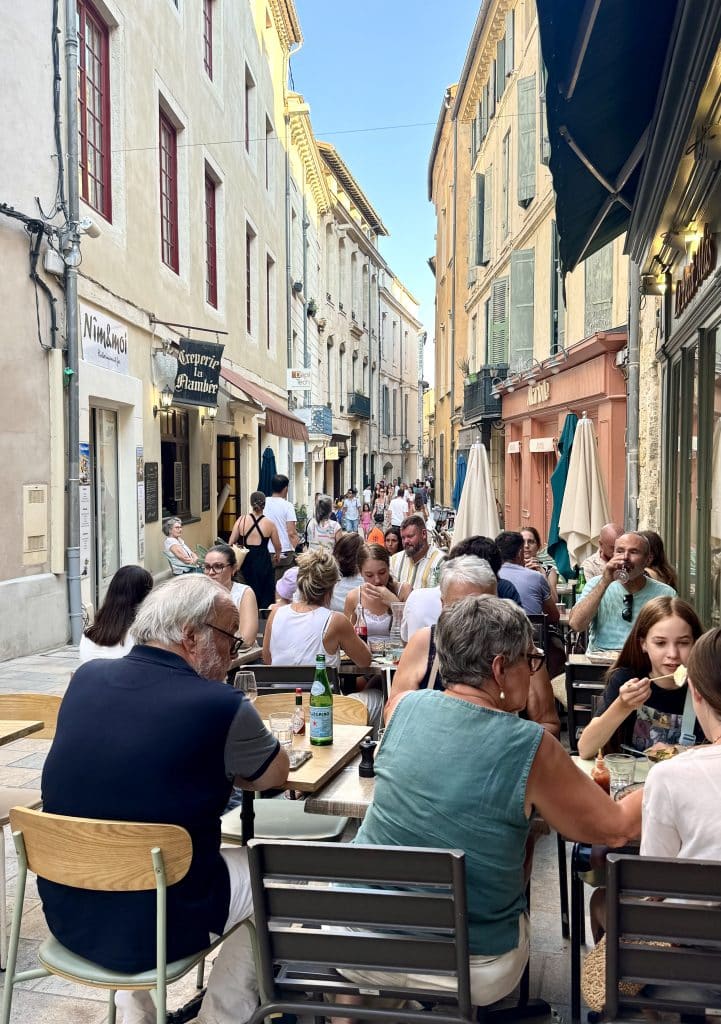
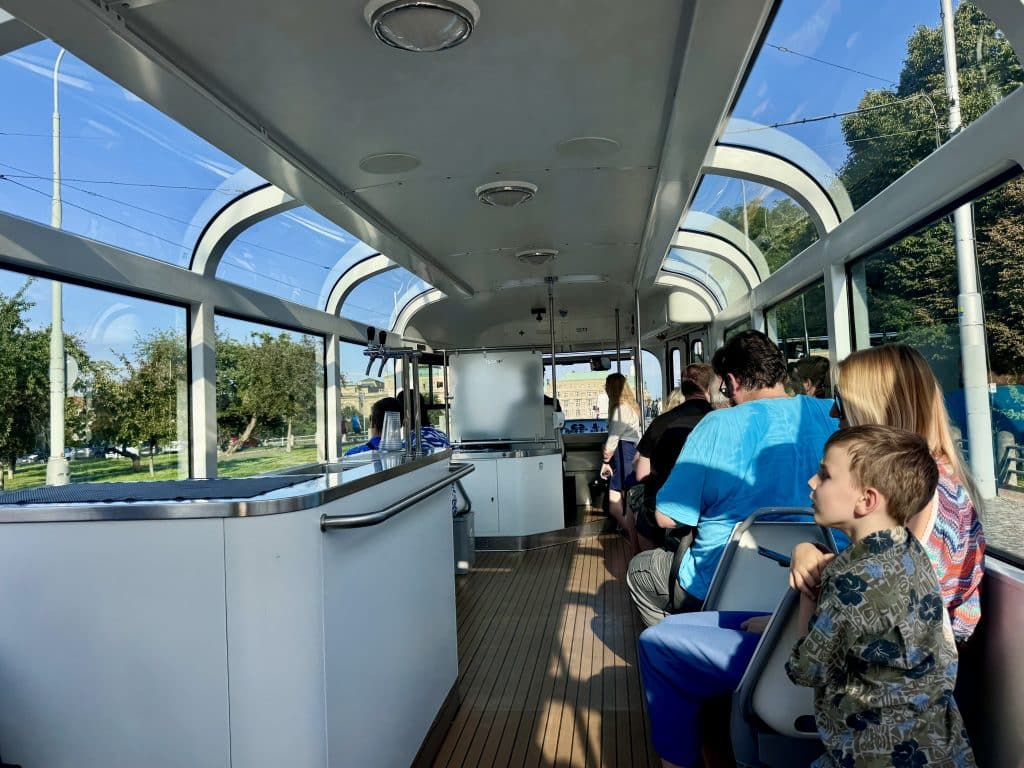
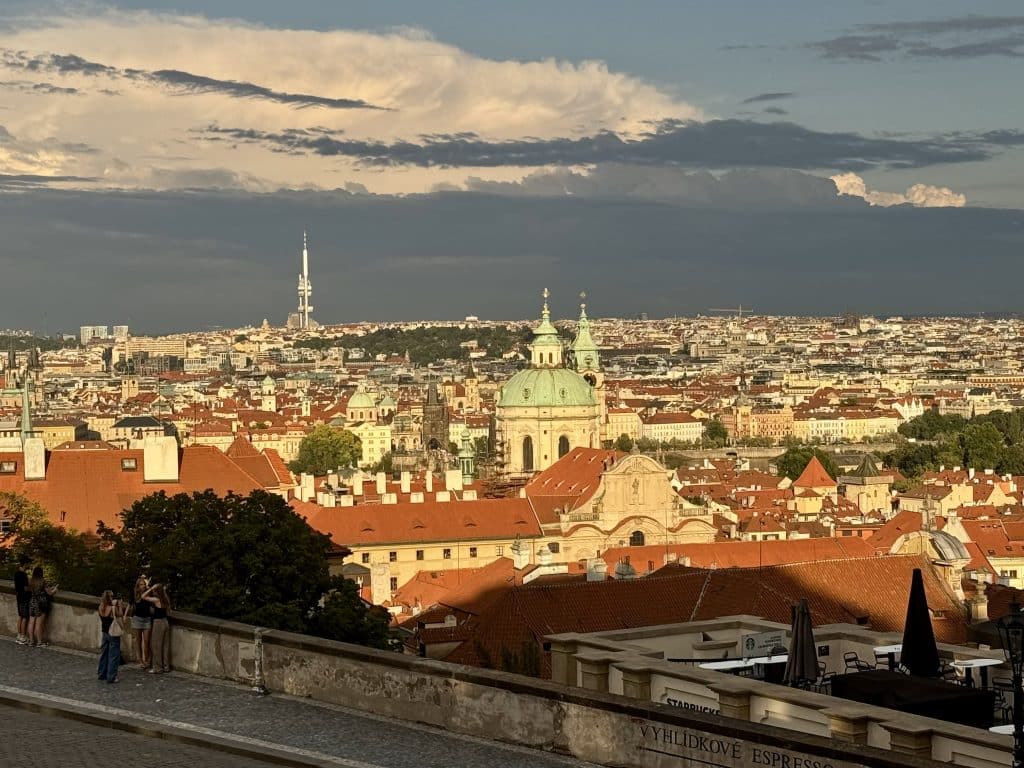
The month’s activities began in Prague, Czech Republic, serving as an operational base for various excursions. The early portion of July was defined by a shift toward Western Europe, specifically the Provence region of France. This period was centered around a series of private social events, including a wedding ceremony at the Domaine de Valbonne. The travel route encompassed the Gorges du Verdon, known for its significant geological formations, and the coastal towns of La Ciotat and Saint-Cyr-sur-Mer.
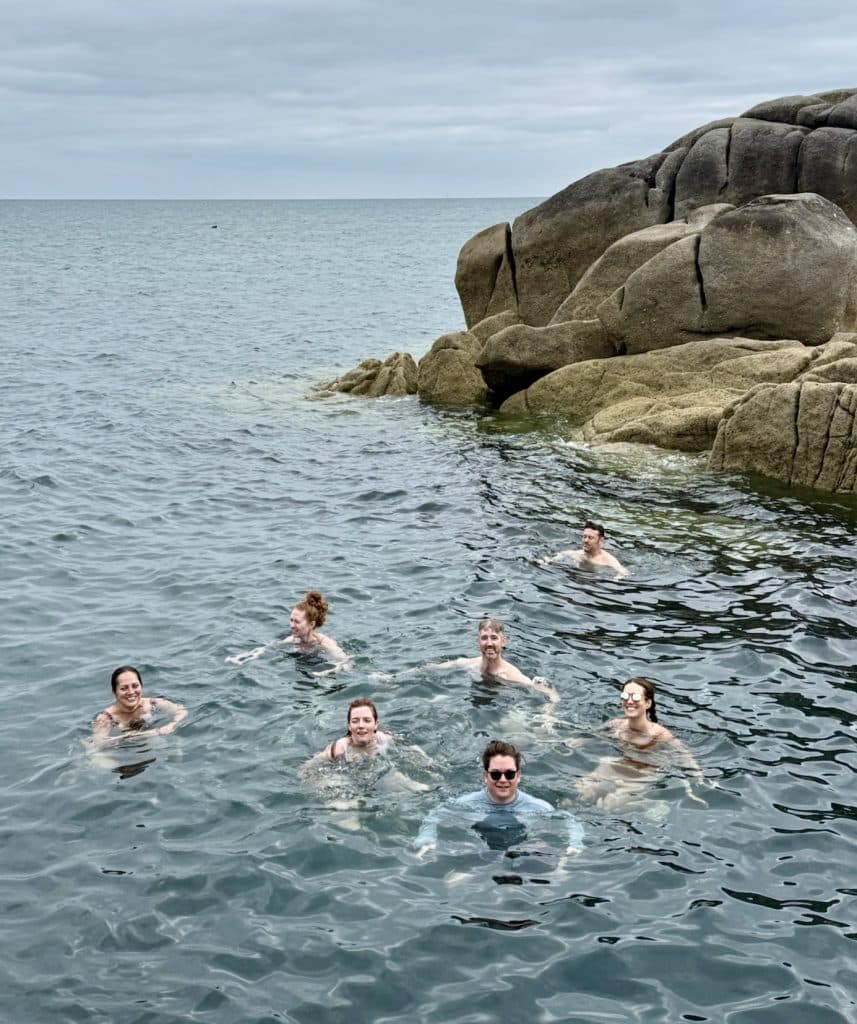
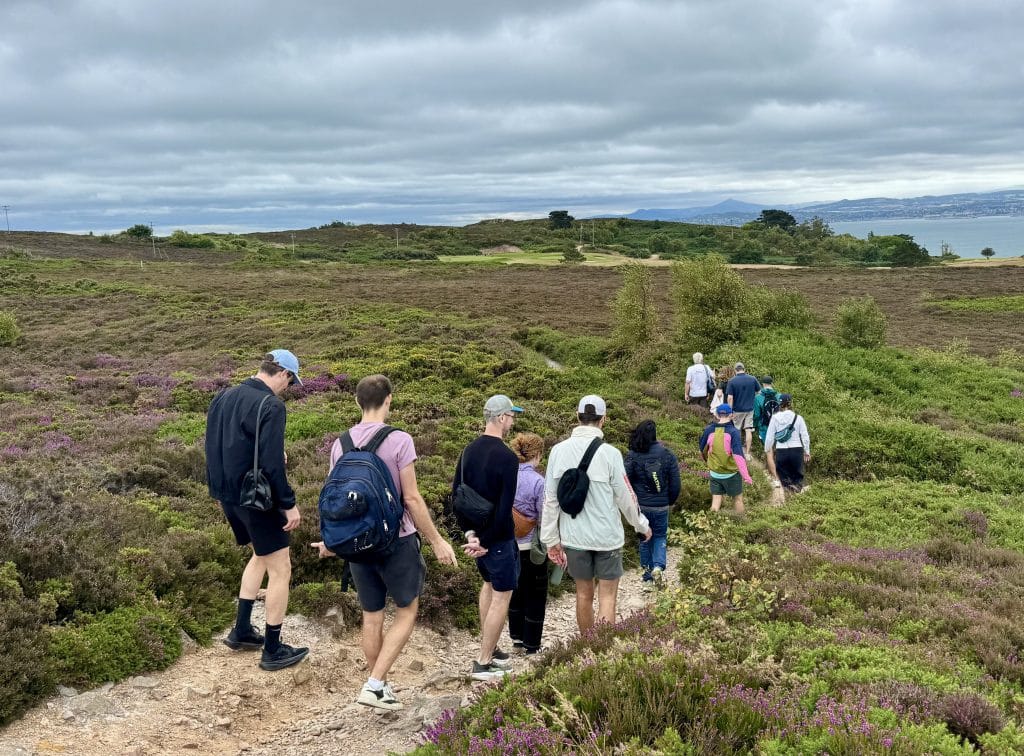
Following the French leg, the itinerary transitioned to Dublin, Ireland, to attend a private family event. The travel then returned to Prague for a brief interlude before concluding the month with a journey to Naples and the island of Ischia, Italy. This rapid transition between diverse geographic and cultural environments represents a demanding pace, necessitating high levels of adaptability and constant logistical management.
Operational Challenges and Infrastructure Realities

The intensity of this schedule exposed common vulnerabilities in contemporary travel, most notably in infrastructure and logistics. A significant technical failure involving a motor vehicle on a major highway highlighted the inherent risks associated with high-frequency road travel. While the incident resulted in no physical injuries, it underscored the psychological toll that sudden, unexpected crises can impose during a trip.
Furthermore, the experience in Provence highlighted the ongoing issue of climate-related preparedness in the travel sector. A failure to secure accommodation equipped with adequate climate control during a period of extreme heat—with temperatures reaching 38 degrees Celsius (100 degrees Fahrenheit)—serves as a cautionary note for travelers visiting Southern Europe during the summer months. Industry experts suggest that as heatwaves become more frequent, travelers must prioritize climate-resilient infrastructure, or alternatively, shift travel patterns to shoulder seasons to mitigate health risks and ensure comfort.
The Impact of Constant Mobility on Professional Productivity
The concept of "travel burnout" has emerged as a significant topic of discussion within the remote work and digital nomad communities. For professionals who rely on mobility to maintain their output, the constant change in environment often creates a state of discombobulation. Research into remote work environments suggests that consistent routines are vital for sustained cognitive performance. Frequent changes in accommodation, time zones, and workspaces can disrupt the "circadian rhythm" of professional output, leading to a decline in both work quality and the ability to effectively relax.
For many, the emotional strain of extended absences from home—specifically for pet owners—compounds the physical exhaustion of travel. The transition from a stable domestic environment to a state of perpetual movement requires a high degree of emotional labor, which is often overlooked in traditional travel reporting.
Strategic Shifts in Future Travel Planning
In response to the cumulative fatigue experienced throughout the summer, a strategic shift in travel policy is currently being implemented. The objective is to move away from an "event-driven" schedule—where travel is dictated solely by fixed calendar dates—toward a more balanced, quarterly model.
The proposed framework involves limiting travel to one short-duration trip and one long-duration trip per quarter. This approach aims to reduce the "velocity" of travel, allowing for adequate recovery time and the maintenance of personal routines. By auditing the necessity of each trip, travelers can effectively reduce their carbon footprint and increase the quality of their professional output. This transition marks a broader trend among long-term travelers who are seeking to integrate their passion for exploration with a more stable and sustainable personal life.

Cultural Engagement and Media Consumption Patterns
Beyond the logistics of travel, the month provided opportunities for cultural and intellectual enrichment. In Prague, attendance at the Prague Shakespeare Company’s production of As You Like It offered a case study in how international artistic groups maintain cultural relevance in foreign markets. Furthermore, the engagement with media, specifically the consumption of long-form analytical content such as Netflix’s Outlast: The Jungle, provided insights into contemporary social dynamics, particularly regarding gender roles and team-based cooperation under stress.

The month also marked the completion of a long-term personal initiative: reviewing the 500 albums listed in Rolling Stone’s "Greatest Albums of All Time." This challenge, which spanned over 18 months, underscores the value of structured, long-term personal projects that can be pursued regardless of geographic location. The final assessment of this list highlights the influence of foundational pop and rock albums, such as The Beach Boys’ Pet Sounds and Marvin Gaye’s What’s Going On, as cornerstones of modern musical culture.
Looking Ahead: The 100-Country Milestone
As the focus shifts toward August and September, the travel itinerary remains robust but is increasingly focused on legacy achievements. The upcoming expedition to Africa—incorporating Cape Town, South Africa, and a tour through Botswana, Zambia, and Zimbabwe—carries significant weight, as it is expected to push the total count of visited countries past the 100-nation milestone.
This milestone represents a significant achievement in the life of a professional traveler, serving as an inflection point for evaluating past experiences and future objectives. The inclusion of family members in this upcoming phase of the journey adds a dimension of intergenerational travel, which is increasingly recognized for its role in fostering deeper cultural appreciation and shared family history.
Implications for the Travel Industry
The patterns observed in July 2026 reflect a broader shift in how the global travel industry is being utilized. Travelers are no longer merely seeking transit; they are seeking integration. Whether it is through participating in localized events, engaging with regional art, or critically evaluating the socio-political context of the countries they visit, the modern traveler is increasingly concerned with the quality and depth of the experience.

As the industry moves into the final quarter of 2026, the data suggests that while demand remains high, there is a clear segment of the market—specifically among long-term, high-frequency travelers—that is prioritizing sustainability, mental health, and structural stability over sheer geographic reach. The industry must adapt by providing more robust support for remote workers, better infrastructure for climate adaptation, and more flexible, long-term booking options that accommodate the evolving needs of a mobile workforce. The lessons learned in July serve as a foundation for a more disciplined, and perhaps more rewarding, approach to global exploration in the years to come.
Related posts: