Responsible Riding in the Red Rock Kingdom: Essential Etiquette for Mountain Biking in Moab, Utah

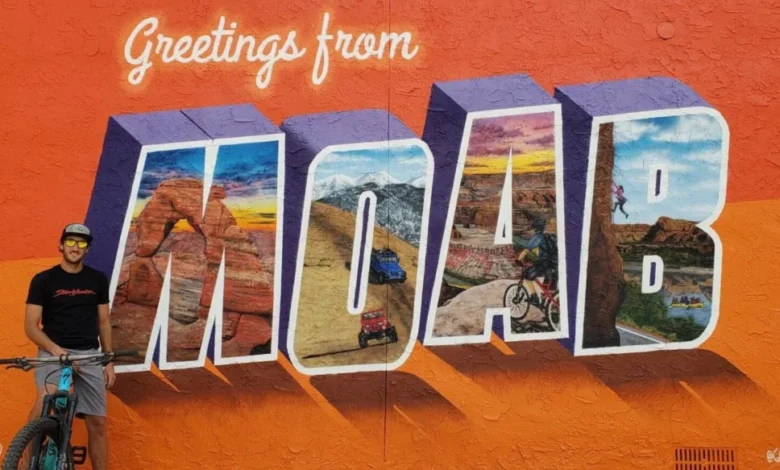
Moab, Utah, a landscape defined by its towering orange mesas, sprawling sagebrush lowlands, and ancient sandstone arches, has long captivated outdoor enthusiasts. For mountain bikers, this iconic region offers an unparalleled experience, a stark contrast to the lush, subtropical forests found elsewhere. However, the allure of Moab’s unique terrain comes with a critical responsibility: understanding and adhering to a distinct set of guidelines for responsible recreation. This imperative was deeply felt by Kenny Gorham, owner of Bighorn Mountain Biking, who moved to Moab in 2017, transitioning from the verdant trails near his hometown of Tampa, Florida, to the challenging slickrock and delicate cryptobiotic crust of the high desert. His journey from a visitor to a local expert underscores the significant learning curve involved in navigating Moab’s sensitive environment safely and respectfully.
The Allure of Moab’s Red Rock Trails
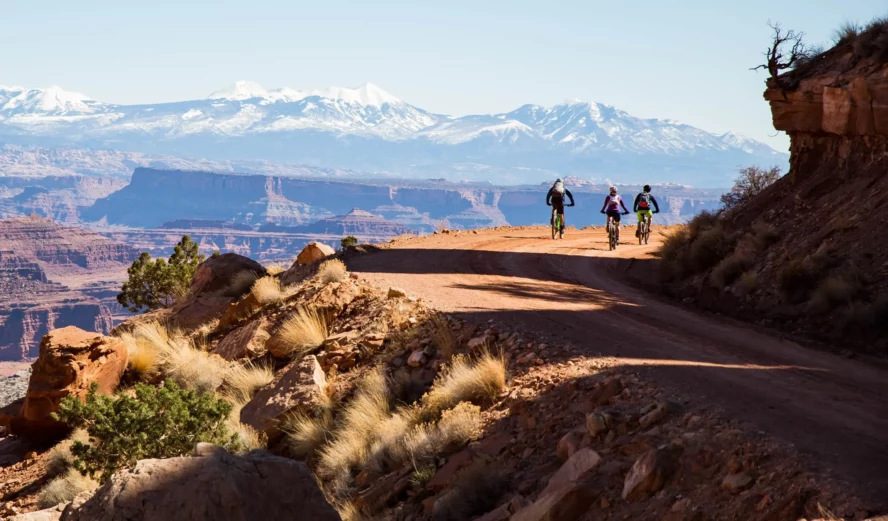
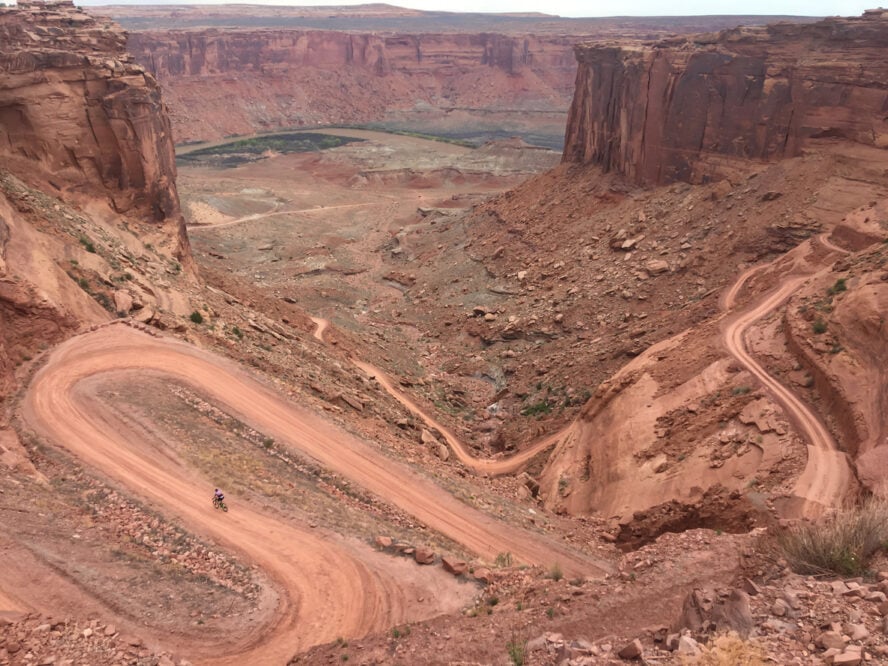
Moab’s geological formations, primarily the Entrada Sandstone layer, create a unique slickrock surface that provides exceptional grip and an exhilarating ride. This, combined with vast networks of trails winding through breathtaking canyons and alongside the Colorado River, has cemented Moab’s reputation as a premier global destination for mountain biking. The region boasts over 900 rideable miles of trails, catering to all skill levels, from beginner-friendly loops to the formidable "Whole Enchilada." These trails offer panoramic views of the La Sal Mountains, Dead Horse Point State Park, and the vast expanse of Arches and Canyonlands National Parks, attracting hundreds of thousands of visitors annually.
A Legacy Forged in Dirt: Moab’s Mountain Biking History
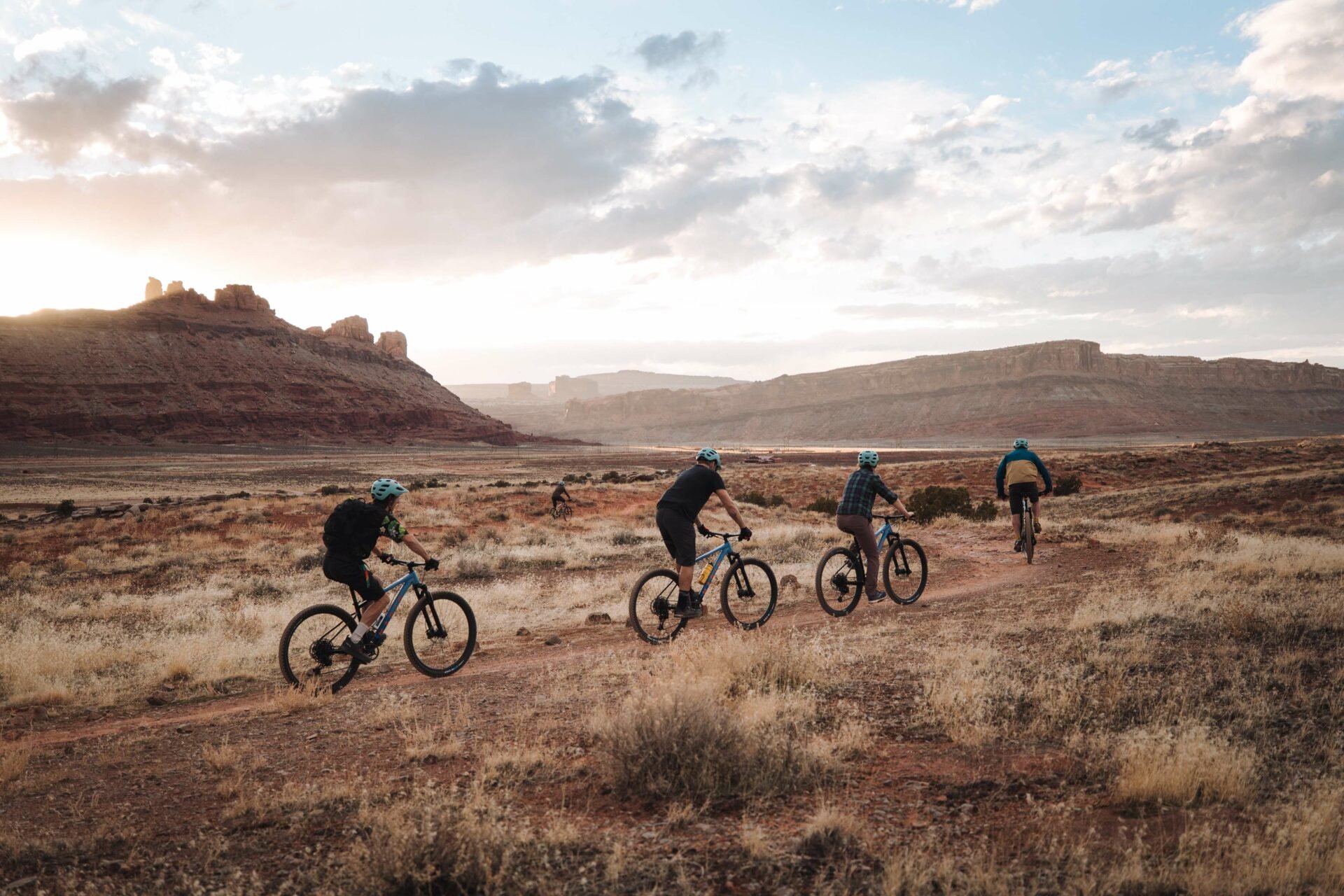
The roots of mountain biking can be traced back to California in the 1970s, where early pioneers began modifying bicycles for off-road use. It wasn’t long before high-level riders, seeking more challenging and diverse terrain, turned their attention to the Colorado Plateau. This exploration led to the "discovery" of many of the region’s now-famous mountain biking spots, including those around Moab.
Moab itself has undergone a remarkable transformation. Once a bustling uranium boomtown in the mid-20th century, its economy faced collapse after the bust. The town’s resilience, however, led to its reinvention as an outdoor recreation hub. A pivotal moment in this transition for mountain biking occurred in 1983 when a father-and-sons trio established Rim Cyclery, Moab’s first dedicated bike shop. This early establishment laid the groundwork for a burgeoning industry. The sport’s popularity truly "exploded" in 1985 with the launch of "Mountain Bike Magazine," which prominently featured Moab’s distinct landscape, showcasing it to a national audience. This exposure, coupled with ongoing trail development and the growth of local services, solidified Moab’s status, earning it the moniker "Adventure Capital of the West." Today, the town supports a vibrant mountain biking community, complete with multiple bike shops, guiding services, and a dedicated network of enthusiasts and stewards.
Kenny Gorham: From Subtropical Swamps to Slickrock Sage
Kenny Gorham’s personal trajectory mirrors the broader narrative of Moab’s appeal. Moving from the dense, humid forests of Tampa, Florida, in 2017, he faced a completely different riding environment. "Everything I knew from the forested trails near my hometown of Tampa had to be updated – the mountain biking was so totally different," Gorham recalls. The lush glades of the Gulf Coast were replaced by slickrock trails that could quickly turn into "peanut butter" mud after rain, and delicate cryptobiotic crust highly susceptible to damage. This radical shift necessitated a complete re-education in responsible recreation.
Gorham’s dedication to mastering this new terrain and his appreciation for Moab’s unique charm led him to establish his own bike shop and tour service, Bighorn Mountain Biking, in 2020. His business now thrives on guiding riders of all levels, sharing his deep knowledge of the local trails and, crucially, the etiquette required to preserve them. Having once been a visitor, Gorham now serves as an invaluable resource, emphasizing that responsible practices are not merely suggestions but fundamental requirements for enjoying and sustaining Moab’s natural wonders.
The Imperative of Desert Etiquette: Key Principles for Responsible Riding
The distinct ecological characteristics of Moab’s high desert environment demand a heightened sense of responsibility from all visitors. Gorham and other local experts stress several key etiquette tips to ensure the long-term health of the trails and a positive experience for everyone.
1. Protecting the Fragile Ecosystem: Stay on Marked Trails and Preserve the Cryptobiotic Crust
The desert ecosystem is remarkably delicate, far more susceptible to erosion and soil damage than denser forest environments. Central to this fragility is the cryptobiotic soil crust, a living layer composed of lichens, fungi, and cyanobacteria. This crust is not merely dirt; it’s a foundational biological community that plays a vital role in carbon fixation, nutrient cycling, and soil stabilization, preventing the landscape from transforming into barren sand dunes. It fosters the growth of iconic desert plants like cacti, sagebrush, and yuccas.
"As locals, we love our cryptobiotic soil. It plays a foundational role to how the desert operates," states Kenny Gorham. Once this essential layer is disturbed by off-trail riding or trampling, its recovery can take an exceptionally long time, often decades or even centuries, to fully regain its ecological function.
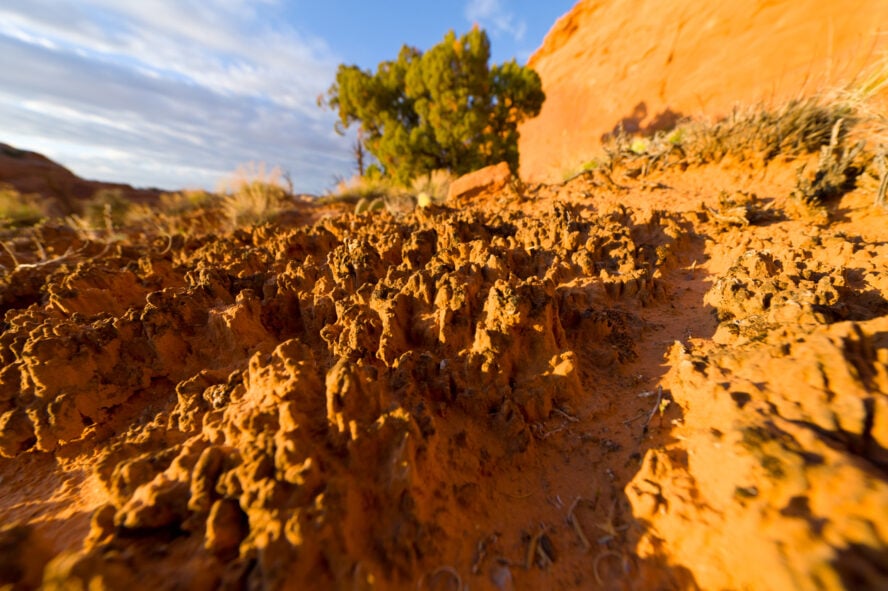
To mitigate this, Moab trails often feature "bordering" rocks to clearly delineate the path. However, the increasing popularity of Moab has led to the proliferation of "social trails" – unauthorized shortcuts or detours created by riders seeking a quicker route or a specific viewpoint. These unauthorized paths fragment the ecosystem, causing continuous and cumulative damage. It is paramount for riders to meticulously follow trail markers and cairns. Should a rider inadvertently stray off-route, the responsible action is to stop immediately, identify the marked trail, and retrace steps, rather than continuing to create new tread marks and further harm.
2. Navigating Adverse Conditions: The Dangers of Wet Trails
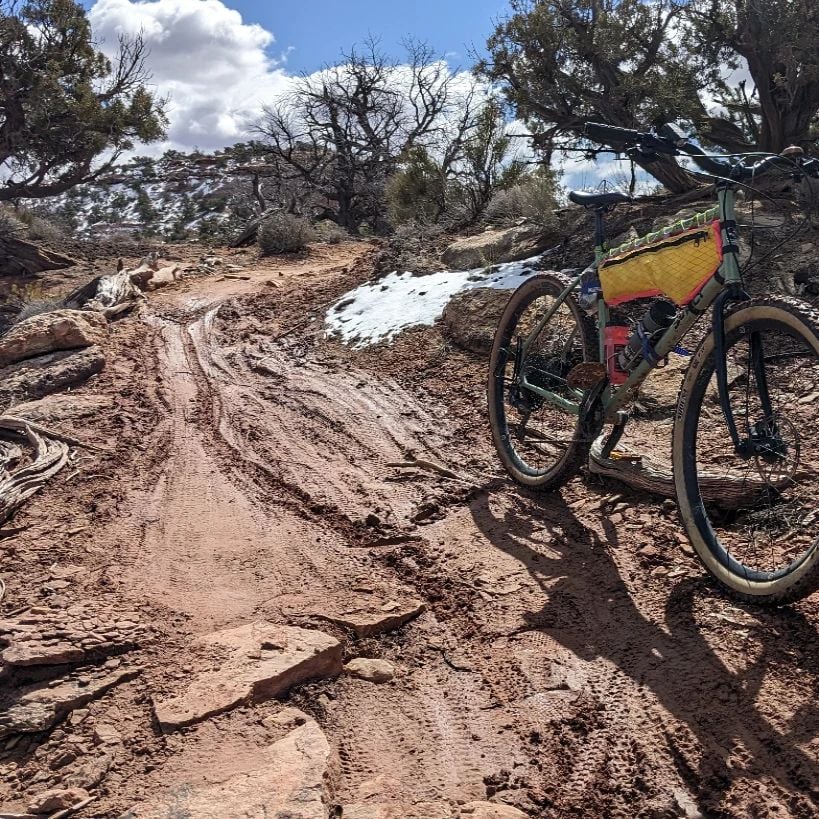
While a fresh layer of snow on the orange sandstone or a dramatic thunderstorm over the La Sal Mountains can be visually stunning, these weather events render many Moab trails impassable and vulnerable. Moab’s trails are predominantly composed of clay, a material that becomes incredibly saturated and slick after even minimal precipitation. Riding on these wet, muddy trails, often referred to as "peanut butter mud," can cause significant erosion, create deep ruts and divots, and make for an unpleasant and potentially dangerous experience.
"Once clay trails get saturated, it’s like riding through peanut butter. You end up creating bigger tracks and divots, and it won’t be a fun experience," Gorham explains. During winter, up to 60% of trails may be unrideable due to snow or mud, and many local bike shops will even refuse to rent equipment under such conditions to prevent environmental damage and ensure rider safety. Higher elevation trails can remain slushy well into spring.
The desert, thankfully, dries quickly. However, specific trail conditions are highly dependent on precipitation levels, wind, and sun exposure. Therefore, consulting local experts is crucial. Bike shops welcome calls from riders inquiring about trail status, as it demonstrates a commitment to responsible recreation. For high-elevation rides, late September to early November offers the best conditions, guaranteeing dry trails up to 10,000 feet. Lower elevation trails are generally excellent in both spring and fall.
3. Harmonious Coexistence: Respecting Diverse Trail Users
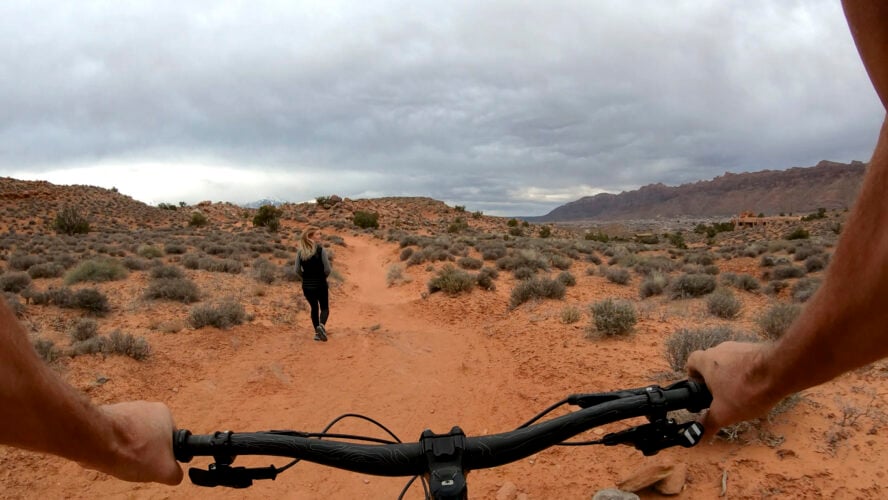
Moab is a paradise not just for mountain bikers, but also for hikers, horseback riders, and rock climbers. The majority of Bureau of Land Management (BLM) land trails are designated for mixed non-motorized use, necessitating a culture of respect and awareness among all user groups. While many hikers concentrate on dedicated trails within Arches and Canyonlands National Parks, encounters on shared paths are common. Dead Horse Point State Park offers some MTB-only singletrack for those seeking an exclusive biking experience.
Mountain bikes operate relatively quietly, making it essential for riders to announce their presence when approaching others. A clear, audible verbal warning, indicating the side on which a pass will occur, helps prevent startling hikers or equestrians. General trail etiquette dictates that mountain bikers yield to uphill riders and hikers. Furthermore, yielding to horseback riders is an absolute rule, as horses can be unpredictable; riders should await communication from the equestrian on how best to proceed.
Gorham stresses the importance of courtesy: "It’s easy to scare people when passing, and it leads to other trail users not liking mountain bikers. That causes trail advocacy groups and organizations to be less prone to support mountain bikers in Moab." Maintaining a respectful demeanor, avoiding excessive noise like whooping or loud music, contributes to a positive shared outdoor experience for everyone.
4. Active Stewardship: Engaging with Trail Organizations
The increasing popularity of Moab’s trails means they require consistent management and maintenance to meet the demands of diverse user groups. Active involvement in local trail organizations is a powerful way for riders to give back to the community and ensure the longevity of their beloved trails.
Moab Trail Mix is a prime example of such an organization, dedicated to enhancing non-motorized recreation opportunities. They organize trail days, stewardship projects, and events, providing platforms for volunteers to contribute to trail building and maintenance. These efforts are crucial for sustaining the estimated 200+ miles of non-motorized trails under their care. For those unable to participate physically, donations are equally valuable, directly funding critical trail work. Staying informed through their social media channels also offers updates on trail ethics and weather conditions.
5. Preparedness is Paramount: Essential Gear and Supplies for Desert Riding
The stunning, exposed landscapes of Moab, while breathtaking, offer little protection from the elements. The beaming sun and arid climate can quickly turn an enjoyable ride into a dangerous situation without adequate preparation. Dehydration, heat exhaustion, and mechanical failures are significant risks in an area where cell service is often non-existent across BLM lands, national parks, and canyons.
Kenny Gorham advises riders to "over prepare" with ample water, sun protection, food, and bike repair supplies. A general rule of thumb is at least one liter of water per hour of riding, with extra electrolyte tablets. Many first-time visitors underestimate the desert’s harshness and the increased hydration needs compared to more humid, wooded environments.
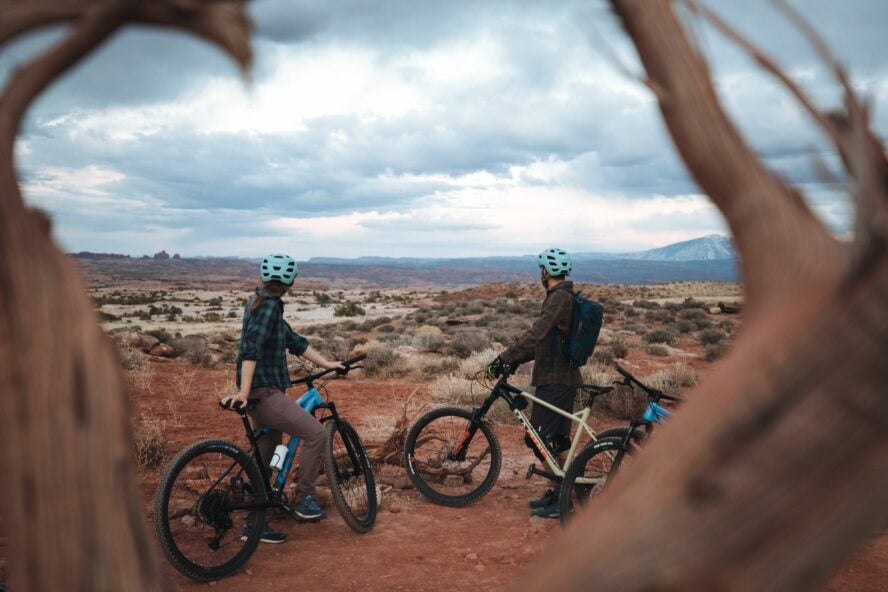
For safety, riding with a partner is highly recommended, and someone should always know your planned route. A standard tool kit, including a chain breaker, torx and hex keys, tire levers, a mini pump, a spare tube, a chain link, CO2 canisters, and a multi-tool, is essential for self-reliance. For longer, more technical, or unfamiliar trails, hiring a guide is a wise investment, as they possess not only route-finding expertise but also medical training, crucial in remote desert settings. "There’s nothing worse than seeing someone dehydrated or experiencing signs of exhaustion. This can be very dangerous in the desert," Gorham warns.
6. Upholding Environmental Integrity: Adhering to Leave No Trace Principles
The Leave No Trace (LNT) principles are universally important for outdoor recreation, but they hold particular significance in the sensitive desert ecosystem of Moab. The core tenet – leaving the trail exactly as it was found – is non-negotiable.
This means packing out everything. Organic waste like banana peels and orange rinds, often mistakenly believed to be harmless, decompose very slowly in arid environments and can attract wildlife, disrupting natural behaviors. Snack wrappers, toilet paper, and human waste are equally problematic. Riders must carry a small trash bag or Ziploc for all refuse, including dog waste. For longer rides requiring facilities, WAG Bags (Waste Alleviation and Gelling bags) are available at local shops and are designed for the safe and sanitary disposal of human waste.
Moab Trail Mix highlights the issue: "What happens if we leave our toilet paper? It takes longer for things to decompose. It has our waste on it, so it’s tempting for animals. And it visually impairs the hiking experience for others." Gorham emphasizes an even stricter interpretation for Moab, suggesting that riders strive to "not even leave footprints" off unmarked trails, underscoring the extreme fragility of the cryptobiotic soil.
7. Leveraging Local Expertise: The Value of a Guided Experience
While seemingly a commercial recommendation, hiring a guide is presented as a fundamental "etiquette tip" because it directly facilitates the successful adherence to all other responsible riding principles. Guides, like Kenny Gorham and his team, offer invaluable benefits, especially in an unfamiliar and ecologically sensitive environment.
"It’s nice to not have to worry about where you’re going; Moab has well-marked trails, but people still get nervous about getting lost and spend a lot of time navigating," Gorham notes. A private mountain biking tour provides not only expert navigation but also a wealth of information on the desert ecosystem, geological facts, and specific techniques for slickrock riding. This allows riders to focus on enjoying the experience rather than constantly consulting maps or worrying about getting lost. The presence of a medically-trained guide also offers an enhanced layer of safety, which is particularly crucial for families or groups with less experienced riders venturing into the harsh desert elements.
The Broader Impact: Sustaining Moab’s Adventure Capital Status
The collective adherence to these principles by visitors and locals alike is vital for the sustained health of Moab’s environment and its vibrant outdoor recreation economy. Irresponsible actions, such as off-trail riding or improper waste disposal, have far-reaching implications beyond immediate visual blight. They contribute to accelerated erosion, destabilize delicate ecosystems, and can lead to a decline in biodiversity. Environmentally degraded trails diminish the quality of the visitor experience, potentially deterring future tourism and impacting local businesses.
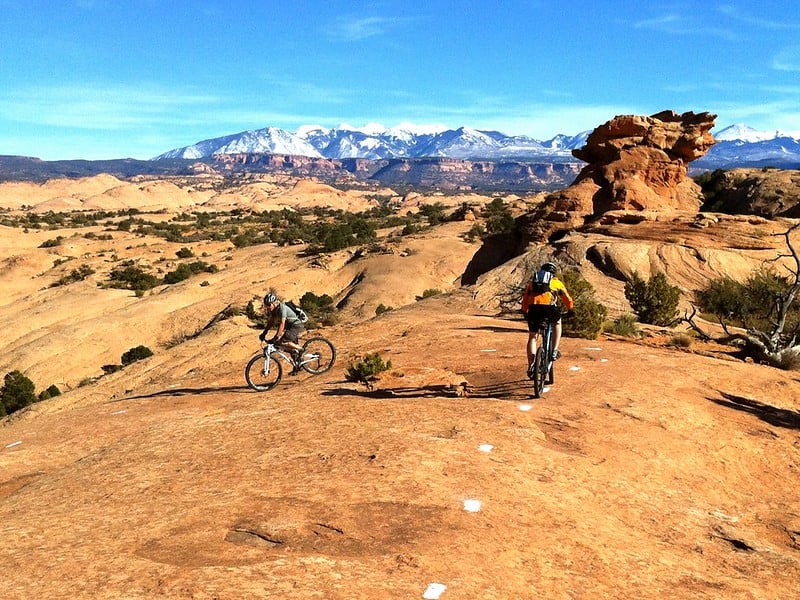
Conversely, a commitment to responsible recreation fosters a positive relationship between visitors and the local community, strengthens trail advocacy efforts, and ensures continued access to Moab’s incredible natural assets. By embracing these guidelines, mountain bikers not only protect the environment but also enhance their own skills and appreciation for the unique challenges and rewards of desert riding. As Kenny Gorham aptly concludes, mastering Moab’s conditions—managing supplies, navigating sandy and rocky terrain, enduring long rides in sun exposure, and precise trail navigation—ultimately makes one a better rider, rendering forested tracks "a piece of cake" in comparison.
As the mountain biking season kicks into gear each March, Moab welcomes enthusiasts to its world-renowned trails, from the classic Slickrock trail to the monstrous Whole Enchilada. To truly make the most of a trip and contribute to the preservation of this extraordinary landscape, visitors are encouraged to prioritize safety, respect, and active stewardship. Consulting local experts, whether through a quick phone call to a bike shop or by hiring a guided tour with outfits like Bighorn Mountain Biking, is the surest way to embark on a safe, responsible, and unforgettable Moab adventure.